
In This Veterinary Guide
Clinical Summary at a Glance
- Cats lick plastic bags primarily because manufacturing slip agents contain animal-derived tallow fats that feline noses detect instantly.
- Eco-friendly biodegradable grocery bags frequently use cornstarch and plant starches that smell like food to cats.
- Persistent licking or chewing can indicate feline pica, often triggered by chronic anemia, IBD, or oral dental pain.
- Swallowing plastic strips causes life-threatening linear intestinal blockages requiring immediate surgical removal.
The Direct Veterinary Answer
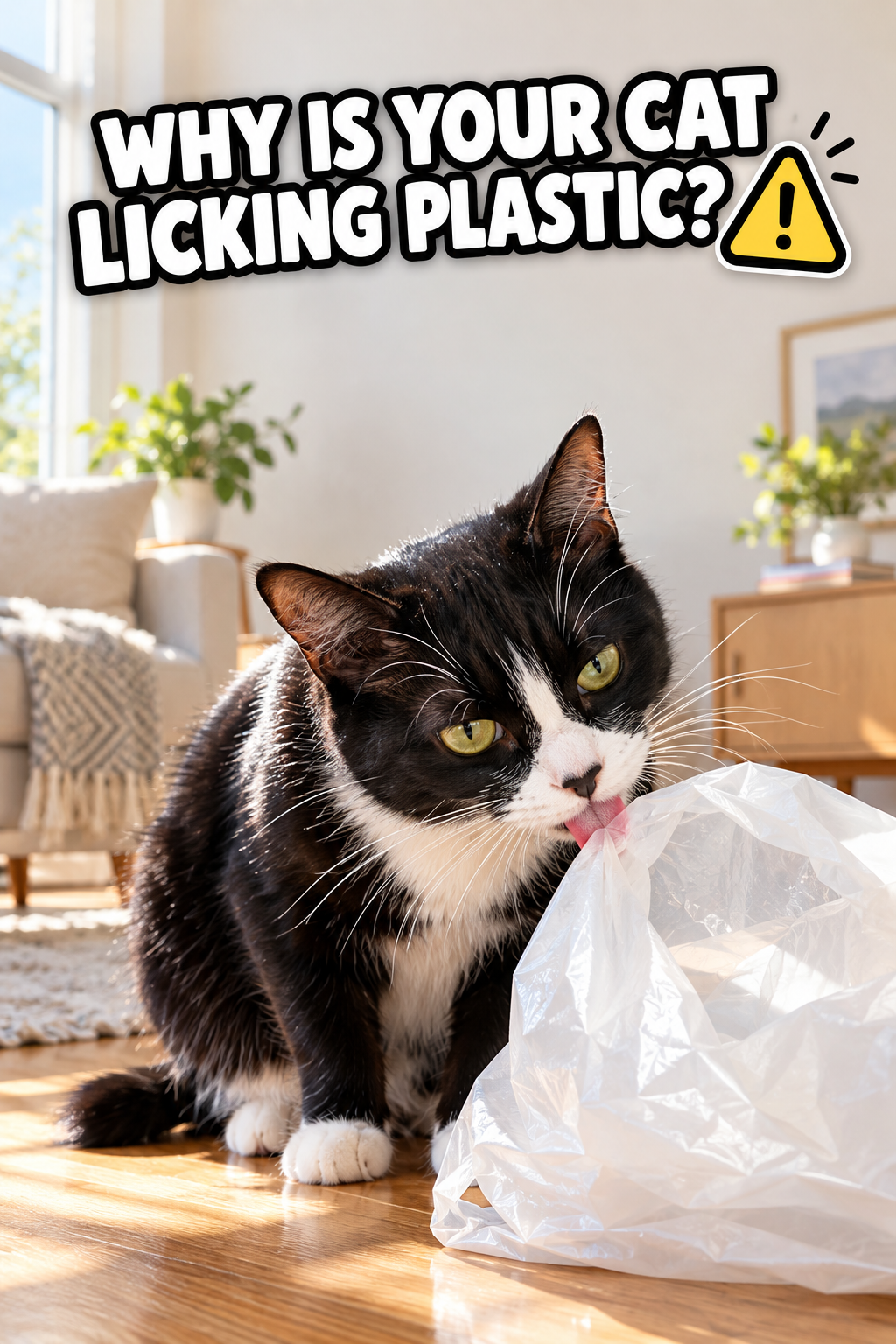
Your cat licks plastic bags obsessively because plastic grocery sacks are treated with animal tallow fats and cornstarch slip agents that smell irresistibly delicious to feline scent receptors. While humans cannot smell these microscopic compounds, your cat’s acute olfactory system detects the rich animal by-products used to prevent new bags from sticking together.
Beyond chemical aromas, the crinkly sound mimics rustling prey, and the cool, slick surface feels satisfying against a cat’s barbed tongue. However, when licking transitions into chewing, gnawing, or eating plastic material, it signals medical conditions such as dietary deficiencies, feline anemia, or compulsive pica.
Understanding whether this quirk is innocent olfactory attraction or an underlying medical emergency protects your feline friend from catastrophic intestinal obstructions.
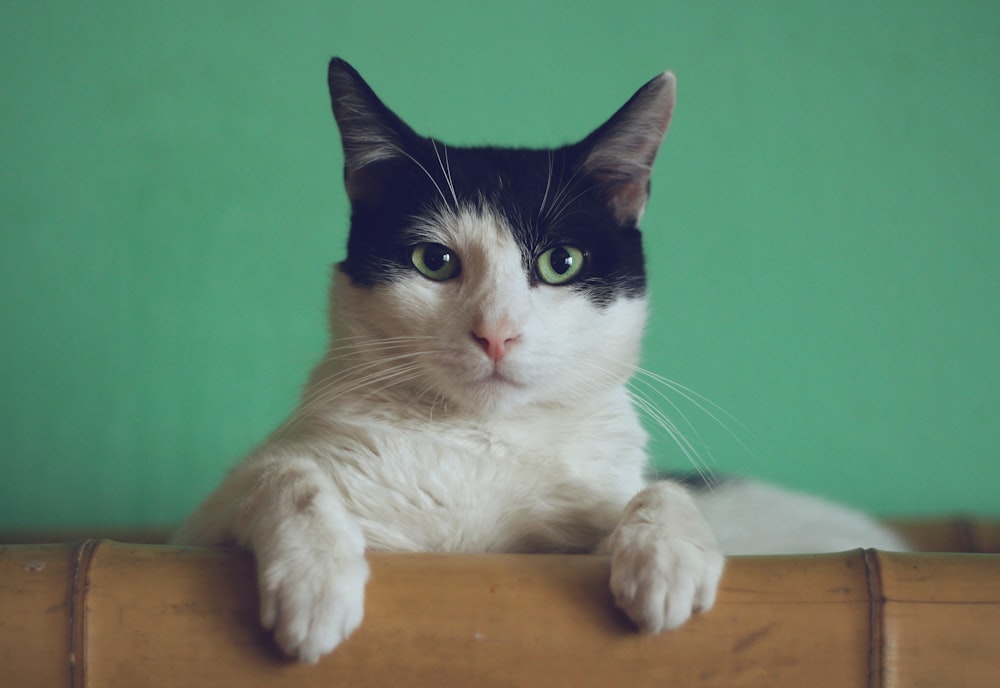
Cats possess hundreds of millions of olfactory receptors capable of sniffing out animal fats inside synthetic plastics.
1. The Chemical Secret: Animal Fats and Cornstarch in Plastic
Modern plastics seem completely synthetic, but the industrial manufacturing process relies heavily on natural processing aids. During plastic film production, manufacturers add specific chemicals known as slip agents to reduce surface friction so shopping bags open easily without clinging.
The most common industrial slip agents are synthesized from tallow, a refined form of rendered cattle or pig fat. Stearates and oleamides derived from animal fats coat the microscopic surface of grocery bags, dry cleaning wraps, and trash liners.
Cats are obligate carnivores with an extraordinary sensitivity to dietary lipids and protein markers. To your cat’s hyper-tuned nose, that plastic shopping bag on the kitchen counter does not smell like artificial polymer; it smells like a savory animal snack.
Furthermore, many contemporary retailers use eco-friendly biodegradable bags manufactured with cornstarch, wheat gluten, and vegetable oils. These organic starches release pleasant, sweet odors that feline taste buds find naturally intriguing, encouraging prolonged licking sessions.
2. Sensory Appeal: The Crinkle Sound and Smooth Texture
Cats navigate their environment through heightened sensory play, and thin plastic film provides a multisensory playground. The high-pitched crinkling noise produced when a cat steps on or bats a plastic bag closely mimics the sound of small rodents scuttling through dry autumn leaves.
This distinct acoustic feedback lights up your cat’s innate predatory drive. Biting or licking the bag produces immediate auditory reinforcement, transforming an ordinary grocery bag into an interactive hunting toy.
Texture plays an equally fascinating role in feline tactile preferences. The microscopic surface of smooth high-density polyethylene feels distinctly cool and slick against a cat’s filiform papillae.
The tiny, backward-facing keratin barbs on your cat’s tongue experience unique mechanical stimulation when dragged across smooth plastic film. For many indoor companions, this repetitive tactile sensation becomes a relaxing, self-soothing habit during quiet afternoon hours.
You can discover how mental stimulation shapes indoor habits inside our dedicated guide to feline behavior and enrichment.
3. Feline Pica: Nutritional Gaps and Anemia
When licking escalates into biting, chewing, or attempting to swallow plastic fragments, the behavior crosses into a clinical disorder known as pica. Pica refers to the persistent, pathological craving to consume non-nutritive, non-food substances such as plastic, cardboard, wool, or cat litter.
In many clinical feline cases, pica represents an unconscious physiological attempt to correct an underlying metabolic deficiency. Severe feline anemia, whether caused by chronic kidney failure, heavy flea infestations, or Feline Leukemia Virus (FeLV), frequently sparks intense pica cravings.
Cats suffering from red blood cell depletion often develop a bizarre compulsion to lick cold, slick materials or consume clay litter. Their bodies crave iron and trace minerals, confusing synthetic items with mineral-rich dietary sources.
Similarly, severe dietary imbalances or lack of insoluble dietary fiber can drive cats to seek out foreign fiber sources. Ensuring your cat consumes biologically appropriate meals through balanced feline nutrition helps keep the gastrointestinal tract satisfied.

Boredom and environmental monotony often drive domestic cats to seek out tactile stimulation from plastic packaging.
4. Stress, Boredom, and Feline Compulsive Behavior
Domestic indoor cats thrive on predictability, territory security, and routine. When their home environment undergoes sudden changes, cats express internal emotional distress through subtle displacement behaviors.
Displacement behaviors occur when a cat feels anxious or frustrated and redirects their energy into repetitive, out-of-context activities. Licking plastic grocery bags functions as an emotional pacifier, releasing endorphins in the brain that temporarily dampen environmental stress.
Common household stressors include moving furniture, welcoming a new baby, adopting another pet, or experiencing outdoor neighborhood cats prowling near windows. Cats lacking interactive play outlets frequently resort to plastic chewing to relieve chronic boredom.
In severe clinical scenarios, this habit evolves into Feline Obsessive-Compulsive Disorder (OCD). Breeds like Siamese, Burmese, and Tonkinese carry documented genetic predispositions toward wool-sucking and plastic-licking behaviors, as highlighted by feline health studies at the Cornell Feline Health Center.
Kittens weaned prematurely before eight weeks of age also demonstrate a much higher incidence of oral fixations. These cats carry infantile nursing urges into adulthood, using thin plastic or soft blankets as artificial nursing substitutes.
5. Dental Pain and Gastrointestinal Distress
Oral discomfort is one of the most frequently overlooked drivers behind obsessive feline plastic licking. Over seventy percent of cats over three years of age suffer from some form of active periodontal disease.
Conditions like feline tooth resorption, severe gingivitis, or broken molars cause intense localized throbbing and gum inflammation. Cats discover that rubbing their tender gums against crinkly, smooth plastic offers cooling, gentle counter-pressure that soothes aching oral tissues.
Chronic low-grade nausea stemming from Inflammatory Bowel Disease (IBD) or sluggish hairball transit also triggers repetitive licking episodes. A nauseated cat experiences hyper-salivation and uncomfortable oral sensations, prompting them to lick any available clean, cool surface.
If your cat drops kibble while eating, exhibits foul halitosis, or paws at their mouth alongside plastic licking, an urgent veterinary dental exam is necessary. For broader preventative care guidance, review our clinical protocols on cat health and routine wellness.
The Severe Dangers of Plastic Ingestion
While an occasional lick of an empty grocery bag is chemically harmless, allowing this habit to continue unchecked exposes your pet to life-threatening veterinary emergencies. Cats possess barbed tongues that make spitting out foreign materials mechanically challenging.
Once a strip of thin plastic film gets caught on the tongue’s keratin hooks, the cat’s instinctive swallow reflex kicks in. Ingested plastic cannot be digested or broken down by feline stomach hydrochloric acid.
The plastic gathers in the stomach or travels into the narrow small intestine, creating a catastrophic gastrointestinal obstruction. Even worse, long ribbon-like strips act as linear foreign bodies, anchoring under the tongue or in the pylorus while intestinal peristalsis bunches the bowel like an accordion, slicing through intestinal walls within forty-eight hours.
Beyond internal blockages, plastic bags present acute suffocation and strangulation hazards. Cats that crawl inside handles can easily panic, wrapping the plastic tightly around their necks or trapping their heads inside airtight compartments, as warned by the safety experts at the ASPCA.
How to Stop Your Cat from Licking Plastic Bags
Eliminating this dangerous obsession requires a systematic combination of environmental management, behavioral redirection, and veterinary triage. Here are the most effective steps to protect your companion:
- Implement Strict Plastic Quarantine: The most effective medical cure is complete prevention. Store all plastic grocery sacks, garbage bags, and dry cleaning wraps inside closed kitchen cabinets or sealed plastic bins immediately upon returning home.
- Transition to Reusable Canvas Bags: Swap single-use grocery plastic for sturdy cloth or canvas tote bags. Canvas bags carry zero animal tallow slip agents, produce no crinkle triggers, and cannot be accidentally swallowed.
- Provide Safe Feline Fiber (Cat Grass): Offer fresh, pesticide-free wheatgrass or oat grass (commonly sold as organic cat grass). Chewing on natural grass blades satisfies your cat’s instinctual craving for fibrous texture without risking bowel impactions.
- Upgrade Daily Environmental Enrichment: Introduce interactive puzzle feeders, kicker toys, and daily ten-minute wand-toy hunting sessions. Mental exhaustion and predatory satisfaction reduce the boredom that fuels obsessive plastic licking.
- Apply Safe Non-Toxic Deterrents: If you have electrical cords wrapped in plastic tubing, apply a light coating of cat-safe bitter apple spray or diluted citrus water. Cats detest bitter and citrus scents, which creates an immediate aversion to the surface.
- Schedule a Routine Veterinary Blood Panel: If plastic licking started suddenly, take your cat to the clinic for a comprehensive complete blood count (CBC) and chemistry screen. Ruling out early-stage anemia, hyperthyroidism, and dental lesions is essential before treating the behavior as purely psychological.
Clinical Behavioral Matrix: Curiosity vs. Medical Pica
Use this diagnostic reference table to distinguish between harmless feline curiosity and dangerous compulsive pica:
| Behavioral Metric | Playful Sensory Curiosity | Clinical Feline Pica |
|---|---|---|
| Primary Action | Sniffing, batting, brief casual licking | Obsessive licking, chewing, biting off chunks |
| Ease of Distraction | Stops immediately when called or offered a toy | Ignores treats and toys; fixates intensely on plastic |
| Material Variety | Limited to crinkly bags containing food | Targets all plastics, bubble wrap, tape, and trash liners |
| Underlying Root Cause | Scent of tallow fats or boredom | Anemia, dental pain, IBD, or severe anxiety |
| Clinical Risk Level | Low (Unless chewed) | High (Surgical Emergency Hazard) |
Frequently Asked Questions
Is it dangerous if my cat only licks the bag without eating it?
While casual licking will not poison your cat, it remains a dangerous habit. Backward-facing tongue barbs can snag thin plastic film unexpectedly, pulling small fragments down the throat and triggering acute choking or intestinal blockages.
Why does my cat lick the plastic adhesive tape on shipping boxes?
Many commercial packaging tapes and adhesives are formulated using animal bone gelatin, fish collagen, or natural rubber resins. Cats easily detect these natural animal proteins, making adhesive tape a prime target for curious lickers.
Can a lack of dietary vitamins make a cat crave plastic?
Yes, deficiencies in iron, dietary fiber, or trace minerals can provoke feline pica. Cats suffering from severe anemia or chronic malabsorption disorders frequently display compulsive cravings for synthetic materials.
What should I do if I suspect my cat swallowed a piece of plastic?
Monitor your cat closely for sudden vomiting, painful abdominal bloating, lethargy, or complete refusal to eat. If you notice any of these signs, contact an emergency veterinarian immediately, as swallowed plastic requires rapid radiographic diagnosis.
Professional Veterinary Disclaimer: The clinical information provided in this article is for educational, behavioral, and triage guidance purposes only. It does not replace hands-on veterinary medical examination, diagnostic blood panels, or professional behavior therapy. If your cat demonstrates signs of plastic ingestion, severe vomiting, or abdominal distress, contact an emergency animal hospital immediately.