Table of Contents
Clinical Summary for Pet Parents
- Orijen delivers an industry-leading 40% crude protein profile sourced primarily from fresh and raw animal ingredients.
- The brand follows a WholePrey formulation that incorporates organ meats and bone to reduce reliance on synthetic additives.
- High protein and dense caloric energy make it exceptional for active adult cats and growing kittens.
- Senior cats with diagnosed chronic kidney disease (CKD) should avoid it due to elevated phosphorus and mineral ash levels.
The Direct Veterinary Verdict
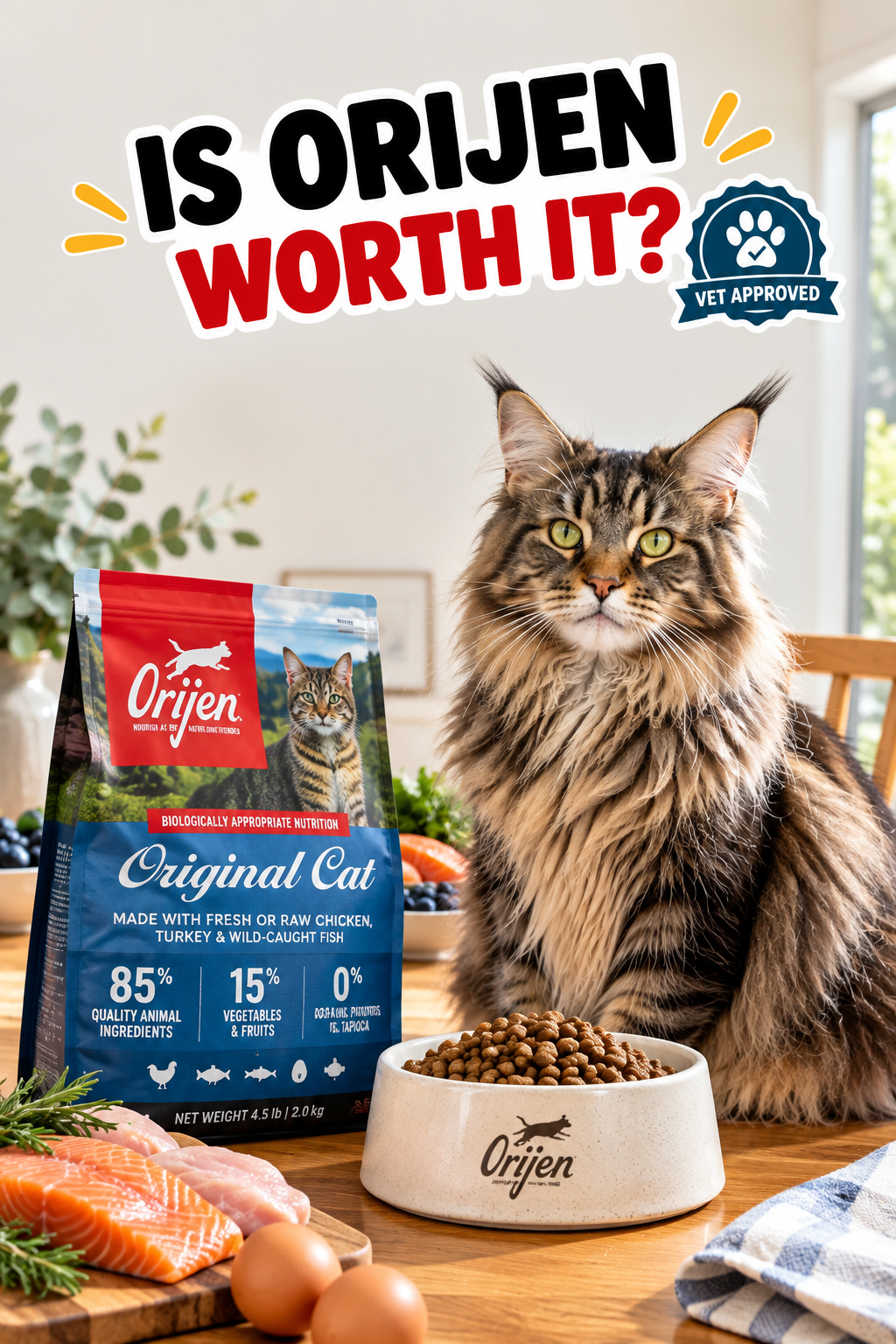
Orijen is one of the highest-quality, biologically appropriate dry cat foods on the global market, providing an exceptional 85% to 90% animal ingredient inclusion. Its high-protein, low-carbohydrate formula closely mirrors the ancestral feline carnivorous diet, supporting lean muscle mass and metabolic health far better than grain-heavy commercial kibbles.
However, its premium formulation means it carries a higher caloric density and elevated mineral ash content. While healthy, active cats flourish on Orijen, senior felines suffering from early-stage kidney disease require formulas with lower phosphorus thresholds.
Evaluating your cat’s specific life stage, hydration habits, and metabolic profile ensures you reap the maximum benefits of this premium diet without digestive surprises.

Obligate carnivores require animal-derived amino acids and organ tissues to maintain optimal metabolic function.
What Does “Biologically Appropriate” Actually Mean?
In feline nutritional science, the term biologically appropriate reflects the physiological realities of an obligate carnivore. Domestic cats (Felis catus) evolved from desert predators that consumed small rodents, reptiles, and birds, deriving virtually all their daily calories from animal tissues.
Cats lack salivary amylase, the primary oral enzyme responsible for breaking down dietary starches in humans and canines. Furthermore, feline livers possess limited enzymatic pathways to process large carbohydrate loads, predisposing cats on high-grain diets to insulin resistance and obesity.
Orijen builds their recipes around this anatomical framework by eliminating cheap cereal fillers like corn, wheat, and soy. Their diets prioritize animal proteins and natural fats over vegetable starches, keeping total carbohydrate concentrations strictly under twenty percent on a dry matter basis.
According to clinical nutritional guidelines from the Cornell Feline Health Center, cats require high levels of dietary protein to synthesize blood glucose via hepatic gluconeogenesis. Orijen delivers this exact biological fuel in every cup.
The WholePrey Ratio: Meat, Organs, and Cartilage
Traditional pet food manufacturers rely heavily on processed meat meals combined with long synthetic vitamin and mineral premixes. Orijen circumvents this synthetic dependency by utilizing what they term the WholePrey ratio.
In the wild, a hunting cat does not consume only skeletal muscle meat; they consume the entire prey animal. The liver, heart, kidneys, cartilage, and soft bones deliver essential micronutrients in their natural, highly bioavailable biological states.
For example, animal heart tissue provides rich concentrations of natural taurine, an essential amino acid cats cannot synthesize internally. Feline taurine deficiency leads to fatal dilated cardiomyopathy and central retinal degeneration.
Fresh liver supplies rich stores of preformed vitamin A, B-complex vitamins, and iron, while soft cartilage and bone supply calcium and phosphorus in balanced ratios. This whole-animal approach creates a dense nutrient profile that requires minimal synthetic fortification, as detailed in our guide to safe feline nutrition.
Nutritional Analysis: Protein, Fats, and Low Carbohydrates
Evaluating the guaranteed analysis of Orijen reveals an impressive macronutrient distribution that outclasses typical commercial dry kibbles. Standard supermarket cat foods often hover around twenty-eight to thirty-two percent protein, with carbohydrates exceeding forty percent.
Orijen recipes guarantee a minimum of 40% crude protein, derived almost entirely from named animal sources such as free-run chicken, wild-caught flounder, and whole turkey. This elevated protein level supports lean muscle preservation, skin elasticity, and immune antibody production.
The crude fat content averages between eighteen and twenty percent, supplying energy-dense calories and essential fatty acids. Abundant omega-3 fatty acids like EPA and DHA from whole wild fish soothe systemic inflammation and support cognitive health.
Because carbohydrates are kept remarkably low, cats on Orijen experience stable blood glucose levels without the steep post-prandial insulin spikes associated with high-grain foods. You can discover more about feline metabolic maintenance inside our clinical archive on cat health and preventative care.
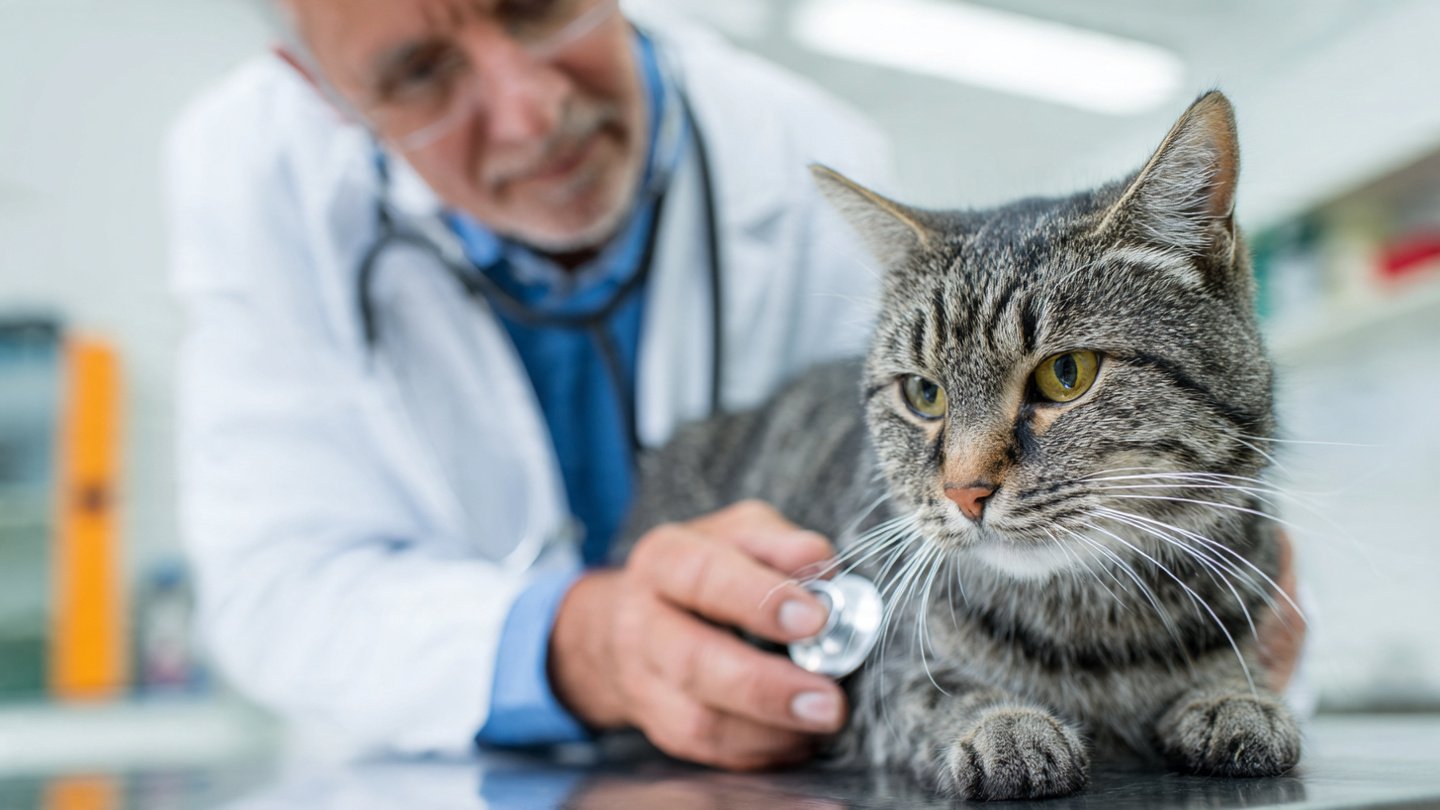
Routine veterinary bloodwork helps confirm that your cat’s dietary protein levels align with their internal organ function.
The Veterinary Safety Check: Ash, Phosphorus, and Kidney Health
One of the most frequent clinical debates regarding Orijen centers on its mineral ash and phosphorus content. Because the brand incorporates abundant whole meats, cartilage, and bones, the total mineral residue (ash) naturally registers higher than in plant-based formulas.
Phosphorus levels in standard Orijen dry formulas typically range between 1.1% and 1.4% on a dry matter basis. For healthy kittens and active adult felines, this phosphorus level is completely safe and meets strict regulatory profiles defined by the Association of American Feed Control Officials (AAFCO).
However, senior cats battling subclinical or diagnosed Chronic Kidney Disease (CKD) cannot excrete excess phosphorus efficiently through failing nephrons. High dietary phosphorus accelerates kidney damage in renal patients, meaning older felines need phosphorus-restricted therapeutic diets instead of high-meat formulas.
Additionally, dry kibble lacks the natural moisture that felines require to flush their urinary tracts. If you feed Orijen dry food, providing a recirculating water fountain or supplementing with moisture-rich wet toppers is essential to prevent concentrated urine and struvite crystals.
The Legume Factor: Peas, Lentils, and Starch Binders
To manufacture shelf-stable dry kibble without grains, pet food extruders require a minimal amount of starch binder. Orijen utilizes whole green peas, red lentils, pinto beans, and chickpeas to bind their high-meat dough.
Some pet parents express concern regarding legumes due to ongoing veterinary discussions surrounding canine dilated cardiomyopathy (DCM). In felines, secondary dietary DCM remains rare because cats require explicit dietary taurine, which Orijen supplies in vast natural quantities.
The total volume of legumes in Orijen accounts for roughly ten to fifteen percent of the recipe, which is significantly lower than discount grain-free brands that substitute half their meat with pea flour. For the vast majority of felines, these low-glycemic legumes provide healthy dietary fiber that aids hairball transit without upsetting intestinal flora.
Orijen Cat Food Product Line Breakdown
Orijen offers several specialized formulations tailored to specific feline life stages and physical lifestyles. Here is how the primary formulas compare clinically:
1. Orijen Original Cat
The flagship recipe formulated with free-run chicken, turkey, wild-caught fish, and cage-free eggs. Delivering forty percent protein and twenty percent fat, it serves as an outstanding, energy-dense staple for active adult cats requiring muscle support.
2. Orijen Six Fish
A pure seafood powerhouse loaded with wild-caught mackerel, herring, flounder, redfish, monkfish, and silver hake. It is exceptionally rich in natural omega-3 fatty acids, making it the premier choice for felines struggling with dry, flaky skin, dull coats, or chronic allergies.
3. Orijen Guardian 8
Formulated specifically to address eight common feline health challenges, including immune function, joint mobility, muscle maintenance, and heart health. It incorporates fresh poultry, wild fish, and added prebiotics to support sensitive digestive systems.
4. Orijen Fit & Trim
Designed for sedentary indoor felines and neutered cats prone to rapid weight gain. It lowers fat content to fifteen percent while sustaining a forty-four percent protein level, enabling safe weight loss without losing lean muscle mass.
Explore our detailed dietary recommendations for active companions in our guide to advanced feline nutrition.
Nutritional Comparison Table: Orijen vs. Standard Dry Foods
Compare the nutritional parameters of Orijen against typical commercial cat kibbles:
| Nutritional Metric | Orijen Dry Cat Food | Standard Commercial Kibble |
|---|---|---|
| Animal Protein Percentage | 85% – 90% Animal Inclusions | 30% – 50% (Heavy Grain/Plant Fillers) |
| Crude Protein Level | 40% – 44% (Guaranteed Minimum) | 28% – 32% (Minimum Standard) |
| Carbohydrate Content | Under 20% (Low Glycemic) | 35% – 45% (High Glycemic Starch) |
| Fresh or Raw Meats | First 5 to 10 Ingredients Fresh/Raw | Rendered Meals, Corn, Wheat By-products |
| Average Caloric Density | 4,060 kcal/kg (Approx 460 kcal/cup) | 3,400 – 3,700 kcal/kg |
Which Cats Should Eat Orijen (and Who Should Avoid It)?
Nutritional therapy is never one-size-fits-all. While Orijen is a superior formulation, specific feline populations thrive on it while others require different clinical interventions.
Ideal Candidates for Orijen:
- Growing Kittens and Young Adults: The dense amino acid profile and high caloric density provide the exact fuel required for rapid skeletal development and muscle accretion.
- Active Outdoor and Working Breeds: High-energy breeds like Bengals, Savannahs, and Maine Coons maintain body condition effortlessly on Orijen’s rich fat matrix.
- Cats with Grain Sensitivities: Felines that develop chronic loose stools, ear infections, or skin itching from corn, wheat, or gluten thrive on these grain-free whole meats.
Cats That Should Avoid Orijen:
- Cats with Chronic Kidney Disease: Elevated phosphorus and protein concentrations put unnecessary metabolic strain on compromised kidneys.
- Cats Prone to Chronic Urinary Crystals: Sedentary indoor cats that refuse to drink water can develop concentrated urine on dry kibble diets, regardless of brand quality.
- Severely Overweight Inactive Cats: Without strict portion control using measuring scales, Orijen’s high caloric density can lead to rapid weight gain.
Frequently Asked Questions
Has Orijen cat food ever been recalled?
Orijen has an exceptional safety record in the United States and Canada with zero recalls on North American pet foods. The only historical incident occurred in 2008 in Australia, where mandatory government gamma irradiation of imported pet food caused neurological illness, prompting Orijen to cease sales in Australia completely.
How do I transition my cat to Orijen without causing diarrhea?
Because Orijen is rich in protein and animal fats, you must transition your cat gradually over 10 to 14 days. Start by mixing 25% Orijen with 75% of your cat’s old food for four days, gradually increasing the ratio to allow their digestive enzymes and gut bacteria to adapt.
Is Orijen cat food manufactured by Purina or Mars?
Orijen was originally created by Champion Petfoods in Alberta, Canada. In 2023, Champion Petfoods was acquired by Mars Petcare, though production continues in company-owned kitchens in Kentucky and Alberta following original WholePrey nutritional formulas.
Can I feed Orijen dry food exclusively to my cat?
While Orijen is nutritionally complete, obligate carnivores naturally require high moisture levels to maintain urinary tract health. Veterinarians recommend incorporating wet canned food or adding bone broth toppers to dry kibble to ensure your cat stays hydrated.
Professional Veterinary Disclaimer: The dietary evaluations and clinical reviews provided in this article are intended for educational and pet parent guidance purposes only. Nutritional requirements vary based on your cat’s age, metabolic status, hydration habits, and underlying health conditions. Always consult your primary veterinarian before making sudden modifications to your pet’s daily feeding regimen.