
In This Clinical Guide
Clinical Summary at a Glance
- Repetitive air licking paired with hard swallowing is a physical reflex driven by severe nausea, acid reflux, oral blockages, or focal seizures.
- Dogs rapidly extend their tongues to stimulate saliva production (ptyalism), using natural bicarbonate in saliva to buffer burning esophageal acid.
- A stick or bone fragment wedged across the hard palate is one of the most common physical culprits evaluated in emergency rooms.
- Episodes where the dog becomes mentally unresponsive or snaps at imaginary flies indicate neurological partial seizures requiring medical intervention.
The Direct Veterinary Answer
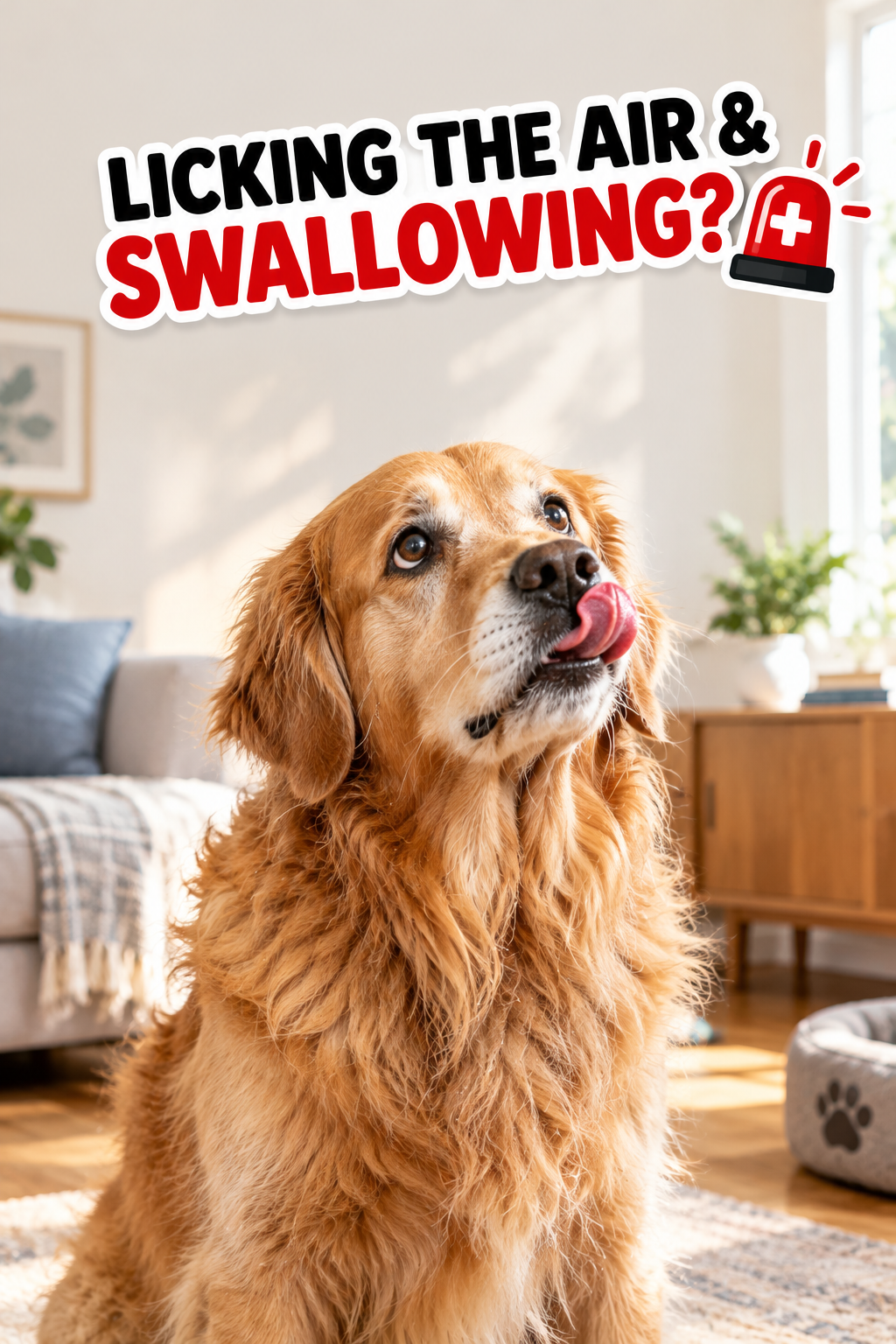
If your dog is licking the air and swallowing repeatedly, they are experiencing acute nausea, painful gastroesophageal acid reflux (GERD), an oral physical obstruction, or a neurological focal seizure. Rather than an innocent behavioral habit, this rapid tongue-flicking motion is an involuntary physiological reflex triggered when excess saliva pools in the mouth to neutralize burning esophageal acid or dislodge irritating material.
In clinical practice, dogs display this distinct behavior when their gastrointestinal tract or upper pharynx sends urgent distress signals through the vagus nerve. The continuous hard gulping indicates your dog is desperately trying to clear caustic fluid, stomach bile, or a wedged foreign object caught behind their teeth.
While an occasional, fleeting tongue-flick happens when smelling novel scents, non-stop rhythmic air licking that lasts several minutes signals active physical discomfort that demands systematic evaluation.

Persistent rhythmic tongue-flicking and gulping indicate internal esophageal burning or upper pharyngeal distress.
The Physiological Mechanism: Why Dogs “Lick the Air”
To understand why your companion looks like they are tasting invisible food, we must examine the canine oral-esophageal reflex. When the mucosal lining of the esophagus or stomach experiences acute chemical burns from hydrochloric acid, the body activates a protective response called ptyalism (hyper-salivation).
Canine saliva is naturally alkaline and packed with bicarbonate ions designed to neutralize acidic digestive secretions. As gallons of thick saliva flood the mouth, the dog must continuously extend their tongue into the air and swallow hard to prevent choking on their own secretions.
Furthermore, sensory branches of the glossopharyngeal and vagus nerves line the back of the pharynx, larynx, and soft palate. Mechanical irritation from trapped grass seeds, dental fractures, or rising stomach acid irritates these nerve endings, creating a false sensation that something is caught in the throat.
The dog licks outward against the air in an instinctual, biomechanical attempt to create negative suction within the oral cavity. Understanding this involuntary reflex helps pet owners recognize that their pet is suffering from visceral pain rather than playing, as outlined in clinical literature from the Merck Veterinary Manual.
1. Severe Gastroesophageal Reflux (GERD) and Esophagitis
Gastroesophageal Reflux Disease (GERD) stands as the single most frequent internal medical driver behind sudden, frantic air licking and swallowing fits. Just like humans experiencing severe heartburn, dogs suffer when the lower esophageal sphincter relaxes improperly, allowing caustic hydrochloric acid, pepsin, and bile to surge upward.
Unlike the stomach, which is protected by a dense alkaline mucus barrier, the delicate stratified squamous epithelium of the esophagus has no biological defense against digestive acids. The rising acid causes acute chemical burns, known clinically as esophagitis.
This burning fire creates agonizing chest discomfort that makes dogs stretch their necks straight forward, pace frantically, lick floors, and lick the air continuously to swallow soothing saliva. Episodes occur most frequently in the early morning on an empty stomach or two to three hours after consuming a high-fat meal.
Brachycephalic breeds like French Bulldogs, English Bulldogs, and Pugs face extraordinary risk for chronic GERD due to high negative intrathoracic pressures generated when breathing through pinched nostrils. For comprehensive management of canine acid imbalance, explore our clinical guide to canine digestive health.
2. Trapped Oral Foreign Bodies and Dental Emergencies
Before assuming an internal systemic illness, every veterinarian checks the oral cavity for mechanical blockages. Dogs love chewing on sticks, cooked bones, raw hides, and rigid plastic toys, all of which splinter easily.
One of the classic veterinary presentations involves a short stick or flat bone fragment wedged horizontally between the upper dental arcades. The foreign object jams tightly across the roof of the hard palate, trapped behind the upper carnassial teeth.
Because the dog cannot reach the roof of their mouth with their paws, they extend their tongue outward, licking the air frantically and making repeated gulping sounds in a futile attempt to dislodge the wooden or bone bridge. The longer the object stays trapped, the more the surrounding palatal gums swell, locking it into place.
Severe dental conditions also trigger continuous air licking. An infected tooth root abscess, a fractured molar exposing the sensitive pulp cavity, or deep linear ulcers under the tongue generate shooting dental pain every time the tongue rubs against the lesion.
If your dog suddenly starts pawing at their muzzle, drools bloody discharge, or refuses to close their mouth completely alongside air licking, an immediate oral inspection is necessary. Review our foundational protocols on routine canine health care.

Persistent hard swallowing and lip-smacking are primary behavioral signs of rising gastric nausea.
3. Focal Seizures and “Fly-Biting” Syndrome
While generalized grand mal seizures involve violent muscle contractions and total loss of consciousness, focal seizures (partial or psychomotor seizures) affect only a localized region of the brain. When abnormal electrical activity surges through the temporal lobe or limbic system, it triggers involuntary, repetitive motor behaviors.
One notorious manifestation is known clinically as “fly-biting syndrome” or fly-catching epilepsy. The dog remains standing and fully awake, but fixates their gaze into empty space, snapping at invisible insects, rhythmically extending their tongue, and gulping rapidly.
During a focal seizure, the dog is in an altered mental state and usually cannot be distracted. If you call their name, wave a tasty treat in front of their nose, or clap your hands, they continue their rhythmic air-licking motion without breaking focus.
These neurological episodes typically last between sixty seconds and several minutes, followed by a brief “post-ictal” period of disorientation, heavy panting, or clinginess. As documented by veterinary neurology specialists at the American College of Veterinary Internal Medicine (ACVIM), underlying drivers range from idiopathic epilepsy to structural brain lesions.
4. Acute Nausea and Impending Gastrointestinal Distress
Profound gastrointestinal nausea produces an identical clinical picture of frantic air licking and hard swallowing. Unlike humans who describe feeling sick, a nauseated canine communicates their visceral misery through intense oral behaviors.
When the emetic center inside the canine medulla oblongata activates, it triggers a surge of gastric fluids and stimulates the salivary glands. The dog licks the air, frantically licks carpets, tile floors, or sofa upholstery, and swallows every few seconds to prevent stomach acid from spilling out of their mouth.
This acute nausea commonly precedes explosive bouts of vomiting or diarrhea caused by dietary indiscretion, infectious gastroenteritis, or acute pancreatitis. When the pancreas becomes inflamed after consuming greasy table scraps, the intense upper abdominal pain triggers continuous, low-grade nausea that leaves the dog licking thin air while trembling.
Never ignore a dog that licks the air and refuses their meals, as prolonged nausea leads to severe fluid loss and metabolic derangements. Discover more about managing stomach sensitivities in our guide to canine nutritional balance.
5. Laryngeal Paralysis and GOLPP in Senior Dogs
In mature and senior dogs, persistent air licking and exaggerated throat clearing often point to an insidious neurological condition called Laryngeal Paralysis. Most frequently, it represents the initial clinical stage of Geriatric Onset Laryngeal Paralysis Polyneuropathy (GOLPP), a progressive degeneration of peripheral nerves.
Under healthy physiological conditions, the arytenoid cartilages of the larynx pull open wide during inhalation and snap shut during swallowing to protect the windpipe. In an affected dog, the recurrent laryngeal nerves lose function, leaving the laryngeal flaps hanging limp and partially obstructing the upper airway.
This anatomical dysfunction creates a constant, distressing sensation that something is physically stuck in the back of the throat. The dog licks the air, makes harsh raspy gulping noises, and clears their throat repeatedly in a vain effort to reset their paralyzed airway flaps.
Large senior breeds like Labrador Retrievers, Golden Retrievers, and Irish Setters carry an overwhelming genetic predisposition to GOLPP. Noticeable warning signs include a distinct hoarse change in their bark tone, exercise intolerance, and loud, raspy panting during warm weather, as documented by surgical specialists at the Cornell University College of Veterinary Medicine.
6. Aerophagia and the Early Warning Signs of GDV (Bloat)
One of the most dangerous, overlooked consequences of continuous air licking is a mechanical process known as aerophagia (literally, “air-eating”). When an anxious or nauseated dog licks the air and gulps every three seconds, they swallow large volumes of atmospheric air directly into their gastric chamber.
This relentless influx of swallowed air rapidly expands the stomach lumen, creating acute gastric distention. In deep-chested canine breeds, this sudden gas accumulation dramatically increases the physical risk of Gastric Dilatation-Volvulus (GDV), where the gas-filled stomach flips on its axis, cutting off local blood supplies.
In this alarming scenario, air licking acts as both a symptom of early nausea and the direct trigger for a life-threatening rotational crisis. If your dog transitions from frantic air licking to pacing, looking at their left flank, and producing unproductive white foamy retches, you have minutes to reach an emergency surgical hospital.
Recognizing the difference between simple indigestion and gastric emergencies is essential; review our clinical triage matrix inside our guide to canine gastrointestinal health.
7. Pharyngitis, Tonsillitis, and Salivary Mucocele (Sialocele)
Direct inflammation of the soft tissues lining the pharyngeal vault creates intense localized swelling that drives non-stop tongue-flicking. Canine tonsillitis, while relatively rare as a primary disease, frequently develops secondary to chronic vomiting, systemic viral infections, or severe dental tartar.
When the palatine tonsils swell, they pop out of their protective crypts, protruding like two inflamed red marbles into the back of the oral cavity. Every time the dog swallows, the enlarged tonsils brush against the soft palate, triggering intense tickling and reflexive air licking.
Similarly, a damaged or ruptured salivary gland duct can leak saliva into the surrounding subcutaneous tissues, forming a soft, fluctuant pocket known as a cervical or sublingual sialocele (often called a ranula under the tongue). This fluid pocket exerts mechanical pressure on the base of the tongue, forcing the dog to make continuous swallowing motions.
Carefully observing how your dog moves their head and neck helps distinguish soft tissue inflammation from muscular disease, as outlined in our clinical library on preventative canine care.

A thorough oral cavity inspection using targeted lighting reveals foreign material wedged across the hard palate.
The Step-by-Step 2-Finger Flashlight Oral Exam Protocol
If your dog suddenly starts licking the air and gulping, you should perform a calm, methodical inspection of their oral cavity before rushing out the door. Follow this veterinary-approved examination protocol safely without risking a painful bite:
- Secure and Calm Your Dog: Have a family member gently hold your dog’s collar and steady their chest against a wall or sofa. Speak in soothing, low tones to prevent head thrashing.
- The Upper Lip Inversion: Place your non-dominant hand over the bridge of your dog’s muzzle. Using your thumb on one side and fingers on the other, gently press their upper lips inward over their premolar teeth; this ensures that if they attempt to clamp down, they bite their own lips rather than your fingers.
- Tilt and Illuminate: Gently tilt your dog’s nose upward toward the ceiling. Hold a bright LED penlight or smartphone flashlight with your free hand to illuminate the dark recesses of the mouth.
- Inspect the Hard Palate Roof: Look specifically between the upper molar teeth across the corrugated ridges of the roof of the mouth. This is the primary nesting zone for horizontal stick fragments, flat bone shards, and raw hide pieces.
- Depress the Lower Jaw: Use one finger of your free hand to gently push down on the lower incisors to open the jaw wide. Inspect under the tongue for linear foreign materials (like string or yarn) looped around the lingual frenulum.
- Evaluate the Tonsillar Crypts: Look into the dark opening behind the tongue for visible red masses, protruding tonsils, or lodged foxtail grass awns. If you spot a firmly wedged bone or stick, do not pull aggressively with pliers; seek professional veterinary extraction to avoid tearing the delicate palatal mucosa.
Emergency Red Flags: When Air Licking Demands Immediate Hospitalization
While isolated air licking from mild acid indigestion can resolve with gentle home care, certain accompanying symptoms indicate a critical internal crisis. Feline and canine airway obstructions and abdominal catastrophes progress with alarming speed.
Seek immediate treatment at an emergency animal hospital if your dog exhibits any of the following clinical red flags:
- Cyanosis (Blue, Purple, or Ashen Gums): Indicates profound oxygen depletion resulting from laryngeal obstruction or acute aspiration pneumonia.
- The Orthopneic Posture: The dog sits or stands with their neck rigidly stretched outward, front elbows flared wide, and chest laboring heavily to pull air past a throat blockage.
- Complete Mental Detachment: The dog stares blankly into space, fails to respond to their name, or snaps at non-existent airborne objects for longer than two minutes (indicative of status epilepticus or severe focal seizures).
- Distended, Firm Abdomen: The stomach feels tight like an inflated basketball, paired with non-productive retching and restless pacing (hallmark signs of GDV).
- Bleeding or Coffee-Ground Vomitus: The presence of digested dark blood indicates severe hemorrhagic gastroenteritis or deep esophageal ulceration.
Diagnostic Decision Matrix: Air Licking Clinical Causes
Use this comprehensive diagnostic matrix to evaluate your dog’s tongue-flicking pattern and determine the proper veterinary urgency:
| Suspected Condition | Tongue Movement Pattern | Mental Responsiveness | Accompanying Clues | Clinical Urgency |
|---|---|---|---|---|
| Gastroesophageal Reflux (GERD) | Rhythmic air licking paired with hard swallowing | Alert, anxious, seeks reassurance or grass | Lip-smacking, floor-licking, empty stomach bile vomited | Moderate (Prompt Vet Visit) |
| Palatal Foreign Object | Frantic, wide tongue extensions and jaw gaping | Fully conscious, highly distressed, panicked | Pawing at muzzle, head tilting, bloody drool | High (Urgent Removal) |
| Focal Seizure (“Fly-Biting”) | Snapping jaws upward at invisible air targets | Unresponsive to voice or treats | Glassy eyes, brief disorientation following episode | High (Neurological Workup) |
| Laryngeal Paralysis (GOLPP) | Slow, raspy throat clearing and mouth opening | Fully alert, easily fatigued by heat or activity | Bark tone changes, roaring panting, senior age | Moderate to High |
| Secondary GDV / Bloat | Rapid air swallowing evolving into heavy panting | Restless, pacing, enters progressive shock | Unproductive retching, hard distended belly, white gums | Critical Life Emergency |
Clinical Veterinary Workup and Evidence-Based Treatments
When you present your companion to the hospital for chronic air licking, your veterinary team executes a structured diagnostic workup. Never settle for superficial guesses when persistent esophagus or brain dysfunction is suspected.
The diagnostic protocol begins with upper gastrointestinal fluoroscopy or endoscopy if chronic GERD or megaesophagus is suspected. A flexible endoscope allows direct visualization of mucosal ulcerations, strictures, or sliding hiatal hernias that drive stomach acid past the cardiac sphincter.
For neurological cases, an electroencephalogram (EEG) or brain MRI confirms focal epilepsy and rules out intracranial masses. When laryngeal paralysis is on the differential list, a sedated laryngeal exam evaluates dynamic vocal fold movement under light anesthesia.
Modern Veterinary Medical Therapies
- Proton Pump Inhibitors (Omeprazole, Pantoprazole): Block gastric acid secretion at the cellular parietal level far more effectively than basic H2 blockers, allowing inflamed esophageal tissue to heal.
- Sucralfate Oral Slurry: Dissolved in water, sucralfate acts like a liquid bandage, adhering directly to raw, eroded mucosal ulcers in the esophagus to soothe burning pain within minutes.
- Prokinetic Agents (Cisapride, Metoclopramide): Accelerate gastric emptying, preventing food and acid from stagnating in the stomach and surging backward into the throat.
- Targeted Antiepileptic Drugs (Levetiracetam, Phenobarbital): Stabilize abnormal neuronal firing within the cerebral cortex, halting focal fly-biting seizure clusters reliably, as endorsed by the American Kennel Club (AKC) Health Foundation.
Frequently Asked Questions
Can I give my dog human Pepto-Bismol or Tums for air licking?
No, never administer Pepto-Bismol or human antacids to your dog without explicit veterinary guidance. Pepto-Bismol contains subsalicylate (an aspirin derivative) that causes severe gastrointestinal ulceration, while many chewable Tums contain artificial sweeteners like xylitol, which is rapidly fatal to dogs.
Why does my dog lick the air after eating their meals?
Air licking immediately following a meal usually indicates post-prandial acid reflux, delayed gastric emptying, or kibble lodged in the upper dental ridges. Transitioning to smaller, frequent meals or utilizing a slow-feeder bowl prevents rapid aerophagia and digestive regurgitation.
How can I tell the difference between air licking and a focal seizure?
Perform the distraction test: call your dog’s name, offer a high-value piece of meat, or clap your hands firmly. If your dog pauses the tongue-licking and looks at you, the cause is digestive or physical; if they remain locked into space and continue snapping at the air, they are experiencing a neurological focal seizure.
Can anxiety or stress cause a dog to lick the air obsessively?
Yes, chronic environmental anxiety can manifest as a displacement behavior known as compulsive surface or air licking. However, veterinarians must exhaustively rule out painful physical triggers like GERD, dental root abscesses, and pancreatitis before diagnosing a purely behavioral obsession.
Professional Veterinary Medical Disclaimer: The diagnostic protocols and clinical information provided in this guide are intended for educational, observational, and triage guidance purposes only. They do not replace formal veterinary physical examination, imaging, or individualized prescription therapy. If your dog exhibits signs of respiratory distress, cyanosis, abdominal swelling, or unresponsiveness, transport them to an accredited veterinary emergency hospital immediately.