
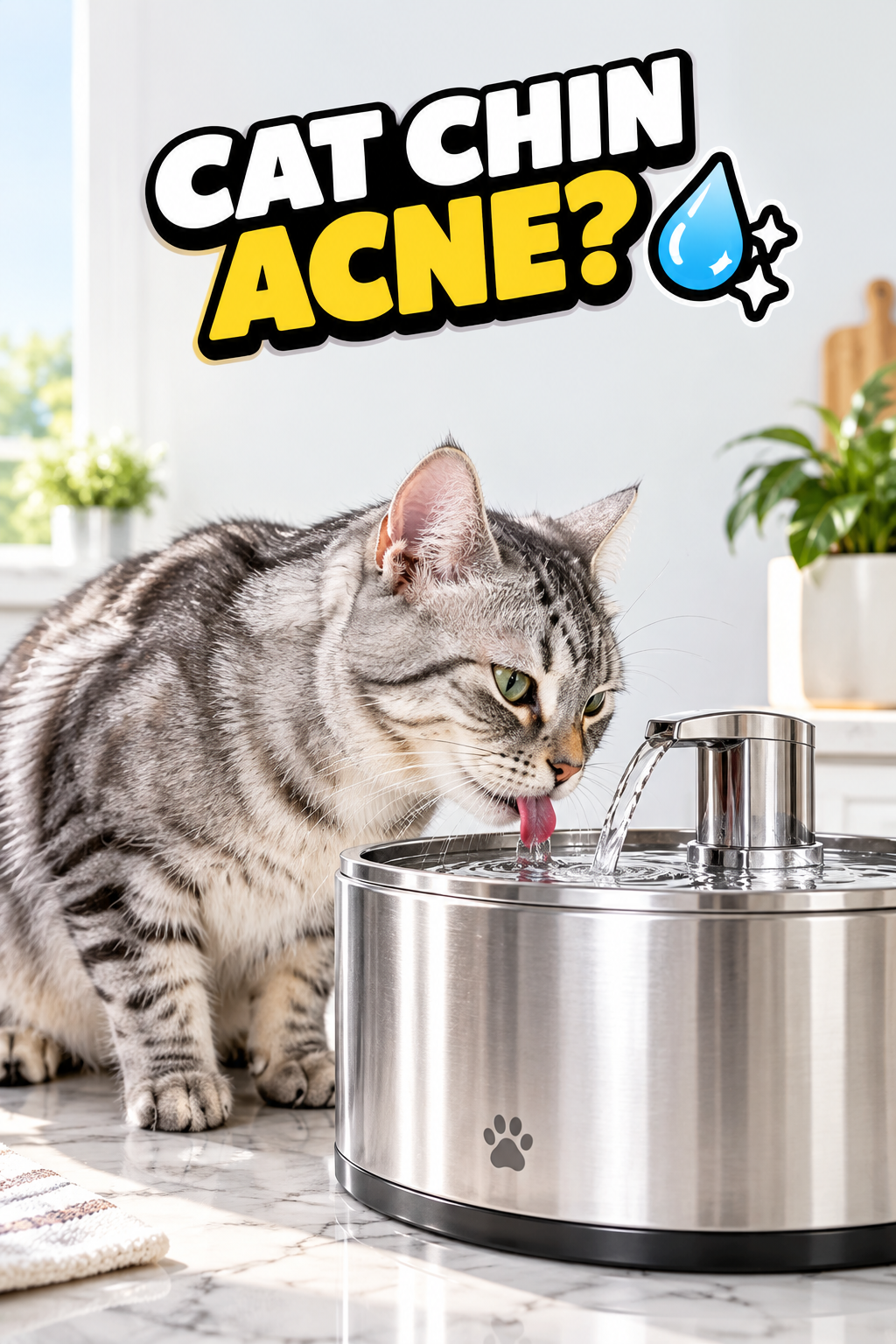
In This Feline Health & Gear Guide
Clinical Summary at a Glance
- Stainless steel water fountains resolve up to 90% of feline chin acne outbreaks caused by contact bacterial contamination.
- Plastic pet dishes harbor porous micro-fissures that shield bacterial biofilms from standard hand dishwashing.
- Feline chin acne is an inflammatory keratinization defect where blocked hair follicles become secondary bacterial hotbeds.
- Medical-grade 304 stainless steel is completely non-porous, corrosion-resistant, and sterilizable in high-heat dishwashers.
The Direct Veterinary Answer
Do stainless steel water fountains prevent feline chin acne? Yes, high-quality stainless steel water fountains prevent and resolve feline chin acne in the vast majority of domestic cats by eliminating bacterial biofilms that inevitably colonize plastic bowls. Unlike porous plastic surfaces that harbor microscopic scratches, medical-grade 304 stainless steel is non-porous, chemically inert, and easily sterilized at high dishwasher temperatures.
In feline dermatological practice, switching from porous plastic dishes to non-porous circulating stainless steel fountains is the primary non-pharmaceutical intervention for chin comedones. Continuous water filtration prevents stagnant bacterial growth, while broad shallow drinking surfaces prevent your cat’s chin from rubbing against greasy bowl rims.
Understanding how material science interacts with feline hair follicles empowers you to eliminate chronic chin crusts without relying on endless cycles of antibiotics.
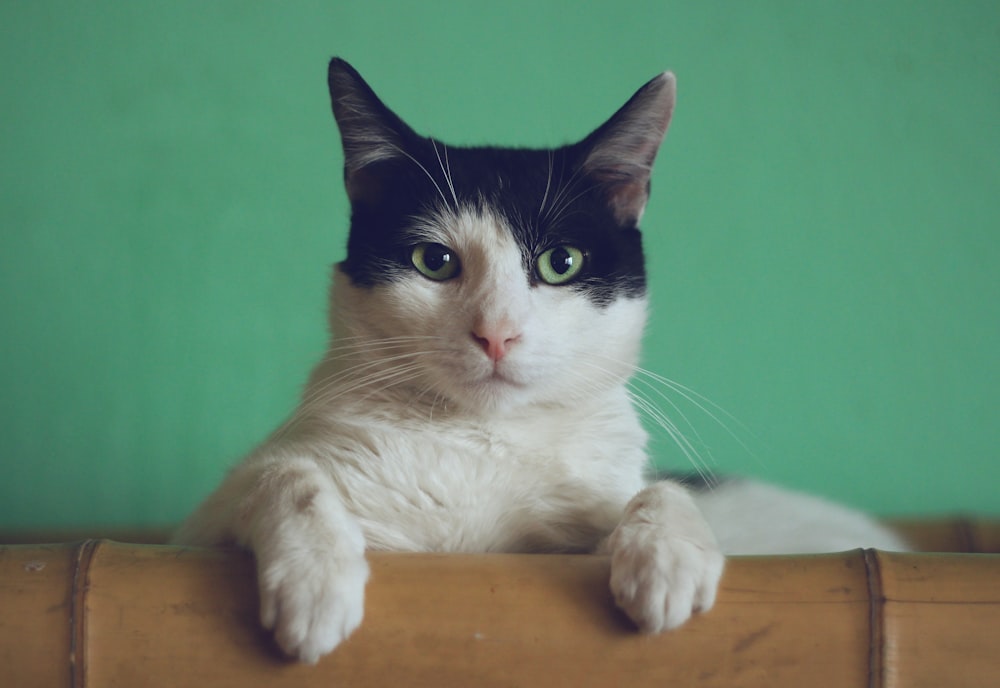
Non-porous drinking materials keep facial hair follicles clear of opportunistic cutaneous bacteria.
The Dermatology Behind Feline Chin Acne: Follicular Keratinization
Many cat parents mistakenly assume feline chin acne is simple dirt accumulated from outdoor play or wet food debris. Clinically, feline chin acne is a chronic disorder of follicular keratinization combined with sebaceous gland hyperactivity along the submental organ of the chin.
Under healthy physiological conditions, canine and feline skin sheds old keratin cells seamlessly from the epidermis. In acne-prone felines, the body overproduces thick, fibrous keratin protein that binds tightly with natural sebaceous sebum inside the hair follicles.
This trapped mixture forms dark, oxidized plugs known as comedones, visible on your cat’s chin as black specks resembling flea dirt. Once follicles become occluded, resident cutaneous bacteria—such as Pasteurella multocida and Staphylococcus pseudintermedius—proliferate within the anaerobic environment, triggering painful pustules and swollen furuncles.
Because cats cannot groom their own chins directly with their barbed tongues, this submental anatomical zone remains vulnerable to physical contamination. Discover more about managing common coat conditions inside our clinical archive on preventative feline wellness.
The Plastic Bowl Trap: Biofilms and Microscopic Bacterial Slime
Commercial plastic pet bowls represent the single most common environmental catalyst for persistent chin folliculitis. While plastic appears smooth to the naked human eye, its microscopic molecular matrix is soft and inherently porous.
Daily use, chewing, and scrubbing with kitchen sponges create millions of microscopic gouges and micro-fissures across the plastic surface. Saliva, food fats, and ambient dust settle deep into these crevices, creating an ideal breeding habitat for bacterial colonies.
These entrenched microorganisms synthesize an extracellular protective matrix known as a bacterial biofilm (slime layer). This biofilm acts like biological concrete, shielding pathogenic bacteria from ordinary dish soap and lukewarm sink rinsing.
Every time your cat lowers their head to drink from a plastic dish, their chin rubs directly against this bacterial biofilm. The mechanical friction drives pathogenic microbes straight into open hair follicles, triggering acute contact dermatitis and recurring acne outbreaks, as documented by veterinary dermatologists at the Cornell Feline Health Center.
Why Medical-Grade 304 Stainless Steel Prevents Folliculitis
Transitioning your household to a circulating fountain manufactured from food-grade 304 (18/8) stainless steel alters this environmental equation entirely. Stainless steel is an alloy composed of iron, chromium, and nickel that creates a completely non-porous molecular surface.
When exposed to ambient oxygen, the chromium content forms an invisible, self-healing chromium oxide passivation layer that blocks moisture penetration and chemical corrosion. Bacteria cannot anchor into the dense metal lattice, preventing the development of stubborn biofilms.
Unlike plastic, which degrades and leaches volatile plasticizers or bisphenol compounds, high-grade stainless steel is completely hypoallergenic and chemically inert. It does not absorb foul food odors or harbor microscopic contact allergens that irritate delicate feline skin.
Most importantly, stainless steel vessels tolerate commercial dishwasher sanitizing cycles exceeding 140 degrees Fahrenheit (60 degrees Celsius). High thermal cycles destroy bacterial cellular walls and dissolve dried oils, ensuring a truly sterile drinking platform for your companion, as highlighted in clinical reviews from the American Association of Feline Practitioners (AAFP).
Whisker Fatigue and Ergonomic Water Flow Dynamics
Material composition is only half the battle; physical fountain architecture plays an equally decisive role in preventing chin acne. Traditional drinking bowls force cats to plunge their faces into deep, narrow openings where their facial whiskers constantly brush against the inner walls.
Feline whiskers (vibrissae) are rich sensory organs equipped with sensitive proprioceptors that transmit spatial data to the brain. When whiskers rub continuously against bowl edges, the sensory overload triggers a neurological stress state called whisker fatigue.
To avoid whisker contact, cats alter their drinking posture, awkwardly dipping their lower jaws into the water and dragging their chins along the damp rim. This repetitive soaking saturates chin hair follicles with saliva and stale water, creating a warm, damp incubator for opportunistic fungal spores like Malassezia.
Superior stainless steel fountains feature elevated, broad drinking trays that deliver a wide, shallow bubbling stream. Cats lap running water comfortably from the bubbling surface without pressing their chins against stagnant edges, keeping facial skin clean and completely dry. Explore more about feline environmental enrichment in our guide to feline behavior and stress management.
Top Vet-Reviewed Stainless Steel Cat Water Fountains
When selecting a stainless steel drinking fountain for an acne-prone feline, build quality and fluid geometry matter just as much as material composition. After evaluating dozens of commercial systems for sanitary design and quiet operation, three top models lead the market.
1. Petlibro Stainless Steel Ultra-Quiet Fountain
The Petlibro Stainless Steel Fountain represents the peak of hygienic companion engineering. Fabricated entirely from medical-grade 304 stainless steel, its wide, shallow basin eliminates whisker contact entirely, preventing facial saturation.
Its ultra-quiet submersible pump operates below twenty decibels, encouraging skittish felines to drink without fear. The multi-stage filtration system utilizes activated carbon and ion-exchange resin to extract chlorine, heavy metals, and floating debris before water circulates back to the surface.
2. Pioneer Pet Raindrop Stainless Steel Fountain
A perennial veterinary favorite, the Pioneer Pet Raindrop features an elegant, contoured slide design that mimics natural freshwater springs. The flowing water cascades gently down a curved metallic slide, creating zero splashing while aerating the water with fresh oxygen.
Its heavy-gauge stainless steel construction prevents curious cats from tipping or sliding the reservoir across kitchen floors. The entire metal housing separates effortlessly for rapid cleaning, fitting comfortably on the top rack of any residential dishwasher.
3. Tomxcute 3.2L Stainless Steel Pet Fountain
For multi-cat households or large breeds like Maine Coons, the Tomxcute 3.2L (108 oz) Fountain provides exceptional fluid volume and high-throughput filtration. Its deep holding reservoir ensures your cats stay hydrated for days without risk of the pump running dry.
It features a classic faucet-style spout that felines find irresistible, directing flowing streams straight into the mouth without wetting submental chin hair. The smooth, electro-polished stainless surface repels limescale adhesion, simplifying weekly maintenance cycles.

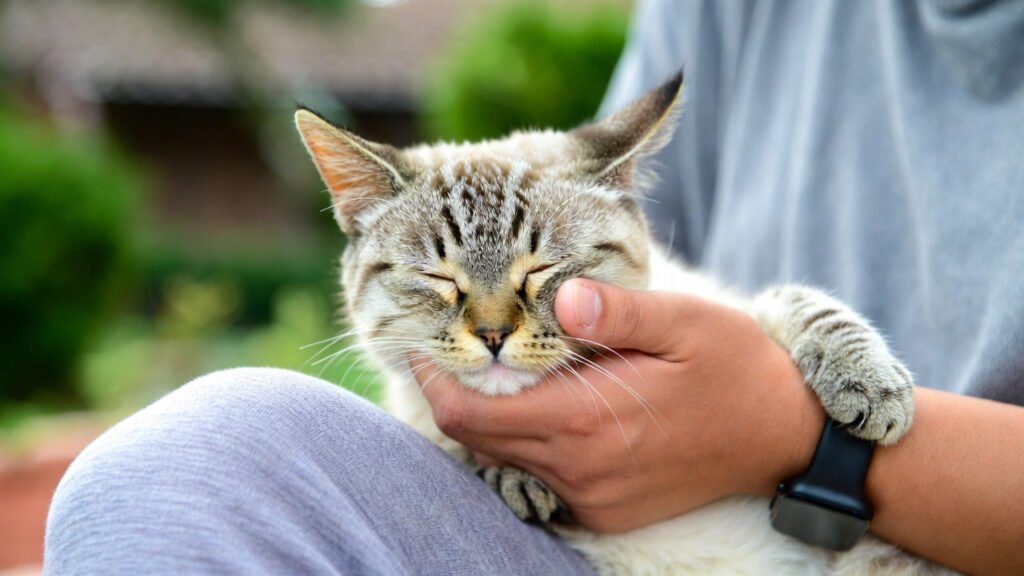
Flowing water streams stimulate natural feline thirst drives while keeping facial skin dry and clean.
The Clinical Cleaning Protocol: How to Prevent Pump Biofilms
Even the finest 304 stainless steel fountain will fail to resolve chin acne if pet parents neglect the internal mechanical components. While the metal bowl resists bacterial attachment, the internal plastic pump and rubber suction cups can harbor slimy biofilms if ignored.
Follow this veterinary sanitization protocol once every seven to ten days to maintain a completely sterile drinking platform:
- Complete Dishwasher Sanitization: Disassemble all stainless steel bowl components and wash them on your dishwasher’s high-temperature pots-and-pans cycle (exceeding 140 degrees Fahrenheit). High thermal cycles dissolve lipid residues and destroy bacterial spores without chemical residues.
- Disassemble the Submersible Pump: Remove the front faceplate and tear down the internal magnetic impeller. Hair, saliva, and organic slime accumulate around the magnetic rotor, creating a hidden reservoir for anaerobic bacteria.
- Perform a Natural Vinegar Descaling Flush: Soak the disassembled pump components in a 1:1 mixture of warm water and plain white distilled vinegar for twenty minutes. The mild acetic acid dissolves hard water calcium deposits without leaving toxic detergent traces behind.
- Replace Carbon Filters on Schedule: Never rinse and reuse old activated carbon cartridges. Replace the filter pad every two to four weeks; expired carbon loses its chemical binding capacity and begins leaching captured impurities back into the clean water reservoir.
Adhering to this routine ensures that water circulating across your cat’s chin remains pure and free of opportunistic pathogens, as outlined in our guide to preventative feline wellness.
Medical Topical Triage: What to Apply (And Deadly Human Products to Avoid)
When switching to a stainless steel fountain, active chin acne outbreaks often require gentle topical management while the hair follicles purge trapped keratin. However, well-meaning pet parents frequently reach for human medicine cabinets, with disastrous clinical results.
Fatal Warning: Never Use Human Acne Products on Cats!
Salicylic acid and human-strength benzoyl peroxide are highly toxic to felines. Cats lack essential hepatic glucuronidation enzymes, meaning topical salicylic acid absorbs through inflamed skin and causes acute salicylate poisoning, respiratory failure, and death.
To safely soothe an active chin breakout, apply a warm, damp washcloth to your cat’s chin for two to three minutes twice daily. The gentle heat softens oxidized comedones and dilates follicular openings, allowing trapped sebum to drain naturally.
For secondary bacterial infections, veterinarians recommend veterinary-formulated Chlorhexidine gluconate 2% wipes or flushes. Chlorhexidine provides broad-spectrum bactericidal activity against Staphylococcus and Malassezia without irritating sensitive facial mucous membranes.
Never pick, scratch, or squeeze chin blackheads like human pimples. Popping comedones ruptures the delicate follicular wall beneath the skin surface, transforming a superficial blackhead into a deep, painful cellulitis infection that requires systemic antibiotics, as warned by the American Association of Feline Practitioners (AAFP).
Clinical Material Matrix: Stainless Steel vs. Ceramic vs. Plastic vs. Glass
Evaluate the hygienic, dermatological, and safety parameters of common pet drinking vessel materials:
| Material Variety | Porosity & Biofilm Risk | Thermal Dishwasher Safety | Durability & Longevity | Chin Acne Prevention Score |
|---|---|---|---|---|
| 304 Stainless Steel | Zero Porosity (Anti-Biofilm) | 100% Heat-Safe (>140°F) | Indestructible, crack-proof | Exceptional (10/10) |
| Glazed Ceramic | Low (Unless cracked) | Dishwasher Safe | Fragile; chips easily harbor microbes | High (8.5/10) |
| Tempered Glass | Zero Porosity (Hypoallergenic) | Dishwasher Safe | Fragile, heavy, prone to shattering | High (9/10) |
| Molded Plastic | Extremely High (Porous micro-cracks) | Warps; leaches microplastics | Scraches easily, degrades quickly | Fails Clinical Standards (1/10) |
Frequently Asked Questions
How long does it take for feline chin acne to clear after switching to stainless steel?
Most uncomplicated cases of feline chin acne improve within two to four weeks after completely replacing plastic dishes with sanitized stainless steel fountains. Mild comedones shed naturally as the skin regenerates, provided secondary bacterial infections are kept clean.
Can glazed ceramic pet fountains also prevent feline chin acne?
Yes, high-quality glazed ceramic fountains provide a hygienic, non-porous alternative similar to stainless steel. However, owners must inspect ceramic regularly for micro-chips, hairline glaze fractures, or cracks, as unglazed earthenware absorbs bacteria rapidly.
Should I pop or squeeze my cat’s chin blackheads?
No, never squeeze or pick at your cat’s chin comedones. Forcing pressure onto inflamed hair follicles ruptures the follicular sheath beneath the skin, spreading bacteria into deeper dermal layers and triggering severe cellulitis or abscesses.
Do stainless steel food bowls matter as much as water fountains?
Yes, feeding food from plastic bowls while using a stainless steel water fountain will still cause chin acne. Wet and dry cat food contains rich fats that embed deep into plastic micro-scratches, so both food and water dishes must transition to stainless steel.
Professional Veterinary Dermatological Disclaimer: The product reviews and clinical guidelines provided in this guide are intended for educational and pet hygiene purposes only. While non-porous stainless steel eliminates environmental contact triggers, feline chin acne can occasionally stem from systemic allergies, demographic immune disorders, or severe demodicosis. If your cat’s chin develops bleeding ulcers, open draining furuncles, or intense facial pruritus, consult your primary veterinarian for diagnostic skin scrapes and targeted medical therapy.