
Table of Contents
- Quick Summary: Key Takeaways for Cat Parents
- 1. Direct Clinical Answer: Can Cats Eat Carrots Safely?
- 2. The Obligate Carnivore Reality: Feline Digestive Limitations
- 3. The Beta-Carotene Myth: Why Cats Cannot Convert Vitamin A
- 4. Raw Carrots vs. Cooked Carrots: Severe Mechanical Choking Hazards
- 5. Gastrointestinal Benefits: Soluble Fiber and Hairball Support
- 6. Deadly Kitchen Hazards: Butter, Salt, and Toxic Alliums
- 7. Clinical Portion Chart: Safe Feeding Limits by Feline Body Weight
- 8. Comprehensive Vegetable Safety Matrix for Domestic Cats
- 9. Dr. Ahmed’s Safe Cooking Protocol: Pureed & Steamed Preparations
- 10. Schema-Optimized Frequently Asked Questions (FAQ)
- 11. Professional Veterinary Disclaimer
🩺 Dr. Ahmed’s Urgent Nutritional Summary
- Direct Answer: Yes, cats can eat thoroughly cooked, unseasoned carrots safely as an occasional low-calorie treat or digestive fiber supplement, but they should never eat raw carrots.
- Choking Hazard: Raw carrot coins or hard chunks are dense and unyielding; because feline teeth cannot grind raw root vegetables, raw pieces easily cause acute esophageal choking or intestinal blockages.
- The Vitamin A Myth: Cats lack the intestinal enzyme (beta-carotene 15,15′-dioxygenase) required to convert plant beta-carotene into active vitamin A; they derive zero active vitamin A from carrots.
- Preparation Rule: Always steam or boil carrots in plain water until fork-tender throughout; never add butter, olive oil, salt, garlic, or onion seasonings.
1. Direct Clinical Answer: Can Cats Eat Carrots Safely?
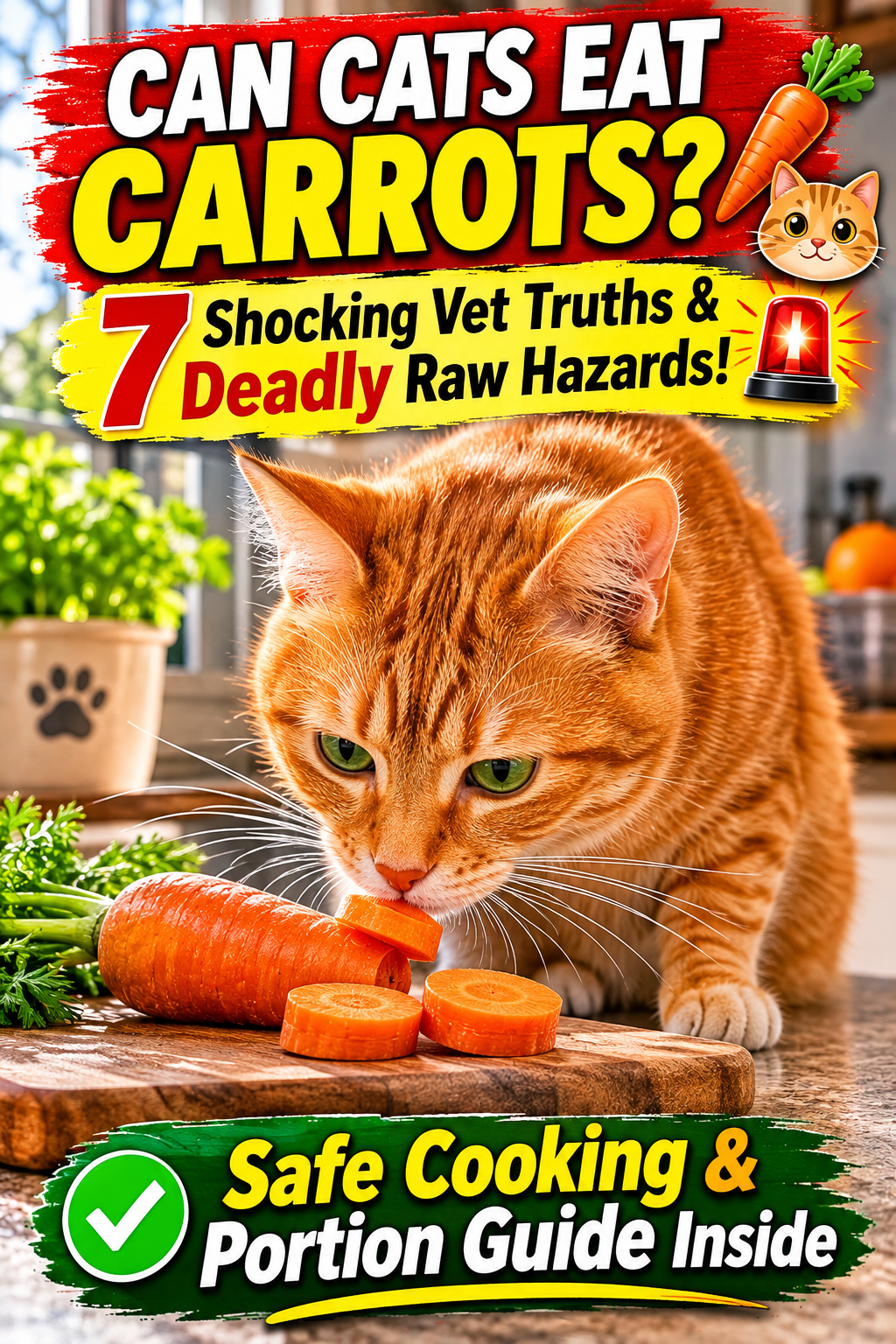
Yes, cats can eat carrots safely, provided they are thoroughly cooked, completely plain, and mashed into soft, digestible portions. In my years of clinical veterinary practice and feline nutritional consultations, pet parents frequently inquire about sharing crunchy kitchen vegetables with their curious cats. While carrots are entirely non-toxic to felines, raw carrots present severe physical hazards that can rapidly escalate into life-threatening veterinary emergencies.
The domestic house cat is an obligate carnivore, meaning their entire digestive architecture evolved specifically to metabolize animal proteins, taurine, and arachidonic acid derived from whole vertebrate prey. Felines possess zero biological requirement for root vegetables, carbohydrates, or plant starches in their daily nutritional profile. Therefore, carrots should never be treated as a primary dietary component or meat substitute.
However, when properly prepared using veterinary-approved cooking techniques, cooked carrots can provide modest clinical benefits. They deliver gentle soluble and insoluble dietary fiber that aids in hairball elimination, soothes mild constipation, and adds safe bulk to the diet of overweight indoor cats. In this comprehensive veterinary guide, we will unpack the physiological limits of feline carbohydrate metabolism, expose the persistent myth surrounding plant vitamin A conversion, and establish exact portion boundaries to keep your cat safe.
2. The Obligate Carnivore Reality: Feline Digestive Limitations
To evaluate whether vegetables like carrots belong in a feline bowl, we must look closely at feline digestive enzymology. Domestic cats (Felis catus) evolved over millions of years as hyper-carnivorous apex hunters. Unlike dogs, who are facultative carnivores capable of processing complex omnivorous diets, cats are anatomically and physiologically tethered to animal tissue.
This evolutionary commitment resulted in significant genetic metabolic trade-offs. Felines lack salivary amylase—the primary starch-digesting enzyme found in human and canine saliva. When a cat chews food, no enzymatic carbohydrate breakdown occurs in the oral cavity. Furthermore, feline pancreatic amylase and intestinal disaccharidase enzymes are expressed in exceedingly low concentrations compared to other domestic mammals.
The feline small intestine and colon are also remarkably short relative to body length. In herbivores and omnivores, long intestinal loops and a massive cecum allow for prolonged microbial fermentation of tough plant cellulose cell walls. In cats, transit time is exceptionally rapid; food passes through the digestive tract in just 12 to 24 hours. Undercooked, dense root vegetables simply cannot be broken down within this brief window, passing into the colon intact where they trigger sudden osmotic diarrhea and painful gaseous cramping.
According to comparative nutritional research from the Cornell Feline Health Center, obligate carnivores utilize gluconeogenesis from dietary amino acids (protein) as their continuous glucose source, rather than breaking down dietary carbohydrates or vegetable starches.
3. The Beta-Carotene Myth: Why Cats Cannot Convert Vitamin A
One of the most pervasive myths circulating among pet owners is that feeding carrots to cats will improve their vision and retinal health because carrots are packed with beta-carotene. In human and canine physiology, the mucosal cells of the small intestine synthesize an essential enzyme known as beta-carotene 15,15′-dioxygenase (BCDO1).
This specialized enzyme cleaves the orange carotenoid molecule directly down the middle, transforming one molecule of plant beta-carotene into two bioavailable molecules of active retinol (preformed Vitamin A). Because wild cats consumed active vitamin A directly from prey organs (specifically liver and adipose tissue), domestic felines experienced a permanent evolutionary loss-of-function mutation in the BCDO1 gene.
Consequently, domestic cats possess zero biochemical capacity to convert plant carotenoids into active vitamin A. No matter how many steamed carrots a cat consumes, their body cannot extract a single microgram of usable vitamin A from them. Felines must receive preformed, animal-derived vitamin A directly from quality meat or balanced commercial feline diets. While the carotenoids in cooked carrots remain harmless antioxidants that travel through the gut, pet parents must never rely on root vegetables to fulfill their cat’s vital ophthalmic or immune requirements.
If your feline companion is experiencing recurrent digestive sensitivity, unexplained nausea, or morning bile vomiting, explore our emergency veterinary guide on why cats vomit clear liquid and foamy bile to diagnose underlying gastric inflammation.

4. Raw Carrots vs. Cooked Carrots: Severe Mechanical Choking Hazards
The physical state of the carrot determines whether it is a safe occasional fiber topper or an immediate surgical emergency. In clinical feline emergency triage, feeding raw carrots to cats is strictly prohibited due to anatomical mechanical incompatibility.
Feline dentition consists of thirty specialized, sharp, blade-like teeth designed for puncturing, gripping, and shearing soft muscle tissue. Cats possess completely vertical jaw articulation; unlike humans and herbivores, they cannot move their lower jaw side-to-side in a circular grinding motion, and they lack flat, broad molar crowns. A cat cannot physically chew, grind, or masticate a hard, rigid piece of raw carrot into small, pliable bits.
When an inquisitive cat nibbles on a raw baby carrot or raw carrot peel, they invariably break off small, rock-hard, jagged chunks and swallow them whole. This triggers severe acute hazards at multiple anatomical checkpoints:
- Pharyngeal & Esophageal Choking: A firm raw carrot coin easily becomes lodged in the narrow feline pharynx or upper cervical esophagus. The cat will panic, gag violently, paw frantically at their mouth, and experience acute respiratory distress.
- Gastric Mucosal Abrasion: Sharp, unyielding edges of raw carrot fragments irritate the sensitive feline gastric lining, stimulating sudden bouts of nausea, retching, and bilious vomiting.
- Intestinal Foreign Body Obstruction: If a jagged raw chunk slips through the stomach into the delicate duodenum or ileum, feline stomach acid cannot dissolve the dense lignified cellulose matrix. The hard chunk acts as an impenetrable physical plug, choking off blood flow to that intestinal segment and precipitating acute bowel ischemia, septic peritonitis, and death without emergency surgical laparotomy.
Does your cat sometimes produce strange coughing sounds that resemble hairballs after exploring household plants or table food? Review our clinical breakdown on why cats make a hacking sound without producing a hairball to differentiate between hairballs and esophageal obstructions.
5. Gastrointestinal Benefits: Soluble Fiber and Hairball Support
When carrots are boiled or steamed until thoroughly soft, the application of moist heat breaks down crystalline cellulose bonds, softens tough plant structures, and transforms the vegetable into a gentle, non-irritating source of dietary fiber.
Cooked carrots deliver a natural blend of soluble pectin and insoluble fiber. In clinical veterinary gastroenterology, introducing tiny quantities of pureed cooked carrot provides therapeutic support in three specific scenarios:
- Hairball Elimination Support: Indoor domestic cats spend up to 50% of their waking hours grooming, ingesting loose shed fur that frequently coalesces into dense trichobezoars (hairballs) in the stomach. The gentle insoluble fiber from cooked carrots adds mechanical bulk to the intestinal chime, acting like a natural internal broom that gently pushes trapped hair through the digestive tract into the litter box before it forms a painful stomach mass.
- Relief from Mild Feline Constipation: Elderly cats and felines suffering from early-stage renal insufficiency frequently struggle with hard, dry stools. Soluble carrot pectin absorbs moisture in the colon, softening fecal consistency and promoting smooth, strain-free defecation.
- Weight Management Satiety: Indoor feline obesity is a global epidemic that predisposes cats to hepatic lipidosis and diabetes mellitus. Mixing half a teaspoon of pureed cooked carrot into a slightly reduced portion of wet cat food provides physical gastric fullness and satiety without adding dangerous excess calories or saturated fats.
Looking for other safe, savory feline food toppers that satisfy rich culinary cravings without dangerous dairy sugars? Explore our clinical veterinary guide on can cats eat nutritional yeast flakes safely to enhance appetite naturally.

6. Deadly Kitchen Hazards: Butter, Salt, and Toxic Alliums
The greatest danger associated with feeding carrots to domestic cats originates in human culinary seasoning habits. Pet owners rarely prepare plain, unadorned boiled vegetables for themselves; humans cook carrots by glazing them in butter, roasting them in olive oil, tossing them with brown sugar, or simmering them in rich savory stews.
Sharing leftover cooked carrots from your dinner plate introduces life-threatening household toxins into your cat’s system:
- Toxic Allium Seasonings (Garlic & Onion): Carrots cooked in commercial broths, roasts, or soups are almost universally prepared with garlic powder, onion flakes, shallots, or chives. All members of the Allium botanical genus contain toxic organosulfoxides. When ingested by a cat, these compounds induce acute oxidative damage to feline red blood cells, causing severe Heinz body hemolytic anemia and potential death.
- Saturated Fats & Butter: Glazing carrots in dairy butter or vegetable oils introduces heavy lipid loads into an animal weighing under ten pounds. High saturated fat intake severely overstimulates the delicate feline pancreas, precipitating excruciating, life-threatening acute feline pancreatitis.
- Sodium and Salt Overload: Adding table salt to cooking water stresses delicate feline renal filtration nephrons, accelerating the silent progression of chronic kidney disease (CKD) and systemic hypertension in senior cats.
According to veterinary toxicology alerts from the American Veterinary Medical Association (AVMA), felines are remarkably sensitive to culinary alliums, with toxic hemolytic reactions occurring even from dried garlic residues left on cooked dinner vegetables.
For more toxic food awareness and emergency home protocols regarding human table foods, review our companion clinical guide on why dairy and cheese products are hazardous to domestic cats.
7. Clinical Portion Chart: Safe Feeding Limits by Feline Body Weight
Because domestic cats are obligate carnivores, treats and non-meat supplemental toppers must strictly respect the 90/10 Nutritional Principle. Complete and balanced commercial feline diets must account for at least 90% of your cat’s daily caloric intake, leaving a strict 10% ceiling for all combined treats, broths, and vegetable purees.
When introducing thoroughly cooked, plain carrots to your cat for the first time, begin with a tiny morsel the size of a raw pea to monitor digestive tolerance. If their stool remains firm and normal over the subsequent 24 hours, follow these veterinary weight-calibrated portion maximums:
- Small Cats & Petite Breeds (Under 8 lbs / 3.5 kg): Maximum 1/2 teaspoon of plain, finely mashed or pureed cooked carrot once or twice per week. Ideal for small breeds like the Devon Rex or Singapura.
- Medium Domestic Cats (8–12 lbs / 3.6–5.5 kg): Maximum 1 teaspoon of plain mashed cooked carrot two to three times per week. Perfect for standard domestic shorthairs and Siamese cats.
- Large Feline Breeds (Over 12 lbs / 5.5+ kg): Maximum 1 to 1.5 teaspoons of plain mashed cooked carrot every few days. Safe for substantial breeds like the Maine Coon, Norwegian Forest Cat, and Ragdoll.
8. Comprehensive Vegetable Safety Matrix for Domestic Cats
| Vegetable & Preparation | Feline Safety Rating | Primary Clinical Hazards | Veterinarian’s Final Verdict |
|---|---|---|---|
| Steamed / Boiled Plain Carrots | Safe as Occasional Treat | Overfeeding causes diarrhea; zero active Vitamin A. | Peel and boil plain until fork-tender. Mash thoroughly; excellent gentle fiber topper for hairball support. |
| Raw Carrots (Chunks or Peels) | CRITICAL CHOKING / UNSAFE | Severe mechanical choking, esophageal obstruction, bowel impaction. | Never feed raw. Feline teeth cannot grind raw root vegetables; swallowed hard chunks require surgical removal. |
| Glazed / Seasoned Carrots | ACUTE TOXICITY HAZARD | Garlic, onion powder, heavy butter fats, high sodium. | Strictly prohibited. Allium seasonings destroy feline red blood cells (Heinz body anemia); butter sparks pancreatitis. |
| Plain Canned Pumpkin Puree | Safe & Highly Recommended | Beware of canned pumpkin pie mix containing spices. | Superior to carrots for acute constipation and diarrhea; higher moisture content and gentle soluble fiber profile. |
| Raw or Cooked Onions / Chives | DEADLY TOXIN | Severe hemolytic anemia, methemoglobinemia, organ failure. | Lethal to cats even in microscopic trace quantities. Keep all allium vegetables completely out of feline reach. |
9. Dr. Ahmed’s Safe Cooking Protocol: Pureed & Steamed Preparations
If you choose to offer carrots to your cat as a natural digestive fiber supplement, preparing them correctly is essential to eliminate mechanical risks and maximize palatability. Follow this step-by-step veterinary kitchen protocol:
- Wash and Peel Thoroughly: Rinse fresh whole organic carrots under cold running water and remove the tough outer skin using a vegetable peeler. Peeling removes insoluble surface fibers, dirt, and residual agricultural fertilizers.
- Cut into Small Dice: Slice the peeled carrot into uniform 1/4-inch cubes. Smaller dice ensure rapid, even heat penetration during the cooking cycle.
- Steam to Complete Fork-Tenderness: Place the carrot cubes into a steamer basket over boiling water and cover tightly. Steam for 15 to 20 minutes until the carrots are completely soft and easily collapse when pressed with the back of a fork. Steaming is preferred over boiling as it preserves water-soluble micronutrients without making the vegetable waterlogged.
- Puree with Warm Water or Sodium-Free Broth: Transfer the tender carrots to a small blender or food processor. Add one tablespoon of pure warm water or plain, sodium-free, allium-free simmered chicken bone broth. Blend until the texture resembles smooth, velvety baby food puree with zero hard lumps.
- Cool and Portion Safely: Allow the puree to cool to room temperature. Mix the recommended portion (1/2 to 1 teaspoon) smoothly into your cat’s favorite canned wet food. You can freeze remaining puree in clean silicone ice cube trays for convenient single-serving portions throughout the month.
10. Schema-Optimized Frequently Asked Questions (FAQ)
Can kittens eat cooked carrots safely?
Weaned kittens over 12 weeks of age can safely digest a tiny smear of smooth, plain cooked carrot puree (no more than 1/4 teaspoon). However, young growing kittens have exceptionally delicate digestive tracts and require dense protein and fat to support rapid growth. Feline growth diets should never be diluted with vegetable matter without direct veterinary supervision.
Are carrot tops and green carrot leaves safe for cats to chew?
Yes, fresh carrot tops (the green feathery foliage) are non-toxic to cats. In fact, many indoor cats enjoy nibbling on clean, pesticide-free carrot greens because the grassy texture mimics cat grass. However, always wash carrot tops thoroughly to remove soil parasites, and offer them in moderation to prevent mild stomach upset or regurgitation.
What should I do if my cat swallowed a chunk of raw carrot?
If your cat swallowed a very tiny, shredded sliver of raw carrot, monitor them for 24 hours for signs of vomiting or diarrhea. However, if they swallowed a large, hard raw carrot coin or chunk, do not attempt to induce vomiting at home. Contact your emergency veterinarian immediately, as rigid chunks risk causing acute mechanical esophageal or intestinal foreign body blockages.
Can diabetic cats eat cooked carrots?
Diabetic cats should generally avoid carrots. Although carrots are vegetables, they contain natural carbohydrates and simple sugars (sucrose and glucose) that can trigger postprandial blood glucose fluctuations. Felines with diabetes mellitus require strict ultra-low-carbohydrate, high-protein dietary protocols to maintain insulin regulation.
Professional Veterinary Disclaimer: The clinical dietary guidelines, nutritional biochemistry data, and culinary preparation protocols detailed in this comprehensive guide are authored by Dr. Ahmed, a licensed veterinarian, strictly for educational and informational purposes. This content does not constitute formal veterinary examination, personalized dietary prescription, or medical diagnosis. Always consult your trusted primary veterinarian before introducing new human whole foods into the diet of a pet with underlying medical conditions, renal disease, or food allergies.