
Table of Contents
- Quick Summary: Key Takeaways for Pet Parents
- 1. Direct Clinical Answer: Can Dogs Eat Canned Tuna Safely?
- 2. The Mercury Trap: Bioaccumulation in Apex Pelagic Fish
- 3. Water-Packed vs. Oil-Packed: Pancreatitis and Lipid Overload
- 4. Dietary Sodium & Preservatives: Renal and Cardiovascular Strain
- 5. The Nutritional Upside: Lean Protein, Omega-3s, and Vitamin D
- 6. Dr. Ahmed’s Weight-Based Portion Guide: Safe Canned Tuna Limits
- 7. Safer Seafood Swaps: Sardines, Salmon, and Small Forage Fish
- 8. Comprehensive Canine Seafood Safety & Mercury Matrix
- 9. Emergency Protocol: Recognizing Canine Mercury Poisoning
- 10. Schema-Optimized Frequently Asked Questions (FAQ)
- 11. Professional Veterinary Disclaimer
🩺 Dr. Ahmed’s Urgent Nutritional Summary
- Direct Answer: Dogs can eat canned tuna in microscopic amounts as a rare treat, but it should never become a regular dietary staple due to heavy metal bioaccumulation and sodium levels.
- Mercury Hazard: Tuna is an apex predatory fish with a long lifespan; its tissues accumulate high concentrations of toxic methylmercury, which can cause severe neurological damage in canines over time.
- The Packing Law: Only feed chunk light tuna packed in 100% plain spring water with zero added salt; never feed tuna packed in vegetable oil, brine, or seasoned with culinary spices.
- Superior Alternatives: Small, short-lived forage fish like canned wild sardines in water or wild-caught Alaskan salmon provide superior omega-3 fatty acids with virtually zero mercury risks.
1. Direct Clinical Answer: Can Dogs Eat Canned Tuna Safely?
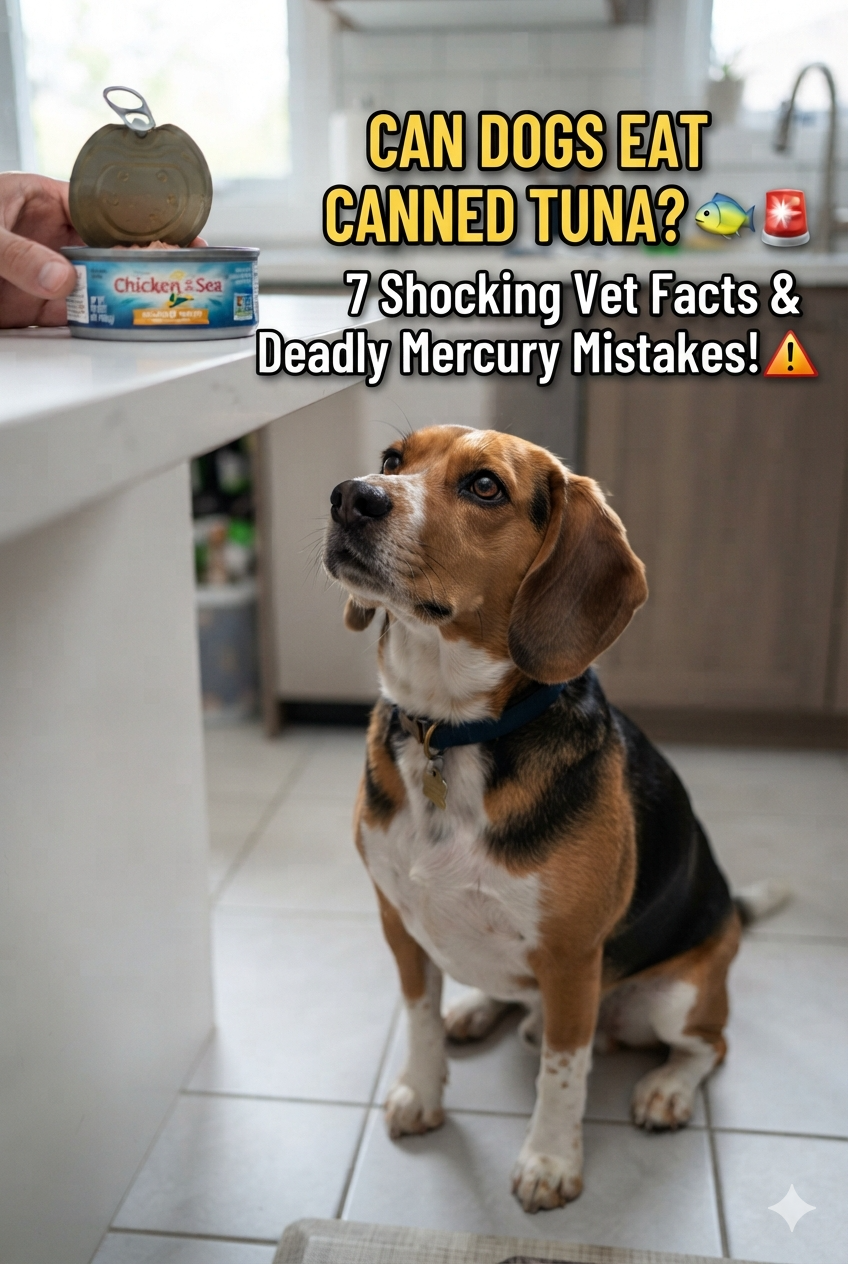
Yes, dogs can eat plain canned tuna in tiny, strictly controlled portions as an occasional high-value treat, but it should never be fed on a daily or regular basis. In my daily clinical veterinary practice and canine dietary consultations, pet parents frequently ask if they can drain a can of grocery store tuna over their dog’s dry kibble to encourage a picky eater. While tuna provides a potent burst of animal protein and healthy marine omega-3 fatty acids, it also carries serious biological risks that differ drastically from smaller prey fish.
The primary concern is not acute culinary poisoning; a spoonful of tuna will not send a healthy dog into immediate toxic shock. Instead, the danger lies in chronic, cumulative heavy metal exposure—specifically toxic methylmercury. Because canines have significantly smaller body weights and distinct metabolic pathways compared to adult humans, heavy metals clear from canine tissues much slower, concentrating in the kidneys, liver, and cerebral cortex.
Furthermore, human commercial canned tuna is frequently processed with excessive sodium chloride, artificial flavor enhancers, or dense vegetable oils that easily upset the delicate canine gastrointestinal tract. In this comprehensive, veterinary-backed guide, we will unpack the marine biology of heavy metal bioaccumulation, examine the critical difference between tuna packed in water versus oil, establish strict weight-calibrated portion guidelines, and explore safer, nutrient-dense seafood alternatives for your furry companion.

2. The Mercury Trap: Bioaccumulation in Apex Pelagic Fish
To understand why tuna poses a unique hazard to domestic canines, we must examine marine trophic ecology. Industrial activities, coal combustion, and atmospheric pollution release massive quantities of inorganic mercury into the Earth’s oceans. Aquatic anaerobic microorganisms convert this inorganic pollutant into methylmercury, an intensely toxic, lipid-soluble organic compound.
In oceanic food webs, methylmercury undergoes a biological process known as biomagnification. Microscopic phytoplankton absorb tiny traces of methylmercury. Small zooplankton consume thousands of phytoplankton, concentrating the heavy metal in their fatty tissues. Small forage fish consume the zooplankton, and mid-sized pelagic fish eat the forage fish. By the time methylmercury reaches apex oceanic predators—such as yellowfin, albacore, and bluefin tuna—the heavy metal concentration has amplified millions of times.
Tuna are massive, long-lived pelagic apex hunters that swim oceanic currents for up to fifteen or twenty years. Throughout their long lifespan, they continuously feed on smaller fish, storing methylmercury tightly bound to their muscle proteins. Unlike water-soluble toxins that the kidneys can flush out quickly, methylmercury readily crosses the mammalian blood-brain barrier and placenta. According to clinical veterinary toxicology guidelines from the U.S. Food and Drug Administration (FDA) and the American Veterinary Medical Association (AVMA), regular long-term consumption of apex predatory fish in small mammals leads to progressive neurotoxicity, ataxia, loss of motor coordination, and irreversible nephrotoxicity (kidney damage).
If your canine companion is already exhibiting strange trembling or trembling movements after meals, review our emergency medical breakdown on why dogs shiver and pant restlessly to rule out acute neurochemical distress.
3. Water-Packed vs. Oil-Packed: Pancreatitis and Lipid Overload
When standing in the grocery store aisle selecting canned fish, the packing medium is just as clinically significant as the fish species itself. Commercial canned tuna is typically packed in one of two liquid bases: spring water or vegetable oil (such as soybean, sunflower, or canola oil).
Under no circumstances should you ever feed a dog tuna packed in oil. Domestic canines have a delicate digestive architecture optimized for processing moderate animal fats, not dense, highly processed vegetable lipids. Draining the oil from the can is entirely insufficient, as the porous tuna muscle fibers have already absorbed massive quantities of the lipid medium during pressurized canning.
Feeding oil-packed tuna delivers a concentrated shock of omega-6 polyunsaturated fatty acids and saturated fats directly to your dog’s duodenum. This massive lipid load aggressively overstimulates the canine pancreas, triggering premature enzyme activation within the organ tissue itself. This precipitates excruciating, life-threatening acute canine pancreatitis. Symptoms include violent vomiting, severe abdominal pain (the classic hunched “prayer position”), profound lethargy, and bloody diarrhea requiring intensive hospitalization with IV fluid therapy.
Conversely, if canned tuna is offered as a rare treat, it must strictly be Chunk Light Tuna packed in 100% plain spring water with zero added salt. Chunk light tuna typically utilizes skipjack tuna, a smaller, younger species that harbors roughly three to four times less methylmercury than large white albacore tuna.

4. Dietary Sodium & Preservatives: Renal and Cardiovascular Strain
Another major physiological obstacle with commercial canned tuna is its exceptionally high sodium chloride (salt) concentration. Standard canned tuna formulated for human consumption is heavily salted during processing to enhance shelf stability and taste appeal, often containing anywhere from 300 to 450 milligrams of sodium per three-ounce serving.
Domestic dogs possess a very narrow physiological tolerance for dietary sodium compared to adult humans. While healthy canines can excrete modest sodium excesses provided they have unlimited access to clean drinking water, high-sodium foods place immediate hydrostatic filtration stress on delicate renal glomeruli. For senior dogs, canines with diagnosed early-stage chronic kidney disease, or pets suffering from underlying congestive heart failure (such as mitral valve endocardiosis), a sudden surge of dietary sodium can trigger fluid retention, pulmonary edema, and dangerous blood pressure spikes.
In small toy breeds (such as Yorkies, Chihuahuas, and Pomeranians), consuming highly salted tuna without sufficient water can precipitate acute hypernatremia (salt toxicosis). Symptoms include unquenchable thirst, muscle rigidity, neurological seizures, and severe cellular dehydration. Always inspect the nutrition label meticulously and select products explicitly marked “Low Sodium” or “No Salt Added.”
Does your dog exhibit loud digestive rumbling or sudden loss of appetite after consuming human kitchen scraps? Read our clinical gastroenterology guide on dog stomach gurgling and food refusal to recognize acute gastric inflammation early.
5. The Nutritional Upside: Lean Protein, Omega-3s, and Vitamin D
While the heavy metal and sodium profiles necessitate extreme caution, it is important to acknowledge why tuna is celebrated as a nutritional powerhouse when fed with clinical precision. In small, intermittent quantities, fresh or water-packed tuna offers exceptional biological value:
- Pure Lean Animal Protein: Tuna is virtually pure protein, boasting an exceptional amino acid profile containing all ten essential amino acids that canines cannot synthesize endogenously. It provides pure muscle-building blocks without the excessive saturated fats found in low-grade beef trimmings.
- Eicosapentaenoic Acid (EPA) & Docosahexaenoic Acid (DHA): Tuna contains preformed marine omega-3 fatty acids. EPA and DHA integrate directly into cellular phospholipid bilayers, dampening systemic inflammation, soothing pruritic (itchy) skin allergies, enhancing kidney filtration micro-circulation, and supporting cognitive function in aging senior dogs.
- Natural Bioavailable Vitamin D: Unlike humans, dogs cannot synthesize vitamin D through dermal sunlight exposure due to their hair coat and unique epidermal cholesterol pathways; they rely entirely on dietary intake. Tuna liver and muscle tissue provide natural cholecalciferol (Vitamin D3), which regulates blood calcium and phosphorus homeostatic balance.
- Potent Selenium Concentrations: Interestingly, tuna contains high concentrations of selenoneine, a unique organoselenium compound. Nutritional biochemists have discovered that selenoneine binds directly to methylmercury molecules, forming an inert, insoluble complex that partially mitigates heavy metal toxicity within the body.
If you are exploring other healthy, veterinary-approved whole foods to safely enrich your companion’s weekly diet, read our foundational nutritional guides on feeding plain scrambled eggs to dogs and our detailed portion breakdown on can dogs eat blueberries safely.

6. Dr. Ahmed’s Weight-Based Portion Guide: Safe Canned Tuna Limits
To eliminate the risk of heavy metal bioaccumulation while preventing gastrointestinal upset, veterinarians strictly apply the 90/10 Treat Rule. Supplemental human foods and treats must never exceed 10% of your dog’s total daily caloric requirements, with the remaining 90% coming from an AAFCO-compliant, complete, and balanced commercial canine diet.
If you choose to offer canned chunk light tuna in water, treat it as a rare high-value training reward or medicine-hiding vehicle, offered no more than once every two to three weeks. Follow these weight-calibrated portion maximums:
- Toy Breeds (Under 10 lbs / 4.5 kg): Maximum 1/2 teaspoon of plain water-packed tuna once every three weeks. Clinical Note: Due to their tiny body mass, toy breeds are exceptionally vulnerable to mercury accumulation; smaller forage fish like sardines are strongly preferred.
- Small Dogs (10–25 lbs / 4.5–11 kg): Maximum 1 full teaspoon once every two to three weeks. Excellent for masking bitter prescription veterinary pills.
- Medium Breeds (26–55 lbs / 12–25 kg): Maximum 1 level tablespoon mixed into kibble as a rare culinary enrichment topper once every two weeks.
- Large Breeds (56–90 lbs / 25–40 kg): Maximum 2 tablespoons once every two weeks. Perfect for high-energy working breeds like German Shepherds and Golden Retrievers.
- Giant Breeds (Over 90 lbs / 40+ kg): Maximum 1/4 can (approximately 1.5 to 2 ounces) once every two to three weeks. Never feed an entire can in a single meal.
7. Safer Seafood Swaps: Sardines, Salmon, and Small Forage Fish
Given the persistent mercury concerns associated with apex pelagic tuna, why take unnecessary biological gambles with your companion’s long-term health? In modern clinical veterinary nutrition, we strongly advocate for “Low-Trophic Feeding”—selecting fish that occupy the bottom of the oceanic food chain.
The gold standard seafood choice for domestic canines is canned wild-caught sardines in plain water (no added salt). Sardines are tiny, short-lived forage fish that feed exclusively on microscopic plankton. Because they have an average lifespan of only two to three years, they do not live long enough to bioaccumulate significant heavy metals, industrial PCBs, or microplastics in their tissues.
Furthermore, canned sardines are packed with soft, edible, pressure-cooked bones that deliver highly bioavailable dietary calcium and phosphorus in a perfect 1-to-1 physiological ratio. A single small canned sardine provides twice the concentrated omega-3 fatty acids of a serving of tuna, with virtually zero toxicological risk. Another superb option is wild-caught Alaskan salmon, which provides abundant anti-inflammatory astaxanthin antioxidants and lean protein.
Does your dog obsessively lick human hands or surfaces whenever you prepare fish in the kitchen? Read our fascinating behavioral analysis on why dogs lick human hands constantly to decode their scent-seeking drives.
8. Comprehensive Canine Seafood Safety & Mercury Matrix
| Seafood Variety & Source | Canine Safety Rating | Mercury Level & Primary Hazards | Veterinarian’s Clinical Verdict |
|---|---|---|---|
| Canned Chunk Light Tuna (in Water) | Moderate (Strict Portions Only) | Moderate methylmercury; skipjack species. Added sodium. | Safe only as a rare treat (once every 2-3 weeks). Never feed daily. Select no-salt-added varieties. |
| Canned Albacore / White Tuna | High Risk / Avoid | High methylmercury (3x higher than chunk light); apex bioaccumulation. | Avoid feeding to dogs. Large predatory species with high cumulative heavy metal burdens. |
| Tuna Packed in Vegetable Oil | UNSAFE / CRITICAL PANCREATITIS | Excessive lipid load, dense omega-6 oils, acute vomiting. | Strictly prohibited. Massive fat concentration triggers severe, life-threatening acute canine pancreatitis. |
| Canned Sardines (in Plain Water) | Safe & Highly Recommended | Extremely low / negligible mercury; short-lived forage fish. | The gold standard seafood treat. Rich in natural omega-3s, bioavailable calcium bones, and zero heavy metal toxicity. |
| Raw Wild Salmon / Trout | DEADLY TOXIN (Salmon Poisoning) | Nanophyetus salmincola fluke carrying Neorickettsia helminthoeca. | Lethal if raw. Causes severe hemorrhagic gastroenteritis and 90% fatality without treatment. Always cook thoroughly! |
9. Emergency Protocol: Recognizing Canine Mercury Poisoning
While an accidental taste of tuna will not trigger clinical toxicity, dogs that are fed tuna regularly over weeks or months, or smaller dogs that raid a pantry trash bin and consume multiple cans, can develop progressive heavy metal toxicosis.
Methylmercury binds aggressively to sulfhydryl groups in cellular enzymes, impairing mitochondrial function and inducing selective necrosis in cerebellar and cerebral neurons. If your dog has been exposed to regular fish meals and exhibits the following clinical cluster signs, seek immediate veterinary neurological intervention:
- Cerebellar Ataxia & Incoordination: The dog develops an unsteady, drunken gait, swaying from side to side and stumbling over their own paws.
- Intention Tremors: Persistent, fine muscle quivering and shivering that intensifies when the dog attempts to eat or focus on a specific object.
- Visual Impairment & Dilated Pupils: Progressive cortical blindness; the dog bumps into doorframes and displays slow pupillary light reflexes.
- Profuse Watery or Bloody Diarrhea: Severe heavy metal irritation of the mucosal intestinal barrier leading to chronic gastrointestinal shedding.
- Abnormal Behavioral Changes: Uncharacteristic agitation, pacing in circles, disorientation, or sudden dull lethargy.
Clinical treatment for confirmed mercury toxicosis requires inpatient hospitalization, heavy metal chelation therapy (such as oral D-penicillamine or dimercaprol), aggressive IV fluid diuresis to support failing renal nephrons, and high-potency neuro-protective antioxidant support.
10. Schema-Optimized Frequently Asked Questions (FAQ)
Can I use the drained water from a tuna can to entice my dog to drink?
Yes, provided the tuna was packed in plain spring water with ‘No Salt Added.’ Diluting one or two tablespoons of plain tuna spring water into a fresh bowl of water is an exceptional clinical trick to encourage hydration in dogs recovering from mild illness or senior pets reluctant to drink. Never use water from salted or oil-packed tuna cans.
What should I do if my dog accidentally ate an entire can of tuna in oil?
Do not attempt to induce vomiting at home with hydrogen peroxide, as this risks severe chemical gastritis. Withhold all solid food for 12 hours to rest the pancreas, ensure constant access to fresh water, and monitor closely for persistent vomiting, severe abdominal pain (praying posture), or bloody diarrhea. Contact your emergency veterinarian immediately if vomiting erupts.
Is canned albacore white tuna safe for dogs?
No, canned albacore (white tuna) should be avoided. Albacore tuna are larger, older apex fish that contain nearly three to four times the methylmercury concentration of smaller skipjack (chunk light) tuna. If you must feed tuna, always opt for chunk light varieties in water.
Can puppies eat canned tuna safely?
No, puppies should never be fed canned tuna. Rapidly developing juvenile nervous systems and immature kidneys are exceptionally vulnerable to heavy metal toxicity and high sodium loads. Feed only balanced puppy formulations and veterinary-approved puppy treats to ensure safe skeletal and neurological growth.
Professional Veterinary Disclaimer: The nutritional evaluations, marine toxicological data, and clinical portion guidelines presented in this comprehensive guide are authored by Dr. Ahmed, a licensed veterinarian, strictly for educational and informational purposes. This content does not constitute formal veterinary examination, personalized dietary prescription, or medical diagnosis. Always consult your trusted primary veterinarian before introducing new human whole foods or marine proteins into the diet of a canine with underlying chronic health conditions, kidney disease, or cardiovascular illness.