
Table of Contents
🩺 Dr. Ahmed’s Clinical Triage & Summary
- Direct Answer: No, cheese is not a natural or healthy food for cats. While a microscopic nibble of certain hard cheeses is rarely fatal, the vast majority of adult felines are biologically lactose intolerant.
- Nutritional Reality: Cats are obligate carnivores requiring animal-derived proteins and specific amino acids like taurine; they have zero nutritional requirement for dairy fats or sugars.
- Acute Medical Risks: Even small cubes of soft cheese can trigger acute osmotic diarrhea, vomiting, severe abdominal cramping, and secondary dehydration.
- Toxic Additives: Processed cheeses containing garlic, chives, onion powder, or blue cheese molds (roquefortine C) can cause fatal red blood cell destruction and neurological toxicity.
1. Direct Clinical Answer: Can Cats Eat Cheese Safely?
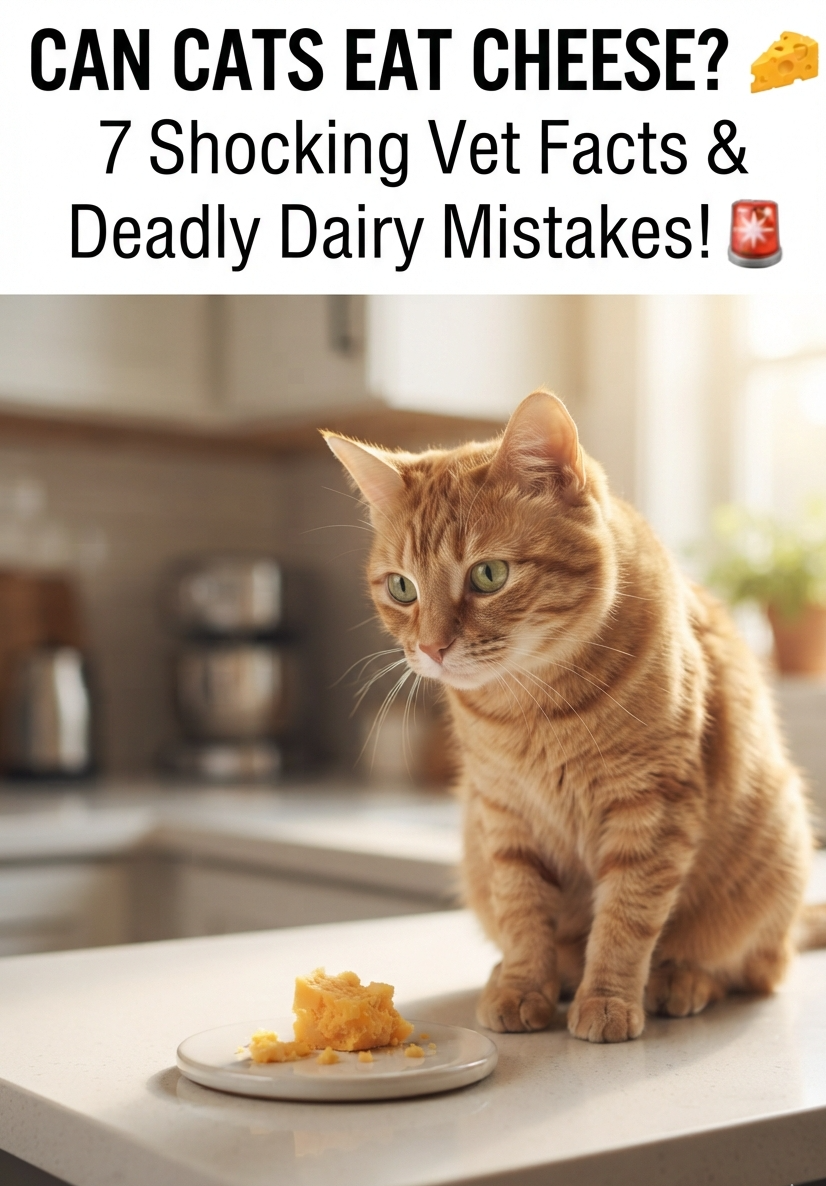
Strictly speaking, cats should not eat cheese, as most adult felines lack the necessary digestive enzymes to break down dairy proteins and sugars. In my daily clinical veterinary practice, pet parents frequently confess to sharing slices of cheddar, swiss, or string cheese with their purring companions. While a tiny crumb the size of a pea is unlikely to cause a medical catastrophe in a healthy cat, feeding cheese routinely exposes your pet to severe gastrointestinal distress, obesity, and painful pancreatitis.
The visual of a happy kitten lapping up milk or nibbling on a rich piece of cheese is deeply ingrained in global culture. Unfortunately, this classic image is a dangerous biological misconception. Domestic cats possess highly specialized digestive systems designed specifically to extract moisture, bioavailable proteins, and animal fats from whole vertebrate prey—not pasteurized bovine dairy products.
Watching your cat beg aggressively when you open a cheese wrapper is common, as felines are naturally attracted to the dense fat and protein aromas. However, as responsible pet guardians, we must separate what smells tempting to a curious feline from what their internal metabolic pathways can safely assimilate. In this comprehensive veterinary guide, we will unpack the physiological hazards of dairy consumption, uncover hidden toxic ingredients, and present safe, gut-friendly alternatives.
2. The Milk & Cheese Myth: Deconstructing Pop Culture Fictions
For more than a century, children’s storybooks, animated cartoons, and commercial advertisements have depicted dairy milk and cheese as the quintessential feline treat. Generations of well-meaning pet parents grew up believing that an open saucer of cow’s milk or a generous cube of cheese was the ultimate gesture of affection for a pet cat.
This widespread myth originated centuries ago in agricultural rural settings. Barn cats hunting mice around dairy barns were regularly observed drinking fresh, unpasteurized milk straight from collection pails. What farmers failed to document, however, were the chronic bouts of diarrhea, flatulence, and systemic dehydration these working cats endured out of sight in surrounding fields.
Modern veterinary clinical research has thoroughly dismantled this idyllic fiction. According to health bulletins from the Cornell Feline Health Center, adult cats possess virtually zero physiological capacity to digest bovine milk products efficiently. Continuing to treat your domestic cat like a cartoon character directly compromises their long-term gastrointestinal integrity and shortened lifespan.
3. Biological Reality: The Feline Lactase Enzyme Deficit
To comprehend why cheese wreaks havoc on a cat’s internal system, we must examine their digestive enzymology. Newborn kittens are born with active intestinal production of lactase—the specialized brush-border enzyme responsible for cleaving lactose (milk sugar) into absorbable glucose and galactose.
This endogenous lactase production is genetically calibrated to process feline maternal milk, which features an entirely different chemical composition than commercial cow or goat milk. As kittens reach eight to twelve weeks of age and undergo natural weaning onto solid prey meat, the genetic expression of the lactase gene systematically downregulates. By early adulthood, lactase production plummets by more than 90 percent.
Consequently, the overwhelming majority of adult domestic felines are clinically lactose intolerant. When an adult cat consumes cheese, the lactose molecules cannot be hydrolyzed or absorbed through the mucosal wall of the small intestine. Instead, these undigested disaccharide sugars travel completely intact into the lower bowel, creating a hostile biochemical environment.
If your cat frequently shows signs of gastrointestinal sensitivity or sudden abdominal retching, check our comprehensive clinical guide on why your cat is throwing up clear liquid and foam to differentiate between dairy-induced gastritis and underlying medical conditions.

4. Gastrointestinal Consequences: What Happens in the Feline Gut
When intact lactose molecules reach the feline colon, they trigger an immediate, pathological physical cascade known as osmotic fluid shifts. Lactose is osmotically active, meaning it aggressively draws massive volumes of free water from the cat’s bloodstream and intestinal tissues directly into the lumen of the bowel.
Simultaneously, resident anaerobic colonic bacteria encounter this unexpected flood of simple sugars and begin rapid, uncontrolled fermentation. This rapid microbial fermentation releases copious volumes of volatile fatty acids, hydrogen, methane, and carbon dioxide gas inside the feline colon. The rapid accumulation of trapped gas stretches the delicate intestinal walls, causing intense visceral cramping and sharp abdominal pain.
Within two to six hours of cheese consumption, this combined fluid overload and gaseous expansion results in explosive osmotic diarrhea, noisy flatulence, and acute episodes of vomiting. For senior felines or cats with borderline renal function, the rapid loss of fluids and critical electrolytes through sudden diarrhea can precipitate acute dehydration and clinical shock.
For pet parents interested in maintaining a truly safe nutritional framework for their feline family, explore our clinical veterinary breakdown on can cats eat nutritional yeast flakes safely as a superior, cheese-flavored, dairy-free food topper.