
Table of Contents
Quick Summary / Key Takeaways
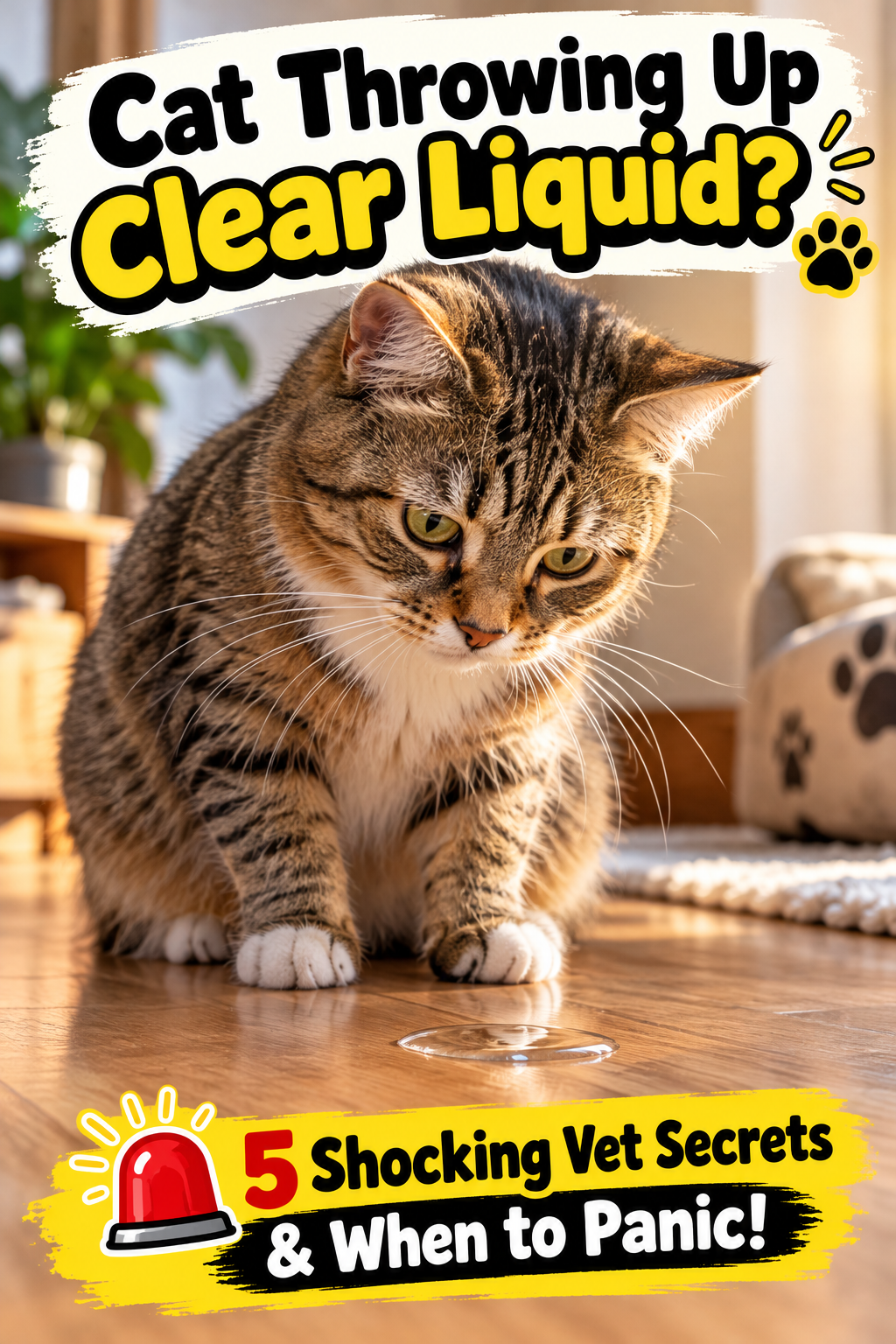
- Clear liquid vomit is typically a combination of saliva, swallowed water, gastric juices, and bile secretions from an empty stomach.
- Fasting gastritis is one of the most common reasons felines vomit clear fluid in the early morning hours.
- Immediate Action: Withhold food for 2 hours, ensure fresh water is available in small amounts, and monitor behavior closely.
- Emergency Indicators: Lethargy, recurring episodes within hours, abdominal pain, or blood traces demand immediate veterinary care.
1. Introduction: Unraveling the Mystery of Feline Clear Vomit
There are few sounds in a quiet household quite as jarring as the sudden, unmistakable retching cough of a cat preparing to vomit on your favorite rug. When you rush over to clean up the mess and find only a puddle of clear, watery liquid, a wave of confusion and anxiety often washes over you. As a practicing veterinarian, I receive panicked phone calls and clinic visits regarding this exact scenario almost every single day. Pet parents naturally wonder: Is my cat drinking too much water? Are they secretly sick? Or is this just a minor quirk of feline digestion?
To answer these questions accurately, we must look beyond the surface and examine the complex physiological mechanisms driving your cat’s gastrointestinal tract. Feline vomiting is not a disease in itself; rather, it is a sophisticated, protective reflex controlled by the central nervous system. When a cat expels clear fluid without any partially digested kibble or wet food, it tells us something very specific about what is happening inside their stomach. In this comprehensive, veterinary-backed guide, we will break down everything you need to know about clear liquid vomit in cats, exploring the underlying medical science, emergency red flags, and step-by-step home care strategies that will keep your feline companion healthy, comfortable, and safe.
2. The Clinical Anatomy & Science Behind Cat Vomiting
To truly understand why felines vomit clear fluid, we must first appreciate the unique evolutionary design of the cat’s digestive system. Cats are obligate carnivores, meaning their bodies are biologically optimized to process high-protein animal tissue rather than complex carbohydrates. Their stomachs are remarkably acidic—often maintaining a pH level between 1.5 and 2.0—which allows them to rapidly break down bone, raw meat, and potential bacterial pathogens found in prey.
However, this high acidity comes with a physiological trade-off. The feline gastric lining is sensitive and relies heavily on a thick mucous barrier to protect itself from its own digestive enzymes. When a cat’s stomach remains empty for an extended period, gastric secretions continue to accumulate. Without food to buffer this potent acid, the liquid begins to irritate the sensitive gastric mucosa. According to research from the American Veterinary Medical Association (AVMA), this chemical irritation triggers the vomiting center in the cat’s brain stem, resulting in the expulsion of clear or slightly foamy fluid.
3. The Empty Stomach Syndrome (Fasting Gastritis)
One of the most frequent clinical diagnoses associated with clear liquid vomit is known as fasting gastritis, or empty stomach syndrome. This phenomenon typically occurs in the early morning hours or late at night when the cat has gone many hours without a meal. Because cats naturally hunt small, frequent meals throughout a 24-hour cycle in the wild, their digestive tracts are hardwired to process food continuously.
When modern house cats are fed only twice a day—such as a large portion in the morning and another in the evening—their stomachs remain empty for long stretches. During these extended fasting windows, hydrochloric acid, digestive enzymes, and saliva pool together in the stomach. The feline body recognizes this excess fluid accumulation as an irritant and forcefully expels it. As a clinical strategy, dividing your cat’s daily food allowance into four or five smaller meals using an automated feeder or puzzle toy can completely eliminate this issue.
4. Hairballs, Excess Saliva, and Swallowed Water
Not all clear liquid vomit is pure stomach acid. Often, what appears to be clear water is actually a mixture of swallowed saliva and mucus. Cats spend an average of 30 to 50 percent of their waking hours grooming themselves. During this meticulous hygiene routine, tiny hook-like structures on their tongues called papillae act like a fine-toothed comb, trapping loose undercoat fur and forcing the cat to swallow significant amounts of hair.
While most fur travels smoothly through the digestive tract or is eventually expelled as a dense hairball, stubborn clumps can linger in the stomach. These trapped hairballs stimulate localized irritation, prompting the salivary glands to hyper-secrete. The cat then drinks large amounts of water to soothe their throat, only to vomit the resulting mixture of water, saliva, and mucus shortly after. According to the Cornell Feline Health Center, maintaining a regular brushing schedule for long-haired breeds can drastically reduce this form of mechanical gastric irritation.
5. Underlying Systemic & Medical Conditions
While occasional clear liquid vomit is often linked to simple fasting gastritis or a minor hairball, chronic or recurring episodes can point to deeper systemic illnesses. As a clinician, I always advise looking at the bigger picture. Persistent gastric irritation is frequently an early warning sign of metabolic or endocrine disorders that require formal veterinary diagnosis and long-term management.
Conditions such as early-stage chronic kidney disease (CKD), hyperthyroidism, and feline pancreatitis can all alter normal gastrointestinal motility and acid production. When kidney function declines, uremic toxins accumulate in the bloodstream, directly stimulating the vomiting center in the brain. Similarly, feline inflammatory bowel disease (IBD) causes chronic low-grade inflammation of the stomach lining, leading to frequent morning regurgitation of clear or foamy fluids. Routine blood panels and abdominal ultrasounds are essential diagnostic tools for uncovering these hidden medical roots.
6. Ingestion of Toxins and Foreign Obstructions
Cats are notoriously curious creatures, and their investigative nature often leads them into hazardous situations. Ingesting non-food items—such as household string, elastic bands, bits of plastic, or toxic houseplants—can cause partial intestinal blockages or severe chemical irritation of the gastric mucosa.
When a foreign body partially obstructs the digestive tract, food cannot pass normally, but digestive secretions continue to build up. The cat’s body attempts to relieve the pressure by vomiting, which frequently produces clear or yellowish liquid containing mucus. Furthermore, nibbling on common indoor plants like lilies, pothos, or dieffenbachia causes immediate oral and gastric toxicity, triggering profuse salivation and clear fluid expulsion. If you suspect your cat has chewed on a toxic plant or swallowed a string, immediate professional veterinary triage is non-negotiable.

To ensure your cat’s overall digestive system remains optimal, check out our expert review on Do Stainless Steel Fountains Prevent Feline Acne? for essential hydration tips
7. Actionable Steps: Step-by-Step Home Triage Protocol
Discovering clear liquid vomit in your living room requires a calm, methodical response. Before rushing to panic or administering unapproved remedies, execute this proven home triage protocol:
- The 2-Hour Fasting Window: Remove all food bowls immediately. Giving an irritated stomach a brief rest prevents further triggering of the vomiting reflex.
- Controlled Hydration: Do not let your cat gulp a large bowl of water all at once. Instead, offer small, measured teaspoonfuls of fresh water or unflavored bone broth every 30 minutes.
- Environmental Scan: Check the surrounding area for chewed electrical cords, dropped human medications, string toys, or wilted flower petals.
- Monitor Energy and Attitude: Observe whether your cat is alert, responsive, and seeking affection, or if they are hiding, lethargic, and refusing to interact.
8. Vet-Recommended Alternatives & Clinical Treatments
When you bring a cat suffering from chronic clear-liquid vomiting to the clinic, your veterinarian will formulate a targeted treatment plan based on diagnostics. For uncomplicated gastritis, clinicians frequently prescribe short-term gastroprotectants—such as famotidine or omeprazole—to temporarily reduce stomach acid production and allow the mucosal lining to heal.
Dietary modification is equally critical. Transitioning your cat to a highly digestible, hypoallergenic, or limited-ingredient veterinary diet can resolve chronic inflammation. Additionally, incorporating veterinary-grade probiotics helps restore healthy gut flora, strengthening the digestive barrier against future flare-ups.
9. Quick Decision Matrix: When to Call the Vet
| Clinical Presentation & Behavior | Urgency Level | Recommended Clinical Action |
|---|---|---|
| Single morning episode, normal playful behavior, good appetite | Low / Monitor Closely | Fast for 2 hours, transition to smaller, frequent meals. |
| Vomiting 2-3 times daily, slight decrease in appetite, mild fatigue | Moderate / Caution | Schedule a veterinary wellness exam within 24 hours. |
| Continuous vomiting, blood streaks, severe lethargy, hiding | Emergency / Immediate | Transport immediately to an emergency veterinary hospital. |
If your feline is also showing signs of digestive discomfort or weird behavioral sounds, you can read our detailed guide on Why Does My Cat Make a Hacking Sound But No Hairball? for more clinical insights.
10. Frequently Asked Questions (Expert Veterinary Answers)
Is it normal for a cat to throw up clear liquid every morning?
No, while common, regular morning vomiting is not normal. It typically indicates fasting gastritis or an empty stomach syndrome that requires dietary adjustments, such as adding a late-night snack.
Can I give my cat human anti-nausea drugs like Pepto-Bismol?
Never administer human medications without veterinary supervision. Products containing salicylates (like Pepto-Bismol) are highly toxic to felines and can cause severe internal bleeding.
How can I prevent my cat from eating too fast and vomiting?
You can utilize interactive slow-feeder bowls, puzzle toys, or automated portion-control feeders to distribute their daily food intake into multiple small meals throughout the day and night.
Professional Veterinary Disclaimer: The clinical information and guidance provided in this comprehensive article are authored by Dr. Ahmed, a licensed veterinarian, for educational and informational purposes only. This content is not intended to replace professional veterinary advice, formal diagnosis, or medical treatment. Always consult your trusted veterinarian regarding any specific questions or health concerns involving your cat.