Finding the right independent dog breeds for busy owners can be a life-changer. If you’ve been searching for a companion that doesn’t mind a quiet house while you’re at work…
I have sat in my consultation room with hundreds of pet owners who all share the same heavy burden: “workday guilt.” You know the feeling. You’re picking up your car keys, heading to the office for an eight-hour shift, and your dog is staring at you with those heartbreaking “don’t leave me” eyes. It’s a struggle that defines modern pet ownership. However, as a specialist who has spent years studying canine behavior, I can tell you that the secret to a happy home isn’t just about how much time you spend there; it’s about choosing the right partner for your lifestyle.
The short answer is that while no dog should be left in total isolation indefinitely, certain dog breeds that can stay alone at home are biologically and temperamentally wired to handle solitude better than others. Some dogs are like Velcro—they need to be attached to your hip to function. Others are more like “roommates”; they love you, but they also appreciate their nap time while you’re out earning the kibble money. In this deep-dive guide, we are going to explore the psychology of independent dogs, rank the best breeds for various living situations, and discuss the practical steps you can take to ensure your dog thrives while you’re at work.
Table of Contents
- The Psychology of Independence: Why Some Dogs Cope Better
- Key Traits to Look for in a “9-to-5” Dog
- Small Dog Breeds That Can Stay Alone at Home
- Medium to Large Breeds for Independent Living
- The “Velcro” Breeds: Dogs to Avoid
- The Age Factor: Puppyhood vs. The Golden Years
- Setting Up Your Home for a Successful Solitude
- High-Tech Solutions for Remote Monitoring
- Recognizing the Signs of Separation Anxiety
- Common Mistakes Busy Owners Make
- Frequently Asked Questions
The Psychology of Independence: Why Some Dogs Cope Better
To truly understand which dog breeds that can stay alone at home will suit your life, we first have to look at the ancestral roots of the dog. Dogs are pack animals, yes, but the “pack” isn’t a monolith. Some breeds were developed to work side-by-side with humans every second—think of the herding dog following the shepherd’s whistle. For these dogs, your absence feels like a loss of purpose.
On the other end of the spectrum, we have the guardians and the independent hunters. These dogs were often left to make their own decisions or guard a flock over large distances without constant human intervention. In my experience, these dogs possess an “emotional resilience” that allows them to self-soothe. They don’t look to you for every cue on how to feel. If the door closes and you’re gone, an independent breed essentially shrugs its shoulders and goes back to sleep. They are the “introverts” of the canine world.
It’s also worth noting that “independence” doesn’t mean “aloofness.” A dog can be incredibly affectionate when you are home but perfectly content when you are gone. This is the ideal balance for a modern professional. If you have other pets, understanding these traits is even more vital, especially if you’ve noticed an indoor cat suddenly aggressive toward a dog that is constantly seeking attention during the day.

Key Traits to Look for in a “9-to-5” Dog
When people ask me for a recommendation, I tell them to ignore the “cute” factor for a moment and look at three specific pillars of temperament. These pillars determine if a dog will be a peaceful resident or a destructive tenant while you’re away.
1. Energy Levels and the “Off-Switch”
A dog with a “high idle” is a disaster for a busy owner. If a dog has a natural motor that is always running, that energy will turn into destructive behavior (like chewing your baseboards) within two hours of boredom. You want a dog that is a “sprinter”—energetic for 30 minutes in the morning but capable of a 6-hour “power nap” afterward. Many dog breeds that can stay alone at home share this sprinting energy profile.
2. Barking Tendencies
If you live in an apartment, this is non-negotiable. Many independent breeds are quiet, but some are “alert barkers.” A dog that stays alone but barks at every hallway footstep will get you an eviction notice. Finding quiet dog breeds for apartments is often the first step for urban professionals. You want a dog with a high “stimulus threshold”—meaning it takes a lot to get them excited enough to make noise.
3. Prey Drive and Boredom Threshold
Some dogs are constantly “on.” They are scanning the room for a fly to catch or a squirrel outside the window. A dog with a low boredom threshold will create its own fun—and you usually won’t like what that “fun” looks like (think shredded pillows). The best breeds for solitude are those that can effectively “turn off” their brain when nothing is happening.

Small Dog Breeds That Can Stay Alone at Home
If you live in a smaller space and need a compact companion that doesn’t mind a quiet house, these are my top-tier picks. They prove that size doesn’t always dictate energy.
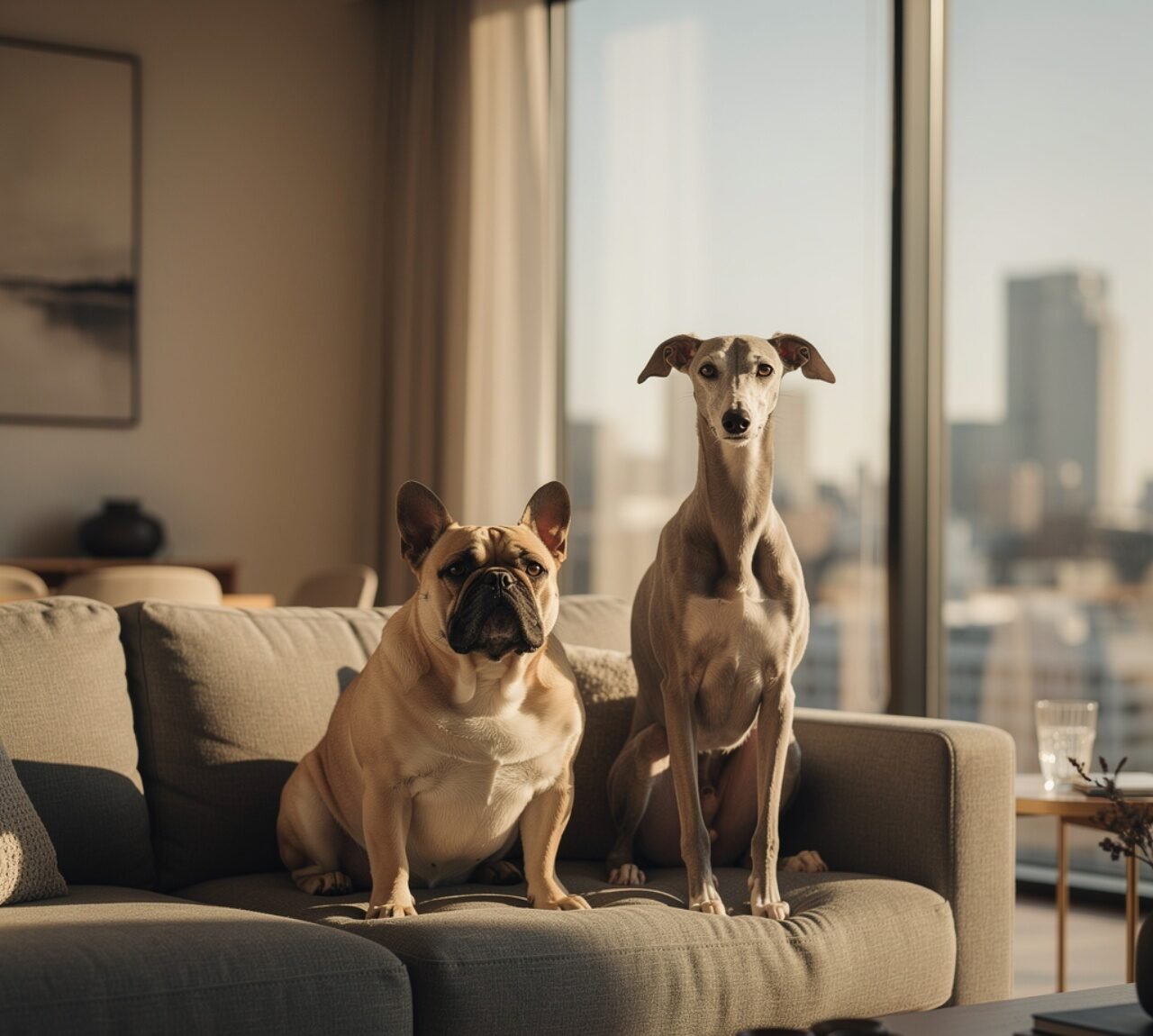
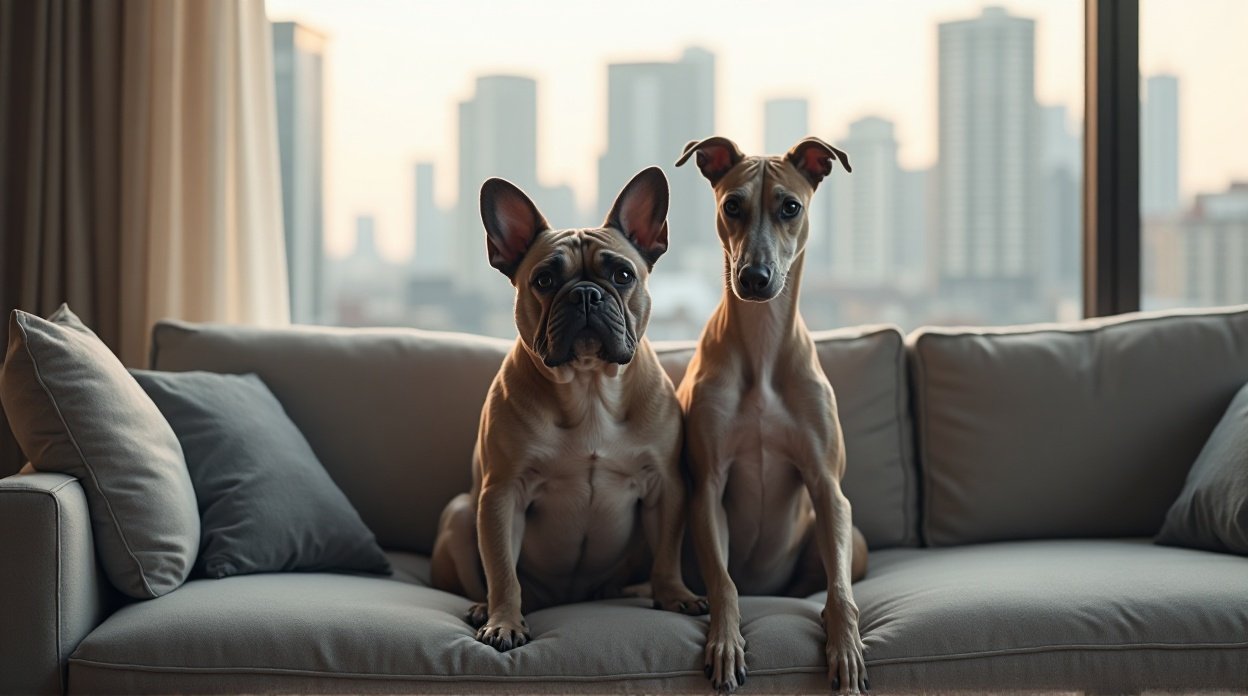
The French Bulldog
The “Frenchie” has become the poster child for city living for a reason. They are heavy-boned, relatively lazy, and have very low exercise requirements. In my observations, a French Bulldog spends about 80% of its day in a horizontal position. They are not prone to frantic pacing. However, they do have health risks you should be aware of. If your Frenchie ever seems to be struggling with digestion after a day of being alone, you might want to look at how to settle a dog’s upset stomach for quick relief tips.
The Maltese
While many small dogs suffer from “Small Dog Syndrome” (constant yapping and neediness), the Maltese is surprisingly sturdy mentally. If they are socialized early, they are quite happy to lounge on the back of a sofa and watch the world go by. They are among the most popular dog breeds that can stay alone at home because they don’t require vast amounts of physical exercise to remain calm. They are essentially the “aristocrats” of the dog world—they know how to wait with dignity.
The Boston Terrier
Known as the “American Gentleman,” the Boston Terrier is polite and adaptable. They are intelligent enough to use puzzle toys while you’re gone, and they generally lack the high-strung anxiety of other terrier breeds. They are great for owners who can squeeze in a brisk walk before the morning commute.
Medium to Large Breeds for Independent Living
Sometimes, a bigger dog is actually a better choice for someone who works. Large breeds often have slower metabolisms and lower “rest” energy than their tiny cousins.
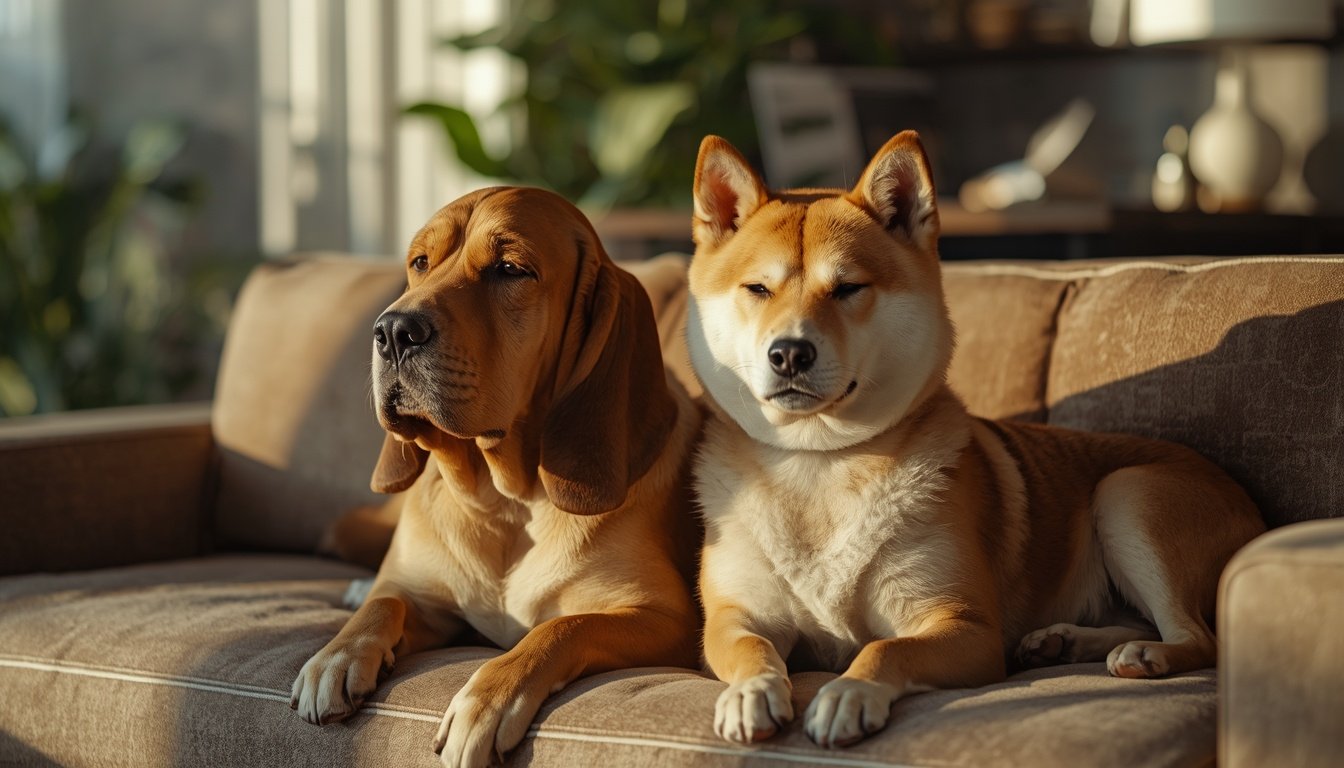
The Basset Hound
If you can handle the drool and the occasional “aroo,” the Basset Hound is the king of the work-day dog. They are notoriously difficult to wake up once they’ve found a comfortable spot. Their independence is legendary—sometimes bordering on stubbornness—but that same trait means they don’t need you to hold their paw all day. They are the ultimate “low-arousal” dog.
The Greyhound
This is the most misunderstood breed on the list. People see a racing dog and think “high energy.” In reality, Greyhounds are the world’s fastest couch potatoes. They are sprinters. Once they’ve had a 20-minute walk, they are done for the day. They are famously quiet, making them one of the best dog breeds for small apartments that don’t bark. Their thin skin makes them like a warm house, but keep an eye out for small scabs on dog skin if they spend too much time on hard floors without a bed.
The Bullmastiff
If you have the floor space, the Bullmastiff is a gentle giant that takes its job of “guarding the house” very seriously by sleeping in front of the door. They aren’t pacing dogs. They are watchful and calm, and they possess a natural confidence that prevents them from panicking when the pack leader is away. They are a massive presence, but a very quiet one.

The “Velcro” Breeds: Dogs You Should Avoid If You Work Long Hours
It’s just as important to know which dogs cannot handle being alone. Choosing one of these while working a 60-hour week is a recipe for heartbreak for both you and the dog. These breeds were built for “High-Volume Interaction.”
- Border Collies: These are the smartest dogs on earth. If you don’t give them a job, they will invent one. That job will usually be “unweaving the carpet” or “systematically destroying the kitchen cabinets.”
- Vizslas: Often called “Velcro Vizslas,” they were bred to never leave their hunter’s side. In isolation, they often suffer from severe physiological distress.
- Siberian Huskies: These are vocal, high-energy pack animals. A lonely Husky is a howling, destructive Husky that will likely alienate every neighbor you have.
- Australian Shepherds: Like the Border Collie, they have a “work-brain.” If they aren’t herding something, they are worrying about something.
The Age Factor: Puppyhood vs. The Golden Years
Here is a hard truth: breed doesn’t matter if the dog is eight weeks old. No puppy can stay alone for eight hours. Biologically, they cannot hold their bladders that long, and psychologically, they are in a critical developmental window where isolation can cause permanent emotional damage. If you are a busy professional, I strongly suggest you look for an adult dog (3+ years old).
When you adopt an adult, you are bypassing the “shark phase” and the “potty training phase.” You can see their true personality. Most rescues can tell you exactly which of their residents are dog breeds that can stay alone at home. If you absolutely must have a puppy, you need a serious plan. You might need to learn how to work from home with a puppy for the first few months to ensure they transition into a confident adult. Senior dogs are also a fantastic option; they spend most of their time sleeping anyway!

Setting Up Your Home for a Successful Solitude
Even the most independent dog needs a “job” or a “safe haven.” Don’t just leave them in a silent, empty house. Preparation is the bridge between a bored dog and a content one.
The Scent Trick
Leave a t-shirt you’ve recently worn in your dog’s bed. Your scent lowers their cortisol (stress hormone) levels. It’s like a digital hug that lasts all day. To them, the smell of “Mom” or “Dad” means everything is okay.
Visual and Auditory Enrichment
Use a “white noise” machine or a “dog-specific” music playlist to drown out the sounds of neighbors or the mail carrier. If your dog is a “window watcher,” make sure they have a comfortable perch. However, if your dog barks at everything they see, it’s actually better to close the blinds to reduce their “barrier frustration.”
The “Treasure Hunt”
Before you leave, hide 10-15 high-value treats around the living room. This engages their “seeking” system. By the time they find the last treat, their brain is tired, and they are ready for a nap. Mental work is 10x more exhausting for a dog than a simple walk.

High-Tech Solutions for Remote Monitoring
We are living in the golden age of pet technology. You can now stay connected to your dog from your desk at the office, which significantly reduces “owner anxiety.”
- Interactive Cameras: Devices like the Furbo allow you to see, talk to, and even toss treats to your dog. It turns your absence into an interactive experience.
- Smart Toys: There are now “smart bones” and balls that roll and move on a timer to keep your dog’s mind engaged for 15-minute bursts during your afternoon meetings.
- GPS and Activity Trackers: If you’re worried your dog is pacing all day, a collar tracker can show you their activity levels. If the “rest” score is high, you can breathe a sigh of relief.
Recognizing the Signs of Separation Anxiety
It is vital to distinguish between a dog that is “bored” and a dog that is “suffering.” Even the best dog breeds that can stay alone at home can develop separation anxiety if they aren’t properly transitioned. Separation anxiety is a panic disorder, not a behavior problem.
Look for these “Red Flags”:
- Destruction specifically around exits: If your dog is chewing the door frame or scratching the carpet by the front door, they are trying to “escape” to find you.
- Excessive salivation: If you come home and your dog’s chest is wet or there are puddles of drool, they have been in a state of high physiological stress.
- Inappropriate elimination: If a potty-trained dog has accidents only when you are gone, it’s fear-based, not “revenge.”
- Self-mutilation: Licking paws or flanks until they are raw or bloody is a sign of OCD-like stress.
If you see these signs, you need to consult a veterinarian or a certified behaviorist. This isn’t a “bad dog” issue; it’s a mental health crisis. You might need to look at how to calm an aggressive dog safely if the anxiety leads to defensive lashing out.
Common Mistakes Busy Owners Make
I see these mistakes every day, and they almost always come from a place of love. Let’s make sure you aren’t accidentally making the solitude harder for your dog.
1. The “Big Goodbye”: If you hug and kiss your dog and tell them “I’ll miss you so much” for five minutes before leaving, you are spiking their anxiety. You are telling them that your departure is a HUGE deal. Be boring. Say “See ya later” and walk out.
2. The “Weekend Catch-up”: Owners often try to “make up” for a busy week by taking their dog on a 5-hour hike on Saturday. If the dog isn’t fit for that, it can cause physical injury and massive cortisol spikes. Keep exercise consistent rather than explosive.
3. Ignoring the Morning Walk: You might be tired, but that 30-minute morning walk is the only thing that ensures your dog will sleep for the first 4 hours of your shift. Don’t skip it.
Frequently Asked Questions
1. How long is “too long” to leave a dog alone?
For most adult dogs, 8 to 10 hours is the absolute maximum, and only if they have been exercised before you leave. If you are consistently away for 12+ hours, you must hire a dog walker or use a doggy daycare.
2. Can I get a second dog to keep the first one company?
Only if you want a second dog. If the first dog has separation anxiety, they will often just “teach” the second dog to be anxious as well. Two bored dogs can do twice the damage of one.
3. Does crating help a dog stay alone?
For some dogs, the crate is a “den” of safety. For others, it’s a cage that increases panic. If your dog isn’t destructive, a “puppy-proofed” room or a dog-pen is usually a more humane option for long workdays.
4. Are there “quiet” dog breeds that don’t bark at all?
No dog is 100% silent, but the Basenji is known as the “barkless dog.” They make a yodel-like sound instead. If you need a low-noise roommate, look at Greyhounds, Whippets, or Borzois.
Final Thoughts: Quality Over Quantity
At the end of the day, the bond you share with your dog is measured by the quality of the time you spend together, not just the number of hours. If you choose one of these dog breeds that can stay alone at home, give them 30 minutes of focused interaction in the morning and another hour of love and play in the evening, they will be perfectly content.
Remember, a dog’s greatest gift is their ability to live in the moment. When you are home, be truly home. Put down the phone, stop the work emails, and be the person your dog thinks you are. If you found this guide helpful, I’d love to hear your stories! Join our community on our Facebook page to share photos of your independent pups and get daily advice on pet health and behavior. You aren’t just a “busy owner”—you are a dedicated pet parent doing the research to make their life better.