20 Quiet Dog Breeds That Don’t Bark (Perfect for Apartments & Families)

20 Quiet Dog Breeds That Don’t Bark (Perfect for Apartments & Families)

Choosing a new canine companion is a journey filled with excitement, but for many of us living in close quarters, the fear of “nuisance barking” can be a major stressor. I have spent years helping pet parents navigate the challenges of urban living, and the most common request I hear is: “I need a dog that won’t alert the entire block every time a leaf blows past the window.” While it is a biological myth that any dog is 100% silent, there are specific quiet dog breeds that don’t bark as their primary form of communication.

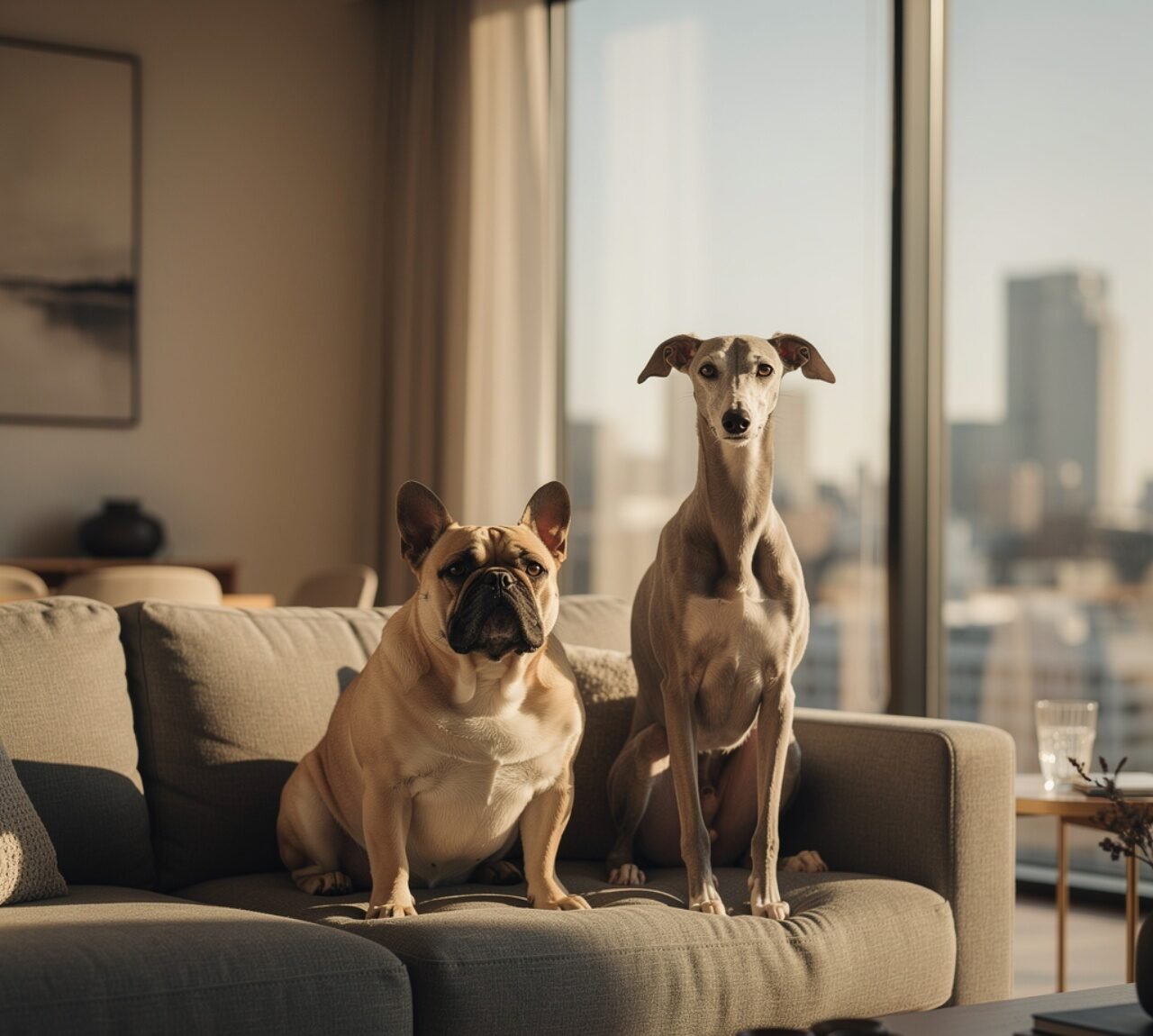
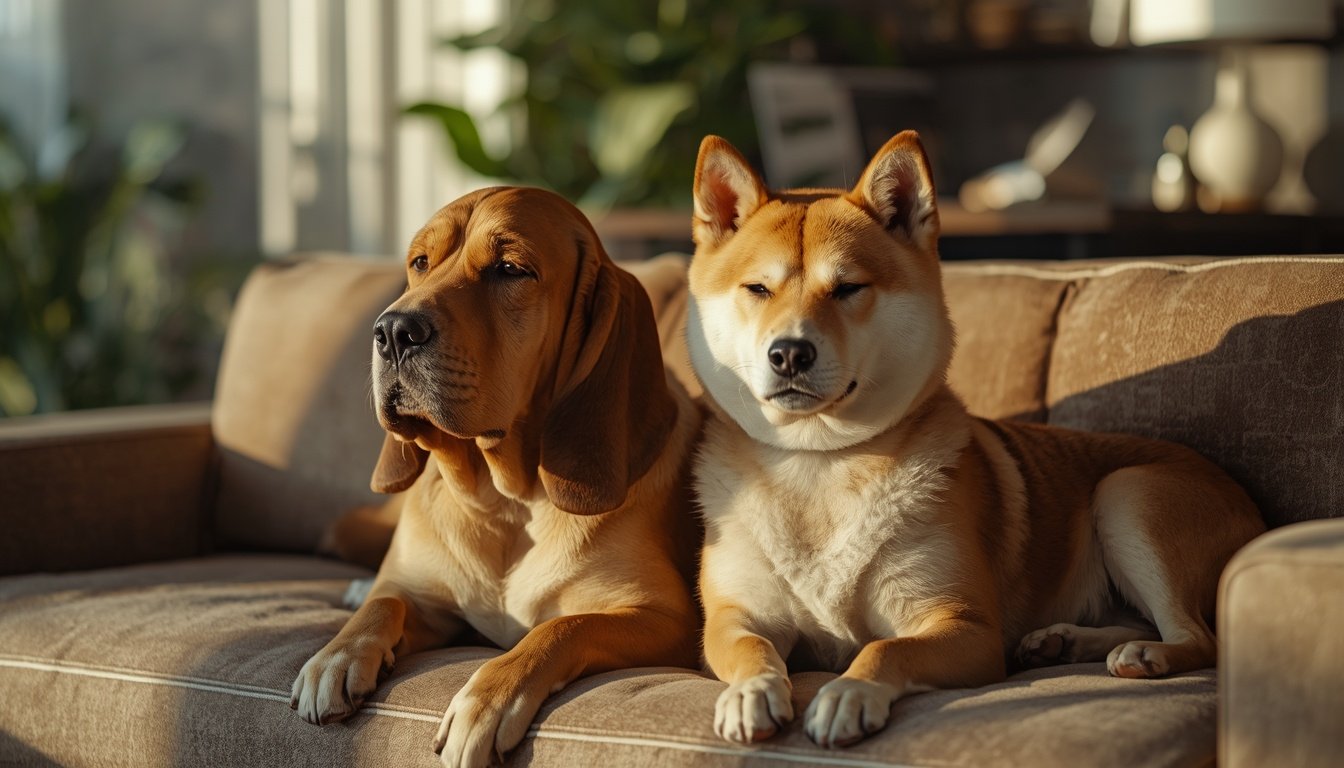
The short answer is that breeds like the Basenji, French Bulldog, and the surprisingly Zen-like Greyhound are genetically predisposed to a quieter lifestyle. These quiet dog breeds that don’t bark typically have a higher “stimulus threshold,” meaning they require much more than a knock at the door to trigger a vocal explosion. In this deep-dive guide, we will explore 20 of the most peaceful breeds on the planet, the science behind their silence, and professional tips to ensure your home remains a sanctuary. Whether you are a first-time owner or looking for a family addition, finding the right match from this list of quiet dog breeds that don’t bark will transform your living experience. Let’s find your quiet soulmate.

Quiet Dog Breeds That Don’t Bark

What Are Quiet Dog Breeds?

When we talk about quiet dog breeds that don’t bark, we aren’t suggesting that these dogs lack a voice. Every dog has the physical capability to vocalize if the situation demands it. However, in the canine world, “quiet” refers to a dog’s tendency to choose other forms of communication—like body language, leaning, or soft whines—over traditional, repetitive barking.

In my clinical experience, a quiet breed is one that is emotionally stable and low-arousal. They don’t view the mailman as a threat or the sound of the elevator as an invasion. They are the “stoics” of the dog world. It is important to manage your expectations: even a Basenji might let out a sound if they are in pain or extremely frustrated. But compared to a Beagle or a Terrier, the quiet dog breeds that don’t bark on this list are the equivalent of a library whisperer. They offer a level of peace that is hard to find in more reactive breeds.

Why Some Dogs Bark Less Than Others

Why is a Siberian Husky so vocal while a Borzoi is practically a silent film star? It comes down to three main factors: genetics, history, and the threshold of reactivity. Barking was a trait actively selected for by humans for thousands of years. Guard dogs and herding dogs were essentially biological “alarm systems.” If a wolf-dog didn’t bark to warn the tribe of an intruder, it wasn’t performing its job.

However, quiet dog breeds that don’t bark were often bred for silent hunting (like sighthounds) or as companions for royalty. Some dogs have a nervous system that is “tightly wound,” reacting instantly to sensory input. Quiet breeds usually have a wider “calm zone.” They process information before they react. This is a biological gift that makes them much easier to manage. If you are also managing a multi-pet household, understanding these triggers is vital, as a loud dog can often be the reason why is my calm cat suddenly aggressive due to constant noise-related stress.

15 Best Dog Breeds for Small Apartments That Don’t Bark (Quiet & Low Maintenance)

15 Best Dog Breeds for Small Apartments That Don’t Bark (Quiet & Low Maintenance)

Living in a city apartment with a dog is a dream for many, but it can quickly turn into a stressful situation if your furry friend decides to announce every hallway footstep to the entire building. I have sat with dozens of distraught owners who received noise complaints from neighbors, often fearing they might have to give up their pet. The truth is, some dogs are simply built for the quiet, vertical life of the city. If you are looking for the 15 best dog breeds for small apartments that don’t bark, you aren’t just looking for a small dog; you are looking for a specific, low-arousal temperament.

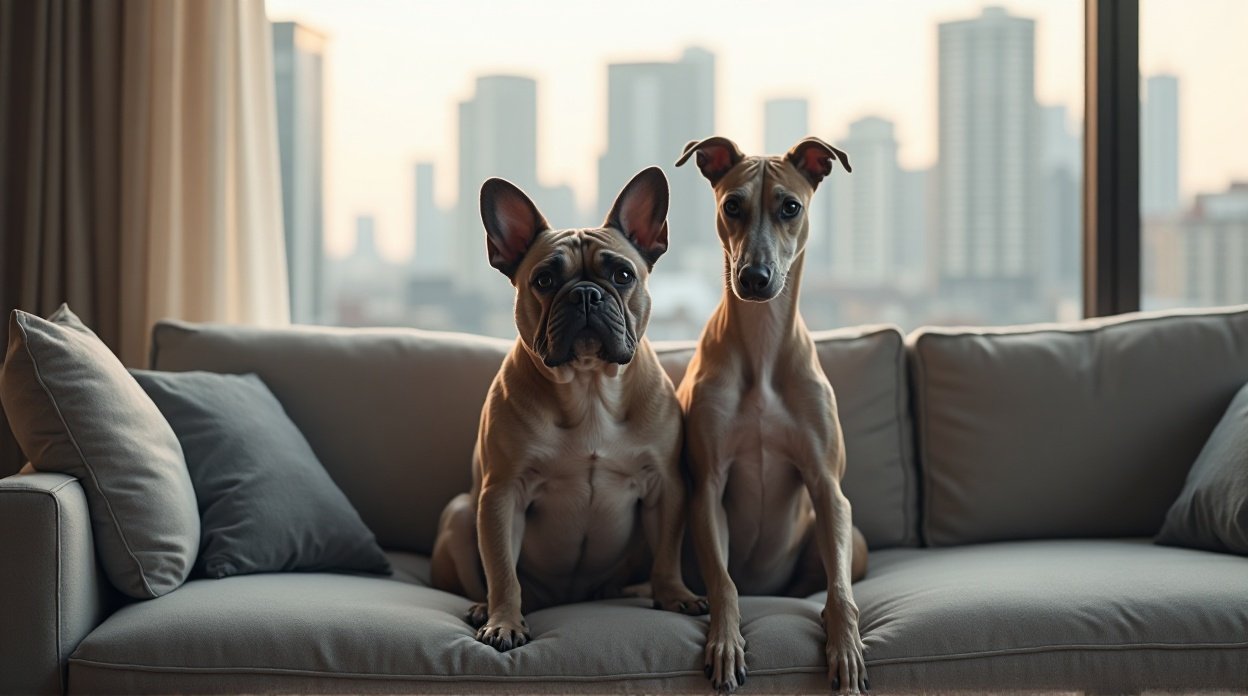
The short answer is that while no dog is 100% silent, certain breeds like the French Bulldog, Cavalier King Charles Spaniel, and even the large but lazy Greyhound are among the quietest roommates you can find. These quiet dog breeds for apartments tend to have a calm nature, meaning they don’t react to every small noise with a vocal explosion. In this comprehensive guide, we will explore the genetic and behavioral reasons why some dogs that don’t bark much are better for city life, provide a detailed list of the top 15 breeds, and give you professional tips on how to keep the peace in your building. Let’s find your perfect silent companion.

What Makes a Dog Suitable for Small Apartments?

When people think of “apartment dogs,” they usually think of tiny dogs. But as a specialist, I can tell you that size is often the least important factor. I’ve seen Great Danes that were perfect apartment dwellers and Jack Russell Terriers that were absolute disasters. A truly suitable match for the best small apartment dogs needs to pass the three-pillar test: size, energy level, and noise level.

First, size matters only in terms of navigability. Can the dog turn around in your hallway without knocking over a vase? Second, energy level is critical. A high-energy dog in a small space will become frustrated, which leads to destructive behavior and more barking. Finally, the noise level is the deal-breaker. A low noise dog breed is the difference between a happy home and an eviction notice. Finding the 15 best dog breeds for small apartments that don’t bark means finding a dog that treats your home as a place for rest, not a place for high-intensity work.

Dr. Ahmed’s Note: “I always tell my clients that a tired dog is a quiet dog. Even if you choose a low-noise breed, ensuring they have mental stimulation is key. You can check my guide on how to encourage independent play in cats for ideas that work surprisingly well for small dogs too!”

Dog Breeds That Can Stay Alone at Home: 15 Best Picks for Busy Owners

Dog Breeds That Can Stay Alone at Home: 15 Best Picks for Busy Owners

I have spent countless hours in my consultation room with guilt-ridden pet parents. They love their dogs, but they also have careers, meetings, and lives that require them to be away from home for several hours a day. The question is always the same: “Is it cruel to leave my dog alone?” My answer as a pet care specialist is simple: It depends entirely on the dog’s DNA and your preparation. While no dog thrives on 24-hour isolation, certain dog breeds that can stay alone at home are biologically wired for independence and low-arousal behavior.

The reality is that not all dogs were bred for constant companionship. While some are “Velcro dogs” that suffer in your absence, others are more like dignified roommates who value their nap time while you are out earning the kibble money. In this deep-dive guide, we are going to explore the 15 specific dog breeds that can stay alone at home, the science behind their calm temperaments, and exactly how to set up your home so your dog remains happy while you’re at work. If you’ve been searching for the best dog breeds for busy owners, you are about to find your perfect match. Let’s look at the biological traits and practical tips that make these dog breeds that can stay alone at home so successful for modern lifestyles.

dog breeds that can stay alone at home

What Makes a Dog Good at Staying Alone?

To understand why some dogs cope better with solitude, we have to look beyond their cute faces and into their evolutionary history. A dog’s ability to stay home alone depends on three main pillars: temperament, independence levels, and energy cycles. When searching for dog breeds that can stay alone at home, identifying these three pillars is essential for success.

The “Low-Arousal” Temperament

Some breeds are naturally “low-arousal,” meaning they don’t get easily startled or over-excited by silence or small noises outside. According to research published by the American Kennel Club (AKC), these dogs have a higher threshold for boredom. While a working breed might see a quiet house as a “problem to be solved” (which usually results in a chewed-up sofa), an independent breed sees it as an opportunity to recharge. This is a key trait for those seeking dog breeds that can stay alone at home.

Independence vs. Pack Drive

Dogs like the Golden Retriever were bred to work alongside humans constantly. Their “pack drive” is off the charts. Conversely, dog breeds that can stay alone at home are often developed for guarding or solitary hunting and are used to making their own decisions. They love their owners, but they don’t need to be “physically touching” them to feel secure. This emotional resilience prevents the destructive separation anxiety that many owners fear. If your dog is currently lashing out, check our guide on why is my calm cat suddenly aggressive as similar stress patterns can affect multi-pet households.

Expert Observation: “Independence is a muscle. Even the most solitary dog breeds that can stay alone at home need to be taught that ‘Human Leaving = Safety.’ Never make a big deal out of your departures or arrivals if you want a calm dog.”