
Table of Contents
Clinical Summary for Pet Parents
- Dogs can eat canned water chestnuts in strict moderation, provided they are packed in water with zero added salt.
- Water chestnuts are aquatic tubers, making them non-toxic unlike deadly horse chestnuts (buckeyes).
- High sodium in canned brine causes dangerous dehydration and electrolyte imbalances in canines.
- Never feed dogs leftover Chinese food containing water chestnuts due to toxic garlic, onions, and heavy oils.
The Direct Veterinary Answer
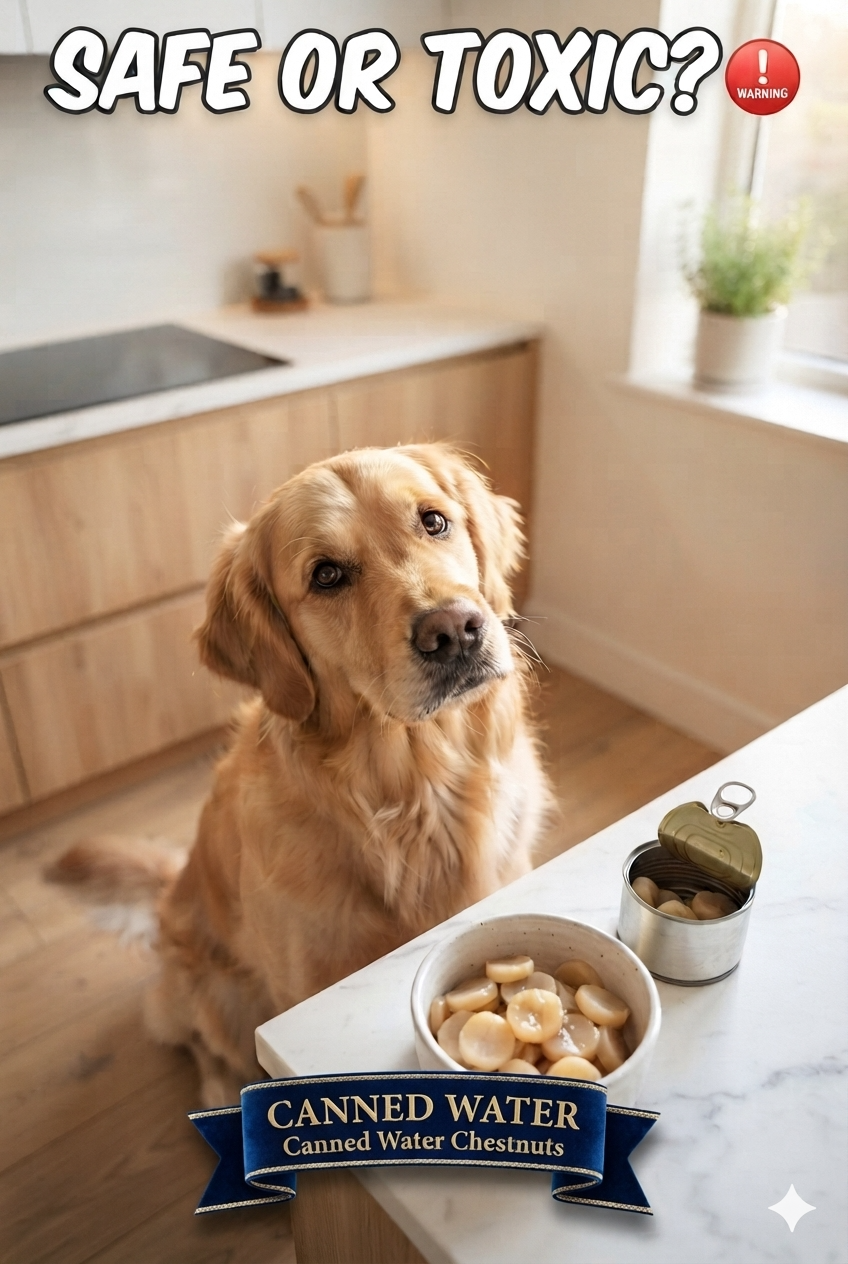
Dogs can eat canned water chestnuts safely only if they are rinsed thoroughly and packed in plain water with zero added sodium. While the flesh of water chestnuts is completely non-toxic to dogs, commercial canned varieties often swim in heavily salted preservation brine that triggers dehydration and digestive distress.
Feeding your pup a plain slice or two as an occasional crunchy treat provides dietary fiber without harm. However, feeding them canned slices straight out of salty brine or from seasoned restaurant stir-fries poses immediate medical risks.
Understanding how canning additives impact canine renal physiology helps you make the safest nutritional choices for your companion’s bowl.

Always evaluate human vegetable snacks through your veterinarian’s clinical lens before feeding your dog.
Are Water Chestnuts Real Nuts or Vegetables?
Despite their confusing name, water chestnuts (Eleocharis dulcis) are not nuts at all. They are edible aquatic tuber vegetables, technically called corms, that grow submerged in freshwater marshlands throughout Asia.
Because they are tubers rather than tree nuts, they do not contain the heavy, dense lipid profiles seen in walnuts or macadamias. This means pure, plain water chestnuts will not trigger acute pancreatitis associated with high-fat nut ingestion.
Pet owners must never confuse edible water chestnuts with horse chestnuts (buckeyes). As highlighted by veterinary toxicity experts at the ASPCA Animal Poison Control Center, horse chestnuts contain aesculin, a potent neurotoxin that causes severe poisoning, seizures, and death in dogs.
You can discover more safe kitchen options inside our complete veterinary guide to safe vegetables for dogs.
The 4 Hidden Dangers of Canned Water Chestnuts
While fresh raw water chestnuts present minimal hazard beyond a choking risk, the commercial canning process introduces specific clinical hazards that every dog owner must watch out for.
1. Excessive Sodium Concentration
Commercial canning operations rely heavily on sodium chloride to preserve texture, enhance shelf stability, and retain moisture. A half-cup serving of standard canned water chestnuts can pack up to 300 milligrams of sodium.
Canine kidneys are engineered to process low-sodium ancestral diets, making dogs exceptionally vulnerable to salt loading. Consuming high-sodium canned vegetables leads to excessive thirst, fluid retention, high blood pressure, and potential hypernatremia (salt toxicity) in small breeds.
2. Choking and Esophageal Blockages
Canned water chestnuts are famous for retaining their rigid, crisp texture even after intense thermal processing. If you toss whole corms or thick circular medallions to an excited dog, they often gulp them down without chewing.
These rigid, round slices can wedge tightly inside the trachea or cause a physical obstruction within the upper esophagus. Small breeds like French Bulldogs, Pugs, and Chihuahuas face the highest danger of acute airway occlusion from unchewed slices.
3. Intestinal Upset and Osmotic Diarrhea
Water chestnuts are rich in complex indigestible carbohydrates and dietary fiber. While balanced fiber promotes canine health, a sudden bolus of dense fibrous tissue overwhelms naive intestinal flora.
Unaccustomed dogs often experience excessive fermentation within the large colon, producing foul flatulence and abdominal cramping. In sensitive stomachs, this abrupt fiber spike pulls excess water into the bowel, sparking acute osmotic diarrhea.
For persistent loose stools, review our clinical protocols on managing canine digestive health.
4. Chemical Preservatives and Acid Regulators
Many discount canned brands add citric acid, calcium chloride, or chemical firming agents to maintain a snappy crunch inside the metal tin. While food-grade citric acid is considered safe for humans, concentrated doses can irritate a dog’s gastric mucosa, triggering acid reflux and post-meal retching.

Rinsing canned produce under cold running water removes a large portion of surface brine and additives.
Why Leftover Chinese Stir-Fry Dishes Threaten Canine Health
Most dog owners do not buy canned water chestnuts to serve them alone; they want to share leftover Asian stir-fries. Feeding your dog water chestnuts fished out of your takeout container is hazardous.
Stir-fry dishes are traditionally saturated with allium family members, including minced garlic, scallions, and yellow onions. Alliums contain toxic organosulfur compounds that cause oxidative damage to canine red blood cells, resulting in life-threatening hemolytic anemia.
Furthermore, restaurant sauces rely on soy sauce, MSG, oyster sauce, and spicy oils. These concentrated sauces can trigger acute bouts of hemorrhagic gastroenteritis and severe pancreatitis within hours of ingestion.
According to dietary recommendations from the American Kennel Club (AKC), human leftovers heavy in seasoned sauces should never be introduced into a dog’s regular feeding regimen.
How to Safely Prepare Canned Water Chestnuts for Your Dog
If you have an unopened can of plain water chestnuts in your pantry and want to offer your dog a crunchy treat, follow this veterinary-approved prep protocol:
- Verify the Ingredients Label: Inspect the can thoroughly to ensure it contains only three things: water chestnuts, water, and zero added salt. If the can lists sodium or spices, save it for human meals.
- Rinse and Soak in Cold Water: Empty the can into a kitchen colander and rinse the slices under running water for two full minutes. Soaking them in fresh cold water for an extra ten minutes leaches away remaining surface brine.
- Dice into Pea-Sized Bites: Never feed whole or half medallions directly to your dog. Use a chef’s knife to mince the corm into tiny bits that your dog can chew and swallow without obstruction risks.
- Follow the 10 Percent Rule: Vegetable treats must never exceed ten percent of your dog’s total daily caloric intake. One or two teaspoons of diced water chestnut pieces is plenty for a medium-sized dog.
Always introduce novel snacks slowly while monitoring your pet’s stools for twenty-four hours to catch individual food sensitivities early, as detailed in our guide to balanced dog nutrition.
Clinical Safety Comparison Table
Use this practical decision table to quickly determine the clinical safety profile of different chestnut varieties:
| Chestnut Variety | Botanical Nature | Toxicity Status | Veterinary Verdict |
|---|---|---|---|
| Canned Water Chestnuts (No Salt) | Aquatic vegetable corm | Non-Toxic | Safe in tiny, diced portions after rinsing. |
| Canned Water Chestnuts (Salted Brine) | Processed aquatic tuber | Sodium Hazard | Unsafe; causes dehydration and GI upset. |
| Takeout Stir-Fry Water Chestnuts | Seasoned human meal | High Toxicity Risk | Extremely dangerous due to garlic, onions, and oils. |
| Horse Chestnuts (Buckeyes) | Deciduous tree nut | Lethal Toxin (Aesculin) | Strict medical emergency; causes seizures and death. |
Healthier Crunchy Vegetable Alternatives
If your canine craves that snappy, refreshing texture, you do not need to rely on processed canned goods. Plenty of whole, low-sodium garden vegetables provide the exact same sensory crunch with superior nutritional profiles.
Consider offering your dog crisp cucumber slices with the skin on. Cucumbers contain 96 percent water, zero sodium, and practically zero calories, making them ideal weight-loss rewards for overweight dogs.
Raw celery sticks chopped into bite-sized segments offer another safe option packed with vitamins A, C, and K. Celery naturally promotes fresh canine breath while supporting oral hygiene through mechanical chewing action.
Finally, steamed green beans serve as a beloved clinical staple for dogs on calorie-restricted diets. They deliver healthy dietary fiber and minerals without any dangerous canning preservatives.
Frequently Asked Questions
Can canned water chestnuts make my dog sick?
Yes, canned water chestnuts packed in salted brine can cause vomiting, excessive thirst, diarrhea, and sodium toxicity in dogs. Additionally, feeding unchopped whole slices presents a choking hazard, while stir-fry versions containing garlic or onions cause toxic hemolytic anemia.
Are water chestnuts considered nuts that cause dog allergies?
No, water chestnuts are aquatic tuber vegetables rather than true tree nuts. They do not trigger tree nut allergic reactions or load your dog’s pancreas with dense nut oils.
Can dogs with kidney disease eat canned water chestnuts?
No, dogs with renal insufficiency or congestive heart failure must completely avoid canned water chestnuts. These dogs cannot regulate sodium or potassium effectively, making even rinsed canned goods a physiological threat.
What should I do if my dog ate water chestnuts from my Chinese food?
Check the food ingredients immediately for toxic additives like onions, garlic, scallions, or chili peppers. If your dog ingested dishes containing alliums or heavy soy sauces, contact your emergency veterinarian or the ASPCA Animal Poison Control hotline right away.
Professional Veterinary Disclaimer: The nutritional information provided in this clinical guide is intended for educational purposes and general pet parent guidance. It does not replace individualized veterinary diagnosis or medical care. If your pet shows symptoms of food toxicity, lethargy, or intestinal distress after eating human food, contact your family veterinarian immediately.