

In This Behavioral Guide
Clinical Summary at a Glance
- Dogs bury their noses in armpits to access concentrated apocrine glands, which secrete proteins, fats, and personal pheromones.
- Your canine uses their specialized vomeronasal organ (Jacobson’s organ) to read your chemical identity, health status, and mood.
- Shifts in human stress hormones like cortisol change your scent signature, prompting your dog to investigate and offer comfort.
- This intimate behavior is an evolutionary display of deep pack trust, safety, and affectionate bonding, not bad manners.
The Direct Veterinary Answer
Your dog buries his nose in your armpit because your axillary vault contains the highest concentration of apocrine sweat glands, which produce unique chemical pheromones, lipids, and proteins. While human noses perceive simple body odor, your dog’s extraordinary olfactory system treats your armpit as an unfiltered biological database containing your identity, emotional state, and recent activities.
In canine behavioral science, pressing the muzzle into this warm scent pocket is both an intimate greeting and a grounding comfort mechanism. The familiar scent of your personal pheromones triggers a surge of oxytocin in your dog’s brain, lowering their heart rate and reinforcing their attachment to you.
While this awkward habit can feel intrusive when guests visit, understanding the complex sensory chemistry behind it reveals just how deeply your dog loves and monitors your well-being.

Burying the muzzle into scent-rich areas is an evolutionary canine behavior rooted in pack security.
1. The Apocrine Gland Secret: Why Armpits Smell Like Biological Gold
To understand your dog’s fascination with your underarms, we must look at human dermatological anatomy. The human body houses two distinct types of sweat glands: eccrine glands and apocrine glands.
Eccrine glands cover almost the entire body, secreting a watery, odorless solution composed primarily of water and sodium chloride to regulate body temperature. Dogs have very little interest in pure eccrine sweat because it contains minimal biological information.
Apocrine glands, on the other hand, are concentrated almost exclusively in the axillary vaults (armpits) and groin regions. These specialized glands empty thick, viscous fluids rich in lipids, steroids, and proteins directly into hair follicles.
When skin bacteria interact with these apocrine secretions, they generate your distinct personal scent fingerprint. To a dog possessing up to three hundred million olfactory receptors, your armpit is the most concentrated, informative scent portal on your entire body, as documented by canine physiology studies in the American Kennel Club (AKC).
2. The Jacobson’s Organ: Decoding Human Pheromones
When your dog buries their nose deep into your clothing or flesh, they are not just inhaling through their standard nasal passages. They are actively engaging a secondary sensory system known as the vomeronasal organ, or Jacobson’s organ.
Located just above the roof of the mouth behind the upper incisors, the Jacobson’s organ features specialized receptor neurons dedicated entirely to detecting non-volatile chemical pheromones. These chemical messengers do not register as everyday smells; instead, they communicate directly with the hypothalamus and amygdala in the canine brain.
By pressing their warm, moist nose tightly against your skin, your dog warms the apocrine lipids, causing volatile compounds to vaporize rapidly. Tiny droplets transfer across the incisive papilla into the vomeronasal organ, delivering real-time biological updates.
This explains why dogs often exhibit the flehmen response—curling back their upper lips or quivering their jaws slightly after an intense armpit-sniffing session. They are processing complex chemical data that human senses cannot perceive, a phenomenon detailed in our behavioral archive on canine communication and psychology.
3. The Biometric Emotional Scan: Sniffing Out Stress and Joy
Dogs are emotional barometers capable of detecting minute neurochemical shifts within the human bloodstream. When you experience high anxiety, anger, or acute fear, your sympathetic nervous system triggers the release of adrenaline and cortisol.
These stress hormones alter your internal biochemistry, resulting in the rapid secretion of distinct volatile organic compounds (VOCs) through your apocrine sweat. Even before you display outward signs of distress, your armpits radiate a clear chemical distress signal.
If your dog suddenly wedges their nose beneath your arm after a grueling day at work, they are performing an emotional biometric scan. Sensing your elevated cortisol levels, dogs often bury their heads deeper, offering physical warmth and reassurance to help regulate your emotional state.
Conversely, when you feel relaxed, content, or joyful, your body produces elevated levels of serotonin and oxytocin. Your dog detects this positive chemical profile instantly, seeking out your armpit to soak in the calming, comforting aroma of their favorite human.
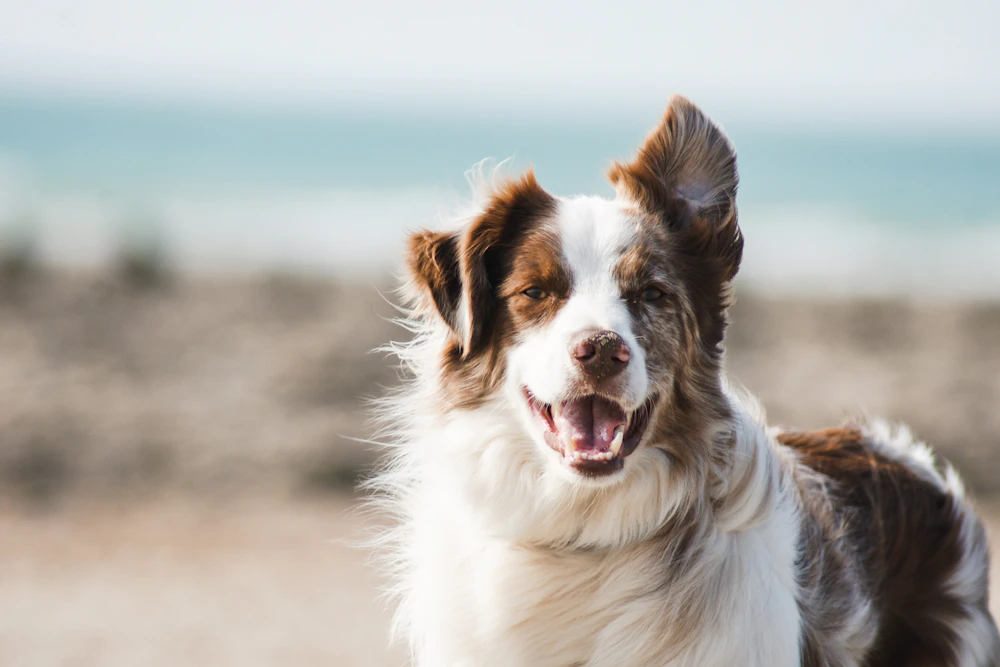
Canines utilize scent verification to gauge their guardian’s stress hormones and emotional balance.
4. Scent Swapping and Pack Bonding: Creating a Shared Family Odor
In wild canid packs, social cohesion depends on a collective olfactory identity known as group scent (allogrooming scent transfer). Wolves and wild dogs regularly rub against one another to blend their individual odors into a singular pack profile that signals safety and belonging.
Your domestic dog views your household as their immediate social family. When they press their muzzle firmly into your armpit, a two-way biological exchange takes place.
Canines have active sebaceous glands concentrated around their lips, cheeks, and chin. As your dog nuzzles your armpit, they absorb your potent apocrine odor while simultaneously depositing their own facial pheromones onto your skin and clothes.
This intimate behavior creates a unified, reassuring scent profile that reinforces mutual social bonds. For an anxious dog, inhaling this blended family aroma provides profound security, lowering systemic stress levels naturally. Explore our clinical insights on maintaining balanced emotional health in our guide to preventative canine care.
5. Hormonal Shifts and Biological Medical Alerting
Human endocrine chemistry fluctuates continuously based on reproductive cycles, metabolic shifts, and systemic health status. Because your apocrine sweat glands act as chemical exhaust vents for the bloodstream, dogs detect these hormonal transitions effortlessly.
Many female pet owners notice their dogs becoming intensely fixated on their armpits right before menstruation or during early pregnancy. The surge of progesterone, estrogen, and human chorionic gonadotropin (hCG) creates an unmistakable biological profile that canines find fascinating.
Similarly, dogs trained as diabetic alert service animals monitor volatile organic compounds emitted through human sweat glands. When a diabetic person’s blood glucose plummets or spikes, their body produces subtle acetone and ketone metabolites that collect directly in the axillary vault.
Your companion may bury their nose deep into your side to verify these biochemical shifts, often pairing the nuzzle with persistent pawing or whining. As research from the American Veterinary Medical Association (AVMA) confirms, canine olfactory sensitivity allows pets to detect organic disease signatures long before clinical symptoms emerge.
6. The Search for Security and “Deep Pressure Therapy”
Beyond the chemistry of scent, the physical action of burying the skull tightly against a human torso provides profound neurological comfort. In canine behavioral therapy, this behavior is known as seeking deep pressure input.
When an anxious or overstimulated dog wedges their head firmly beneath your arm, the firm physical contact stimulates their parasympathetic nervous system. This tactile pressure triggers a rapid release of dopamine and endorphins, helping the dog ground their emotions and settle erratic nerves.
This explains why dogs frequently bury their noses into underarms during thunderstorms, fireworks, or loud family gatherings. The warm cavity of your armpit provides a safe, sensory-deprivation pocket where your dog can block out frightening visual stimuli while soaking in your protective scent.
For sensitive breeds prone to separation anxiety, this physical nuzzling serves as an emotional life raft. You can learn more about managing household stressors in our clinical guide to canine behavioral wellness.
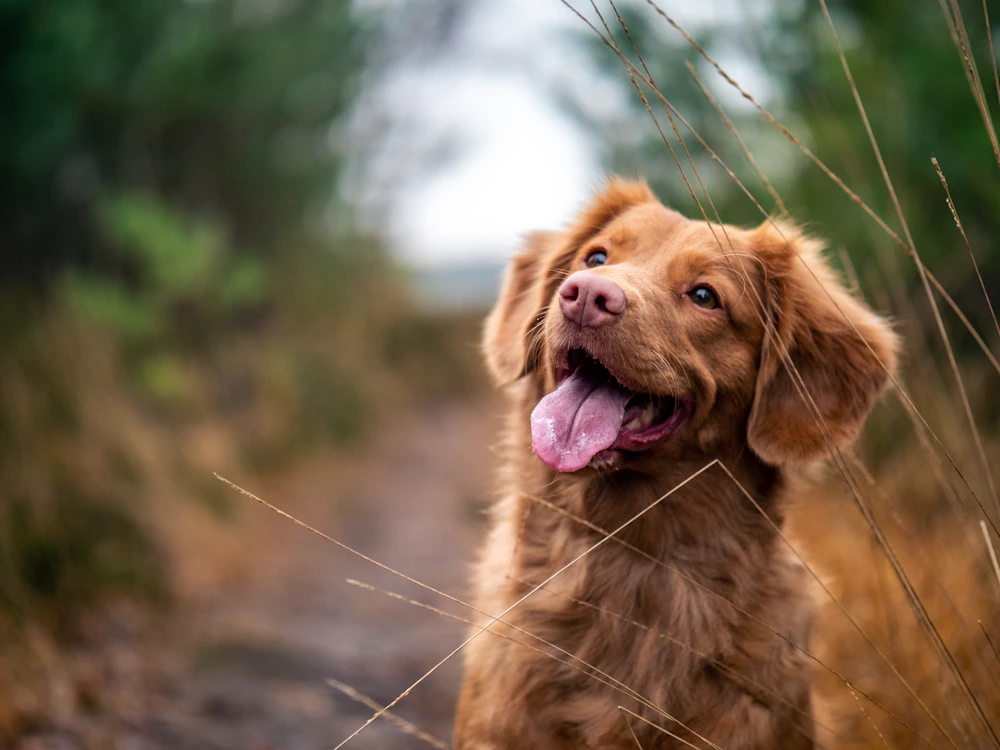
Physical contact combined with personal scent helps canines regulate their nervous systems naturally.
7. Curiosity About Deodorants, Salts, and Natural Oils
Sometimes the motivation behind armpit investigation is purely gastronomic and sensory. After an intense workout, your skin carries high concentrations of evaporated sodium chloride, which many dogs find delicious to lick.
Furthermore, human hygiene products introduce a bizarre cocktail of synthetic scents that canine noses find deeply puzzling. Antiperspirants containing aluminum salts, plant-based essential oils, and floral fragrances clash directly with your natural body odor.
Your dog buries their snout into your armpit in an attempt to smell past the artificial cosmetic barrier to locate the “real you” underneath. However, pet parents must exercise caution because commercial deodorants often contain aluminum chlorohydrate, zinc oxide, and artificial fragrance oils that irritate the canine stomach lining if licked off excessively.
If you apply roll-on or spray deodorants, allow the product to dry completely before allowing your dog to cuddle, keeping your pet safe from digestive upset, as detailed in our guide to canine preventive care.
How to Politely Redirect Armpit Sniffing (Without Hurting Feelings)
While burying the nose into your side is harmless during a quiet evening at home, it can cause severe embarrassment when your dog greets house guests or strangers by jabbing their wet nose into their underarms. Because this behavior is driven by natural instinct rather than malice, you must never scold or physically punish your dog.
Instead, implement these three positive behavioral redirection techniques:
- Teach the “Hand Touch” Cue: Train your dog to target your open palm with their nose instead of human armpits. When your dog approaches, immediately extend your flat palm at their chest height and say “Touch,” rewarding them with a high-value treat the instant their nose boops your hand.
- Provide an Alternative Scent Pacifier: If your dog seeks your underarms during moments of separation stress, give them an unwashed cotton t-shirt you wore the previous day. Placing your scent-infused shirt inside their sleeping crate satisfies their craving for your apocrine aroma without physical intrusion.
- Manage Guest Greetings Proactively: When visitors arrive at your front door, keep your dog on a loose leash or place them in a sit-stay command before they have an opportunity to invade personal spaces. Instruct guests to offer a closed fist for sniffing at hip height rather than raising their arms.
Consistent positive reinforcement redirects your dog’s social enthusiasm into polite greetings within a few short weeks without damaging your mutual bond.
Behavioral Matrix: Decoding Your Dog’s Nose-Burying Intent
Use this practical behavioral matrix to identify what your dog is communicating when they target your armpit:
| Behavioral Motivation | Body Language Cues | Timing of the Event | Underlying Biological Driver | Recommended Response |
|---|---|---|---|---|
| Affectionate Pack Greeting | Soft wagging tail, relaxed eyes, gentle snuffling | Right after you arrive home from work | Scent verification, social reconnection, oxytocin release | Enjoy the cuddle; offer gentle chest scratches. |
| Emotional Stress Check | Deep pressing, prolonged inhales, furrowed brow | When you feel anxious, upset, or tearful | Detecting elevated cortisol and adrenaline metabolites | Acknowledge the comfort; practice deep breathing together. |
| Hormonal / Health Alert | Persistent nose-poking, head-tilting, whining | During pregnancy, ovulation, or metabolic shifts | Detecting endocrine changes via volatile organic compounds | Monitor your health; redirect with a hand-touch command. |
| Anxiety / Grounding Reflex | Trembling, pinned ears, tucking body under arm | During storms, fireworks, or loud disruptions | Seeking deep pressure therapy and auditory shielding | Provide a calm haven; apply firm, soothing pressure. |
Frequently Asked Questions
Is it toxic if my dog licks my deodorant or antiperspirant?
A brief casual lick of dried deodorant is unlikely to cause severe poisoning, but ingesting wet antiperspirant containing aluminum salts, zinc, or synthetic fragrances can trigger mouth irritation, excessive drooling, and mild vomiting. Wash the skin immediately and offer fresh water if your dog licks wet personal care products.
Why does my dog only bury their nose in my armpits and ignore others?
Dogs selectively target the armpits of their primary attachment figure. Because you spend the most time caring for, feeding, and comforting your dog, your specific apocrine scent profile represents the ultimate biological signal of safety, familiarity, and pack security.
Can dogs smell illness or disease through human armpits?
Yes, scientific trials confirm that canines can detect volatile organic compound (VOC) biomarkers associated with diabetes, early infections, and certain cancers through human sweat secretions. Sudden, intense fixation on an armpit that previously went ignored warrants a routine medical wellness check.
Does nose-burying mean my dog is trying to be dominant?
No, burying the nose in an underarm is completely unrelated to dominance or hierarchy. It is a submissive, affectionate, and sensory-driven behavior that demonstrates deep emotional attachment, social trust, and scent verification within the family pack.
Professional Veterinary Behavioral Disclaimer: The behavioral interpretations and clinical guidance provided in this guide are designed for educational and companion animal understanding purposes only. They do not substitute for personalized veterinary diagnostics or certified canine behavioral therapy. If your dog exhibits sudden extreme behavioral shifts, intense obsessive fixations, or distress, consult your family veterinarian or a certified veterinary behaviorist.