
8. Common Mistakes Owners Make with Clingy Dogs
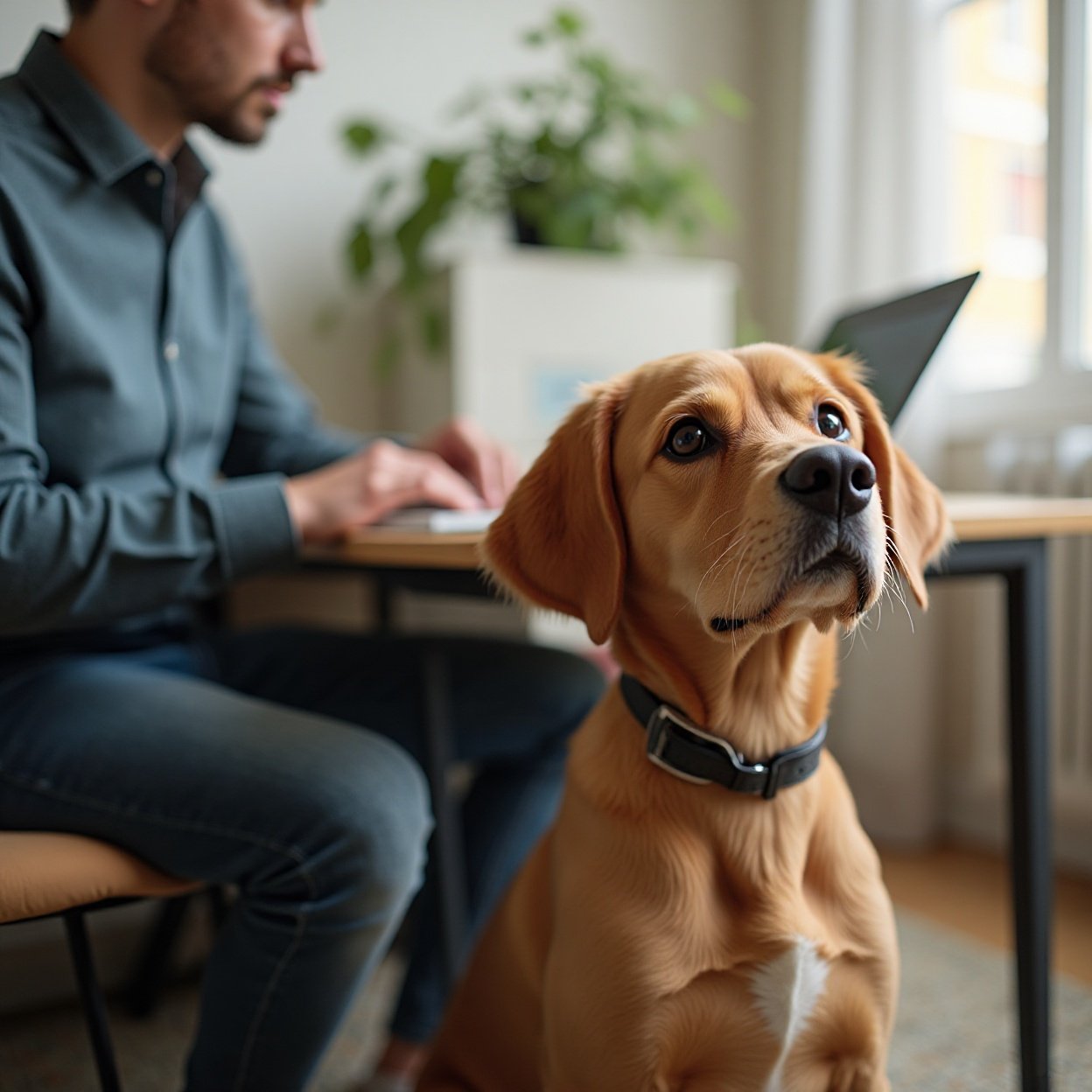
I see well-meaning owners fall into these traps every week, and unfortunately, they often make the clinginess worse. Rewarding the “Nudge”: If your dog nudges your hand while you’re busy and you immediately pet them, you have just trained them to interrupt you. Instead, wait for them to sit calmly before offering affection.
Another mistake is pitying the dog. If you feel guilty about leaving and you hover over them before you walk out the door, you are transmitting your anxiety directly to them. Dogs are emotional sponges. If you feel like your dog’s shadowing is causing tension in the house, especially if you have other pets like an indoor cat suddenly aggressive because the dog is constantly invading the cat’s space while following you, you must address the root cause of the dog’s insecurity immediately.
Frequently Asked Questions
Is my dog following me because they think I’m the “Alpha”?
The “Alpha” theory has been largely debunked by modern science. Dogs follow people because they are a source of safety, resources, and companionship, not because they feel dominated.
Is it bad to let my dog follow me everywhere?
If the dog is happy and doesn’t panic when you finally do leave, it’s perfectly fine! It only becomes a problem if it leads to separation anxiety or prevents the dog from eating/sleeping normally.
Why does my dog only follow ME and not my partner?
Dogs often choose a “primary attachment figure.” This is usually the person who provides the most engagement, food, or whose energy matches theirs the best.
Can getting another dog help my Velcro dog?
Not necessarily. If the dog follows you out of anxiety, a second dog might just give you two shadows instead of one. It’s better to build the first dog’s confidence first.
Is shadowing a sign of boredom?
Often, yes. If a dog has no “job” or mental stimulation, watching your every move becomes the most interesting part of their day. Try adding more puzzle toys to their routine.
Final Thoughts for Dedicated Dog Parents
At the end of the day, having a dog that wants to be near you is a testament to the incredible bond you’ve built. It is a sign of trust, loyalty, and a deep-seated desire for connection. While it can be a bit much when you’re trying to cook or clean, remember that in your dog’s eyes, you are the most important being in the universe. By understanding the evolutionary and behavioral roots of their “shadowing,” you can manage the behavior with empathy and patience.
Ensure they have enough mental work, keep an eye on their physical health, and enjoy the fact that you have a friend who never wants to miss a single second of your life. For more expert research on canine behavior and health, feel free to join our community on our Facebook page. We love helping you navigate the beautiful, sometimes clingy, journey of pet parenting. Keep that tail wagging!
1 thought on “Why Does My Dog Follow Me Everywhere? The Science of “Velcro Dogs” Explained”
Comments are closed.