

Page 2: The 7 Hidden Triggers of Midnight Attacks
3. 7 Hidden Causes of Nighttime Aggression
While the “crepuscular” explanation covers the biology, these seven specific triggers are usually what turn a biological drive into a behavioral nightmare. Understanding these is key to solving the mystery of why does my cat attack me unprovoked at night.
1. Play Aggression: The Surplus Energy Void
This is the most common cause in younger cats. They have a surplus of energy and a low threshold for stimulation. Every time you shift your weight, you are essentially pulling the trigger on their hunting instinct. This is especially prevalent if your cat hasn’t had a chance to “kill” anything all day. If you struggle with this, learning how to keep indoor cats busy during the day is vital.
2. Boredom and Under-stimulation
If you work a 9-to-5 job and your cat is home alone, they likely spend the entire day napping. By the time you get home, your cat has effectively been “on a 10-hour recharge.” Their nighttime attacks are a desperate attempt to create their own entertainment because their brain is starved for input.
3. Attention-Seeking Behavior
Believe it or not, cats quickly learn that an attack at 2 AM is the fastest way to get you to talk to them or feed them. Even if you’re yelling at them, that is still attention. To a bored cat, negative attention is better than no attention at all. They have successfully trained you to wake up on command.
4. Redirected Aggression
Did your cat see a stray cat through the window earlier that evening? Adrenaline can stay in a cat’s system for up to 24 hours. They might have been furious at the intruder outside, but because they couldn’t reach them, they “saved” that aggression and discharged it on you later that night. We discuss this further in our article on medical causes of cat aggression.
5. Medical Pain and Nighttime Irritability
Pain makes any living creature irritable. Conditions like arthritis, dental disease, or even high blood pressure can cause a cat to feel vulnerable. When the house is dark and silent, they may feel more defensive. If your cat is hurting, they might lash out if you accidentally touch them in your sleep.
6. Feline Hyperesthesia Syndrome (FHS)
Commonly known as “Twitchy Skin Syndrome,” this is a neurological condition where the cat’s skin along the spine ripples or twitches. It leads to “explosive” bursts of running and attacking anything nearby. Nighttime is a common time for these episodes to flare up due to the lack of other sensory distractions.
7. Cognitive Dysfunction (Cat Dementia)
In older cats, nighttime aggression is often a sign of confusion. Senior cats can lose their sense of time and place. They may wake up at 3 AM, not recognize where they are or who you are for a split second, and react with fear-based aggression. If they are also choosing odd sleeping spots, like a cat sleeping in litter box, dementia is a high probability.
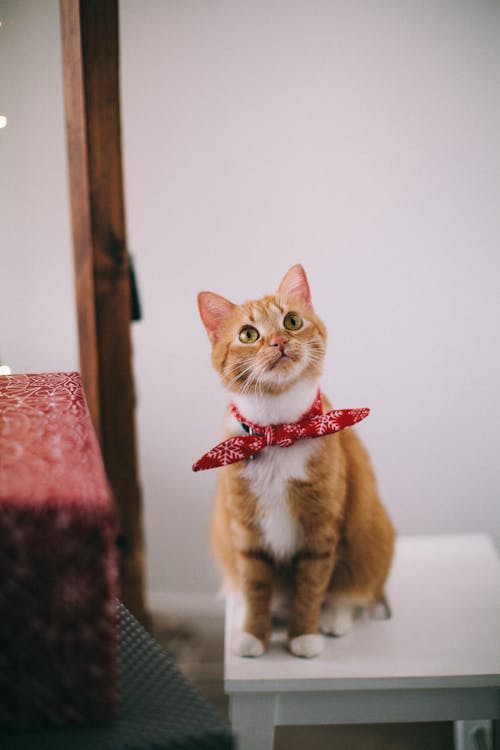 Wide pupils and a fixed stare are the ‘yellow lights’ of an impending nighttime attack.