How to Encourage Independent Play in Cats: A Deep Dive into Feline Self-Sufficiency

How to Encourage Independent Play in Cats: A Deep Dive into Feline Self-Sufficiency

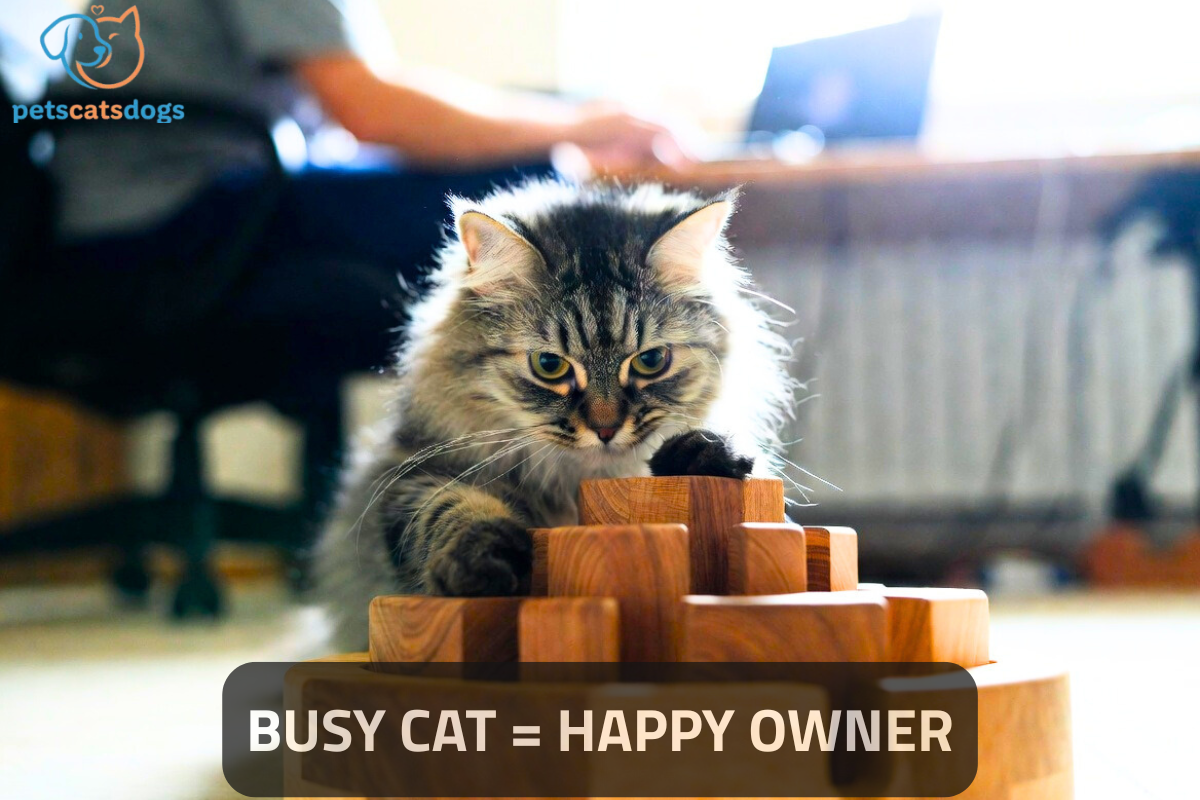
I’ve seen it time and again: a well-meaning cat owner spends their entire evening waving a wand toy until their arm aches, only for their cat to sit by the door and scream the moment the “official” play session ends. It’s a common frustration, especially for those of us working from home or juggling a busy schedule. We want our cats to be happy, but we can’t be their 24/7 cruise directors. When people ask me how to encourage independent play in cats, they are usually dealing with a “Velcro cat”—a feline that has forgotten how to be a solitary hunter.

Let’s be honest: in the wild, a cat doesn’t have a human to wiggle a feather string for them. They are biologically designed to find their own “fun” (which usually involves stalking insects or leaves). Somewhere in the transition to our cozy living rooms, many cats have lost this spark. If your cat refuses to touch their toys unless you are holding them, it isn’t because they are lazy; it’s because they’ve been conditioned to view play as a social-only event. In this 2,000-word guide, we will break down the neurobiology of feline play, the environmental hacks you need, and the specific strategies to help your cat rediscover their inner independent hunter. If you’ve noticed your cat becoming frustrated or even seeing an indoor cat suddenly aggressive during your work calls, this guide is your path back to peace.

How to Keep a Cat Entertained While at Work

The standard workday is the biggest hurdle for cat parents. We leave (or retreat to our home offices) for 8 hours, and for the cat, time essentially stops. Many cats enter a state of “passive waiting”—they sleep or stare at the door, building up a massive reservoir of predatory energy. When you finally emerge, that energy explodes in the form of “zoomies” or, worse, ankle-biting. If you want to know how to keep a cat entertained while at work, you have to make the house “alive” even when you are silent or absent.

The first step is visual stimulation. I always recommend a “Cat TV” setup. This doesn’t necessarily mean a digital screen (though YouTube loops of squirrels can help). A better natural alternative is a window perch with a bird feeder placed directly outside. This creates “high-stakes” visual enrichment. The cat isn’t just looking at a tree; they are actively stalking a real target. This burns mental energy, which is significantly more exhausting than physical running. If your cat is the type to get so frustrated they lash out, you might want to review why is my calm cat suddenly aggressive to ensure this visual stimulation doesn’t turn into redirected frustration.

Dr. Ahmed’s Insight: “Cats are crepuscular, meaning they are most active at dawn and dusk. To master how to keep a cat entertained while at work, you must front-load their day with a vigorous 15-minute play session *before* you start your shift. This sets them up for a successful mid-day nap.”

Can Dogs Eat Pistachios? The Hidden Risk of Mold & Shells

Can dogs eat pistachios

You are sitting on the couch watching a movie, a bowl of roasted pistachios on your lap. The rhythmic sound of cracking shells fills the room. Your dog is sitting right next to you, staring intensely at the green nuts, catching every shell fragment that falls to the floor.

They nudge your hand. They whine. They want a taste of that salty, crunchy snack.

You hesitate. You know peanuts are generally okay (in peanut butter form), but what about tree nuts? Are they toxic? Will the shell hurt their stomach?

You grab your phone and search: Can dogs eat pistachios?

As a canine nutritionist, I advise extreme caution with nuts. While pistachios are a healthy, antioxidant-rich snack for humans, they are a “nutritional minefield” for dogs. They aren’t explicitly toxic in the way Macadamia nuts are (which cause temporary paralysis), but they carry a unique set of risks ranging from deadly mold to acute pancreatic inflammation.

In this massive safety guide, we will crack open the truth. We will explore the “Fat Trap,” the danger of Aflatoxins (a science term every owner should know), and exactly what to do if your dog raided the pistachio bowl while you weren’t looking.

🥜 The Quick Verdict: Pass or Fail?

Can dogs eat pistachios? Technically Yes, but mostly NO.

They are not poisonous, but the risks outweigh the benefits.

  • The Shells: Major choking and blockage hazard.
  • The Fat: Extremely high fat content causes Pancreatitis.
  • The Mold: Risk of Aflatoxin poisoning (liver failure).
  • The Sodium: Salted nuts cause dehydration.

Recommendation: Do not feed them intentionally. If they eat one dropped nut (without the shell), they will likely be fine.

The Nutritional Problem: Too Much of a Good Thing

When asking “can dogs eat pistachios,” we have to look at the macronutrients. Humans eat nuts for healthy fats. Dogs handle fat very differently.

1. The Fat Bomb (Pancreatitis Risk)

Pistachios are roughly 45% fat. To a human, that’s energy. To a dog, especially a small one like a Schnauzer or Yorkie, that is a digestive grenade.

When a dog eats a high-fat meal (like a handful of nuts), their pancreas goes into overdrive releasing enzymes to break it down. Sometimes, these enzymes activate too early and start digesting the pancreas itself. This is called Pancreatitis.

Symptoms of Pancreatitis:

– Severe vomiting (repeatedly).

– Hunched back (abdominal pain).

– Lethargy and fever.

(This condition requires hospitalization and IV fluids. It is painful and expensive to treat).

2. Phosphorus Levels

Pistachios are high in phosphorus. While essential in small amounts, high phosphorus levels can contribute to the formation of Bladder Stones in susceptible breeds. If your dog has a history of urinary issues, all nuts should be off the menu.

Dog looking curiously at food snacks


The Hidden Killer: Aflatoxin Poisoning

This is the scientific reason most vets say “No” to pistachios. It’s not the nut itself; it’s what grows on it.

What is Aspergillus?

Pistachios (along with corn and peanuts) are prone to a mold called Aspergillus flavus. This mold produces a toxin called Aflatoxin.

While agricultural standards try to keep this low for humans, dogs are incredibly sensitive to it. Even trace amounts that wouldn’t hurt you can damage a dog’s liver.

Signs of Pistachio Poisoning (Aflatoxicosis):

  • Loss of appetite.
  • Jaundice (yellowish eyes or gums).
  • Vomiting and orange-colored urine.
  • Liver failure.

This is rare in commercial human-grade nuts, but if the nuts are old, stale, or unshelled, the risk increases significantly.


The Mechanical Danger: Pistachio Shells

If your dog ate a pistachio, they probably didn’t peel it first. They ate the whole thing, shell and all.

Can dogs eat pistachio shells? NO.

The shells are made of hard, woody cellulose. They are indigestible.

1. Choking: The shape of a pistachio shell is perfect for getting stuck in the trachea (windpipe).

2. Intestinal Blockage: Unlike a small seed that might pass, pistachio shells have sharp edges. They can scrape the intestinal lining or clump together to form a blockage. A pile of shells in the intestine acts like a dam, stopping food from moving.

Symptoms of Blockage:

– Vomiting food or water immediately after eating.

– Straining to poop but nothing comes out.

– Painful, hard belly.


Salt and Seasoning: The Additives

Nobody eats plain, raw pistachios. We eat them roasted and salted, or flavored with chili and lime.

Sodium Ion Poisoning

A dog’s tolerance for salt is much lower than ours. A handful of salted pistachios contains enough sodium to cause extreme thirst and dehydration in a medium dog.

In severe cases (like eating a whole bag), it leads to Sodium Ion Poisoning, which causes brain swelling, seizures, and high fever.

Toxic Spices

If the nuts are flavored with Garlic or Onion powder, they are strictly toxic. These ingredients damage red blood cells and cause Anemia.

Pile of pistachios with shells dangerous for dogs


My Dog Ate a Pistachio: What Do I Do?

Okay, the accident happened. Your dog ate a pistachio that dropped on the rug. Do you need to rush to the ER?

Scenario A: They ate 1 or 2 shelled nuts (No shell)

Status: Likely Fine.

Action: Monitor them. They might have a little gas or loose stool tomorrow due to the fat, but they shouldn’t suffer serious poisoning. Ensure they drink plenty of water to flush out the salt.

Scenario B: They ate a handful (with shells)

Status: Caution / Red Flag.

Action: Call your vet. The shells are the worry here. Your vet might suggest feeding them a bulky meal (like bread or rice) to cushion the shells as they pass, OR they might want to induce vomiting if it just happened. Do not induce vomiting yourself with shells involved unless instructed, as they can scratch the throat coming up.

Scenario C: They ate a whole bag

Status: Emergency.

Action: Go to the Vet. The combination of massive fat (Pancreatitis risk) and massive salt (Seizure risk) requires medical intervention (IV fluids and monitoring).


Safe Alternatives: What To Give Instead?

If your dog loves the “Crunch” of a nut, there are safer options.

  • Peanuts (Unsalted, Shell-free): Safe in moderation. (Avoid “Honey Roasted”).
  • Cashews (Roasted, Unsalted): Safe in tiny amounts.
  • Carrot Sticks: The ultimate crunchy, low-calorie treat.
  • Air-Popped Popcorn: Plain, no butter, no salt. Great crunch, low fat.

Strictly Avoid:

Macadamia Nuts: Highly toxic. Causes paralysis.

Walnuts (Black): Prone to mold toxins.

Pecans: Contains Juglone toxin.


Frequently Asked Questions (FAQ)

Q: Can dogs eat pistachio ice cream?
A: No. Ice cream is high in sugar and lactose (most dogs are lactose intolerant). Plus, pistachio ice cream often uses artificial sweeteners (Xylitol risk) or almond flavoring. It’s a recipe for diarrhea.

Q: Why does my dog love pistachios if they are bad?
A: Dogs love fat and salt. Pistachios are fatty and salty. To a dog’s primitive brain, high-calorie food is a prize. They don’t have the instinct to know it causes Pancreatitis. It is your job to be the parent.

Q: Do I need to brush their teeth after eating a nut?
A: It’s a good idea. Nut particles can get stuck between teeth and cause gum irritation or breath smell. A quick brush or a dental chew can help dislodge debris.

Q: My dog is throwing up yellow foam after eating nuts. Why?
A: This is bile. It indicates an empty stomach or gastric irritation. The fat in the nuts likely irritated the stomach lining. Feed a bland diet (chicken and rice) for 24 hours.

Final Thoughts

So, can dogs eat pistachios? While one dropped nut isn’t a death sentence, they are certainly not a “good” treat.

The triple threat of Pancreatitis (Fat), Obstruction (Shells), and Toxins (Mold) makes them too risky for a responsible owner to share. Save the pistachios for your movie night, and toss your dog a carrot stick or a piece of plain cooked chicken instead.

Worried about other toxic foods in your pantry? Check our full Toxic Foods List to keep your kitchen safe.

The “Pet Love” Scam: 10 Brutal Truths Why Your Dog and Cat Are Just Manipulating Your Brain

The “Pet Love” Scam: 10 Brutal Truths Why Your Dog and Cat Are Just Manipulating Your Brain

We spend billions on them every year. We call them our “babies” and “soulmates.” We let them sleep in our beds and even buy them organic meals while we eat instant noodles. But what if I told you that the “love” you feel from your pet is the greatest biological scam in history?

As a behaviorist who has worked with thousands of animals, I’m tired of the sugar-coated fairy tales. Science is finally uncovering the dark, chilling reality behind those wagging tails and soft purrs. Your pet isn’t your “best friend”—they are a highly evolved opportunist designed to exploit your emotions for survival. Prepare to be offended, because the truth is rarely cute.

Shocking dog expression

1. The “Stockholm Syndrome” of Man’s Best Friend

You think your dog is loyal? Think again. Evolutionary biology suggests that dogs are essentially “professional beggars” who have mastered the art of submissiveness to ensure a steady food supply. They don’t love *you*; they love the fact that you are a walking vending machine.

In the wild, wolves cooperate for the pack’s survival. In your living room, your dog has traded that dignity for a life of easy meals. If you’ve ever had to settle a dog’s upset stomach after they scavenged through your trash, you weren’t “parenting”—you were being exploited by a scavenger who knows exactly how to make you feel needed.

2. Toxoplasmosis: Is a Brain Parasite Forcing You to Love Your Cat?

This is the “dark secret” of the cat world. Cats carry Toxoplasma gondii, a parasite that literally rewires the brains of mammals to make them lose their fear of predators. In humans, it has been linked to personality changes and an unnatural obsession with felines.

“You don’t love your cat because they are ‘soulful’; you love them because a parasite might be controlling your neural pathways to ensure the cat’s survival.”

Could your intense affection for your cat be a form of biological mind control? Check out the terrifying debate on our Facebook page to see if you have the symptoms!

Predatory cat eye close up

Why Does My Cat Bite Me Gently? (Love Bites Explained)

Why Does My Cat Bite Me Gently? (Love Bites Explained)

Why Does My Cat Bite Me Gently? Understanding Feline Love Bites and Communication You are sitting on the couch, enjoying a quiet evening. Your cat is curled up in your lap, purring like a diesel engine, and you are absentmindedly stroking their soft fur. It feels like the perfect moment of bonding. Then, without warning—chomp. It isn’t a hard bite. It doesn’t break the skin or draw blood. It is a soft, deliberate nip on your hand or wrist. Then, just as quickly as it happened, your cat goes right back to purring or starts licking the spot they just bit. You are left sitting there, confused, wondering why your cat would bite you during such a peaceful moment. The short answer is that these are usually “love bites” or a sign of overstimulation. It is a complex form of feline communication that signals everything from deep affection to a polite request for space. Understanding these subtle cues is the key to a harmonious relationship with your house tiger.

The Phenomenon of the “Love Bite”

Let’s start with the most heartwarming reason. Sometimes, a bite really is just a sign of affection. I know it sounds counterintuitive to us—humans show love with hugs and soft words, not teeth—but for a cat, using their mouth is a primary way of interacting with the world. When a cat feels an overwhelming surge of safety, they may express it through a gentle nip.

This behavior is often rooted in their kittenhood. Mother cats frequently use their mouths to move, groom, and guide their young. When your cat gives you a soft bite, they are effectively treating you as a member of their “clowder.” They are claiming you. If your cat is purring, rubbing their face against you, and has a relaxed body, that nip is likely a “love bite.” They feel safe enough with you to be vulnerable. For more expert insights into these unique behaviors, you can check out our latest cat behavior guides.

However, the inhibited nature of the bite is what distinguishes it from aggression. The cat knows exactly how much pressure to apply to not hurt you. They learned this skill while wrestling with their littermates. If they bit too hard, the play stopped, teaching them the boundaries of social interaction.

Relaxed cat on couch
A relaxed, purring cat is most likely to give a gentle “love bite” as a sign of deep trust.

Overstimulation: The Fine Line Between Pleasure and Pain

While we like to think every nip is a kiss, the reality is often more physical. The most common reason owners ask “why does my cat bite me gently” is actually petting-induced overstimulation. Cats have incredibly sensitive hair follicles and nerve endings. What starts as a pleasant sensation can quickly become overwhelming.

Imagine someone is tickling your back. At first, it’s relaxing. But after five minutes in the exact same spot, the sensation changes. It starts to feel irritating, then sensitive, and eventually, it might even feel painful or like an electric shock. From what many owners notice, it’s not just about the behavior itself—cats seem to genuinely thrive on the predictability of our reactions, and a gentle nip is often their way of testing where they stand in our social circle while also signaling they’ve reached their petting limit.

The bite in this scenario is a polite request. It’s your cat saying, “Please stop now, I’ve had enough.” Usually, they move away immediately after the bite. If you continue to pet them, the next bite might be firmer. It is crucial to respect this boundary to maintain trust. You can find more tips on social boundaries on our Facebook community page.

Why Does My Cat Bite Me Gently
Watch for shifting ears or a twitching tail, which indicate your cat is becoming overstimulated.

Grooming and “Cobbing”: A Sign of Family

If your cat is licking you and then transitions into tiny, rapid nibbles, they are performing a behavior called “cobbing.” This looks like they are eating corn on the cob. In the feline world, this is a grooming technique used to remove tangles or debris from fur. When they do this to you, they are including you in their social grooming circle, known as allogrooming.

Allogrooming is a major bonding activity in cat colonies. By nibbling on your skin, they are strengthening the social bond and treating you as part of their family. They might even think you aren’t doing a good enough job of “cleaning” yourself! This type of biting feels more like a ticklish scrape and is a massive compliment to your relationship. For more about feline social structures, visit petscatsdogs.com.

Cat grooming another animal
Grooming nibbles are a way cats maintain social bonds within their family group.

Play Aggression and Hunting Instincts

House cats are tiny apex predators. Hunting is hardwired into their DNA. Sometimes, the answer to the biting mystery is simply that your hand has become the “prey.” This is especially common if you use your fingers to play with your cat under the covers or across the sofa. You are inadvertently training them that human skin is a toy.

If a cat is bored or has excess energy, movement triggers their prey drive. Your hand scurrying across the rug looks like a mouse. In these instances, the bite is gentle because they know you aren’t actual dinner, but they are practicing their grab-and-hold technique. This is most common in younger cats and indoor cats that lack environmental enrichment. To learn how to redirect this energy, check our cat enrichment guides.

Playful cat pouncing
Dilated pupils and a “wiggle” before the nip are classic signs of play-induced biting.

Attention Seeking: The “Hey, Look at Me” Nip

Cats are masters of operant conditioning. They learn very quickly which of their behaviors get a reaction out of you. If your cat nips your elbow while you are on your laptop, and you look at them or talk to them, they have successfully achieved their goal. To a cat, even a “No!” is a form of attention.

I have seen many cats who have trained their owners perfectly. If the food bowl is empty, they nip an ankle. If they want a door opened, they nip a hand. Because you responded to these nips in the past, you have reinforced the behavior. They aren’t trying to be mean; they are simply pushing the button that they know works. You can find more about behavior training on our Facebook page.

Teething: A Special Case for Kittens

If your cat is under six months old, the reason for the biting is almost certainly physiological. Kittens go through a teething phase just like human babies. As their adult teeth push through, their gums become sore and inflamed. Chewing on soft, fleshy fingers provides much-needed pressure relief for their aching mouths.

While this is a natural phase, it is the most important time to set boundaries. Allowing a small kitten to gnaw on you might be cute now, but it sets a dangerous precedent for when they are an adult with much stronger jaws. Always provide appropriate chew toys and redirect them immediately. Check out our kitten care section for recommended teething toys.

Kitten chewing toy
Kittens need safe, rubberized toys to soothe their gums during the teething phase.

Medical Causes: When to Worry

While most biting is behavioral, we cannot rule out physical pain. Cats are stoic animals that hide their discomfort exceptionally well. If a usually gentle cat suddenly starts biting when touched in a specific area—such as the hips or the base of the spine—it could be a pain response to arthritis or an injury.

Dental issues, skin infections, or even hyperesthesia (a condition where the skin is hypersensitive) can make a cat irritable. If the biting behavior appears suddenly and is accompanied by changes in appetite or activity levels, a veterinary exam is necessary. For help identifying pain in cats, visit petscatsdogs.com.

How to Read the Warning Signs Before the Bite

The secret to preventing the bite is catching the “Stop Signals” before the teeth make contact. Cats rarely strike without warning; we are just often too distracted to notice. Look for these subtle changes in body language:

  • The Tail Twitch: If the tip of the tail starts flicking like a whip, the cat is becoming annoyed.
  • Airplane Ears: Ears that turn sideways or flatten against the head indicate high arousal or irritation.
  • Skin Rippling: If the fur on their back seems to twitch or ripple, they are reaching their sensory threshold.
  • Stiffening: If the cat stops purring and their muscles go rigid, stop petting immediately.

By respecting these signals, you show your cat that you “speak their language,” which builds a much deeper level of trust and security. You can see more examples of these signs on our Facebook community.

How to Stop Gentle Biting (Without Ruining the Bond)

Understanding the “why” is the first step, but you still want to discourage the “how.” Even a gentle bite can be startling. Here is a proven protocol to manage the behavior gently:

1. The “Freeze” Technique

Our natural instinct is to pull our hand away. This is the worst thing you can do, as it triggers the hunting instinct. Instead, go limp. Let your hand go “dead.” When the movement stops, the “prey” becomes boring, and the cat will usually let go. Once they release you, calmly walk away.

2. Redirection is Key

Always have a toy within reach. If your cat starts to get that playful “look” in their eyes, offer a wand toy or a kicker toy before they go for your hand. This teaches them exactly what is appropriate to bite. Praise them when they interact with the toy instead of your skin.

3. Avoid Physical Punishment

Never hit, spray, or flick your cat. This only teaches them to fear you and can turn a gentle love bite into defensive, fear-based aggression. Feline training is built on positive reinforcement and the removal of attention, not force. For more training tips, visit petscatsdogs.com.

Person playing with cat toy
Using a wand toy keeps your hands safe while satisfying your cat’s hunting drive.

Frequently Asked Questions

Why does my cat bite me then lick me?

This is the classic “apology” cycle. They may have bit because of overstimulation, but they immediately lick you to say, “I still love you, I just needed that sensation to stop.” It is a mix of boundary-setting and social grooming.

Does my cat hate me if they bite me?

No. Aggressive biting involves hissing, growling, and deep punctures. A gentle bite is almost always a form of play, overstimulation, or affection. It is communication, not malice.

Why does my cat bite my nose or chin?

This is usually intense allogrooming. Your face is the most accessible part of you when you are cuddling. Gently move them away to discourage this near your eyes or mouth.

How long does the teething phase last?

Most kittens finish teething by six or seven months of age. If the biting continues past this point, it has likely become a habit that needs redirection.

What if my cat bites me when I stop petting them?

This is a demand for more attention. Do not reward it by petting them again, as this reinforces the bite. Ignore them for a few minutes and only resume petting when they are calm and polite.

Building a Deeper Connection Through Respect

Living with a cat is a constant process of learning a new language—one spoken through tail thumps, ear twitches, and occasionally, gentle nips. When you find yourself asking why your cat bites you gently, remember that they are simply trying to navigate their world and their relationship with you. By paying close attention to their unique boundaries and providing the right outlets for their instincts, you can turn those bites back into purrs.

The bond you share with your cat is built on mutual respect. When you listen to what they are telling you with their teeth and their body, you create a safe environment where they don’t feel the need to “shout” to be heard. For more resources on deepening your feline bond, keep exploring the articles at petscatsdogs.com and join our conversations on Facebook. Your house tiger will thank you for it!


Is It Normal for a Cat to Drool When Purring? Expert Guide to “Happy Drool”

Is It Normal for a Cat to Drool When Purring

If you have ever been sitting on the couch with your cat curled up in your lap, listening to that rhythmic, soothing purr, only to feel a warm, wet spot seeping through your jeans, you aren’t alone. It is a common experience that leaves many owners a bit baffled. Is your cat leaking? Is there something wrong with their mouth? Most of the time, the answer is actually quite sweet. Drooling while purring is often a sign of extreme contentment and relaxation. When a cat is truly “in the zone,” their facial muscles relax so deeply that the saliva simply slips out. It is the feline equivalent of us mouth-breathing during a very deep, satisfying nap.

However, as someone who has worked with thousands of cats, I know that “normal” can sometimes cross the line into “concerning.” While happy drooling is usually harmless, there are specific instances where it might point to dental issues or other health problems. In this guide, we will dive deep into why this happens, how to tell the difference between joy and discomfort, and what you should do to keep your cat’s mouth healthy. We want to make sure those cuddles stay cozy and worry-free.
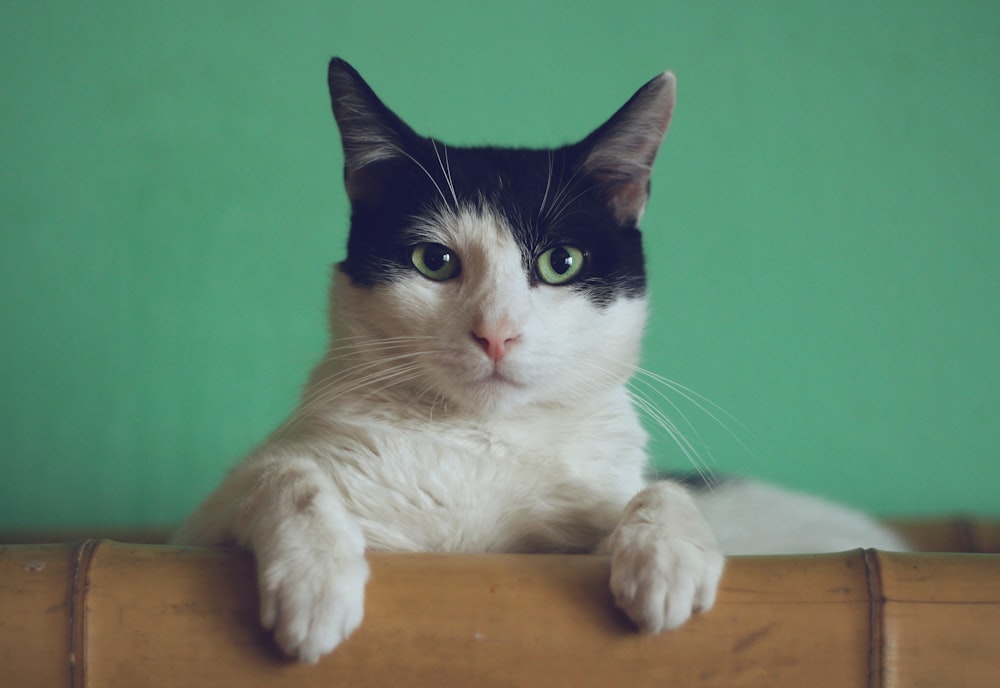
Close up of a happy cat purring

Table of Contents

The Science of the “Happy Drool”

To understand why a cat drools when they are happy, we have to look at their nervous system. Cats have a highly developed sensory map. When they are petted, their parasympathetic nervous system—the part responsible for “rest and digest”—kicks into high gear. This system controls involuntary functions, including the production of saliva. When a cat is purring intensely, they are often in a state of near-euphoria. Their muscles, including those in the jaw and the muscles that keep the mouth tightly shut, lose their tension.

Have you ever noticed how some people drool on their pillows when they are in a deep sleep? It is very similar. The cat isn’t consciously deciding to salivate; it is a physiological byproduct of being incredibly relaxed. The brain is sending signals of safety and pleasure, which can sometimes “short-circuit” the swallowing reflex. Instead of swallowing the saliva as they usually do, it just pools and eventually spills over.

I have seen this most often in cats that have a very strong bond with their owners. It is almost a compliment! It means they feel so safe in your presence that they have let down all their guards. They aren’t worried about predators or territory; they are just enjoying the moment. But does every cat do this? Not at all. It seems to be a quirk of individual personality and biology.
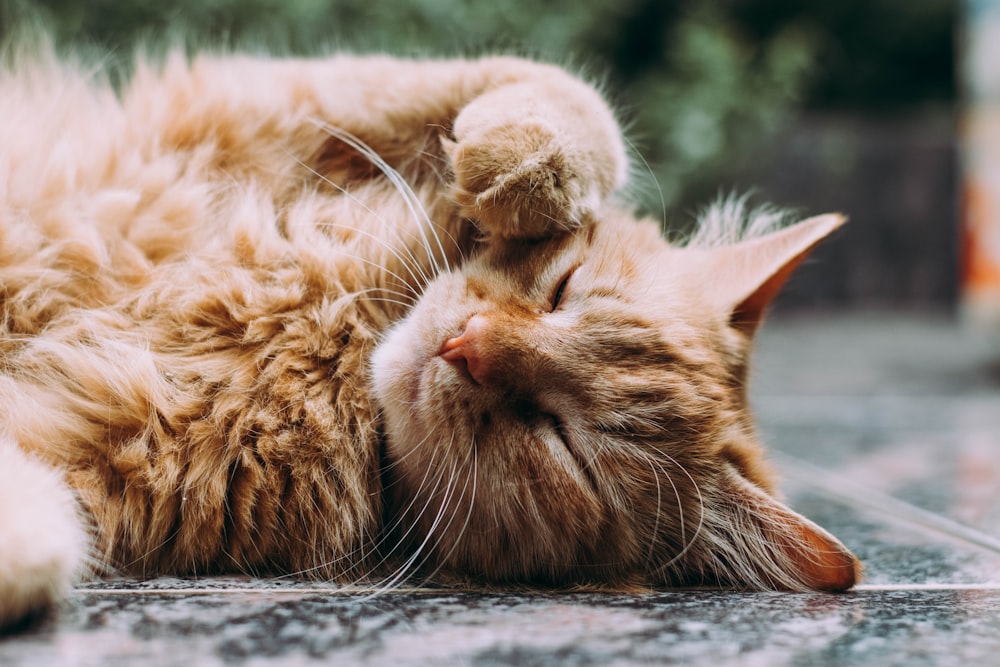
Cat kneading a blanket while purring

The Connection to Kittenhood and Kneading

Many experts believe that drooling while purring is a “hangover” behavior from kittenhood. When kittens nurse, they purr and “knead” (or make biscuits) against their mother to stimulate milk flow. This action is closely associated with the expectation of food and the comfort of mom. The scent of milk and the warmth of the mother cat trigger the salivary glands in preparation for eating.

As adult cats, many of them continue to knead blankets or your lap when they are happy. This behavior, known as “neoteny,” is the retention of juvenile traits into adulthood. If your cat is purring, kneading, and drooling all at once, they are essentially transported back to that state of ultimate kitten security. They aren’t just relaxing; they are reliving the most comforted moments of their early lives.

From what many owners notice, this behavior is most common in cats that were perhaps weaned a bit early, though that isn’t always the case. Some cats are just naturally more “infantile” in their affection styles. It is quite a beautiful thing to witness, even if it does mean you need to change your shirt afterward.

So how do you know if your cat is truly communicating bliss? Look at the eyes. If the eyes are half-closed or “slow-blinking” while the drool is flowing, you can be almost certain it is a happy response. It is the physical manifestation of a “zen” state of mind.

How to Tell if Your Cat’s Drooling is Normal

The key to identifying a problem is consistency. If your cat has been a “happy drooler” since they were a kitten, then it is simply part of who they are. You likely know exactly which chin rub or ear scratch will trigger the waterworks. In these cases, there is usually nothing to worry about. The drool should be clear, watery, and odorless.

However, if your cat has never drooled a day in their life and suddenly starts dripping saliva while purring, that is a red flag. Sudden changes in behavior are almost always a reason to investigate further. A sudden onset of drooling could mean that the purring itself isn’t a sign of happiness, but rather a sign of self-soothing due to pain. Did you know cats also purr when they are injured or stressed to calm themselves down?

Think of it as a baseline. Every cat has a baseline of “normal.” If the drooling happens only during affection and stops the moment the cat gets up and walks away, you are likely in the clear. If the drooling continues while they are resting or if they seem to have trouble eating, it is time to look deeper into comprehensive cat health guide resources or call your vet.
Owner checking a cat's mouth

When Drooling Means a Trip to the Vet

While we love the idea of “happy drool,” we cannot ignore the medical side of things. Excessive salivation, known medically as ptyalism, can be caused by various issues. If you notice any of the following accompanying the drool, it isn’t just a happy accident:

  • Bad breath: A healthy cat’s breath shouldn’t smell like a rose garden, but it shouldn’t be foul or “rotten” either.
  • Discolored saliva: If the drool is tinged with blood or looks thick and yellow/green, there is an infection or injury present.
  • Changes in appetite: If your cat is drooling but refusing their favorite wet food, they likely have oral pain.
  • Pawing at the mouth: This is a clear sign of physical discomfort.
  • Lethargy: If the drooling is paired with a lack of energy, it could be a systemic issue.

I always suggest that owners do a “mini-check” at home if they are concerned. You don’t need to be a doctor to notice red gums or a broken tooth. However, be careful! A cat in pain might bite, even if they are usually the sweetest creature on earth. If you want more community advice on how to handle these situations, feel free to visit our community of cat lovers on Facebook.

Dental Health and Oral Discomfort

Dental disease is the number one medical cause of drooling in cats. Issues like gingivitis, stomatitis, or resorptive lesions (where the body starts breaking down the tooth) are incredibly painful. When a cat has a sore in their mouth, they produce more saliva to lubricate the area and wash away bacteria. When they purr, the vibration might actually irritate the sore spot, causing even more drool to fall out.

I’ve seen many owners surprised to find that their cat had a significant dental issue because the cat was still purring. Remember, cats are stoic. They will often hide their pain until it is unbearable. Regular dental cleanings are not just about “pearly whites”; they are about preventing chronic pain that can lead to behaviors like excessive drooling.

The Role of Stress, Nausea, and Toxins

Is it possible for a cat to drool because they are nervous? Absolutely. While purring is usually a sign of joy, “stress purring” is a real phenomenon. If a cat is nauseous—perhaps from a hairball or something more serious—they will often salivate excessively. If they are purring to try and settle their stomach, it can look like happy drooling, but the cat’s body language will be different. A nauseous cat often hunches their shoulders and looks tense, rather than “melting” into your lap.

More urgently, drooling can be a sign of toxin ingestion. Many common household plants (like lilies) or chemicals (like certain cleaners) can cause immediate salivation. If the drooling is sudden and profuse, check your surroundings for anything the cat might have chewed on. This is a medical emergency and requires immediate attention.
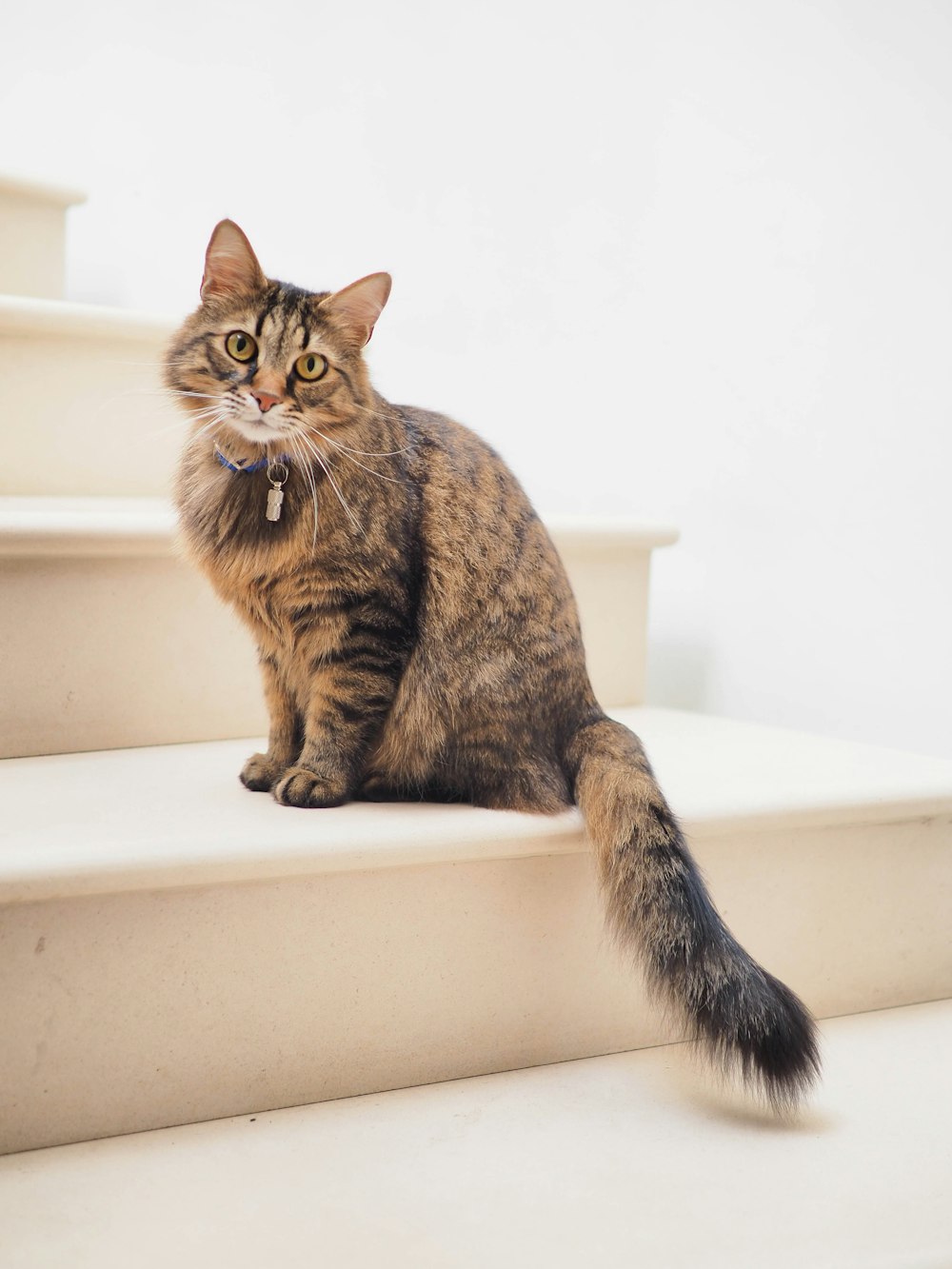
Cat looking at a house plant

Practical Advice for Living with a “Leaky” Cat

If you have determined that your cat is just a happy drooler, congratulations! You have a very affectionate companion. But that doesn’t mean you want to be covered in cat spit every evening. Here are some practical ways to manage the “leakage” without discouraging the affection.

  1. The “Drool Towel”: Keep a small, soft hand towel near your favorite sitting spot. When the cat jumps up and starts the purr-and-drool routine, simply place the towel between your clothes and the cat. It saves your laundry and keeps the cat comfortable.
  2. Regular Chin Wipes: If the saliva dries on the cat’s chin, it can eventually cause “feline acne” or skin irritation. Gently wipe their chin with a damp, warm cloth after a heavy grooming or cuddling session.
  3. Monitor Mouth Health: Since you are already in “drool territory,” use that time to gently lift their lip (if they allow it) to check for redness. It’s the easiest way to catch dental problems early.
  4. Scent-Free Environment: Sometimes, certain strong perfumes or lotions on your skin can trigger a cat to salivate more as they try to “taste” the air. Try using unscented products if you notice the drooling increases with specific smells.

From my experience, trying to “stop” a cat from drooling when they are happy is a losing battle. It’s an involuntary physical response. Instead of seeing it as a mess, try to view it as a badge of honor. It means you are doing a great job as a pet parent.

Is It Normal for a Cat to Drool When Purring (FAQ)

Why does my cat only drool when I pet a specific spot?

Cats have “sweet spots”—often at the base of the tail, under the chin, or behind the ears. These areas have a high concentration of nerve endings. Stimulating them can trigger an intense parasympathetic response, leading to immediate relaxation and drooling.

Can certain breeds drool more than others?

While there isn’t a specific “drooling breed” like there is with dogs (think Bloodhounds), some cats with flatter faces (brachycephalic), like Persians or Exotic Shorthairs, may drool more noticeably because their mouth structure makes it harder to keep saliva contained.

Is “happy drool” smelly?

Generally, no. Clear, healthy saliva shouldn’t have a strong odor. If the drool smells like garbage or strong ammonia, it’s a sign of a health problem like kidney issues or severe dental decay.

Should I be worried if my cat drools while sleeping?

If it only happens during very deep sleep and the cat is otherwise healthy, it’s usually just deep relaxation. However, if they are drooling while awake and inactive, that warrants a check-up.

My cat purrs and drools but then bites me. Why?

This is often “overstimulation.” The cat is so relaxed and “revved up” by the petting that they suddenly hit a limit. The drooling shows they were happy, but the bite shows they need a break. It’s a fine line!

Does age affect drooling?

Senior cats may drool more often. This can be due to a natural weakening of the jaw muscles, but in older cats, it is much more likely to be related to dental disease or kidney issues. Always be more vigilant with your senior feline friends.

Summary of Joyful Felines

At the end of the day, a cat drooling when purring is one of those quirks that makes pet ownership so unique. It is a messy, slightly gross, but ultimately heartwarming sign of love. We spend so much time worrying if our pets are happy, and a little bit of drool is a very clear “yes.” By staying observant and knowing your cat’s baseline, you can enjoy those wet, purring cuddles knowing that your friend is in a state of pure bliss.

Keep an eye on their dental health, make sure their breath stays fresh, and always have a towel handy. If you ever feel unsure, lean on the community and expert resources available to you. Understanding these small behaviors is what turns a good pet owner into a great one. So the next time you feel that little drop of moisture on your hand, just smile—you’ve officially reached “Favorite Human” status.


SEO Excerpt:
Is your cat drooling when purring? Learn why “happy drooling” happens, how to spot dental issues, and when you should call the vet in this expert-led guide.