

Living with a cat is usually a journey of quiet companionship and soft purrs. But what happens when that peace is shattered? I have spoken with countless pet owners who describe the same terrifying scene: their sweet, indoor cat—who has never spent a day outside—suddenly lashes out, hissing or attacking like a wild animal. The most common phrase I hear is, “It happened for no reason.” As a pet care specialist, I want to gently challenge that thought. While it feels random to us, cats are highly logical creatures. In their world, there is always a reason, even if it is hidden beneath the surface of their domestic life.
When an indoor cat suddenly aggressive shift occurs, it is often a sign that their environment, their health, or their stress levels have reached a breaking point. An indoor home can sometimes become a “pressure cooker” of bottled-up instincts. In this deep-dive guide, we are going to explore the 7 hidden causes of sudden feline aggression, ranging from the psychological toll of boredom to the silent agony of undiagnosed medical issues. If you are currently walking on eggshells in your own home, take heart. By the end of this article, you will have a clear roadmap to understanding your cat’s behavior and, more importantly, a plan to restore the harmony you both deserve.
Article Contents:
- 1. Why Would an Indoor Cat Become Aggressive Suddenly?
- 2. Medical Reasons Behind Sudden Cat Aggression
- 3. Behavioral Causes of Indoor Cat Aggression
- 4. Warning Signs Before an Attack: Reading the Cues
- 5. How to Calm an Aggressive Indoor Cat Safely
- 6. When to Consult a Professional Veterinarian
- 7. Frequently Asked Questions (FAQ)
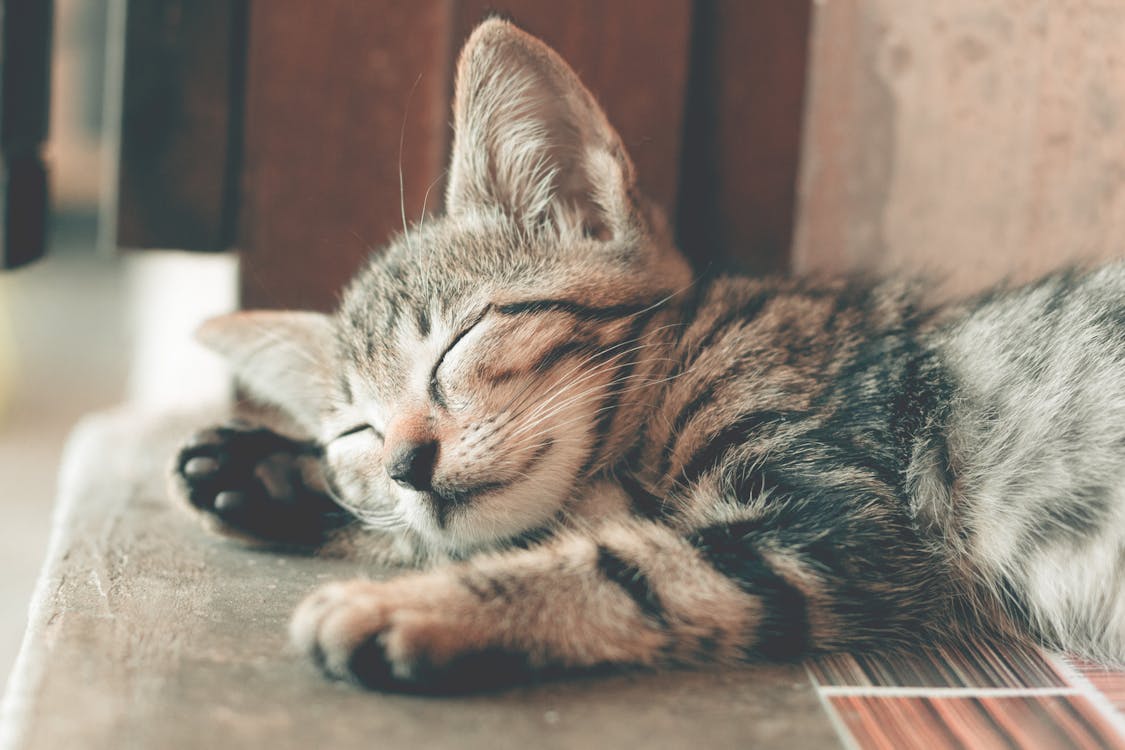 Understanding why an indoor cat suddenly becomes aggressive is the first step toward a peaceful home.
Why Would an Indoor Cat Become Aggressive Suddenly?
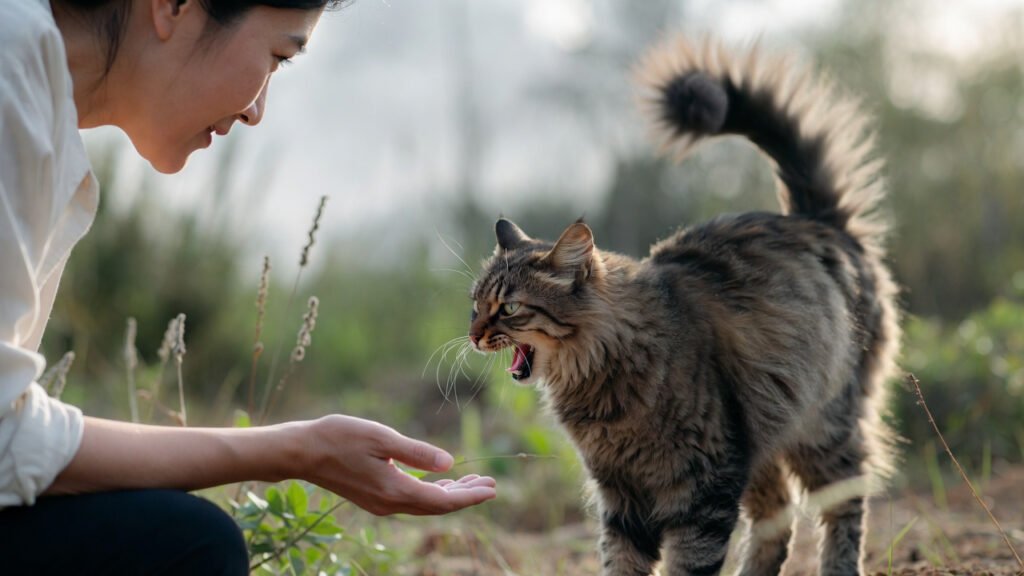
The term “indoor cat” often gives us a false sense of security. We assume that because they are safe from cars and predators, they are perfectly happy. However, the four walls of a house can be a source of intense psychological stress if a cat’s needs aren’t being met. When an indoor cat suddenly aggressive reaction happens, we have to look at the three main pillars of feline stability: security, stimulation, and health.
Stress triggers inside the home
Cats thrive on predictability. Even small changes that seem trivial to us can be catastrophic for them. A new baby, a guest staying over, or even a neighbor getting a loud new dog can shatter a cat’s sense of safety. I once worked with a client whose cat became aggressive simply because they moved the sofa. To the cat, the “scent map” of their home had been rewritten, leaving them feeling exposed and vulnerable. If your why is my calm cat suddenly aggressive journey started after a household change, stress is the likely culprit.
Boredom and lack of stimulation
Imagine being a world-class athlete forced to sit in a small room with nothing to do for 15 years. That is essentially the life of an indoor cat without enrichment. They are born hunters, built to stalk and pounce. When they have no outlet for this energy, it turns into “frustration aggression.” They may attack your ankles or bite your hand during petting simply because their predatory drive is overflowing. This isn’t malice; it is a desperate need to “do” something.
Territorial frustration
Indoor cats can still see the outside world through windows. If a stray cat wanders onto your lawn, your indoor cat sees an intruder in their territory that they cannot reach. This creates intense “redirected aggression.” Since they can’t attack the cat outside, they turn and attack the closest thing to them—usually you or a fellow pet. It is a biological “glitch” in their defense system.
Medical Reasons Behind Sudden Cat Aggression
I cannot stress this enough: aggression is a clinical symptom. In my experience, nearly half of the cases where a cat “suddenly” turns mean are actually due to undiagnosed physical suffering. Before you try to train your cat, you must ensure they aren’t hurting. If you suspect your pet is ill, reviewing the medical causes of cat aggression should be your absolute priority.
Pain and hidden injuries
Cats are evolutionarily designed to hide pain. If your cat has a pulled muscle, an abscess from a small scratch, or arthritis, they won’t cry out. Instead, they will swat at your hand if you accidentally touch the sore spot. Chronic pain makes the “fuse” of their patience much shorter. A cat that was gentle yesterday may bite today simply because their pain threshold has been breached.
Dental problems
Oral pain is agonizing. Feline resorptive lesions (where the body dissolves the tooth) are incredibly common and often invisible to the naked eye. If your cat’s teeth are throbbing, they will be head-shy and irritable. They may hiss when you approach their face or try to pet their head. It is a defensive reaction to protect an agonizingly sensitive mouth.
Hormonal imbalance
Conditions like hyperthyroidism can flood a cat’s body with excess hormones, leading to what we call “thyroid rage.” The cat feels physically “revved up,” with a racing heart and high blood pressure. This makes them hyper-reactive to everything in their environment. A simple blood test can often reveal why your sweet cat has become a tiny tiger.
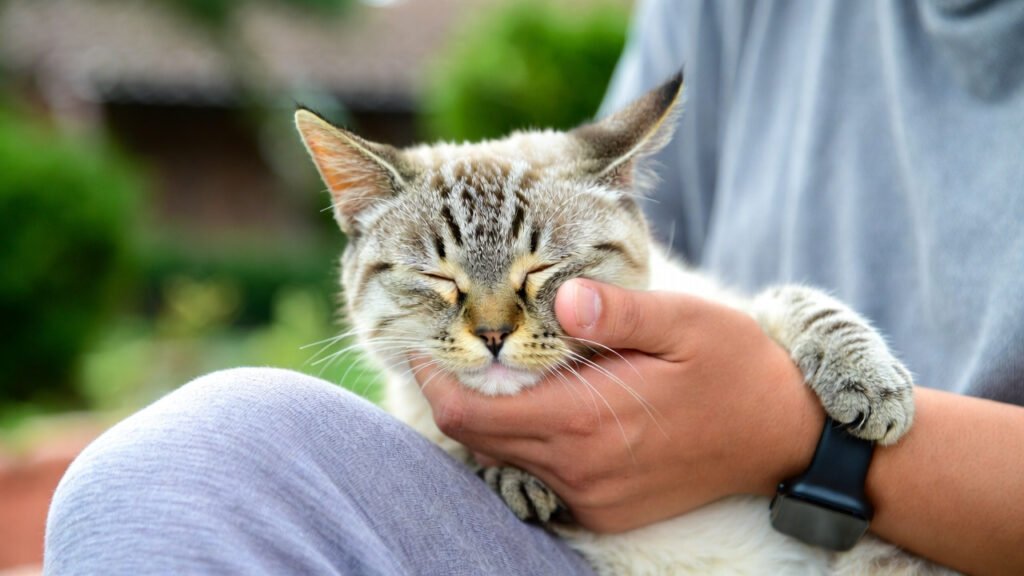
Medical issues are often the silent drivers of sudden feline aggression.
Behavioral Causes of Indoor Cat Aggression
If your vet has given your cat a clean bill of health, we then move into the psychological and behavioral territory. Most behavioral aggression in indoor cats falls into three main categories.
Redirected aggression
This is perhaps the most misunderstood behavior. It occurs when a cat is agitated by a stimulus they can’t reach—like a bird or a stray cat outside. Their adrenaline spikes, and they stay in a “ready to fight” state for hours. If you walk by or touch them during this window, they explode. It isn’t personal; you just happened to be in the “splash zone” of their adrenaline.
Overstimulation from petting
This is often called “petting-induced aggression.” Every cat has a limit for how much physical touch their nervous system can handle. After a few minutes, the petting becomes irritating or even painful. If you miss the subtle signs that they’ve had enough, they will use their teeth to say “stop.” Learning how to calm an aggressive cat naturally often involves discovering your cat’s specific touch boundaries.
Fear-based reactions
Fear is a powerful motivator. If a cat feels cornered—even by someone they love—their instinctual “fight or flight” response may tilt toward “fight.” This is common in homes with young children who might accidentally startle or corner a cat. A fearful cat will make themselves look small, tuck their tail, and eventually strike if they feel they have no exit route.
Warning Signs Before an Attack
Cats are actually incredibly communicative; they just don’t use words. They use a “silent language” that we often ignore until it’s too late. If you can learn to spot the **cat aggression warning signs**, you can prevent almost every attack before it happens.
- **Tail twitching:** A thumping or lashing tail is a massive “red light.” It means the cat is loaded with frustration.
- **Flattened ears:** Known as “airplane ears,” this indicates a cat is moving into a defensive or offensive state.
- **Dilated pupils:** When the eyes go wide and black, the cat’s nervous system is highly aroused and ready for action.
I highly recommend studying our full guide on cat aggression warning signs to see photos and detailed descriptions of these subtle cues.
How to Calm an Aggressive Indoor Cat Safely
When the tension is high, your reaction determines the outcome. Do not yell, do not hit, and do not use a spray bottle. These “punishments” only confirm to the cat that you are a threat, which will make the aggression worse over time.
Give space immediately
The most respectful thing you can do for an angry cat is to leave them alone. Stop all movement, look away, and slowly exit the room. Close the door if you have to. They need at least 2 to 4 hours for their adrenaline to return to zero. Silence and distance are your best natural tools.
Create enrichment activities
To prevent “boredom aggression,” you must turn your home into a feline playground. Use wand toys for interactive play that drains their predatory energy. Add vertical space like cat trees or shelves so they can monitor their territory from a position of safety. A “tired” cat is a “calm” cat.
When to consult a professional vet
If the aggression is becoming a daily occurrence, or if you suspect pain is involved, it is time for a professional. A vet can rule out illness or even suggest temporary anti-anxiety medication to help “reset” your cat’s nervous system while you work on behavioral changes. If you are also noticing strange behaviors like your cat sleeping in the litter box, this is a clear sign of high stress or illness that requires immediate attention.
Frequently Asked Questions
Why is my indoor cat suddenly aggressive toward my other cat?
This is often redirected aggression. One cat saw a “threat” outside and blamed the other cat for the stress. You may need to temporarily separate them and re-introduce them slowly.
Can catnip make aggression worse?
Yes. For some cats, catnip causes hyper-arousal. If your cat is prone to aggression, avoid catnip and try silver vine or valerian instead.
Is it true that indoor cats get bored easily?
Absolutely. Without windows to watch or prey to hunt, their brain becomes under-stimulated. They need interactive play and “brain games” to stay happy.
Should I hiss back at my cat?
No. Hissing is a challenge. It tells the cat you are an enemy, not a friend. Use quiet distance to de-escalate.
Final Thoughts
Living with an **indoor cat suddenly aggressive** situation is undeniably stressful. It damages the bond we share with our pets and makes our homes feel unsafe. But remember: your cat isn’t acting out of malice. They are reacting to a world that suddenly feels overwhelming, painful, or confusing. By being a “detective” instead of a judge, you can identify the root cause—whether it’s a stray cat outside or a sore tooth inside—and help them find their peace again. For more tips on mastering the complex bond between you and your pet, join our community on our Facebook page. You are not alone in this, and with patience, your sweet companion can return.