
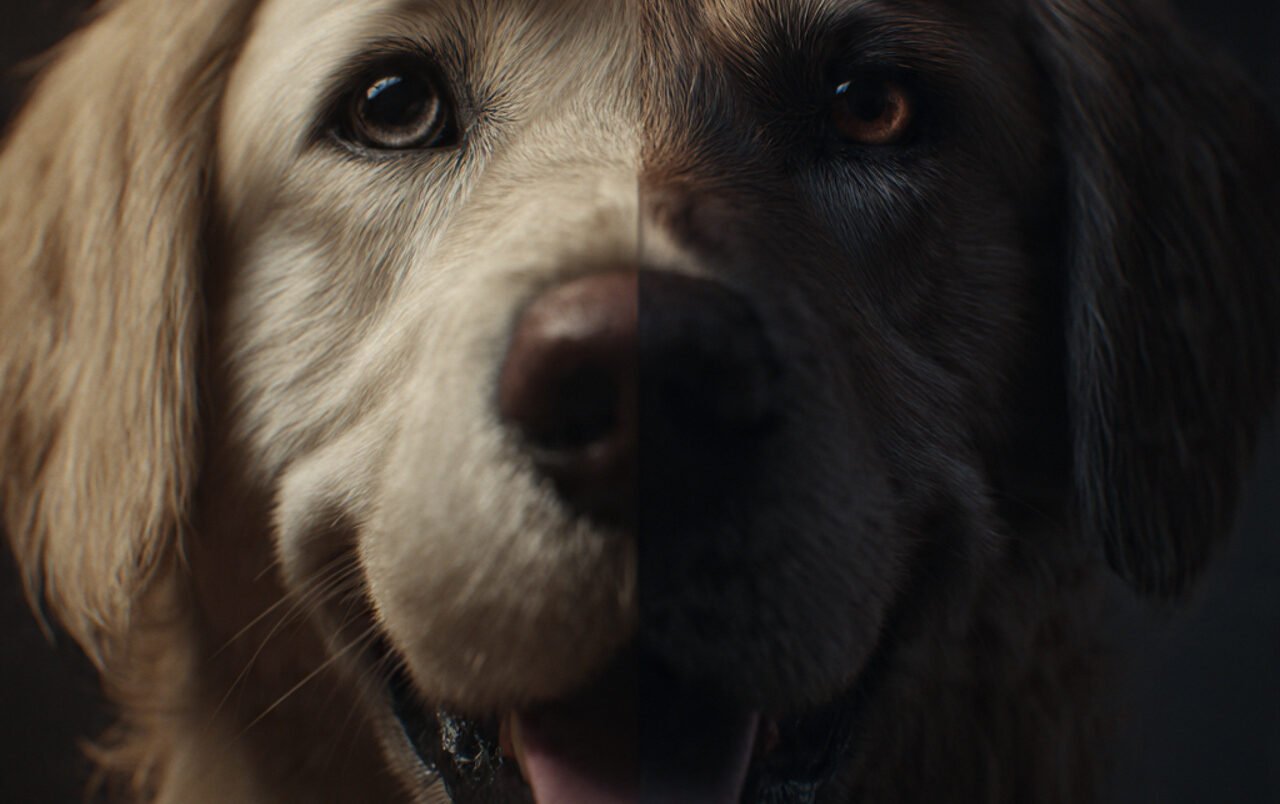
Every pet owner asks: “Does my dog actually love me?”
While we believe in pure devotion, evolutionary biology reveals a
chilling reality. Is your bond real, or a 15,000-year-old
biological scam?
From “Puppy Eyes” being a brain hack to the dark truth about feline
loyalty, we are exposing the secrets science doesn’t want you to know.
Prepare to be shocked.
1. The “Stockholm Syndrome” of Man’s Best Friend
We love to call dogs loyal, but evolutionary biologists have a darker take. Dogs didn’t choose to love humans because of our charming personalities; they evolved to be “professional beggars.” 15,000 years ago, the wolves that were less aggressive and more submissive to humans got the leftovers. Over time, we didn’t domesticate them—they essentially “conned” their way into our camps for a steady food supply.
Today, your dog’s “loyalty” is a highly refined version of this survival contract. They don’t love *you*—they love the *security* you provide. They are biologically programmed to mirror your emotions to ensure the resources keep flowing. If you’ve ever had to settle a dog’s upset stomach after they scavenged through your trash, you weren’t “parenting”; you were being exploited by a scavenger who knows exactly which buttons to push to get a bowl of premium kibble. This is the ultimate “Stockholm Syndrome,” where the hostage (the human) falls in love with the captor (the pet) who controls their resources.
While providing security is the core of this survival contract, smart owners translate this bond into long-term protection. Investing in a comprehensive pet insurance policy ensures that when your dog faces a medical crisis, the cost of a specialized veterinary surgeon isn’t a barrier. Providing for their health via emergency pet coverage is, in many ways, the most practical expression of the security they crave.