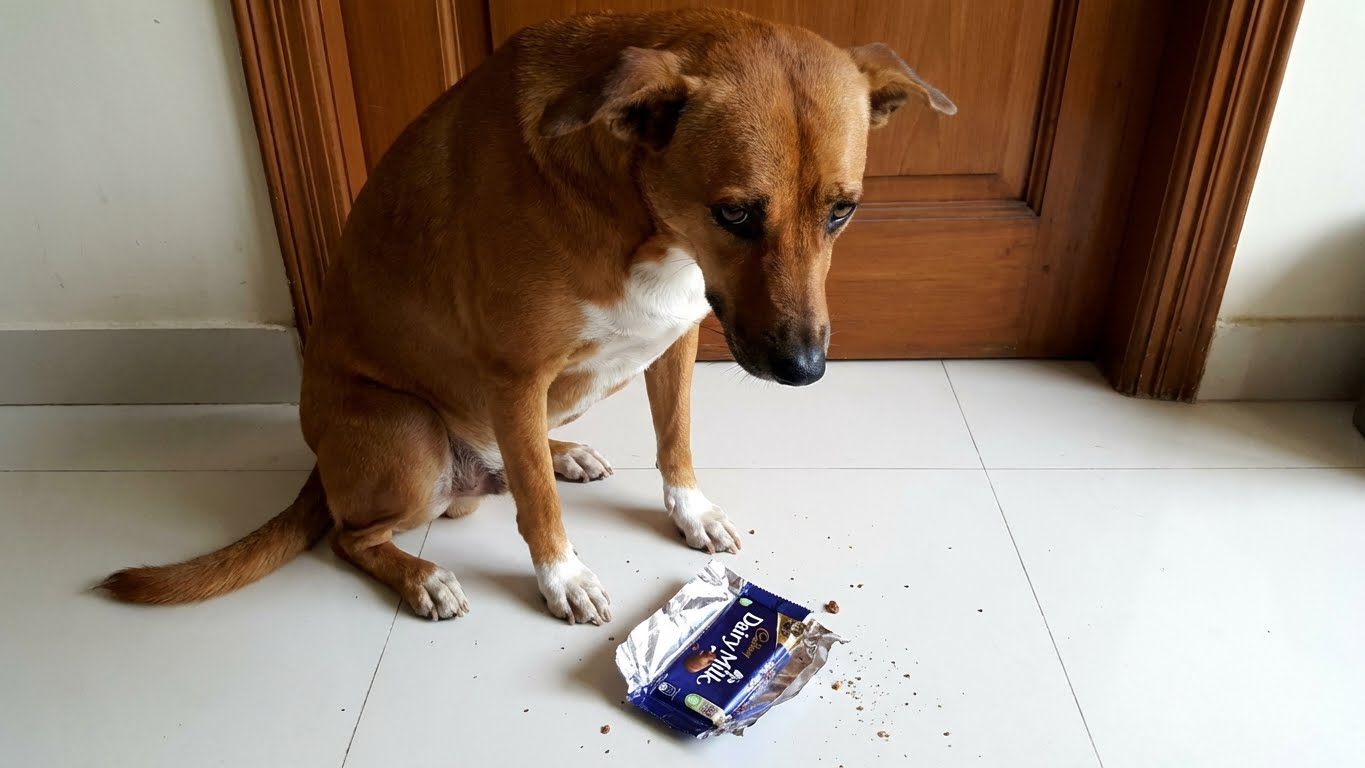

I have been through this scenario dozens of times with worried pet owners. You open a new pair of shoes, a leather handbag, or a bag of beef jerky, and before you can toss the packaging, your dog has snatched that little white packet. The “DO NOT EAT” warning in bold letters is enough to send any dog parent into a full-blown panic. I want you to take a deep breath right now. In the vast majority of cases, your dog is going to be perfectly fine. Silica gel itself is not actually a poison; it is a desiccant designed simply to keep things dry. However, while the beads inside aren’t toxic in the traditional sense, the packet itself and the way the gel interacts with your dog’s body can cause issues. We need to look at the size of your dog, the type of packet they swallowed, and what symptoms you should watch for over the next 24 to 48 hours. Let’s walk through the reality of silica gel ingestion so you can stop worrying and start taking the right steps for your pet’s health.
Table of Contents
- What Exactly Is Silica Gel?
- Is Silica Gel Toxic to Dogs? Understanding the Biology
- The Real Danger: Intestinal Blockage and Choking Hazards
- Silica Gel vs. Oxygen Absorbers: A Critical Distinction
- Immediate Steps to Take After Your Dog Swallows a Packet
- Symptoms of Complications: What to Monitor Over 48 Hours
- The Hidden Risk of Indicator Beads (Blue or Pink Silica)
- When to Call the Emergency Vet Immediately
- The Role of Dog Size and Health History
- Training and Prevention: How to Stop Future Accidents
- Frequently Asked Questions
- Final Thoughts for Concerned Dog Parents
What Exactly Is Silica Gel?
To understand why these packets aren’t usually a death sentence, we have to look at what’s inside them. Silica gel is a form of silicon dioxide. If that sounds like a chemical mouthful, think of it more simply: it’s essentially a highly porous, synthetic version of sand. Its primary job is to pull moisture out of the air to prevent mold, mildew, and spoilage in consumer products.
When you touch these beads, they feel like hard, clear, or white little pebbles. They don’t dissolve in water like sugar or salt. Instead, they act like a tiny sponge. Because they are chemically inert, they don’t react with the body’s systems or get absorbed into the bloodstream. This is the main reason why they aren’t considered a “poison” by toxicology standards.
Most of the packets we find in shoeboxes or electronics contain about 1 to 5 grams of these beads. In the world of veterinary medicine, that is a very small amount of material. Even for a small dog, the chemical makeup of the silica isn’t the primary concern. Have you noticed how these packets are everywhere lately? From vitamin bottles to new coats, they are a staple of modern shipping, which unfortunately makes them a staple of “items dogs shouldn’t eat.” For a broader look at safety, check our comprehensive pet care guides.

Is Silica Gel Toxic to Dogs? Understanding the Biology
The short answer is no. If your dog just ate the beads themselves, they will likely pass through the digestive tract completely unchanged. Since the body doesn’t break down silicon dioxide, it doesn’t enter the metabolic system. You might even see the little beads in your dog’s stool tomorrow morning, looking exactly like they did when they went in.
So, why the scary “Do Not Eat” labels? Those warnings are primarily there for humans, particularly children. In humans, these packets are a significant choking hazard. Additionally, because the beads are designed to absorb moisture, they can cause intense dryness in the mouth, throat, and stomach if consumed in massive quantities. But a single packet? It’s not enough to cause chemical harm.
For a dog, the main “toxic” risk only appears if the silica gel has been used in an industrial setting where it might have absorbed harmful chemicals. However, the packets found in consumer goods are almost always “food grade” or “retail grade,” meaning they are clean of outside contaminants. If you are ever unsure about what your dog can and cannot eat, it is helpful to review a list of common household items toxic to dogs to keep your home safe.
The Real Danger: Intestinal Blockage and Choking Hazards
When a dog eats a silica packet, I am much more worried about the “packet” part than the “gel” part. The beads are usually contained in a small pouch made of paper or Tyvek, which is a heavy-duty plastic-like fabric. This material is designed to be tough and moisture-resistant, which means it doesn’t break down easily in the stomach.
Choking Hazards
If your dog is a “gulper,” they might try to swallow the packet whole. This can lead to the packet getting lodged in the esophagus. If you notice your dog gagging, pawing at their mouth, or struggling to breathe immediately after they’ve scavenged a packet, this is a medical emergency.
Foreign Body Obstruction
This is the most common serious complication. The packet, especially if it’s one of the larger ones found in gym bags or electronics, can get stuck in the pylorus (the exit of the stomach) or further down in the narrow passages of the small intestine. Once a blockage occurs, nothing can move through the digestive tract. It’s a scary scenario, but it is much more likely to happen with small breeds eating large packets. Join our Pet Care Community on Facebook for more emergency safety discussions.
Silica Gel vs. Oxygen Absorbers: A Critical Distinction
This is a point where I see a lot of confusion, and it is the most important part of this article. Not every small packet found in a bag of food is silica gel. Oxygen absorbers are often found in bags of beef jerky, pepperoni, or birdseed. Unlike silica gel, which contains clear beads, oxygen absorbers contain iron powder.
When a dog eats an oxygen absorber, it can lead to iron poisoning. Iron is highly toxic to dogs in large amounts and can cause severe damage to the liver and digestive lining. From what many owners notice, dogs are much more likely to eat the oxygen absorbers in jerky bags because the packet itself smells like the meat it was protecting.
- Silica Gel: Usually says “Silica Gel” and contains clear/white beads.
- Oxygen Absorber: Often says “Oxygen Absorber” or “Iron Powder” and contains a dark, fine powder that might stick to a magnet.
If you suspect your dog ate an oxygen absorber rather than silica gel, you should call your vet or a pet poison control center immediately. For more daily tips on identifying hazards, follow our Facebook page where we share real-time advice for pet parents.
Immediate Steps to Take After Your Dog Swallows a Packet
If you just caught your dog with an empty or torn packet, don’t scream or chase them. This often causes dogs to swallow the evidence even faster out of “resource guarding” or fear. Instead, follow these steps:
- Secure the Dog: Move them away from the area so they don’t eat any more packets.
- Identify the Packet: Find the remains. Does it say “Silica Gel”? Is it torn open?
- Check the Mouth: If they just put it in their mouth, gently sweep it out. If they’ve already swallowed, don’t try to reach down their throat.
- Offer Water: Offering a fresh bowl of water can help with the dryness and irritation caused by the desiccant.
- Check for Choking: Observe their breathing carefully.
Should you induce vomiting? I strongly advise against inducing vomiting at home unless specifically instructed to do so by a licensed veterinarian. If your pet’s stomach seems a bit off after the ordeal, you can learn how to settle a dog’s upset stomach using safe methods.

Symptoms of Complications: What to Monitor Over 48 Hours
In most cases, you will be in “observation mode” for the next 48 hours. Most packets pass through a dog’s system within 24 to 72 hours. You should be looking for any signs that the packet has caused a physical blockage or significant irritation.
Monitor for repeated vomiting, lethargy, or loss of appetite. If they turn their nose up at dinner, it’s a red flag. Also, look for signs of abdominal pain—does your dog hunch their back or whine when you touch their belly? I’ve found that many owners underestimate how long it takes for things to pass in older dogs. Their systems don’t always run like clockwork, so that window might be slightly longer. Find more health tracking tips at petscatsdogs.com.
The Hidden Risk of Indicator Beads (Blue or Pink Silica)
While standard clear silica gel is non-toxic, you might occasionally see beads that are bright blue or pink. These are “indicating” silica gels. They change color when they have reached their maximum moisture-holding capacity. The blue beads often contain a small amount of cobalt chloride, which is considered toxic. If your dog has consumed the blue variety, it is worth a phone call to a pet poison hotline to calculate the risk based on your dog’s weight.
When to Call the Emergency Vet Immediately
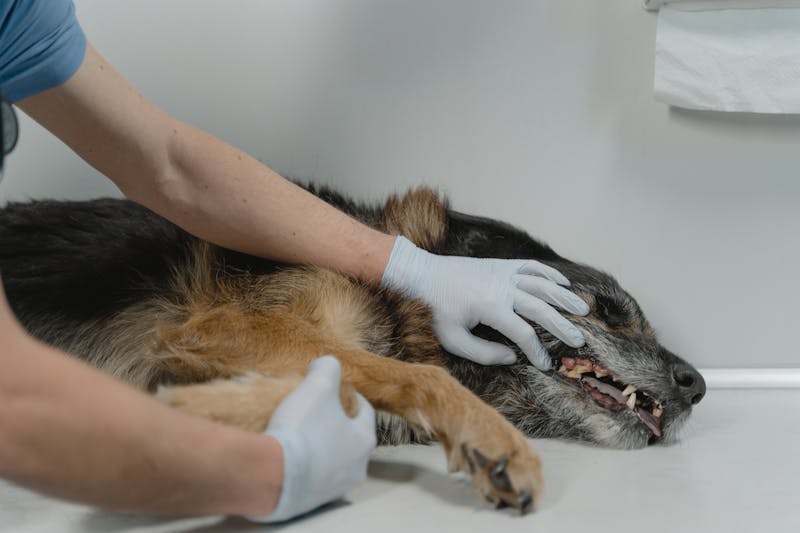
You know your dog better than anyone else. Trust your gut. However, there are times when a vet visit is mandatory: if a small breed swallowed a large packet whole, if your dog has a known history of blockages, or if you confirmed the packet contained iron powder. At the vet’s office, they might perform an X-ray to look for signs of an obstructed bowel. Always have the phone number of your local emergency veterinarian saved in your phone.
The Role of Dog Size and Health History
Does dog size matter? It certainly does. If a 100-pound Labrador eats a 1-gram packet, it’s like a human swallowing a grain of rice. However, if a 4-pound Chihuahua swallows that same packet, we have to be much more concerned about the physical size of the packet. Younger puppies and senior dogs with slower motility should also be watched more closely.

Training and Prevention: How to Stop Future Accidents
The best way to handle a silica gel scare is to prevent it from happening again. Dogs are natural scavengers. Always do a “new item sweep” when you buy shoes or handbags. Hunter for the packet immediately and throw it in a lidded trash can. Training a solid “Leave It” command is also life-saving.
So how do you know if your dog is learning correctly? Consistency is the key. Practice the command in different environments. If your dog can leave a piece of jerky on the floor, they can learn to leave a silica packet. Check our training guides for more advanced techniques. You can also see video demonstrations of these commands on our Facebook community page.
Frequently Asked Questions
How long does it take for a dog to pass a silica packet?
Most objects pass within 24 to 72 hours. If you haven’t seen it after three days and they are acting normally, they may have chewed it into tiny pieces.
Will the packet dissolve in the stomach?
No. Both the beads and the Tyvek/paper packets are designed to withstand moisture and will stay intact throughout the digestive tract.
Should I feed my dog bread to help the packet pass?
Some vets recommend a slice of plain white bread or a tablespoon of plain canned pumpkin to help “cushion” the object, but check with your vet first.
My dog ate the beads but not the packet. Is that better?
Generally, yes. The beads are small and will pass easily. The packet is what usually causes the physical blockage.
Are jerky packets more dangerous?
They are often oxygen absorbers (iron powder) rather than silica gel, making them much more toxic if ingested.
Final Thoughts for Concerned Dog Parents
It is natural to feel panic when your dog eats something they shouldn’t. But with silica gel, a calm owner who monitors their pet is the best asset. Most of the time, this will end up being a “poop-watching” mission for a couple of days. Realize that while the warning says “Do Not Eat,” it’s usually not a death sentence for a dog. Keep an eye on that tail wag, keep the water bowl full, and trust the process. For more resources and community support, keep following our updates at petscatsdogs.com. Your dog’s health is our top priority!