

If you have ever been sitting on the couch with your cat curled up in your lap, listening to that rhythmic, soothing purr, only to feel a warm, wet spot seeping through your jeans, you aren’t alone. It is a common experience that leaves many owners a bit baffled. Is your cat leaking? Is there something wrong with their mouth? Most of the time, the answer is actually quite sweet. Drooling while purring is often a sign of extreme contentment and relaxation. When a cat is truly “in the zone,” their facial muscles relax so deeply that the saliva simply slips out. It is the feline equivalent of us mouth-breathing during a very deep, satisfying nap.
However, as someone who has worked with thousands of cats, I know that “normal” can sometimes cross the line into “concerning.” While happy drooling is usually harmless, there are specific instances where it might point to dental issues or other health problems. In this guide, we will dive deep into why this happens, how to tell the difference between joy and discomfort, and what you should do to keep your cat’s mouth healthy. We want to make sure those cuddles stay cozy and worry-free.
Table of Contents
- The Science of the “Happy Drool”
- The Connection to Kittenhood and Kneading
- How to Tell if Your Cat’s Drooling is Normal
- When Drooling Means a Trip to the Vet
- Dental Issues and Oral Discomfort
- The Role of Stress, Nausea, and Toxins
- Practical Advice for Living with a “Leaky” Cat
- Frequently Asked Questions (FAQ)
The Science of the “Happy Drool”
To understand why a cat drools when they are happy, we have to look at their nervous system. Cats have a highly developed sensory map. When they are petted, their parasympathetic nervous system—the part responsible for “rest and digest”—kicks into high gear. This system controls involuntary functions, including the production of saliva. When a cat is purring intensely, they are often in a state of near-euphoria. Their muscles, including those in the jaw and the muscles that keep the mouth tightly shut, lose their tension.
Have you ever noticed how some people drool on their pillows when they are in a deep sleep? It is very similar. The cat isn’t consciously deciding to salivate; it is a physiological byproduct of being incredibly relaxed. The brain is sending signals of safety and pleasure, which can sometimes “short-circuit” the swallowing reflex. Instead of swallowing the saliva as they usually do, it just pools and eventually spills over.
I have seen this most often in cats that have a very strong bond with their owners. It is almost a compliment! It means they feel so safe in your presence that they have let down all their guards. They aren’t worried about predators or territory; they are just enjoying the moment. But does every cat do this? Not at all. It seems to be a quirk of individual personality and biology.
The Connection to Kittenhood and Kneading
Many experts believe that drooling while purring is a “hangover” behavior from kittenhood. When kittens nurse, they purr and “knead” (or make biscuits) against their mother to stimulate milk flow. This action is closely associated with the expectation of food and the comfort of mom. The scent of milk and the warmth of the mother cat trigger the salivary glands in preparation for eating.
As adult cats, many of them continue to knead blankets or your lap when they are happy. This behavior, known as “neoteny,” is the retention of juvenile traits into adulthood. If your cat is purring, kneading, and drooling all at once, they are essentially transported back to that state of ultimate kitten security. They aren’t just relaxing; they are reliving the most comforted moments of their early lives.
From what many owners notice, this behavior is most common in cats that were perhaps weaned a bit early, though that isn’t always the case. Some cats are just naturally more “infantile” in their affection styles. It is quite a beautiful thing to witness, even if it does mean you need to change your shirt afterward.
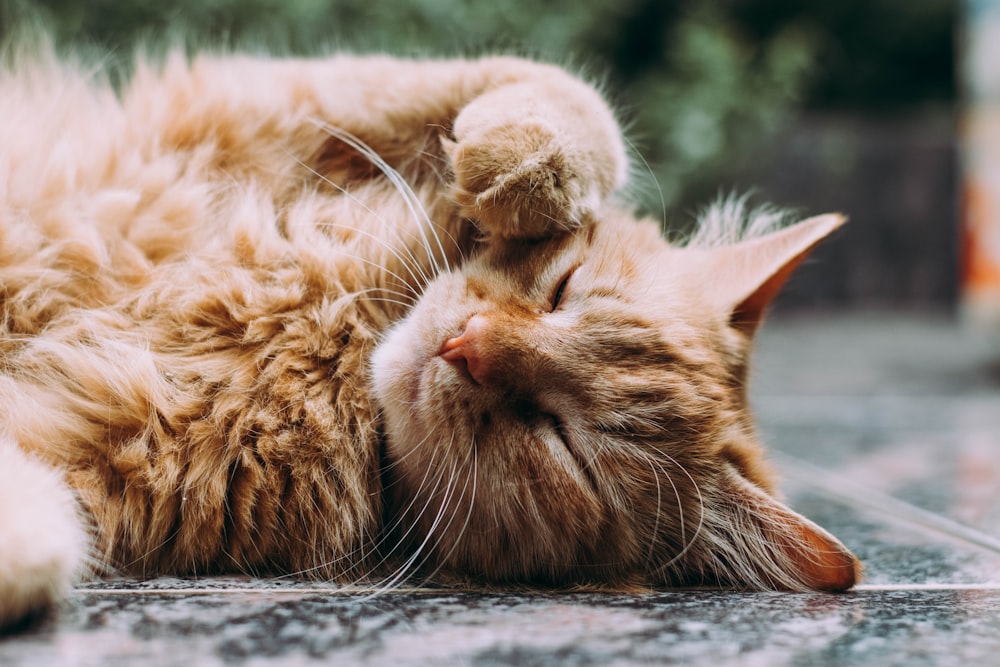
So how do you know if your cat is truly communicating bliss? Look at the eyes. If the eyes are half-closed or “slow-blinking” while the drool is flowing, you can be almost certain it is a happy response. It is the physical manifestation of a “zen” state of mind.
How to Tell if Your Cat’s Drooling is Normal
The key to identifying a problem is consistency. If your cat has been a “happy drooler” since they were a kitten, then it is simply part of who they are. You likely know exactly which chin rub or ear scratch will trigger the waterworks. In these cases, there is usually nothing to worry about. The drool should be clear, watery, and odorless.
However, if your cat has never drooled a day in their life and suddenly starts dripping saliva while purring, that is a red flag. Sudden changes in behavior are almost always a reason to investigate further. A sudden onset of drooling could mean that the purring itself isn’t a sign of happiness, but rather a sign of self-soothing due to pain. Did you know cats also purr when they are injured or stressed to calm themselves down?
Think of it as a baseline. Every cat has a baseline of “normal.” If the drooling happens only during affection and stops the moment the cat gets up and walks away, you are likely in the clear. If the drooling continues while they are resting or if they seem to have trouble eating, it is time to look deeper into comprehensive cat health guide resources or call your vet.
When Drooling Means a Trip to the Vet
While we love the idea of “happy drool,” we cannot ignore the medical side of things. Excessive salivation, known medically as ptyalism, can be caused by various issues. If you notice any of the following accompanying the drool, it isn’t just a happy accident:
- Bad breath: A healthy cat’s breath shouldn’t smell like a rose garden, but it shouldn’t be foul or “rotten” either.
- Discolored saliva: If the drool is tinged with blood or looks thick and yellow/green, there is an infection or injury present.
- Changes in appetite: If your cat is drooling but refusing their favorite wet food, they likely have oral pain.
- Pawing at the mouth: This is a clear sign of physical discomfort.
- Lethargy: If the drooling is paired with a lack of energy, it could be a systemic issue.
I always suggest that owners do a “mini-check” at home if they are concerned. You don’t need to be a doctor to notice red gums or a broken tooth. However, be careful! A cat in pain might bite, even if they are usually the sweetest creature on earth. If you want more community advice on how to handle these situations, feel free to visit our community of cat lovers on Facebook.
Dental Health and Oral Discomfort
Dental disease is the number one medical cause of drooling in cats. Issues like gingivitis, stomatitis, or resorptive lesions (where the body starts breaking down the tooth) are incredibly painful. When a cat has a sore in their mouth, they produce more saliva to lubricate the area and wash away bacteria. When they purr, the vibration might actually irritate the sore spot, causing even more drool to fall out.
I’ve seen many owners surprised to find that their cat had a significant dental issue because the cat was still purring. Remember, cats are stoic. They will often hide their pain until it is unbearable. Regular dental cleanings are not just about “pearly whites”; they are about preventing chronic pain that can lead to behaviors like excessive drooling.
The Role of Stress, Nausea, and Toxins
Is it possible for a cat to drool because they are nervous? Absolutely. While purring is usually a sign of joy, “stress purring” is a real phenomenon. If a cat is nauseous—perhaps from a hairball or something more serious—they will often salivate excessively. If they are purring to try and settle their stomach, it can look like happy drooling, but the cat’s body language will be different. A nauseous cat often hunches their shoulders and looks tense, rather than “melting” into your lap.
More urgently, drooling can be a sign of toxin ingestion. Many common household plants (like lilies) or chemicals (like certain cleaners) can cause immediate salivation. If the drooling is sudden and profuse, check your surroundings for anything the cat might have chewed on. This is a medical emergency and requires immediate attention.
Practical Advice for Living with a “Leaky” Cat
If you have determined that your cat is just a happy drooler, congratulations! You have a very affectionate companion. But that doesn’t mean you want to be covered in cat spit every evening. Here are some practical ways to manage the “leakage” without discouraging the affection.
- The “Drool Towel”: Keep a small, soft hand towel near your favorite sitting spot. When the cat jumps up and starts the purr-and-drool routine, simply place the towel between your clothes and the cat. It saves your laundry and keeps the cat comfortable.
- Regular Chin Wipes: If the saliva dries on the cat’s chin, it can eventually cause “feline acne” or skin irritation. Gently wipe their chin with a damp, warm cloth after a heavy grooming or cuddling session.
- Monitor Mouth Health: Since you are already in “drool territory,” use that time to gently lift their lip (if they allow it) to check for redness. It’s the easiest way to catch dental problems early.
- Scent-Free Environment: Sometimes, certain strong perfumes or lotions on your skin can trigger a cat to salivate more as they try to “taste” the air. Try using unscented products if you notice the drooling increases with specific smells.
From my experience, trying to “stop” a cat from drooling when they are happy is a losing battle. It’s an involuntary physical response. Instead of seeing it as a mess, try to view it as a badge of honor. It means you are doing a great job as a pet parent.
Is It Normal for a Cat to Drool When Purring (FAQ)
Why does my cat only drool when I pet a specific spot?
Cats have “sweet spots”—often at the base of the tail, under the chin, or behind the ears. These areas have a high concentration of nerve endings. Stimulating them can trigger an intense parasympathetic response, leading to immediate relaxation and drooling.
Can certain breeds drool more than others?
While there isn’t a specific “drooling breed” like there is with dogs (think Bloodhounds), some cats with flatter faces (brachycephalic), like Persians or Exotic Shorthairs, may drool more noticeably because their mouth structure makes it harder to keep saliva contained.
Is “happy drool” smelly?
Generally, no. Clear, healthy saliva shouldn’t have a strong odor. If the drool smells like garbage or strong ammonia, it’s a sign of a health problem like kidney issues or severe dental decay.
Should I be worried if my cat drools while sleeping?
If it only happens during very deep sleep and the cat is otherwise healthy, it’s usually just deep relaxation. However, if they are drooling while awake and inactive, that warrants a check-up.
My cat purrs and drools but then bites me. Why?
This is often “overstimulation.” The cat is so relaxed and “revved up” by the petting that they suddenly hit a limit. The drooling shows they were happy, but the bite shows they need a break. It’s a fine line!
Does age affect drooling?
Senior cats may drool more often. This can be due to a natural weakening of the jaw muscles, but in older cats, it is much more likely to be related to dental disease or kidney issues. Always be more vigilant with your senior feline friends.
Summary of Joyful Felines
At the end of the day, a cat drooling when purring is one of those quirks that makes pet ownership so unique. It is a messy, slightly gross, but ultimately heartwarming sign of love. We spend so much time worrying if our pets are happy, and a little bit of drool is a very clear “yes.” By staying observant and knowing your cat’s baseline, you can enjoy those wet, purring cuddles knowing that your friend is in a state of pure bliss.
Keep an eye on their dental health, make sure their breath stays fresh, and always have a towel handy. If you ever feel unsure, lean on the community and expert resources available to you. Understanding these small behaviors is what turns a good pet owner into a great one. So the next time you feel that little drop of moisture on your hand, just smile—you’ve officially reached “Favorite Human” status.
SEO Excerpt:
Is your cat drooling when purring? Learn why “happy drooling” happens, how to spot dental issues, and when you should call the vet in this expert-led guide.