
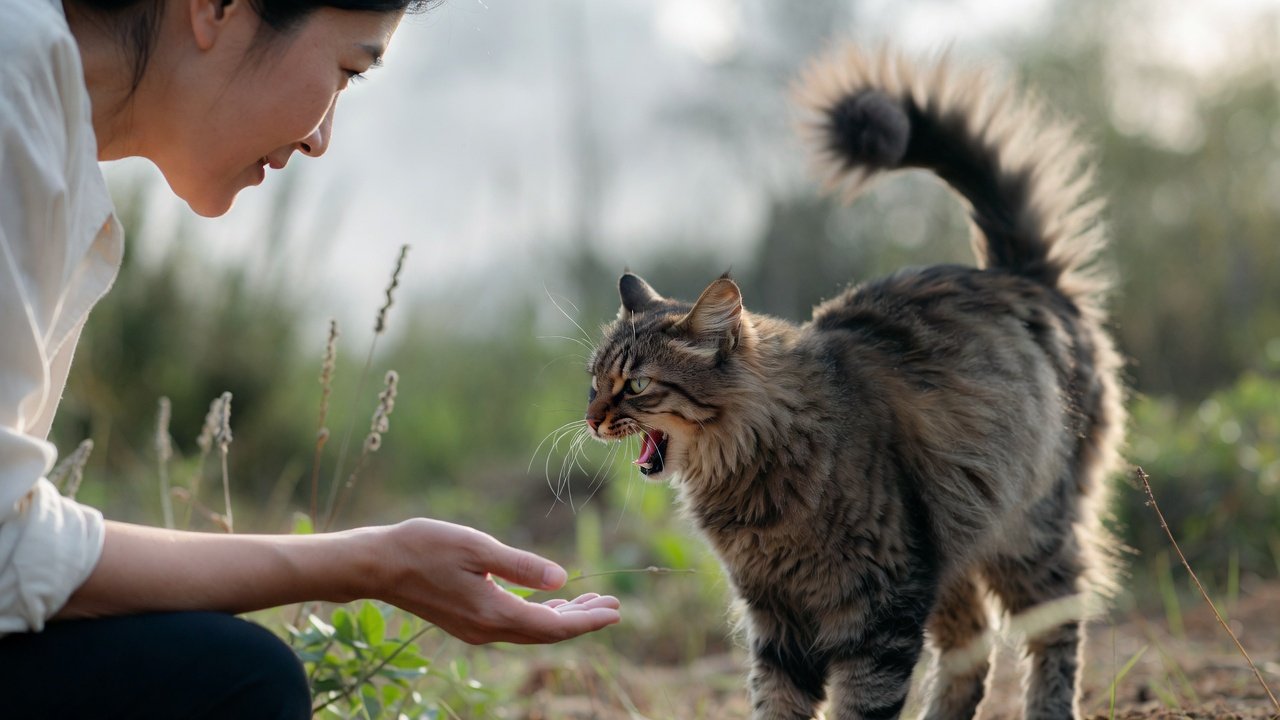
Walking into your home and feeling like you are entering a battlefield is one of the most stressful things a cat owner can experience. I have worked with hundreds of feline parents who feel helpless when their once-sweet companion begins to lash out. It is heartbreaking to see the bond between a human and a pet fray due to fear or anger. When people ask me how to calm an aggressive cat naturally, they are often at their wit’s end, looking for solutions that don’t involve heavy sedation or harsh punishments. The good news is that cats are incredibly responsive to environmental and behavioral shifts—if you know how to speak their language.
Aggression in cats is never random. It is a calculated response to a perceived threat, internal discomfort, or a lack of environmental control. Before we jump into specific remedies, we have to understand that “natural” doesn’t mean “weak.” Natural solutions often involve restructuring the cat’s entire world to lower their stress hormones (cortisol) and boost their “feel-good” chemicals (oxytocin). In this guide, we are going to explore a multi-layered approach to feline peace, from herbal supports and pheromones to the psychological architecture of your home. If you’ve been wondering why is my calm cat suddenly aggressive, this holistic path is your next step in rebuilding that lost trust.
Article Navigation:
- 1. Immediate De-escalation: The “Space” Principle
- 2. Synthetic Pheromones: Science-Backed Scent Support
- 3. Natural Herbs and Supplements for Calmness
- 4. Environmental Enrichment: The Vertical Solution
- 5. Play Therapy: Draining the Predatory Drive
- 6. Counter-Conditioning: Rebuilding Trust with Food
- 7. Natural Mistakes: What to Avoid During Recovery
- 8. Frequently Asked Questions (FAQ)
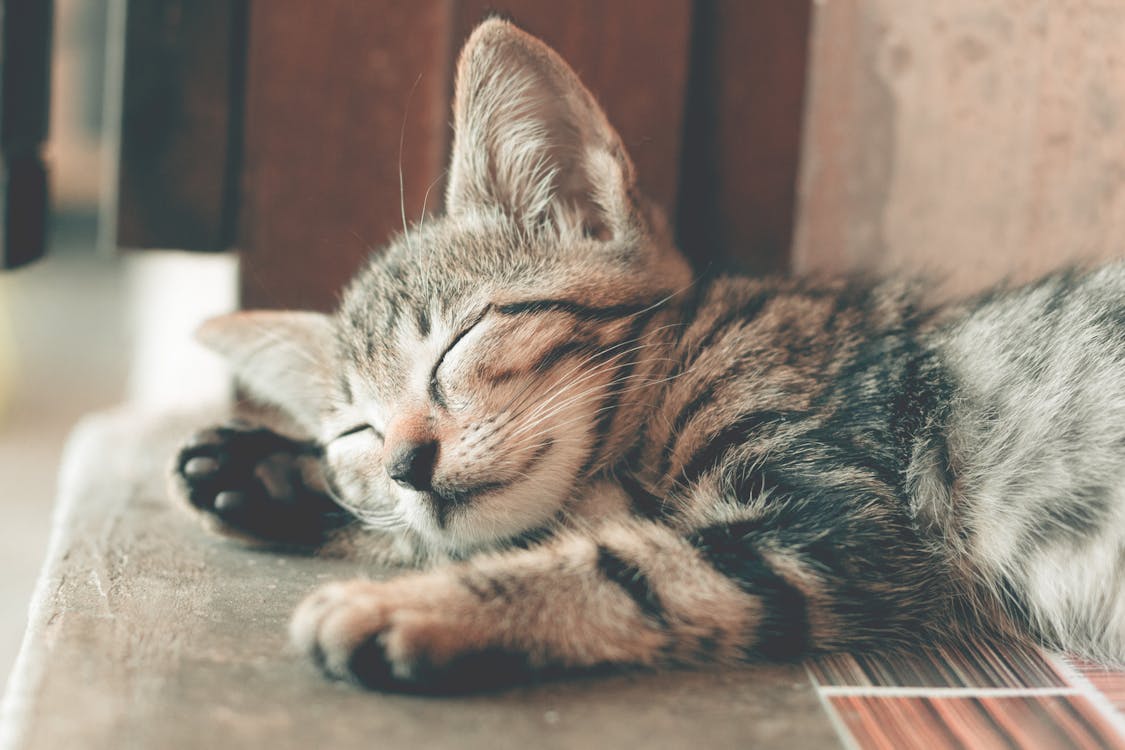 Mastering how to calm an aggressive cat naturally starts with understanding their environmental needs.
Immediate De-escalation: The “Space” Principle
When you are in the middle of a confrontation with an aggressive cat, your instincts might scream at you to soothe them or pick them up. This is a mistake. The most “natural” thing a cat wants when they are aggressive is **distance**. In feline language, distance is safety. If you are trying to figure out **how to calm an aggressive cat naturally**, the first step is to simply stop existing in their immediate vicinity.
Give them a “reset” room. This should be a quiet, dark space where they can stay for several hours. This isn’t a punishment; it is a neurological break. It takes time for adrenaline to leave a cat’s bloodstream—sometimes up to 24 hours. By removing the “trigger” (which might be you, another pet, or a loud noise), you allow their brain to return to its baseline state. Respecting their need for isolation is the most respectful, natural thing you can do for a stressed cat.
Synthetic Pheromones: Science-Backed Scent Support
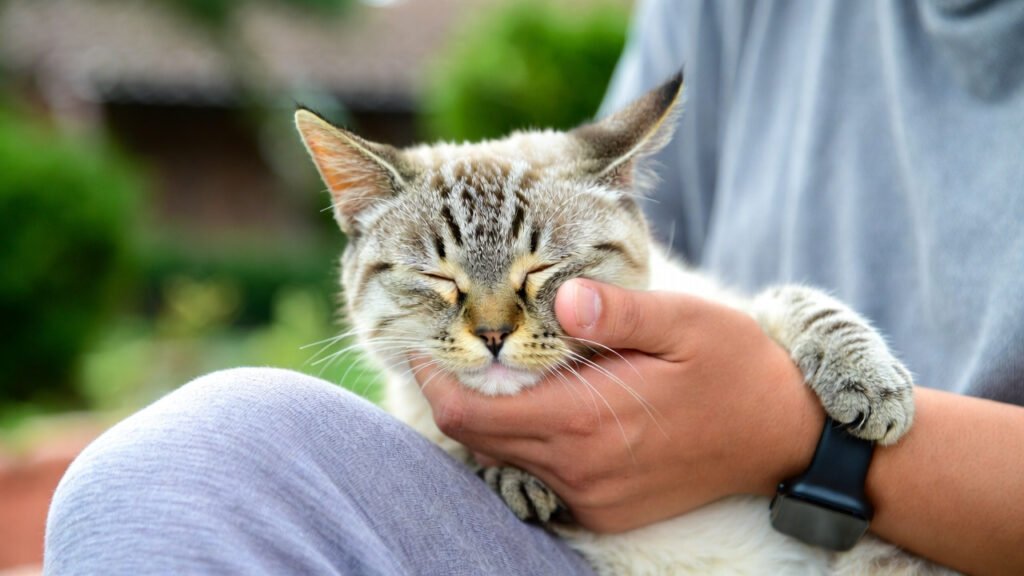
If you want to know how to calm an aggressive cat naturally , you have to understand the power of their nose. Cats communicate through scent markers. When they rub their faces on your furniture, they are leaving “happy pheromones” that tell their brain, “This place is safe.” When a cat is aggressive, they have often lost this scent-based sense of security.
Synthetic pheromones, like Feliway, mimic these natural markers. While it isn’t a “cure-all,” it lowers the overall anxiety floor of your home. It works behind the scenes to convince the cat’s primitive brain that they aren’t in danger. For households dealing with medical causes of cat aggression, these diffusers can be a vital secondary support to help the cat cope with their internal physical discomfort.
Natural Herbs and Supplements for Calmness
There are several botanical and nutritional options that can assist in lowering feline stress without the side effects of traditional pharmaceuticals. However, always consult with your vet before introducing these to their diet.
- Silver Vine and Valerian: While catnip can actually make some cats *more* aggressive, silver vine and valerian root often provide a deep sense of euphoria and relaxation afterward.
- L-Theanine and L-Tryptophan: These are amino acids naturally found in green tea and turkey. They boost serotonin and dopamine levels, helping the cat feel more balanced.
- Bach Flower Remedies: Specifically “Rescue Remedy” for pets. Many owners find that adding a few drops to the cat’s water bowl helps take the edge off their fear-based reactions.
- Cat Thyme: This isn’t actually thyme, but a plant that many cats find soothing. If your cat is a “stress-scratcher,” having cat thyme available can provide a sensory distraction.
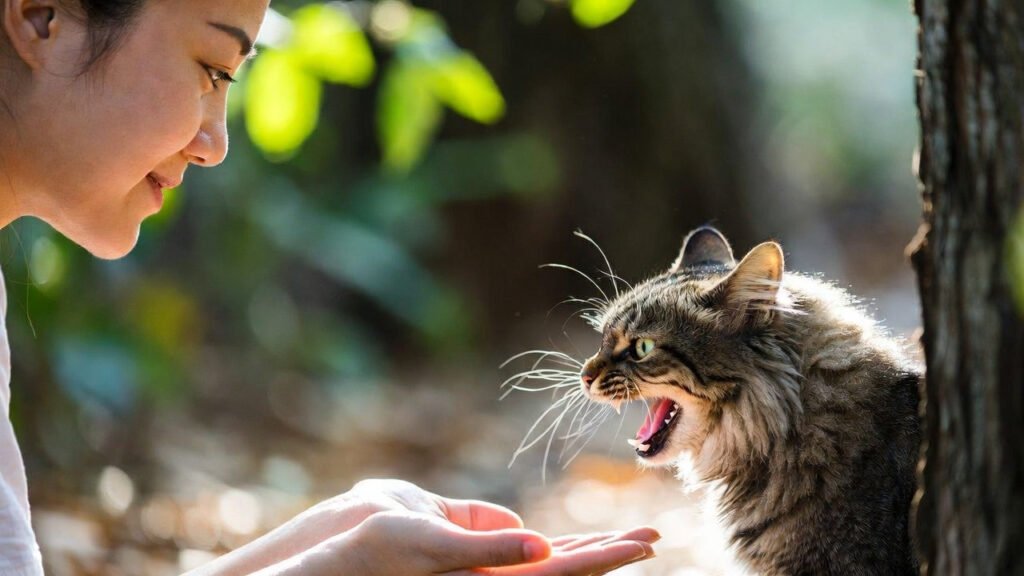 Using herbal support can be a key part of how to calm an aggressive cat naturally.
Environmental Enrichment: The Vertical Solution
In the world of cat behavior, “floor space” isn’t the only territory that matters. In fact, for an aggressive cat, the floor is often where the danger is. To calm a cat naturally, you must think vertically. Cats feel safest when they are high up. From a high perch, they can monitor the “intruders” (kids, dogs, or even your feet) without feeling vulnerable to an attack.
Adding cat trees, wall shelves, or even clear space on top of a bookshelf can transform an aggressive cat’s personality. When they have a “highway” of high places to traverse the room, they no longer feel cornered. A cornered cat is an attacking cat; a cat with a “view from above” is a confident observer.
Play Therapy: Draining the Predatory Drive
A significant portion of aggression in indoor cats is simply “thwarted predatory drive.” Your cat is a hunter designed to stalk, pounce, and kill. If they don’t have an outlet for this energy, they will eventually “kill” your ankles.
To fix this naturally, you must implement **Interactive Play Therapy**. Use a wand toy (never your hands) to mimic the movements of a bird or mouse. Let the cat successfully “catch” the toy several times per session. This provides a psychological “win” and releases a flood of dopamine. Ending the play session with a small meal completes the “Hunt-Catch-Kill-Eat-Groom-Sleep” cycle, which is the natural biological rhythm of a happy cat. If you are struggling to read their cues during play, studying cat aggression warning signs can help you stop before they get overstimulated.
Counter-Conditioning: Rebuilding Trust with Food
If your cat is aggressive toward a specific person or pet, you need to change their emotional association. Right now, that person means “fear” or “annoyance.” We want that person to mean “tuna” or “chicken.”
This is a slow process. Start by having the “trigger person” toss high-value treats from a distance where the cat still feels safe. Don’t try to pet the cat. Just exist in the space and provide food. Over weeks, the cat’s brain will literally rewire itself: *”That person = the giver of the best food.”* This is the most effective natural way to rebuild a broken bond without force.
Frequently Asked Questions
Can catnip make aggression worse?
Yes. About 30% of cats become hyper-aroused or “mean” on catnip. If your cat is aggressive, stop using catnip and try Silver Vine instead.
How long does it take for natural remedies to work?
Environmental changes can have an immediate effect, but herbal supplements and behavioral training usually take 2-4 weeks to show significant results.
Is “CBD” safe for calming cats?
Many owners use pet-specific CBD, but it is vital to use brands that are THC-free and lab-tested. Always ask your vet first.
Should I hiss back at my cat?
No. Hissing back is a challenge. It escalates the conflict rather than calming it. Silence and distance are your best tools.
Final Thoughts
Learning **how to calm an aggressive cat naturally** is a journey of patience and empathy. You aren’t just fixing a “broken” pet; you are listening to a creature that is trying to tell you their world feels unsafe. By focusing on pheromones, vertical space, and proper play, you can transform your home from a place of tension into a sanctuary of peace. Remember, the goal isn’t just to stop the biting—it’s to make your cat feel so secure that they never feel the need to bite again. For more tips on feline behavior and health, visit our community on our Facebook page. You’ve got this, and so does your kitty.
Read also :Why Is My Calm Cat Suddenly Aggressive?
1 thought on “How to Calm an Aggressive Cat Naturally: A Holistic Guide to Restoring Feline Peace”
Comments are closed.