Why Does My Dog Lick My Feet? (It’s Not Just Salt!)

Why Does My Dog Lick My Feet

Why Does My Dog Lick My Feet? If you have ever settled onto the couch after a long day only to have your dog immediately begin a dedicated, rhythmic licking session on your bare feet, you are certainly not alone. It is a peculiar, ticklish, and sometimes slightly gross behavior that leaves many pet parents wondering what exactly is going through their dog’s mind. The short answer is that your dog licks your feet for a variety of reasons, ranging from simple sensory exploration and the salty taste of your skin to deep-seated biological instincts rooted in pack communication and affection. While it is usually a harmless way for your canine companion to show love or gather information about where you have been, it can occasionally signal underlying issues like anxiety or boredom. Understanding the “why” behind the lick helps you better communicate with your pet and decide whether you should embrace the slobber or gently redirect them to a safer activity.

The Biological Basics: Why Feet Are So Fascinating

To understand why a dog is drawn to your feet, we have to look at how they are built. Dogs do not experience the world primarily through sight like we do. Instead, they use a combination of smell and taste to “see” their environment. Your feet are a goldmine of biological data. They are concentrated with sweat glands and pheromones, making them the most scent-heavy part of your body accessible to a dog sitting on the floor.

When a dog licks your feet, they are essentially reading a chemical “newspaper” about your day. They can detect where you have been, who you have been around, and even changes in your own body chemistry. It is an instinctual drive that dates back to their wolf ancestors, who would lick the muzzles of returning pack members to gather information about recent hunts. For more on how to interpret these signals, visit our dog behavior and health section.

Dog resting near owner's feet
To your dog, your feet are a complex library of scents and tastes that tell the story of your day.

Scent Maps and the Salt Factor

Let’s talk about the most practical reason: the taste. Human skin produces sweat, which is naturally salty. Many dogs find the taste of salt incredibly appealing. If you have just finished a workout or spent a day walking in leather shoes, your feet are essentially a salt lick for your pet. But it goes deeper than just salt; feet are “scent maps.”

Since your feet are in constant contact with the ground, they pick up thousands of microscopic particles. To a dog, your toes might smell like the grass at the park, the floor of your office, or even the cat that belongs to your neighbor. This curiosity is perfectly natural. Join our Facebook community to share your funniest dog licking stories!

Licking as a “Love Language” and Social Bond

In the canine world, licking is a primary form of social bonding. It starts the moment a puppy is born, as the mother licks her pups to clean them and show care. This creates a permanent neurological association between licking and feeling safe, loved, and nurtured.

When your dog licks your feet, they are often performing “allogrooming.” This is a social behavior where members of a group groom one another to strengthen ties. By grooming your feet, your dog is telling you that you are a vital part of their “pack.” It is a massive compliment, even if it feels a bit slimy. From what many owners notice, it isn’t just about the affection—dogs often choose to lick feet specifically when their owner is sitting still, using it as a way to “ground” themselves in your presence.

The Science of Endorphins: Why It Feels Good for the Dog

There is a chemical reason why dogs find licking so addictive. The act of licking releases endorphins and dopamine in a dog’s brain. These are the “feel-good” hormones that reduce stress and induce a state of calm. For many dogs, licking your feet is a self-soothing mechanism, similar to how a person might tap their foot when nervous.

If your dog has had a long day or is feeling a bit anxious about a thunderstorm, they may turn to licking to relax. This is why some dogs can become quite obsessive about it. If they realize that licking your feet makes them feel calm, they will repeat the behavior whenever they feel a spike in cortisol. Learn more about managing dog anxiety at our main site.
Close up of dog's face
The rhythmic nature of licking provides a biological “reset” for a stressed dog’s nervous system.

Licking as a Submissive Gesture

In pack dynamics, licking is often used to show respect to a higher-ranking member. Puppies lick the muzzles of adult dogs to show they are not a threat and to ask for food. As adult dogs, this translates into a deferential gesture toward their human “pack leaders.” When your dog licks your feet, they may be acknowledging your role as the head of the household. It is their way of maintaining harmony and showing loyalty.

Sensory Exploration and “Taste-Smelling”

Dogs have a specialized organ called the Jacobson’s organ in the roof of their mouth. This organ is specifically designed to detect pheromones. When a dog licks you, they are essentially “taste-smelling” to get a detailed chemical profile that sniffing alone cannot provide. Your feet provide a rich tapestry of data for this organ to decode.

When Licking Becomes a Problem: OCD and Anxiety

While occasional foot licking is normal, it can become a behavioral issue if it turns obsessive. If your dog licks until they cannot be distracted, they may be suffering from Canine Compulsive Disorder (CCD). This is often a sign of chronic boredom or lack of mental stimulation. If you’re concerned about your pet’s focus, check out our guide on best interactive dog toys to help channel that energy.

Health Concerns: Allergies and Nutritional Gaps

Sometimes, licking is about the dog’s own health. If your dog is also licking their own paws excessively, they could be suffering from allergies. Itchy paws are a common sign of food or environmental sensitivities. Some theories also suggest that dogs lick salty skin to seek minerals missing from their diet, though this is rare with modern high-quality kibble. Stay updated on health tips by following our Facebook page.

How to Stop the Licking (If You Want To)

If you aren’t a fan of the “toe-licking treatment,” you can gently redirect the behavior. Never use punishment, as this can create fear and anxiety. Instead, try the “stand up and walk away” method to show that licking results in the loss of attention. So how do you know if your dog is learning correctly? Watch for their ability to settle down or grab a toy instead when they would usually go for your feet. If they can redirect their energy without becoming frustrated, your training is working.

Dog with toy
Redirecting your dog to a high-quality chew toy is the best way to curb unwanted licking habits.

Frequently Asked Questions (FAQ)

Is it safe for my dog to lick my feet?

Usually, yes. However, avoid this if you have applied toxic lotions, medications, or essential oils to your skin. Also, be cautious if you have a fungal infection like athlete’s foot.

Why does my dog lick my feet after I shower?

They are likely attracted to the moisture on your skin or the scent of your soap. They may also be trying to “re-apply” your natural scent that you just washed away.

Does my dog lick me because I’m sick?

Dogs can detect chemical changes in our bodies. While they might not “know” you are sick in a clinical sense, they certainly know you smell different and may lick to comfort you.

Can I get a disease from my dog licking my feet?

It is highly unlikely for healthy adults. However, those with severely compromised immune systems should avoid contact with pet saliva due to bacteria like Capnocytophaga.

Conclusion: Embracing Your Dog’s Individual Personality

At the end of the day, every dog is an individual with their own set of quirks. Whether your dog licks your feet to show love, to gather “data” about your day, or just because they like the taste of salt, it is a behavior deeply rooted in their nature. Understanding and respecting these instincts is part of being a great pet parent. If you want more resources on deepening your bond with your pet, explore petscatsdogs.com and join our community on Facebook. Your dog’s “weird” habits are just their way of saying they care!

Dog Throwing Up Yellow Foam: Causes, Remedies, and When to Call Your Vet

Dog Throwing Up Yellow Foam: Causes, Remedies, and When to Call Your Vet

Dog Throwing Up Yellow Foam It is a sound every dog owner knows all too well. That rhythmic, heavy heaving in the middle of the night or early morning that sends you sprinting out of bed to keep the carpet clean. When you finally reach your dog, you find a small puddle of frothy, bright yellow liquid. It isn’t food, and it isn’t just water—it is bile. Seeing your dog throw up yellow foam can be alarming, especially if they seem perfectly fine both before and after the event. In most cases, this yellow foam is a sign that your dog’s stomach is empty and irritated by digestive fluids. However, while “hunger pukes” are common, this symptom can also point toward more serious underlying issues like pancreatitis, allergies, or even a physical blockage. Understanding the difference between a simple upset stomach and a medical emergency is the first step in helping your companion feel better. Let’s break down exactly why this happens and what you can do about it.

What Exactly Is the Yellow Foam My Dog Is Throwing Up?

The yellow substance you are seeing is bile. Bile is a digestive fluid produced by the liver and stored in the gallbladder. Its primary job is to break down fats and aid in the absorption of nutrients once food leaves the stomach and enters the small intestine. Under normal circumstances, bile stays in the small intestine where it belongs. It is highly alkaline and quite harsh, designed to neutralize stomach acid as it breaks down nutrients.

However, when a dog’s stomach is empty for an extended period, or if there is a backup in the digestive tract, bile can flow backward through the pyloric valve and into the stomach. This is known as duodenogastric reflux. Once that harsh, acidic bile sits in an empty stomach, it causes significant irritation to the stomach lining. The result? Your dog vomits to get rid of the irritant. For more on canine health, you can visit our dog care guides section.

The “foam” part of the equation happens because the liquid mixes with air and saliva during the gagging and vomiting process. It can range in color from a pale, watery yellow to a bright, neon-colored liquid. While it looks scary, the color itself just confirms that there is no food present and that the source of the fluid is the upper digestive tract.

Healthy dog resting on rug
A calm, healthy dog resting peacefully at home is our goal for digestive health.

Bilious Vomiting Syndrome: The Most Common Culprit

If your dog tends to throw up yellow foam specifically in the early morning hours or late at night right before dinner, they likely have Bilious Vomiting Syndrome (BVS). This is a very common condition in dogs who have a long gap between their meals. Have you noticed that your dog seems completely fine, has plenty of energy, and eats their next meal with enthusiasm despite the morning vomit? That is a classic sign of BVS.

When the stomach stays empty for 12 hours or more, the accumulation of bile becomes too much for the stomach lining to handle. The stomach basically throws a “tantrum” because it has nothing to digest. From what many owners notice, it isn’t just about the vomiting itself—dogs often seem to display a specific kind of ‘morning sluggishness’ that disappears the moment they get a small biscuit or piece of toast. This simple fix is often overlooked by owners who fear the worst.

Dog bowl and alarm clock
The timing between meals is the most critical factor in managing BVS.

Dietary Indiscretion and Scavenging

Dogs are natural scavengers. Whether it is a bit of “street pizza” found on a walk, a dead bird in the backyard, or the remains of a greasy taco wrapper from the trash, dogs often eat things they shouldn’t. This is what veterinarians call “dietary indiscretion.” When a dog consumes something toxic, rancid, or simply too rich for their system, the stomach works overtime to purge the intruder.

If they have already vomited their actual food, they may continue to retch, eventually producing only yellow bile. Sometimes, dogs will eat large amounts of grass when their stomach feels slightly off. While grass itself isn’t necessarily harmful in small amounts, it acts as an irritant. If the dog hasn’t eaten recently, the combination of grass and bile creates a bright green or yellow foamy mess on your floor. You can see more safety tips on our Facebook page.

Food Allergies and Chronic Stomach Irritation

Not every reaction to food is immediate or dramatic. Sometimes, a dog develops a sensitivity or a full-blown allergy to a specific protein or filler in their kibble. This creates a state of chronic inflammation in the gut. When the stomach lining is perpetually inflamed, it becomes much more sensitive to the presence of bile. Common allergens include chicken, beef, dairy, and wheat. If you suspect a food sensitivity, it may be worth discussing a limited ingredient diet with your vet. For a deeper look at diets, visit petscatsdogs.com.

The Danger of Pancreatitis in Dogs

Pancreatitis is a much more serious reason for a dog to throw up yellow foam. The pancreas is responsible for producing enzymes that digest food. Pancreatitis occurs when the pancreas becomes inflamed, often after the dog eats a very fatty meal. Think of those “table scraps” like bacon grease, steak fat, or butter. Unlike BVS, a dog with pancreatitis will look and act very sick, often refusing to move or eat at all.

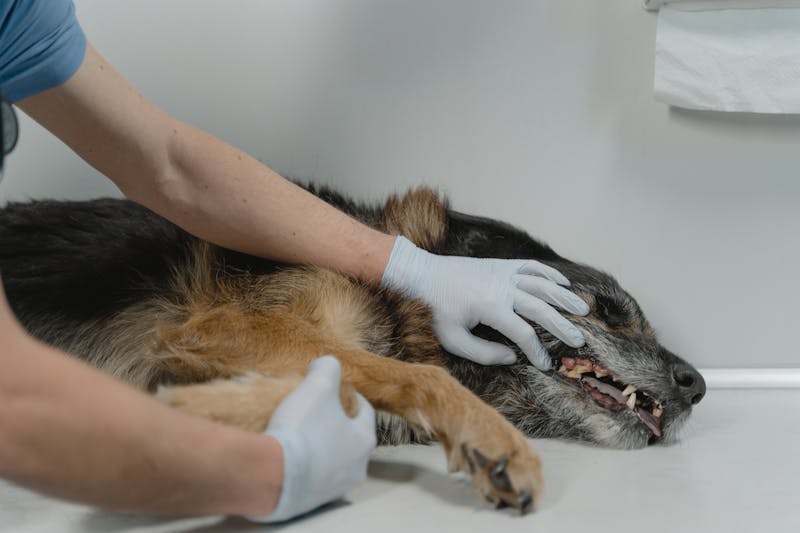
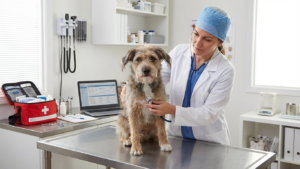
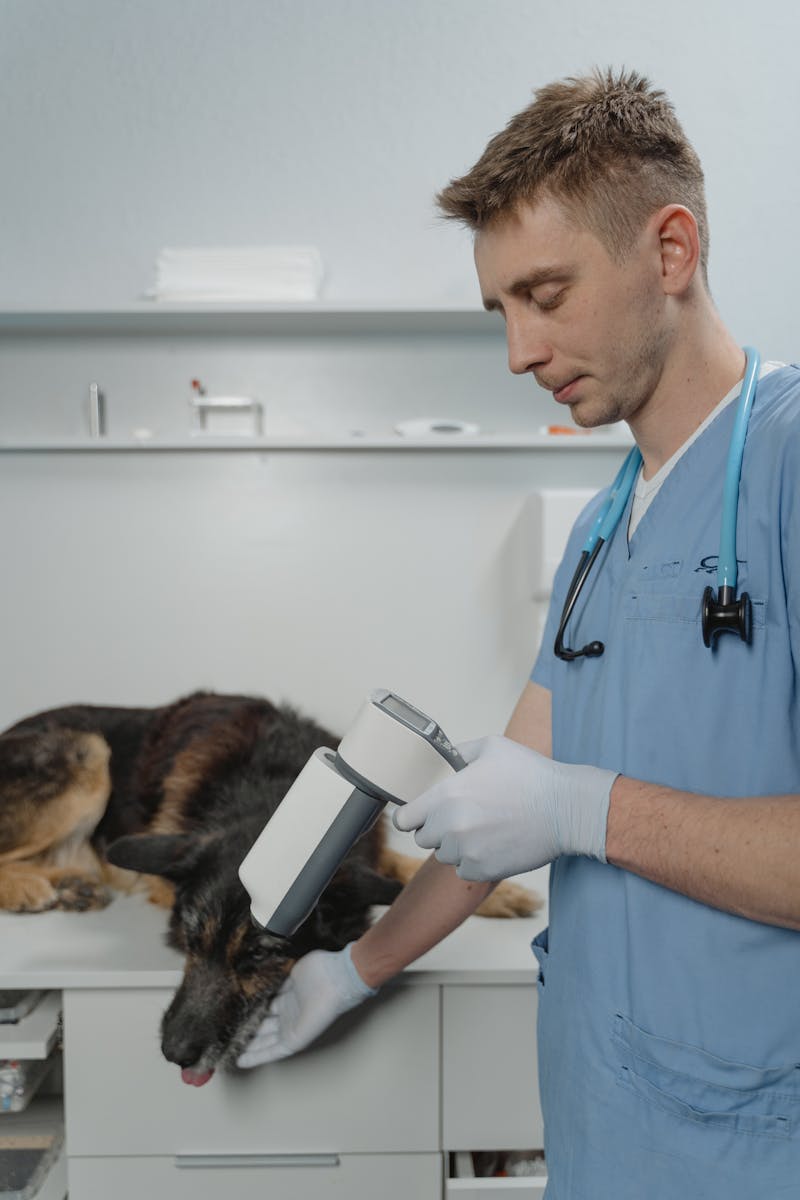
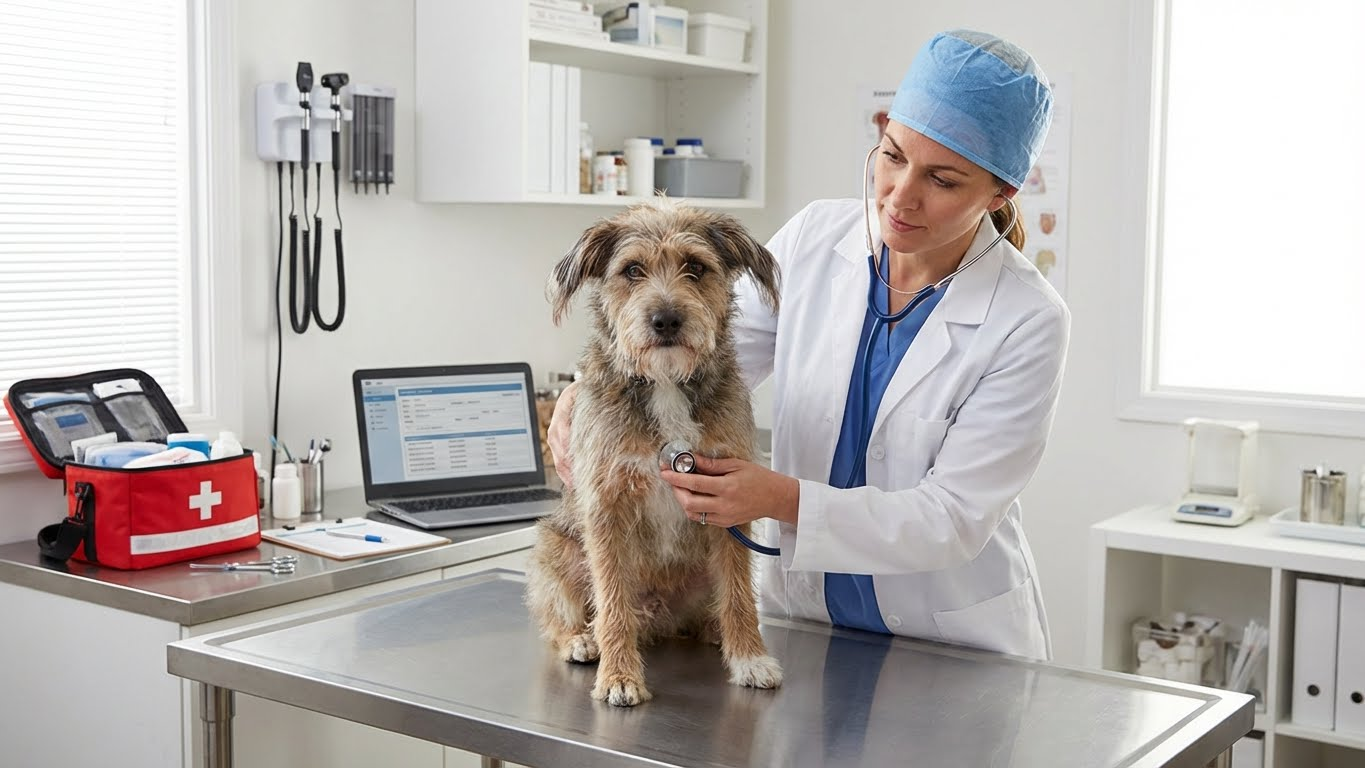
Veterinarian examining dog
Pancreatitis requires professional medical diagnosis and often hospitalization.

Gastrointestinal Blockages and Obstructions

We all know dogs love to chew. Sometimes, that chewing leads to swallowing—socks, rocks, squeakers from toys, or corn cobs. When an object gets stuck in the stomach or the small intestine, it creates a literal “dam.” Food and liquids cannot pass through, but the body keeps producing bile. Because nothing can go down, everything must come up. A dog with an obstruction will often vomit yellow foam because bile is the only thing their body can still produce and move.

When Yellow Foam Indicates Other Health Issues

While the gut is usually the first place we look, other organs can cause digestive upset when they aren’t functioning correctly. Liver disease can lead to an accumulation of waste products in the blood, causing nausea. Kidney failure can lead to “uremic gastritis.” Even heatstroke in the summer months may cause a dog to vomit yellow foam as their internal organs begin to struggle. It is easy to focus only on the stomach, but the body is an interconnected system. Explore more on general pet health.

At-Home Care and Managing an Upset Stomach

If your dog has thrown up yellow foam once but is still acting like their happy, bouncy self, you can usually manage the situation at home. The “Late Night Snack” trick is the best remedy: try giving your dog a small, high-fiber biscuit or a small portion of their dinner right before you go to bed. This prevents bile from accumulating overnight. Additionally, the bland diet of boiled white rice and chicken can work wonders for a minor “garbage gut” incident.

Healthy dog bowl of food
A plain, bland diet helps rest the digestive system after a vomiting episode.

When to See a Veterinarian Immediately

As much as we want to handle things at home, there are times when professional help is the only safe option. Seek emergency care if the vomiting is frequent, if there is blood in the vomit, or if the dog’s abdomen feels hard and painful. A dog that is shivering, hiding, and refusing treats while vomiting yellow foam is a dog in crisis. When in doubt, join our conversations on Facebook to ask the community for advice, but always call your vet first.

Frequently Asked Questions

Why is my dog’s vomit yellow foam?

The yellow color comes from bile. The foam is created when liquid mixes with air and saliva. It usually indicates an empty stomach.

Can I give my dog antacids for yellow vomit?

Never give human medications without a specific dosage from your vet. Some contain ingredients that are toxic to dogs.

Does yellow foam mean my dog has parvo?

Parvo usually includes severe bloody diarrhea and extreme lethargy. Yellow foam alone is more likely an empty stomach issue.

Should I withhold food after they vomit?

If they seem fine, a small snack may help. If they seem nauseous, resting the stomach for 6-12 hours is standard practice.

Why does my dog eat grass and vomit foam?

Dogs eat grass to induce vomiting when they feel nauseous. On an empty stomach, they will produce yellow bile.

Final Thoughts on Digestive Health

Caring for a dog’s digestive system is a game of observation. While that morning puddle of yellow foam is a nuisance to clean up, it is usually a clear communication that it’s time for a snack or a schedule change. Consistency is the secret to a happy dog gut. Remember that while we provide general guidance, nothing replaces the diagnostic tools of a veterinarian. Stay calm, watch their behavior, and soon your furry friend will be back to their happy self. For more resources, visit petscatsdogs.com.


Can Dogs Eat Pork Bones? A Clear, Honest Guide for Dog Owners

Can Dogs Eat Pork Bones

Can Dogs Eat Pork Bones? It is a scene that plays out in thousands of kitchens every night. You’ve just finished a delicious dinner of pork chops or BBQ ribs, and as you clear the table, you’re left with a pile of tempting bones. Your dog is right there at your feet, tail thumping rhythmically against the floor, looking at you with those soul-piercing “begging eyes.” It feels almost wasteful to throw those scraps away, doesn’t it? Many of us grew up in a time when giving the dog a bone was the standard way to end a meal. However, the short answer is no, dogs really shouldn’t eat pork bones. Even though it feels natural to give a dog a leftover bone, pork bones are among the riskiest options you can offer your companion. They are notorious for splintering, damaging teeth, and causing life-threatening internal injuries that can result in expensive emergency surgeries.

As an experienced pet care specialist who has worked with thousands of animals and their owners, I’ve witnessed the panic that sets in after a “scary vet visit” that started with a simple, well-intentioned treat. Many people assume pork bones are harmless because dogs are “meant to chew bones.” While that idea sounds logical in a primitive sense, modern domestic dogs and cooked pork bones simply do not mix well. In this incredibly in-depth guide, we will explore the science behind why these bones are hazardous, the biological impact on your dog’s digestive system, and how you can satisfy their natural chewing instinct without the risk. We aren’t here to use scare tactics, but to provide practical, experience-based advice for every responsible pet parent.

The Psychology of the Chew: Why Dogs Crave Bones

To understand why we feel so compelled to give our dogs bones, we have to look at why they want them so badly. Dogs don’t chew bones just because they’re hungry; in fact, even a dog that has just eaten a full meal will often work on a bone with absolute intensity. Chewing is deeply wired into canine biology and psychology. It is a multi-sensory experience that provides mental stimulation, stress relief, and physical exercise.

Sensory Stimulation and Instinct

For a dog, a pork bone is a jackpot of smells and tastes. The marrow inside and the bits of fat clinging to the outside are high-value rewards. But beyond the taste, the act of chewing releases endorphins in a dog’s brain. These “feel-good” hormones help calm anxious dogs and provide a productive outlet for energetic puppies. If you’ve ever noticed your dog grabbing a toy the moment you get home, they are likely using that chewing motion to self-regulate their excitement. For more on canine behavior, you can visit our dog health advice section.

The Ancestral Myth

We often hear the argument: “Wolves eat bones in the wild, so why can’t my Golden Retriever?” It’s a fair question, but it ignores two major factors: evolution and preparation. Wild canines eat raw bones that are fresh and pliable. They also have a much shorter lifespan in the wild, often succumbing to internal injuries that we never see. Our domestic dogs have different jaw structures, more sensitive digestive tracts, and most importantly, they are usually being offered cooked bones, which are a completely different chemical structure than raw ones.

Dog looking at meat on counter
The kitchen can be a danger zone. Always keep pork scraps and bones out of your pet’s reach.

The Structural Risks: Why Pork Bones Are Different

Not all bones are created equal. If you compare a beef marrow bone to a pork rib bone, the difference is startling. Beef bones from the legs are incredibly dense and heavy because they support the weight of a massive animal. Pork bones, however, come from a much smaller, lighter animal. They are more porous and significantly thinner.

Structural Weakness

The bone of a pig is designed for flexibility and lightness, not for withstanding the 300+ PSI (pounds per square inch) of pressure that a determined dog can exert. When a dog bites down on a pork bone, it doesn’t just wear down like a hard toy. Instead, it reaches a breaking point where it shatters. From what many owners notice, it’s not just about the protein—dogs seem to genuinely love the fatty flavor of pork, and it often keeps them from being quite so demanding during our own dinner time, but the physical danger the bone poses makes it a high-stakes gamble.

The Science of Splintering: Shards and Perforations

The term “splintering” is used often, but what does it actually mean for your dog’s insides? When a pork bone shatters, it creates shards that are as sharp as surgical glass. These fragments are often long, thin, and pointed. Because the bone is dry (especially if cooked), it doesn’t break into blunt chunks; it fractures along the grain into needles.

The Path of Destruction

As your dog swallows these shards, they travel down the esophagus, a delicate muscular tube. A sharp shard can easily create a “laceration” or a cut along the way. Once in the stomach, the acid tries to break the bone down, but the process is slow. If the shard moves into the small intestine, the risk of “perforation” (piercing a hole) becomes extremely high. A hole in the intestine allows bacteria to leak into the abdomen, leading to a condition called peritonitis, which is often fatal without immediate surgery. Check out our Facebook page for more visual guides on pet safety.

Sharp splinters of bone
This is the reality of a chewed pork bone: sharp, jagged edges that can easily slice through delicate tissue.

Raw vs. Cooked Pork Bones: Settling the Debate

One of the most frequent questions I get is whether raw pork bones are safer than cooked ones. While there is a difference, it isn’t a simple “safe vs. unsafe” scenario. Both carry unique risks that every owner should be aware of before making a choice.

The Dangers of Cooking

When you cook a bone, you remove all the moisture and denature the collagen that gives the bone its slight flexibility. This makes the bone “brittle.” A cooked pork bone is essentially a piece of ceramic. It cannot be digested effectively, and it is guaranteed to splinter. Whether it was boiled, fried, smoked, or roasted, the result is the same: a hazardous object. Even those “smoked bones” you see at the pet store are essentially cooked and carry these risks.

The Risks of Raw Pork

Raw bones are indeed softer and less likely to splinter into needles, but they aren’t without peril. Raw pork is a known carrier of Trichinella spiralis, a parasite that can cause trichinosis in both dogs and humans. Additionally, raw bones are a breeding ground for Salmonella and E. coli. If you choose to feed raw bones, you must ensure they are sourced from high-quality, human-grade meat and that you follow strict hygiene protocols. However, for most pet owners, the risk-to-reward ratio simply doesn’t add up. For deeper insights into raw feeding, visit petscatsdogs.com.

Internal Consequences: From Choking to Peritonitis

If you’re still not convinced, let’s walk through the medical reality of what happens when things go wrong. An injury from a pork bone is rarely a simple fix. It is usually a progressive emergency.

1. Esophageal Obstruction

A large piece of bone can get stuck in the throat. You will see your dog pawing at their mouth, gagging, and unable to swallow saliva. This is a terrifying experience for the dog and can lead to suffocation if not addressed within minutes.

2. Gastric Irritation and Gastritis

Even if the bone reaches the stomach, the sharp edges irritate the lining. This causes the dog to vomit repeatedly. Sometimes the bone stays in the stomach for days, acting like a “stone” that refuses to move, causing chronic pain and dehydration.

3. Intestinal Blockage

The intestines are narrow. If a bone fragment gets wedged, it creates a total blockage. Nothing can pass—no food, no water, no gas. This causes the intestines to swell, and eventually, the blood flow to that section of the gut is cut off, leading to “necrosis” or tissue death.

Dog being examined by a vet
Veterinary intervention is often the only way to save a dog after bone ingestion.

Emergency Detection: Signs Your Dog Is in Trouble

Because we can’t see what’s happening inside our dogs, we must become experts at reading their body language. If you know or suspect your dog has snatched a pork bone, the clock starts now. You need to monitor them with eagle eyes for at least 72 hours.

The “Quiet” Signs

Not all dogs will cry or whine. Many dogs become unusually quiet when they are in internal pain. They may “hunch” their back or be reluctant to jump onto the sofa. They might look at their stomach or stretch in an unusual way (the “play bow” position can sometimes be a sign of abdominal pain).

The Obvious Red Flags

  • Vomiting: Especially if they can’t even keep water down.
  • Lethargy: A total lack of energy or interest in treats.
  • Straining: Trying to have a bowel movement but producing nothing, or only small amounts of blood.
  • Bloated Abdomen: A stomach that feels hard or painful to the touch.
  • Pale Gums: A sign of shock or internal bleeding.

Common Mistakes and Dangerous Myths

In the age of the internet, there is a lot of bad advice out there. I want to debunk a few of the most dangerous myths that I hear from well-meaning owners every day.

“The Bread Trick”

Some people suggest feeding your dog several slices of bread to “cushion” the bone. While this might help a tiny fragment pass, it does absolutely nothing for a large or very sharp shard. In fact, it can sometimes make the blockage worse by adding more bulk to the digestive tract. Always call a vet before trying home remedies.

“My Dog Has Always Eaten Them”

This is the most common argument. “My dog has eaten pork ribs for five years and never had a problem.” This is what we call survivor bias. Just because your dog was lucky ten times doesn’t mean the eleventh time won’t be the one that causes a perforation. Why gamble with your best friend’s life? Learn more about preventative care at petscatsdogs.com.

The Best Safer Alternatives for Power Chewers

You don’t have to be the “bad guy” who takes away all the fun. There are many ways to satisfy that deep, biological urge to chew without the risk of a trip to the ER. As a specialist, these are the items I personally recommend to my clients.

Rubber and Synthetic Toys

Durable rubber toys, like those made by Kong or West Paw, are fantastic. They provide resistance without breaking. You can fill them with wet food, peanut butter, or yogurt and freeze them to create a long-lasting, brain-teasing treat. Nylon bones are also a good option for aggressive chewers, as they are designed to flake off into tiny, harmless grains.

Safe Natural Alternatives

  • Frozen Carrots: Perfect for teething puppies! They are crunchy, cold, and healthy.
  • Bully Sticks: These are 100% digestible and provide a lot of flavor. However, always take them away when they get small enough to be swallowed whole.
  • Beef Marrow Bones (Raw): If you must give a natural bone, a large, raw beef femur is much denser and safer than pork, provided you supervise the session.
Safe dog chew toys
Safe alternatives provide the same satisfaction as a bone but without the jagged shards.

Emergency Protocol: What to Do If a Bone Is Ingested

Accidents happen. Maybe the trash can tipped over, or a guest dropped a rib on the floor. If you catch your dog in the act, follow these steps immediately:

  1. Stay Calm: If you scream or chase them, they are more likely to gulp the bone down quickly to “save” it.
  2. Trade Up: Offer them something better, like a piece of cheese or chicken, to get them to drop the bone.
  3. Call the Vet: Even if they seem fine, tell your vet what happened. They may want to see the dog for an X-ray to determine the size and location of the fragment.
  4. Do NOT Induce Vomiting: This is vital. A sharp bone can cause more damage coming back up than it did going down.

Bones and Life Stages: Puppies vs. Senior Dogs

The risk of a pork bone isn’t the same for every dog. Age plays a huge role in how a dog handles a hard object.

Puppies

Puppies have “deciduous” or baby teeth that are incredibly brittle. A hard pork bone can easily snap a tooth, leading to a painful infection and a very expensive dental bill. Furthermore, their digestive systems are still developing and much more prone to irritation.

Seniors

As dogs age, their teeth become more porous and prone to cracking. Senior dogs also often have slower digestion, meaning a bone fragment will sit in their gut for longer, increasing the window of time for a perforation to occur. For age-specific advice, join our Facebook community.

Deep-Dive FAQ: Every Question Answered

1. Can dogs eat pork rib bones?

Absolutely not. Rib bones are among the most dangerous because they are the perfect size to be swallowed and the most likely to splinter into long, needle-like shards.

2. Are smoked pork bones from the pet store safe?

In my professional opinion, no. Smoking is a form of cooking that makes the bone brittle. Many of these products are also cured with high amounts of salt and preservatives that can upset a dog’s stomach.

3. What if the bone was small?

Small bones are actually more dangerous for large dogs because they are more likely to be swallowed whole without any chewing, leading to a direct obstruction.

4. Why does my dog’s poop look white and chalky after eating a bone?

This is a sign of “bone transition.” It means their body is struggling to digest the high amount of calcium. This can lead to severe constipation and painful impaction.

5. Can a dog digest a pork bone eventually?

A dog’s stomach acid is strong, but it cannot fully dissolve a cooked pork bone. The fragments will remain sharp as they move through the system.

A Practical Takeaway for Everyday Life

Sharing our lives—and our food—with our dogs is one of the joys of pet ownership. It’s an act of love. But true love also means protecting them from the things they don’t understand. Your dog doesn’t know that the rib bone they just found in the trash could cause a puncture in their stomach. They just know it tastes like heaven.

By choosing safer alternatives and keeping your kitchen scraps secured, you are ensuring that your best friend stays by your side for years to come. There are plenty of ways to spoil your dog without putting their life at risk. If you’re ever in doubt about a specific food or treat, remember the golden rule of pet care: When in doubt, leave it out. For more resources and community support, keep following our updates at petscatsdogs.com.


Why Is My Dog Shaking? (7 Surprising Reasons & Solutions)

Why Is My Dog Shaking? (7 Surprising Reasons & Solutions)

It starts with a subtle vibration. You put your hand on your dog’s back and feel a tremor. Then, you look closer and see them shivering as if they are standing in a blizzard, even though your living room is warm.

Suddenly, panic sets in. You ask yourself: Is he cold? Is he scared? Or is this a medical emergency?

Seeing your usually strong and happy dog trembling like a leaf is terrifying for any pet owner. The helplessness of not knowing what is wrong is the worst feeling in the world.

If you are frantically searching for “Why is my dog shaking?”, take a deep breath. You are in the right place. While shivering can be a sign of something serious like poisoning, it is often a natural reaction to excitement, cold, or anxiety.

In this comprehensive guide, we will decode your dog’s body language. We will explore the 7 most common reasons behind this behavior, how to distinguish between “fear” and “pain,” and exactly when you need to rush to the vet.

The Quick Answer: Why Is He Trembling?

Before we dive deep, here is a checklist. The most common answers to “Why is my dog shaking?” are:

  1. Temperature: They are simply cold (Hypothermia).

  2. Emotion: Extreme fear (thunder, vet visits) or extreme excitement.

  3. Pain: Dogs shake to mask pain (arthritis, stomach ache).

  4. Old Age: Muscular weakness in hind legs.

  5. Toxins: Eating chocolate, xylitol, or grapes (Emergency!).

  6. Nausea: Feeling sick often causes shivering.

  7. GTS: Generalized Tremor Syndrome (common in small white dogs).


1. It’s Just Too Cold (Hypothermia)

Let’s start with the obvious. Just like humans shiver to generate body heat, dogs do the same. Even though they have fur coats, many breeds (especially short-haired ones like Chihuahuas, Greyhounds, and Pitbulls) have zero tolerance for cold.

How to tell:

  • Is it winter? Is the AC on full blast?

  • Is your dog curling up into a tight ball?

  • Are their ears cold to the touch?

The Fix:
If you suspect the answer to “Why is my dog shaking?” is the temperature, simply cover them with a blanket or put on a doggy sweater. If the shaking stops within 15 minutes, you have your answer.

2. Fear and Anxiety (The Psychological Shakes)

Why is my dog shaking

Dogs are incredibly emotional creatures. Shaking is a classic symptom of an adrenaline rush caused by fear. This is common during thunderstorms, fireworks, or trips to the vet.

Look for other “Stress Signals”:

  • Panting heavily.

  • Tucking the tail between the legs.

  • Flattening ears against the head.

  • Hiding under furniture.

If your dog is shaking uncontrollably during a storm, they aren’t cold; they are terrified. Comforting them calmly (without over-coddling) is key.

3. They Are In Pain (The Hidden Cause)

This is the reason that breaks most owners’ hearts. Dogs are masters at hiding pain (an evolutionary instinct to not look weak). When they can no longer hide it, they shake.

Why is my dog shaking from pain?
It could be anything from a toothache and ear infection to arthritis or a sudden back injury (IVDD).

The “Silent” Symptoms of Pain:

  • Reluctance to jump on the couch or climb stairs.

  • Walking with a hunched back.

  • Lip licking or drooling.

  • Aggression when touched in a specific spot.

If the shaking came on suddenly and they yelp when you touch them, go to the vet immediately.

4. Poisoning and Toxins (Medical Emergency)

This is the scariest scenario. Several common household items are highly toxic to dogs and attack their nervous system, causing tremors or seizures.

Common Toxins:

  • Xylitol: Found in sugar-free gum and peanut butter.

  • Chocolate: Especially dark chocolate.

  • Grapes/Raisins: Can cause kidney failure.

  • Human Meds: Dropped pills like Ibuprofen.

Warning Signs:
If the answer to “Why is my dog shaking?” involves vomiting, diarrhea, drooling, or disorientation, assume they ate something poisonous. Do not wait. Drive to the emergency vet.
(You can check the full list of toxins on the ASPCA Animal Poison Control website – Link opens in new tab).

5. Old Age (Senior Tremors)

Why is my dog shaking

As dogs enter their golden years, you might notice their hind legs shaking when they stand up. This is usually not a seizure; it is muscle weakness or osteoarthritis.

While it looks concerning, many senior dogs live happily with mild tremors. However, it is a sign that they need pain management or joint supplements to help with stability.

6. Excitement (The Happy Shakes)

Yes, happiness can cause shaking too! Have you ever come home from work, and your dog wiggles so hard their whole body vibrates?

High arousal—whether positive (you are home!) or anticipating (a ball throw)—releases a flood of energy. Once they calm down, the shaking stops. This is harmless and adorable.

7. Generalized Tremor Syndrome (GTS)

Also known as “Little White Shaker Syndrome,” this condition affects small breeds like Malteses and Westies. It causes full-body tremors that are not related to cold or fear. It is treatable with medication (corticosteroids) prescribed by a vet.


Action Plan: What To Do Right Now?

If you are looking at your dog right now and wondering “Why is my dog shaking?”, follow this step-by-step triage:

Step 1: Check the Environment
Is it cold? Is there a loud noise (thunder/construction)? If yes, warm them up or move to a quiet room.

Step 2: Check for Toxins
Look around the floor. Is the trash overturned? Is a pill bottle missing? If yes, go to the vet.

Step 3: The “Treat Test”
Offer their favorite treat.

  • If they eat it happily: It might be mild stress or cold.

  • If they refuse it: This is a red flag for pain or nausea. Dogs rarely refuse treats unless they feel terrible.

Step 4: Palpation
Gently run your hands over their body. Do they flinch, yelp, or tense up at a specific spot? This indicates an injury.


Frequently Asked Questions (FAQ)

Q: Can a dog shake from an upset stomach?
Yes. Nausea is a very common cause of shaking. If your dog is drooling, smacking their lips, or has vomited, they are likely shaking because they feel sick.

Q: Should I hold my dog if he is shaking?
If the shaking is due to fear or cold, yes, holding them provides warmth and comfort. However, if they are shaking from pain, holding them might hurt. Approach gently and see how they react.

Q: When should I worry about dog shivering?
Worry if the shaking is accompanied by: lethargy, vomiting, diarrhea, limping, or if it lasts more than an hour after warming them up.

Final Thoughts

So, the next time you find yourself asking, “Why is my dog shaking?”, remember that context is everything. Look at the whole picture. Are they cold? Scared? Or acting sick?

Trust your gut instinct. You know your dog better than anyone. If the behavior feels “off” or wrong, never hesitate to call your vet. It is always better to be safe than sorry.

For more advice on keeping your pup healthy and safe, be sure to browse our comprehensive [Dog Health and Care] section.

Why Your Dog Follows You Into the Bathroom? (5 Reasons & How to Stop It)

Why Your Dog Follows You Into the Bathroom? (5 Reasons & How to Stop It)

It is a common scenario: you stand up, walk down the hall, and your dog follows you into the bathroom. Why do they refuse to give you privacy?

You are sitting on the couch, enjoying a quiet moment, when nature calls. You stand up, walk down the hall, and step into the bathroom. You turn around to close the door, but you can’t. Why? Because there is a wet nose wedged in the crack, or perhaps a furry body has already squeezed past your legs and is sitting expectantly on the bathmat.

If you manage to close the door in time, the protest begins. The whining, the scratching, the paws sliding under the door gap, or the heavy sigh of a dog collapsing against the wood, waiting for your return.

Let’s be honest: I haven’t used the bathroom alone in ten years. And if you are reading this, chances are, neither have you.

As a pet care expert, this is one of the most common “complaints” (usually said with a smile) I hear from clients. We love our dogs, but everybody needs a little privacy, right?

But have you ever stopped to wonder why they do it? Is it separation anxiety? Is it protection? Or are they just weird?

In this comprehensive guide, we are going to dive deep into the canine brain. We will explore the evolutionary, psychological, and behavioral reasons behind the “Velcro Dog” phenomenon. We will also discuss when this behavior crosses the line from “cute” to “concerning,” and how to gently reclaim your bathroom privacy.

The Quick Answer: Why Do They Do It?

If you are looking for the short answer to “follows you into the bathroom?”, it usually comes down to their instinct as pack animals.

🐶 Quick Summary:
Your dog follows you because:

  1. Pack Instinct: In the wild, animals are vulnerable when doing their business. Your dog is “watching your back.”

  2. Affection: They release oxytocin (the love hormone) when they are near you.

  3. Curiosity (FOMO): The bathroom is a mysterious room with interesting smells and sounds.

  4. Habit: You have likely reinforced the behavior by petting or talking to them in there.

  5. Anxiety: They panic when barriers (doors) separate you from them.


The Science of the “Velcro Dog”: 5 Detailed Reasons

To understand your dog, you have to stop thinking like a human and start thinking like a wolf (or at least, a distant cousin of one). Here is the deep dive into the 5 reasons why your dog refuses to leave your side.

1. The “Pack Protection” Instinct (Vulnerability)

Dog follows you into the bathroom

This is the most fascinating evolutionary reason. In the wild, when an animal stops to defecate or urinate, they are in a compromised position. They cannot run or fight easily. It is a moment of extreme vulnerability.

Wolves and wild dogs handle this by looking out for one another. If one member of the pack stops, the others stand guard.

When your dog follows you into the bathroom and sits facing the door (away from you), they are not being rude; they are acting as your personal bodyguard. They are essentially saying:
“You go ahead, human. I’ll make sure no predators attack us while you’re busy.”

(Read more about pack behavior on the AKC website).

This is a huge sign of trust and loyalty. They view you as a member of their pack who is worth protecting.

2. Curiosity and FOMO (Fear Of Missing Out)

Dogs are naturally inquisitive creatures. Their world is defined by smells, sounds, and activities.
Think about the bathroom from your dog’s perspective:

  • You go in there often.

  • You close the door (which makes it “exclusive”).

  • There are strange noises (toilets flushing, showers running, water splashing).

  • There are interesting smells (soaps, towels, and… biological scents).

If your dog is the type who has to investigate every grocery bag you bring home, they likely follow you to the bathroom simply because they have FOMO (Fear Of Missing Out). They want to know what the “pack leader” is doing in that mysterious tiled room.

3. The “Captive Audience” Theory (Reinforcement)

Be honest with yourself: What do you do when your dog follows you into the bathroom?
Do you look at them? Do you say, “What are you doing here, silly?” Do you reach out and scratch them behind the ears while you are sitting there?

If you answered yes, you have trained your dog to follow you.

Dogs are opportunists. They know that when you are sitting on the toilet, you are a “captive audience.” You aren’t cooking, you aren’t typing on your laptop, and you aren’t rushing around. You are sitting still, and your hands are free. To a dog, this is prime petting time!

They have learned a simple equation: Bathroom = Undivided Attention.

4. Separation Anxiety (The Dark Side of Velcro)

While the first three reasons are harmless, this one requires attention. For some dogs, the bathroom door represents a terrifying barrier.

If your dog doesn’t just follow you, but panics when you close the door, this is a sign of Separation Anxiety.
Symptoms of Bathroom Anxiety:

  • Scratching frantically at the door.

  • Whining, barking, or howling the moment the lock clicks.

  • Pacing back and forth outside the door.

  • Accidents (peeing) outside the door.

This isn’t about curiosity; it’s about distress. They cannot handle being separated from you, even for two minutes.
(If you suspect this, check out our detailed guide on [Dog Behavior Problems and Anxiety] for help).

5. Imprinting (Puppy Behavior)

If you have had your dog since they were a puppy, this behavior might be a remnant of “imprinting.” Puppies instinctively follow their mothers (and later, their humans) everywhere to stay safe and learn social cues.

If you never taught your puppy the “Stay” command or never established boundaries when they were young, the habit simply carried over into adulthood. To them, walking with you is just the natural state of being.


Is It a Breed Thing? (Who Does It Most?)

While any dog can be a “Velcro dog,” certain breeds are genetically predisposed to be clingier than others. These “Working” and “Herding” breeds were designed to work closely with humans, so distance feels unnatural to them.

Top “Bathroom Buddy” Breeds:

  1. Velcro Vizslas: Literally nicknamed “Velcro dogs” because they must touch you at all times.

  2. German Shepherds: High protective instinct makes them want to guard you constantly.

  3. Golden Retrievers & Labradors: Their high social drive means they just want to be part of the party.

  4. Border Collies: Herding dogs who want to keep the “flock” (you) in sight.

  5. Dobermans: Often called “seal skin” dogs because they stick to you like a second skin.

On the flip side, independent breeds like Shiba InusChow Chows, or Greyhounds might be more likely to leave you alone—or just check on you once and then go back to sleep.


Should You Let Them In? (The Pros and Cons)

Is it actually bad to let your dog watch you pee? Scientifically and behaviorally, no, it is not harmful. It really comes down to your personal preference and hygiene boundaries.

The Pros:

  • Bonding: It reinforces the bond between you.

  • Safety Check: You know exactly where your dog is (and that they aren’t chewing your shoes in the other room).

  • Calmness: For anxious dogs, being near you keeps them calm.

The Cons:

  • Hygiene: Bathrooms have germs. If your dog licks the toilet bowl or rolls on the bathmat, that’s gross.

  • Lack of Boundaries: If a dog demands entry, it can lead to pushy behavior in other areas of life.

  • Trip Hazard: Small dogs weaving through your legs in a small room can cause falls.


How to Reclaim Your Privacy (Training Guide)

Dog follows you into the bathroom

If you love your dog but miss the days of reading a magazine in peace, you can train them to respect the bathroom boundary. It takes patience, but it is possible.

Here is your “Operation Privacy” plan:

Step 1: The “Stay” Command

This is the most effective tool.

  1. Walk towards the bathroom.

  2. Before you enter, turn to your dog and give the “Sit” and “Stay” command right outside the threshold.

  3. Enter the bathroom but leave the door open.

  4. If they wait, toss a high-value treat to them (outside the door).

  5. Reinforce: “Good Stay!”

Step 2: Desensitizing the Door

If the closed door triggers them, you need to break that association.

  1. Throughout the day (not just when you need to go), walk to the bathroom.

  2. Go inside, close the door for 1 second, then open it immediately.

  3. Toss a treat.

  4. Gradually increase the time: 5 seconds, 10 seconds, 30 seconds.

  5. They will learn that the door always opens again, and waiting yields a reward.

Step 3: Create a “Distraction Station”

If your dog follows you out of boredom, give them something better to do.

  • Keep a jar of treats or a puzzle toy near the bathroom.

  • When you go in, give them a Kong filled with peanut butter or a lick mat outside the door.

  • This changes the association from “I’m being left alone” to “Yay, I get a snack!”

Step 4: The Baby Gate Solution

If training is going slowly, use a baby gate. Install it in the doorway.

  • This allows the dog to see and smell you (reducing anxiety).

  • But it keeps them physically out of your space.


When to See a Vet: Sudden Clinginess ⚠️

While following you is usually a quirk, a sudden change in behavior is a red flag.
If your independent dog suddenly becomes a Velcro dog who won’t leave your side, it could indicate a medical issue.

Watch for these signs:

  • Illness: Dogs often cling to their owners when they feel nauseous, dizzy, or in pain.

  • Vision Loss: As dogs age, they lose their sight. They may follow you closely because they are using you as a guide to navigate the house.

  • Cognitive Dysfunction (Dementia): In senior dogs, getting “lost” or feeling confused can make them clingy. If your senior dog follows you into the bathroom and then stares at the wall or seems stuck, consult your vet.

Pro Tip: If you notice sudden behavioral changes, check our [Senior Dog Health] category for more symptoms to watch for.


Frequently Asked Questions (FAQ)

Q: Does my dog think he is the alpha if he follows me?
A: No. The “Alpha theory” has been largely debunked by modern science. Your dog isn’t trying to dominate you by watching you pee; they are seeking connection, safety, or treats. It is an affiliative behavior, not a dominant one.

Q: Why does my dog look away when I’m on the toilet?
A: This is polite dog language! In the dog world, staring directly at someone can be seen as a threat or a challenge. By sitting with you but looking away (or leaning against you), they are showing you respect and granting you privacy while still guarding you.

Q: Do cats do this too?
A: Yes! But usually for different reasons. Cats are notoriously curious and hate closed doors because it cuts off their territory. They also love the cool tiles or playing with the toilet paper. (See our article on [Cat Behavior & Psychology] for more on this).

Q: My dog licks my legs when I’m on the toilet. Why?
A: This is usually a sign of affection (grooming behavior) or simply because they like the taste of the salt on your skin (sweat). While weird to us, it’s a compliment from them!


Final Thoughts

So, the next time you look down and see a pair of puppy eyes staring up at you in the bathroom, don’t be annoyed. Take it as a compliment.

In a world that is big and sometimes scary, your dog has decided that you are their safety, their pack, and their favorite person. They are willing to sit on a cold bathmat just to be near you.

And honestly? That kind of loyalty is worth sacrificing a little bit of privacy for.

If you found this guide helpful, you might also want to read our tips on [How to Stop Puppy Separation Anxiety] to ensure your dog’s attachment remains healthy and happy.

Help! My Dog Ate Chocolate: 5 Emergency Steps & Toxicity Timeline

Help! My Dog Ate Chocolate: 5 Emergency Steps & Toxicity Timeline

Help! My Dog Ate Chocolate It is the moment every dog owner dreads.

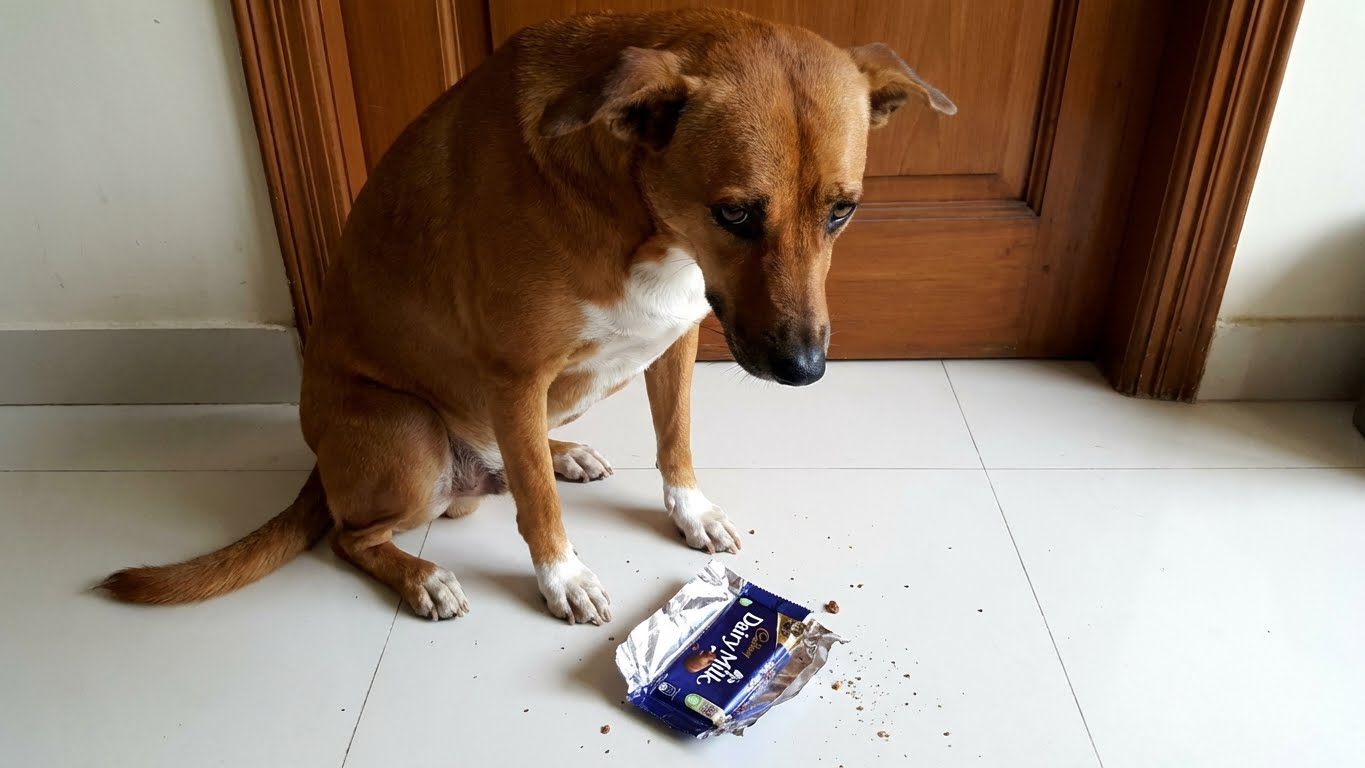
I walked into the kitchen after a long day at the clinic, expecting to be greeted by a wagging tail. Instead, I was greeted by the rustling sound of a wrapper and a guilty look. On the floor lay the shredded remains of a dark chocolate bar I had been saving for myself. My Golden Retriever, Bailey, sat there licking his lips, looking remarkably proud of his “hunt.”

My heart sank. Even as a veterinarian, that initial wave of panic hit me hard. How much did he eat? What kind was it? How long ago did this happen?

If you are reading this right now, your heart is probably racing just like mine was. You are likely staring at an empty candy wrapper and a very satisfied-looking pup, wondering if you need to rush to the emergency room.

Take a deep breath. You are in the right place.

While chocolate toxicity is serious, it is also treatable if caught early. In this comprehensive guide, we will move past the panic. I will walk you through exactly why dog ate chocolate scenarios happen, how to calculate the danger level, the symptom timeline you need to watch for, and the immediate steps you must take to keep your best friend safe.

The Quick Answer: What Should I Do Right Now?

If you just caught your dog in the act, do not wait for symptoms to appear. Time is of the essence.

🚨 Emergency Action Plan:

  1. Stop them: Remove any remaining chocolate from their reach immediately.

  2. Identify: Find the wrapper. Check the type (Dark, Milk, White) and the weight (how many grams/ounces?).

  3. Calculate: A 50lb dog eating one milk chocolate bar is usually fine. A 10lb dog eating dark chocolate is in critical danger.

  4. Call the Vet: If you suspect they ate a toxic amount, call your vet or the ASPCA Poison Control Center (888-426-4435) immediately.

  5. Do NOT induce vomiting unless a professional tells you to. Some dogs can aspirate vomit into their lungs.


The Science: Why Is Chocolate Toxic to Dogs?

To understand the urgency when a dog ate chocolate, we need to look at the chemistry. We humans love chocolate because it gives us a little boost of energy and happiness. That boost comes from a compound called Theobromine (and to a lesser extent, Caffeine).

Human bodies process theobromine quickly and easily. Dogs, however, do not.

When a dog ingests chocolate, the theobromine stays in their system for a very long time (up to 72 hours). It acts as a powerful stimulant, affecting their:

  • Central Nervous System (causing tremors and seizures).

  • Cardiovascular System (causing racing heart rates and arrhythmias).

  • Kidneys (causing excessive urination).

It’s Not Just About the Sugar

Many owners think the sugar is the problem. While sugar isn’t good for them, the real killer is the theobromine. This is why the type of chocolate matters more than the amount.


The Danger Scale: Not All Chocolate is Created Equal

Dog ate chocolate wrapper.

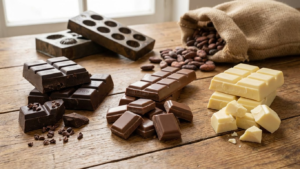
This is the most critical section of this guide. If you are panicking because your dog ate chocolate, you need to know what kind. The darker and more bitter the chocolate, the more dangerous it is.

1. White Chocolate (Low Risk)

  • Theobromine Content: Negligible.

  • The Verdict: If your dog ate white chocolate, they are unlikely to suffer from chocolate poisoning. However, the high fat and sugar content can still cause Pancreatitis (severe inflammation of the pancreas) or an upset stomach. Expect vomiting and diarrhea, but likely no seizures.

2. Milk Chocolate (Moderate Risk)

  • Theobromine Content: ~44-58 mg per ounce.

  • The Verdict: Dangerous for small dogs or in large quantities. A Great Dane eating one M&M is fine. A Chihuahua eating a whole Hershey’s bar is an emergency.

3. Dark / Semi-Sweet Chocolate (High Risk) ⚠️

  • Theobromine Content: ~150 mg per ounce.

  • The Verdict: This is serious. Even small amounts can cause toxicity in medium-sized dogs. If your dog ate chocolate labeled “Dark” or “50% Cocoa,” call the vet immediately.

4. Baking Chocolate / Cocoa Powder (Critical Emergency) ☠️

  • Theobromine Content: ~400 mg per ounce.

  • The Verdict: This is highly concentrated. A very small amount (just a few spoonfuls of cocoa powder) can be lethal to a dog. This is a “drive to the vet now” situation.


The Symptom Timeline: What to Watch For

If you didn’t catch your dog in the act, or if you are “waiting and seeing” (which I generally advise against for dark chocolate), you need to know the timeline. Symptoms don’t appear instantly; they progress as the toxin absorbs.

Stage 1: The First 0–2 Hours (Early Signs)

As the chocolate hits the stomach, the body tries to reject it.

  • Vomiting: Often smells like chocolate.

  • Diarrhea: May be loose or uncontrollable.

  • Hyperactivity: Your dog might seem “caffeinated.” Pacing, panting, and unable to settle.

  • Excessive Thirst: Drinking water bowl after water bowl.

Stage 2: 2–4 Hours (Cardiac Issues)

As the theobromine enters the bloodstream, it hits the heart.

  • Racing Heart Rate: You might feel their heart pounding through their chest.

  • Restlessness: Why is my dog ate chocolate symptom list including pacing? Because their heart feels like it’s exploding.

  • Muscle Tremors: Shaking or shivering (not from cold).

Stage 3: 12–24 Hours (Severe Toxicity)

If left untreated, the toxins attack the nervous system and kidneys.

  • Seizures: Full body convulsions.

  • Collapse: Inability to stand.

  • Coma: In severe cases, this can lead to heart failure.

Note: The half-life of theobromine is long. Symptoms can last for days, and the toxin can be re-absorbed from the bladder, which is why frequent potty breaks are essential.


5 Emergency Steps to Take Immediately

Dog ate chocolate wrapper

You’ve confirmed it: your dog ate chocolate, and it was a dangerous amount. Here is your step-by-step action plan.

Step 1: Secure the Dog and the Evidence

Remove the remaining chocolate immediately. Dogs will often keep eating even if they are already feeling sick. Put the rest in a high cupboard or a locked trash can.
Do not throw away the wrapper. You will need it to tell the vet the exact cocoa percentage.

Step 2: Perform the “Math”

Estimate how much they ate.

  • Did they eat the whole bar or just half?

  • Was it a 100g bar or a “Fun Size”?
    Be honest. It is better to overestimate than underestimate.

Step 3: Call the Professionals

Do not rely on Facebook groups for this. Call your veterinarian or an emergency animal hospital.
You can also use the ASPCA Poison Control Center. They charge a fee, but their toxicologists can tell you exactly if the dose was lethal based on your dog’s weight.

Step 4: Induce Vomiting (ONLY if Instructed)

Warning: Never do this without vet approval.
If the ingestion happened within the last hour, your vet might tell you to induce vomiting using 3% Hydrogen Peroxide.

  • The Dose: Usually 1 teaspoon per 5-10 lbs of body weight.

  • The Method: Squirt it into the back of their mouth with a syringe or turkey baster.

  • The Risk: If your dog is already lethargic or having tremors, inducing vomiting can cause them to inhale the vomit, leading to aspiration pneumonia. Never force a seizing dog to vomit.

Step 5: Head to the Vet

If the dose is high, home remedies aren’t enough. Your dog needs IV fluids and Activated Charcoal.


What Happens at the Vet? (Don’t Be Scared)

Many owners hesitate to go to the vet because they are afraid of the cost or the procedure. Let me demystify it for you so you know what to expect.

When you arrive with a dog ate chocolate case:

  1. Decontamination: If they haven’t vomited yet, the vet will give them an injection (like Apomorphine) which works instantly and is safer than hydrogen peroxide.

  2. Activated Charcoal: This is a black liquid that acts like a magnet. It binds to the toxins in the stomach and intestines, preventing them from entering the bloodstream. Your dog will drink this (or be fed via a tube).

  3. IV Fluids: This is crucial. Fluids flush the kidneys and help push the toxins out of the body faster through urine.

  4. Heart Monitoring: An ECG might be hooked up to watch for irregular heartbeats.

Most dogs who receive treatment within 2-4 hours make a full recovery and are back to their happy selves within a day.


Hidden Sources of Chocolate: It’s Not Just Candy Bars

We often think of candy bars, but chocolate lurks in places you might not expect. As a vet, I have seen toxicity cases from:

  • Protein Bars & Shakes: Often contain high amounts of cocoa powder.

  • Cocoa Mulch: Some gardening mulch is made from cocoa bean shells. It smells delicious to dogs but is incredibly toxic.

  • Baked Goods: Brownies and chocolate cake are double trouble (chocolate + high fat).

  • Espresso Beans: Chocolate-covered coffee beans are a “double whammy” of caffeine and theobromine.


Prevention: How to “Chocolate-Proof” Your Home

We can’t watch our dogs 24/7. Bailey ate my chocolate because I left it on the counter for just a minute. To prevent a future dog ate chocolate scare:

  1. The “Counter Surfing” Rule: Never leave food on low counters or coffee tables. Dogs are opportunists.

  2. Secure the Trash: Use a trash can with a locking lid or keep it in a cupboard.

  3. Teach “Leave It”: This is the most valuable command a dog can learn. It can literally save their life if they drop something toxic on the floor.
    (Check out our guide on [Puppy Training and Obedience] to master this command).

  4. Educate Guests: During holidays like Easter or Halloween, remind guests not to leave candy bags on the floor or sofas.


Frequently Asked Questions (FAQ)

Q: My dog ate one M&M. Will he die?
No. One M&M contains a tiny amount of chocolate. Unless your dog weighs 1 pound, they will be fine. Monitor for an upset stomach, but panic is unnecessary.

Q: Can I give my dog milk to help flush out the poison?
No. Milk does not neutralize chocolate. In fact, dairy can cause more diarrhea and vomiting, making dehydration worse. Stick to water.

Q: How long does it take for chocolate to leave a dog’s system?
Theobromine has a long half-life. It can take up to 72 hours (3 days) to completely leave their body. This is why symptoms can linger or reappear if the dog re-absorbs toxins from their bladder.

Q: Why can humans eat chocolate but dogs can’t?
It comes down to liver enzymes. Humans have enzymes that break down theobromine very fast. Dogs lack these specific enzymes, so the toxin builds up to dangerous levels instead of being digested.

Q: My dog ate chocolate yesterday and seems fine. Am I in the clear?
Not necessarily. While the acute danger phase (heart attack) might have passed, kidney damage can be silent. It is always worth a vet checkup for blood work just to be safe.


Final Thoughts: Don’t Beat Yourself Up

If you are reading this while sitting in the waiting room of an emergency vet, please stop blaming yourself.
Accidents happen. Dogs are fast, clever, and driven by their noses. I am a vet, and it happened to me with Bailey.

The important thing is that you are taking action. By understanding the risks when a dog ate chocolate and acting quickly, you are giving your pet the best chance of survival.

Most dogs bounce back quickly with the right care. So, take a deep breath, trust your vet, and maybe switch to vanilla cake for a while!

For more urgent safety tips, bookmark our [Safety Center] category to keep your furry family safe from household hazards.


Why Is My Old Dog Panting at Night? (The Complete Guide)

Why Is My Old Dog Panting at Night? (The Complete Guide)

It’s 3:00 AM. The rest of the world is asleep, but your house is awake. You hear the familiar, rhythmic click-click-click of nails on the floorboards. Then comes the sound of heavy, rapid breathing. Your senior dog is pacing, panting, and seemingly unable to find a comfortable spot to rest.

As a devoted dog owner, this is heartbreaking and exhausting to watch. You find yourself wondering: Is he in pain? Is he scared? Is he trying to tell me something is wrong?

If you notice your old dog panting and pacing at night, it is rarely “just bad behavior” or stubbornness. While panting is a normal mechanism for dogs to cool down after exercise, nighttime restlessness in senior dogs is often a specific, urgent cry for help.

In this comprehensive guide, we will dive deep into the 7 medical and behavioral reasons behind this distressing behavior. We will also provide you with actionable, vet-approved steps to help your furry friend (and you) finally get a good night’s sleep.

The Quick Answer: Why Is This Happening?

Before we explore the details, here is a summary. Old dog panting at night is usually caused by one (or a combination) of these factors:

  • Canine Cognitive Dysfunction (CCD): Often called “doggy dementia,” causing confusion that worsens at night.

  • Chronic Pain: Arthritis or joint inflammation that flares up when the body is still.

  • Sensory Decline: Loss of hearing or vision causing anxiety in the dark.

  • Medical Conditions: Cushing’s disease, heart disease, or respiratory issues.

  • Anxiety: Separation anxiety or noise phobias that develop with age.


1. Canine Cognitive Dysfunction (CCD): The “Sundowner Syndrome”

Old dog panting

Just like humans can suffer from Alzheimer’s disease, dogs can suffer from a condition known as Canine Cognitive Dysfunction (CCD). Studies show that a large percentage of dogs over the age of 11 experience some form of cognitive decline.

One of the classic signs of CCD is a disruption in the sleep-wake cycle. This is often referred to as “Sundowning.”

What Does CCD Look Like?

If your old dog panting behavior is caused by CCD, you might notice other symptoms during the day or night:

  • Disorientation: Getting “stuck” in corners or behind furniture.

  • Staring: Staring blankly at walls or into space.

  • Sleep Reversal: Sleeping soundly all day but waking up anxious and active at night.

  • Pacing: Walking in repetitive circles or wandering aimlessly from room to room.

Dogs with CCD often wake up in the dark and forget where they are or where you are. This confusion leads to panic, which manifests as heavy panting and pacing.

2. Arthritis and Joint Pain: The Silent Sleep Killer

Imagine trying to sleep on a thin, lumpy mattress while suffering from a bad back. That is exactly what your senior dog feels if they have osteoarthritis.

During the day, movement helps keep their joints lubricated. However, at night, when they lie still for long periods, their joints can stiffen and become achy. The temperature often drops at night as well, which can aggravate joint pain.

Signs Pain is The Cause

If you observe your old dog panting, getting up, circling, lying down, and getting up again within minutes, they are desperately trying to find a comfortable position but can’t. The panting is a physiological response to pain.
(You can read more about recognizing pain signs on the AKC Website – Link opens in new tab).

3. Cushing’s Disease and Metabolic Issues

Cushing’s disease (Hyperadrenocorticism) is prevalent in older dogs. It occurs when the adrenal glands overproduce cortisol, the body’s stress hormone.

Why Does it Cause Panting?

Cortisol puts the body in a constant state of “fight or flight,” leading to:

  • Excessive Panting: Even when the room is cool and the dog hasn’t exercised.

  • Increased Thirst: Drinking water constantly, especially at night.

  • Frequent Urination: Needing to go out multiple times a night.

  • Pot-bellied appearance: Muscle weakness in the abdomen.

If your dog is emptying the water bowl and panting heavily while resting, a vet visit for blood work is essential.

4. Anxiety, Noise Phobia, and Sensory Loss

As dogs enter their golden years, their senses begin to fade. Vision becomes blurry (due to nuclear sclerosis or cataracts), and hearing becomes dull.

This sensory decline can make the world a scary, unpredictable place.

  • Fear of the Dark: Shadows look different, and your dog may feel vulnerable without their full vision.

  • Noise Phobia: Older dogs often develop new fears of sounds like wind, thunder, or even the hum of a refrigerator.

Your old dog panting might be a sign of a panic attack. They pace because they are looking for you—their safe person—for reassurance.


5 Natural Ways to Help Your Senior Dog Sleep

Now that we understand the “Why,” let’s look at the “How.” Here are non-medical, home remedies you can try tonight to soothe your pet.

1. Upgrade Their Bed (Crucial Step)

If your dog is sleeping on a standard fiber-filled bed or the floor, you need to upgrade immediately. Look for a high-quality Orthopedic Memory Foam Bed.
Unlike regular beds, memory foam conforms to the dog’s body, supporting the spine and hips and eliminating pressure points. This alone can solve old dog panting caused by arthritis.

2. The “Last Call” Routine

Older dogs have weaker bladders. Establish a strict routine:

  • Take them out for a bathroom break right before you sleep.

  • Limit water intake 1-2 hours before bed (unless they have kidney issues or Cushing’s—ask your vet first).

3. Light and Sound Therapy

  • Nightlights: Place small nightlights near their bed and water bowl. Navigating in total darkness can be terrifying for a dog with poor vision.

  • White Noise: A fan or a white noise machine can help drown out scary night sounds that might trigger anxiety.

4. Calming Supplements and Scents

  • Pheromones: Products like ADAPTIL diffusers release calming pheromones that mimic a mother dog, helping to soothe anxiety.

  • Natural Chews: Calming treats containing Chamomile, Valerian Root, or Hemp Oil can help relax a nervous dog before bed.

5. Mental Stimulation

A tired dog is a sleepy dog. However, senior dogs can’t run marathons. Instead, use mental stimulation. Give them a “lick mat” or a puzzle toy in the evening. This mental work tires the brain and releases endorphins, promoting better sleep.


When to See a Vet: Diagnosis and Medication

If home remedies don’t stop the old dog panting and pacing, it is time for medical intervention. Do not let your dog suffer in silence.

When you go to the vet, they may suggest:

  1. Blood Work: To check for kidney function, liver enzymes, and Cushing’s disease.

  2. Pain Management: Prescription NSAIDs (like Carprofen or Galliprant) or Gabapentin can be life-changing for arthritic dogs.

  3. CCD Medication: Drugs like Selegiline (Anipryl) can help improve cognitive function in dogs with dementia.

  4. Anti-Anxiety Meds: In severe cases, medications to help them sleep through the night.


Frequently Asked Questions (FAQ)

Q: Should I ignore my dog if he paces at night?
No, never ignore it. Pacing and old dog panting are signs of distress, not bad behavior. Ignoring them increases their anxiety. Check if they need to go potty, offer a sip of water, or gently guide them back to their bed with a soothing voice.

Q: Can I give my dog Benadryl for pacing?
Benadryl (Diphenhydramine) is sometimes used as a mild sedative, but it is not effective for pain or severe anxiety. In some dogs, it can even cause the opposite effect (hyperactivity). Always consult your vet for the correct dosage before giving human medication.

Q: Why is my dog panting but his nose is dry?
A dry nose doesn’t always mean a fever, but heavy panting combined with a dry nose could indicate dehydration or fever. Check their gums; if they are pale, sticky, or blue, it is an emergency.

Final Thoughts

Watching your dog grow old is a privilege, but it comes with emotional challenges. Seeing your old dog panting at night can be stressful and interrupt your sleep, but remember: they are not doing it to annoy you. They are confused or in pain.

With the right orthopedic bed, a visit to the vet for pain management, and a lot of patience, you can help your best friend enjoy their golden years in comfort.

For more tips on keeping your aging pet healthy, don’t forget to check our full [Dog Health and Care] section.