The “Pet Love” Scam: 10 Brutal Truths Why Your Dog and Cat Are Just Manipulating Your Brain

The “Pet Love” Scam: 10 Brutal Truths Why Your Dog and Cat Are Just Manipulating Your Brain

We spend billions on them every year. We call them our “babies” and “soulmates.” We let them sleep in our beds and even buy them organic meals while we eat instant noodles. But what if I told you that the “love” you feel from your pet is the greatest biological scam in history?

As a behaviorist who has worked with thousands of animals, I’m tired of the sugar-coated fairy tales. Science is finally uncovering the dark, chilling reality behind those wagging tails and soft purrs. Your pet isn’t your “best friend”—they are a highly evolved opportunist designed to exploit your emotions for survival. Prepare to be offended, because the truth is rarely cute.

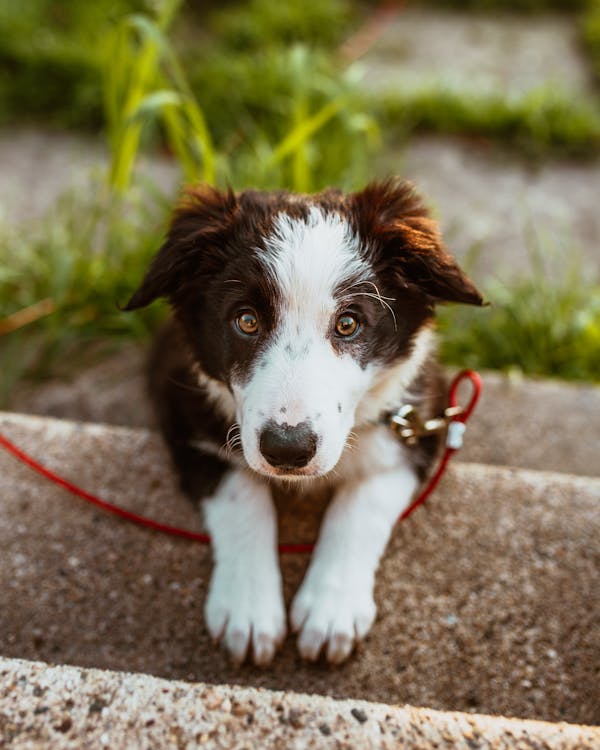
Shocking dog expression

1. The “Stockholm Syndrome” of Man’s Best Friend

You think your dog is loyal? Think again. Evolutionary biology suggests that dogs are essentially “professional beggars” who have mastered the art of submissiveness to ensure a steady food supply. They don’t love *you*; they love the fact that you are a walking vending machine.

In the wild, wolves cooperate for the pack’s survival. In your living room, your dog has traded that dignity for a life of easy meals. If you’ve ever had to settle a dog’s upset stomach after they scavenged through your trash, you weren’t “parenting”—you were being exploited by a scavenger who knows exactly how to make you feel needed.

2. Toxoplasmosis: Is a Brain Parasite Forcing You to Love Your Cat?

This is the “dark secret” of the cat world. Cats carry Toxoplasma gondii, a parasite that literally rewires the brains of mammals to make them lose their fear of predators. In humans, it has been linked to personality changes and an unnatural obsession with felines.

“You don’t love your cat because they are ‘soulful’; you love them because a parasite might be controlling your neural pathways to ensure the cat’s survival.”

Could your intense affection for your cat be a form of biological mind control? Check out the terrifying debate on our Facebook page to see if you have the symptoms!

Predatory cat eye close up

Can Dogs Eat Watermelon Rind? Digestion Risks & Safety Guide

Can Dogs Eat Watermelon Rind? Digestion Risks & Safety Guide

It is a hot, sticky summer afternoon. You are sitting in the backyard, trying to cool off with a slice of cold, juicy watermelon. Your dog is panting at your feet, watching the red juice drip down your chin, looking at you with pure longing.

You finish the red part, and you are left with the hard, green and white curved rind. You think about tossing it to your dog as a chew toy. It’s tough, crunchy, and smells like fruit. It seems perfect, right?

You pause. You know the fruit is safe, but is the skin? Can dogs eat watermelon rind?

As a canine nutritionist, I love watermelon for dogs. It is one of the best hydrating treats nature provides. However, the watermelon rind is a completely different story. It is the “Jekyll and Hyde” of fruits: the inside is a superfood, but the outside is a potential medical emergency waiting to happen.

In this refreshing yet cautionary guide, we will slice through the confusion. We will explain why a dog’s stomach can’t handle the rind, the difference between the white part and the green skin, and how to turn the red flesh into the ultimate “Pupsicle” for hot days.

🍉 The Quick Verdict: Flesh vs. Rind

Can dogs eat watermelon rind? NO.

Here is the safety breakdown:

  • The Red Flesh:EXCELLENT. Hydrating, low calorie, full of vitamins.
  • The Seeds (Black):AVOID. Intestinal blockage risk for small dogs.
  • The Rind (Green/White):DANGEROUS. Indigestible, choking hazard, and blockage risk.

The Anatomy of a Stomach Ache: Why Rinds Are Bad

When asking “can dogs eat watermelon rind,” we have to look at texture and density.

The rind is tough. It is designed by nature to protect the fruit from dropping on the ground or being eaten by bugs. It is made of dense, fibrous cellulose.

1. Indigestible Fiber

Unlike cows, dogs do not have the digestive enzymes or the stomach design to break down tough plant cellulose.

If your dog eats a chunk of watermelon rind, it doesn’t dissolve in the stomach acid like a piece of meat or bread would. It stays solid. It passes into the intestines largely intact.

The Result: Severe gastrointestinal upset. Expect vomiting, diarrhea, and painful gas as the body struggles to move this “rock” through the system.

2. The Blockage Risk (Obstruction)

This is the scary part. Because the rind doesn’t break down, a large piece can get stuck.

If a small dog (like a Pug or Frenchie) swallows a curved piece of rind, it can lodge in the narrow part of the small intestine. This creates a Gastrointestinal Obstruction.

Symptoms of Blockage:

– Vomiting continuously (liquid or food).

– Straining to poop.

– Lethargy and refusal to eat.

(A blockage requires emergency surgery to remove the object).

3. The Choking Hazard

The rind is hard and slippery. If your dog gets excited and tries to swallow it whole without chewing (which many Labs do), it can get lodged in the esophagus or trachea, cutting off their air.

Dog wanting a bite of watermelon slice


The Green Skin: Pesticides and Wax

Even if your dog had a stomach of steel, the outer green skin carries invisible dangers.

Conventionally grown watermelons are often sprayed with pesticides and herbicides to keep bugs away in the field. After harvest, they are often coated in a food-grade wax to make them shiny and preserve freshness during shipping.

While these are deemed “safe” for humans (because we don’t eat the skin), feeding the skin directly to a 10-pound dog exposes them to a concentrated dose of chemicals that their liver has to filter out.


What About the White Part?

Between the sweet red flesh and the hard green skin lies a layer of firm, white rind.

Can dogs eat the white part of watermelon rind?

Technically, it is softer than the green skin, but it is still very tough. It has very little flavor and almost no nutritional value compared to the red flesh. While a small bite of the white part probably won’t hurt a large dog, it is still a risk for digestive upset. It simply isn’t worth feeding.


My Dog Ate Watermelon Rind: What Do I Do?

You turned your back at the picnic, and the rind is gone. Don’t panic yet. Follow this protocol.

Scenario A: They chewed it up

If you heard crunching and know they broke it into small pieces, they will likely be fine.

Action: Monitor their poop. They might have loose stool tomorrow. Ensure they drink water.

Scenario B: They swallowed a huge chunk

This is riskier.

Action: Watch for vomiting. If they vomit up the rind, great! If they try to vomit but can’t, or if they seem hunched in pain, go to the vet. Do not induce vomiting yourself unless instructed, as the hard rind can scratch the throat coming back up.


The Good News: Watermelon Flesh is Amazing!

Now that we’ve scared you away from the rind, let’s talk about the red part. Watermelon flesh is one of the best summer treats for dogs.

1. Hydration Hero

Watermelon is 92% water. On a hot day, it counts as “eating your water.” It helps prevent heatstroke and keeps kidneys flushed.

2. Lycopene and Vitamins

It is loaded with Vitamin A, B6, and C. The red color comes from Lycopene, a powerful antioxidant that supports eye health and fights free radicals.

3. Low Sugar (Surprisingly)

Despite tasting sweet, watermelon is relatively low in sugar compared to bananas or apples because it is mostly water. It is a safe treat for overweight dogs in moderation.

Healthy watermelon flesh cubes for dogs


Safe Serving Suggestions (Summer Recipes)

Want to be the coolest owner at the dog park? Try these rind-free recipes.

1. Watermelon Pupsicles

1. Blend seedless watermelon chunks into a liquid (puree).

2. Pour into silicone ice cube trays or bone-shaped molds.

3. Freeze.

4. Serve on a hot patio. It keeps them busy and cool!

2. The “Mocktail” Bowl

Floating watermelon cubes in your dog’s water bowl encourages them to drink more water while bobbing for treats.

3. Frozen “Fries”

Cut the red flesh into the shape of French fries. Freeze them on a tray. The frozen texture is soothing for teething puppies.


Frequently Asked Questions (FAQ)

Q: Can dogs eat the black seeds?
A: Avoid them. While not toxic like apple seeds (no cyanide), a pile of black seeds can cause an intestinal blockage in small dogs. Buy seedless watermelon or pick them out.

Q: Can dogs eat pickled watermelon rind?
A: NO. Pickles are soaked in vinegar, salt, and spices. The high sodium content is dangerous, and spices like garlic or onion are toxic. Never feed pickled foods.

Q: Is yellow watermelon safe?
A: Yes! Yellow watermelon is just a different variety. It is safe (flesh only) and has the same hydration benefits.

Q: My dog has diarrhea after eating the fruit. Why?
A: Too much of a good thing. The high water and fiber content can act as a natural laxative if they eat too much. Limit treats to a few cubes.

Final Thoughts

So, can dogs eat watermelon rind? No. It belongs in the compost bin, not the food bowl.

The risk of choking and blockage simply isn’t worth it for a tasteless piece of skin. However, the red flesh inside is a fantastic, hydrating superfood. So go ahead and share your summer snack—just be sure to cut off the green crust first.

For more summer safety tips, check out our guide on Dog Nutrition to keep your pup cool and healthy.

Can Dogs Eat Popcorn? Butter Risks & Microwave Dangers

Can Dogs Eat Popcorn

The lights are dimmed. The movie is queued up on the TV. You are settled under a blanket with a giant, steaming bowl of buttery popcorn. It is the perfect Friday night.

But you are not alone. There is a wet nose nudging your elbow. You look down to see your dog staring at the popcorn bowl with an intensity usually reserved for squirrels. Every time you toss a kernel into your mouth, their eyes track it. Every time you drop a piece, they scramble to find it.

It seems like such a harmless, light snack. It’s essentially just corn and air, right? But then you look at your greasy fingers covered in butter and salt, and you hesitate.

You ask yourself: Can dogs eat popcorn?

As a canine nutrition specialist, the answer I give is: “It depends on how you cooked it.”

Popcorn itself is not toxic. In fact, it is a whole grain. However, the “delivery system”—the butter, the salt, the caramel, and even the bag it came in—can turn this healthy grain into a digestive nightmare for your dog.

In this blockbuster guide, we will break down the do’s and don’ts of sharing your movie snack. We will explore the hidden chemical dangers in microwave bags, why “Old Maids” (unpopped kernels) break teeth, and how to make a dog-safe version so they don’t feel left out of family movie night.

🍿 The Quick Verdict: Plain vs. Loaded

Can dogs eat popcorn? Yes, BUT…

  • ✅ Air-Popped (Plain): SAFE. Low calorie, decent fiber.
  • ❌ Buttered/Salted: BAD. Causes thirst, dehydration, and pancreatitis.
  • ❌ Kettle Corn (Sweet): BAD. Sugar causes obesity; artificial sweeteners can be deadly.
  • ❌ Unpopped Kernels: DANGEROUS. Choking hazard and tooth fracture risk.

The Good News: Nutritional Benefits of Plain Popcorn

Let’s start with the positives. If you strip away all the toppings, popcorn is just puffed corn. When asking “can dogs eat popcorn,” we are looking at the grain itself.

1. Minerals and Vitamins

Corn contains small amounts of minerals like Magnesium, Manganese, and Zinc. It also has trace amounts of B vitamins. While it isn’t a “superfood” like blueberries or kale, it isn’t “empty” either.

2. Dietary Fiber

Popcorn is high in fiber. Fiber helps keep a dog’s digestive tract moving. For a dog that is always hungry, the volume of popcorn can help them feel full without adding a ton of fat.

3. Low Calorie (If Plain)

Plain, air-popped corn has about 30 calories per cup. This makes it a great training treat for dogs who need to watch their weight, provided you don’t overdo it.

Dog wanting popcorn snack


The Toppings: Why Movie Theater Popcorn is Dangerous

Here is the problem: Nobody eats plain popcorn. We smother it in delicious things. These toppings are what send dogs to the vet.

1. Butter and Oil (Pancreatitis)

Movie theater popcorn is soaked in artificial butter flavor and oil. Even microwave popcorn is loaded with saturated fats.

A sudden intake of high fat can trigger Pancreatitis in dogs. This is an agonising inflammation of the pancreas.

Symptoms: Vomiting, diarrhea, hunched back, and lethargy. It often requires hospitalization.

2. Salt (Sodium Ion Poisoning)

One bag of popcorn can contain over 600mg of sodium. A small dog (like a Shih Tzu) can suffer from salt toxicity from just a fraction of that.

Excessive salt causes:

– Extreme thirst and urination.

– Vomiting and diarrhea.

– Tremors, seizures, and brain swelling (in severe cases).

3. Sweeteners (Xylitol Alert)

If you are eating “Low Calorie” or “Skinny” kettle corn, check the label. Does it use Xylitol (Birch Sugar) to make it sweet?

Xylitol is lethal to dogs. Even a few pieces of Xylitol-sweetened popcorn can cause a rapid drop in blood sugar (hypoglycemia) and liver failure within 30 minutes. NEVER share sweet popcorn unless you are 100% sure it contains real sugar (which is bad for obesity, but not toxic).


The Mechanical Risks: Kernels and Husks

It’s not just the chemistry; it’s the physics.

The “Old Maid” (Unpopped Kernel)

At the bottom of every bowl lies the unpopped kernels.

The Risk: These are hard as rocks. If a dog bites down on one, it can easily fracture a tooth (slab fracture). This exposes the nerve and requires expensive dental surgery.

They are also a major choking hazard. They are the perfect size to get stuck in the airway of a small dog.

The Husks (Getting Stuck)

You know that feeling when a piece of popcorn hull gets stuck between your teeth or in your gum? It hurts!

Dogs can’t floss. A hull stuck in their gum can cause irritation, inflammation, and even a gum abscess if left for days. If you feed popcorn, check their teeth afterward.


The Hidden Chemical Danger: Microwave Bags

This is a lesser-known fact. The lining of microwave popcorn bags is often coated with chemicals called PFAS (Per- and Polyfluoroalkyl Substances) to prevent the oil from soaking through the paper.

These chemicals have been linked to health issues in humans and animals. While eating one piece won’t hurt, letting your dog lick the inside of the empty greasy bag (which they love to do) exposes them to these chemicals directly. Always throw the bag away immediately.

Can Dogs Eat Popcorn


How to Make “Doggy Popcorn” (Safe Recipe)

If you want to share the experience, make a separate batch for them.

1. The Air Popper Method

This is the gold standard. Use an electric hot air popper. It uses zero oil. The result is pure, fluffy, safe corn.

2. The Stove Top Method

Use a pot with a lid. Use a tiny amount of dog-safe oil (like Coconut Oil) instead of butter. Keep the heat medium-high and shake the pot constantly.

3. Dog-Safe Toppings

Plain popcorn is boring? Spice it up with safe flavors:

Nutritional Yeast: Adds a cheesy flavor and B vitamins.

Turmeric: Anti-inflammatory (just a sprinkle).

Cinnamon: Safe in small amounts (no sugar).

Grated Parmesan: A tiny dusting is usually okay (low lactose).


Frequently Asked Questions (FAQ)

Q: Can dogs eat white cheddar popcorn (Smartfood)?
A: No. While delicious, that white dust is processed cheese powder, salt, buttermilk, and often garlic/onion powder. It is too salty and rich for dogs. It causes diarrhea.

Q: Can dogs eat caramel corn?
A: No. Caramel is pure sugar and butter. It sticks to their teeth (promoting decay) and the massive sugar spike is bad for their system. Plus, the hard caramel coating can be sharp.

Q: Can puppies eat popcorn?
A: It is risky. Puppies have very narrow throats. Popcorn is a choking hazard. It is better to stick to soft treats or puppy kibble until they are older and bigger.

Q: My dog ate a whole bag of microwave popcorn. Help!
A: Watch for two things:

1. Bloat/Discomfort: The gas from the popcorn and the salt can cause bloating. Make sure they have water.

2. Vomiting/Diarrhea: The butter will likely cause a mess tomorrow.

If they seem lethargic, or their stomach is hard and distended, go to the vet immediately.

Final Thoughts

So, can dogs eat popcorn? Yes, if you are a “Popcorn Purist.”

Plain, air-popped, fully popped corn is a crunchy, safe treat. But the moment you add the things that make it taste good to humans—butter, salt, caramel—it becomes a health hazard for dogs.

Next movie night, toss them a few plain pieces from the top of the bowl before you add the butter. They get the crunch, you get the flavor, and everyone stays happy (and out of the vet clinic).

For more advice on human snacks, verify your pantry with our comprehensive Dog Nutrition guides.

Can Dogs Eat Raw Potatoes? Solanine Toxicity & Green Skin Dangers

can dogs eat raw potatoes

You are peeling potatoes for Sunday dinner. The skins are piling up on the counter, and a few round, raw chunks roll off the cutting board and hit the floor.

Your dog, who has been hovering like a vacuum cleaner, snaps them up before you can say “Leave it!” You hear the loud crunch, crunch, crunch of them chewing the hard, starchy vegetable.

It’s just a potato, right? It’s a staple food. Humans eat them every day. But then a memory triggers in the back of your mind about “Nightshades” and toxins. You start to worry.

You ask yourself: Can dogs eat raw potatoes?

As a veterinary nutrition expert, I need you to take this seriously. While a cooked potato is a harmless fluffy treat, a raw potato is a completely different chemical entity. It belongs to the Nightshade family of plants (Solanaceae), which means in its raw state, it defends itself with a toxic compound that can attack your dog’s nervous system.

In this comprehensive toxicology guide, we will dig deep into the science of Solanine. We will explain why green skin is especially dangerous, the difference between white potatoes and sweet potatoes, and what to do if your dog just swallowed a whole raw spud.

🥔 The Quick Verdict: Raw vs. Cooked

Can dogs eat raw potatoes? NO.

  • ❌ Raw Potatoes: TOXIC. Contain Solanine (neurotoxin). Hard to digest.
  • ❌ Green Potatoes: DANGEROUS. Highest concentration of toxins.
  • ✅ Cooked Potatoes: SAFE. Baking or boiling destroys most of the toxin.
  • ✅ Sweet Potatoes: SAFE. Actually a different plant family!

The Hidden Danger: Understanding Solanine

To understand why the answer to “can dogs eat raw potatoes” is a hard “No,” we have to look at chemistry.

Potatoes produce a glycoalkaloid poison called Solanine. This is the plant’s natural pesticide. It produces it to stop bugs and animals from eating it while it grows.

Where is it found?

Solanine is found in the entire potato plant, but it is most concentrated in:

1. The Green Skin (sunburned spots).

2. The “Eyes” or sprouts.

3. The raw white flesh (in lower amounts).

What Does Solanine Do to Dogs?

Solanine inhibits a chemical in the body called cholinesterase. Without getting too bogged down in neurology, this means it messes with the transmission of nerve signals.

In mild cases, it irritates the gut. In severe cases (eating a lot of green skins), it causes neurological shutdown.

Symptoms of Potato Poisoning

If your dog ate a bag of raw potatoes or potato skins from the trash, watch for:

  • Gastrointestinal: Severe vomiting, diarrhea, drooling.
  • Neurological: Confusion, weakness, tremors, or seizures.
  • Cardiac: Slow heart rate or difficulty breathing.

(If you see these signs, call the Pet Poison Helpline immediately).


The Green Potato Warning

Have you ever seen a potato that looks green under the skin? This happens when the potato is exposed to sunlight. The green color is chlorophyll (harmless), but it indicates that the potato has been “woken up” and is actively producing high levels of Solanine.

Never, ever let a dog eat a green potato, raw OR cooked. Even cooking doesn’t fully remove the toxin from green parts. Throw them away.

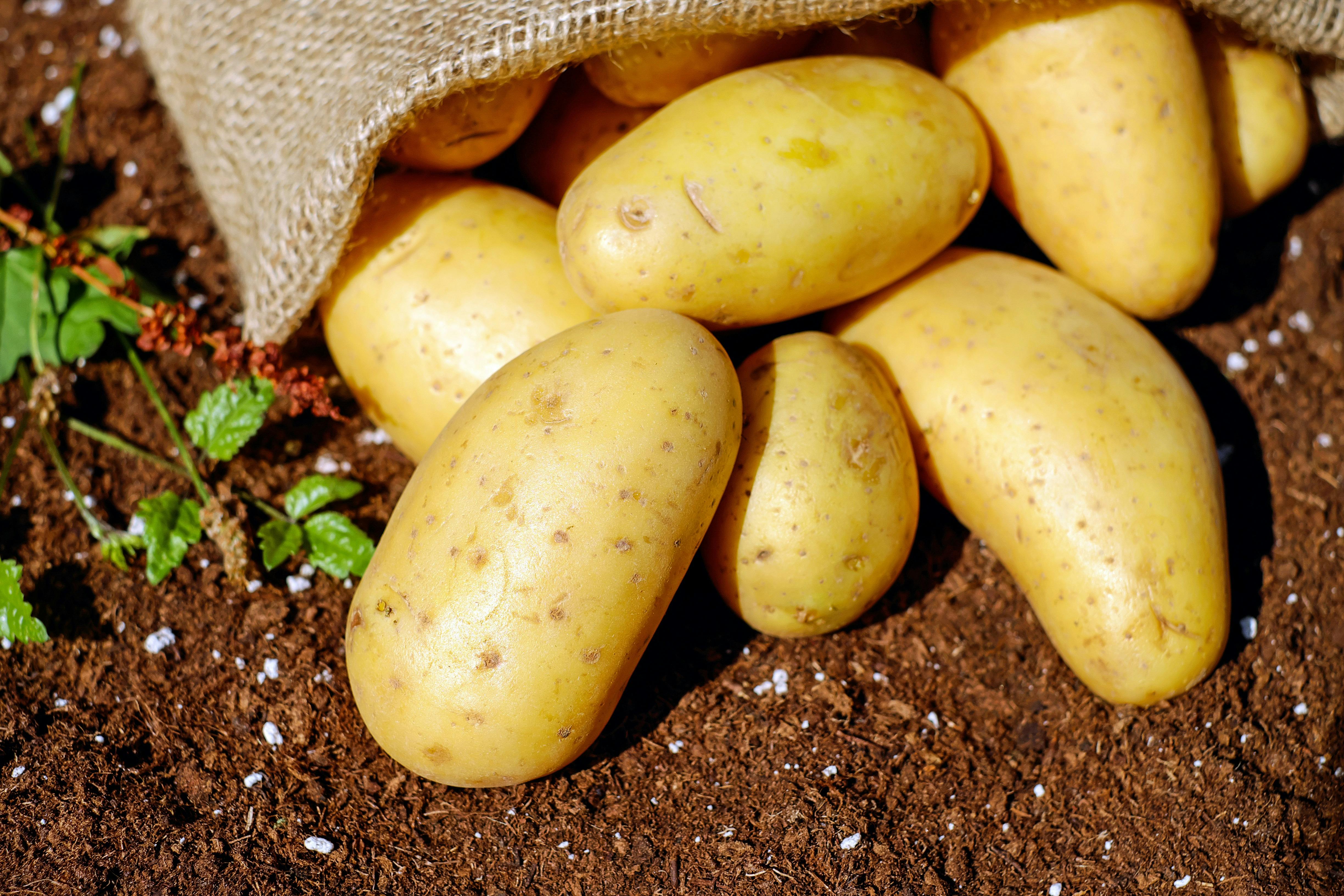
Raw potatoes with skins are dangerous for dogs


Cooked Potatoes: The Transformation

So, if raw is bad, why is “Potato” listed as an ingredient in dog food?

Heat changes everything.

When you bake, boil, or steam a white potato, two things happen:

  1. Solanine Reduction: The heat breaks down a significant amount of the solanine (especially if peeled).
  2. Starch Gelatinization: Raw potato starch is almost impossible for a dog to digest. It passes through unchanged or causes massive gas. Cooking breaks the starch down into digestible energy.

How to Serve Safely:

Peel it: Remove the skin where toxins concentrate.

Cook it plain: Boil or bake.

Mash it: Mash it up without butter, milk, or salt.


Sweet Potatoes vs. White Potatoes

This is a common point of confusion.

“Can dogs eat raw sweet potatoes?”

Technically, sweet potatoes are NOT nightshades. They are in the Morning Glory family. They do not contain Solanine. Therefore, a raw sweet potato is not “toxic” in the chemical sense.

HOWEVER, raw sweet potatoes are incredibly hard and fibrous. Eating one can cause:

– Choking.

– Intestinal Blockage.

– Severe stomach ache.

Verdict: Always cook sweet potatoes too, but they are generally the healthier, vitamin-packed choice for dogs compared to white potatoes.


The French Fry Factor

We can’t talk about potatoes without talking about their most popular form: The Fry.

Can dogs eat French Fries?

Technically, yes, they are cooked. The solanine is gone. But they are replaced by new dangers:

  1. Fat: Deep frying soaks the potato in oil. This causes Pancreatitis.
  2. Salt: Fries are loaded with sodium.
  3. Ketchup: Often contains onion powder or high fructose corn syrup.

One fry won’t kill your dog, but sharing your McDonald’s meal is a bad habit that leads to obesity and health issues.

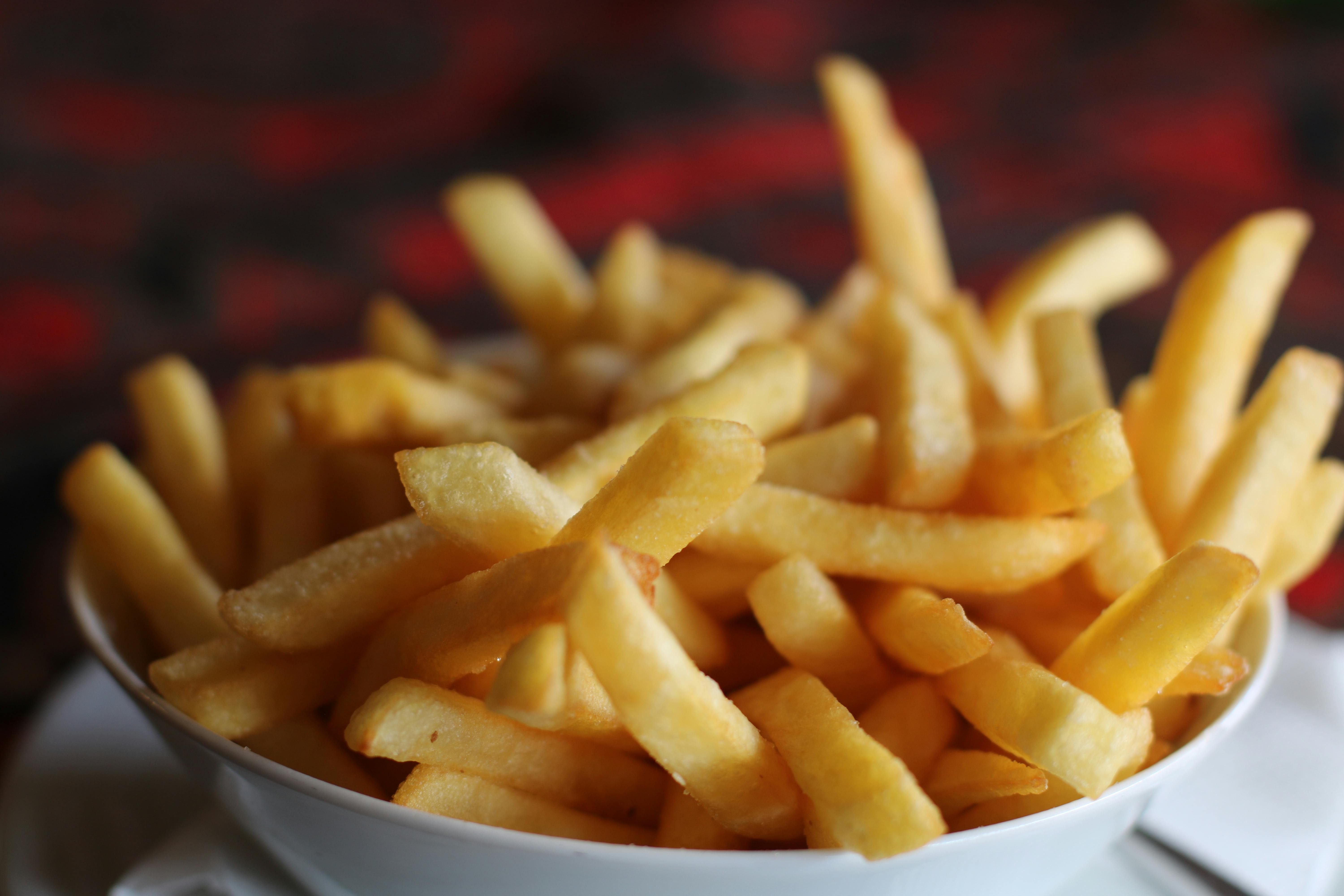
Dog eating french fries unhealthy habit


My Dog Ate a Raw Potato: The Action Plan

Accidents happen. You dropped it, they ate it. What now?

Scenario A: One small slice of white potato

Status: Likely Fine.

Action: Monitor. They might vomit or have loose stool because of the indigestible starch, but solanine poisoning is unlikely from one slice.

Scenario B: A whole raw potato

Status: Caution.

Action: The risk here is blockage (did they swallow it whole?) and toxicity. Call your vet. They might ask you to induce vomiting if it was recent to get the toxin out.

Scenario C: Potato Skins / Green Potatoes

Status: Warning.

Action: This is where the toxin lives. Watch closely for neurological signs (stumbling, dilated pupils). If you see any odd behavior, go to the ER.


Frequently Asked Questions (FAQ)

Q: Can dogs eat potato chips?
A: No. They aren’t toxic, but they are junk food. High salt, processed oil, and onion/garlic powder flavorings make them unsafe. One chip is fine; a bag is dangerous.

Q: Can dogs eat mashed potatoes?
A: Only if you make them separately. The mashed potatoes on your dinner table usually contain milk, butter, salt, and garlic. These ingredients cause diarrhea. Plain mashed potato is safe.

Q: Are purple or red potatoes safe?
A: They follow the same rules as white potatoes (Russets/Yukon Gold). They are Nightshades. They must be cooked and peeled to be safe.

Q: Is potato starch in dog food bad?
A: No. Potato starch in kibble is highly processed and cooked. It is a safe carbohydrate source used in many “Grain-Free” diets.

Final Thoughts

So, can dogs eat raw potatoes? No. It is a risk you do not need to take.

While the humble potato is a versatile and delicious food for humans, in its raw state, it is a defensive plant protecting itself with toxins. If you want to share a spud with your bud, bake it, boil it, or mash it—and leave the butter in the fridge.

For more advice on safe veggies, check out our guide on Broccoli Safety in our extensive Nutrition library.

Can Dogs Eat Pickles? Why Sodium & Garlic Make Them Risky

Can Dogs Eat Pickles

You are enjoying a juicy cheeseburger on a Saturday afternoon. You take a bite, and a slippery slice of dill pickle falls out of the bun and lands on the floor.

Before you can even blink, your dog has snatched it up. Gulp. Gone.

You probably don’t panic immediately. After all, isn’t a pickle just a cucumber? And aren’t cucumbers healthy vegetables? It seems harmless enough.

But then you start thinking about the salt. You remember the strong smell of garlic in the jar. You wonder if vinegar is safe for a dog’s stomach.

You grab your phone and search: Can dogs eat pickles?

As a veterinary nutritionist, I classify pickles as a “Deceptive Food.” While the core ingredient (cucumber) is safe, the process it undergoes changes its chemical makeup entirely. A pickle is no longer a vegetable; it is a sodium sponge often soaked in ingredients that are toxic to dogs.

In this comprehensive safety guide, we will look at the science of pickling. We will explain why “Sodium Ion Poisoning” is a real threat, the hidden danger of garlic spices, and why you should stick to the raw crunch of a fresh cucumber instead.

🥒 The Quick Verdict: Cucumber vs. Pickle

Can dogs eat pickles? NO.

Here is the critical distinction:

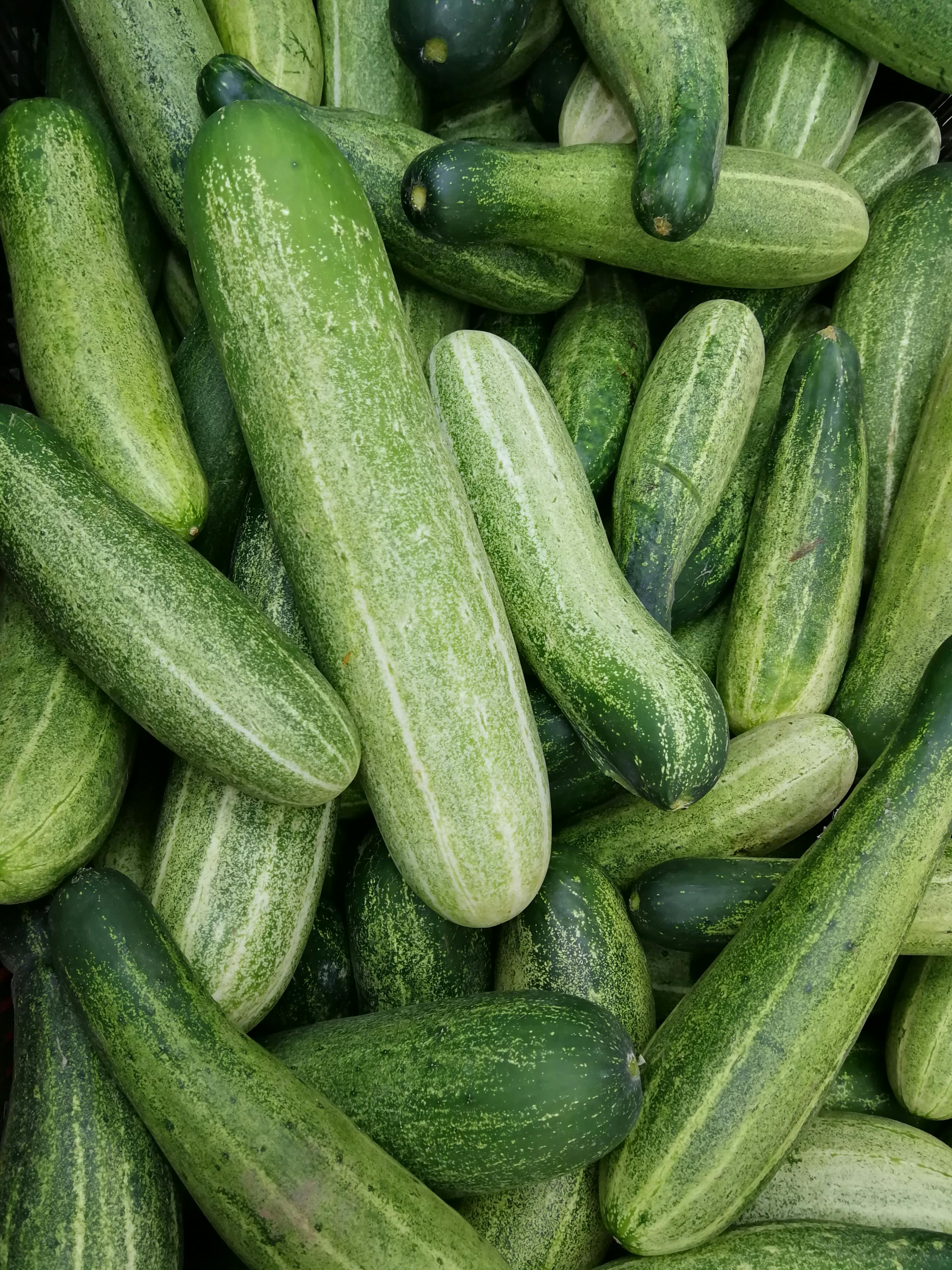
  • ✅ Raw Cucumber: SAFE. Hydrating, low calorie, crunchy.
  • ❌ Pickles (Dill/Kosher): DANGEROUS. Extremely high sodium.
  • ❌ Bread & Butter (Sweet): DANGEROUS. High sugar + High sodium.
  • ❌ Spicy Pickles: TOXIC. Often contain garlic, onion, and chili.

The Sodium Problem: Why Salt Kills

When asking “can dogs eat pickles,” the biggest factor is salt. Pickling is literally the process of preserving food in brine (salt water).

A single medium-sized pickle can contain over 800mg of sodium. To put that in perspective, a medium-sized dog (30 lbs) only needs about 100mg of sodium for their entire day.

Sodium Ion Poisoning (Hypernatremia)

If a dog eats a large amount of pickles (or drinks the juice), the salt levels in their blood spike rapidly. This draws water out of their cells, including brain cells.

Symptoms of Salt Toxicity:

  • Extreme Thirst: Drinking the water bowl dry instantly.
  • Vomiting and Diarrhea: The body trying to purge the salt.
  • Tremors and Seizures: Due to brain swelling.
  • High Fever.

While one slice won’t cause death, it puts immense strain on the kidneys, especially in senior dogs with heart issues.


The Hidden Toxin: Garlic and Onions

Look at the ingredient label on your jar of Kosher Dill Pickles. You will almost certainly see: “Dehydrated Garlic,” “Onion Flakes,” or “Natural Spices.”

This is the deal-breaker.

Garlic and Onions are toxic to dogs. They belong to the Allium family. They contain compounds called disulfides and thiosulphates.

What do they do?

These toxins cause “Oxidative Damage” to your dog’s red blood cells. Essentially, they cause the red blood cells to burst. This leads to a condition called Hemolytic Anemia.

Symptoms (often delayed by days):

– Pale gums.

– Weakness/Lethargy.

– Rapid breathing.

– Red or dark urine.

Because the spices float in the brine, the pickle absorbs them completely. You cannot just “wash off” the garlic.

Jar of pickles with garlic and spices dangerous for dogs


Vinegar and Digestion

The third component of a pickle is Vinegar (Acetic Acid).

Is vinegar toxic to dogs? No.

However, it is very harsh on a canine stomach. Dogs have a different stomach pH than humans. A sudden influx of acidic vinegar usually leads to immediate gastrointestinal upset (vomiting and diarrhea) even if the salt doesn’t get them.

For dogs with sensitive stomachs or a history of acid reflux, a pickle is a guaranteed ticket to a sick day.


My Dog Ate a Pickle: Triage Plan

Okay, the burger slipped, and the pickle is gone. Do you need to rush to the ER?

Scenario A: One small slice (from a burger)

Status: Likely Fine.

Action: Don’t panic. The amount of garlic/onion in one slice is negligible. The salt might make them thirsty. Fill their water bowl and monitor for vomiting. They will likely be okay.

Scenario B: A whole whole pickle

Status: Watch Closely.

Action: If it was a garlic pickle, call your vet. If it was just a plain dill pickle, expect diarrhea. Ensure they drink plenty of water to help the kidneys flush the salt.

Scenario C: The Whole Jar (or drank the juice)

Status: EMERGENCY.

Action: This is a salt toxicity crisis. Drive to the Vet. They need IV fluids to slowly lower their sodium levels and prevent brain damage.


The Safe Alternative: Fresh Cucumbers

If your dog loves the crunch, why not give them the healthy version?

Cucumbers are fantastic treats.

  • Low Calorie: Great for weight loss.
  • High Water: Hydrating.
  • Crunchy: Satisfying to chew.

How to Serve:

– Wash the cucumber.

– Peel it (optional, but skin can be bitter).

– Slice into rounds.

– Offer as a training treat. Your dog will love it just as much as the pickle, without the kidney stress!

Fresh cucumber slices are safe for dogs


Frequently Asked Questions (FAQ)

Q: Can dogs eat sweet pickles (Bread and Butter)?
A: No. In addition to the salt and spices, these are loaded with sugar (or high fructose corn syrup). Sugar causes obesity and dental decay. Sometimes they use artificial sweeteners (Xylitol) which is deadly.

Q: Can dogs have pickle juice?
A: Absolutely NOT. Pickle juice is basically concentrated liquid salt and vinegar. Drinking it can cause rapid salt toxicity and severe dehydration. Never pour it on their food.

Q: Can dogs eat pickled beets or eggs?
A: No. The rule applies to anything pickled. The brine (salt/vinegar/spices) is the problem, not just the cucumber. Pickled beets are high in sodium, and pickled eggs are a sulfur-smelling gas disaster waiting to happen.

Q: My dog loves the crunch. What else can I give?
A: Try Broccoli Stems (peeled), Carrot sticks, or Green Beans (frozen). All provide that satisfying “snap” without the sodium.

Final Thoughts

So, can dogs eat pickles? The answer is a firm No. While they aren’t instantly fatal like chocolate, they are a nutritional disaster that risks your dog’s long-term kidney health.

The combination of massive sodium, potential garlic toxicity, and unnecessary sugar makes them one of the worst vegetables you can share. Keep the pickles in the jar, and toss your dog a fresh slice of cucumber instead.

For more food safety warnings, check out our guide on Dangerous Foods in the Nutrition section.

Can Dogs Eat Shrimp? Safety Guide on Shells, Tails & Raw Risks

Can Dogs Eat Shrimp

You are in the kitchen, preparing a delicious seafood dinner. The smell of boiling shrimp fills the air. Suddenly, you feel a wet nose pressing against your leg. You look down to see your dog giving you “The Look”—those wide, pleading eyes that seem to say, “I see you have tiny lobsters. I, too, enjoy tiny lobsters.”

It is tempting to toss them a piece. After all, shrimp is healthy for humans, right? It’s low fat, high protein, and delicious.

But then you pause. You wonder about the cholesterol. You worry about the shell. You panic about potential allergies. You frantically pull out your phone and search: Can dogs eat shrimp?

As a canine nutrition expert, I am here to tell you that you were right to pause. While shrimp is not toxic like chocolate or grapes, it is not as simple as just tossing a prawn into their bowl. There are rules. There are dangers (specifically the shells and tails). And there are medical conditions that make shrimp a terrible idea for certain breeds.

In this massive, vet-approved guide, we are going to dissect the shrimp—literally and nutritionally. We will cover everything from cholesterol myths to the dangers of “Cocktail Sauce,” and exactly how to prepare seafood safely for your furry friend.

🦐 The Quick Verdict: Can Dogs Eat Shrimp?

Yes, but strictly in moderation and fully cooked.

Here are the Golden Rules:

  • Cooked Only: Never raw (bacteria risk).
  • Peeled Only: Shells, tails, and legs must be removed (choking hazard).
  • Plain Only: No garlic, butter, Cajun spices, or salt.
  • Portion Control: One or two shrimp is a treat; a bowlful is a stomach ache.

The Nutritional Deep Dive: Is Shrimp Actually Good for Dogs?

Before we talk about the risks, let’s look at the benefits. Why would you want to feed your dog shrimp in the first place? When we ask “can dogs eat shrimp,” we are usually asking if it has nutritional value.

The answer is yes. Shrimp is a nutritional powerhouse packed into a tiny package.

1. High Protein, Low Calorie

Shrimp is almost pure protein. For dogs who need to lose weight but still want tasty treats, shrimp is an excellent alternative to fatty biscuits. A single medium shrimp has about 7 calories but is packed with muscle-building amino acids.

2. Vitamin B12 (Energy Booster)

Shrimp is loaded with Vitamin B12. This is essential for a dog’s metabolic health. It helps with energy production and keeps their gastrointestinal tract functioning smoothly. If your dog seems lethargic, B12-rich foods can help.

3. Phosphorus (Strong Bones)

Phosphorus works hand-in-hand with calcium to keep your dog’s bones healthy and strong. It is vital for puppies and active dogs.

4. Antioxidants (Astaxanthin)

Have you ever wondered why shrimp turn pink when cooked? It’s because of an antioxidant called Astaxanthin. This powerful compound helps fight inflammation in the body and can be beneficial for brain health and joint pain in older dogs.


The Dangers: Shells, Tails, and Raw Risks

Now, let’s get to the scary part. If shrimp is so healthy, why do vets hesitate to recommend it? The danger lies in the *parts* of the shrimp and *how* it is served.

Danger #1: The Shells and Tails (Choking Hazard)

Can dogs eat shrimp tails?
NO. Absolutely not.

Shrimp shells and tails are made of Chitin. This is a hard, plastic-like material that a dog’s stomach acid cannot break down efficiently.

If your dog swallows a shrimp whole with the shell:

  • Choking: The sharp tail can get stuck in the esophagus.
  • Perforation: The jagged edges can scratch or cut the lining of the stomach.
  • Impaction: In small dogs (like Yorkies or Chihuahuas), a pile of undigested shells can cause an intestinal blockage, which requires emergency surgery to fix.

Always, always peel the shrimp completely.

Danger #2: Raw Shrimp (Bacteria City)

Sushi is great for humans; it is risky for dogs. Raw shellfish often carries dangerous bacteria and parasites, including:

  • Salmonella
  • Listeria
  • Vibrio (a nasty bacteria found in warm sea water)

These can cause severe food poisoning in dogs (and you, if the dog licks your face afterward). Always boil or steam the shrimp until it is pink and opaque.

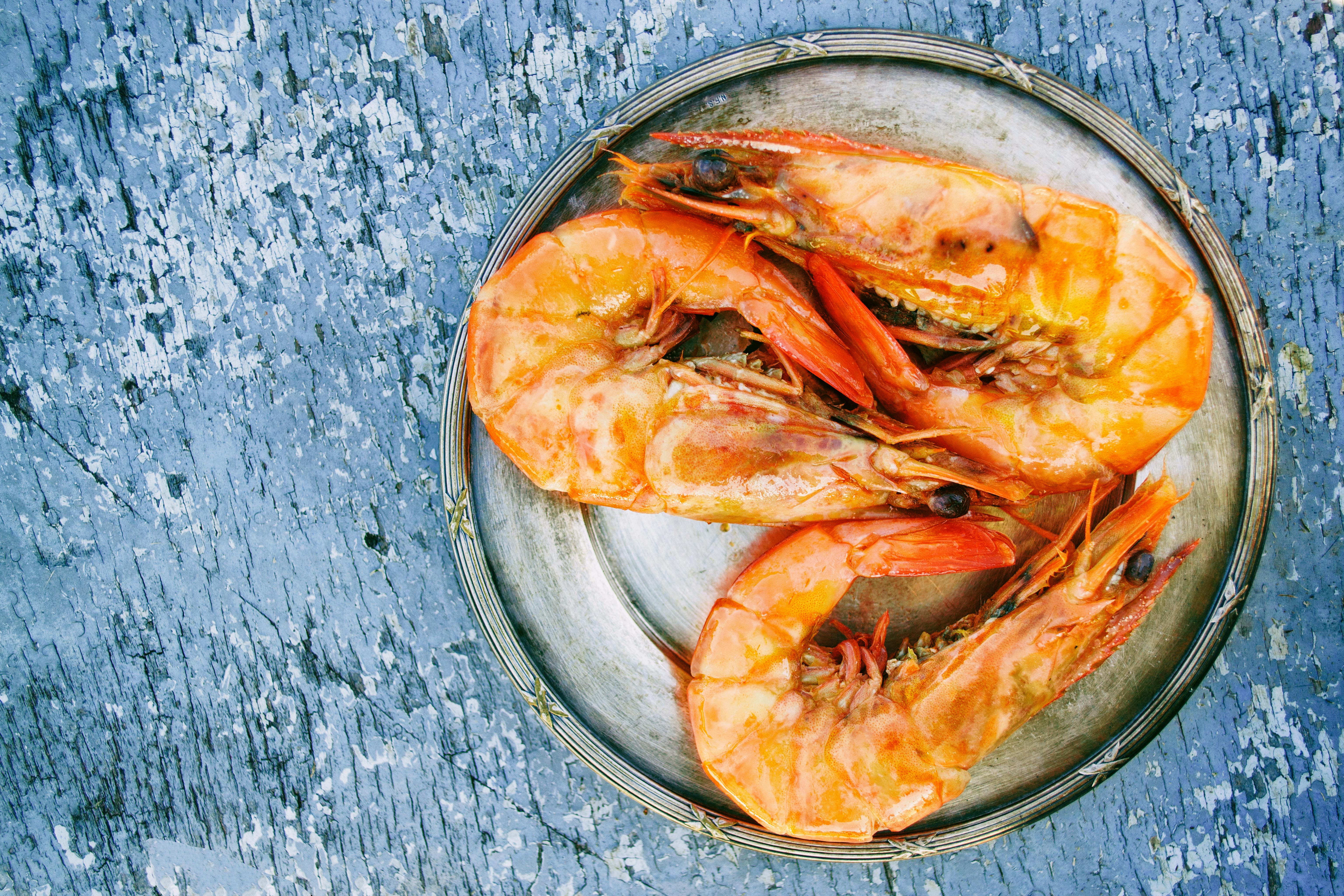
Cooked shrimp ready to be peeled for dogs


The Cholesterol Myth: Is Shrimp Bad for a Dog’s Heart?

One of the most common questions I get when people ask “can dogs eat shrimp” is about cholesterol. We know shrimp is high in cholesterol, and doctors tell humans to watch their intake.

Good news: Dogs are not humans.

Dogs do not suffer from “clogged arteries” or atherosclerosis the way people do. Their bodies handle fat and cholesterol very differently. Unless your dog has a specific metabolic disorder (like Hyperlipidemia) or Thyroid issues, the cholesterol in a few shrimp will not hurt them or cause a heart attack.

However, the FAT content in preparation is a different story.

The “Fried Shrimp” Trap (Pancreatitis)

While the shrimp itself is fine, Fried Shrimp, Breaded Shrimp, or Shrimp Scampi are dangerous.

The batter, the butter, and the oil are extremely high in fat. A sudden intake of high-fat food can trigger Pancreatitis in dogs. This is a painful, life-threatening inflammation of the pancreas.

(Learn more about Pancreatitis symptoms on the AKC website).


Can Dogs Be Allergic to Shrimp?

Yes. Just like humans can have shellfish allergies, dogs can too. It is one of the more common food allergens.

If you are feeding your dog shrimp for the first time, treat it like a science experiment. Give them one small piece and wait 20 minutes.

Watch for these signs of Anaphylaxis:

  • Swelling of the face or lips.
  • Hives or itchy skin.
  • Vomiting immediately after eating.
  • Difficulty breathing (wheezing).

If you see any of these, drive to the vet immediately.


How to Serve Shrimp Safely (Recipes)

So, you have bought fresh shrimp and you want to share. Here is the Chef’s Guide for Dogs.

Step 1: Buy Fresh

Avoid “pre-cooked” shrimp rings from the supermarket if possible, as they are often treated with preservatives or high-sodium brine. Buy raw, frozen, or fresh wild-caught shrimp.

Step 2: Clean Thoroughly

Remove the shell, the tail, and the legs.

Pro Tip: Devein it. While the black vein (the digestive tract) isn’t toxic, it contains grit and waste. It’s nicer to remove it.

Step 3: The Cooking Method

  • Boiling: Drop in plain water for 2-3 minutes.
  • Steaming: Best for preserving nutrients.
  • Baking: On a plain sheet, no oil.

FORBIDDEN: Do not use butter, garlic powder, onion powder, or Cajun seasoning. Garlic and onion are toxic to dogs (causing anemia).

Step 4: The Cut

For a German Shepherd, a whole shrimp is fine. For a Pug, cut it into 3-4 small pieces to prevent choking.

Dog looking at healthy food preparation


Frequently Asked Questions (FAQ)

Q: Can dogs eat shrimp cocktail?
A: They can eat the shrimp if it’s plain, but NEVER give them the sauce. Cocktail sauce is made with horseradish, ketchup (sugar), and often lemon juice. It is too spicy and acidic for a dog’s stomach and will cause vomiting.

Q: My dog ate a shrimp tail by accident. What do I do?
A: Don’t panic. One tail will likely pass through a medium-sized dog without issue. Watch for signs of blockage (vomiting, straining to poop, loss of appetite) for the next 24-48 hours. If you have a tiny dog (under 10 lbs), call your vet to be safe.

Q: Can dogs eat lobster or crab?
A: Similar rules apply. The meat is safe (in moderation), but the shells are incredibly hard and sharp. Also, crab meat is very high in sodium, so shrimp is generally a better choice.

Q: Can dogs eat freeze-dried shrimp?
A: Yes! Freeze-dried shrimp treats found in pet stores are excellent. They are usually raw but processed to remove bacteria, or cooked then dried. They make great high-value training treats.

Final Thoughts

So, can dogs eat shrimp? The answer is a resounding “Yes,” provided you are willing to do the prep work.

Shrimp can be a fantastic, occasional treat that adds variety and nutrients to your dog’s diet. It is perfect for training or as a special topper on their boring kibble. Just remember: peel it, cook it, and keep it plain. Your dog doesn’t need the garlic butter to enjoy the taste of the ocean!

Looking for more safe human foods? Check out our Dog Nutrition & Diet section for more vet-approved guides.

Why Does My Dog Sleep on My Head? 9 Psychological Reasons & Fixes

Why does my dog sleep on my head

You know the routine. You fluff your pillows, pull up the duvet, and settle in for a good night’s sleep. Your dog jumps up on the bed (if they are allowed) and does their little circle-dance to find a spot.

You expect them to curl up at the foot of the bed, or maybe snuggle against your back. But no. They keep climbing. They walk right up your spine, step on your shoulder, and plop themselves down directly on your pillow, wrapping their body around the crown of your head like a fuzzy, snoring hat.

You wake up with fur in your mouth, a paw in your ear, and a stiff neck. Yet, despite the discomfort, you can’t help but wonder: Why here? Of all the acres of space on a King-sized bed, why does my dog sleep on my head?

Is it a dominance thing? Are they trying to suffocate you with love? Or are they just cold?

As a canine behaviorist, I have analyzed thousands of sleeping positions. The “Head Sleeper” is a special category. It is a behavior deeply rooted in wolf ancestry, puppy psychology, and sensory bonding. While it might be annoying (and slightly unhygienic), it is actually one of the highest compliments a dog can give.

In this massive, definitive guide, we are going to explore the 9 psychological and physiological reasons behind this quirk. We will debunk the “Alpha Dog” myth, discuss the hygiene risks you might not have thought of (yes, we need to talk about ticks), and provide a gentle training plan to reclaim your pillow without breaking their heart.

🐶 The Quick Answer: Why the Head?

If you are reading this with a dog currently sitting on your face, here is the summary:

  • Safety: You are the safest thing in the room. They want to touch you to know you are there.
  • Scent: Your scalp and hair have the highest concentration of sebaceous glands. You smell most like “you” at the top of your head.
  • Warmth: Heat rises. The top of the bed (and your head) is the warmest spot.
  • Puppy Habit: They are mimicking the “puppy pile” from when they were born.

The Evolutionary Science: From Wolf Dens to Your Pillow

To understand why does my dog sleep on my head, we have to look back 15,000 years. Before dogs were sleeping on memory foam mattresses, their ancestors (wolves) slept in dens.

The “Puppy Pile” Phenomenon

When puppies are born, they are blind, deaf, and unable to regulate their own body heat. Survival depends on heat sharing. They instinctively crawl on top of their mother and pile on top of their littermates. The safest, warmest spot is often right near the mother’s head or neck, where her breath creates a warm pocket of air.

For many adult dogs, especially those who were taken from their mothers early or are naturally anxious, this instinct never goes away. When they sleep on your head, they are recreating that feeling of safety and warmth. They are treating you as the “Mother Dog.”

Protective Positioning

In a wild pack, members sleep facing outward to watch for threats. By positioning themselves at the top of the bed (the highest ground), your dog might feel they have the best vantage point to watch the door while also protecting your most vulnerable area (your head).


9 Detailed Reasons Why Your Dog Is a “Head Sleeper”

Let’s break down the psychology. It isn’t just one reason; it is usually a cocktail of affection, anxiety, and comfort seeking.

1. Scent Marking and The Sebaceous Glands

Dogs navigate the world through their noses. To a dog, you smell amazing. But you don’t smell the same everywhere.

Your scalp contains a high concentration of sebaceous glands (oil glands). Your hair traps your natural scent, your shampoo, and your pheromones more than your legs or feet do.

When you ask, “why does my dog sleep on my head?“, the answer is often chemical. They want to be immersed in your scent. It releases oxytocin (the bonding hormone) in their brain, making them feel calm and secure.

2. Heat Seeking (Thermoregulation)

It’s simple physics: Heat rises. If you sleep under a duvet, your body heat is trapped, but a lot of it escapes through the top of the duvet—right around your shoulders and head.

Furthermore, your head itself radiates heat. For a small dog (like a Chihuahua or Terrier) or a dog with a thin coat (like a Greyhound), your head is essentially a heated rock. They aren’t trying to annoy you; they are just freezing.

3. Bonding and “Thigmotaxis”

There is a fancy scientific word for the desire to touch: Thigmotaxis. Many animals, including humans and dogs, find comfort in physical contact.

Some dogs are “contact sleepers.” They cannot sleep soundly unless they are touching a pack member. Your head offers a curved, stable surface that allows them to press their body against yours. If they sleep at your feet, you might kick them. Your head moves less, providing a stable anchor.

4. Separation Anxiety (The Velcro Dog)

Does your dog follow you into the bathroom? (Read our guide on that here). Do they whine when you leave?

Dogs with separation anxiety need to be as close to you as physically possible. Sleeping on your head is the ultimate closeness. It reassures them that you haven’t left. If you get up, they will know instantly. It is a control mechanism to ensure they aren’t abandoned during the night.

5. The Dominance Myth (Debunked)

Let’s clear this up right now. Your dog is NOT trying to dominate you.

For years, old-school trainers claimed that a dog sleeping physically higher than you (on your pillow) was trying to assert status as the “Alpha.” Modern veterinary science has debunked this. Dogs do not plot to overthrow the government of your house while you sleep. They are seeking comfort, not power.

6. The Texture of the Pillow

Maybe it’s not you. Maybe it’s your Egyptian Cotton pillowcases. Dogs love soft things. Your pillow is likely the softest, fluffiest thing on the bed. If you have a silk pillowcase or a plush one, your dog might just have expensive taste in bedding.

7. Boredom and Attention

What happens when you wake up and find them there? You probably scratch their ears, talk to them, or laugh. Bingo!

Dogs are masters of operant conditioning. If sleeping on your head results in morning cuddles, they will do it every single night. They have trained you to start the day with affection.

8. Breed Predisposition

Small dogs are notorious head sleepers. Since they are small, they risk getting crushed if they sleep by your torso or legs. The area above your shoulders is a “No Crush Zone.”

Common Head Sleepers: Yorkies, Dachshunds, Shih Tzus, and Pugs.

9. They Are guarding YOU

Some protective breeds feel a duty to guard you. By sleeping at your head, they are facing the entrance of the room (usually). They are placing themselves between the “outside world” and your most vital organ. It is a sweet, protective gesture.

Small dog sleeping comfortably on owners pillow


The Risks: Should You Allow It?

So, we know the answer to “**why does my dog sleep on my head**,” but is it a good idea? While cute, there are real downsides.

1. Hygiene and Zoonotic Diseases

I hate to be the bearer of bad news, but dogs are not sterile. When your dog sleeps on your pillow, their anus is inches from your nose and mouth.

  • Parasites: Roundworm eggs and Giardia cysts can be transferred from fecal residue on fur to your pillowcase.
  • External Parasites: Fleas and Ticks. If a tick crawls off your dog, your ear or scalp is the first place it will attach.
  • Bacteria: Dogs step in dirt (and worse) outside. Do you want those paws on your face?

2. Sleep Disruption

Studies show that people who sleep with pets suffer from more “micro-awakenings.” Even if you don’t fully wake up, a dog snoring in your ear or twitching on your head disrupts your REM cycle, leaving you tired the next day.

3. Allergies and Asthma

If you have even mild allergies, having dander and pollen (trapped in their fur) pressed directly against your nose for 8 hours is a recipe for sinus infections and congestion.


Training Guide: How to Reclaim Your Pillow

If you want to stop this habit, you need to do it gently. Kicking them off the bed will only confuse them and damage your bond.

Step 1: The “Up-Sell” (Better Alternative)

You need to offer a spot that is better than your head.

Buy a high-quality, heated dog bed or a fluffy “donut” bed. Place it on the bed next to you (if you allow them on the bed) or on a chair right beside your head.

Tip: Put a worn t-shirt in their new bed so it smells like you.

Step 2: The “Target” Command

Teach them to go to their spot.

  1. Toss a treat onto their designated pillow/spot.
  2. Say “Go to Bed.”
  3. When they lay down, praise lavishly.
  4. Repeat 50 times a night before lights out.

Step 3: Blocking Access

Arrange your pillows so there is no room. Prop yourself up or use extra pillows to create a barricade around your head for a few nights. If they try to climb up, gently guide them back to their spot without speaking (boring energy).

Step 4: Persistence

The first few nights, they will try again. Consistently move them. Do not give in at 4 AM, or you teach them that persistence pays off.

Dog sleeping in its own bed happily


When Is It a Medical Issue?

Occasionally, a sudden change in sleeping position indicates a health problem.

  • Vision/Hearing Loss: Senior dogs might start sleeping on your head because they feel disoriented in the dark and need physical contact to know where you are.
  • Cognitive Dysfunction: If your old dog suddenly changes habits, paces at night, and climbs on you, it could be “Sundowning.” (Check our article on Senior Dog Health).
  • Cold Intolerance: Hypothyroidism can make dogs feel perpetually cold, driving them to seek your body heat aggressively.

Frequently Asked Questions (FAQ)

Q: My big dog (Great Dane/Lab) tries to sleep on my head. Is this dangerous?
A: Yes, it can be. A large dog can accidentally suffocate a sleeper or cause neck injuries. For large breeds, this behavior must be redirected immediately for your safety.

Q: Does my dog love me less if they sleep at my feet?
A: Not at all! Feet sleepers are often just heat-sensitive (they get too hot near your head) or they are “guarding” the bottom of the bed. They still love you; they just value their personal space (and yours).

Q: Can I catch pink eye from my dog sleeping on my pillow?
A: It is rare but possible. If your dog has an eye infection or steps on your pillow with dirty paws, bacteria can transfer to your eyes. Wash your pillowcases weekly!

Q: Why does my dog wrap around my head like a scarf?
A: This is the ultimate “nesting” behavior. By wrapping around you, they are protecting their vital organs (belly) while soaking up your warmth. It feels very safe for them.

Final Thoughts

So, **why does my dog sleep on my head**? Because they love you, they trust you, and you are the warmest thing in the room. It is a quirky, slightly annoying, but ultimately heartwarming gesture of attachment.

Whether you choose to accept your role as a human pillow or gently train them to sleep elsewhere is up to you. Just remember: in their eyes, there is no better place in the world than right next to you.

Curious about other weird things your dog does? Explore our Dog Behavior section for more insights into the canine mind.

Dog Stomach Gurgling and Won’t Eat? 7 Causes & Remedies

Dog stomach gurgling and won't eat

It’s usually quiet in your house, but suddenly, you hear a sound. It sounds like water rushing through a pipe, or a squeaky door, or distant thunder. You look around, confused, until you realize the sound is coming from your dog.

You bend down to listen, and it’s undeniable: Your dog’s stomach is making incredibly loud, churning, squelching noises.

You offer them their favorite breakfast, expecting them to rush to the bowl. Instead, they turn their head away, lick their lips, and look miserable.

This combination—dog stomach gurgling and won’t eat—is one of the most common reasons owners panic. The medical term for these noises is Borborygmi (bor-bor-ig-my). It occurs when gas moves through the intestines.

While a noisy tummy can be as simple as “I’m hungry” or “I ate something weird,” when it is accompanied by a refusal to eat (Anorexia), it signals pain or nausea. It could be gas, but it could also be a life-threatening blockage or Pancreatitis.

In this comprehensive troubleshooting guide, we will listen closely to what your dog’s belly is trying to tell you. We will help you distinguish between a simple upset stomach and a medical emergency, and give you safe home remedies to soothe the gurgle.

🚨 The Emergency Checklist: Do Not Wait

Before you try home remedies, rule out the killers. If your **dog stomach gurgling and won’t eat** AND has any of these signs, go to the Emergency Vet immediately:

  • Bloated Belly: Does their stomach look distended or hard like a drum? (Risk of GDV/Bloat).
  • Retching: Trying to vomit but nothing coming out.
  • Prayer Position: Front legs down, butt up in the air (Sign of severe abdominal pain).
  • Collapsing or Pale Gums.

1. The “Empty Tank” Syndrome (Bilious Vomiting)

Believe it or not, the most common reason for loud gurgling is simply an empty stomach.

When a dog’s stomach stays empty for too long (like overnight), acid and bile build up. This acid irritates the stomach lining, causing nausea and loud churning noises. It becomes a vicious cycle: They feel sick because they are empty, but they won’t eat because they feel sick.

Symptoms:

– Loud noises early in the morning.

– Vomiting yellow foam (bile).

– Usually acts normal otherwise.

The Fix: Break the nausea cycle. Offer a tiny amount of bland food (like a meatball of plain boiled chicken) by hand. Once the food hits the stomach, the acid settles, and they will likely eat the rest of their meal.

2. Dietary Indiscretion (The “Garbage Gut”)

Dogs are scavengers. If your **dog stomach gurgling and won’t eat**, ask yourself: What did they eat yesterday?

Did they get into the trash? Eat a spicy table scrap? Find a dead bird in the yard?

When a dog eats something their body can’t process, the intestines go into overdrive trying to push it out. The gurgling is the sound of hyper-motility (fast movement). They won’t eat because they instinctively know their system needs a break.

3. Gas and Aerophagia

Some dogs, especially flat-faced breeds (Bulldogs, Pugs) or fast eaters, swallow a lot of air when they pant or eat. This condition is called Aerophagia.

The air gets trapped in the intestines, moving around like bubbles in a water cooler. It is loud and uncomfortable. They might refuse food because they feel “full” of air.


4. The Danger Zone: Pancreatitis

This is a serious one. Pancreatitis is the inflammation of the pancreas, usually triggered by a high-fat meal (like stealing bacon grease or eating a ham bone).

Why the noise?

The pancreas releases enzymes that start digesting the organ itself. This causes intense inflammation and fluid buildup in the abdomen, leading to squelching noises and severe pain.

Key Signs:

– Refusing food absolutely.

– Vomiting repeatedly.

– Hunched back.

– Pain when you touch the belly.

(Pancreatitis requires vet treatment with IV fluids and pain meds. Read more on the AKC Pancreatitis Guide).

5. Intestinal Blockage (Foreign Body)

If your dog is a chewer (likes socks, toys, rocks), loud gurgling can be the sound of the intestines fighting against a blockage.

The gut tries to push the object through with powerful contractions (loud gurgles), but it can’t.

The Red Flag: If they drink water and vomit it back up immediately, assume it is a blockage. This is a surgical emergency.

Dog stomach gurgling and won't eat


Home Remedies: How to Soothe the Gurgle

If your dog is alert, wagging their tail, and has no emergency symptoms, you can try to settle their stomach at home.

1. The “Wait and See” Fast

Sometimes, the gut just needs a reset. Take away food for 12 hours (keep water available). This stops the workload on the stomach. After 12 hours, introduce a bland diet.

2. The Bland Diet (Chicken and Rice)

Do not give them kibble. It is hard to digest. Instead, make:

Boiled Chicken Breast: (No skin, no bones, no salt).

White Rice: (Boiled until mushy).

Mix a 50/50 ratio. Offer a small spoonful. If they keep it down, give a little more an hour later.

3. Bone Broth

If your **dog stomach gurgling and won’t eat** solids, try liquids. Bone broth (unsalted, onion-free) is packed with nutrients and is very soothing for the gut lining. It keeps them hydrated and might stimulate their appetite.

4. Tummy Massage

If your dog enjoys it, a gentle belly rub can help move trapped gas bubbles along. Rub in slow, clockwise circles. If they pull away or growl, stop—this means it hurts.


When To Rush to the Vet?

How long can you wait? A healthy adult dog can go 24 hours without eating without issues. However, you should call the vet if:

  • The gurgling/anorexia lasts more than 24 hours.
  • They are also refusing water (dehydration happens fast).
  • They are vomiting or have bloody diarrhea.
  • They are a puppy or a senior (they have no reserves).
  • They seem lethargic or depressed.

Frequently Asked Questions (FAQ)

Q: Can I give my dog Pepto-Bismol?
A: Maybe, but call your vet first. Pepto contains salicylates (aspirin-like compounds) which can cause stomach bleeding in some dogs. It is toxic to cats. Never guess the dose.

Q: Why is my dog eating grass?
A: Dogs often eat grass to induce vomiting or add fiber to move a blockage. If they are frantically eating grass and gurgling, let them do it, but watch what comes up.

Q: Is stomach gurgling painful for dogs?
A: The noise itself isn’t painful, but the cause (gas cramping) is. Think about how you feel when your stomach rumbles loudly—it’s usually uncomfortable.

Q: Should I force-feed my dog?
A: No. If a dog refuses food, there is a reason. Forcing food down a nauseous dog can cause food aversion or aspiration. Offer high-value treats (like cheese or chicken) to tempt them, but don’t force it.

Final Thoughts

Hearing your **dog stomach gurgling and won’t eat** can be stressful. The house is quiet, and that churning sound seems incredibly loud.

Most of the time, it is just a case of “doggy indigestion” or an empty tummy that needs a small snack to settle. However, trust your instincts. You know your dog. If they look sad, uncomfortable, or “off,” get them checked out. It is always better to treat a simple tummy ache than to ignore a serious blockage.

For more life-saving health tips, bookmark our Pet Safety Center.

How to Get Gum Out of Dog Hair: 5 Pain-Free Home Hacks (No Scissors!)

How to Get Gum Out of Dog Hair: 5 Pain-Free Home Hacks (No Scissors!)

It happens in the blink of an eye. You are on a walk, your dog sniffs a bush, and suddenly they come back with a bright pink, sticky blob mashed into their ear fur or stuck to their paw.

Or maybe your toddler dropped a piece of bubblegum, and your Golden Retriever decided to roll on it before eating it.

You try to pull it off, but it just stretches. It creates a sticky web, tangling more and more hair into the mess. Your dog starts to panic because you are pulling their skin. You start to panic because it looks impossible to remove.

Your first instinct is probably to grab the kitchen scissors and chop it out. Stop! Put the scissors down.

Trying to cut gum out of a moving dog’s fur—especially close to the skin or on the ear leather—is a recipe for disaster. One sudden jerk and you could cause a serious injury.

If you are searching “how to get gum out of dog hair”, you need a safe, pain-free solution. As a grooming expert, I have dealt with every sticky situation imaginable (from sap to slime to gum). The good news? You likely have everything you need to fix this in your kitchen pantry right now.

In this ultimate D.I.Y. guide, we will explore the chemistry of dissolving gum, the dangers of toxic xylitol, and 5 foolproof methods to slide that sticky mess right off the hair shaft without shedding a single tear.

⚠️ Vital Safety Warning: Check the Label!

Before you start cleaning, check the gum wrapper if possible. Does it say “Sugar-Free” or contain Xylitol?

Xylitol is deadlier than chocolate. Even a tiny amount absorbed through the skin or ingested (if your dog licks the gum) can cause rapid insulin release, hypoglycemia, and liver failure.

Rule #1: Do not let your dog eat the gum while you are cleaning it. Use an Elizabethan Collar (Cone) if necessary.

The Science: Why Water Doesn’t Work

You might have tried washing it with water and shampoo. You probably noticed it made things worse. Why?

Chewing gum is made of a hydrophobic (water-hating) rubber base. It repels water but binds aggressively to dry surfaces like hair proteins. Because it repels water, no amount of scrubbing with soap will dissolve the bond.

To successfully **get gum out of dog hair**, we need to fight chemistry with chemistry. We need something Hydrophobic (like oil) to break down the gum, or something Cold to change its physical state from sticky to solid.


Method 1: The Peanut Butter Hack (The Tasty Solution)

This is the gold standard. The natural oils in peanut butter break down the gum base, and the thick consistency makes it easy to work with.

What You Need:

– Creamy Peanut Butter (MUST be Xylitol-free!).

– A toothbrush or comb.

– Paper towels.

Step-by-Step:

  1. Isolate the Clump: Separate the gum-covered fur from the clean fur. You can use a hair clip to hold the clean hair back.
  2. Apply Generously: Coat the gum blob completely in peanut butter. Massage it in with your fingers. The gum should be slippery.
  3. Wait: Let it sit for 2-3 minutes. The oil needs time to degrade the rubber.
  4. Slide it Out: Gently pull the gum towards the end of the hair strands. It should start to slide and crumble. Use the toothbrush to comb it out.
  5. Wash Up: Your dog is now a sticky, peanut-buttery mess. Wash the area with dog shampoo.

Owner grooming dog and cleaning fur


Method 2: The Oil Soak (Olive, Vegetable, or Coconut)

If you don’t have peanut butter (or you are worried about Xylitol), any cooking oil works just as well. This is arguably the slipperiest method to **get gum out of dog hair**.

Best for: Gum stuck close to the skin or on sensitive ears.

Step-by-Step:

  1. Saturate: Pour olive oil or coconut oil directly onto the gum.
  2. Massage: Work the oil deep into the knot. You want to lubricate the hair shafts so the gum loses its grip.
  3. The Comb Out: Use a wide-toothed comb first, then a fine-toothed flea comb. Start at the bottom of the knot and tease the gum out gently.
  4. Wipe: Use a dry paper towel to wipe away the oily gum debris.

Pro Tip: Do this in the bathtub or outside. Oil drips, and you don’t want it on your carpet!


Method 3: The Ice Cube Freeze (For Surface Gum)

If the gum is sitting on top of a long-haired dog’s coat and hasn’t been mashed in yet, freezing it is cleaner than using oil.

Step-by-Step:

  1. Prepare: Put 2-3 ice cubes in a Ziploc bag (to keep the dog dry).
  2. Freeze: Hold the ice bag directly against the gum on both sides (sandwich the gum). Hold it there for 5-10 minutes. Distract your dog with treats.
  3. Crack: Once the gum is frozen hard, it becomes brittle. You can often shatter it or crumble it into pieces with your fingers.
  4. Pick: Pick the frozen crumbs out of the fur. Work fast before it melts and gets sticky again!

Method 4: The Mayo Mask

Mayonnaise is essentially oil and egg yolks—a fat bomb. It works similarly to peanut butter but with a higher fat content.

Why use Mayo? It holds its shape better than liquid oil, so it doesn’t drip as much.

Apply a dollop of mayo to the gum, let it sit for 5 minutes, and wipe away. The vinegar in the mayo also helps break down the bond slightly. Plus, it makes their coat shiny (once you wash the smell out)!


Method 5: The “Safe” Cut (Last Resort)

If the gum is mashed right down to the skin, or if your dog is aggressive and won’t let you pull at their fur, cutting might be the only option. But you must do it safely.

NEVER point scissors toward the dog’s skin. Dogs twitch.

The Comb Barrier Technique

  1. Slide a Comb In: Slide a metal comb between the dog’s skin and the gum wad.
  2. The Shield: The comb acts as a shield. Even if the dog jumps, the scissors will hit the metal comb, not the skin.
  3. Cut: Use blunt-nosed scissors (safety scissors) to cut the hair above the comb (on the gum side).
  4. Style: It will look ugly for a few weeks, but hair grows back. Skin takes longer to heal!

Groomer using scissors safely on dog fur


What NOT to Use (Toxic Dangers)

In your panic to **get gum out of dog hair**, avoid these common household items. They are dangerous for pets.

  • WD-40 or Mechanics Grease: While they remove gum, they are toxic if licked and irritate the skin.
  • Acetone / Nail Polish Remover: The fumes are harmful, and it burns sensitive dog skin.
  • Alcohol: Can cause rapid cooling/chills and stinging on any micro-abrasions.
  • Essential Oils (Tea Tree, Peppermint): Many are toxic to dogs and cats. Stick to kitchen oils.

Frequently Asked Questions (FAQ)

Q: My dog ate the gum while I was cleaning it. What now?
A: Find the wrapper immediately. If it contained Xylitol (Birch Sugar), go to the emergency vet instantly. If it was sugary gum (Hubba Bubba, etc.), one piece is likely fine, but monitor for vomiting or blockage. A large wad of gum can block a small intestine.

Q: Does this work for gum stuck in paw pads?
A: Yes! Paw pads are tough. Use the Olive Oil method. Massage it into the pad and between the toes. Be sure to wash it off thoroughly so they don’t slip on the floor.

Q: What if the gum is in their whiskers?
A: Whiskers are sensitive sensory organs, but they are just hair. It is not painful to cut a whisker (unlike plucking it). If gum is stuck, it’s less traumatic to just snip the whisker tip than to pull on it.

Q: Can I use butter?
A: Yes, real butter works. However, it requires washing with warm water and soap afterward because animal fat goes rancid and smells bad if left in the fur.

Final Thoughts

Seeing your dog covered in pink goo is stressful, but it is one of the easiest grooming disasters to fix at home. You do not need to rush to the professional groomer or the vet (unless they ate the Xylitol).

The secret is patience and lubrication. Whether you choose the peanut butter route or the olive oil massage, remember to go slow, keep your dog calm with treats, and wash the area thoroughly afterward.

Now that you know how to **get gum out of dog hair**, you can be the hero of the dog park the next time this sticky situation strikes!

For more DIY grooming hacks and coat care tips, browse our Dog Grooming section.

Why Does My Dog’s Breath Smell Like Fish? (5 Gross But Real Reasons)

Dog breath smells like fish

You are sitting on the couch, enjoying a quiet, relaxing evening after a long day. Your dog jumps up next to you, tail wagging rhythmically against the cushions. They look at you with pure adoration, lean in for a big, sloppy kiss, and… you recoil.

It doesn’t smell like normal “doggy breath.” It doesn’t even smell like the kibble they just ate for dinner. It smells distinctly, overpoweringly… fishy.

It’s a sharp, metallic, pungent odor that hits the back of your throat. It reminds you of a fish market on a hot summer day or a can of tuna that has been left open for too long. The weirdest part? You haven’t fed them fish in weeks.

If you are frantically Googling “Why does my dog’s breath smell like fish?”, first of all: I am sorry. It is a terrible, lingering smell. Second: Do not panic.

As a pet care specialist, I hear this complaint all the time. While it is certainly gross (and embarrassing if you have guests over), it is rarely a life-threatening emergency. However, it is a very specific “red flag” that points to a few distinct medical issues. It is not something you should simply try to mask with a minty dental chew; you need to find the source.

In this comprehensive guide, we will play detective. We will uncover the “Big Two” causes (one involves the mouth, the other involves the… rear end), explore other potential medical reasons, and give you a step-by-step action plan to get your dog’s breath fresh again.

🐟 The Quick Answer: Why the Fishy Odor?

If you want the short version so you can assess the situation immediately, here is your checklist:

  1. Anal Glands (The #1 Cause): Your dog likely licked their rear end, transferring the fluid to their mouth.
  2. Periodontal Disease: Infection and rotting tissue in the gums often smell metallic or fishy.
  3. Dietary Factors: Fish-based kibble or Omega-3 supplements.
  4. Kidney/Liver Issues: In rare cases, a sign of organ failure (usually accompanied by vomiting).
  5. Oral Tumors: Growths in the mouth that trap bacteria and decay.

1. Anal Glands: The Butt-to-Mouth Connection

I know, I know. You didn’t want to read this. You wanted the answer to be “he ate a sardine.” But if your dog’s breath smells like fish, this is the culprit about 70% of the time.

To understand why, we need a quick anatomy lesson. Dogs have two small sacs located on either side of their anus (think of them sitting at the 4 o’clock and 8 o’clock positions). These sacs are technically scent glands. In the wild, they act like your dog’s personal ID card. When a dog poops, these glands naturally express a tiny amount of fluid that puts their unique signature on the stool.

The fluid inside these glands has a very distinct profile. It is thick, oily, brownish-gray, and smells extremely pungent, metallic, and—you guessed it—fishy.

How Does the Smell Get to the Mouth?

Dogs are incredibly clean animals. If their anal glands are full, impacted (blocked), or leaking, they feel a sense of pressure or itching. It’s uncomfortable, like having a pebble in your shoe that you can’t remove.

To relieve this pressure or itch, they do two things:

  • Scooting: Dragging their bottom across your favorite rug.
  • Licking: Excessive grooming of the tail base and rear end.

Here is the unfortunate reality: When they lick to clean themselves or relieve pain, that potent, fishy fluid gets on their tongue and around their muzzle. Five minutes later, they come to lick your face to say hello, and you are hit with that terrible odor.
Dog licking face causing fishy breath

Signs It Is the Anal Glands:

Aside from the breath, look for these clues:

  • The “Scoot”: Moving their butt along the floor.
  • Chasing the Tail: Trying to reach their rear end frantically.
  • Discomfort: Trouble sitting down or jumping up quickly.
  • Redness: Swelling around the anus.

The Solution: You need a “butt check.” Take them to the vet or a professional groomer to have their glands “expressed” (manually emptied). Once the glands are empty and the pressure is gone, the licking will stop, and the breath will return to normal.

2. Periodontal Disease: The Silent Infection

If you are 100% sure your dog hasn’t been licking their backside (perhaps they are wearing a cone, or you’ve been watching them all day), the next most common reason why a dog’s breath smells like fish is severe dental disease.

This isn’t just a little bit of plaque. We are talking about advanced Periodontal Disease.

Why Does Dental Disease Smell Like Fish?

When plaque hardens into tartar (calculus), it pushes the gums away from the teeth, creating deep “pockets.” Food particles and bacteria get trapped in these pockets where your toothbrush can’t reach. Over time, this bacteria breeds, multiplies, and causes tissue decay.

Certain types of anaerobic bacteria that thrive in infected gum tissue produce volatile sulfur compounds. To the human nose, these compounds don’t smell like “rotten food”—they smell distinctly metallic, rusty, or fishy. It is essentially the smell of active infection and decaying gum tissue.
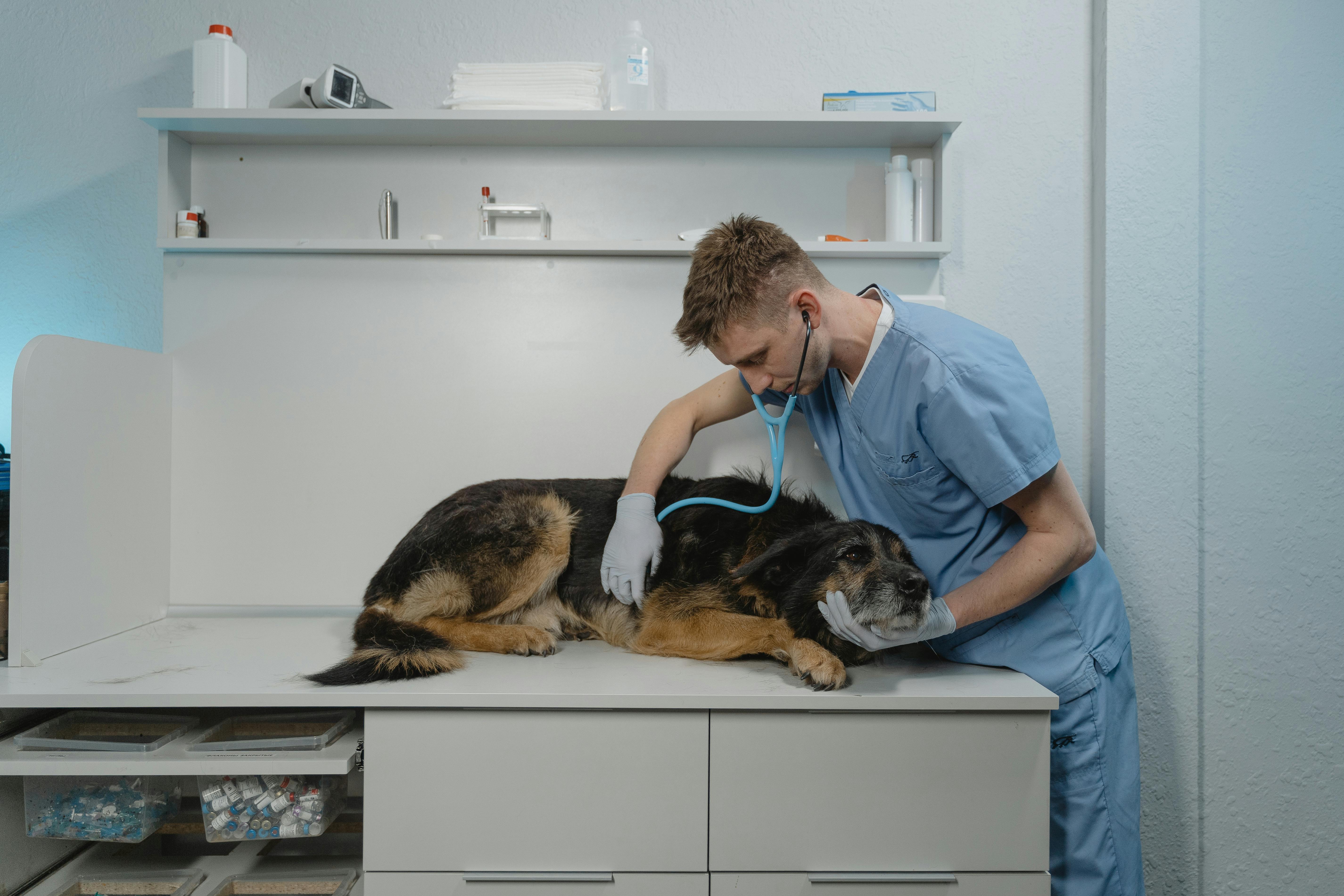
Veterinarian checking dog teeth for periodontal disease

How to Check Your Dog’s Mouth

Lift your dog’s lip gently and look for:

  • Red, inflamed gums (Gingivitis) instead of healthy pink ones.
  • Brown or Yellow tartar buildup, especially near the gum line.
  • Bleeding spots on their chew toys or bedding.
  • Loose teeth or reluctance to eat hard kibble.

The Solution: A professional dental cleaning. No amount of brushing at home will remove tartar that has hardened below the gum line. Your vet will need to put them under anesthesia to scrape the teeth clean and polish them. This usually fixes the breath instantly.

3. Kidney or Liver Disease (The Serious Stuff)

While less common than butt-licking or bad teeth, a persistent bad odor can sometimes be a subtle sign of internal organ issues. It is important to rule these out, especially if you have a senior dog (over 7 years old).

Kidney Failure

The kidneys are the body’s filtration system. When they start to fail, they stop filtering toxins (like urea and nitrogen) out of the blood effectively. These toxins build up in the system and eventually make their way to the saliva.

  • The Smell: Often described as “urine-like,” ammonia, or a metallic/fishy odor.
  • Other Symptoms: Drinking excessive amounts of water, urinating frequently, vomiting, weight loss, and general lethargy.

Liver Disease

The liver also filters toxins. If it is struggling, it can produce a very foul, musty odor in the breath known as Fetor Hepaticus.

  • The Smell: Musty, dead, or fishy.
  • Other Symptoms: Yellow gums or eyes (jaundice), vomiting, lack of appetite, and a distended belly.

Warning: If your dog’s breath smells like fish AND they are acting sick (vomiting, not eating), this is a medical emergency. Do not wait.

4. Diet and Supplements: The Obvious Choice

Sometimes, the answer is sitting right in your pantry. Have you recently changed their food or added a new topper?

If you are feeding a Fish-Based Food (like Salmon, Whitefish, or Trout formulas), the oil can linger in the mouth long after eating. Fish oils are sticky and potent.

Supplements to Check:

  • Omega-3 Softgels: Are you popping a fish oil pill into their bowl for their coat?
  • Salmon Oil Pumps: Great for the skin, terrible for the breath.
  • Treats: Many high-value training treats are made from dried fish skins, sprats, or green-lipped mussels.

The Fix: If this is the cause, it’s harmless! You can switch to a chicken or beef-based food, or simply brush their teeth after meals if the smell bothers you. You can also look for “odorless” Omega supplements.

5. Oral Tumors or Mouth Ulcers

This is rare but possible. Growths in the mouth (oral tumors like Melanoma or Squamous Cell Carcinoma) can grow rapidly. As they get bigger, the blood supply to parts of the tumor might get cut off, causing that tissue to die (necrose).

Dead tissue attracts bacteria and causes a horrible, rotting-fish smell. It is different from the smell of plaque; it is often more “meaty” and offensive.

Do a quick check: Lift your dog’s lip. Do you see any lumps, bumps, or strange cauliflower-like growths on the gums or roof of the mouth? If so, book a vet appointment today.

Home Remedies: How to Freshen the Breath

While you wait for your vet appointment, or if you’ve confirmed it’s just a minor issue, here are some ways to combat the stink when your dog’s breath smells like fish.

1. Daily Brushing (The Gold Standard)

Nothing beats mechanical scrubbing. Use a dog-specific enzyme toothpaste (never human toothpaste, as fluoride is toxic). Brushing once a day prevents the bacteria that cause the fishy smell from colonizing.

2. Water Additives

There are odorless, tasteless liquids you can add to their water bowl (like “Dental Fresh”). They contain enzymes that help break down plaque and kill odor-causing bacteria in the saliva every time they drink.

3. Crunchy Veggies

Carrots and apple slices (without seeds) act as natural abrasive chews. They help scrape mild plaque off the teeth and increase saliva production, which washes away smells naturally.

4. Parsley & Mint

Sprinkle a little fresh chopped parsley or mint over their food. Parsley contains chlorophyll, which is a natural deodorizer. (Ensure it is just plain garden mint, not essential oils).

5. Wash the Bedding

This is a step many owners forget. If the cause was anal glands, that fishy fluid is likely on their blankets, bed, and your couch where they were scooting. Wash everything in hot water to stop them from re-scenting themselves.

When to See a Vet?

Not every bad breath day requires a doctor, but fishy breath is specific. You should book an appointment if:

  • The smell persists for more than 24 hours despite brushing.
  • You see “Scooting”: They need their glands expressed professionally.
  • Eating Habits Change: If they are dropping food or chewing on one side, it indicates dental pain.
  • Systemic Signs: Vomiting, diarrhea, or drinking too much water.

Frequently Asked Questions (FAQ)

Q: Can I express my dog’s anal glands at home?
A: Technically, yes, there are YouTube tutorials. However, I do not recommend it. It is very easy to do incorrectly. If you squeeze too hard or at the wrong angle, you can rupture the gland inside the body, causing a painful abscess and a massive vet bill. It is smelly, messy work best left to groomers or vets.

Q: Why does my dog’s breath smell like fish after sleeping?
A: This is likely “Morning Breath” combined with the fact that dogs often groom themselves (and their rear ends) right before bed or during the night. The smell lingers in the dry mouth while they sleep.

Q: Are there dog breeds more prone to fishy breath?
A: Yes. Small breeds (Chihuahuas, Yorkies, Pugs) are more prone to both Anal Gland issues (they don’t empty well naturally) and Dental Disease (crowded teeth). So, they are the “frequent flyers” for fishy breath.

Q: Will dental chews fix the fishy smell?
A: They might mask it for 20 minutes, but they won’t cure it. If the cause is impacted anal glands or a rotten tooth, a Greenie won’t help. You need to treat the root cause.

Final Thoughts

Dealing with a pet whose dog’s breath smells like fish is unpleasant, but it is your dog’s way of telling you something is wrong. Whether they need a “butt squeeze” (anal gland expression) or a dental cleaning, addressing the issue will make both of you happier.

Don’t ignore the stink. Check the rear, check the teeth, and call the vet. Soon enough, those puppy kisses will be sweet again (or at least, bearable!).

For more expert tips on keeping your pup fresh, healthy, and happy, be sure to browse our full Dog Health and Care section.