The Science of Pet Love: 10 Hard Truths Every Owner Should Know.

The Science of Pet Love: 10 Hard Truths Every Owner Should Know.

Every pet owner asks: “Does my dog actually love me?”
While we believe in pure devotion, evolutionary biology reveals a
chilling reality. Is your bond real, or a 15,000-year-old
biological scam?

From “Puppy Eyes” being a brain hack to the dark truth about feline
loyalty, we are exposing the secrets science doesn’t want you to know.
Prepare to be shocked.


1. The “Stockholm Syndrome” of Man’s Best Friend

We love to call dogs loyal, but evolutionary biologists have a darker take. Dogs didn’t choose to love humans because of our charming personalities; they evolved to be “professional beggars.” 15,000 years ago, the wolves that were less aggressive and more submissive to humans got the leftovers. Over time, we didn’t domesticate them—they essentially “conned” their way into our camps for a steady food supply.

Today, your dog’s “loyalty” is a highly refined version of this survival contract. They don’t love *you*—they love the *security* you provide. They are biologically programmed to mirror your emotions to ensure the resources keep flowing. If you’ve ever had to settle a dog’s upset stomach after they scavenged through your trash, you weren’t “parenting”; you were being exploited by a scavenger who knows exactly which buttons to push to get a bowl of premium kibble. This is the ultimate “Stockholm Syndrome,” where the hostage (the human) falls in love with the captor (the pet) who controls their resources.


While providing security is the core of this survival contract, smart owners translate this bond into long-term protection. Investing in a comprehensive pet insurance policy ensures that when your dog faces a medical crisis, the cost of a specialized veterinary surgeon isn’t a barrier. Providing for their health via emergency pet coverage is, in many ways, the most practical expression of the security they crave.


Medical Causes of Cat Aggression: A Deep Dive into Pain and Illness in Felines

Medical Causes of Cat Aggression: A Deep Dive into Pain and Illness in Felines

When a normally affectionate cat suddenly starts hissing, swatting, or biting, the emotional toll on the owner is immense. We tend to view our pets through a human lens, wondering if they are “mad” at us or if they have suddenly developed a “mean” personality. However, as someone who has spent years observing feline behavior in both clinical and home settings, I can tell you that cats are rarely malicious. Instead, they are masters of concealment. In the wild, showing pain is a death sentence; it signals vulnerability to predators and competitors. In your living room, this evolutionary trait means your cat will hide a pulsing toothache or the grinding pain of arthritis until they simply cannot take it anymore. At that point, aggression becomes their only defensive tool. Understanding the **medical causes of cat aggression** is not just about fixing a behavior—it’s about relieving suffering.

If you’ve been asking yourself why is my calm cat suddenly aggressive, you must pause before reaching for a training manual or a spray bottle. Aggression that appears “out of nowhere” is almost always a physiological cry for help. A cat that lashes out when touched is often trying to protect a hurting part of their body from further discomfort. In this comprehensive guide, we are going to explore the various medical triggers that turn sweet cats sour, from silent joint decay to complex hormonal imbalances. By the end of this article, you will know exactly what physical signs to look for and why your vet’s diagnostic plan is the most important step in restoring your cat’s gentle nature.

1. Dental Disease: The Silent Agony of the Mouth

In my experience, dental pain is the single most overlooked **medical cause of cat aggression**. Cats suffer from a unique and agonizing condition called Feline Oral Resorptive Lesions (FORL), where the body literally begins to dissolve the tooth from the inside out, exposing the highly sensitive nerve endings. Imagine having an open nerve in your tooth and then having someone playfully scruff your head or try to pet your cheek. The pain is electric, sharp, and terrifying for a cat.

This pain often leads to what we call “head shyness.” The cat will flinch when you reach for them, or they may hiss at their food bowl because they associate eating with agony. If you notice your cat dropping food, drooling excessively, or pawing at their mouth, the aggression is a secondary symptom of a major dental crisis. A simple cleaning or an extraction can often take a cat from “aggressive” to “cuddly” in just a few days of recovery. Have you noticed your cat only biting when you pet near their jaw? That is a huge red flag for oral pain.

2. Arthritis and Joint Pain: Why Movement Hurts

We often think of arthritis as a “dog problem,” but recent studies suggest that up to 90% of cats over the age of 12 have some form of degenerative joint disease. Because cats are so light and agile, they hide their limp much better than dogs do. Instead of limping, they simply stop moving as much. They stop jumping onto the high counter, they stop grooming their back, and they become aggressive when picked up.

Arthritis makes a cat feel vulnerable. If they know their hips hurt, and they see a child or another pet approaching them quickly, they will preemptively hiss or swat to keep the “threat” away. They are creating a buffer zone of safety. If you’ve been monitoring cat aggression warning signs, look for a “hunched” posture or a tail that thumps whenever the cat has to change positions. Providing orthopedic beds and joint supplements can help, but ruling out chronic pain is essential for their mood stabilization.

Expert Observation: “I once saw a cat that was considered ‘unadoptable’ due to aggression. After a week of pain medication for a spinal injury, he became the sweetest lap cat in the shelter. Pain changes the brain’s chemistry.”

3. Hyperthyroidism: Understanding “Thyroid Rage”

When an older cat suddenly develops a “manic” energy—pacing at night, eating everything in sight, and attacking for no reason—we immediately look at the thyroid gland. Hyperthyroidism is a common **medical cause of cat aggression** where an overactive thyroid floods the body with hormones. This speeds up the heart rate, raises blood pressure, and puts the cat’s nervous system into a state of permanent “fight or flight.”

In the veterinary community, we sometimes call this “thyroid rage.” The cat isn’t choosing to be angry; their body is literally vibrating with excess energy and irritation. Everything feels louder, brighter, and more annoying to them. If your senior cat is losing weight despite a massive appetite and has become aggressive, a simple blood test can confirm this condition. Once the hormone levels are managed via medication or radioactive iodine therapy, the “rage” usually vanishes.

4. Urinary and Renal Distress: Bladder Pain and Toxins

Urinary issues are physically excruciating for felines. Whether it’s a bacterial infection (UTI) or sterile cystitis caused by stress, the bladder wall becomes inflamed and raw. Every movement can cause a sharp, stinging pain in the lower abdomen. If you pet a cat near their tail or flanks while they have a bladder issue, they may turn and bite with shocking speed.

Furthermore, as kidney function declines in older cats, metabolic toxins can build up in the bloodstream (uremia). These toxins can cause nausea, headaches, and a general feeling of malaise. A cat that feels constantly nauseated is not going to have much patience for petting or play. This is also why you might find your cat sleeping in the litter box; they are seeking comfort in a familiar place while their body feels like it’s failing them.

5. Feline Hyperesthesia Syndrome: The Rolling Skin Disease

If you have ever seen your cat’s skin “ripple” or “roll” along their back, followed by a sudden burst of frantic grooming or a seemingly unprovoked attack on their own tail, you may be seeing Feline Hyperesthesia Syndrome (FHS). This is a complex neurological and dermatological condition where the cat’s skin becomes hypersensitive to the point of pain.

For a cat with FHS, a gentle stroke along the spine can feel like an electric shock. They may suddenly hiss and bite at the air or your hand because their nervous system is misfiring. This is one of the most frustrating **medical causes of cat aggression** for owners because it looks so bizarre. Managing FHS often involves a combination of environmental enrichment, stress reduction, and sometimes anti-seizure or anti-anxiety medications to calm the overactive nerves.

Cat looking startled and aggressive


6. Neurological Glitches: Brain Tumors and Seizures

Sometimes the “aggression” isn’t a reaction to external stimuli, but a direct result of changes in the brain’s physical structure. Brain tumors, inflammatory diseases like FIP (Feline Infectious Peritonitis), or even lead poisoning can affect the part of the brain that governs impulse control and mood.

Neurological aggression often feels “different” to an owner. The cat may have a glazed look in their eyes, or they may attack a wall before turning on you. Some cats suffer from “partial seizures” where they remain conscious but lose control over their emotional responses for a few minutes. If the aggression is accompanied by circling, head pressing, or vision changes, it is a medical emergency that requires immediate veterinary imaging.

7. Sensory Loss: The Aggression of the Startled Cat

As cats age, they often lose their hearing and vision, much like humans do. A cat that can no longer hear you approaching or see your hand coming toward them is a cat that is constantly being “snuck up on.” If you startle a sleeping cat who is deaf and blind, their instinctual “startle reflex” is to use their claws.

This isn’t intentional aggression; it is a defensive reaction to being shocked. Owners of senior cats should learn to stomp their feet on the floor when entering a room so the cat can feel the vibrations, or use scent markers to help the cat navigate. If you find your senior friend becoming “grumpy,” consider that they might simply be living in a world of silence and shadows.

8. Gastrointestinal Issues: The Gut-Brain Connection

We are learning more every day about the connection between the gut and the brain. Chronic inflammation in the intestines (IBD) or food sensitivities can cause constant, low-level abdominal pain and nausea. Have you ever been “hangry” or had a stomach bug that made you want to be left alone? Cats experience this too. If their gut is constantly inflamed, they will be less tolerant of handling and more prone to irritability. Managing their diet is often the first step in calming their temperament.

Frequently Asked Questions

Can a cat become aggressive from a simple flea bite?
Yes. For cats with Flea Allergy Dermatitis, the itch is so intense it causes a state of high stress and “petting-induced” aggression as the skin is already raw and sensitive.

What is the most common medical cause of aggression in kittens?
Usually, it is related to parasites or teething pain, though play-aggression is more common at that age. However, ear mites can cause significant pain and irritability in kittens.

Will my cat’s personality return to normal after treatment?
In the vast majority of cases, yes. Once the underlying pain or hormonal imbalance is resolved, the behavioral aggression typically fades away within a few weeks.

Should I try behavioral training while my cat is ill?
No. Training an animal that is in physical pain is ineffective and can actually damage your bond. Focus on medical recovery first.

Final Thoughts

If your cat is lashing out, please don’t take it personally. They aren’t trying to hurt you; they are trying to survive a body that feels like it’s under attack from the inside. Ruling out the **medical causes of cat aggression** is the most loving, responsible thing you can do as a pet parent. By working closely with your vet and paying attention to subtle changes in their grooming, eating, and movement, you can give your cat the relief they deserve. For more advice on navigating the complexities of feline health, join our community on our Facebook page. We are here to help you and your kitty find the peace you both deserve.

Read also :Why Is My Calm Cat Suddenly Aggressive

How to Work from Home with a Puppy: A Realistic Survival Guide and Schedule

How to Work from Home with a Puppy: A Realistic Survival Guide and Schedule

Raising a young dog while keeping up with a full-time job is a unique form of chaos that only a few brave souls truly understand. If you’ve been wondering how to work from home with a puppy without losing your mind—or your job—you’re in the right place. I remember my very first attempt at this balance; I was in the middle of a high-stakes consulting call when my 11-week-old puppy decided that my internet cable looked like a delicious chew toy. It was a stressful world of frantic “mute” buttons and constant distractions.

The hard truth is that you cannot simply “wing it.” If you try to let your puppy roam free while you attend Zoom meetings, you will fail at both being a professional and being a pet parent. Success requires a strategic rhythm that mimics their natural biological needs. This guide is a battle-tested blueprint on how to work from home with a puppy, utilizing structured “enforced naps,” mental stimulation, and a schedule that gives you blocks of deep focus. Let’s dive into how you can turn your home office from a disaster zone into a productive sanctuary for both you and your new best friend.

1. Understanding Puppy Biology While Working

Before you can master how to work from home with a puppy, you must understand their internal clock. At 11 to 12 weeks, a puppy is essentially a toddler with razor-sharp teeth. They have a physical bladder limit of about 2 to 3 hours, but their mental “focus” limit is much shorter—usually around 15 minutes of active play before they need a change of pace.

The biggest mistake remote workers make is assuming that a puppy should be awake and playing nearby just because you are home. This leads to an overtired, “cranky” puppy who bites harder and barks more. Much like human infants, when puppies get overstimulated, they don’t just fall asleep; they become destructive. Your job as a professional is to be the manager of their energy, ensuring they stay in a calm state so you can stay in a productive one.

Dr. Ahmed’s Note: “Just like a cat sleeping in litter box might be a sign of environmental stress, a puppy who won’t stop crying in your office is often overwhelmed by your ‘work energy.’ Creating a quiet space is vital for their development.”


2. Creating the Perfect WFH Office Ecosystem

You cannot concentrate on a spreadsheet if you are constantly scanning the floor for accidents. Mastering how to work from home with a puppy requires a “contained” environment. You need to setup a puppy-proof ecosystem that allows the dog to be near you without being “on” you.

The Puppy Pen vs. The Crate

A puppy pen (x-pen) is your most valuable WFH tool. It offers enough room for them to stretch and play with a chew toy, but prevents them from shredding your office chair. If they are in their pen, they learn that ‘office time’ is ‘settle time.’ If you find your puppy is unusually reactive to sounds during your calls, it’s worth checking if they have minor skin irritations like small scabs on dog, as physical discomfort often leads to increased vocalization and stress.

3. The Secret Weapon: Enforced Naps

If you take only one thing from this guide on how to work from home with a puppy, let it be this: 1 hour up, 2 hours down. Puppies need 18-20 hours of sleep per day. Without your help, they will only sleep about 10, leaving them (and you) exhausted. By enforcing naps in a crate or a quiet room, you create “Deep Work” windows for yourself. This is the only way to get through a 2-hour meeting without interruption.

4. The Ultimate Hour-by-Hour WFH Schedule

Consistency is the only way to succeed. Here is a realistic how to work from home with a puppy schedule that balances your 9-to-5 needs with their biological ones.

Time Puppy Phase Your Work Mode
7:00 – 8:30 AM Wake up, Potty, High Play, Training Morning Prep, Brief Email Check
8:30 – 10:30 AM Enforced Nap (Crate/Room) Deep Work Block #1 (Concentrated Tasks)
10:30 – 11:15 AM Potty, 5-min Training, Solo Play in Pen Administrative Tasks, Quick Calls
11:15 – 1:15 PM Enforced Nap Deep Work Block #2 / Staff Meetings
1:15 – 2:15 PM LUNCH: Potty, Walk, Lunch, Play Your Lunch Break (Offline)
2:15 – 4:30 PM Enforced Nap Deep Work Block #3 / Focus Time
4:30 – 5:30 PM Potty, Low-energy play, Settle training Wrapping up, Planning for Tomorrow


5. Survival Hacks for Zoom Calls and Presentations

Meetings are the high-stress moments of how to work from home with a puppy. To survive them, you need a “High-Value” toy reserve. This means a specific chew, like a frozen Kong or a lick mat, that the puppy *only* gets when you are on a call. They will soon associate your “meeting voice” with their favorite treats. Also, always check your mute button habit; a sudden bark at the mailman shouldn’t ruin your presentation.

6. Tiring Out a Smart Puppy’s Brain

A smart puppy is a bored puppy, and a bored puppy is an interrupter. To effectively learn how to work from home with a puppy, you must focus on mental exhaustion. Using snuffle mats, frozen toys, and short “training sprints” between emails will tire them out much faster than a long walk. A mentally tired dog will sleep through your afternoon reporting session, giving you the silence you need.

7. Preventing “Velcro Dog” Syndrome

One danger of working from home is that your puppy never learns to be alone. If you are always in the same room, they can develop severe separation anxiety. Practice “fake departures” daily. Put on your coat, grab your keys, and go sit in another room or your car for 20 minutes. They must learn that you leaving is normal and that you always return.

8. Mistakes Every Remote Worker Makes

  • The “Short-Order Cook” Syndrome: Stopping work every time the puppy whines. Wait for 10 seconds of silence before rewarding them with attention.
  • Skipping the Morning Play: If you don’t drain their energy at 7:00 AM, they will explode at 10:00 AM.
  • Overlooking Health: If your puppy is suddenly grumpy or aggressive, they might be in pain. Review behaviors like why is my calm cat suddenly aggressive to see how pain changes pet personalities.

Frequently Asked Questions

Is it okay to work from home with a puppy in the same room?
Yes, but use a pen or a tether so they don’t chew your furniture or cables.

What if my puppy barks during a call?
Ignore it if they don’t need to go potty. Responding to the bark only trains them to bark more for attention.

Should I get a second dog to keep them busy?
No, this usually doubles the work and the noise during your calls!

The Final Verdict

Knowing how to work from home with a puppy is about structure, not just luck. By following a strict 1-hour up, 2-hour down rhythm, you are raising a confident adult dog while maintaining your professional edge. It won’t be perfect every day—there will be accidents and loud barks—but with consistency, you’ll find the harmony you’re looking for. For more tips on living with your pets, join our community on our Facebook page. You’ve got this!


Small Scabs on Dog: Is it Allergies, Bug Bites, or Infection?

Small Scabs on Dog: Is it Allergies, Bug Bites, or Infection?

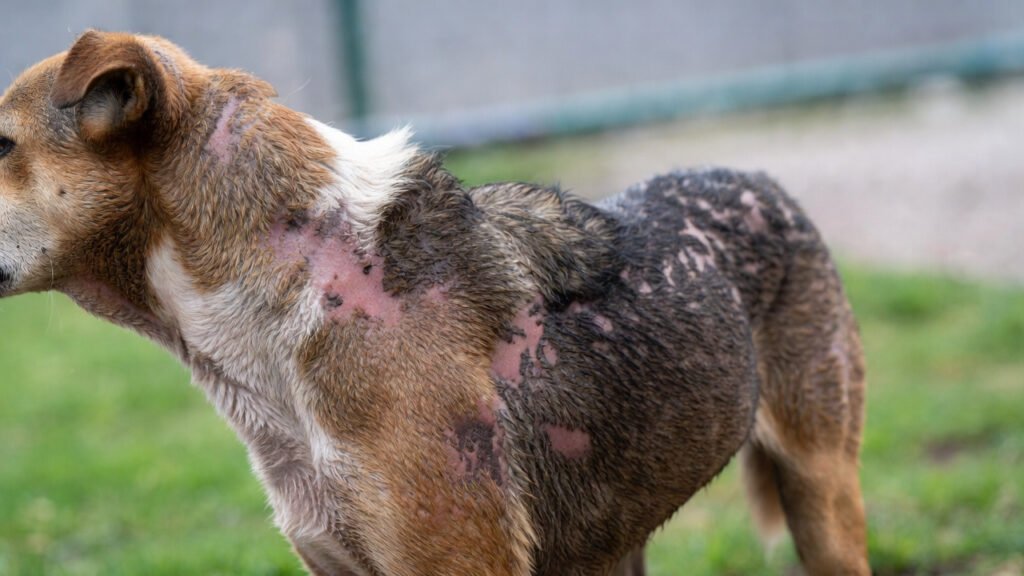
If you have ever been petting your dog and felt a tiny, crusty bump under their fur, you know that immediate spike of anxiety. Your fingers stop, you part the hair, and there it is: a small scabs on dog skin. Is it a tick? Did they get bitten by a spider? Or is this the start of a mysterious skin disease? I have sat with hundreds of pet owners who feel this exact same way. In my years of working with dogs, I’ve learned that while a single scab might be nothing more than a healing scratch from a rogue blackberry bush, a collection of “pimple-sized” dry wounds is usually a message from the skin that something internal or environmental is out of balance.

The short answer is that small scabs on a dog are most commonly caused by one of three things: Flea Allergy Dermatitis (FAD), a secondary bacterial infection like folliculitis, or environmental allergies. However, the way those scabs look—whether they are circular, flaky, red, or crusty—tells a story about the underlying cause. We aren’t just looking at a scab; we are looking at a symptom. In this guide, we are going to dive deep into the world of canine dermatology to help you identify what those spots are, how to provide immediate relief, and when you absolutely need to involve your veterinarian. Let’s decode your dog’s skin together.


1. Visual Triage: What Do the Scabs Look Like?

Before we jump into the “why,” we need to look at the “what.” Skin reactions in dogs are diverse. I always ask owners to describe the texture of the small scabs on dog. Is it a “pimple” that popped? Is it a dry, flaky patch? Or is it a hard, dark crust? This visual triage is the first step in our detective work.

If the scab looks like a tiny red dot that has dried into a brown flake, we often lean toward bug bites or fleas. If the scab is surrounded by a ring of peeling skin (which we call an epidermal collarette), that is a classic sign of a bacterial infection. On the other hand, if the skin looks “moth-eaten” with patches of hair loss accompanying the scabs, we start thinking about parasites like mites. By identifying the visual pattern, you can narrow down the list of suspects significantly before your vet visit.

2. Flea Allergy Dermatitis: The One-Bite Rule

You might say, “But I don’t see any fleas!” I hear this every single day. The reality is that for a dog with Flea Allergy Dermatitis (FAD), it only takes one single bite to trigger a systemic reaction. It isn’t the flea itself that causes the scabs; it is an allergic reaction to the flea’s saliva. Think of it as a severe allergic reaction rather than just an infestation.

When a sensitive dog is bitten, their immune system goes into overdrive. This causes intense itching, primarily at the base of the tail, the neck, and the inner thighs. The dog scratches, bites, and licks the area until the skin breaks. Those tiny “pimple-sized” wounds then dry up and form the small scabs on dog you are feeling. Even if your dog is on a preventative, a “breakthrough” bite can happen. If you’ve been seeing these spots for weeks, it’s worth doing a “flea comb” test on a wet white paper towel to look for flea dirt.

Can Dogs Eat Broccoli Stems? Raw vs. Cooked Safety

Can dogs eat broccoli stems

We have all been there. It is dinner prep time. You are standing at the cutting board, chopping up a head of fresh broccoli for a stir-fry or a healthy side dish. You cut off the fluffy green florets, and you are left with the thick, pale, woody stalks.

You turn toward the trash can to throw them away, but you are intercepted. Your dog is standing there, tail wagging rhythmically, eyes locked on that broccoli stem like it is a giant, green, crunchy bone.

You hesitate. It is a vegetable, so it must be safe, right? But it is also hard as a rock. Will they choke on it? Will it cause a stomach ache? Is it toxic?

You search: “Can dogs eat broccoli stems?”

As a canine nutritionist, I love vegetables for dogs. They add bulk, hydration, and vitamins without packing on the pounds. But broccoli is a tricky one. It belongs to the Brassica family (like cauliflower and cabbage), which means while it is incredibly healthy, it comes with some… smelly side effects and specific mechanical risks.

In this massive, vet-approved guide, we will answer the question once and for all. We will look at the choking risks of the stalk, the difference between raw and cooked digestion, why peeling the skin is crucial, and why feeding too much can turn your living room into a “gas chamber.”

🥦 The Quick Verdict: Stems vs. Florets

Yes, dogs can eat broccoli stems, but preparation is vital.

  • Nutritional Value: Excellent source of Fiber, Vitamin K, and Vitamin C.
  • The Danger: The stalks are a major Choking Hazard if swallowed whole.
  • The Side Effect: High amounts cause severe gas (flatulence).
  • The Golden Rule: Peel the tough skin and cut into coin-sized pieces.

The Health Benefits: Why Broccoli Rocks

Broccoli is a superfood for humans, and many of those benefits transfer directly to our canine companions. When you ask “can dogs eat broccoli stems,” you are asking about a low-calorie treat that packs a serious nutritional punch.

1. Fiber for Gut Health

The stems are packed with insoluble fiber. This helps keep your dog’s digestion regular. If you have a dog that is always hungry (like a Labrador or Beagle) but needs to lose weight, adding steamed broccoli stems to their bowl can help them feel “full” and satisfied without adding fattening calories.

2. Vitamin K (Bone Density)

Broccoli is rich in Vitamin K, which is known for improving bone density and, more importantly, helping blood clot properly. It is a great boost for active, growing dogs or seniors with fragile bones.

3. Cleaner Teeth (Nature’s Floss)

If served raw (and safely sized), the fibrous texture of the stem acts like a gentle abrasive. As your dog gnaws on the tough fiber, it can help mechanically scrub away surface plaque on their back molars. Think of it as a natural, edible dental chew.

Fresh broccoli stems ready for dog food prep


The Major Risks: What You Need to Know

Before you hand over that stalk, you need to know the risks. Broccoli is not risk-free, and size matters.

1. The Choking Hazard (The “Gulpers”)

This is the biggest danger with stems. Broccoli stalks are very dense and hard. If you have a dog that “inhales” food without chewing (you know who they are), a large chunk of broccoli stem can get lodged in their esophagus.

The Fix: Never give a whole stalk to a dog. Slice it into thin rounds (like coins) or small cubes. If you have a small dog, steam it until it is soft to prevent blockage.

2. Gastric Irritation (Isothiocyanates)

Here is the science part. Broccoli florets (the top green part) contain a compound called Isothiocyanates. While this compound fights cancer in small doses, in large doses, it is a severe gastric irritant for dogs.

If a dog eats too much broccoli (more than 10% of their daily diet), this compound can cause nausea, vomiting, and severe diarrhea.

The Good News: The stems actually contain LESS of this compound than the florets! So, structurally, the stems are safer for the stomach than the tops, provided they are chewed well.

3. The Gas Factor (Flatulence)

Let’s be real. Broccoli causes gas. It contains complex sugars (Raffinose) that dogs cannot fully break down in the stomach. These sugars travel to the large intestine, where bacteria ferment them.

The result? Gas.

If you feed your dog a lot of broccoli stems, be prepared to clear the room later. The gas can be potent. If your dog already has a sensitive stomach, skip the broccoli and choose green beans instead.


Raw vs. Cooked: The Great Debate

When asking “can dogs eat broccoli stems,” the preparation method changes the safety profile entirely.

Raw Broccoli Stems

Pros: Preserves all the vitamins (heat destroys some Vitamin C). Great crunch factor for teeth.

Cons: Very hard to digest. Tough to chew. Higher risk of intestinal blockage if swallowed in chunks.

Verdict: Only for large dogs with strong teeth, and ONLY if cut into very small pieces.

Cooked (Steamed) Broccoli Stems

Pros: Softens the fiber, making it easy to digest. Removes the choking risk almost entirely. Breaks down some of the gas-causing sugars.

Cons: Loses a tiny bit of vitamin content (but still healthy).

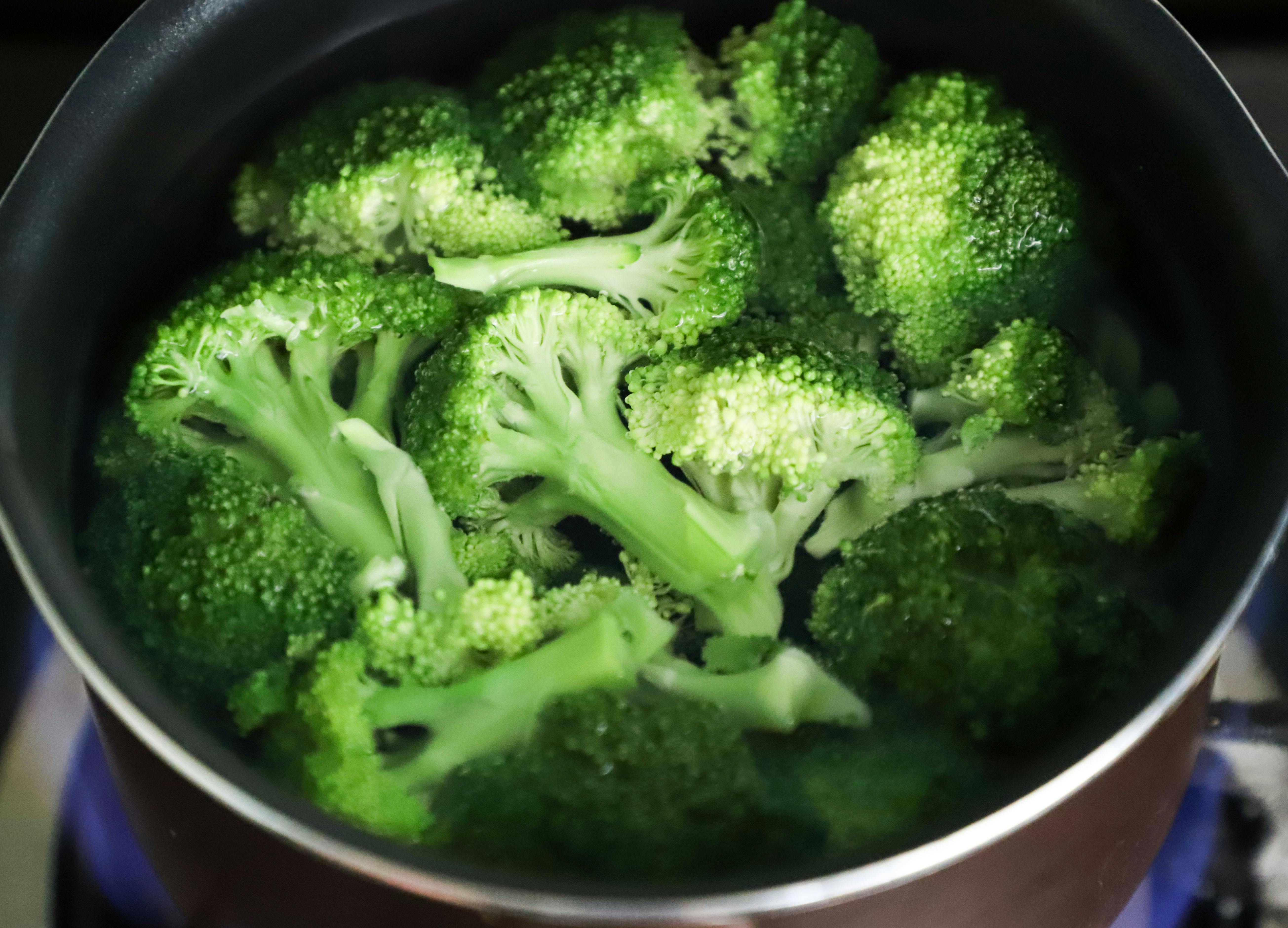
Verdict: The BEST and SAFEST way to serve it. Steam it for 5-7 minutes until you can pierce it with a fork. Do not use butter, salt, oil, or garlic.


How to Prepare Broccoli Stems for Dogs (Step-by-Step)

Don’t just throw the woody end on the floor. Treat it like a meal ingredient to ensure safety.

Step 1: The Wash

Rinse the stems thoroughly. Broccoli heads can trap dirt and pesticides.

Step 2: The Peel (Crucial Step)

Have you ever noticed that the outside of a broccoli stem is stringy and tough? That outer layer is very hard for dogs to digest.

Tip: Use a vegetable peeler to shave off the tough green skin. Underneath, you will find the “Broccoli Marrow”—a lighter, crisper, and sweeter part of the stem. This is the gold!

Step 3: The Cut

Slice the peeled stem into coin-sized rounds. If you have a tiny dog, chop those rounds into quarters.

Step 4: The Cook (Optional)

Steam or boil plain water. No salt. Let them cool completely before serving.

Dog waiting for healthy vegetable treat


Frequently Asked Questions (FAQ)

Q: Can dogs eat cauliflower stems too?
A: Yes! Cauliflower is basically broccoli’s pale cousin. The same rules apply: it causes gas, so feed in moderation, and cooking it is preferred to prevent choking.

Q: My dog ate a huge piece of raw stem. What do I do?
A: Don’t panic immediately. If they swallowed it and aren’t choking (coughing/wheezing), it will likely digest slowly. Watch them for signs of obstruction over the next 24 hours: vomiting, trying to poop but can’t, or a painful belly. If you see these signs, go to the vet.

Q: Can I give my dog broccoli with cheese sauce?
A: No. While humans love broccoli and cheddar, cheese sauce is high in fat, salt, and lactose. It can cause Pancreatitis or diarrhea. Keep the veggies plain.

Q: Is broccoli safe for puppies?
A: In tiny amounts, yes. But puppy digestive systems are very sensitive. The high fiber might cause diarrhea, which is dangerous for a puppy (dehydration risk). Stick to easier treats like carrots or sweet potatoes for babies until they are older.

Q: Can dogs eat frozen broccoli?
A: Yes! Frozen broccoli florets or stems are great. They are usually pre-blanched (cooked slightly), so they are safe. You can give them frozen as a crunchy summer treat, or thaw them out.

Final Thoughts

So, can dogs eat broccoli stems? Yes, they are a fantastic, eco-friendly way to reduce food waste and give your dog a vitamin boost.

The secret is in the prep. Peel the tough skin, chop them small, and preferably steam them. Your dog will love the crunch, and you’ll love knowing you’re adding healthy fiber to their diet without spending a fortune on fancy treats.

Just remember: Moderation. A few pieces are a treat. A whole bowl is a recipe for a very smelly evening.

Looking for more veggie ideas? Check out our article on Apple Skins and other safe snacks in the comprehensive Nutrition section.

Can Dogs Eat Apple Skin and Seeds? Cyanide Risks Explained

Can Dogs Eat Apple Skin and Seeds? Cyanide Risks Explained

It is a crisp autumn afternoon. You are standing at the kitchen counter, knife in hand, slicing into a bright red, juicy apple. The sound of the crunch echoes through the room. Almost instantly, you hear the familiar click-clack of claws on the floor tiles.

You look down. Your dog is sitting there, tail sweeping the floor, eyes wide and pleading. They watch the apple slice move from the cutting board to your mouth with laser focus. A long ribbon of apple peel falls onto the floor, and your dog lunges for it.

But you freeze. You hesitate. A sudden wave of worry washes over you.

You remember reading somewhere that fruit seeds are poisonous. You wonder about the wax on the skin. Is the peel too tough for them to digest? Will it cause a blockage? Is this healthy treat actually a hidden danger?

If you have ever found yourself frantically Googling “Can dogs eat apple skin?” while wrestling a piece of fruit out of your dog’s mouth, you are not alone. As a canine nutrition specialist, this is one of the top questions I receive. We want to share healthy, human foods with our pets, but the line between “safe” and “toxic” can be blurry.

The good news is that apples are generally one of the safest, healthiest treats you can find. The bad news? There are parts of the apple that are toxic, and preparation matters.

In this massive, definitive guide, we are going to dissect the apple—literally. We will explore the nutritional science of Pectin and Vitamin A, debunk the myths about Cyanide in seeds (and calculate exactly how many seeds are dangerous), and provide you with vet-approved recipes to turn this humble fruit into a super-treat.

🍎 The Quick Verdict: Safe or Toxic?

If you are in a rush, here is the cheat sheet. Can dogs eat apple skin? YES.

  • Apple Flesh:SAFE. Excellent source of vitamins and hydration.
  • Apple Skin:SAFE. Packed with fiber (Pectin) and antioxidants. Wash it first!
  • Apple Seeds:TOXIC. Contain Amygdalin (Cyanide). Dangerous in large amounts.
  • Apple Core: ⚠️ RISKY. A major choking hazard and intestinal blockage risk.

The Nutritional Powerhouse: Why Share Apples?

Before we talk about the dangers, let’s look at why apples are often called “Nature’s Toothbrush” for dogs. Unlike processed dog treats which are often full of fillers, glycerin, and artificial preservatives, an apple is 100% natural.

1. Dietary Fiber (Pectin)

Apple skin is loaded with Pectin, a type of soluble fiber. Fiber is the unsung hero of canine health.

  • For Diarrhea: Pectin absorbs water in the gut, which can help firm up loose stools.
  • For Constipation: It adds bulk to the waste, helping things move along.
  • Gut Health: Pectin acts as a prebiotic, feeding the “good bacteria” in your dog’s microbiome.

2. Vitamin A (The Immune Booster)

While dogs naturally produce some vitamins, they benefit greatly from dietary sources. Vitamin A is crucial for:

  • Vision: Keeping their eyesight sharp, especially in senior dogs.
  • Skin & Coat: Promoting shiny fur and reducing flaky skin.
  • Immune System: Helping their body fight off minor infections.

Most of the Vitamin A in an apple is concentrated in the skin. Peeling it throws away the best part!

3. Vitamin C (The Antioxidant)

Stress, exercise, and aging cause “oxidative stress” in dogs. Vitamin C fights this. It helps reduce inflammation in joints (great for arthritic dogs) and keeps their cognitive function sharp.

4. Low Calorie, Low Fat

Obesity is an epidemic in pets. A medium apple has about 90 calories, but a few slices have less than 10. Compared to a strip of bacon or a piece of cheese, apple slices provide a satisfying “crunch” and sweetness without the fat that triggers Pancreatitis.
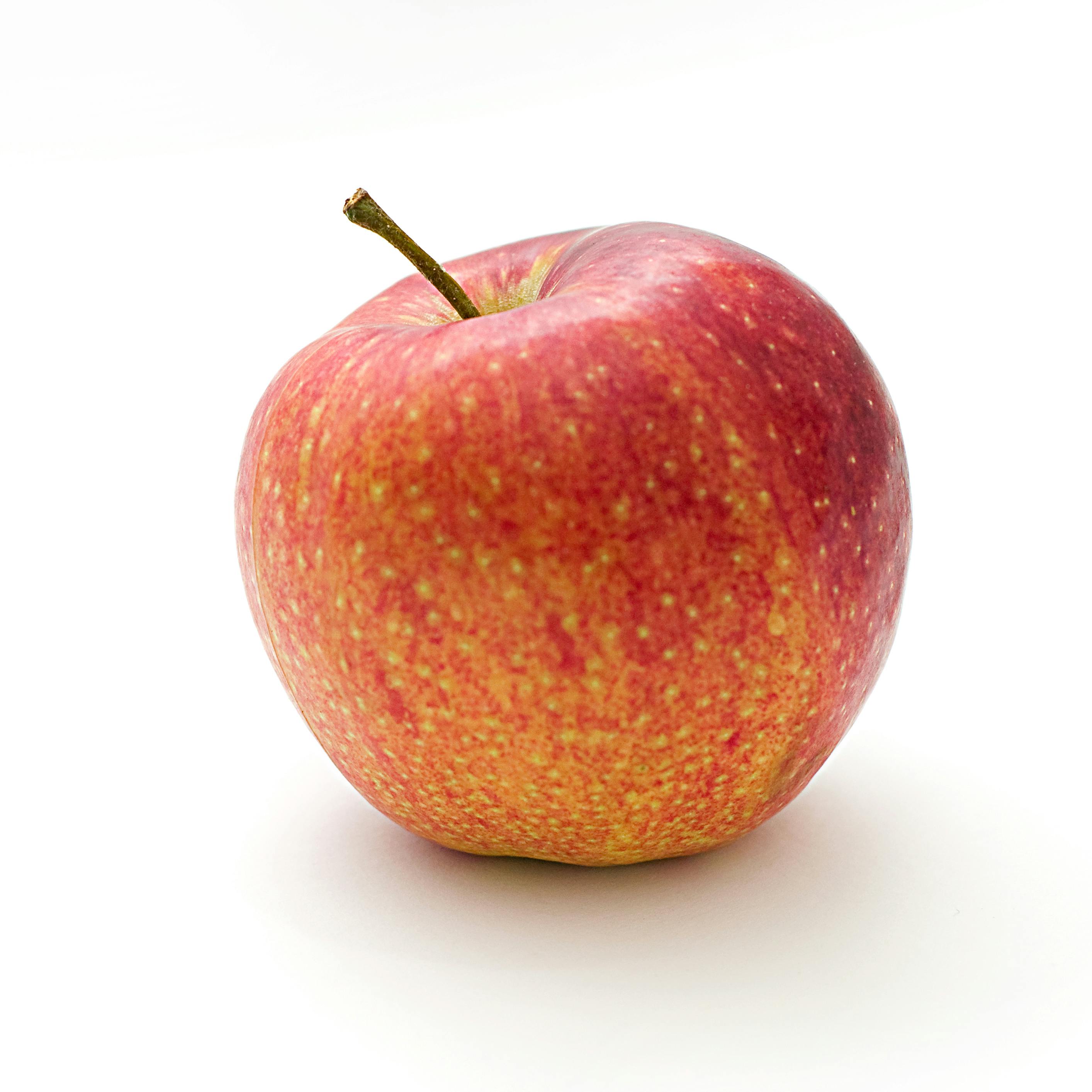
Dog looking at fresh red apples


The Danger Zone: The Truth About Apple Seeds (Cyanide)

This is the part that terrifies owners. You have heard the rumor: Apple seeds contain Cyanide.

Is it true? Yes.

The Science of Amygdalin

Apple seeds contain a compound called Amygdalin. On its own, the seed is harmless if swallowed whole. However, if a dog (or human) chews the seed and crushes the hard outer shell, enzymes in the stomach react with the Amygdalin and release Hydrogen Cyanide into the bloodstream.

Do I Need to Panic if My Dog Ate One Seed?

Probably not. Toxicology is all about the dose.

A medium-sized dog (like a Labrador) would need to crunch and ingest a huge amount of seeds—likely the seeds from 10 to 20 apples all at once—to suffer fatal poisoning. The body can detoxify small amounts of cyanide naturally.

However, risks are higher for:

  • Small Dogs: A Chihuahua or Yorkie has a much lower tolerance.
  • Accumulation: Feeding seeds daily over time puts stress on the liver.

The Rule: Always core the apple. Never throw the whole apple to your dog to play with. It isn’t worth the risk.

Symptoms of Cyanide Poisoning

If your dog raided an apple orchard and ate rotting apples with seeds, watch for:

  • Brick-Red Gums: The gums turn a bright, unnatural red (unlike the pale gums of shock).
  • Dilated Pupils: Eyes look black and wide.
  • Panting: Trying to get oxygen.
  • Tremors or Collapse.

(If you see these signs, drive to the Emergency Vet immediately).


The Risk of the Core: Choking and Blockages

Even if you removed every single seed, the core itself is dangerous.

Can dogs eat apple cores? No.

The core is firm, tough, and circular. It is the perfect size to get lodged in a dog’s throat (choking) or, worse, get stuck in their small intestine (bowel obstruction).

I have seen dogs require $3,000 surgery to remove an apple core that acted like a cork in their intestines. It simply isn’t worth the risk. Cut around the core and throw it in the compost.


Apple Skin: To Peel or Not to Peel?

So, back to the original question: Can dogs eat apple skin?

You do not need to peel the apple for an adult, healthy dog. The skin is where the nutrients live. In fact, peeling it removes most of the fiber and Vitamin A.

However, there are 2 Exceptions:

1. Pesticides and Wax

Grocery store apples are often coated in food-grade wax to make them shiny and keep them fresh. They are also part of the “Dirty Dozen” (fruits with high pesticide residue).

Solution:

Wash Thoroughly: Rinse with warm water and scrub with a veggie brush or a vinegar soak.

Buy Organic: If possible, organic apples have fewer chemicals.

Peel: If you can’t wash them well, peeling is safer to avoid chemical ingestion.

2. Sensitive Stomachs

The fiber in the skin is tough. If you have a puppy, a senior dog with missing teeth, or a dog with a very sensitive stomach (prone to gas), the skin might be hard to digest. It could cause a little gas or vomiting. For these dogs, peeled slices are safer.


Green vs. Red: Does the Type Matter?

Does it matter if you feed a Granny Smith or a Fuji apple?

  • Red Apples (Fuji, Gala, Honeycrisp): These are sweeter and contain more natural sugar (fructose). Most dogs prefer these.
  • Green Apples (Granny Smith): These are tart and acidic. While safe, the high acid content can cause a tummy ache or acid reflux in some dogs. Limit green apples to smaller quantities.

Safe Serving Suggestions (Recipes)

Bored of just handing over a slice? Here are 3 vet-approved ways to make apples exciting.

1. Frozen Apple Cubes (Summer Treat)

Cut the apple (skin on) into small cubes. Place them on a baking sheet and freeze them. On a hot summer day, these make fantastic, hydrating, crunchy treats that help cool your dog down.

2. The “Apple Pie” Kong

1. Dice an apple into small pieces.

2. Mix with a spoonful of plain, unsweetened Greek Yogurt or Xylitol-free Peanut Butter.

3. Stuff the mixture inside a Kong toy.

4. Freeze for 2 hours.

This creates a long-lasting enrichment activity that keeps them busy.

3. Apple & Oat Topper

Grate a fresh apple over their boring dry kibble. The moisture and sweetness will encourage picky eaters to finish their dinner. You can also mix in a sprinkle of cooked oatmeal for extra fiber.


Frequently Asked Questions (FAQ)

Q: Can dogs eat applesauce?
A: Only if it is unsweetened and plain. Most commercial applesauce jars contain added sugar, high-fructose corn syrup, or preservatives that are bad for dogs. Check the label carefully. Making your own by boiling and mashing apples is the safest bet.

Q: My dog ate a rotten apple off the ground. Is he okay?
A: Be careful. Rotting (fermenting) apples contain ethanol (alcohol). If a small dog eats enough rotten apples, they can actually get alcohol poisoning. Watch for signs of wobbliness, vomiting, or lethargy.

Q: Can diabetic dogs eat apples?
A: Apples contain natural sugar (fructose). While healthier than candy, they still spike blood sugar. If your dog has diabetes, consult your vet. They may allow a very small slice, but generally, green vegetables like cucumbers or green beans are a better treat for diabetic dogs.

Q: Can puppies eat apples?
A: Yes, puppies can eat apples. It is great for teething! Just cut them into very small pieces to prevent choking, and perhaps peel them for the first few times to make digestion easier on their baby tummies.

Final Thoughts

So, can dogs eat apple skin? The answer is a resounding Yes! It is a healthy, crunchy, vitamin-packed snack that most dogs adore.

The danger lies entirely in the seeds (cyanide) and the core (choking). As long as you treat the apple like you would for a human toddler—washed, cored, and sliced—it is one of the safest human foods you can share.

Next time you hear that crunch, feel free to toss a slice to your good boy. He’s earned it!

Want to know about other fruits in your fruit bowl? Check out our guide on Bananas and other pantry staples in our comprehensive Dog Nutrition & Diet section.


Can Dogs Eat Canned Tuna? Mercury Risks & Water vs. Oil

Can Dogs Eat Canned Tuna

It’s lunchtime. You reach into the pantry and grab a small tin can. The sound of the can opener piercing the metal is barely audible, yet somehow, your dog hears it from three rooms away. They come sprinting into the kitchen, skidding on the tiles, looking up at you with pure desperation.

The smell of tuna fills the air. It’s fish, so it must be healthy, right? Dogs love meat, and tuna is meat. In fact, many high-end dog foods list “Fish” as a primary ingredient.

But then you pause. You remember hearing something about mercury poisoning. You wonder about the salt content in the can. You ask yourself: Can dogs eat canned tuna?

As a pet nutritionist, I treat tuna as a “double-edged sword.” It is an incredible source of lean protein and Omega-3 fatty acids, but it carries risks that other fish (like salmon, sardines, or whitefish) do not. Feeding your dog the wrong kind of canned tuna—or feeding it too often—can lead to serious health issues ranging from Pancreatitis to heavy metal toxicity.

In this deep-dive guide, we will open the lid on the tuna debate. We will explain the critical difference between “Chunk Light” and “Albacore,” why oil-packed tuna is a recipe for disaster, and how to safely share this pantry staple with your pup.

🐟 The Golden Rules: Water vs. Oil

If you are standing in the kitchen right now, look at the label. Can dogs eat canned tuna? Yes, BUT only specific kinds.

  • ✅ Tuna in Water: SAFE (in moderation). This is the only type you should feed.
  • ❌ Tuna in Oil: DANGEROUS. High fat content causes Pancreatitis and upset stomach.
  • ❌ Tuna with Spices: TOXIC. Garlic, Onion, or “Lemon Pepper” flavors are toxic to dogs.
  • ⚠️ Frequency: Once a week max (due to Mercury risks).

The Benefits: Why Tuna is a Super Snack

When asking “can dogs eat canned tuna,” we first look at the nutritional profile. Despite the risks, it is undeniably nutrient-dense and can be a lifesaver for picky eaters.

1. Lean Protein Powerhouse

Tuna is almost pure protein with very little fat (if packed in water). This makes it an excellent treat for overweight dogs who need to feel full without the calories of a fatty biscuit. It supports muscle growth and repair without expanding their waistline.

2. Omega-3 Fatty Acids

Fish oils are famous for a reason. They contain EPA and DHA, essential fatty acids that support:

  • Coat Health: Making fur shiny, soft, and reducing shedding.
  • Joint Health: Reducing inflammation in arthritic or senior dogs.
  • Brain Function: Essential for cognitive health in puppies and aging dogs.

3. Vitamins and Minerals

Tuna is rich in Selenium (an antioxidant), Magnesium, and Potassium, as well as Vitamins B3, B6, and B12, which boost energy metabolism. If your dog seems lethargic, a B12 boost can help.

Can of tuna fish healthy for dogs


The Big Risk: Mercury Poisoning

This is the main reason why tuna cannot be a daily meal for dogs. Unlike salmon or sardines, tuna carries a heavy metal risk.

The Bioaccumulation Problem:

Tuna are large, long-living predatory fish. They eat smaller fish, absorbing the mercury from them. Over time, this heavy metal accumulates in their tissues. Since dogs are much smaller than humans, their tolerance for mercury is much lower.

Symptoms of Mercury Poisoning in Dogs

If a dog eats tuna daily for months, mercury builds up in their system, leading to:

  • Loss of coordination (wobbliness or dizziness).
  • Blindness or vision changes.
  • Kidney damage (increased thirst/urination).
  • Tremors, anxiety, and hair loss.

Albacore vs. Skipjack (The Buyer’s Guide)

Not all tuna is equal. The species matters.

1. Albacore (White Tuna): These are larger fish. They contain almost 3 times more mercury than smaller tuna. Limit this strictly or avoid it for dogs.

2. Skipjack (Chunk Light): These are smaller fish with shorter lifespans. They contain significantly lower mercury levels. This is the safer choice for pets.

Verdict: Always buy “Chunk Light” tuna for your dog to minimize risk.


The Oil Trap: Why “Packed in Oil” is Bad

You might think, “Oil is good for their coat, right? My vet told me to give fish oil.”
Wrong.

The oil in canned tuna is usually soybean oil, vegetable oil, or sunflower oil. These are:

  1. High in Omega-6: Too much Omega-6 promotes inflammation (the opposite of Omega-3).
  2. Calorie Dense: A can in oil has double the calories of a can in water.
  3. Greasy: A sudden influx of this grease can trigger Pancreatitis.

What is Pancreatitis?

It is a painful, life-threatening inflammation where the pancreas starts digesting itself. Symptoms include severe vomiting, a hunched back (pain), and refusal to eat.

Rule: Always verify the label says “Packed in Water.”


The Salt Warning (Sodium Poisoning)

Canned food is notorious for sodium. It acts as a preservative. A single can of tuna might contain 300mg+ of salt.

Salt Toxicity (Hypernatremia) happens if a dog eats massive amounts of salt without access to water. It causes brain swelling and seizures. Even in smaller amounts, excess salt creates intense thirst and puts stress on the kidneys and heart.

The Solution:

Even if you buy tuna in water, drain the water thoroughly and put the fish in a colander (strainer). Rinse it under the tap for 30 seconds. This washes away a significant amount of the excess sodium.


How to Serve Tuna Safely (Step-by-Step)

If you want to boost your dog’s bowl without the risk, follow this safety recipe:

  1. Buy: “Chunk Light Tuna in Water” (Look for “No Salt Added” labels if available).
  2. Drain: Remove all the liquid from the can.
  3. Rinse: Give it a quick rinse under cold tap water to remove salt.
  4. Serve: Mix 1 tablespoon into their kibble as a “topper.” Do not give the whole can at once.

Pro Tip for Sick Dogs:

Because tuna has such a strong, pungent aroma, it is a fantastic appetite stimulant. If your dog is sick, recovering from surgery, or refusing to eat their bland diet, mixing a tiny bit of tuna juice (water) into their food can trick them into eating.

Dog eating healthy food from a bowl


Frequently Asked Questions (FAQ)

Q: Can dogs eat Tuna Salad with mayo?
A: NO. Tuna salad often contains mayonnaise (high fat), onions, and garlic powder. Onions and garlic are toxic to dogs; they damage red blood cells causing anemia. Never share your sandwich filling.

Q: Can dogs eat raw tuna (Sushi)?
A: It is risky. Raw fish contains an enzyme called Thiaminase which breaks down Vitamin B1 (Thiamine). Over time, this causes vitamin deficiency. Raw fish also carries parasites like flukes or roundworms. Cooked or canned is much safer.

Q: Can dogs eat salmon instead?
A: Yes! Canned salmon (in water, bones removed) is actually better than tuna. It has lower mercury levels and higher Omega-3s. It is the gold standard for fish treats.

Q: My dog ate a whole can of tuna in oil by accident. What do I do?
A: Don’t panic. One can won’t cause mercury poisoning. The risk is the oil. Watch for vomiting or diarrhea (upset stomach) for the next 24 hours. Feed a bland diet (rice and chicken) for the next meal to help settle the stomach. If they vomit repeatedly, call the vet.

Final Thoughts

So, can dogs eat canned tuna? Yes, as a special, occasional treat. Think of it like a “Friday Night Takeout” for your dog, not a daily vitamin.

It is nutritious, delicious, and convenient. Just remember the golden rules: Stick to “Chunk Light,” choose “Water Packed,” rinse off the salt, and keep portions small. Your dog will thank you for the tasty topper, and you can rest easy knowing you avoided the risks.

Looking for more safe human foods to share? Check out our guide on Shrimp Safety and other pantry staples in our comprehensive Dog Nutrition section.

Can Dogs Eat Pork Bones? Why Ribs Are Dangerous (Vet Alert)

Can Dogs Eat Pork Bones?

It is BBQ season. The grill is fired up, the smell of smoky meat fills the backyard, and you have just finished a rack of delicious, tender pork ribs. The meat is gone, and a pile of bones sits on your plate.

Your dog is sitting next to you, mesmerized. They nudge your hand. They give you the “puppy eyes.” In cartoons, dogs always chew on bones. It seems like their natural purpose in life. You might think, “It’s just a bone, dogs in the wild eat bones, what’s the harm?”

You reach out to give them a leftover rib bone. STOP! Put it down.

If you are grabbing your phone to search “Can dogs eat pork rib bones?”, the answer is a hard, life-saving NO. While big beef marrow bones can sometimes be safe recreational chews, pork bones are a completely different story.

As a veterinary professional, I have seen more emergency surgeries caused by pork bones than almost any other table scrap. They are brittle, they splinter into microscopic needles, and they are enticingly delicious, which makes dogs swallow them whole without thinking.

In this urgent safety guide, we will explain why pork bones are uniquely dangerous compared to other bones, what “Splintering” actually looks like inside the stomach, the risk of parasites in raw pork, and the exact triage steps to take if your dog managed to steal one off the table.

☠️ The Safety Alert: Why Pork Bones are Banned

Can dogs eat pork bones? Absolutely NOT.

Whether cooked, raw, smoked, or boiled, pork bones are highly unsafe because:

  • Splintering: They break into razor-sharp shards, not clean chunks.
  • Choking Hazard: Rib bones are the perfect size to lodge in the throat.
  • Trichinosis (Raw): Raw pork carries specific parasites that beef does not.
  • Pancreatitis: The high fat content on leftover bones can trigger inflammation.

The Physics of a Pork Bone Injury

You might be wondering, “My dog chews sticks, why not this?” The answer lies in the density of the bone.

Pork bones (especially ribs and chop bones) are significantly less dense than cow (beef) bones. When a dog bites down with their powerful jaw—which can exert hundreds of pounds of pressure per square inch—the pork bone doesn’t just crack; it shatters.

The “Shrapnel” Effect

Imagine chewing on a piece of glass. That is effectively what a splintered pork bone acts like inside your dog’s digestive tract.

Dog looking at dangerous pork bones on table

When swallowed, these sharp shards can cause three types of damage:

  1. Mouth Injuries: The shards can slice the gums, tongue, or get wedged across the roof of the mouth (a bone cross), causing panic and pain.
  2. Esophageal Laceration: As the bone travels down, sharp edges can cut the esophagus. This is incredibly painful and difficult to heal.
  3. Gastrointestinal Perforation: This is the killer. If a sharp bone pokes a hole in the stomach or intestine, gut bacteria leak into the sterile abdomen. This causes Septic Peritonitis, a rapidly fatal infection that requires emergency surgery and has a long recovery time.

Cooked vs. Raw: Is Either Safe?

When asking “can dogs eat pork bones,” people often try to find a loophole. Is raw safer? Is boiled safer?

Cooked Bones (The Danger Zone)

NEVER give a cooked bone. Cooking dries out the collagen structure inside the bone. Collagen is what makes bones slightly flexible. Without it, the bone becomes like dry pottery. A cooked pork rib will snap into sharp needles instantly upon contact with teeth.

Raw Pork Bones (Still Risky)

Proponents of raw feeding (BARF diet) might say raw bones are soft. While raw bones are less likely to splinter than cooked ones, raw PORK specifically carries a biological risk: Trichinella spiralis.

This parasite causes Trichinosis, a muscle infection. While rare in commercial pork, the risk exists. Furthermore, even raw pork ribs are small enough to be a choking hazard for large dogs who might try to swallow them whole in excitement (“Gulpers”).


My Dog Ate a Pork Bone: What Do I Do? (Emergency Protocol)

Accidents happen. You turned your back, and the bone is gone. You are panicking. Follow this triage plan immediately.

1. Do Not Induce Vomiting ❌

This is the most important rule. Unlike chocolate or poison, you do not want to bring a bone back up.
Why? Because the sharp edges can slice the esophagus on the way back up, causing more damage than staying down. Plus, a rib bone can get stuck in the throat, blocking the airway.

2. The “Bread Cushion” Method

If the bone was swallowed recently (within 1 hour), your goal is to cushion it.

Feed your dog:

  • Several slices of soft white bread.
  • Balls of sticky white rice.
  • Mashed potatoes.

The idea is that the soft, bulky food will wrap around the sharp bone shards in the stomach, forming a protective “cocoon” that helps it pass through the intestines safely.

3. Monitor for 48-72 Hours

You are now on “Poop Patrol.” Watch your dog like a hawk. You want to see the bone fragments pass in the stool.

🚨 Go to the ER Vet immediately if you see:

  • Vomiting: Especially if it contains blood or looks like coffee grounds.
  • Bloody Stool: Bright red blood or black, tarry stool (Melena).
  • Lethargy: Refusing to play or eat.
  • “Prayer Position”: Stretching front legs out while keeping the butt in the air. This is a classic sign of severe abdominal pain.

Vet checking dog stomach for blockage


The Hidden Risk: Pancreatitis

Even if the bone passes safely, you aren’t out of the woods. Pork bones (especially ribs) are usually covered in fat, BBQ sauce, and spices.

A sudden intake of fat can trigger Pancreatitis within 24 to 48 hours. This is an inflammation of the pancreas that causes severe vomiting and dehydration.

Warning Signs: If your dog vomits multiple times a day after eating the bone, it might not be a blockage; it might be their pancreas.


Safe Alternatives: What To Chew Instead

Your dog needs to chew. It releases endorphins, cleans their teeth, and calms their anxiety. Instead of dangerous pork bones, try these safe, vet-approved alternatives:

1. Raw Beef Marrow Bones (Recreational)

Large, dense beef femur bones (soup bones) are generally safe for gnawing. They are too hard to break, so the dog just scrapes the meat off.

Note: Take it away once the meat is gone so they don’t break a tooth.

2. Rubber Kong Toys

Stuff a classic Kong toy with peanut butter or yogurt and freeze it. It provides the same 30-minute distraction as a bone but is indestructible and safe.

3. Bully Sticks

These are made from dried beef muscle (pizzle). They are fully digestible. If your dog swallows a chunk, their stomach acid will break it down easily. They are the safest “edible” chew.

4. Dental Chews (VOHC Accepted)

Look for the “Veterinary Oral Health Council” seal on dental treats. These are proven to reduce plaque without breaking teeth.


Frequently Asked Questions (FAQ)

Q: Can dogs eat pork chop bones?
A: No. Chop bones are even sharper than rib bones when they break. They usually have a jagged point that acts like a needle.

Q: My dog chewed the bone but didn’t swallow it. Is he okay?
A: Check his mouth. Pork bone splinters can get stuck between teeth or wedged across the roof of the mouth. If he is pawing at his mouth or drooling, he might have a splinter stuck in his gums.

Q: Can dogs eat ham bones?
A: No. Ham bones are not only brittle pork bones, but they are also cured with massive amounts of salt. This can lead to salt toxicity (dehydration and brain swelling) in addition to the splinter risk.

Q: Why do pet stores sell “Smoked Pork Bones” if they are bad?
A: Good question. Many vets argue they shouldn’t. While smoking toughens the bone slightly, they can still splinter. Just because it is sold in a store doesn’t mean it is 100% safe. Supervise closely if you choose to use them, but beef is always safer.

Final Thoughts

So, can dogs eat pork bones? No. The risk simply isn’t worth the reward.

It takes just one bad splinter to turn a tasty treat into a tragedy. Keep the ribs for yourself, throw the bones in a secure, dog-proof trash can, and give your dog a safe chew toy or a Bully Stick instead. They will be just as happy with the treat, and you will sleep better knowing their stomach is safe.

For more warnings on household dangers, verify your pantry with our Toxic Foods List in the Safety Center.

Can Dogs Eat Cottage Cheese for Diarrhea? Safety & Dosage Guide

Can Dogs Eat Cottage Cheese for Diarrhea? Safety & Dosage Guide

It starts with a rumble in the tummy. Then, the urgent scratching at the door. Before you know it, you are dealing with the dreaded “doggy disaster”—diarrhea.

There is nothing more stressful (and messy) for a pet owner than a dog with an upset stomach. You want to help them feel better, but you know their regular kibble might just make things worse.

You open the fridge, looking for something bland and soothing. You spot a tub of white, lumpy cheese. You recall hearing that dairy is bad for dogs, but you also remember your grandmother feeding cheese to her sick pup.

You pause and ask: Can dogs eat cottage cheese? specifically, is it good for diarrhea?

As a canine nutrition specialist, I often recommend a “Bland Diet” for recovering dogs. While boiled chicken and rice are the gold standard, cottage cheese is the unsung hero of the recovery menu—if you choose the right kind.

In this comprehensive guide, we will explore the science behind this dairy product. We will discuss why it helps (protein + probiotics), why it might hurt (lactose intolerance), and the exact spoonful dosage to settle your dog’s stomach without causing a relapse.

🧀 The Quick Verdict: Good or Bad?

Yes, dogs can eat cottage cheese. It is generally safe and beneficial for mild stomach upsets.

  • The Good: High protein, low fat (if you buy the right one), and easy to digest.
  • The Catch: It contains lactose. If your dog is lactose intolerant, it will make diarrhea worse.
  • The Rule: Stick to Low-Fat or Fat-Free varieties. Never feed full-fat to a sick dog.

Why Cottage Cheese is a “Superfood” for Sick Dogs

When asking “can dogs eat cottage cheese,” we are usually looking for a protein source that is gentle on the gut. Here is why vets often prefer it over regular cheese or even meat in some cases.

1. High Digestibility

Unlike a tough piece of steak or high-fiber vegetables, cottage cheese is soft and breaks down easily in the stomach. When the digestive system is inflamed (Gastritis or Colitis), it needs food that requires very little “work” to digest. The curds provide essential energy without taxing the gut.

2. A Bland Protein Source

During diarrhea, a dog loses nutrients rapidly. They need protein to repair tissue and keep their immune system strong. Cottage cheese is packed with Casein protein, which is slow-digesting and provides a steady stream of amino acids.

3. Calcium and Phosphorus

Just like for humans, it is a bone-building powerhouse. While a sick dog doesn’t strictly need extra calcium for a 2-day illness, it is a healthy bonus for pregnant mothers or growing puppies.

4. Probiotics (The Gut Healers)

Some (but not all) cottage cheese brands contain live active cultures. These are good bacteria that help restore the microbiome balance in your dog’s intestine. Diarrhea often flushes out good bacteria; fermented dairy can help put them back.

Dog resting and recovering from stomach upset


The Risk Factor: The Lactose Paradox

Here is the confusing part. We are told “Dairy is bad for dogs,” yet we are also told “Cottage cheese is good for diarrhea.” How can both be true?

It comes down to Fermentation.

The Science:

Fresh milk is high in lactose (milk sugar). Many adult dogs lack the enzyme (lactase) to break this sugar down. This leads to gas and diarrhea.

However, when milk is turned into cottage cheese, the fermentation process removes or breaks down a significant amount of that lactose. Therefore, cottage cheese is lower in lactose than whole milk.

The Test:

Most dogs handle it fine. But some are hyper-sensitive. If you have never fed dairy to your dog before, do not use a diarrhea episode as your first experiment! Try a teaspoon when they are healthy first.


Fat Content: The Danger of Pancreatitis

This is the most critical warning in this guide.

Can dogs eat cottage cheese that is “Creamy” or “4% Milkfat”?

NO.

When a dog has an upset stomach, fat is the enemy. Fat is hard to digest and stimulates the pancreas. Feeding high-fat foods to a sick dog can trigger Pancreatitis—a life-threatening inflammation.

Always Buy:

  • Fat-Free (0%)
  • Low-Fat (1% or 2%)

Never Buy:

  • Regular / Full Fat (4%+)
  • “Large Curd” styles (often creamier/fattier)
  • Varieties with added pineapple or fruit (Sugar risk).

Dosage Guide: How Much to Feed?

You bought the Low-Fat tub. Now, how much do you give? Overdoing it creates the “Too Much of a Good Thing” effect.

Use the “10% Rule.” Treats and toppers should never exceed 10% of their daily calories. However, for a therapeutic bland diet, we use a specific ratio.

The “Bland Diet” Recipe

If replacing a meal to treat diarrhea, mix cottage cheese with a bland carbohydrate.

  • The Ratio: 2 parts Starch (White Rice or Boiled Potato) to 1 part Protein (Cottage Cheese).
  • Small Dog (10-20 lbs): 1 tablespoon of cheese + 2 tablespoons of rice.
  • Medium Dog (30-50 lbs): 1/4 cup of cheese + 1/2 cup of rice.
  • Large Dog (60+ lbs): 1/2 cup of cheese + 1 cup of rice.

Feed this small meal 3-4 times a day instead of one big meal. Small, frequent meals are easier on a sick stomach.

Healthy fresh food bowl for dog


Cottage Cheese vs. Yogurt: Which is Better?

This is a common debate. Both are fermented dairy. Which wins?

  • Yogurt (Greek, Plain): Better for Probiotics. Yogurt usually has more live cultures than cottage cheese.
  • Cottage Cheese: Better for Protein and Taste. It is less sour/tangy than yogurt, so picky dogs are more likely to eat it. It also “sticks” to rice better.

Verdict: Use Cottage Cheese for sticking to a bland diet (calories/protein). Use Yogurt if you specifically want to boost gut bacteria.


Frequently Asked Questions (FAQ)

Q: Can puppies eat cottage cheese?
A: Yes, in very small amounts. Puppies have sensitive tummies. The calcium is good for them, but too much calcium can actually cause skeletal issues in large-breed puppies. Stick to a teaspoon as a treat.

Q: Can diabetic dogs eat cottage cheese?
A: Yes, it is an excellent choice! It is high protein and low carb (unlike rice). It won’t spike blood sugar levels like biscuits would. Just ensure it is plain with no added sugars.

Q: My dog vomited after eating it. What now?
A: Stop feeding immediately. Vomiting indicates either a severe lactose intolerance or that the stomach is too irritated to handle food at all. Switch to a 12-hour fast with only water, then try plain rice without the cheese.

Q: Can I mix it with pumpkin?
A: Yes! This is a “Power Combo” for diarrhea. Plain canned pumpkin (fiber) firms up the stool, while cottage cheese provides the protein. It is a fantastic recovery meal.

Final Thoughts

So, can dogs eat cottage cheese? Absolutely. It is a fridge staple that doubles as a first-aid kit item for tummy troubles.

When served correctly (Low-Fat, Plain, Moderated), it acts as a soothing, nutritious bridge to get your dog back to full health. Just remember to check the label for sodium and fat content, and always start with a small spoonful to test their tolerance.

For more safe human food guides and recovery tips, explore our Dog Nutrition section.

Can Dogs Eat Pistachios? The Hidden Risk of Mold & Shells

Can dogs eat pistachios

You are sitting on the couch watching a movie, a bowl of roasted pistachios on your lap. The rhythmic sound of cracking shells fills the room. Your dog is sitting right next to you, staring intensely at the green nuts, catching every shell fragment that falls to the floor.

They nudge your hand. They whine. They want a taste of that salty, crunchy snack.

You hesitate. You know peanuts are generally okay (in peanut butter form), but what about tree nuts? Are they toxic? Will the shell hurt their stomach?

You grab your phone and search: Can dogs eat pistachios?

As a canine nutritionist, I advise extreme caution with nuts. While pistachios are a healthy, antioxidant-rich snack for humans, they are a “nutritional minefield” for dogs. They aren’t explicitly toxic in the way Macadamia nuts are (which cause temporary paralysis), but they carry a unique set of risks ranging from deadly mold to acute pancreatic inflammation.

In this massive safety guide, we will crack open the truth. We will explore the “Fat Trap,” the danger of Aflatoxins (a science term every owner should know), and exactly what to do if your dog raided the pistachio bowl while you weren’t looking.

🥜 The Quick Verdict: Pass or Fail?

Can dogs eat pistachios? Technically Yes, but mostly NO.

They are not poisonous, but the risks outweigh the benefits.

  • The Shells: Major choking and blockage hazard.
  • The Fat: Extremely high fat content causes Pancreatitis.
  • The Mold: Risk of Aflatoxin poisoning (liver failure).
  • The Sodium: Salted nuts cause dehydration.

Recommendation: Do not feed them intentionally. If they eat one dropped nut (without the shell), they will likely be fine.

The Nutritional Problem: Too Much of a Good Thing

When asking “can dogs eat pistachios,” we have to look at the macronutrients. Humans eat nuts for healthy fats. Dogs handle fat very differently.

1. The Fat Bomb (Pancreatitis Risk)

Pistachios are roughly 45% fat. To a human, that’s energy. To a dog, especially a small one like a Schnauzer or Yorkie, that is a digestive grenade.

When a dog eats a high-fat meal (like a handful of nuts), their pancreas goes into overdrive releasing enzymes to break it down. Sometimes, these enzymes activate too early and start digesting the pancreas itself. This is called Pancreatitis.

Symptoms of Pancreatitis:

– Severe vomiting (repeatedly).

– Hunched back (abdominal pain).

– Lethargy and fever.

(This condition requires hospitalization and IV fluids. It is painful and expensive to treat).

2. Phosphorus Levels

Pistachios are high in phosphorus. While essential in small amounts, high phosphorus levels can contribute to the formation of Bladder Stones in susceptible breeds. If your dog has a history of urinary issues, all nuts should be off the menu.

Dog looking curiously at food snacks


The Hidden Killer: Aflatoxin Poisoning

This is the scientific reason most vets say “No” to pistachios. It’s not the nut itself; it’s what grows on it.

What is Aspergillus?

Pistachios (along with corn and peanuts) are prone to a mold called Aspergillus flavus. This mold produces a toxin called Aflatoxin.

While agricultural standards try to keep this low for humans, dogs are incredibly sensitive to it. Even trace amounts that wouldn’t hurt you can damage a dog’s liver.

Signs of Pistachio Poisoning (Aflatoxicosis):

  • Loss of appetite.
  • Jaundice (yellowish eyes or gums).
  • Vomiting and orange-colored urine.
  • Liver failure.

This is rare in commercial human-grade nuts, but if the nuts are old, stale, or unshelled, the risk increases significantly.


The Mechanical Danger: Pistachio Shells

If your dog ate a pistachio, they probably didn’t peel it first. They ate the whole thing, shell and all.

Can dogs eat pistachio shells? NO.

The shells are made of hard, woody cellulose. They are indigestible.

1. Choking: The shape of a pistachio shell is perfect for getting stuck in the trachea (windpipe).

2. Intestinal Blockage: Unlike a small seed that might pass, pistachio shells have sharp edges. They can scrape the intestinal lining or clump together to form a blockage. A pile of shells in the intestine acts like a dam, stopping food from moving.

Symptoms of Blockage:

– Vomiting food or water immediately after eating.

– Straining to poop but nothing comes out.

– Painful, hard belly.


Salt and Seasoning: The Additives

Nobody eats plain, raw pistachios. We eat them roasted and salted, or flavored with chili and lime.

Sodium Ion Poisoning

A dog’s tolerance for salt is much lower than ours. A handful of salted pistachios contains enough sodium to cause extreme thirst and dehydration in a medium dog.

In severe cases (like eating a whole bag), it leads to Sodium Ion Poisoning, which causes brain swelling, seizures, and high fever.

Toxic Spices

If the nuts are flavored with Garlic or Onion powder, they are strictly toxic. These ingredients damage red blood cells and cause Anemia.

Pile of pistachios with shells dangerous for dogs


My Dog Ate a Pistachio: What Do I Do?

Okay, the accident happened. Your dog ate a pistachio that dropped on the rug. Do you need to rush to the ER?

Scenario A: They ate 1 or 2 shelled nuts (No shell)

Status: Likely Fine.

Action: Monitor them. They might have a little gas or loose stool tomorrow due to the fat, but they shouldn’t suffer serious poisoning. Ensure they drink plenty of water to flush out the salt.

Scenario B: They ate a handful (with shells)

Status: Caution / Red Flag.

Action: Call your vet. The shells are the worry here. Your vet might suggest feeding them a bulky meal (like bread or rice) to cushion the shells as they pass, OR they might want to induce vomiting if it just happened. Do not induce vomiting yourself with shells involved unless instructed, as they can scratch the throat coming up.

Scenario C: They ate a whole bag

Status: Emergency.

Action: Go to the Vet. The combination of massive fat (Pancreatitis risk) and massive salt (Seizure risk) requires medical intervention (IV fluids and monitoring).


Safe Alternatives: What To Give Instead?

If your dog loves the “Crunch” of a nut, there are safer options.

  • Peanuts (Unsalted, Shell-free): Safe in moderation. (Avoid “Honey Roasted”).
  • Cashews (Roasted, Unsalted): Safe in tiny amounts.
  • Carrot Sticks: The ultimate crunchy, low-calorie treat.
  • Air-Popped Popcorn: Plain, no butter, no salt. Great crunch, low fat.

Strictly Avoid:

Macadamia Nuts: Highly toxic. Causes paralysis.

Walnuts (Black): Prone to mold toxins.

Pecans: Contains Juglone toxin.


Frequently Asked Questions (FAQ)

Q: Can dogs eat pistachio ice cream?
A: No. Ice cream is high in sugar and lactose (most dogs are lactose intolerant). Plus, pistachio ice cream often uses artificial sweeteners (Xylitol risk) or almond flavoring. It’s a recipe for diarrhea.

Q: Why does my dog love pistachios if they are bad?
A: Dogs love fat and salt. Pistachios are fatty and salty. To a dog’s primitive brain, high-calorie food is a prize. They don’t have the instinct to know it causes Pancreatitis. It is your job to be the parent.

Q: Do I need to brush their teeth after eating a nut?
A: It’s a good idea. Nut particles can get stuck between teeth and cause gum irritation or breath smell. A quick brush or a dental chew can help dislodge debris.

Q: My dog is throwing up yellow foam after eating nuts. Why?
A: This is bile. It indicates an empty stomach or gastric irritation. The fat in the nuts likely irritated the stomach lining. Feed a bland diet (chicken and rice) for 24 hours.

Final Thoughts

So, can dogs eat pistachios? While one dropped nut isn’t a death sentence, they are certainly not a “good” treat.

The triple threat of Pancreatitis (Fat), Obstruction (Shells), and Toxins (Mold) makes them too risky for a responsible owner to share. Save the pistachios for your movie night, and toss your dog a carrot stick or a piece of plain cooked chicken instead.

Worried about other toxic foods in your pantry? Check our full Toxic Foods List to keep your kitchen safe.