Why Is Your Cat Sleeping in Litter Box ? 7 Emergency Reasons

Cat sleeping in litter box

You walk into the room, expecting to find your cat curled up on the sunny windowsill or lounging on the expensive bed you bought them. Instead, you find them somewhere shocking.

They are curled up in a tight ball, fast asleep, inside their dirty litter box.

Your first reaction is probably disgust (“That’s gross!”). Your second reaction is likely confusion. Cats are famously clean creatures. They spend up to 50% of their waking hours grooming themselves. Why on earth would a fastidious animal choose to sleep in their own toilet?

As a pet care expert, I have to be honest with you: This is a massive red flag.

Unlike dogs, who might just be weird, a cat sleeping in litter box granules is almost never doing it for fun. It is a distress signal. It means they are either terrified and hiding, or they are very, very sick.

In this urgent guide, we will decode this behavior. We will differentiate between “behavioral hiding” and “medical emergencies,” explain why the litter box feels like a safe haven to them, and tell you exactly when you need to grab the carrier and run to the vet.

🚨 The Quick Answer: Medical vs. Behavioral

If you catch your cat sleeping in litter box, here is the cheat sheet:

  • Medical Causes (Most Likely): Urinary Tract Infection (UTI), Bladder Crystals/Stones, Kidney Disease, or Arthritis. They stay there because they feel the constant urge to pee.
  • Behavioral Causes: Extreme fear, new pets in the house, bullying from other cats, or cognitive dysfunction (dementia) in seniors.
  • Immediate Action: Check if they are straining to pee. If they are straining and nothing comes out, this is a life-threatening blockage. Go to the ER vet immediately.

1. Urinary Tract Issues (FLUTD): The #1 Suspect

When a client calls me saying, “My cat is sleeping in the litter pan,” my mind immediately goes to the urinary tract. Feline Lower Urinary Tract Disease (FLUTD) is incredibly common and painful.

Why Stay in the Box?

Imagine having a severe bladder infection. You feel the constant, burning urge to urinate. You feel like you need to go right now, every second of the day.

For a cat with a UTI, crystals, or cystitis, leaving the litter box feels risky. They worry they won’t make it back in time. So, they simply stay there. Finding your cat sleeping in litter box is often their way of managing that constant urgency.

Watch for these symptoms:

  • Licking the genitals excessively.
  • Blood in the urine.
  • Crying or howling while in the box.
  • Urinating very small amounts (drops).

(Read more about FLUTD symptoms on the Cornell Vet website).

2. Urethral Blockage (The Silent Killer)

This is the nightmare scenario, especially for male cats. Sometimes crystals or mucous plugs can completely block the urethra (the tube urine comes out of).

If your cat is blocked, their bladder fills up like a balloon that can’t empty. It is agonizingly painful and can cause kidney failure and death within 24-48 hours.

A blocked cat will often lay in the litter box because they are exhausted from straining. If your male cat sleeping in litter box looks lethargic and hasn’t produced a clump of urine in 12 hours, treat it as a medical emergency.

💡 Real-Life Case Study: The “Cone of Shame” Effect

Sometimes, a cat’s decision to sleep in the litter box is a combination of medical trauma and sensory overload. We recently encountered a heartbreaking story from a pet owner whose cat had survived a major 8-week medical ordeal.

After the bandages finally came off, it turned out the cat had contracted ringworm from unsterilized clippers at the vet. The poor kitty was covered in itchy, red spots and was forced to wear a plastic cone (the “Cone of Shame”) for protection.

The result? The cat spent the entire week sleeping in her litter box. Why? Because the combination of the itchy skin infection and the disorienting cone made her feel incredibly vulnerable. The litter box was the only place that smelled 100% like her territory—it became her “panic room.”

Once the owner removed the cone and treated the ringworm with sulfur baths, the cat immediately returned to her normal sleeping spots. This proves that psychological comfort is often the driving force behind this behavior.

3. Kidney Disease and Diabetes

In older cats, finding a cat sleeping in litter box can be a sign of chronic illness like Kidney Failure or Diabetes.

These diseases cause increased thirst and increased urination. A cat with undiagnosed diabetes might feel so weak and dehydrated that they simply collapse in the nearest soft-ish spot, which happens to be the litter. They are often too tired to climb out.
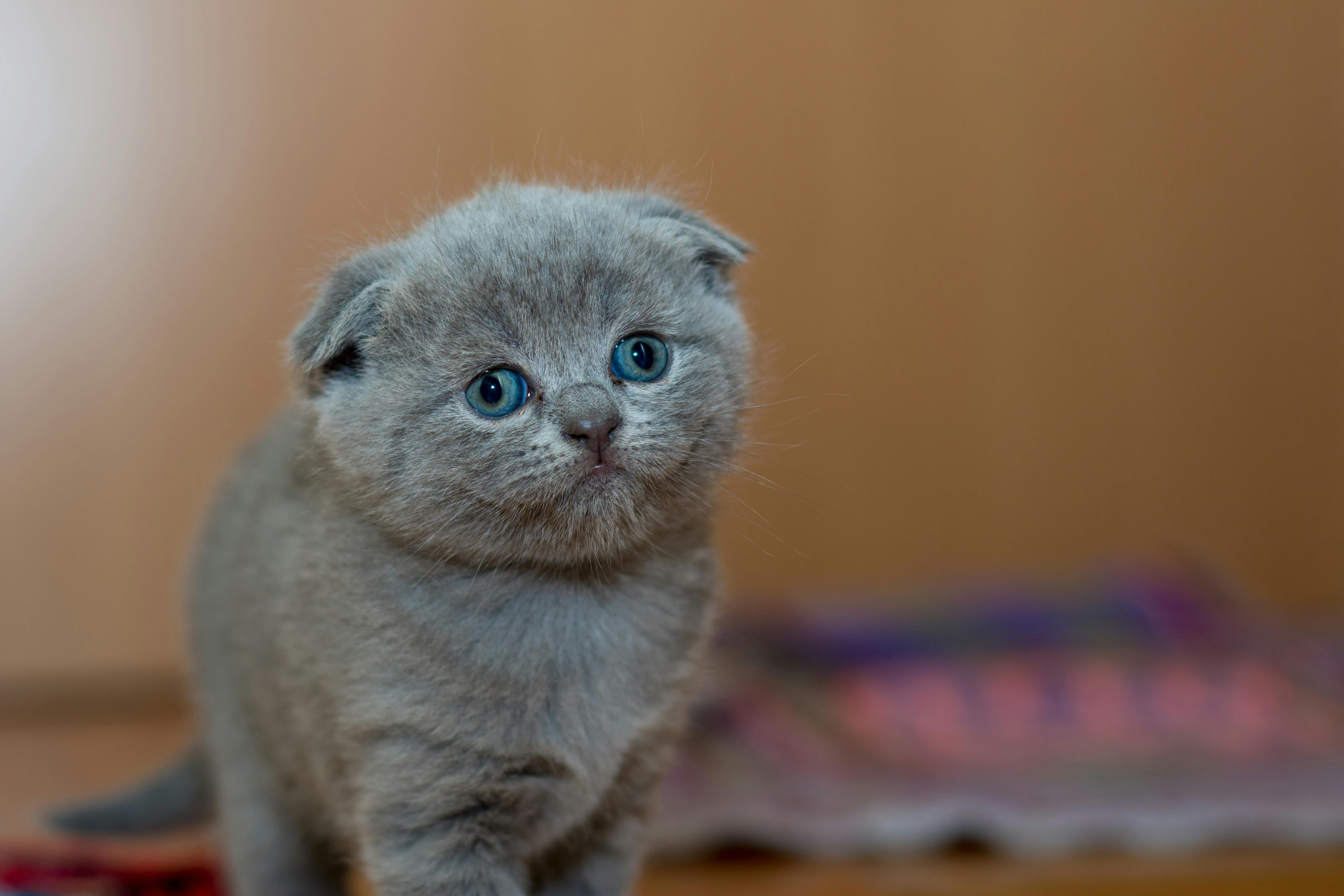
Sick cat sleeping in litter box due to illness

4. Extreme Fear and Stress (The Bunker Mentality)

If you have ruled out medical issues with a vet, the next answer to “why is my cat sleeping in litter box?” is psychological. The litter box is a “scent soak.” It smells heavily of them (and only them).

Why is it a Safe Space?

To a scared cat, the litter box is like a bunker. It usually has high sides (cover), it’s in a quiet corner, and it smells familiar. If a cat feels threatened—perhaps by a new dog, a loud construction crew, or a bully cat—they will retreat to the place that smells most like their territory.

Common Triggers:

  • New Home: Did you just move?
  • New Pet: Is a new kitten attacking them?
  • Guests: Are there strangers in the house?

If this is the cause, your cat is telling you: “I don’t feel safe anywhere else.”

5. Arthritis and Mobility Issues

For our senior citizens (cats over 12 years old), climbing in and out of a high-sided box is a workout. If they have severe arthritis in their hips or spine, the effort of getting into the box might be so great that they decide to just stay there for a while to rest before climbing out again.

Eventually, “resting” turns into “sleeping.” If your senior cat sleeping in litter box struggles to jump on the sofa or walk up stairs, mobility is likely the issue.

6. Pregnancy (Nesting Instinct)

If you have an unspayed female cat, she might be looking for a nest. As labor approaches, a queen looks for a private, semi-enclosed space to give birth.

While the litter box isn’t ideal sanitary-wise, to her, it fits the criteria: it’s hers, it’s quiet, and it has “diggable” material. If she is heavily pregnant, remove her gently and provide a clean box with towels immediately.

7. Cognitive Dysfunction (Dementia)

Just like dogs and humans, old cats get dementia. It is called Feline Cognitive Dysfunction (FCD).

A senile cat gets confused. They might forget where their bed is. They might forget what the litter box is for. They might wander into the box, forget why they went there, and just decide to take a nap. If your old cat is also howling at night or staring at walls, this is a strong possibility.
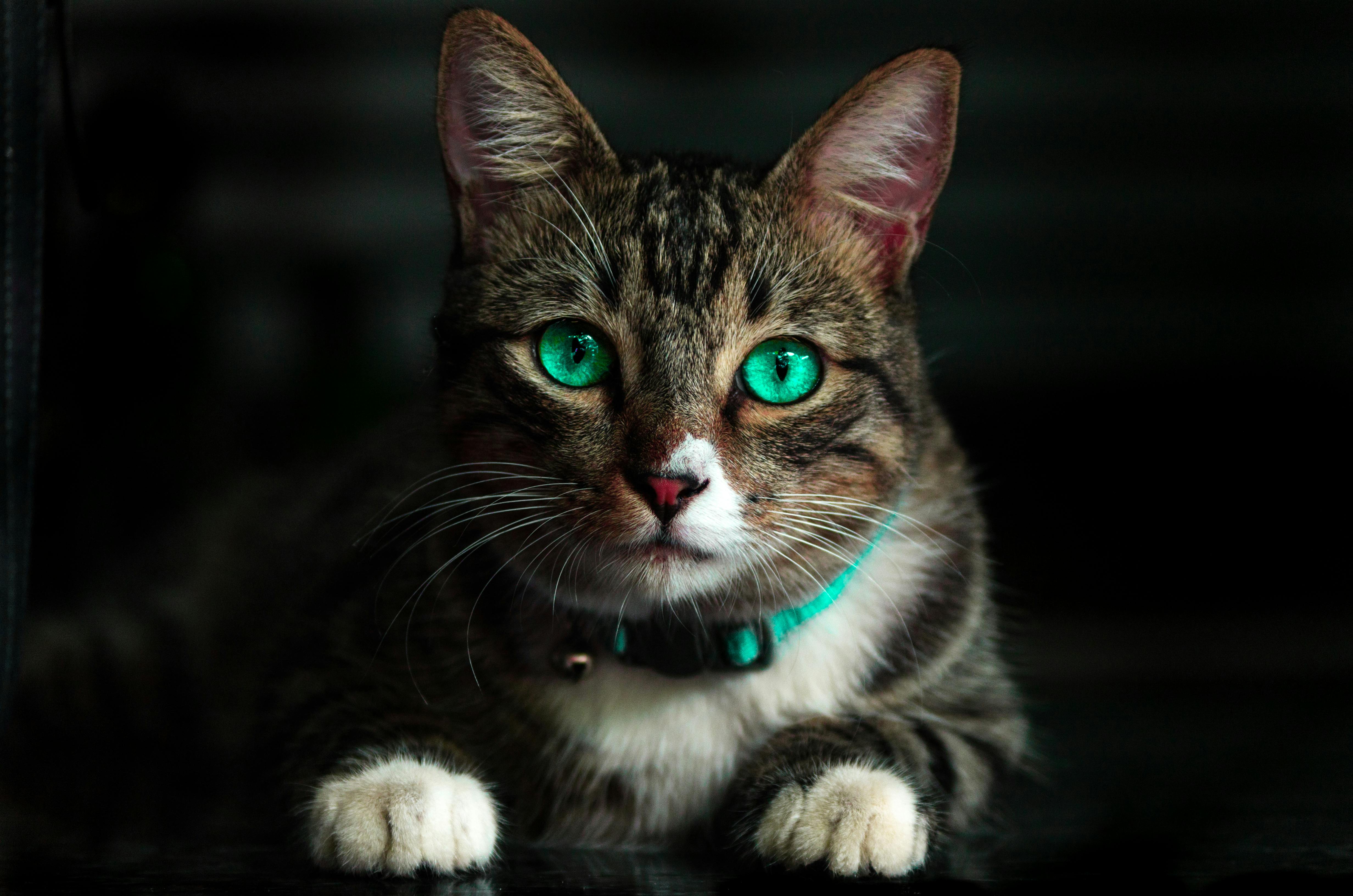
Senior cat confused and sleeping in litter box

Action Plan: What To Do Now?

You found your cat in the box. Here is your step-by-step triage plan.

Step 1: The Health Check

Gently lift them out. Check their rear end. Is it wet with urine? Is there poop stuck to their fur? A healthy cat would never allow this. If they are dirty, they are sick.

Step 2: Monitor the Potty

Clean the box completely. Then watch. Does your cat go back in and strain? Do they produce urine?

Pro Tip: If you have a male cat who strains but produces nothing, go to the vet now.

Step 3: Vet Visit

Even if they seem fine, a cat sleeping in litter box warrants a urinalysis and blood work. Cats hide pain until they can’t anymore. This behavior is them saying “I can’t anymore.”

Step 4: Modify the Environment (If Behavioral)

If the vet says they are healthy, look at their stress levels.

  • Add Vertical Space: Cat trees give them a high “safe spot” so they don’t have to hide in the box.
  • Feliway Diffusers: Pheromones can help calm a stressed cat.
  • Low-Entry Boxes: For arthritic cats, get a tray with low sides or a puppy pad holder.

Frequently Asked Questions (FAQ)

Q: Should I wash my cat if they slept in the litter box?
A: Yes, but be gentle. Litter is full of bacteria. Use a warm washcloth or pet-safe wipes to clean their fur, especially paws and tail. Do not dunk a stressed cat in a bath unless necessary.

Q: My kitten sleeps in the litter box. Is that normal?
A: With kittens, it’s slightly less alarming. They sometimes just play and fall asleep where they drop. They are also still learning “bathroom rules.” However, if they look lethargic, get them checked. Usually, they grow out of it.

Q: Can I move the cat to their bed?
A: Yes, gently move them. If they immediately run back to the box, they are scared or in pain. If they stay in the bed, maybe they were just confused.

Final Thoughts

Seeing your beloved cat sleeping in litter box is distressing. It goes against every instinct they have. Whether it is a cry for help due to a painful bladder or a desperate need for a safe hiding spot, your job is to be their detective.

Don’t scold them. Don’t just pull them out and hope it stops. Schedule that vet appointment. It is the only way to ensure your feline friend gets back to sleeping where they belong: on your pillow (or your chest!).

Worried about other strange habits? Check out our Cat Behavior & Psychology section to decode your kitty’s mind.

What is the Black Stuff in Cat Ears? 5 Causes & Cleaning Guide

Black stuff in cat ears

You are cuddling with your feline friend, scratching them behind the ears—their favorite spot. They lean into your hand, purring loudly. But as you glance down at their folded ear flap, you notice something disturbing.

It’s not clean and pink like it usually is. Instead, the inside of the ear canal looks dirty. There is a dark, crumbly, brownish-black discharge that looks suspiciously like used coffee grounds or potting soil.

Your first instinct might be to panic. Is it dried blood? Is it dirt? Do they have a brain infection?

Finding mysterious black stuff in cat ears is one of the most common reasons pet owners rush to the vet. As a cat care specialist, I inspect dozens of feline ears every week, and I can tell you: while it looks incredibly gross, it is rarely life-threatening.

However, it is a sign that something is wrong. A healthy cat ear should be clean, pink, and odorless. That black gunk is a symptom, not a disease in itself. It could be microscopic parasites having a party in your cat’s ear canal, a fungal yeast infection, or simply a buildup of wax.

In this massive, definitive guide, we are going to explore every single possibility. We will put on our detective hats (and grab a flashlight) to determine if that black stuff in cat ears is mites, wax, or something else. I will also teach you, step-by-step, how to clean your cat’s ears safely at home without getting scratched to shreds.

🔍 The Quick Diagnosis: What Does It Look Like?

Before we dive into the science, look closely at the discharge (don’t touch it yet!). The appearance gives us clues:

  • Looks like dry Coffee Grounds? This is the classic sign of Ear Mites.
  • Looks like sticky Tar or Shoe Polish? This is likely a Yeast Infection or excessive wax.
  • Yellow/Green Pus? This indicates a serious Bacterial Infection.
  • Dried Red/Black Crust? Could be dried blood from scratching (Self-trauma).

The Anatomy of a Cat’s Ear: Why Does Debris Build Up?

To understand why your cat has black stuff in cat ears, you first need to understand the unique (and frustrating) shape of their ear canal.

Unlike humans, who have a relatively straight, horizontal ear canal, cats have an “L-shaped” ear canal. It goes vertically down the side of the head and then takes a sharp 90-degree turn horizontally toward the eardrum.

Why does this matter?

Because this “L” shape is a trap. It traps warmth, moisture, and debris deep inside the head where air cannot circulate well. This dark, warm, humid environment is the absolute perfect breeding ground for:

  • Bacteria: Which love warmth.
  • Yeast: Which love moisture.
  • Mites: Which love the protection.

Because of this shape, whatever goes into a cat’s ear (dirt, water, bugs) has a very hard time coming back out on its own. This leads to the buildup of that notorious black discharge.


Cause #1: Ear Mites (Otodectes cynotis) – The “Coffee Grounds”

This is the most famous cause of black stuff in cat ears, especially in kittens, outdoor cats, or cats adopted from shelters.

What are they?

Ear mites are microscopic, crab-like parasites. They are barely visible to the naked eye (they look like tiny moving white specks). They live inside the ear canal and feed on your cat’s ear wax and skin oils.

Why is the discharge black?

The “black stuff” you see isn’t the mites themselves. It is actually a mixture of:

1. Dried blood (from the mites biting the skin).

2. Ear wax.

3. Mite poop (waste).

Combined, this creates a dry, crumbly debris that looks exactly like coffee grounds.

Symptoms of Mites:

  • Intense Itching: Your cat will scratch their ears violently using their back foot.
  • Head Shaking: Like they are trying to shake water out of their ears.
  • Flattened Ears: Holding their ears down due to discomfort.
  • Scabs: You might find scratches and scabs around the base of the ear from their own claws.

Is it Contagious?

YES. Highly. If you have other cats or dogs, they likely have them too. You must treat all pets in the house simultaneously.

Cat scratching ear due to black stuff in cat ears and mites


Cause #2: Yeast Infections (Malassezia) – The “Sticky Tar”

If the black stuff in cat ears looks less like dry soil and more like sticky, smelly shoe polish or tar, you are likely dealing with a Yeast Infection.

What causes it?

Small amounts of yeast naturally live on your cat’s skin. However, if the ear becomes too moist (after a bath) or if the cat has allergies (food or environmental), the yeast population explodes. This overgrowth causes inflammation and discharge.

The “Sniff” Test

Yeast has a very distinct smell. If you lean in close to your cat’s ear, does it smell like:

– Moldy bread?

– Cheesy popcorn?

– Musty old socks?

If yes, it is almost certainly a fungal yeast infection.


Cause #3: Excessive Ear Wax (Cerumen)

Believe it or not, some cats just have dirty ears naturally. Just like some humans produce more earwax than others, some cats are “waxy.”

Certain breeds, specifically Sphynx cats and Rex breeds, are prone to producing copious amounts of dark, oily wax because they lack the hair that normally helps filter dust and wick oils away.

Normal vs. Abnormal Wax

  • Normal: Pale yellow or light brown, minimal amount.
  • Abnormal: Dark brown or black, large clumps, foul odor.

If your cat has black stuff in cat ears but acts completely normal (no scratching, no shaking, no smell), it might just be oxidized wax and dirt. A simple cleaning routine is all that is needed.


Cause #4: Bacterial Infections (Otitis Externa)

This is the most painful condition on the list. Bacterial infections often happen after a mite infestation or yeast issue has been left untreated. The skin breaks, and bacteria invade the wound.

While bacterial discharge is often yellow or green (pus), it can mix with blood and wax to appear black or dark brown.

Warning Signs of Infection:

  • Heat: The ear feels hot to the touch.
  • Swelling: The ear canal looks swollen shut.
  • Pain: The cat screams or hisses when you try to touch the ear.
  • Tilt: Walking with the head tilted to one side (this indicates the infection has moved to the middle ear/vestibular system).

ALERT: If you see a head tilt, this is a medical emergency. The infection is attacking their balance center.


How to Clean Your Cat’s Ears (Step-by-Step Guide)

If you have ruled out a serious infection and determined that the black stuff in cat ears is just mild debris or mites, you can help clean them at home. But be warned: Cats hate this.

You need patience, the right tools, and ideally, a partner to help hold the “burrito.”

What You Need:

  1. Ear Cleaner Solution: A vet-approved feline ear cleaner (look for ingredients like Salicylic Acid or Aloe). DO NOT use Water, Hydrogen Peroxide, or Vinegar. These irritate the skin and leave moisture behind, making yeast worse.
  2. Cotton Balls or Rounds: Soft makeup remover pads work best.
  3. A Towel: To wrap the cat.
  4. Treats: High-value treats like Churu or tuna.

The “Taco Method” Steps:

Step 1: Restrain Safely

Wrap your cat in the towel like a burrito (The “Purrito”), leaving only the head exposed. This prevents them from scratching you. Place them on a table or your lap.

Step 2: Apply the Solution

Hold the ear flap (pinna) straight up. Squeeze a generous amount of the cleaner directly into the ear canal. Do not be shy; you need to fill the canal to flush out the debris.

Step 3: The Massage (Crucial)

Your cat will want to shake their head. Don’t let them yet!

Keep holding the ear flap up and massage the base of the ear (below the opening) for 20-30 seconds. You should hear a squishing sound. This massage breaks up the black gunk deep inside.

Step 4: The Shake

Now, let go. Stand back! Your cat will violently shake their head. This is good—centrifugal force will fling the loosened black stuff in cat ears out of the canal and onto the outer flap.

Step 5: Wipe it Out

Take your cotton ball and gently wipe the visible parts of the ear. You will see the black gunk come off on the cotton.

WARNING: Never, ever stick the cotton ball deep into the hole. Just wipe what you can see.

Cleaning black stuff in cat ears safely

🚫 The Golden Rule: NO Q-TIPS!

I cannot stress this enough. Never use a Q-Tip (cotton swab) inside the ear canal.

Why?

1. You will push the wax/mites deeper, compacting them against the eardrum.

2. If the cat jerks their head (and they will), you can rupture their eardrum, causing permanent deafness.


When to See a Vet: Home Remedies Aren’t Enough

While cleaning helps, it rarely cures the underlying issue. Cleaning removes the debris, but not the source (the mites or bacteria).

You must see a vet if:

  • The black stuff comes back: If you clean it and it returns in 24 hours.
  • Pain: Your cat cries during cleaning.
  • Blood: You see fresh blood on the cotton ball.
  • Balance Issues: Head tilting or stumbling.

Treatments Your Vet Will Prescribe:

  • For Mites: A simple spot-on treatment (like Revolution or Bravecto) placed on the back of the neck kills mites instantly. It is much easier than ear drops!
  • For Infection: Antibiotic or antifungal drops usually used for 7-10 days.
  • For Polyps: If a tumor is blocking the ear, surgery might be needed.

(For more on vet treatments, check out the AVMA guidelines on pet care).


Frequently Asked Questions (FAQ)

Q: Can I use olive oil or coconut oil for ear mites?

A: No. While oil can technically suffocate some mites, it takes weeks, is incredibly messy, and rarely kills all the eggs. It can also turn rancid in the ear, feeding yeast infections. Modern vet medicine cures mites in one dose. Don’t struggle with messy oils.

Q: Why does only one ear have black stuff?

A: It is possible to have a unilateral (one-sided) infection. This is often caused by a foreign object (like a grass seed) stuck in that specific ear, or a tumor blocking that canal. Mites usually affect both ears, but not always.

Q: Can humans catch ear mites from cats?

A: Very rarely. Ear mites prefer animal hosts. However, if your cat sleeps in your bed, the mites can crawl on your skin and cause temporary itching, but they won’t live in your human ears.

Q: How often should I clean my cat’s ears?

A: For a healthy cat? Never. Healthy ears self-clean. Over-cleaning can cause irritation. Only clean them if you see debris or if your vet instructs you to.

Final Thoughts

Discovering black stuff in cat ears is unpleasant, but it is a solvable problem. It is your cat’s way of asking for help with an itch they just can’t scratch.

Don’t let them suffer in silence. A simple cleaning might provide relief, but a proper diagnosis is the key to stopping the itch for good. Grab your flashlight, take a look, and get that appointment booked. Your cat’s ears (and their sanity) will thank you.

For more grooming tips and tricks, visit our extensive Cat Grooming & Care section.

Can Cats Get Colds From Humans? A Specialist’s Guide to Cross-Species Sickness

Can cats get colds from humans

There you are, bundled under a heavy mountain of blankets on the sofa, clutching a rapidly depleting box of tissues and wondering where your immune system went on vacation. Your faithful cat is curled up right against your chest, purring like a tiny motor, seemingly trying to nurse you back to health. It is one of those moments of pure emotional bonding, but a nagging thought crosses your congested mind: “Can cats get colds from humans?” You certainly do not want to repay their loyalty by passing on this miserable sniffle. It is a question that has kept many a pet parent awake at night, especially during the height of a particularly nasty flu season.

The short answer is that while the majority of human cold viruses stay strictly with humans, the biological line between us and our feline companions is not always as solid as we once believed. Most of the time, your cat is perfectly safe from your typical runny nose, but there are certain respiratory infections and aggressive flu strains that can, in rare instances, make the jump between species. In this deep dive, we will explore the science of viral transmission, the specific symptoms you should watch for, and how to keep your cat comfortable when the whole house is feeling under the weather. Let’s look at the reality of cross-species contagion with a calm, experience-based perspective.

Sick person resting on a sofa with a cat nearby

Table of Contents

Can Cats Get Colds From Humans? Decoding the Mystery

When we talk about the “common cold” in people, we are usually referring to rhinoviruses. These are the pesky little particles that cause us to sneeze, cough, and feel generally drained. One of the most common concerns for my clients is whether their affection is a biohazard to their pets. So, can cats get colds from humans? In the traditional sense of the human rhinovirus, the answer is a comforting no. These viruses are highly specialized. They have evolved to “unlock” human cells, and the locks on a cat’s cells are shaped differently.

However, the medical world uses the word “cold” loosely. While your specific sniffle might stay yours, other respiratory agents are less discriminating. Science calls this “reverse zoonosis,” where a human illness moves into an animal host. While it is rare, it isn’t impossible. This is why I always tell pet owners that while they shouldn’t panic, they should definitely practice basic hygiene. It is far better to be a bit over-cautious than to spend a week worrying about a lethargic, sneezing cat.

I have spent years observing how viruses behave in multi-pet households. From what many owners notice, a cat might start sneezing a few days after their human gets sick. While it looks like transmission, it is often just a coincidence or a result of the cat’s own dormant viruses flaring up due to a change in house routine or stress. Still, keeping a small distance when you are at your most contagious is a smart move for everyone involved.

[Image suggestion: A close-up photo of a cat’s nose, looking clear and healthy, illustrating the goal of feline health.]

The Science of Species-Specific Pathogens

To really understand why you probably won’t give your cat a cold, we have to look at the microscopic level. Viruses are incredibly picky. They require specific receptors on the surface of cells to attach and begin their replication process. Most human respiratory viruses simply cannot find a place to “land” on feline cells. According to the Centers for Disease Control and Prevention (CDC), most zoonotic diseases move from animals to humans, but the reverse is a growing field of study.

Cats have their own version of the cold, known as Feline Upper Respiratory Infection (URI). These are caused by pathogens like Feline Herpesvirus or Calicivirus. These viruses are just as picky as ours—they don’t want anything to do with human cells either. This biological barrier is the reason we can live so closely with our pets without constantly swapping every minor illness. It is nature’s way of ensuring that a single virus doesn’t wipe out every mammal in a single house.

In my experience, owners often confuse environmental allergies with a cold. If you are cleaning more because you are sick—using strong disinfectants or burning scented candles—your cat might react to those smells. It’s not that they caught your virus; they are reacting to your cleaning supplies. So how do you know if your dog is learning correctly? Wait, I know we are talking about cats, but let’s use this analogy: in training, you look for a consistent response to a stimulus. In health, you look for a consistent physical symptom. If the sneezing only happens when you spray the air freshener, it isn’t a cold.

A healthy cat looking curiously at the camera

The Flu and COVID-19: A Different Kind of Risk

While the common cold is generally a human-only affair, the influenza virus is a different beast entirely. Influenza is famously adaptable. We have seen it move from birds to pigs to humans, and unfortunately, it can move from humans to cats. There are documented cases of the H1N1 virus being transmitted from owners to their feline companions. In these cases, the cats developed serious respiratory distress, and some even required hospitalization.

The same can be said for SARS-CoV-2 (COVID-19). Research has confirmed that cats have the specific receptors in their lungs that allow this virus to take hold. While most cats only experience mild symptoms, the transmission from human to cat is a scientifically proven reality. If you are diagnosed with a major viral infection like the flu or COVID-119, the American Veterinary Medical Association (AVMA) recommends limiting contact with your pets until you are recovered.

It is a hard pill to swallow when you feel miserable and just want your best friend by your side. I always tell my clients to think of it as a temporary sacrifice for their pet’s long-term safety. If you must interact with them, wearing a mask and washing your hands thoroughly before and after petting can significantly reduce the risk of transmission. For more on specific [pet care tips], you can browse our [cat health guide] to stay informed.

Common Symptoms of a Feline Respiratory Infection

If your cat does end up with a sniffle—whether it came from a rare human jump or, more likely, a feline virus—you need to be able to spot the signs early. Cats are stoic creatures; they do not like to complain. They will often hide their symptoms until they are quite uncomfortable. Here is what you should be looking for:

  • Sneezing in Bouts: Occasional sneezing is normal, but repeated fits of sneezing are a sign of irritation.
  • Nasal and Ocular Discharge: Look for clear, yellow, or greenish liquid coming from the nose or eyes.
  • Congested Breathing: You might hear a “snuffling” or “whistling” sound when they breathe.
  • Lethargy: If your normally active cat is sleeping more than usual and ignoring their favorite toys.
  • Loss of Appetite: This is the most dangerous symptom. If a cat cannot smell their food due to congestion, they often stop eating entirely.

A cat that stops eating is a medical priority. Unlike humans or dogs, cats can develop a dangerous condition called hepatic lipidosis (fatty liver) if they go even a few days without food. If you notice your cat is sniffing their bowl but not eating, their “cold” has reached a stage where they need professional help. It is one of those times where the “wait and see” approach can backfire dramatically.

[Image suggestion: A cat looking a bit tired or squinting, showing subtle signs of not feeling well.]

How Cats Usually Contract Illness (Feline URI)

Since we’ve established that can cats get colds from humans is a rare scenario, where do they actually get these bugs? The most common source is other cats. Feline Upper Respiratory Infections are incredibly contagious. If your cat spends time in a boarding facility, visits a groomer, or even sits by a window screen where a neighbor’s cat might sneeze, they can pick up a virus.

Many cats are actually asymptomatic carriers. They might have contracted a virus like Feline Herpes as a kitten in a shelter. The virus stays dormant in their nerve cells until a stressful event occurs—like a move, a new baby, or even you being sick and changing the routine. This stress weakens the immune system, and the “cold” suddenly appears out of nowhere. It wasn’t that you gave it to them; it was that the environment allowed a hidden virus to wake up.

Understanding these triggers is part of being a proactive pet parent. We often focus so much on the germs that we forget about the stress. A calm, stable environment is just as important as a clean one. You can read more about [feline respiratory infections] and how to prevent them in our main [pet care tips] library.

Cat in a cozy indoor setting looking relaxed

Hygiene Protocols: Protecting Your Cat When You Are Sick

When you are the “Patient Zero” of the household, you need to set up a few basic rules to protect your feline housemates. It isn’t about isolation; it’s about reducing the viral load. Think of it as a set of best practices that keep everyone safe while you recover.

  • Rigorous Hand Washing: Scrub your hands with soap and water for at least 20 seconds before touching your cat’s food, water, or bedding.
  • Avoid Face-to-Face Cuddles: This is the hardest rule to follow. Try to keep your face away from your cat’s nose and mouth. No “nose-to-nose” greetings for a few days!
  • No Shared Snacks: If you usually give your cat a tiny bit of your food, stop while you are sick. Saliva is a primary transmission route for many pathogens.
  • Sanitize High-Touch Surfaces: Wipe down door handles, kitchen counters, and your own pillowcases if your cat likes to sleep near your head.

If you live with other people who are healthy, have them take over the “cat chores” for a few days. Let them handle the feeding and the litter box. This gives you time to rest and minimizes the number of germs you are passing to your cat’s primary areas. For more daily [cat health tips], don’t forget to [follow our Facebook page] for community advice and updates.

Nursing Your Cat Back to Health: Home Comfort Measures

If your cat does come down with a sniffle, your role shifts to that of a primary care nurse. Because most cat colds are viral, there is no magic pill to make it go away instantly. You have to support their body while it fights the infection. It’s all about comfort, hydration, and nutrition.

Steam Therapy

One of the most effective ways to help a congested cat is humidity. It helps loosen the mucus in their nasal passages so they can breathe more easily. You can run a humidifier near their favorite bed, or you can bring them into the bathroom while you take a hot shower. The steam will act as a natural decongestant. Just ten minutes of breathing in that moist air can make a world of difference for a “stuffed-up” cat.

The “Smelly Food” Trick

As I mentioned earlier, a cat who can’t smell won’t eat. To get around this, you have to make their food as aromatic as possible. Warm up their wet food in the microwave for a few seconds (make sure it isn’t hot to the touch, just warm). The heat releases the oils and scents. You can also add a splash of tuna juice or unseasoned chicken broth to make it irresistible. If they are eating, they are fighting.

Clearing the Airways

Discharge from the nose and eyes can become crusty and painful. Use a soft cloth dipped in warm water to gently wipe their face. This isn’t just about hygiene; it prevents the discharge from sealing their nostrils shut or irritating their skin. Most cats won’t love the process, but they will certainly love the relief it brings afterward.

[Image suggestion: A soft damp cloth being used to gently clean a cat’s eye area.]

When to Worry: Recognizing a Veterinary Emergency

While many cat colds resolve on their own with a bit of “TLC,” you need to know when to escalate to professional care. A cat’s condition can change rapidly because of their small body mass. According to the Merck Veterinary Manual, secondary bacterial infections can move from the upper respiratory tract to the lungs, causing pneumonia. Here is when you should stop home care and head to the vet:

  • Open-Mouth Breathing: Cats are obligate nasal breathers. If they are breathing through their mouth or panting, they are in severe distress.
  • Complete Anorexia: If your cat has not eaten for more than 24 hours.
  • Yellow or Green Discharge: This often signals a bacterial infection that requires antibiotics.
  • Ulcers on the Tongue: If you see sores in their mouth, this is a sign of Calicivirus and is very painful.
  • Severe Lethargy: If the cat is unresponsive or won’t even get up to use the litter box.

In my experience, owners often wait too long because they “don’t want to be a bother.” Trust your instincts. If your cat looks like they are struggling, they probably are. A quick round of fluids and perhaps some appetite stimulants can prevent a minor illness from becoming a major crisis. For more resources, you can visit [petscatsdogs.com] to find your nearest emergency contact.

A veterinarian performing a health check on a cat

Frequently Asked Questions

1. Can I give my cat human cold medicine?

Absolutely not. Many human medications, especially those containing Tylenol (acetaminophen) or Ibuprofen, are highly toxic to cats and can be fatal even in small doses. Never administer any medication without a vet’s approval.

2. Can my cat give me their cold?

Generally, no. Feline respiratory viruses like Herpes and Calicivirus are species-specific and do not infect humans. However, some bacterial infections like Bordetella can occasionally pass, so hand washing is always recommended.

3. My cat is sneezing but has no other symptoms. Is it a cold?

It could be a mild virus, but it is often environmental. Dust, strong perfumes, or even a new type of kitty litter can cause bouts of sneezing. If they are eating and playing normally, it may just be an irritant.

4. How long does a cat cold last?

Most feline URIs will run their course in 7 to 10 days. If the symptoms persist for more than two weeks or seem to be getting worse after the first few days, you should consult a professional.

5. Can indoor cats catch colds?

Yes. Even if they never go outside, they can pick up viruses that you track in on your clothes or shoes, or they may have a dormant virus that flares up due to stress in the home.

Final Thoughts on Maintaining Household Health

At the end of the day, your cat is far more likely to catch a “cold” from a stray kitten at the window or a stressful trip to the boarding kennel than they are from your seasonal sniffle. While the answer to can cats get colds from humans is mostly a reassuring “no,” being aware of the exceptions is what makes you an exceptional pet parent. Our homes are shared spaces, and keeping everyone healthy is a team effort.

The best thing you can do is stay calm, keep a clean environment, and monitor your pet for any changes in their “normal” behavior. If you have the sniffles, use it as an excuse to pet them a little more (after washing your hands!) and enjoy the comfort they bring. If your cat starts sneezing, focus on steam and smelly food. We’re all in this together, and with a little bit of knowledge and a lot of love, your house will be germ-free and full of purrs again in no time. If you found this guide helpful, don’t forget to explore more of our [pet care tips] and join our growing community on our [Facebook page].

Why Is My Cat Sleeping More Than Usual? 10 Reasons to Watch For

Why Is My Cat Sleeping More Than Usual

If you are a cat owner, you already know that your feline friend is a professional sleeper. Cats are built for short bursts of intense energy followed by long periods of rest. In fact, an average healthy adult cat can spend anywhere from 12 to 16 hours a day in dreamland. But what happens when that routine shifts? If you’ve noticed your cat is sleeping more than usual—perhaps barely moving from their favorite sunspot or skipping their usual “zoomies” session—it is natural to feel a bit concerned. Is it just the rainy weather, or is there something more serious brewing under that soft fur?

The truth is that while increased sleep can simply be a result of aging or a change in the household environment, it can also be a subtle sign of underlying health issues. Cats are masters at hiding discomfort, so a change in their sleeping pattern is often one of the few clues they give us that something is off. In this guide, we’re going to look at the difference between a lazy afternoon and genuine lethargy, helping you understand when to let them sleep and when to call the veterinarian.

Sleepy cat resting on a soft blanket

Understanding the “Normal” Cat Nap

Before we panic, let’s talk about how cats actually sleep. They aren’t like us; they don’t do eight hours of solid rest and then sixteen hours of activity. Cats are crepuscular, meaning they are most active during the twilight hours of dawn and dusk. This is an evolutionary holdover from their wild ancestors who hunted when their prey was most active but the light was low enough to provide cover.

When you see your cat sleeping in the middle of the afternoon, they aren’t necessarily in a deep “human-style” sleep. About three-quarters of that time is spent in a light “cat nap.” During this state, their ears might twitch, and they can spring into action in a heartbeat if they hear the can opener. Only about 25% of their sleep time is spent in a very deep REM cycle. If they are increasing their deep sleep or seem harder to wake up, that is when the question of “why is my cat sleeping more than usual” becomes much more relevant.

Have you ever watched your cat’s ears while they sleep? Even when they look dead to the world, those little satellite dishes are often scanning the room. This “half-on, half-off” state is what makes them such efficient predators. It allows them to recharge their batteries without ever being fully vulnerable to potential threats.

[Image suggestion: A close-up of a cat’s face while sleeping, showing twitching whiskers or ears.]

The Age Factor: Kittens vs. Seniors

Age is perhaps the most significant variable in sleep duration. If you have a brand-new kitten, you might be shocked to see them play like a whirlwind for ten minutes and then collapse into a deep sleep for three hours. This is perfectly normal. Kittens need immense amounts of sleep because their bodies are producing growth hormones at a rapid rate. They are literally growing while they snooze.

On the other end of the spectrum, we have our senior feline friends. Much like humans, as cats get older, their energy levels naturally dip. A cat over the age of 10 or 12 might move a bit slower and value their rest more than a rambunctious two-year-old. You might find them choosing the warmest spot in the house and staying there for the better part of the day. If the transition into more sleep is very gradual—happening over months or years—it is usually just a part of the natural aging process.

However, if your senior cat suddenly goes from active to sedentary over the course of a week, that isn’t just “old age.” Sudden shifts in behavior are the red flags we need to pay attention to. For more on managing the golden years, check out our guide on senior pet health care.

Older cat sleeping in the sun

Environmental Triggers and Boredom

Sometimes, cats sleep more because there is simply nothing better to do. If a cat’s environment is stagnant—no new toys, no window views, and no interactive play—they may just opt for a nap to pass the time. Indoor cats are especially prone to “boredom napping.” If the house is quiet and everyone is at work, the cat learns that sleep is the default state of the afternoon.

Think about your cat’s daily routine. Do they have vertical space to climb? Do they have “cat TV” (a window with a bird feeder outside)? If not, they might be sleeping out of a lack of stimulation. From what many owners notice, adding a simple cardboard box or a new scratching post can sometimes “cure” excessive sleeping in a bored cat. It isn’t that they were sick; they were just uninspired.

So how do you know if your dog is learning correctly? Wait, I know we are talking about cats, but let’s use a quick analogy. In dog training, we look for engagement and bright eyes as signs of mental growth. With cats, it’s the same. If your cat perks up when you offer a toy, their “excessive sleep” is probably just boredom. If they ignore the toy and go back to sleep, it might be something else.

[Image suggestion: A cat looking out a window at birds, showing an active environment.]

Weather and Seasonal Shifts

Believe it or not, cats are affected by the weather just like we are. Have you ever noticed that on a dark, rainy day, you feel like staying in bed with a book? Your cat feels the same way. The drop in barometric pressure and the lack of bright sunlight can trigger longer sleeping periods. During the winter months, cats often sleep more to conserve body heat and energy, even if they live in a climate-controlled house.

This is usually nothing to worry about. If the sun comes out and your cat is back to their usual self, you can chalk it up to a “weather mood.” It’s also common for cats to seek out heat sources during these times—the top of the refrigerator, a sunny windowsill, or even your lap. They are effectively “charging” their internal batteries using external heat.

A cat curled in a tight ball on a rainy day near a window.]

Medical Causes of Feline Lethargy

This is the section where we need to be practical and honest. If a cat is sleeping more than usual and it isn’t age, weather, or boredom, we have to consider health. Lethargy is a clinical term for a cat that isn’t just sleeping, but lacks the energy to be awake. Several medical conditions can cause a cat to withdraw into constant sleep.

  • Anemia: A lack of red blood cells means less oxygen is moving through the body. This makes even simple movements exhausting.
  • Infections: Whether it’s a viral respiratory infection or a localized abscess from a cat fight, fighting an infection requires a lot of metabolic energy. Fever will almost always make a cat sleep more.
  • Arthritis and Chronic Pain: If moving hurts, the cat will choose to stay still. Many owners mistake arthritis for “just slowing down with age.”
  • Kidney or Liver Issues: When the body cannot filter toxins properly, the cat feels generally unwell and nauseous, leading to a desire to hide and sleep.
  • Depression or Anxiety: Yes, cats can suffer from mental health shifts. A new pet, a move, or the loss of a companion can cause a cat to “shut down” and sleep to avoid stress.

If you suspect any of these, it is vital to look for concurrent symptoms. Is their appetite normal? Are they using the litter box correctly? For a deeper dive into these signs, check out our cat health symptoms checker.

Veterinarian checking a cat

Sleep vs. Lethargy: Knowing the Difference

As an expert who has worked with thousands of pet owners, I always ask: “Can you wake them up?” A sleeping cat can be roused by the sound of a treat bag or their favorite squeaky toy. A lethargic cat might open their eyes, look at you, and then immediately drift back off, seemingly unable to muster the interest to stay awake. This is a critical distinction.

Lethargy often comes with a “heavy” feeling. The cat might feel limp when you pick them up, or they might not even bother to groom themselves. If your cat’s fur is looking greasy or unkempt and they are sleeping constantly, they aren’t just napping—they are sick. Grooming takes energy, and it’s often the first thing a sick cat stops doing.


Behavioral Monitoring: What Else Is Changing?

When you ask yourself “why is my cat sleeping more than usual,” you shouldn’t look at the sleep in a vacuum. You need to be a detective. I recommend keeping a small journal for 48 hours. Note down when they eat, how much they drink, and any vocalizations. Sometimes a cat that is sleeping more is also drinking more water—this could point toward diabetes or kidney disease.

Another thing to watch for is hiding. There is a big difference between a cat sleeping on the middle of the bed and a cat sleeping under the bed or in the back of a dark closet. Cats naturally seek out secluded spots when they feel vulnerable or in pain. If your cat has suddenly changed their sleeping *location* along with the duration, it is a significant behavioral shift.

You can share your observations and get more community advice on our Facebook community page, where we discuss feline behaviors daily. It is often helpful to hear from other owners who have gone through similar situations.

Common Mistakes Cat Owners Make

One of the biggest mistakes I see is owners assuming that a sleeping cat is a happy cat. While a peaceful cat is great, a cat that sleeps because it hurts to walk is a tragedy. We often normalize “slowing down” far too early in a cat’s life. Another mistake is changing their diet suddenly without realizing it might be affecting their energy levels.

Some owners also try to “force” their cat to be active by waking them up constantly. If your cat is actually sick, this just adds stress to an already burdened system. It is much better to observe quietly and gather data for your vet rather than annoying the cat into a state of agitation. Remember, respect their space while you monitor their health.


A cat being gently petted while resting, showing a caring owner.]

When to See a Veterinarian

So, when is it time to pull the trigger and make that appointment? I generally suggest the “Rule of Three.” If your cat has been sleeping excessively for more than three days, and you’ve ruled out major weather or household changes, it’s time for a check-up. However, you should go immediately if you see any of the following “red zone” symptoms:

  1. Refusal to eat: If they skip more than two meals, it is an emergency.
  2. Difficulty breathing: Even while sleeping, their breathing should be smooth, not labored or open-mouthed.
  3. Changes in litter box habits: Straining or sudden accidents outside the box.
  4. Vomiting or Diarrhea: Especially if paired with the extra sleep.
  5. Pale Gums: Press on their gums; they should turn pink again quickly. If they stay white or pale, go to the vet now.

A simple blood panel can tell a vet a lot about what is going on inside. It can rule out infections, check organ function, and see if there is any hidden inflammation. It is always better to be safe and have a healthy cat than to wait and have a crisis. You can find more information on preparing for a vet visit on our site.

Frequently Asked Questions

Is it normal for a cat to sleep 20 hours a day?

For a senior cat or a growing kitten, it can be on the high end of normal. However, for a young or middle-aged adult cat, 20 hours is quite a bit. If they are truly asleep for that long and not just resting, a vet visit is recommended to rule out metabolic issues.

Can a change in cat food make my cat sleep more?

Yes. If the new food is lower in high-quality animal protein or has more fillers, your cat might not be getting the energy they need. Conversely, if the food is causing mild digestive upset, they may sleep more because they feel slightly nauseous.

Do cats sleep more when they are depressed?

Absolutely. Cats are very sensitive to their environments. The loss of a owner, a move, or even a change in your work schedule can cause a cat to feel depressed. Sleeping is a common “withdrawal” tactic for stressed felines.

Could my cat just be lazy?

While some cats have lower “drive” than others, “laziness” is often a label we put on cats that are actually bored or in slight pain. Most healthy cats have at least one or two periods of active play or exploration during the day.

Why is my cat sleeping more but also eating more?

This can be a sign of a metabolic disorder like hyperthyroidism (though this usually causes *less* sleep) or potentially parasites. When the body isn’t absorbing nutrients properly, the cat feels tired but hungry.

Practical Summary for Cat Parents

At the end of the day, you know your cat better than anyone else. If your gut is telling you that their increased sleep isn’t just a “lazy phase,” listen to that instinct. Start by enriching their environment—buy a new wand toy, put a bird feeder outside the window, and spend ten minutes a day in active play. If they perk up and stay active, they were likely just bored.

If the extra sleep persists, keep an eye on the “big three”: appetite, thirst, and litter box habits. Any change in these areas paired with extra sleep is a sign that a professional needs to take a look. Cats are resilient, but they rely on us to notice the subtle shifts in their behavior. Stay observant, keep them engaged, and cherish those cozy naps—just make sure they are healthy ones!

For more tips on feline health and behavior, don’t forget to follow our updates and join the conversation on our Facebook page. We are here to help you and your pet live your best lives together.


Recognizing the Critical Signs of Dehydration in Cats: A Complete Expert Guide

signs of dehydration in cats


Dehydration in cats is a subtle, creeping danger that often goes unnoticed until it reaches a critical stage. As a pet care specialist who has seen hundreds of felines in clinical settings, I can tell you that a cat’s hydration level is perhaps the most vital indicator of their overall health. Because cats evolved from desert-dwelling ancestors, they possess a biological drive to hide weakness and a naturally low thirst instinct. This means that by the time you see the obvious signs of dehydration in cats—such as sunken eyes or a lingering skin tent—the animal is often already in a state of significant physiological distress. Water isn’t just a drink for them; it is the medium through which every chemical reaction in their body occurs, from filtering toxins in the kidneys to regulating heart rhythm.

In this comprehensive guide, we are going to move beyond the basic “drink more water” advice. We will explore the deep biological reasons why cats struggle with fluid balance, the precise physical checks you can perform at home, and the serious medical conditions that often masquerade as simple thirst. Understanding these nuances is the difference between a quick recovery and a life-threatening emergency. Whether you are caring for a playful kitten or a senior cat with kidney concerns, knowing exactly what to look for can save your pet’s life.

A cat drinking water from a bowl

The Desert Ancestry: Why Cats Don’t Drink Enough

To truly understand hydration, we have to travel back thousands of years to the Near Eastern wildcat. These ancestors lived in arid environments where water was scarce. They evolved to be “hyper-efficient” with water, obtaining almost all their necessary fluids from the blood and tissues of their prey. A mouse, for example, is about 70% water. When a cat eats a mouse, they are essentially eating a “water balloon” packed with protein.

Fast forward to the modern living room. Many cats are fed a diet consisting entirely of dry kibble. This kibble usually contains less than 10% moisture. If a cat doesn’t have a high enough thirst drive to make up that 60% difference at the water bowl—and most don’t—they live in a state of chronic, low-level dehydration. Their kidneys have to work double-time to concentrate urine, which is one reason why kidney disease is so prevalent in the feline population.

This biological “lag” in thirst recognition is why we can’t just trust a cat to drink when they need to. They don’t feel thirst the way we do. By the time their brain screams “I’m parched,” their body is already reaching a dangerous threshold. As owners, we have to bridge that evolutionary gap by providing moisture-rich environments and performing regular checks.

Close up of a healthy cat face with bright eyes

The 3 Major Physical Markers of Dehydration

Physical markers are your primary diagnostic tools. Because cats hide their feelings, the physical state of their tissues will tell the story they are trying to keep secret. I always tell my clients that a “hands-on” approach is the only way to be sure. You should be checking these three areas at least once a week during your normal petting or grooming sessions.

The first marker is skin elasticity, often called “turgor.” When a cat is hydrated, their skin is plump and elastic. The second is the mouth—the gums and saliva. The third is the eyes and the overall “hollow” look of the face. When a cat loses fluid, the volume of their blood decreases, and the body starts pulling water from the least essential areas (like the skin) to protect the heart and brain.

It’s also worth noting that dehydration affects the blood’s viscosity. Thick, sluggish blood doesn’t transport nutrients or oxygen efficiently, which is why a dehydrated cat quickly becomes weak and confused. Monitoring these physical markers isn’t just about thirst; it’s about making sure their entire internal “highway system” is functioning correctly.

Mastering the Skin Tent Test (The Pinch Test)

The skin tent test is the classic way to check for fluid loss. However, many people do it incorrectly. To perform this correctly, you should gently grasp a fold of skin between the shoulder blades or at the base of the neck. Lift it upward about an inch and then release it quickly. In a perfectly hydrated cat, that skin will “snap” back into place in less than a second.

If the skin returns slowly, or worse, stays in a “tent” shape for several seconds, your cat is likely at least 5% to 7% dehydrated. If it doesn’t move at all, they are in a critical state. One thing to keep in mind: older cats lose natural skin elasticity as they age. From what many owners notice, a senior cat might have a slightly slower snap-back even when they are healthy. This is why you need to know what is “normal” for your specific cat when they are feeling well.

So how do you know if your dog is learning correctly? I use this question in training sessions to remind people that consistency is key. Just like you monitor a dog’s progress in learning a new trick, you must monitor your cat’s skin turgor regularly to recognize the subtle shift from “normal” to “concerning.” If you only do the test once every few months, you won’t have a baseline to compare it to when things go wrong.

A cat resting on its side

Checking Gum Texture and Capillary Refill Time

The mouth is a window into the cat’s hydration status. Healthy gums should be pink, slippery, and moist. If you run your finger along the gum line and it feels sticky or “tacky,” like scotch tape, the cat is losing significant amounts of moisture. In severe cases, the gums will feel completely dry to the touch, and the saliva will become thick and ropey.

You should also check the Capillary Refill Time (CRT). Press your finger firmly against the pink part of the gum until it turns white. Remove your finger and count how long it takes for the pink color to return. It should take less than two seconds. If it takes longer, it means the blood volume is low and the heart is struggling to push blood to the extremities—a classic sign of dehydration and potential shock.

Checking the gums is especially important for cats with long hair or loose skin where the skin tent test might be harder to read. It’s a quick, 5-second check that provides immediate data. For more on preventative wellness, you can explore daily feline health management on our main site.

Behavioral Clues: Lethargy, Hiding, and Grooming Stops

Behavioral shifts are often the first things an owner noticed, even if they didn’t know they were seeing dehydration. A cat that is low on fluids feels “flat.” They will often seek out cool surfaces like tile floors or bathtub basins. If your social cat suddenly disappears into the back of a closet and refuses to come out for treats, their body is likely telling them to conserve every drop of energy and water they have left.

Another big clue is the grooming habit. Grooming requires a lot of saliva. A dehydrated cat will often stop cleaning themselves entirely. This leads to a coat that looks greasy, “spiky,” or has a lot of dandruff. If you notice your cat looking unkempt, don’t just reach for the brush—reach for the water bowl and check their hydration markers. They aren’t being “lazy”; they literally don’t have the “spit” to clean themselves.

Lethargy is also a major red flag. If your cat doesn’t have the energy to jump onto their favorite perch or if they seem “wobbly” when they walk, the dehydration has reached the point where it is affecting their blood pressure and muscle function. This is a stage where at-home fixes are usually no longer enough.

Hidden Causes: Why Is the Fluid Disappearing?

Dehydration is almost always a secondary symptom of something else. It is rarely just because the cat “forgot” to drink. We need to identify if the fluid is being lost through the gut, the kidneys, or through a lack of intake. Vomiting and diarrhea are the most aggressive causes. A cat that vomits three times in a morning can lose a massive percentage of their body’s water content very quickly.

Environmental heat is another factor. While we think of cats as heat-seekers, an overheated cat will pant. Panting is a very inefficient way for cats to cool down and it results in rapid water loss through evaporation from the tongue and lungs. If a cat is trapped in a hot room without ventilation, they can reach a state of heatstroke and severe dehydration in a matter of hours.

Sometimes the cause is simply accessibility. Is there a new dog in the house that is “guarding” the water bowl? Is the water bowl slimy or dirty? Cats are incredibly fastidious. If the water tastes like “old dust” or has a biofilm on the bottom of the bowl, many cats will choose to slowly dehydrate rather than drink from a source they deem “contaminated.”

Veterinarian holding a cat during exam

If you have an older cat, chronic dehydration is often the primary battle. Chronic Kidney Disease (CKD) is the most common culprit. When the kidneys are damaged, they lose the ability to concentrate urine. The cat drinks water, but it passes through them almost instantly. They are essentially a “leaky bucket.” They might spend a lot of time at the water bowl, but they are still dehydrated because they can’t hold onto the fluid.

Diabetes Mellitus also causes a similar “flushing” effect. High blood sugar pulls water into the urine, leading to excessive peeing and, consequently, excessive thirst. Hyperthyroidism, which speeds up the cat’s metabolism, also increases their water requirements significantly. If you notice your cat is suddenly “obsessed” with water, it isn’t a good sign—it usually means they are losing the battle to stay hydrated.

In these cases, medical management is required. This might involve a change to kidney-safe wet food or even learning to give subcutaneous fluids at home. Understanding these long-term links helps you move from reactive care to proactive management.

Expert Strategies to Increase Water Intake

So, what can we do to fix it? The number one rule is: Feed Wet Food. If your cat is on a 100% dry diet, the easiest way to improve their hydration is to switch at least half of their calories to canned food. You can even add a tablespoon of warm water to the wet food to create a “soup.” Most cats love the extra gravy and will lap it up readily.

Water fountains are also incredibly effective. The sound of running water is a biological trigger for cats—it tells them the water is “fresh” and moving, unlike a stagnant pond or bowl. Fountains also filter the water, removing the tastes and smells that might put a picky cat off. I’ve seen cats double their water intake simply by switching from a plastic bowl to a stainless steel fountain.

Flavoring the water is another “pro tip.” A small amount of juice from a tuna can (in water, no salt) or a low-sodium chicken broth can entice a reluctant cat to drink. Just be sure the broth contains no onions or garlic, as these are toxic to cats. We share more of these “hacks” on our Facebook community page, where owners exchange tips for picky eaters.

The Red Zone: When to Call the Emergency Vet

There is a point where home care is no longer an option. If your cat is “unresponsive,” meaning they don’t react to their name or loud noises, they are in a critical state. If their gums are white or extremely pale, their blood pressure has dropped to dangerous levels. This is a medical emergency that requires IV fluids immediately.

If your cat is panting, has a high fever, or hasn’t produced urine in more than 12 hours, don’t wait until the morning. Dehydration can lead to acute renal failure very quickly. Once the kidneys “shut down” due to lack of blood flow, the damage can be permanent. Seeking professional emergency feline care is the only responsible path when the physical markers hit the “red zone.”


signs of dehydration in cats

Frequently Asked Questions

Can I give my cat Pedialyte?

Only under veterinary supervision. While Pedialyte is used for human infants, the electrolyte balance (especially the sodium and sugar levels) can be incorrect for a cat’s small body. There are feline-specific rehydration fluids like Hydra Care that are much safer and more effective.

How much water should my cat drink every day?

A general rule is about 4 ounces (half a cup) of water per 5 pounds of body weight. However, this varies wildly based on whether they eat wet or dry food. A cat eating only wet food might barely touch their water bowl, and that’s usually okay.

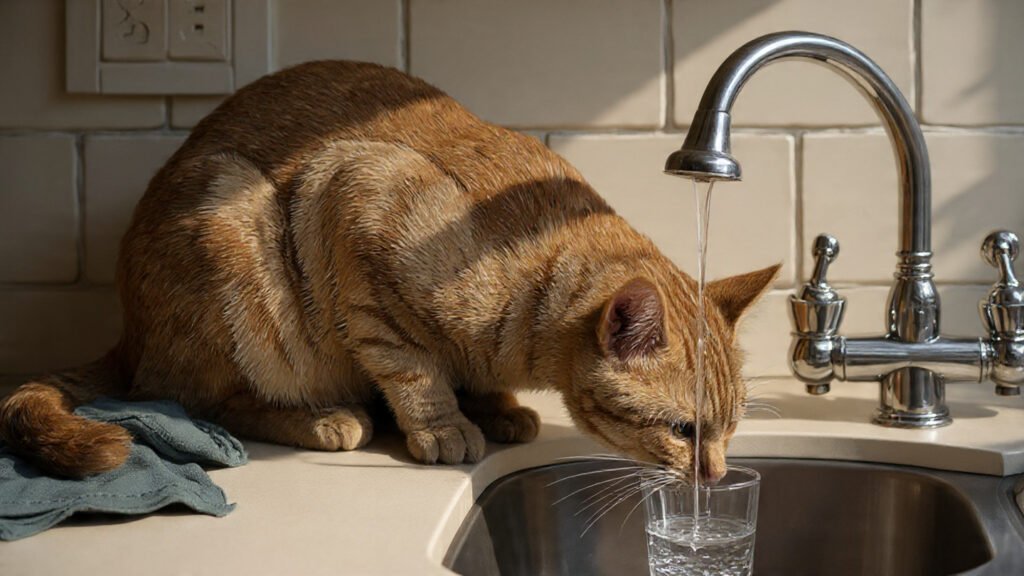
Why is my cat suddenly drinking from the toilet or sink?

Cats often seek out fresh, cold water. If their bowl is stagnant or near their food, they will look for better sources. However, a sudden obsession with new water sources often indicates an underlying disease like diabetes or kidney issues.

Is milk good for a dehydrated cat?

No. Most adult cats are lactose intolerant. Giving them milk will cause diarrhea, which will make their dehydration significantly worse. Stick to fresh water or feline-safe broths.

My cat is drinking a lot, does that mean they aren’t dehydrated?

Not necessarily. As mentioned with CKD and Diabetes, “drinking a lot” is often the body’s frantic attempt to fix a dehydration issue it can’t solve. It’s a symptom, not a sign of success.

Can dehydration cause a cat to stop eating?

Yes. Dehydration causes nausea and a general feeling of malaise. When a cat feels sick to their stomach, they will avoid the food bowl, which further complicates the situation since they aren’t getting any moisture from their food.

Final Thoughts: The Fluid Balance for Life

Maintaining the fluid balance of your cat is a lifelong commitment. It isn’t just about making sure the bowl is full; it’s about understanding the unique desert-born biology of your companion. By performing regular skin and gum checks, transitioning to a moisture-rich diet, and being alert to behavioral shifts like lethargy or greasy fur, you are acting as your cat’s primary health advocate.

Our cats rely on us to notice the things they are too proud or too “wild” to show. A few extra ounces of water a day can prevent years of kidney struggle and thousands of dollars in medical bills. Trust your hands—check their skin, check their gums, and never ignore that “gut feeling” that something is off. A hydrated cat is a resilient cat, ready for many more years of purring and play.