Medical Causes of Cat Aggression: A Deep Dive into Pain and Illness in Felines

Medical Causes of Cat Aggression: A Deep Dive into Pain and Illness in Felines

When a normally affectionate cat suddenly starts hissing, swatting, or biting, the emotional toll on the owner is immense. We tend to view our pets through a human lens, wondering if they are “mad” at us or if they have suddenly developed a “mean” personality. However, as someone who has spent years observing feline behavior in both clinical and home settings, I can tell you that cats are rarely malicious. Instead, they are masters of concealment. In the wild, showing pain is a death sentence; it signals vulnerability to predators and competitors. In your living room, this evolutionary trait means your cat will hide a pulsing toothache or the grinding pain of arthritis until they simply cannot take it anymore. At that point, aggression becomes their only defensive tool. Understanding the **medical causes of cat aggression** is not just about fixing a behavior—it’s about relieving suffering.

If you’ve been asking yourself why is my calm cat suddenly aggressive, you must pause before reaching for a training manual or a spray bottle. Aggression that appears “out of nowhere” is almost always a physiological cry for help. A cat that lashes out when touched is often trying to protect a hurting part of their body from further discomfort. In this comprehensive guide, we are going to explore the various medical triggers that turn sweet cats sour, from silent joint decay to complex hormonal imbalances. By the end of this article, you will know exactly what physical signs to look for and why your vet’s diagnostic plan is the most important step in restoring your cat’s gentle nature.

1. Dental Disease: The Silent Agony of the Mouth

In my experience, dental pain is the single most overlooked **medical cause of cat aggression**. Cats suffer from a unique and agonizing condition called Feline Oral Resorptive Lesions (FORL), where the body literally begins to dissolve the tooth from the inside out, exposing the highly sensitive nerve endings. Imagine having an open nerve in your tooth and then having someone playfully scruff your head or try to pet your cheek. The pain is electric, sharp, and terrifying for a cat.

This pain often leads to what we call “head shyness.” The cat will flinch when you reach for them, or they may hiss at their food bowl because they associate eating with agony. If you notice your cat dropping food, drooling excessively, or pawing at their mouth, the aggression is a secondary symptom of a major dental crisis. A simple cleaning or an extraction can often take a cat from “aggressive” to “cuddly” in just a few days of recovery. Have you noticed your cat only biting when you pet near their jaw? That is a huge red flag for oral pain.

2. Arthritis and Joint Pain: Why Movement Hurts

We often think of arthritis as a “dog problem,” but recent studies suggest that up to 90% of cats over the age of 12 have some form of degenerative joint disease. Because cats are so light and agile, they hide their limp much better than dogs do. Instead of limping, they simply stop moving as much. They stop jumping onto the high counter, they stop grooming their back, and they become aggressive when picked up.

Arthritis makes a cat feel vulnerable. If they know their hips hurt, and they see a child or another pet approaching them quickly, they will preemptively hiss or swat to keep the “threat” away. They are creating a buffer zone of safety. If you’ve been monitoring cat aggression warning signs, look for a “hunched” posture or a tail that thumps whenever the cat has to change positions. Providing orthopedic beds and joint supplements can help, but ruling out chronic pain is essential for their mood stabilization.

Expert Observation: “I once saw a cat that was considered ‘unadoptable’ due to aggression. After a week of pain medication for a spinal injury, he became the sweetest lap cat in the shelter. Pain changes the brain’s chemistry.”

3. Hyperthyroidism: Understanding “Thyroid Rage”

When an older cat suddenly develops a “manic” energy—pacing at night, eating everything in sight, and attacking for no reason—we immediately look at the thyroid gland. Hyperthyroidism is a common **medical cause of cat aggression** where an overactive thyroid floods the body with hormones. This speeds up the heart rate, raises blood pressure, and puts the cat’s nervous system into a state of permanent “fight or flight.”

In the veterinary community, we sometimes call this “thyroid rage.” The cat isn’t choosing to be angry; their body is literally vibrating with excess energy and irritation. Everything feels louder, brighter, and more annoying to them. If your senior cat is losing weight despite a massive appetite and has become aggressive, a simple blood test can confirm this condition. Once the hormone levels are managed via medication or radioactive iodine therapy, the “rage” usually vanishes.

4. Urinary and Renal Distress: Bladder Pain and Toxins

Urinary issues are physically excruciating for felines. Whether it’s a bacterial infection (UTI) or sterile cystitis caused by stress, the bladder wall becomes inflamed and raw. Every movement can cause a sharp, stinging pain in the lower abdomen. If you pet a cat near their tail or flanks while they have a bladder issue, they may turn and bite with shocking speed.

Furthermore, as kidney function declines in older cats, metabolic toxins can build up in the bloodstream (uremia). These toxins can cause nausea, headaches, and a general feeling of malaise. A cat that feels constantly nauseated is not going to have much patience for petting or play. This is also why you might find your cat sleeping in the litter box; they are seeking comfort in a familiar place while their body feels like it’s failing them.

5. Feline Hyperesthesia Syndrome: The Rolling Skin Disease

If you have ever seen your cat’s skin “ripple” or “roll” along their back, followed by a sudden burst of frantic grooming or a seemingly unprovoked attack on their own tail, you may be seeing Feline Hyperesthesia Syndrome (FHS). This is a complex neurological and dermatological condition where the cat’s skin becomes hypersensitive to the point of pain.

For a cat with FHS, a gentle stroke along the spine can feel like an electric shock. They may suddenly hiss and bite at the air or your hand because their nervous system is misfiring. This is one of the most frustrating **medical causes of cat aggression** for owners because it looks so bizarre. Managing FHS often involves a combination of environmental enrichment, stress reduction, and sometimes anti-seizure or anti-anxiety medications to calm the overactive nerves.

Cat looking startled and aggressive


6. Neurological Glitches: Brain Tumors and Seizures

Sometimes the “aggression” isn’t a reaction to external stimuli, but a direct result of changes in the brain’s physical structure. Brain tumors, inflammatory diseases like FIP (Feline Infectious Peritonitis), or even lead poisoning can affect the part of the brain that governs impulse control and mood.

Neurological aggression often feels “different” to an owner. The cat may have a glazed look in their eyes, or they may attack a wall before turning on you. Some cats suffer from “partial seizures” where they remain conscious but lose control over their emotional responses for a few minutes. If the aggression is accompanied by circling, head pressing, or vision changes, it is a medical emergency that requires immediate veterinary imaging.

7. Sensory Loss: The Aggression of the Startled Cat

As cats age, they often lose their hearing and vision, much like humans do. A cat that can no longer hear you approaching or see your hand coming toward them is a cat that is constantly being “snuck up on.” If you startle a sleeping cat who is deaf and blind, their instinctual “startle reflex” is to use their claws.

This isn’t intentional aggression; it is a defensive reaction to being shocked. Owners of senior cats should learn to stomp their feet on the floor when entering a room so the cat can feel the vibrations, or use scent markers to help the cat navigate. If you find your senior friend becoming “grumpy,” consider that they might simply be living in a world of silence and shadows.

8. Gastrointestinal Issues: The Gut-Brain Connection

We are learning more every day about the connection between the gut and the brain. Chronic inflammation in the intestines (IBD) or food sensitivities can cause constant, low-level abdominal pain and nausea. Have you ever been “hangry” or had a stomach bug that made you want to be left alone? Cats experience this too. If their gut is constantly inflamed, they will be less tolerant of handling and more prone to irritability. Managing their diet is often the first step in calming their temperament.

Frequently Asked Questions

Can a cat become aggressive from a simple flea bite?
Yes. For cats with Flea Allergy Dermatitis, the itch is so intense it causes a state of high stress and “petting-induced” aggression as the skin is already raw and sensitive.

What is the most common medical cause of aggression in kittens?
Usually, it is related to parasites or teething pain, though play-aggression is more common at that age. However, ear mites can cause significant pain and irritability in kittens.

Will my cat’s personality return to normal after treatment?
In the vast majority of cases, yes. Once the underlying pain or hormonal imbalance is resolved, the behavioral aggression typically fades away within a few weeks.

Should I try behavioral training while my cat is ill?
No. Training an animal that is in physical pain is ineffective and can actually damage your bond. Focus on medical recovery first.

Final Thoughts

If your cat is lashing out, please don’t take it personally. They aren’t trying to hurt you; they are trying to survive a body that feels like it’s under attack from the inside. Ruling out the **medical causes of cat aggression** is the most loving, responsible thing you can do as a pet parent. By working closely with your vet and paying attention to subtle changes in their grooming, eating, and movement, you can give your cat the relief they deserve. For more advice on navigating the complexities of feline health, join our community on our Facebook page. We are here to help you and your kitty find the peace you both deserve.

Read also :Why Is My Calm Cat Suddenly Aggressive
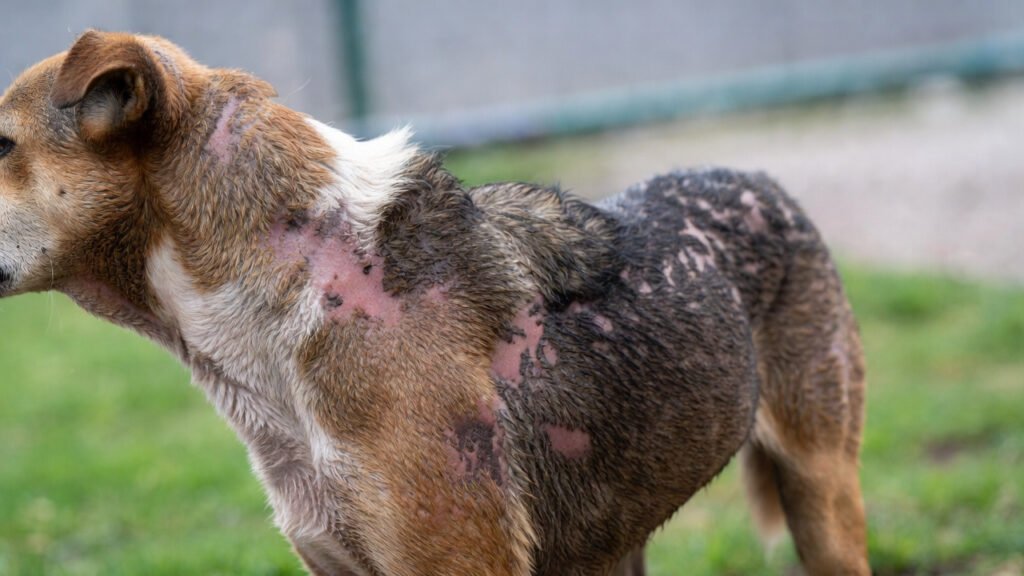
Small Scabs on Dog: Is it Allergies, Bug Bites, or Infection?

Small Scabs on Dog: Is it Allergies, Bug Bites, or Infection?

If you have ever been petting your dog and felt a tiny, crusty bump under their fur, you know that immediate spike of anxiety. Your fingers stop, you part the hair, and there it is: a small scabs on dog skin. Is it a tick? Did they get bitten by a spider? Or is this the start of a mysterious skin disease? I have sat with hundreds of pet owners who feel this exact same way. In my years of working with dogs, I’ve learned that while a single scab might be nothing more than a healing scratch from a rogue blackberry bush, a collection of “pimple-sized” dry wounds is usually a message from the skin that something internal or environmental is out of balance.

The short answer is that small scabs on a dog are most commonly caused by one of three things: Flea Allergy Dermatitis (FAD), a secondary bacterial infection like folliculitis, or environmental allergies. However, the way those scabs look—whether they are circular, flaky, red, or crusty—tells a story about the underlying cause. We aren’t just looking at a scab; we are looking at a symptom. In this guide, we are going to dive deep into the world of canine dermatology to help you identify what those spots are, how to provide immediate relief, and when you absolutely need to involve your veterinarian. Let’s decode your dog’s skin together.


1. Visual Triage: What Do the Scabs Look Like?

Before we jump into the “why,” we need to look at the “what.” Skin reactions in dogs are diverse. I always ask owners to describe the texture of the small scabs on dog. Is it a “pimple” that popped? Is it a dry, flaky patch? Or is it a hard, dark crust? This visual triage is the first step in our detective work.

If the scab looks like a tiny red dot that has dried into a brown flake, we often lean toward bug bites or fleas. If the scab is surrounded by a ring of peeling skin (which we call an epidermal collarette), that is a classic sign of a bacterial infection. On the other hand, if the skin looks “moth-eaten” with patches of hair loss accompanying the scabs, we start thinking about parasites like mites. By identifying the visual pattern, you can narrow down the list of suspects significantly before your vet visit.

2. Flea Allergy Dermatitis: The One-Bite Rule

You might say, “But I don’t see any fleas!” I hear this every single day. The reality is that for a dog with Flea Allergy Dermatitis (FAD), it only takes one single bite to trigger a systemic reaction. It isn’t the flea itself that causes the scabs; it is an allergic reaction to the flea’s saliva. Think of it as a severe allergic reaction rather than just an infestation.

When a sensitive dog is bitten, their immune system goes into overdrive. This causes intense itching, primarily at the base of the tail, the neck, and the inner thighs. The dog scratches, bites, and licks the area until the skin breaks. Those tiny “pimple-sized” wounds then dry up and form the small scabs on dog you are feeling. Even if your dog is on a preventative, a “breakthrough” bite can happen. If you’ve been seeing these spots for weeks, it’s worth doing a “flea comb” test on a wet white paper towel to look for flea dirt.

Dog Stomach Gurgling and Won’t Eat? 7 Causes & Remedies

Dog stomach gurgling and won't eat

It’s usually quiet in your house, but suddenly, you hear a sound. It sounds like water rushing through a pipe, or a squeaky door, or distant thunder. You look around, confused, until you realize the sound is coming from your dog.

You bend down to listen, and it’s undeniable: Your dog’s stomach is making incredibly loud, churning, squelching noises.

You offer them their favorite breakfast, expecting them to rush to the bowl. Instead, they turn their head away, lick their lips, and look miserable.

This combination—dog stomach gurgling and won’t eat—is one of the most common reasons owners panic. The medical term for these noises is Borborygmi (bor-bor-ig-my). It occurs when gas moves through the intestines.

While a noisy tummy can be as simple as “I’m hungry” or “I ate something weird,” when it is accompanied by a refusal to eat (Anorexia), it signals pain or nausea. It could be gas, but it could also be a life-threatening blockage or Pancreatitis.

In this comprehensive troubleshooting guide, we will listen closely to what your dog’s belly is trying to tell you. We will help you distinguish between a simple upset stomach and a medical emergency, and give you safe home remedies to soothe the gurgle.

🚨 The Emergency Checklist: Do Not Wait

Before you try home remedies, rule out the killers. If your **dog stomach gurgling and won’t eat** AND has any of these signs, go to the Emergency Vet immediately:

  • Bloated Belly: Does their stomach look distended or hard like a drum? (Risk of GDV/Bloat).
  • Retching: Trying to vomit but nothing coming out.
  • Prayer Position: Front legs down, butt up in the air (Sign of severe abdominal pain).
  • Collapsing or Pale Gums.

1. The “Empty Tank” Syndrome (Bilious Vomiting)

Believe it or not, the most common reason for loud gurgling is simply an empty stomach.

When a dog’s stomach stays empty for too long (like overnight), acid and bile build up. This acid irritates the stomach lining, causing nausea and loud churning noises. It becomes a vicious cycle: They feel sick because they are empty, but they won’t eat because they feel sick.

Symptoms:

– Loud noises early in the morning.

– Vomiting yellow foam (bile).

– Usually acts normal otherwise.

The Fix: Break the nausea cycle. Offer a tiny amount of bland food (like a meatball of plain boiled chicken) by hand. Once the food hits the stomach, the acid settles, and they will likely eat the rest of their meal.

2. Dietary Indiscretion (The “Garbage Gut”)

Dogs are scavengers. If your **dog stomach gurgling and won’t eat**, ask yourself: What did they eat yesterday?

Did they get into the trash? Eat a spicy table scrap? Find a dead bird in the yard?

When a dog eats something their body can’t process, the intestines go into overdrive trying to push it out. The gurgling is the sound of hyper-motility (fast movement). They won’t eat because they instinctively know their system needs a break.

3. Gas and Aerophagia

Some dogs, especially flat-faced breeds (Bulldogs, Pugs) or fast eaters, swallow a lot of air when they pant or eat. This condition is called Aerophagia.

The air gets trapped in the intestines, moving around like bubbles in a water cooler. It is loud and uncomfortable. They might refuse food because they feel “full” of air.


4. The Danger Zone: Pancreatitis

This is a serious one. Pancreatitis is the inflammation of the pancreas, usually triggered by a high-fat meal (like stealing bacon grease or eating a ham bone).

Why the noise?

The pancreas releases enzymes that start digesting the organ itself. This causes intense inflammation and fluid buildup in the abdomen, leading to squelching noises and severe pain.

Key Signs:

– Refusing food absolutely.

– Vomiting repeatedly.

– Hunched back.

– Pain when you touch the belly.

(Pancreatitis requires vet treatment with IV fluids and pain meds. Read more on the AKC Pancreatitis Guide).

5. Intestinal Blockage (Foreign Body)

If your dog is a chewer (likes socks, toys, rocks), loud gurgling can be the sound of the intestines fighting against a blockage.

The gut tries to push the object through with powerful contractions (loud gurgles), but it can’t.

The Red Flag: If they drink water and vomit it back up immediately, assume it is a blockage. This is a surgical emergency.

Dog stomach gurgling and won't eat


Home Remedies: How to Soothe the Gurgle

If your dog is alert, wagging their tail, and has no emergency symptoms, you can try to settle their stomach at home.

1. The “Wait and See” Fast

Sometimes, the gut just needs a reset. Take away food for 12 hours (keep water available). This stops the workload on the stomach. After 12 hours, introduce a bland diet.

2. The Bland Diet (Chicken and Rice)

Do not give them kibble. It is hard to digest. Instead, make:

Boiled Chicken Breast: (No skin, no bones, no salt).

White Rice: (Boiled until mushy).

Mix a 50/50 ratio. Offer a small spoonful. If they keep it down, give a little more an hour later.

3. Bone Broth

If your **dog stomach gurgling and won’t eat** solids, try liquids. Bone broth (unsalted, onion-free) is packed with nutrients and is very soothing for the gut lining. It keeps them hydrated and might stimulate their appetite.

4. Tummy Massage

If your dog enjoys it, a gentle belly rub can help move trapped gas bubbles along. Rub in slow, clockwise circles. If they pull away or growl, stop—this means it hurts.


When To Rush to the Vet?

How long can you wait? A healthy adult dog can go 24 hours without eating without issues. However, you should call the vet if:

  • The gurgling/anorexia lasts more than 24 hours.
  • They are also refusing water (dehydration happens fast).
  • They are vomiting or have bloody diarrhea.
  • They are a puppy or a senior (they have no reserves).
  • They seem lethargic or depressed.

Frequently Asked Questions (FAQ)

Q: Can I give my dog Pepto-Bismol?
A: Maybe, but call your vet first. Pepto contains salicylates (aspirin-like compounds) which can cause stomach bleeding in some dogs. It is toxic to cats. Never guess the dose.

Q: Why is my dog eating grass?
A: Dogs often eat grass to induce vomiting or add fiber to move a blockage. If they are frantically eating grass and gurgling, let them do it, but watch what comes up.

Q: Is stomach gurgling painful for dogs?
A: The noise itself isn’t painful, but the cause (gas cramping) is. Think about how you feel when your stomach rumbles loudly—it’s usually uncomfortable.

Q: Should I force-feed my dog?
A: No. If a dog refuses food, there is a reason. Forcing food down a nauseous dog can cause food aversion or aspiration. Offer high-value treats (like cheese or chicken) to tempt them, but don’t force it.

Final Thoughts

Hearing your **dog stomach gurgling and won’t eat** can be stressful. The house is quiet, and that churning sound seems incredibly loud.

Most of the time, it is just a case of “doggy indigestion” or an empty tummy that needs a small snack to settle. However, trust your instincts. You know your dog. If they look sad, uncomfortable, or “off,” get them checked out. It is always better to treat a simple tummy ache than to ignore a serious blockage.

For more life-saving health tips, bookmark our Pet Safety Center.

Why Does My Dog’s Breath Smell Like Fish? (5 Gross But Real Reasons)

Dog breath smells like fish

You are sitting on the couch, enjoying a quiet, relaxing evening after a long day. Your dog jumps up next to you, tail wagging rhythmically against the cushions. They look at you with pure adoration, lean in for a big, sloppy kiss, and… you recoil.

It doesn’t smell like normal “doggy breath.” It doesn’t even smell like the kibble they just ate for dinner. It smells distinctly, overpoweringly… fishy.

It’s a sharp, metallic, pungent odor that hits the back of your throat. It reminds you of a fish market on a hot summer day or a can of tuna that has been left open for too long. The weirdest part? You haven’t fed them fish in weeks.

If you are frantically Googling “Why does my dog’s breath smell like fish?”, first of all: I am sorry. It is a terrible, lingering smell. Second: Do not panic.

As a pet care specialist, I hear this complaint all the time. While it is certainly gross (and embarrassing if you have guests over), it is rarely a life-threatening emergency. However, it is a very specific “red flag” that points to a few distinct medical issues. It is not something you should simply try to mask with a minty dental chew; you need to find the source.

In this comprehensive guide, we will play detective. We will uncover the “Big Two” causes (one involves the mouth, the other involves the… rear end), explore other potential medical reasons, and give you a step-by-step action plan to get your dog’s breath fresh again.

🐟 The Quick Answer: Why the Fishy Odor?

If you want the short version so you can assess the situation immediately, here is your checklist:

  1. Anal Glands (The #1 Cause): Your dog likely licked their rear end, transferring the fluid to their mouth.
  2. Periodontal Disease: Infection and rotting tissue in the gums often smell metallic or fishy.
  3. Dietary Factors: Fish-based kibble or Omega-3 supplements.
  4. Kidney/Liver Issues: In rare cases, a sign of organ failure (usually accompanied by vomiting).
  5. Oral Tumors: Growths in the mouth that trap bacteria and decay.

1. Anal Glands: The Butt-to-Mouth Connection

I know, I know. You didn’t want to read this. You wanted the answer to be “he ate a sardine.” But if your dog’s breath smells like fish, this is the culprit about 70% of the time.

To understand why, we need a quick anatomy lesson. Dogs have two small sacs located on either side of their anus (think of them sitting at the 4 o’clock and 8 o’clock positions). These sacs are technically scent glands. In the wild, they act like your dog’s personal ID card. When a dog poops, these glands naturally express a tiny amount of fluid that puts their unique signature on the stool.

The fluid inside these glands has a very distinct profile. It is thick, oily, brownish-gray, and smells extremely pungent, metallic, and—you guessed it—fishy.

How Does the Smell Get to the Mouth?

Dogs are incredibly clean animals. If their anal glands are full, impacted (blocked), or leaking, they feel a sense of pressure or itching. It’s uncomfortable, like having a pebble in your shoe that you can’t remove.

To relieve this pressure or itch, they do two things:

  • Scooting: Dragging their bottom across your favorite rug.
  • Licking: Excessive grooming of the tail base and rear end.

Here is the unfortunate reality: When they lick to clean themselves or relieve pain, that potent, fishy fluid gets on their tongue and around their muzzle. Five minutes later, they come to lick your face to say hello, and you are hit with that terrible odor.

Dog licking face causing fishy breath

Signs It Is the Anal Glands:

Aside from the breath, look for these clues:

  • The “Scoot”: Moving their butt along the floor.
  • Chasing the Tail: Trying to reach their rear end frantically.
  • Discomfort: Trouble sitting down or jumping up quickly.
  • Redness: Swelling around the anus.

The Solution: You need a “butt check.” Take them to the vet or a professional groomer to have their glands “expressed” (manually emptied). Once the glands are empty and the pressure is gone, the licking will stop, and the breath will return to normal.

2. Periodontal Disease: The Silent Infection

If you are 100% sure your dog hasn’t been licking their backside (perhaps they are wearing a cone, or you’ve been watching them all day), the next most common reason why a dog’s breath smells like fish is severe dental disease.

This isn’t just a little bit of plaque. We are talking about advanced Periodontal Disease.

Why Does Dental Disease Smell Like Fish?

When plaque hardens into tartar (calculus), it pushes the gums away from the teeth, creating deep “pockets.” Food particles and bacteria get trapped in these pockets where your toothbrush can’t reach. Over time, this bacteria breeds, multiplies, and causes tissue decay.

Certain types of anaerobic bacteria that thrive in infected gum tissue produce volatile sulfur compounds. To the human nose, these compounds don’t smell like “rotten food”—they smell distinctly metallic, rusty, or fishy. It is essentially the smell of active infection and decaying gum tissue.

Veterinarian checking dog teeth for periodontal disease

How to Check Your Dog’s Mouth

Lift your dog’s lip gently and look for:

  • Red, inflamed gums (Gingivitis) instead of healthy pink ones.
  • Brown or Yellow tartar buildup, especially near the gum line.
  • Bleeding spots on their chew toys or bedding.
  • Loose teeth or reluctance to eat hard kibble.

The Solution: A professional dental cleaning. No amount of brushing at home will remove tartar that has hardened below the gum line. Your vet will need to put them under anesthesia to scrape the teeth clean and polish them. This usually fixes the breath instantly.

3. Kidney or Liver Disease (The Serious Stuff)

While less common than butt-licking or bad teeth, a persistent bad odor can sometimes be a subtle sign of internal organ issues. It is important to rule these out, especially if you have a senior dog (over 7 years old).

Kidney Failure

The kidneys are the body’s filtration system. When they start to fail, they stop filtering toxins (like urea and nitrogen) out of the blood effectively. These toxins build up in the system and eventually make their way to the saliva.

  • The Smell: Often described as “urine-like,” ammonia, or a metallic/fishy odor.
  • Other Symptoms: Drinking excessive amounts of water, urinating frequently, vomiting, weight loss, and general lethargy.

Liver Disease

The liver also filters toxins. If it is struggling, it can produce a very foul, musty odor in the breath known as Fetor Hepaticus.

  • The Smell: Musty, dead, or fishy.
  • Other Symptoms: Yellow gums or eyes (jaundice), vomiting, lack of appetite, and a distended belly.

Warning: If your dog’s breath smells like fish AND they are acting sick (vomiting, not eating), this is a medical emergency. Do not wait.

4. Diet and Supplements: The Obvious Choice

Sometimes, the answer is sitting right in your pantry. Have you recently changed their food or added a new topper?

If you are feeding a Fish-Based Food (like Salmon, Whitefish, or Trout formulas), the oil can linger in the mouth long after eating. Fish oils are sticky and potent.

Supplements to Check:

  • Omega-3 Softgels: Are you popping a fish oil pill into their bowl for their coat?
  • Salmon Oil Pumps: Great for the skin, terrible for the breath.
  • Treats: Many high-value training treats are made from dried fish skins, sprats, or green-lipped mussels.

The Fix: If this is the cause, it’s harmless! You can switch to a chicken or beef-based food, or simply brush their teeth after meals if the smell bothers you. You can also look for “odorless” Omega supplements.

5. Oral Tumors or Mouth Ulcers

This is rare but possible. Growths in the mouth (oral tumors like Melanoma or Squamous Cell Carcinoma) can grow rapidly. As they get bigger, the blood supply to parts of the tumor might get cut off, causing that tissue to die (necrose).

Dead tissue attracts bacteria and causes a horrible, rotting-fish smell. It is different from the smell of plaque; it is often more “meaty” and offensive.

Do a quick check: Lift your dog’s lip. Do you see any lumps, bumps, or strange cauliflower-like growths on the gums or roof of the mouth? If so, book a vet appointment today.

Home Remedies: How to Freshen the Breath

While you wait for your vet appointment, or if you’ve confirmed it’s just a minor issue, here are some ways to combat the stink when your dog’s breath smells like fish.

1. Daily Brushing (The Gold Standard)

Nothing beats mechanical scrubbing. Use a dog-specific enzyme toothpaste (never human toothpaste, as fluoride is toxic). Brushing once a day prevents the bacteria that cause the fishy smell from colonizing.

2. Water Additives

There are odorless, tasteless liquids you can add to their water bowl (like “Dental Fresh”). They contain enzymes that help break down plaque and kill odor-causing bacteria in the saliva every time they drink.

3. Crunchy Veggies

Carrots and apple slices (without seeds) act as natural abrasive chews. They help scrape mild plaque off the teeth and increase saliva production, which washes away smells naturally.

4. Parsley & Mint

Sprinkle a little fresh chopped parsley or mint over their food. Parsley contains chlorophyll, which is a natural deodorizer. (Ensure it is just plain garden mint, not essential oils).

5. Wash the Bedding

This is a step many owners forget. If the cause was anal glands, that fishy fluid is likely on their blankets, bed, and your couch where they were scooting. Wash everything in hot water to stop them from re-scenting themselves.

When to See a Vet?

Not every bad breath day requires a doctor, but fishy breath is specific. You should book an appointment if:

  • The smell persists for more than 24 hours despite brushing.
  • You see “Scooting”: They need their glands expressed professionally.
  • Eating Habits Change: If they are dropping food or chewing on one side, it indicates dental pain.
  • Systemic Signs: Vomiting, diarrhea, or drinking too much water.

Frequently Asked Questions (FAQ)

Q: Can I express my dog’s anal glands at home?
A: Technically, yes, there are YouTube tutorials. However, I do not recommend it. It is very easy to do incorrectly. If you squeeze too hard or at the wrong angle, you can rupture the gland inside the body, causing a painful abscess and a massive vet bill. It is smelly, messy work best left to groomers or vets.

Q: Why does my dog’s breath smell like fish after sleeping?
A: This is likely “Morning Breath” combined with the fact that dogs often groom themselves (and their rear ends) right before bed or during the night. The smell lingers in the dry mouth while they sleep.

Q: Are there dog breeds more prone to fishy breath?
A: Yes. Small breeds (Chihuahuas, Yorkies, Pugs) are more prone to both Anal Gland issues (they don’t empty well naturally) and Dental Disease (crowded teeth). So, they are the “frequent flyers” for fishy breath.

Q: Will dental chews fix the fishy smell?
A: They might mask it for 20 minutes, but they won’t cure it. If the cause is impacted anal glands or a rotten tooth, a Greenie won’t help. You need to treat the root cause.

Final Thoughts

Dealing with a pet whose dog’s breath smells like fish is unpleasant, but it is your dog’s way of telling you something is wrong. Whether they need a “butt squeeze” (anal gland expression) or a dental cleaning, addressing the issue will make both of you happier.

Don’t ignore the stink. Check the rear, check the teeth, and call the vet. Soon enough, those puppy kisses will be sweet again (or at least, bearable!).

For more expert tips on keeping your pup fresh, healthy, and happy, be sure to browse our full Dog Health and Care section.

Dog Throwing Up Yellow Foam: Causes, Remedies, and When to Call Your Vet

Dog Throwing Up Yellow Foam: Causes, Remedies, and When to Call Your Vet

Dog Throwing Up Yellow Foam It is a sound every dog owner knows all too well. That rhythmic, heavy heaving in the middle of the night or early morning that sends you sprinting out of bed to keep the carpet clean. When you finally reach your dog, you find a small puddle of frothy, bright yellow liquid. It isn’t food, and it isn’t just water—it is bile. Seeing your dog throw up yellow foam can be alarming, especially if they seem perfectly fine both before and after the event. In most cases, this yellow foam is a sign that your dog’s stomach is empty and irritated by digestive fluids. However, while “hunger pukes” are common, this symptom can also point toward more serious underlying issues like pancreatitis, allergies, or even a physical blockage. Understanding the difference between a simple upset stomach and a medical emergency is the first step in helping your companion feel better. Let’s break down exactly why this happens and what you can do about it.

What Exactly Is the Yellow Foam My Dog Is Throwing Up?

The yellow substance you are seeing is bile. Bile is a digestive fluid produced by the liver and stored in the gallbladder. Its primary job is to break down fats and aid in the absorption of nutrients once food leaves the stomach and enters the small intestine. Under normal circumstances, bile stays in the small intestine where it belongs. It is highly alkaline and quite harsh, designed to neutralize stomach acid as it breaks down nutrients.

However, when a dog’s stomach is empty for an extended period, or if there is a backup in the digestive tract, bile can flow backward through the pyloric valve and into the stomach. This is known as duodenogastric reflux. Once that harsh, acidic bile sits in an empty stomach, it causes significant irritation to the stomach lining. The result? Your dog vomits to get rid of the irritant. For more on canine health, you can visit our dog care guides section.

The “foam” part of the equation happens because the liquid mixes with air and saliva during the gagging and vomiting process. It can range in color from a pale, watery yellow to a bright, neon-colored liquid. While it looks scary, the color itself just confirms that there is no food present and that the source of the fluid is the upper digestive tract.

Healthy dog resting on rug
A calm, healthy dog resting peacefully at home is our goal for digestive health.

Bilious Vomiting Syndrome: The Most Common Culprit

If your dog tends to throw up yellow foam specifically in the early morning hours or late at night right before dinner, they likely have Bilious Vomiting Syndrome (BVS). This is a very common condition in dogs who have a long gap between their meals. Have you noticed that your dog seems completely fine, has plenty of energy, and eats their next meal with enthusiasm despite the morning vomit? That is a classic sign of BVS.

When the stomach stays empty for 12 hours or more, the accumulation of bile becomes too much for the stomach lining to handle. The stomach basically throws a “tantrum” because it has nothing to digest. From what many owners notice, it isn’t just about the vomiting itself—dogs often seem to display a specific kind of ‘morning sluggishness’ that disappears the moment they get a small biscuit or piece of toast. This simple fix is often overlooked by owners who fear the worst.

Dog bowl and alarm clock
The timing between meals is the most critical factor in managing BVS.

Dietary Indiscretion and Scavenging

Dogs are natural scavengers. Whether it is a bit of “street pizza” found on a walk, a dead bird in the backyard, or the remains of a greasy taco wrapper from the trash, dogs often eat things they shouldn’t. This is what veterinarians call “dietary indiscretion.” When a dog consumes something toxic, rancid, or simply too rich for their system, the stomach works overtime to purge the intruder.

If they have already vomited their actual food, they may continue to retch, eventually producing only yellow bile. Sometimes, dogs will eat large amounts of grass when their stomach feels slightly off. While grass itself isn’t necessarily harmful in small amounts, it acts as an irritant. If the dog hasn’t eaten recently, the combination of grass and bile creates a bright green or yellow foamy mess on your floor. You can see more safety tips on our Facebook page.

Food Allergies and Chronic Stomach Irritation

Not every reaction to food is immediate or dramatic. Sometimes, a dog develops a sensitivity or a full-blown allergy to a specific protein or filler in their kibble. This creates a state of chronic inflammation in the gut. When the stomach lining is perpetually inflamed, it becomes much more sensitive to the presence of bile. Common allergens include chicken, beef, dairy, and wheat. If you suspect a food sensitivity, it may be worth discussing a limited ingredient diet with your vet. For a deeper look at diets, visit petscatsdogs.com.

The Danger of Pancreatitis in Dogs

Pancreatitis is a much more serious reason for a dog to throw up yellow foam. The pancreas is responsible for producing enzymes that digest food. Pancreatitis occurs when the pancreas becomes inflamed, often after the dog eats a very fatty meal. Think of those “table scraps” like bacon grease, steak fat, or butter. Unlike BVS, a dog with pancreatitis will look and act very sick, often refusing to move or eat at all.

Veterinarian examining dog
Pancreatitis requires professional medical diagnosis and often hospitalization.

Gastrointestinal Blockages and Obstructions

We all know dogs love to chew. Sometimes, that chewing leads to swallowing—socks, rocks, squeakers from toys, or corn cobs. When an object gets stuck in the stomach or the small intestine, it creates a literal “dam.” Food and liquids cannot pass through, but the body keeps producing bile. Because nothing can go down, everything must come up. A dog with an obstruction will often vomit yellow foam because bile is the only thing their body can still produce and move.

When Yellow Foam Indicates Other Health Issues

While the gut is usually the first place we look, other organs can cause digestive upset when they aren’t functioning correctly. Liver disease can lead to an accumulation of waste products in the blood, causing nausea. Kidney failure can lead to “uremic gastritis.” Even heatstroke in the summer months may cause a dog to vomit yellow foam as their internal organs begin to struggle. It is easy to focus only on the stomach, but the body is an interconnected system. Explore more on general pet health.

At-Home Care and Managing an Upset Stomach

If your dog has thrown up yellow foam once but is still acting like their happy, bouncy self, you can usually manage the situation at home. The “Late Night Snack” trick is the best remedy: try giving your dog a small, high-fiber biscuit or a small portion of their dinner right before you go to bed. This prevents bile from accumulating overnight. Additionally, the bland diet of boiled white rice and chicken can work wonders for a minor “garbage gut” incident.

Healthy dog bowl of food
A plain, bland diet helps rest the digestive system after a vomiting episode.

When to See a Veterinarian Immediately

As much as we want to handle things at home, there are times when professional help is the only safe option. Seek emergency care if the vomiting is frequent, if there is blood in the vomit, or if the dog’s abdomen feels hard and painful. A dog that is shivering, hiding, and refusing treats while vomiting yellow foam is a dog in crisis. When in doubt, join our conversations on Facebook to ask the community for advice, but always call your vet first.

Frequently Asked Questions

Why is my dog’s vomit yellow foam?

The yellow color comes from bile. The foam is created when liquid mixes with air and saliva. It usually indicates an empty stomach.

Can I give my dog antacids for yellow vomit?

Never give human medications without a specific dosage from your vet. Some contain ingredients that are toxic to dogs.

Does yellow foam mean my dog has parvo?

Parvo usually includes severe bloody diarrhea and extreme lethargy. Yellow foam alone is more likely an empty stomach issue.

Should I withhold food after they vomit?

If they seem fine, a small snack may help. If they seem nauseous, resting the stomach for 6-12 hours is standard practice.

Why does my dog eat grass and vomit foam?

Dogs eat grass to induce vomiting when they feel nauseous. On an empty stomach, they will produce yellow bile.

Final Thoughts on Digestive Health

Caring for a dog’s digestive system is a game of observation. While that morning puddle of yellow foam is a nuisance to clean up, it is usually a clear communication that it’s time for a snack or a schedule change. Consistency is the secret to a happy dog gut. Remember that while we provide general guidance, nothing replaces the diagnostic tools of a veterinarian. Stay calm, watch their behavior, and soon your furry friend will be back to their happy self. For more resources, visit petscatsdogs.com.


Why Is My Dog Shaking? (7 Surprising Reasons & Solutions)

Why Is My Dog Shaking? (7 Surprising Reasons & Solutions)

It starts with a subtle vibration. You put your hand on your dog’s back and feel a tremor. Then, you look closer and see them shivering as if they are standing in a blizzard, even though your living room is warm.

Suddenly, panic sets in. You ask yourself: Is he cold? Is he scared? Or is this a medical emergency?

Seeing your usually strong and happy dog trembling like a leaf is terrifying for any pet owner. The helplessness of not knowing what is wrong is the worst feeling in the world.

If you are frantically searching for “Why is my dog shaking?”, take a deep breath. You are in the right place. While shivering can be a sign of something serious like poisoning, it is often a natural reaction to excitement, cold, or anxiety.

In this comprehensive guide, we will decode your dog’s body language. We will explore the 7 most common reasons behind this behavior, how to distinguish between “fear” and “pain,” and exactly when you need to rush to the vet.

The Quick Answer: Why Is He Trembling?

Before we dive deep, here is a checklist. The most common answers to “Why is my dog shaking?” are:

  1. Temperature: They are simply cold (Hypothermia).

  2. Emotion: Extreme fear (thunder, vet visits) or extreme excitement.

  3. Pain: Dogs shake to mask pain (arthritis, stomach ache).

  4. Old Age: Muscular weakness in hind legs.

  5. Toxins: Eating chocolate, xylitol, or grapes (Emergency!).

  6. Nausea: Feeling sick often causes shivering.

  7. GTS: Generalized Tremor Syndrome (common in small white dogs).


1. It’s Just Too Cold (Hypothermia)

Let’s start with the obvious. Just like humans shiver to generate body heat, dogs do the same. Even though they have fur coats, many breeds (especially short-haired ones like Chihuahuas, Greyhounds, and Pitbulls) have zero tolerance for cold.

How to tell:

  • Is it winter? Is the AC on full blast?

  • Is your dog curling up into a tight ball?

  • Are their ears cold to the touch?

The Fix:
If you suspect the answer to “Why is my dog shaking?” is the temperature, simply cover them with a blanket or put on a doggy sweater. If the shaking stops within 15 minutes, you have your answer.

2. Fear and Anxiety (The Psychological Shakes)

Why is my dog shaking

Dogs are incredibly emotional creatures. Shaking is a classic symptom of an adrenaline rush caused by fear. This is common during thunderstorms, fireworks, or trips to the vet.

Look for other “Stress Signals”:

  • Panting heavily.

  • Tucking the tail between the legs.

  • Flattening ears against the head.

  • Hiding under furniture.

If your dog is shaking uncontrollably during a storm, they aren’t cold; they are terrified. Comforting them calmly (without over-coddling) is key.

3. They Are In Pain (The Hidden Cause)

This is the reason that breaks most owners’ hearts. Dogs are masters at hiding pain (an evolutionary instinct to not look weak). When they can no longer hide it, they shake.

Why is my dog shaking from pain?
It could be anything from a toothache and ear infection to arthritis or a sudden back injury (IVDD).

The “Silent” Symptoms of Pain:

  • Reluctance to jump on the couch or climb stairs.

  • Walking with a hunched back.

  • Lip licking or drooling.

  • Aggression when touched in a specific spot.

If the shaking came on suddenly and they yelp when you touch them, go to the vet immediately.

4. Poisoning and Toxins (Medical Emergency)

This is the scariest scenario. Several common household items are highly toxic to dogs and attack their nervous system, causing tremors or seizures.

Common Toxins:

  • Xylitol: Found in sugar-free gum and peanut butter.

  • Chocolate: Especially dark chocolate.

  • Grapes/Raisins: Can cause kidney failure.

  • Human Meds: Dropped pills like Ibuprofen.

Warning Signs:
If the answer to “Why is my dog shaking?” involves vomiting, diarrhea, drooling, or disorientation, assume they ate something poisonous. Do not wait. Drive to the emergency vet.
(You can check the full list of toxins on the ASPCA Animal Poison Control website – Link opens in new tab).

5. Old Age (Senior Tremors)

Why is my dog shaking

As dogs enter their golden years, you might notice their hind legs shaking when they stand up. This is usually not a seizure; it is muscle weakness or osteoarthritis.

While it looks concerning, many senior dogs live happily with mild tremors. However, it is a sign that they need pain management or joint supplements to help with stability.

6. Excitement (The Happy Shakes)

Yes, happiness can cause shaking too! Have you ever come home from work, and your dog wiggles so hard their whole body vibrates?

High arousal—whether positive (you are home!) or anticipating (a ball throw)—releases a flood of energy. Once they calm down, the shaking stops. This is harmless and adorable.

7. Generalized Tremor Syndrome (GTS)

Also known as “Little White Shaker Syndrome,” this condition affects small breeds like Malteses and Westies. It causes full-body tremors that are not related to cold or fear. It is treatable with medication (corticosteroids) prescribed by a vet.


Action Plan: What To Do Right Now?

If you are looking at your dog right now and wondering “Why is my dog shaking?”, follow this step-by-step triage:

Step 1: Check the Environment
Is it cold? Is there a loud noise (thunder/construction)? If yes, warm them up or move to a quiet room.

Step 2: Check for Toxins
Look around the floor. Is the trash overturned? Is a pill bottle missing? If yes, go to the vet.

Step 3: The “Treat Test”
Offer their favorite treat.

  • If they eat it happily: It might be mild stress or cold.

  • If they refuse it: This is a red flag for pain or nausea. Dogs rarely refuse treats unless they feel terrible.

Step 4: Palpation
Gently run your hands over their body. Do they flinch, yelp, or tense up at a specific spot? This indicates an injury.


Frequently Asked Questions (FAQ)

Q: Can a dog shake from an upset stomach?
Yes. Nausea is a very common cause of shaking. If your dog is drooling, smacking their lips, or has vomited, they are likely shaking because they feel sick.

Q: Should I hold my dog if he is shaking?
If the shaking is due to fear or cold, yes, holding them provides warmth and comfort. However, if they are shaking from pain, holding them might hurt. Approach gently and see how they react.

Q: When should I worry about dog shivering?
Worry if the shaking is accompanied by: lethargy, vomiting, diarrhea, limping, or if it lasts more than an hour after warming them up.

Final Thoughts

So, the next time you find yourself asking, “Why is my dog shaking?”, remember that context is everything. Look at the whole picture. Are they cold? Scared? Or acting sick?

Trust your gut instinct. You know your dog better than anyone. If the behavior feels “off” or wrong, never hesitate to call your vet. It is always better to be safe than sorry.

For more advice on keeping your pup healthy and safe, be sure to browse our comprehensive [Dog Health and Care] section.

Why Is My Old Dog Panting at Night? (The Complete Guide)

Why Is My Old Dog Panting at Night? (The Complete Guide)

It’s 3:00 AM. The rest of the world is asleep, but your house is awake. You hear the familiar, rhythmic click-click-click of nails on the floorboards. Then comes the sound of heavy, rapid breathing. Your senior dog is pacing, panting, and seemingly unable to find a comfortable spot to rest.

As a devoted dog owner, this is heartbreaking and exhausting to watch. You find yourself wondering: Is he in pain? Is he scared? Is he trying to tell me something is wrong?

If you notice your old dog panting and pacing at night, it is rarely “just bad behavior” or stubbornness. While panting is a normal mechanism for dogs to cool down after exercise, nighttime restlessness in senior dogs is often a specific, urgent cry for help.

In this comprehensive guide, we will dive deep into the 7 medical and behavioral reasons behind this distressing behavior. We will also provide you with actionable, vet-approved steps to help your furry friend (and you) finally get a good night’s sleep.

The Quick Answer: Why Is This Happening?

Before we explore the details, here is a summary. Old dog panting at night is usually caused by one (or a combination) of these factors:

  • Canine Cognitive Dysfunction (CCD): Often called “doggy dementia,” causing confusion that worsens at night.

  • Chronic Pain: Arthritis or joint inflammation that flares up when the body is still.

  • Sensory Decline: Loss of hearing or vision causing anxiety in the dark.

  • Medical Conditions: Cushing’s disease, heart disease, or respiratory issues.

  • Anxiety: Separation anxiety or noise phobias that develop with age.


1. Canine Cognitive Dysfunction (CCD): The “Sundowner Syndrome”

Old dog panting

Just like humans can suffer from Alzheimer’s disease, dogs can suffer from a condition known as Canine Cognitive Dysfunction (CCD). Studies show that a large percentage of dogs over the age of 11 experience some form of cognitive decline.

One of the classic signs of CCD is a disruption in the sleep-wake cycle. This is often referred to as “Sundowning.”

What Does CCD Look Like?

If your old dog panting behavior is caused by CCD, you might notice other symptoms during the day or night:

  • Disorientation: Getting “stuck” in corners or behind furniture.

  • Staring: Staring blankly at walls or into space.

  • Sleep Reversal: Sleeping soundly all day but waking up anxious and active at night.

  • Pacing: Walking in repetitive circles or wandering aimlessly from room to room.

Dogs with CCD often wake up in the dark and forget where they are or where you are. This confusion leads to panic, which manifests as heavy panting and pacing.

2. Arthritis and Joint Pain: The Silent Sleep Killer

Imagine trying to sleep on a thin, lumpy mattress while suffering from a bad back. That is exactly what your senior dog feels if they have osteoarthritis.

During the day, movement helps keep their joints lubricated. However, at night, when they lie still for long periods, their joints can stiffen and become achy. The temperature often drops at night as well, which can aggravate joint pain.

Signs Pain is The Cause

If you observe your old dog panting, getting up, circling, lying down, and getting up again within minutes, they are desperately trying to find a comfortable position but can’t. The panting is a physiological response to pain.
(You can read more about recognizing pain signs on the AKC Website – Link opens in new tab).

3. Cushing’s Disease and Metabolic Issues

Cushing’s disease (Hyperadrenocorticism) is prevalent in older dogs. It occurs when the adrenal glands overproduce cortisol, the body’s stress hormone.

Why Does it Cause Panting?

Cortisol puts the body in a constant state of “fight or flight,” leading to:

  • Excessive Panting: Even when the room is cool and the dog hasn’t exercised.

  • Increased Thirst: Drinking water constantly, especially at night.

  • Frequent Urination: Needing to go out multiple times a night.

  • Pot-bellied appearance: Muscle weakness in the abdomen.

If your dog is emptying the water bowl and panting heavily while resting, a vet visit for blood work is essential.

4. Anxiety, Noise Phobia, and Sensory Loss

As dogs enter their golden years, their senses begin to fade. Vision becomes blurry (due to nuclear sclerosis or cataracts), and hearing becomes dull.

This sensory decline can make the world a scary, unpredictable place.

  • Fear of the Dark: Shadows look different, and your dog may feel vulnerable without their full vision.

  • Noise Phobia: Older dogs often develop new fears of sounds like wind, thunder, or even the hum of a refrigerator.

Your old dog panting might be a sign of a panic attack. They pace because they are looking for you—their safe person—for reassurance.


5 Natural Ways to Help Your Senior Dog Sleep

Now that we understand the “Why,” let’s look at the “How.” Here are non-medical, home remedies you can try tonight to soothe your pet.

1. Upgrade Their Bed (Crucial Step)

If your dog is sleeping on a standard fiber-filled bed or the floor, you need to upgrade immediately. Look for a high-quality Orthopedic Memory Foam Bed.
Unlike regular beds, memory foam conforms to the dog’s body, supporting the spine and hips and eliminating pressure points. This alone can solve old dog panting caused by arthritis.

2. The “Last Call” Routine

Older dogs have weaker bladders. Establish a strict routine:

  • Take them out for a bathroom break right before you sleep.

  • Limit water intake 1-2 hours before bed (unless they have kidney issues or Cushing’s—ask your vet first).

3. Light and Sound Therapy

  • Nightlights: Place small nightlights near their bed and water bowl. Navigating in total darkness can be terrifying for a dog with poor vision.

  • White Noise: A fan or a white noise machine can help drown out scary night sounds that might trigger anxiety.

4. Calming Supplements and Scents

  • Pheromones: Products like ADAPTIL diffusers release calming pheromones that mimic a mother dog, helping to soothe anxiety.

  • Natural Chews: Calming treats containing Chamomile, Valerian Root, or Hemp Oil can help relax a nervous dog before bed.

5. Mental Stimulation

A tired dog is a sleepy dog. However, senior dogs can’t run marathons. Instead, use mental stimulation. Give them a “lick mat” or a puzzle toy in the evening. This mental work tires the brain and releases endorphins, promoting better sleep.


When to See a Vet: Diagnosis and Medication

If home remedies don’t stop the old dog panting and pacing, it is time for medical intervention. Do not let your dog suffer in silence.

When you go to the vet, they may suggest:

  1. Blood Work: To check for kidney function, liver enzymes, and Cushing’s disease.

  2. Pain Management: Prescription NSAIDs (like Carprofen or Galliprant) or Gabapentin can be life-changing for arthritic dogs.

  3. CCD Medication: Drugs like Selegiline (Anipryl) can help improve cognitive function in dogs with dementia.

  4. Anti-Anxiety Meds: In severe cases, medications to help them sleep through the night.


Frequently Asked Questions (FAQ)

Q: Should I ignore my dog if he paces at night?
No, never ignore it. Pacing and old dog panting are signs of distress, not bad behavior. Ignoring them increases their anxiety. Check if they need to go potty, offer a sip of water, or gently guide them back to their bed with a soothing voice.

Q: Can I give my dog Benadryl for pacing?
Benadryl (Diphenhydramine) is sometimes used as a mild sedative, but it is not effective for pain or severe anxiety. In some dogs, it can even cause the opposite effect (hyperactivity). Always consult your vet for the correct dosage before giving human medication.

Q: Why is my dog panting but his nose is dry?
A dry nose doesn’t always mean a fever, but heavy panting combined with a dry nose could indicate dehydration or fever. Check their gums; if they are pale, sticky, or blue, it is an emergency.

Final Thoughts

Watching your dog grow old is a privilege, but it comes with emotional challenges. Seeing your old dog panting at night can be stressful and interrupt your sleep, but remember: they are not doing it to annoy you. They are confused or in pain.

With the right orthopedic bed, a visit to the vet for pain management, and a lot of patience, you can help your best friend enjoy their golden years in comfort.

For more tips on keeping your aging pet healthy, don’t forget to check our full [Dog Health and Care] section.