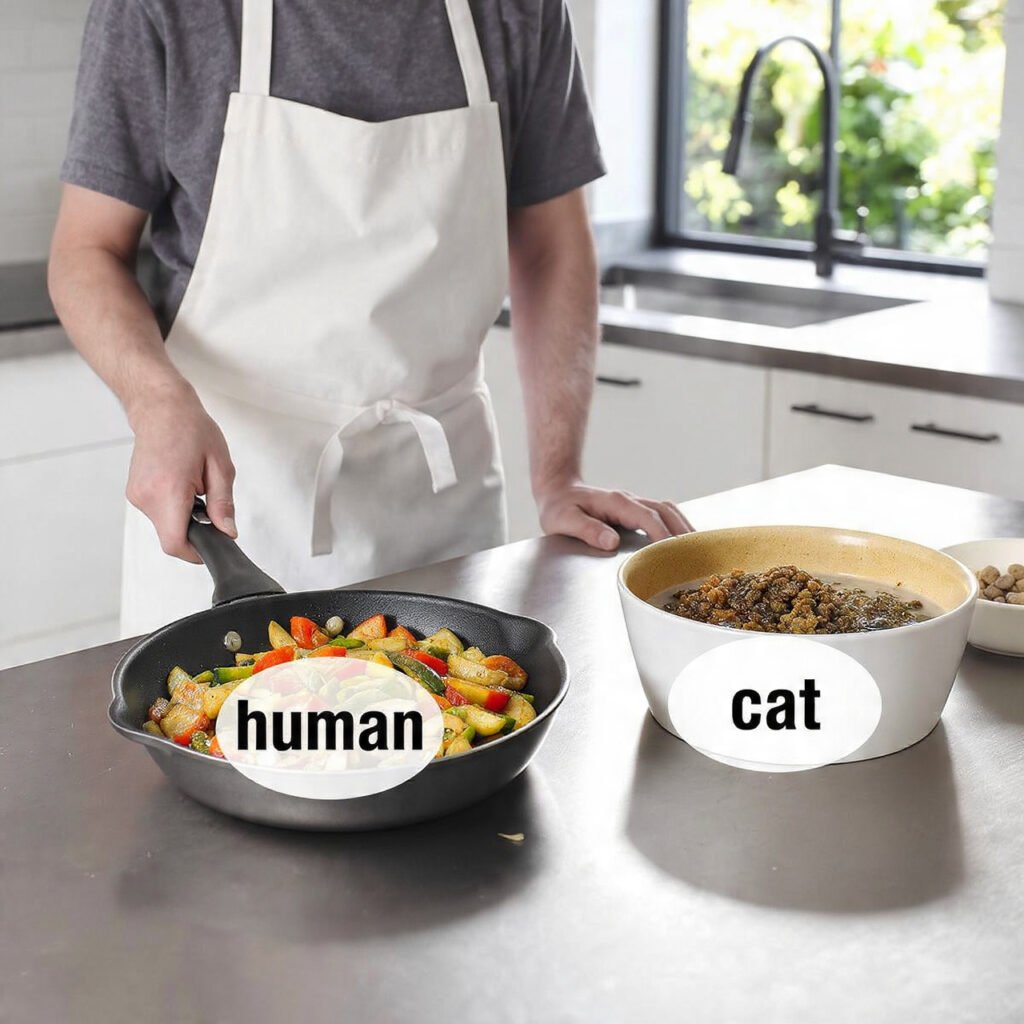
Can Cats Have Whipped Cream? The Truth About Lactose & Sugar

Can Cats Have Whipped Cream? The Truth About Lactose & Sugar

You are sitting in the drive-thru line at Starbucks, excitedly waiting for your morning coffee. Next to you, your dog is vibrating with anticipation because they know what is coming: the famous “Puppuccino”—a small cup filled with glorious, fluffy whipped cream.

But then you look at the carrier in the back seat. Your cat is watching with intense curiosity. Or maybe you are at home, topping off a slice of pumpkin pie, and your feline friend jumps onto the table, whiskers twitching, trying to stick their face into the can nozzle.

It makes you pause. We know dogs love it, but can cats have whipped cream?

We grew up watching cartoons where cats are constantly lapping up saucers of milk and cream. It seems like the most natural thing in the world. But as we learn more about feline biology, we are realizing that those cartoons lied to us.

As a feline nutrition specialist, I am here to separate the cute myths from the messy biological reality. While the image of a cat with a milk mustache is adorable, the aftermath in the litter box often isn’t.

In this massive, detailed guide, we are going to dive deep into the chemistry of dairy, the “Lactose Trap,” the hidden dangers of sugar and vanilla, and answer definitively whether you should share your dessert with your obligate carnivore.

🥛 The Quick Verdict: Is It Safe?

Technically Yes, but practically No.

Whipped cream is not poisonous to cats. If they lick a drop off your finger, they will not die. However, it is fundamentally bad for them for three reasons:

  1. Lactose Intolerance: Most adult cats cannot digest dairy.
  2. Sugar Overload: Cats can’t taste sweet, but their bodies suffer from the calories.
  3. Chemical Additives: Canned whip contains propellants and artificial flavors.

Recommendation: Avoid it. The risk of diarrhea outweighs the momentary joy.

The “Tom and Jerry” Myth: Why Do Cats Want Cream?

Before we discuss can cats have whipped cream, we need to address why they want it. If it’s bad for them, why do they beg for it?

1. Fat Craving (Not Sugar)

Here is a scientific fact that blows most owners’ minds: Cats physically cannot taste sugar. They lack the genetic receptor for “sweetness.”

When your cat wants your ice cream or whipped cream, they aren’t craving the sugar. They are smelling the FAT. Dairy fat is incredibly rich and appealing to a carnivore. In the wild, fat means energy. They are drawn to the creamy texture and the lipid content, completely unaware of the sugary bomb hiding inside.

2. The Texture

Whipped cream has a unique, airy texture (aerated fat) that is fun to eat. It feels different on their tongue compared to wet food or water, stimulating their curiosity.


The Science of Digestion: The Lactose Problem

This is the most critical part of the guide. To understand the answer to “can cats have whipped cream,” you have to understand enzymes.

Kittens vs. Adults

When a kitten is born, their body produces an enzyme called Lactase. This enzyme acts like a pair of scissors, cutting lactose (milk sugar) molecules in half so they can be digested.

However, as soon as a kitten is weaned off their mother’s milk (around 8 weeks old), their body thinks: “Okay, no more milk needed.” It drastically reduces or completely stops producing lactase.

What Happens Inside the Stomach?

If you give whipped cream to an adult cat with no lactase enzyme:

  1. The cream goes into the stomach.
  2. The lactose sugar passes through undigested because there are no “scissors” to cut it.
  3. It reaches the large intestine intact.
  4. Bacteria in the colon attack the sugar, causing fermentation.
  5. The Result: Excessive gas, bloating, painful cramps, and explosive diarrhea.

So, while the question is “can cats have whipped cream,” the real question is “do you want to clean liquid poop out of a Persian cat’s fur?”
Cat looking at milk or cream wanting a taste


The Ingredients Breakdown: What is in the Can?

Let’s look at the label of a standard can of Reddi-wip or Cool Whip. It’s not just “milk.”

1. Sugar and Corn Syrup

A serving of whipped cream is loaded with sugar.

The Risk: Cats are obligate carnivores. Their pancreas is designed to handle protein, not high-glycemic carbs. Frequent sugar spikes can lead to Feline Diabetes and rapid obesity. A fat cat is not a cute cat; it’s a cat at risk of joint pain and heart disease.

2. Vanilla Extract (Alcohol Risk?)

Real vanilla extract is made with alcohol. While the amount in whipped cream is tiny, alcohol is toxic to cats. Artificial vanilla flavoring often contains chemicals like propylene glycol, which in large doses causes blood issues in cats.

3. Nitrous Oxide (The Gas)

Canned whipped cream uses Nitrous Oxide (laughing gas) as a propellant to make it fluffy.

The Risk: While the gas dissipates quickly, inhaling it directly from the nozzle can be harmful to a small animal’s lungs. Never let your cat lick the nozzle while you spray!

4. Carrageenan and Stabilizers

To keep the foam stiff, manufacturers add thickeners like Carrageenan.

The Risk: Carrageenan has been linked to inflammation in the digestive tract of pets. Some high-end cat foods have even removed it for this reason.


Are There Any Safe Alternatives?

If you really want to give your cat a special “Starbucks-style” treat without the diarrhea, there are options!

1. “Cat Milk” (Lactose-Free)

You can buy bottles of “Cat Milk” (like Whiskas Catmilk) at the pet store. This is real milk that has been treated with the lactase enzyme to remove the lactose. It’s safe, creamy, and they love it.

2. Goat’s Milk

Fermented raw goat’s milk (found in pet store freezers) is fantastic. It has less lactose than cow’s milk and is packed with probiotics that actually help digestion.

3. Plain Yogurt (Greek)

A tiny dab of plain, unsweetened Greek yogurt is safer than cream. The fermentation process eats up most of the lactose, making it easier to digest.

4. Coconut Whipped Cream? (Vegan)

Can cats have whipped cream made from coconut?

Caution: Coconut is not toxic, but it is extremely high in saturated fat. It can cause Pancreatitis if given in large amounts. It is safer than dairy for the stomach, but dangerous for the waistline.
Cat eating healthy treats instead of cream


When To See A Vet?

So, your cat jumped on the counter and licked the bowl clean while you weren’t looking. Do you need to rush to the ER?

Probably not. Whipped cream is not chocolate. It is an irritant, not a poison.

Monitor for the next 12-24 hours:

  • Vomiting: One vomit is okay (the stomach rejecting the dairy). Multiple vomits need a vet.
  • Diarrhea: This is expected. Ensure they have access to plenty of water so they don’t get dehydrated.
  • Lethargy: If they seem sad, hide, or refuse regular food, they might have a serious stomach ache.

However, if your cat is Diabetic or has IBD (Inflammatory Bowel Disease), even a small amount can trigger a crisis. Call your vet for advice in these cases.


Frequently Asked Questions (FAQ)

Q: Can cats have Puppuccinos from Starbucks?
A: A “Puppuccino” is literally just a cup of whipped cream. While Starbucks will give you one if you ask, I do not recommend it for cats. It is too much volume. If you must, let them have one lick and throw the rest away.

Q: Is sugar-free whipped cream better?
A: NO! IT IS WORSE! Sugar-free products often use Xylitol (Birch sugar). While Xylitol is deadly to dogs, its effect on cats is less clear but potentially dangerous. Never risk artificial sweeteners with pets.

Q: Why does my cat not get sick when he drinks milk?
A: Every cat is different. Just like some humans can tolerate cheese but not milk, some cats retain a small amount of lactase enzyme. They are the lucky ones. But “tolerating” it doesn’t mean it’s “healthy.” It’s still empty calories.

Q: Can kittens have whipped cream?
A: Kittens still have the lactase enzyme, so they can digest the milk part. However, their tiny bodies cannot handle the massive sugar rush. It can cause chaotic energy spikes followed by a crash, and disrupt their appetite for the protein they need to grow.

Final Thoughts

So, can cats have whipped cream? The answer is a soft “Yes,” but the advice is a hard “No.”

While it is tempting to share your treats with your furry best friend, whipped cream offers them nothing but a stomach ache and empty calories. The momentary pleasure of licking the spoon isn’t worth the hours of cramping that follow.

If you want to spoil your cat, stick to meat-based treats or lactose-free cat milk. They will enjoy it just as much, and your litter box will thank you.

For more advice on human foods safe for your kitty, check out our comprehensive Cat Nutrition & Diet section.
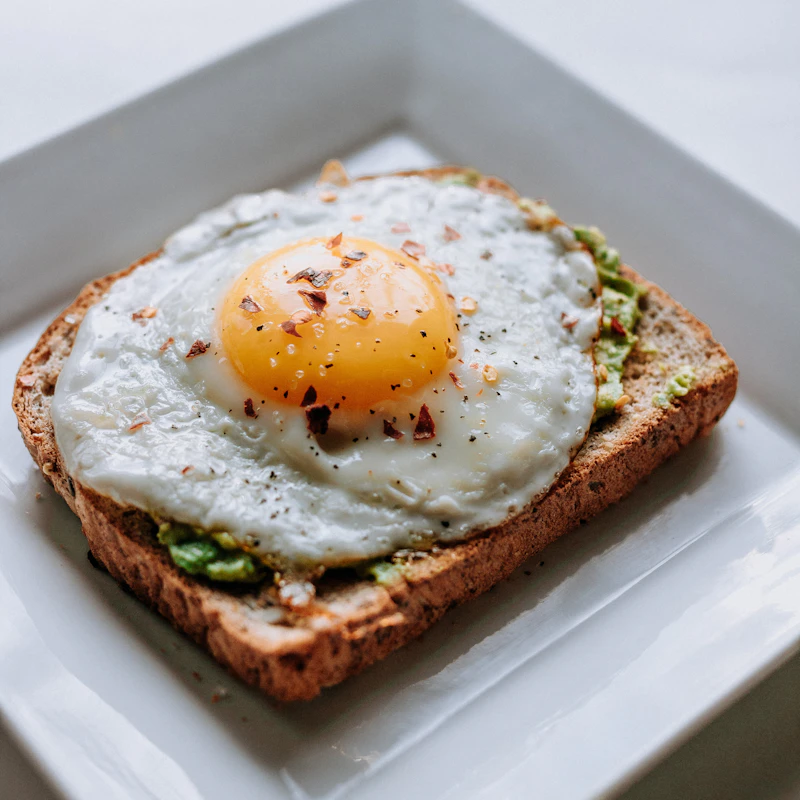
Can Cats Eat Scrambled Eggs? The Ultimate Safety and Nutrition Guide

Can Cats Eat Scrambled Eggs? The Ultimate Safety and Nutrition Guide

Every cat owner knows the feeling of being watched. You’re in the kitchen, the pan is sizzling, and the aroma of breakfast is filling the air. Before you even have the chance to flip your spatula, a pair of focused, unblinking eyes is tracking your every move from the floor. When it comes to scrambled eggs, the attraction is often instantaneous for felines. But as a responsible pet parent, you have to pause and ask: Can Cats Eat Scrambled Eggs? The direct answer is yes, cats can eat scrambled eggs. In fact, eggs are one of the most complete protein sources available in nature, packed with the exact amino acids your cat needs to thrive.

However, moving from a simple “yes” to a safe feeding practice requires a bit more nuance. While the protein in an egg is a biological goldmine for an obligate carnivore, the way we humans prepare our food can turn a healthy snack into a digestive nightmare. From the hidden dangers of garlic powder to the high fat content of butter, there are several “human” ingredients that must stay far away from your cat’s bowl. In this deep-dive guide, we will explore the science behind why eggs are beneficial, how to cook them properly for your cat, and the subtle red flags that mean you should stop feeding them immediately.

The Biological Match: Why Eggs Benefit Felines

Cats are obligate carnivores, a term that essentially means they must eat meat to survive. Their bodies aren’t built to process heavy carbohydrates or plant-based proteins effectively. This is why eggs are such a spectacular supplement. An egg isn’t just “food”; it’s a bundle of life-sustaining nutrients designed to support the development of a chick, meaning it contains almost everything a living being needs to grow.

When your cat consumes an egg, they are getting a massive dose of high-quality protein. But protein is only half the story. Eggs are rich in taurine, an amino acid that cats cannot produce on their own in sufficient quantities. Taurine is non-negotiable for heart health and vision. While most commercial diets are fortified with it, a natural boost from a cooked egg is always welcomed by the feline body. For more expert advice on maintaining your pet’s health, you can visit our comprehensive pet care guide.

Beyond the basics, eggs offer a cocktail of essential vitamins. Vitamin A supports the health of the skin and the luxury of the coat. Vitamin B12 is the engine behind a healthy immune system and nervous system function. When you see your cat’s fur looking dull or “dusty,” it’s often a sign of a nutritional gap that Vitamin A and healthy fats can help bridge.

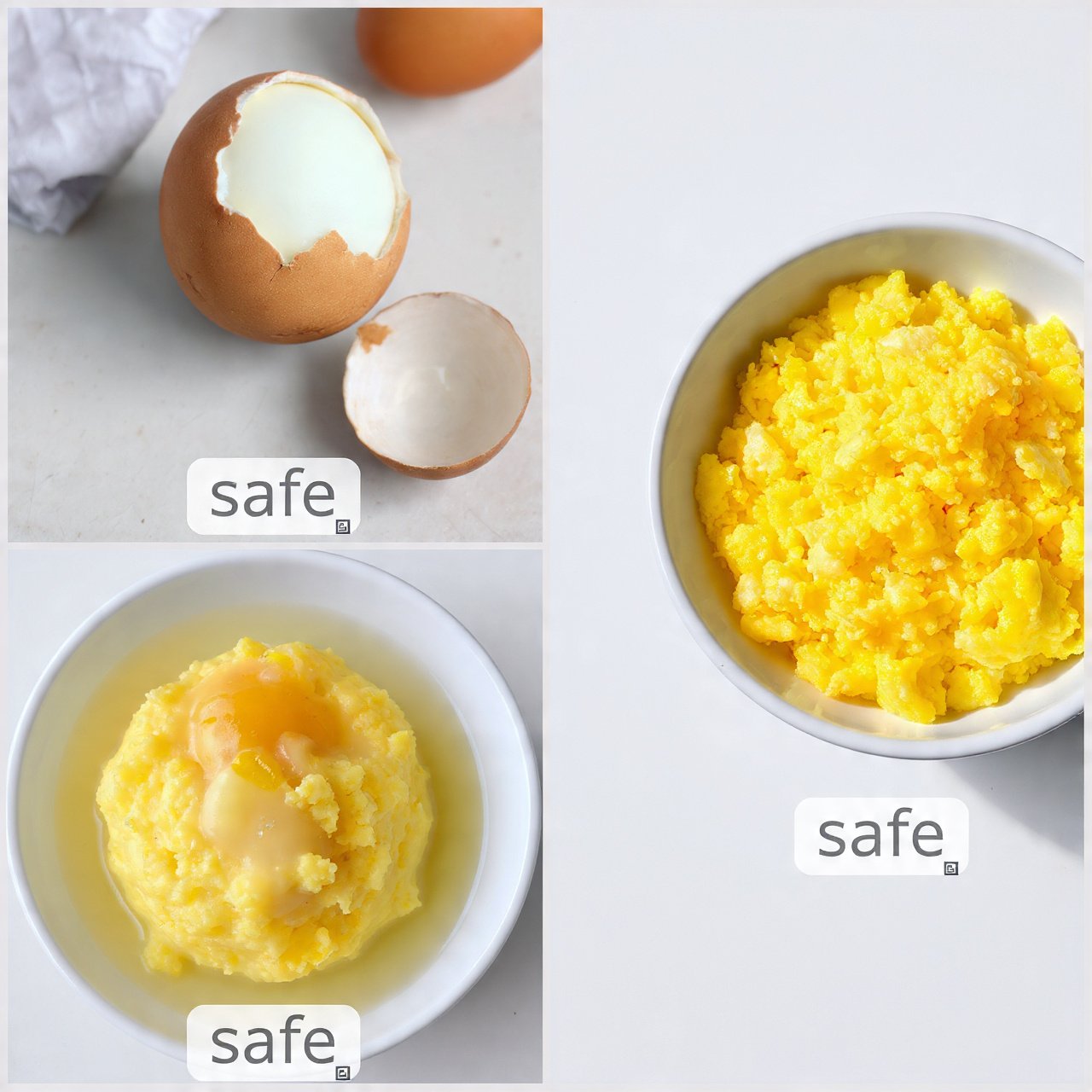
Scrambled eggs in a bowl
Fresh, plain scrambled eggs served in a clean white bowl, highlighting the simplicity required for pet safety.

The Bioavailability of Egg Protein for Cats

In the world of nutrition, not all proteins are created equal. We measure the quality of a protein by its “bioavailability,” which is essentially a fancy way of saying how much of the protein the body can actually use versus how much is wasted. On a scale of 0 to 100, eggs sit at the very top. For a cat, this means their digestive system has to do very little work to turn that egg into muscle-repairing fuel.

Have you ever wondered why your cat seems so energetic after a high-protein snack? It’s because their metabolic pathways are primed for animal-sourced amino acids. Unlike grains or legumes, which can leave a cat feeling sluggish or bloated, eggs provide “clean” energy. I’ve noticed in my years working with pet owners that adding a bit of egg to a cat’s routine can sometimes spark a renewed interest in play, especially in middle-aged cats who might be starting to slow down.

However, don’t let this high quality fool you into thinking eggs can be the only thing they eat. Cats still need specific minerals and fatty acids found in organ meats and bones that eggs alone cannot provide. To stay updated on the latest feline nutrition news, be sure to follow our Facebook community where we share daily tips.

The Proper Way to Prepare Scrambled Eggs for Your Cat

The biggest hurdle in feeding scrambled eggs to cats is the human definition of “delicious.” For us, a good scramble involves salt, pepper, maybe some heavy cream, and a generous amount of butter or oil to prevent sticking. If you serve that to your cat, you are inviting a weekend of vomiting or diarrhea.

To prepare eggs safely, you must strip away every single human luxury. Start with a high-quality, fresh egg. Whisk it in a bowl until the white and yolk are fully blended. Instead of reaching for the butter, use a non-stick pan or a ceramic pan that requires no grease. If you absolutely must use something to prevent sticking, a single drop of water or a tiny amount of coconut oil is acceptable.

Cook the eggs until they are “hard scrambled.” While we might enjoy a soft, runny French-style omelet, cats need their eggs fully cooked to ensure any potential bacteria are destroyed. Once the eggs are firm, remove them from the heat and let them cool until they reach room temperature. A cat’s mouth is incredibly sensitive to heat; what feels “warm” to you can cause painful burns to their tongue. For more tips on safe food prep, check our cat health tips.

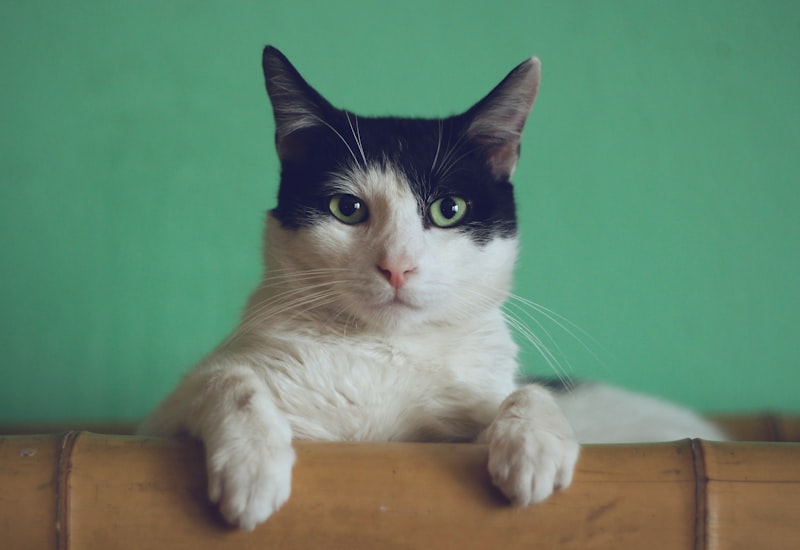
Cat watching food
A curious cat sitting patiently in a kitchen, demonstrating the natural interest felines have in human meal preparation.

Toxic Toppings: What Must Never Enter the Pan

It is impossible to overstate the danger of common kitchen seasonings. Many owners think, “Oh, just a tiny bit of onion powder won’t hurt,” but the feline body reacts very differently to these compounds than ours does.

  • Onions and Garlic: These are the most dangerous. They contain thiosulphates, which cause the red blood cells in cats to burst. This is a life-threatening condition called hemolytic anemia.
  • Salt: Cats have a very delicate sodium balance. Excessive salt can lead to salt poisoning, causing tremors, seizures, and extreme thirst.
  • Milk and Cream: Most adult cats are actually lactose intolerant. Adding milk to your eggs will likely result in a very messy litter box later that day.
  • Black Pepper: While not strictly “toxic,” pepper is a severe irritant to the lining of the stomach and can cause a cat to cough or gag.

If you are cooking for yourself and the cat at the same time, I always recommend cooking the cat’s portion in a separate, clean pan first. This prevents any cross-contamination. You can see more safety warnings on our pet safety page.

Egg Whites vs. Egg Yolks: Understanding the Balance

When you crack an egg, you’re looking at two very different nutritional profiles. The egg white is almost entirely protein and water. It is low in calories and has zero fat. This makes it an ideal treat for cats that need to watch their waistline.

The yolk, on the other hand, is where the fat and most of the vitamins live. It contains the essential fatty acids that make a cat’s coat shine like polished silk. However, the yolk is also very calorie-dense. If your cat is already struggling with obesity, you might want to lean more toward the whites.

Generally, scrambling the whole egg is the best way to provide a balanced treat. You get the lean protein and the nutrient-rich fats in a balanced ratio. If you want to see videos of how different breeds react to these treats, join us on Facebook.

Portion Control: How Much Egg Is Too Much?

One of the hardest things for a pet owner to do is look at those begging eyes and say “no.” But when it comes to eggs, portion control is vital. A single large egg contains about 75 calories. To an 8-pound cat who only needs 200 calories a day, one egg is nearly half of their daily food intake!

The rule of thumb for treats is that they should never exceed 10% of a cat’s daily caloric intake. For the average cat, one tablespoon of scrambled egg is a perfect serving size. This should be a special treat, perhaps once or twice a week, not a daily meal replacement. Always prioritize their balanced feline diet over supplemental snacks.

The Science of Satiety: Eggs for Weight Management

Can eggs actually help a cat lose weight? In some cases, yes. Because eggs are so high in protein and healthy fats, they make the cat feel full for longer compared to high-carbohydrate dry kibble. If you have a cat that is constantly “begging” an hour after their meal, a tiny bit of scrambled egg white can act as a healthy filler.

The Science of Satiety: Eggs for Weight Management

Can eggs actually help a cat lose weight? In some cases, yes. Because eggs are so high in protein and healthy fats, they make the cat feel full for longer compared to high-carbohydrate dry kibble. From what many owners notice, it’s not just about the protein—cats seem to genuinely love the soft texture of scrambled eggs, and it often keeps them from being quite so demanding during our own breakfast time. If you have a cat that is constantly “begging” an hour after their meal, a tiny bit of scrambled egg white can act as a healthy filler.

Identifying Egg Allergies and Intolerances

While eggs are generally safe, egg allergies do exist. Food allergies in cats often manifest as skin issues rather than just stomach upset. If your cat is allergic to eggs, you might see constant scratching around the head and neck or chronic ear inflammation. If you notice these symptoms, stop feeding eggs and consider a hypoallergenic diet.

The Danger of Raw Eggs: Bacteria and Biotin Deficiency

Cooking eggs is non-negotiable for two primary reasons. First, raw eggs can carry Salmonella and E. coli. Second, raw egg whites contain avidin, a protein that prevents the body from absorbing Biotin (Vitamin B7). Biotin is crucial for healthy skin and cell growth. Cooking the egg solves both problems instantly.

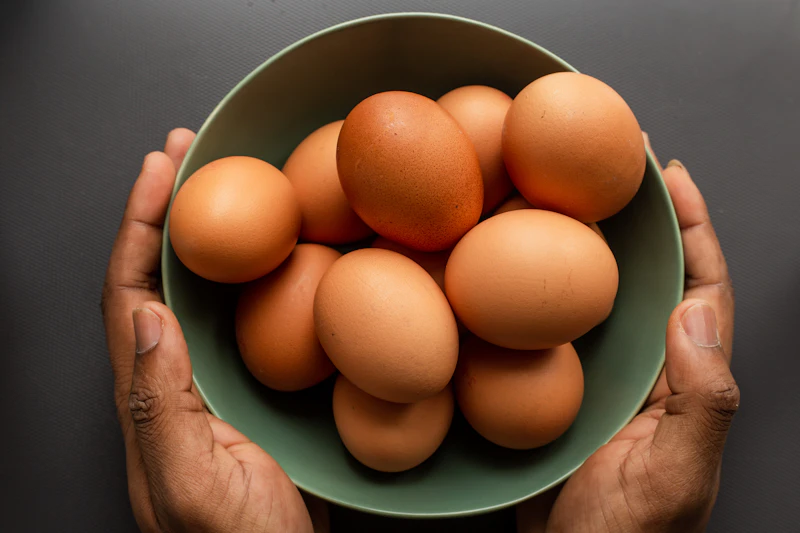
Fresh eggs in a basket
A basket of fresh farm eggs, representing the raw ingredients that must be cooked before serving to pets.

Eggs Across Life Stages: Kittens to Seniors

Kittens: Young cats are in a state of constant growth. A small amount of egg is a great protein boost, but ensure they are on a balanced kitten food first.

Seniors: Many older cats develop kidney disease. High-protein and high-phosphorus foods like egg yolks can be hard on failing kidneys. Always check with your vet before feeding eggs to a senior cat with health issues.

Common Preparation Mistakes to Avoid

One common mistake is feeding the eggshells. While they contain calcium, they are sharp and can cause internal damage unless ground into a microscopic powder. Also, avoid using non-stick sprays like “Pam,” as they contain additives not meant for cats. Finally, never let cooked eggs sit out; if they aren’t eaten in 20 minutes, toss them. For more on behavior, visit our behavior guide.

Frequently Asked Questions

Can cats eat hard-boiled eggs?

Yes! Hard-boiled eggs are one of the safest ways to feed eggs because they are cooked without any oil or butter. Just mash them into small pieces.

Is the egg yolk safe for cats with pancreatitis?

No. Cats with pancreatitis need a very low-fat diet. The yolk is high in fat and could trigger a painful flare-up.

How often can I give my cat eggs?

Once or twice a week is perfect. It keeps the treat special and ensures you aren’t unbalancing their primary nutrition.

Can cats eat scrambled eggs
Consulting a professional ensures your cat’s specific health needs are met through their diet.

Building a Better Diet for Your Companion

Sharing a small piece of your morning with your cat is a wonderful bonding experience. By following the rules of plain preparation and strict portion control, you turn a simple breakfast item into a powerful nutritional tool. Stay observant, keep things simple, and always prioritize long-term health. For more in-depth articles, keep exploring petscatsdogs.com and join our Facebook community.

Can Cats Eat Bananas? Vet-Approved Safety Guide & Risks

Can Cats Eat Bananas? Vet-Approved Safety Guide & Risks

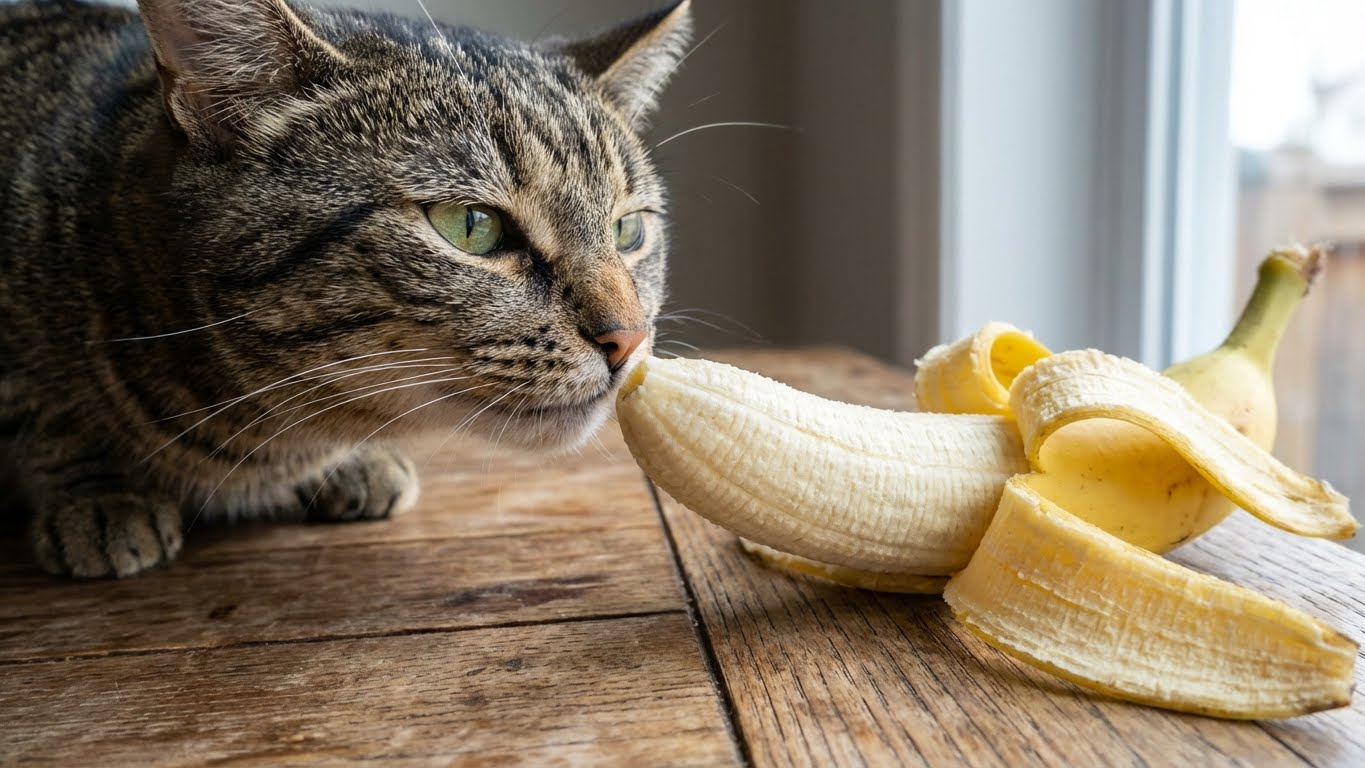
Many owners search online: can cats eat bananas safely?It was a Tuesday morning, and I was in my kitchen making my usual post-workout smoothie. As I peeled a ripe banana, I felt a familiar weight brush against my leg. I looked down to see Oliver, my tabby cat, staring up at me with wide, pleading eyes. He let out a soft meow, stretched his paws up my leg, and sniffed the air intensely.

I laughed and thought, “Really? You want this?”

We are used to dogs begging for every scrap of food that drops on the floor, but cats are usually more discerning. They are the connoisseurs of the pet world, turning their noses up at expensive paté if the texture isn’t quite right. So, why on earth was my obligate carnivore interested in a piece of tropical fruit?

As a veterinarian and a pet owner, I get asked this question constantly. You slice up a banana for your cereal, and your kitty acts like you’re holding a piece of prime salmon. It makes you wonder: Can cats eat bananas? Is it safe? Or is this another one of those hidden household toxins we need to worry about?

If you have ever caught your cat licking a banana peel or begging for a bite, don’t panic. In this comprehensive guide, we are going to peel back the layers (pun intended) of feline nutrition. We will look at the safety, the surprising science of why they want it, and the risks you need to watch out for.

The Quick Answer: Can Cats Eat Bananas?

If you are standing in your kitchen right now holding a slice of banana and wondering if you can give in to those begging eyes, here is the short answer.

🍌 Vet’s Verdict:
Yes, cats can eat bananas. They are non-toxic and generally safe in very small quantities.

However: Just because they can eat them doesn’t mean they should. Bananas offer almost no nutritional benefit to a cat and are high in sugar. Think of them as “cat junk food”—safe for a rare taste, but bad for a regular diet.

  • Toxic? No.

  • Healthy? No.

  • Safe Serving: A slice no bigger than your thumbnail.


The Science: Cats vs. The Fruit Bowl

Can cats eat bananas

To understand why bananas are tricky, we have to talk about biology. I always remind my clients that cats are not small dogs. Their bodies function completely differently.

Cats are obligate carnivores. This is a fancy scientific way of saying that their digestive systems are biologically engineered to process meat, meat, and more meat. In the wild, a cat’s diet consists of high protein, moderate fat, and very low carbohydrates (usually only found in the stomach contents of their prey).

The “Sweet” Truth About Cats

Here is a fascinating fact that usually surprises my clients: Cats cannot taste sweetness.

Due to a genetic mutation in their taste receptors, felines lack the ability to perceive sugary flavors. So, when your cat begs for a banana, they aren’t craving the sugary taste. They are likely interested in:

  1. The Texture: The mushy consistency might be interesting to them.

  2. The Fat: If the banana is very ripe, it releases certain chemical compounds that might mimic fatty smells.

  3. Curiosity: They simply want to know what you are eating.

Because they can’t process sugar efficiently, feeding them high-carb fruits like bananas is biologically unnecessary. Their pancreas just isn’t designed to handle a sugar rush the way a human (or even a dog) can.


Nutritional Breakdown: The Good, The Bad, and The Sugary

When considering can cats eat bananas, we must look at the sugar content. Let’s look at the humble banana through the eyes of a nutritionist. We know bananas are a “superfood” for humans, packed with potassium and fiber. But do those benefits translate to our feline friends?

1. Potassium

  • For Humans: Essential for heart health and muscle function.

  • For Cats: While cats need potassium, they get more than enough of it from a balanced meat-based diet. The potassium in a banana is overkill and not a valid reason to supplement their diet.

2. Fiber

  • For Humans: Keeps us regular.

  • For Cats: A little fiber is good, but too much fiber from fruit can cause the opposite effect: diarrhea. A cat’s digestive tract is short and fast; overloading it with plant fiber often leads to a messy litter box.

3. Carbohydrates & Sugar (The Problem)

  • For Humans: Energy!

  • For Cats: Fat storage.
    Since cats don’t use carbs for energy efficiently, any excess sugar from fruit is quickly converted into fat. This brings us to the biggest risk of feeding bananas…


The Major Risks: Why You Should Be Careful

Can cats eat bananas

While I stated earlier that bananas are non-toxic, that doesn’t mean they are risk-free. As a vet, I see several issues arise when owners try to turn their cats into vegetarians or fruit-lovers.

1. Obesity and Diabetes

This is the number one health crisis facing domestic cats today. A medium banana contains about 14 grams of sugar. To a human, that’s nothing. To a 10-pound cat, that is a calorie bomb.

Regularly feeding sugary treats like bananas can lead to rapid weight gain. Even worse, it strains the pancreas, increasing the risk of Feline Diabetes. If you have an indoor cat who isn’t very active, high-sugar fruits should be kept off the menu.

2. Digestive Upset

I once treated a Siamese cat who had vomited three times in an hour. The panicked owner thought he had swallowed a toy. It turned out, he had eaten half a banana that was left on the counter.

Because cats lack the enzymes to break down plant matter efficiently, eating a large amount of banana can cause:

  • Vomiting.

  • Diarrhea.

  • Abdominal pain and gas.

3. The Choking Hazard (The Peel)

Can cats eat banana peels? Absolutely not.
Banana peels are not toxic, but they are incredibly fibrous, tough, and impossible for a cat to digest.

  • Choking: A piece of peel can easily get lodged in a cat’s small windpipe.

  • Blockage: If swallowed, the peel can cause an intestinal blockage, which is a life-threatening emergency requiring surgery.

  • Pesticides: Peels are often coated in sprays and pesticides that can be toxic.

4. Allergic Reactions

While rare, cats can be allergic to bananas. If you are trying this for the first time, you need to watch for signs of anaphylaxis (swelling, hives, difficulty breathing), though this is very uncommon compared to protein allergies.


How to Safely Serve Bananas (If You Must)

So, can cats eat bananas without getting sick? Usually yes, but watch for vomiting.Okay, so you’ve read the warnings, but your cat is still pawing at your leg, and you want to give them a tiny taste. How do you do it safely?

Follow these “Safe Snacking Rules”:

1. The Thumbnail Rule

The portion size should never be larger than your thumbnail. We are talking about 1-2 thin slices, maximum.

2. Fresh is Best

Only offer fresh, raw banana.

  • No Banana Chips: These are often fried in oil and coated in extra sugar or preservatives.

  • No Banana Bread: This is dangerous. Banana bread often contains nuts (walnuts), excessive sugar, and sometimes raisins or chocolate, both of which are highly toxic to cats.

3. Mash It Up

To prevent choking, especially with kittens or senior cats who might have dental issues, mash the small piece of banana with a fork before offering it.

4. Frozen Summer Treat

On a hot day, you can freeze a tiny slice of banana. The cold texture can be fun for them to lick and gnaw on, and it slows down their eating speed.


Better Alternatives: What Should You Give Instead?

If you are looking to bond with your cat through treats (and who isn’t?), there are much better options than fruit. We want to give them something that aligns with their biology.

I recommend checking out our guide on [Best Cat Treats for Training] for a full list, but here are some quick swaps:

  • Freeze-Dried Meat: Chicken, liver, or salmon. These are 100% protein and exactly what your cat craves.

  • Commercial Cat Grass: If your cat loves plant matter, grow some wheatgrass. It is safe, satisfies their grazing instinct, and helps with digestion.

  • Cooked Egg: A small piece of scrambled egg (no salt or butter) is a nutritional powerhouse for cats.

  • Blueberries: If you must give fruit, blueberries are lower in sugar and high in antioxidants.

Pro Tip: Always introduce new treats slowly. Even healthy treats can cause an upset stomach if introduced too quickly.


Kittens and Seniors: Special Considerations

Can Kittens Eat Bananas?

I advise against it. Kittens have very sensitive digestive systems that are still developing. They need a strict balance of nutrients for growth (calcium, taurine, protein). Filling their tiny stomachs with “empty calories” like bananas can actually cause nutritional deficiencies because they might be too full to eat their actual food. Plus, the risk of diarrhea is much higher in kittens, which can lead to dangerous dehydration.

Can Senior Cats Eat Bananas?

Proceed with caution. Senior cats are prone to kidney disease and diabetes.

  • Kidney Disease: While potassium is usually cleared by the kidneys, if your cat has advanced kidney disease, you should consult your vet before adding any potassium-rich foods to their diet.

  • Diabetes: If your senior cat is diabetic, bananas are strictly forbidden due to the sugar spike.

For more on caring for aging felines, please visit our [Senior Cat Health] section.


When to See a Vet 🚑

Most of the time, if a cat eats a piece of banana, nothing bad will happen. However, accidents happen.

Call your vet immediately if:

  1. They ate the peel: As mentioned, this is a blockage risk.

  2. Vomiting persists: If your cat vomits once, keep an eye on them. If they vomit multiple times or cannot keep water down, this is an emergency.

  3. Signs of allergic reaction: Swelling of the face, lips, or tongue, or difficulty breathing immediately after eating.

  4. Lethargy: If your cat seems unusually tired, hides, or refuses to eat their regular dinner after eating human food.


Frequently Asked Questions (FAQ)

Q: Can cats eat banana bread?
A: No. Banana bread is dangerous. It contains high amounts of added sugar, fats, and often toxic ingredients like chocolate chips, xylitol (sugar substitute), or raisins.

Q: My cat licked a banana peel, will he be okay?
A: A lick is fine. The danger with the peel is ingestion (swallowing it) or pesticides. If they just licked it, simply wipe their mouth and ensure they didn’t bite off a chunk.

Q: Why does my cat go crazy for bananas?
A: It is likely the texture or the smell of the ethylene gas released by ripening fruit. Some cats are simply “neophilic,” meaning they love trying new and strange textures.

Q: Are any fruits toxic to cats?
A: Yes! Never feed your cat Grapes, Raisins, or Cherries. Grapes and raisins can cause sudden kidney failure in cats. Citrus fruits (lemons, oranges) can also cause severe stomach upset.

Q: Can cats eat plantains?
A: Plantains are in the same family but are starchier and must be cooked. While not toxic, they are even harder for a cat to digest than sweet bananas. Avoid them.


Final Thoughts

So, finally: can cats eat bananas? Yes, but moderation is key.

While sharing a tiny slice of your morning fruit with your feline friend isn’t going to hurt them, it certainly isn’t helping them either. As loving pet owners, our goal is to provide fuel that helps our pets thrive, not just survive.

If you want to spoil your cat, skip the fruit bowl and reach for a high-protein meat treat or a good chin scratch instead. Your obligate carnivore will thank you for it!

Want to learn more about what is safe for your pantry? Check out our [Cat Nutrition & Diet] category for more expert guides on human foods safe for cats.