
9. Vet-Approved Serving Methods: Enrichment & DIY Recipes
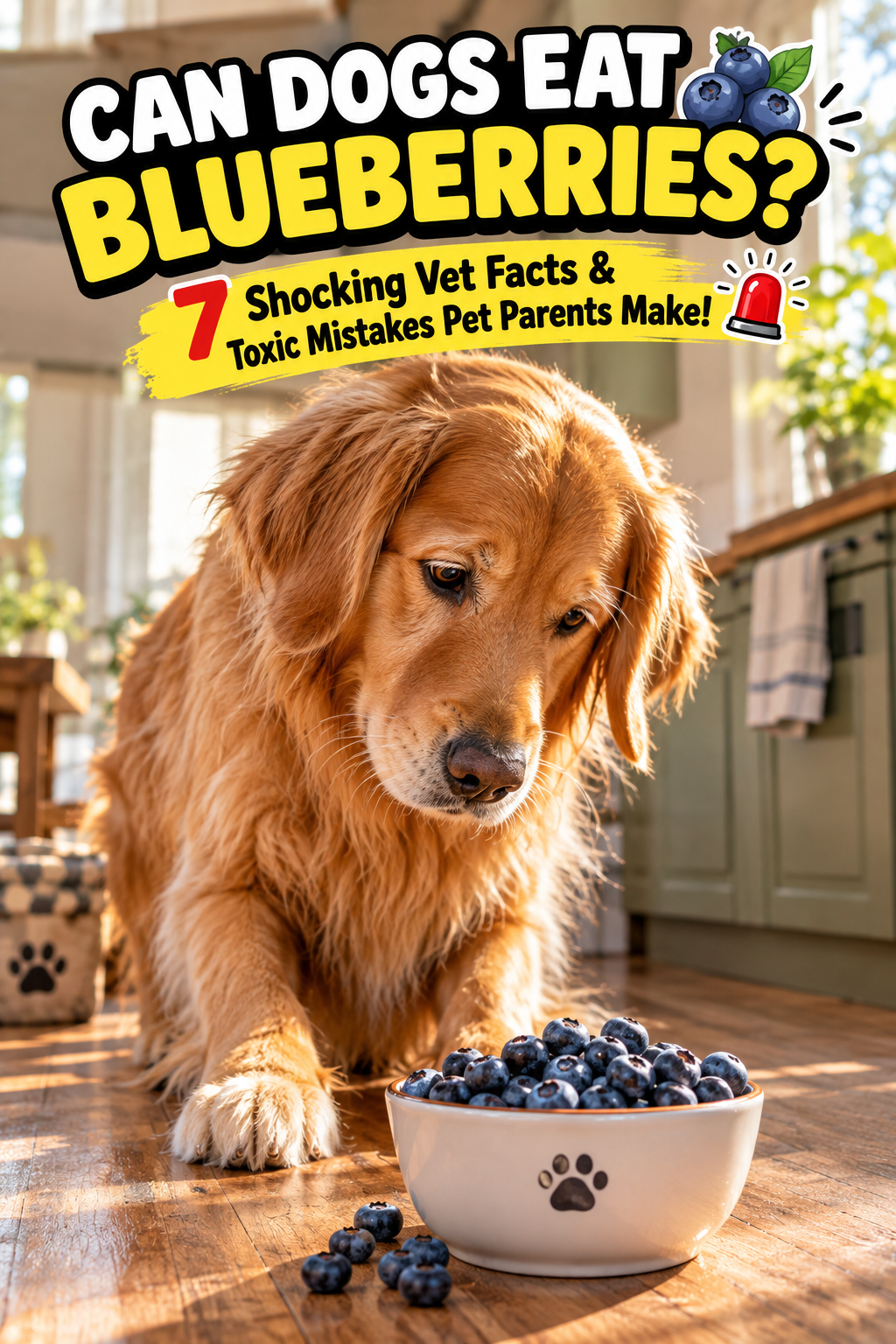
Feeding your dog blueberries does not have to be limited to dropping a cold fruit directly into an empty bowl. In veterinary behavioral medicine, meal enrichment is highly recommended to stimulate canine cognitive faculties, relieve daytime separation anxiety, and eliminate destructive chewing behaviors.
Rather than using high-calorie commercial dog treats loaded with artificial preservatives and animal fat fillers, raw and blended blueberries make extraordinary, gut-safe enrichment ingredients. Here are three simple, vet-approved preparation methods you can easily assemble in your kitchen:
- The Frozen Kong & Toppl Puzzle Stuffer: Mash a small handful of fresh, washed blueberries into two tablespoons of plain, 100% unsweetened, xylitol-free Greek yogurt or pure canned pumpkin puree. Pack the mixture tightly into a rubber chew toy like a KONG or West Paw Toppl, then freeze it solid for 4 hours. This creates an engaging, cooling mental puzzle that keeps high-energy breeds focused and calm for 30 minutes or more.
- The Hydration Pupsicle: Blend 10 fresh blueberries with half a cup of pure, sodium-free canine bone broth. Pour the liquid into silicone pet-treat molds and freeze. On hot summer afternoons, these savory-sweet ice cubes provide vital electrolytes, joint-supporting collagen, and refreshing hydration after a rigorous walk outdoors.
- The Anti-Gulping Kibble Topper: For canines that inhale their dry kibble in seconds without chewing, scatter five sliced blueberries across the surface of an interactive slow-feeder maze bowl. Navigating around the berries forces your dog to slow their eating speed, significantly reducing the risks of aerophagia (air swallowing) and gastric dilatation-volvulus (GDV/bloat).

10. Emergency Protocol: What to Do If Your Dog Ingests a Whole Pint
Accidents happen quickly in dog-owning homes. A shopping bag left unattended on a coffee table or a dropped container on the kitchen floor can result in your canine hoovering up an entire 12-ounce carton of blueberries in the blink of an eye. In my clinical triage experience, the ensuing panic often leads owners to make hazardous mistakes—such as attempting to induce vomiting at home with dangerous chemicals like hydrogen peroxide.
Take a deep breath: Blueberries are completely non-toxic to dogs. Unlike grapes, raisins, onions, or dark chocolate, consuming a large quantity of blueberries will never induce acute renal shutdown, fatal heart arrhythmias, or chemical organ poisoning. However, ingesting an excessive volume of concentrated fiber, fruit acids, and natural fructose will invariably trigger temporary gastrointestinal revolt.
If your canine companion has just consumed a large container of fresh or frozen berries, execute this calm veterinary action protocol immediately:
- Do NOT Induce Vomiting: Inducing emesis at home using household hydrogen peroxide risks severe chemical gastritis, esophageal ulceration, and fatal aspiration pneumonia. Because blueberries are non-toxic, the risks of forced vomiting far outweigh the benefits.
- Implement a 12-Hour Digestive Rest: Remove all dry kibble and rich foods for 12 hours. Give the irritated stomach lining and over-fermenting gut microbiome time to process the excessive sugar and fiber without adding more digestive workload.
- Anticipate Stool Changes: Do not panic when your dog passes loose, watery, or jet-black/dark-purple stools over the next 24 to 48 hours. The dense anthocyanin pigments naturally stain canine feces, which often resembles digested blood (melena) to the untrained human eye.
- Maintain Hydration: Osmotic diarrhea draws water from the bloodstream into the colon. Ensure fresh, clean water is always available in small, steady amounts to prevent cellular dehydration.
- When to Call the Clinic: If your dog begins vomiting repeatedly, exhibits extreme abdominal bloating, whines in sharp pain when their belly is touched, or becomes profoundly lethargic, transport them to an emergency veterinary clinic for supportive fluids and clinical anti-emetics.
11. Comprehensive Blueberry Product Safety Matrix
| Blueberry Product Type | Canine Safety Rating | Primary Clinical Hazards | Veterinarian’s Final Recommendation |
|---|---|---|---|
| Fresh Raw Blueberries | Safe & Highly Recommended | Pesticides, minor choking in tiny toy puppies. | Wash thoroughly under cold water; slice or mash for toy breeds. Follow weight guidelines. |
| Frozen Whole Blueberries | Safe with Mechanical Caution | Airway obstruction, tooth micro-fractures in seniors. | Great summer treat for medium/large dogs. Thaw slightly or crush for senior dogs with worn enamel. |
| Dried Blueberries | Caution / Feed Sparingly | Dense sugar concentration, added sulfur dioxide preservatives. | Limit to 1–2 pieces occasionally. Dehydration concentrates calories, which can destabilize diabetic or overweight dogs. |
| Commercial Blueberry Muffins / Breads | Unsafe / Strictly Avoid | Saturated butter fats, refined sugar, acute pancreatitis. | Never feed bakery items to canines. High lipid loads can spark severe, life-threatening pancreatic inflammation. |
| Sugar-Free Blueberry Jams / Preserves | CRITICAL EMERGENCY / TOXIC | Xylitol / Birch Sugar, fatal hypoglycemia, acute liver failure. | Immediately lethal to canines even in miniature doses. Read every ingredient label with surgical precision. |
13. Blueberries vs. Other Super-Berries: Canine Nutritional Breakdown
When pet parents discover the extraordinary health advantages of fresh blueberries, the conversation in my veterinary exam room naturally expands to other colorful berries. Owners often ask: Are blackberries, cranberries, and raspberries equally safe, or should blueberries remain the exclusive fruit topper in their dog’s bowl?
While blackberries offer rich reserves of vitamin C and dietary fiber, their seeds are significantly larger and firmer than blueberry seeds. For small canine digestive systems, these rigid seeds can cause localized colonic irritation and mild mechanical constipation if offered in large portions. Cranberries, on the other hand, provide remarkable natural defenses against bacterial urinary tract infections (UTIs) by preventing E. coli bacteria from adhering to the bladder wall. However, fresh cranberries carry an intensely tart, acidic flavor profile that causes many dogs to reject them outright unless blended into palatable broths.
Raspberries contain wonderful anti-inflammatory bioflavonoids, making them fantastic for senior canines suffering from chronic osteoarthritis. However, as noted in veterinary toxicology databases, raspberries naturally produce trace concentrations of xylitol—the natural birch sugar that is lethal to canines in large doses. While a dog would need to consume an enormous volume of fresh raspberries to suffer toxic hypoglycemia, blueberries carry zero natural xylitol, preserving their clinical status as the safest, zero-risk berry for daily canine enrichment.
14. Optimal Storage and Freezing: Preserving Fragile Bioactive Flavonoids
The therapeutic efficacy of blueberries relies heavily on the biochemical stability of their delicate polyphenol rings. Improper household handling, excessive thermal exposure, or careless refrigeration rapidly degrades anthocyanins, transforming a potent antioxidant treat into simple sugary pulp with diminished biological value.
To preserve maximum cellular-defense capabilities for your dog’s snacks, follow these clinical preservation protocols at home:
- The Moisture Rule: Never wash fresh blueberries before placing them into the refrigerator. Excess surface moisture stimulates rapid mold growth and breaks down the protective waxy outer skin (the bloom), which naturally seals in vitamins. Wash them under cool running water only immediately prior to feeding.
- Flash-Freezing for Peak Potency: If buying seasonal organic blueberries in bulk, spread clean, thoroughly dried berries across a flat baking parchment sheet in a single layer. Freeze them for three hours before transferring the loose frozen beads into an airtight, vacuum-sealed silicone freezer bag. This flash-freeze protocol prevents the berries from clumping into dangerous choking blocks and preserves 95% of active vitamin C and antioxidant compounds for up to 10 months.
- Avoid Microwave Thawing: If you wish to soften frozen berries for a toy breed puppy or a senior dog with fragile teeth, never expose them to microwave radiation. High-frequency microwave heat instantly shatters anthocyanin molecular chains. Instead, allow the berries to thaw naturally at room temperature in a small dish for 15 minutes, or soak them briefly in lukewarm filtered water.
12. Schema-Optimized Frequently Asked Questions (FAQ)
Can young puppies safely eat fresh blueberries?
Yes, puppies over 12 weeks of age can safely consume blueberries once they are fully weaned onto balanced puppy kibble. However, because a puppy’s intestinal tract is rapidly developing and lacks a mature microbiome, start with half a mashed berry per day to prevent sudden bouts of osmotic diarrhea or tummy cramping.
Why did my dog’s poop turn black or dark purple after eating blueberries?
This dramatic color change is caused entirely by undigested anthocyanins—the natural purple pigments in blueberry skins. When these pigments pass through the acidic digestive tract, they stain fecal matter a dark purple or jet-black hue. Unless your dog is lethargic, weak, or passing sticky, tarry stools accompanied by vomiting, this discoloration is completely harmless and resolves in 24 to 48 hours.
Are blueberries better for canine health than strawberries or raspberries?
From a clinical nutritional standpoint, blueberries carry the highest total antioxidant capacity (ORAC value) per gram among all common berries, making them superior for free-radical defense. While strawberries contain beneficial vitamin C and raspberries provide manganese, raspberries also contain small amounts of natural xylitol, making blueberries the safest all-around choice for daily canine portioning.
Can dogs suffering from chronic kidney disease (CKD) eat blueberries?
Yes, under veterinary supervision. Blueberries are naturally very low in sodium, phosphorus, and potassium—three minerals that failing kidneys struggle to filter. Their high water content and potent anti-inflammatory polyphenols make them one of the few fruits routinely cleared by veterinary nephrologists as safe for dogs with early-to-moderate renal insufficiency.
Are wild blueberries safer for dogs than farm-cultivated berries?
Cultivated organic store-bought berries are generally safer. While wild blueberries boast higher antioxidant concentrations, picking wild berries off bushes in woods exposes your dog to wildlife fecal parasites (such as Echinococcus tapeworms) and toxic agricultural herbicide runoff sprayed near trails.
Professional Veterinary Disclaimer: The clinical guidance, nutritional ratios, and medical insights presented in this guide are authored by Dr. Ahmed, a licensed veterinarian, strictly for general educational and informational purposes. This content is not intended to serve as a substitute for individualized clinical diagnosis, veterinary prescription, or formal medical examination by your licensed primary veterinarian. Always consult your personal veterinary doctor before making any dietary modifications for a pet diagnosed with underlying metabolic illnesses, endocrine disorders, or food allergies.