

It is a crisp autumn afternoon. You are standing at the kitchen counter, knife in hand, slicing into a bright red, juicy apple. The sound of the crunch echoes through the room. Almost instantly, you hear the familiar click-clack of claws on the floor tiles.
You look down. Your dog is sitting there, tail sweeping the floor, eyes wide and pleading. They watch the apple slice move from the cutting board to your mouth with laser focus. A long ribbon of apple peel falls onto the floor, and your dog lunges for it.
But you freeze. You hesitate. A sudden wave of worry washes over you.
You remember reading somewhere that fruit seeds are poisonous. You wonder about the wax on the skin. Is the peel too tough for them to digest? Will it cause a blockage? Is this healthy treat actually a hidden danger?
If you have ever found yourself frantically Googling “Can dogs eat apple skin?” while wrestling a piece of fruit out of your dog’s mouth, you are not alone. As a canine nutrition specialist, this is one of the top questions I receive. We want to share healthy, human foods with our pets, but the line between “safe” and “toxic” can be blurry.
The good news is that apples are generally one of the safest, healthiest treats you can find. The bad news? There are parts of the apple that are toxic, and preparation matters.
In this massive, definitive guide, we are going to dissect the apple—literally. We will explore the nutritional science of Pectin and Vitamin A, debunk the myths about Cyanide in seeds (and calculate exactly how many seeds are dangerous), and provide you with vet-approved recipes to turn this humble fruit into a super-treat.
🍎 The Quick Verdict: Safe or Toxic?
If you are in a rush, here is the cheat sheet. Can dogs eat apple skin? YES.
- Apple Flesh: ✅ SAFE. Excellent source of vitamins and hydration.
- Apple Skin: ✅ SAFE. Packed with fiber (Pectin) and antioxidants. Wash it first!
- Apple Seeds: ❌ TOXIC. Contain Amygdalin (Cyanide). Dangerous in large amounts.
- Apple Core: ⚠️ RISKY. A major choking hazard and intestinal blockage risk.
The Nutritional Powerhouse: Why Share Apples?
Before we talk about the dangers, let’s look at why apples are often called “Nature’s Toothbrush” for dogs. Unlike processed dog treats which are often full of fillers, glycerin, and artificial preservatives, an apple is 100% natural.
1. Dietary Fiber (Pectin)
Apple skin is loaded with Pectin, a type of soluble fiber. Fiber is the unsung hero of canine health.
- For Diarrhea: Pectin absorbs water in the gut, which can help firm up loose stools.
- For Constipation: It adds bulk to the waste, helping things move along.
- Gut Health: Pectin acts as a prebiotic, feeding the “good bacteria” in your dog’s microbiome.
2. Vitamin A (The Immune Booster)
While dogs naturally produce some vitamins, they benefit greatly from dietary sources. Vitamin A is crucial for:
- Vision: Keeping their eyesight sharp, especially in senior dogs.
- Skin & Coat: Promoting shiny fur and reducing flaky skin.
- Immune System: Helping their body fight off minor infections.
Most of the Vitamin A in an apple is concentrated in the skin. Peeling it throws away the best part!
3. Vitamin C (The Antioxidant)
Stress, exercise, and aging cause “oxidative stress” in dogs. Vitamin C fights this. It helps reduce inflammation in joints (great for arthritic dogs) and keeps their cognitive function sharp.
4. Low Calorie, Low Fat
Obesity is an epidemic in pets. A medium apple has about 90 calories, but a few slices have less than 10. Compared to a strip of bacon or a piece of cheese, apple slices provide a satisfying “crunch” and sweetness without the fat that triggers Pancreatitis.
The Danger Zone: The Truth About Apple Seeds (Cyanide)
This is the part that terrifies owners. You have heard the rumor: Apple seeds contain Cyanide.
Is it true? Yes.
The Science of Amygdalin
Apple seeds contain a compound called Amygdalin. On its own, the seed is harmless if swallowed whole. However, if a dog (or human) chews the seed and crushes the hard outer shell, enzymes in the stomach react with the Amygdalin and release Hydrogen Cyanide into the bloodstream.
Do I Need to Panic if My Dog Ate One Seed?
Probably not. Toxicology is all about the dose.
A medium-sized dog (like a Labrador) would need to crunch and ingest a huge amount of seeds—likely the seeds from 10 to 20 apples all at once—to suffer fatal poisoning. The body can detoxify small amounts of cyanide naturally.
However, risks are higher for:
- Small Dogs: A Chihuahua or Yorkie has a much lower tolerance.
- Accumulation: Feeding seeds daily over time puts stress on the liver.
The Rule: Always core the apple. Never throw the whole apple to your dog to play with. It isn’t worth the risk.
Symptoms of Cyanide Poisoning
If your dog raided an apple orchard and ate rotting apples with seeds, watch for:
- Brick-Red Gums: The gums turn a bright, unnatural red (unlike the pale gums of shock).
- Dilated Pupils: Eyes look black and wide.
- Panting: Trying to get oxygen.
- Tremors or Collapse.
(If you see these signs, drive to the Emergency Vet immediately).
The Risk of the Core: Choking and Blockages
Even if you removed every single seed, the core itself is dangerous.
Can dogs eat apple cores? No.
The core is firm, tough, and circular. It is the perfect size to get lodged in a dog’s throat (choking) or, worse, get stuck in their small intestine (bowel obstruction).
I have seen dogs require $3,000 surgery to remove an apple core that acted like a cork in their intestines. It simply isn’t worth the risk. Cut around the core and throw it in the compost.
Apple Skin: To Peel or Not to Peel?
So, back to the original question: Can dogs eat apple skin?
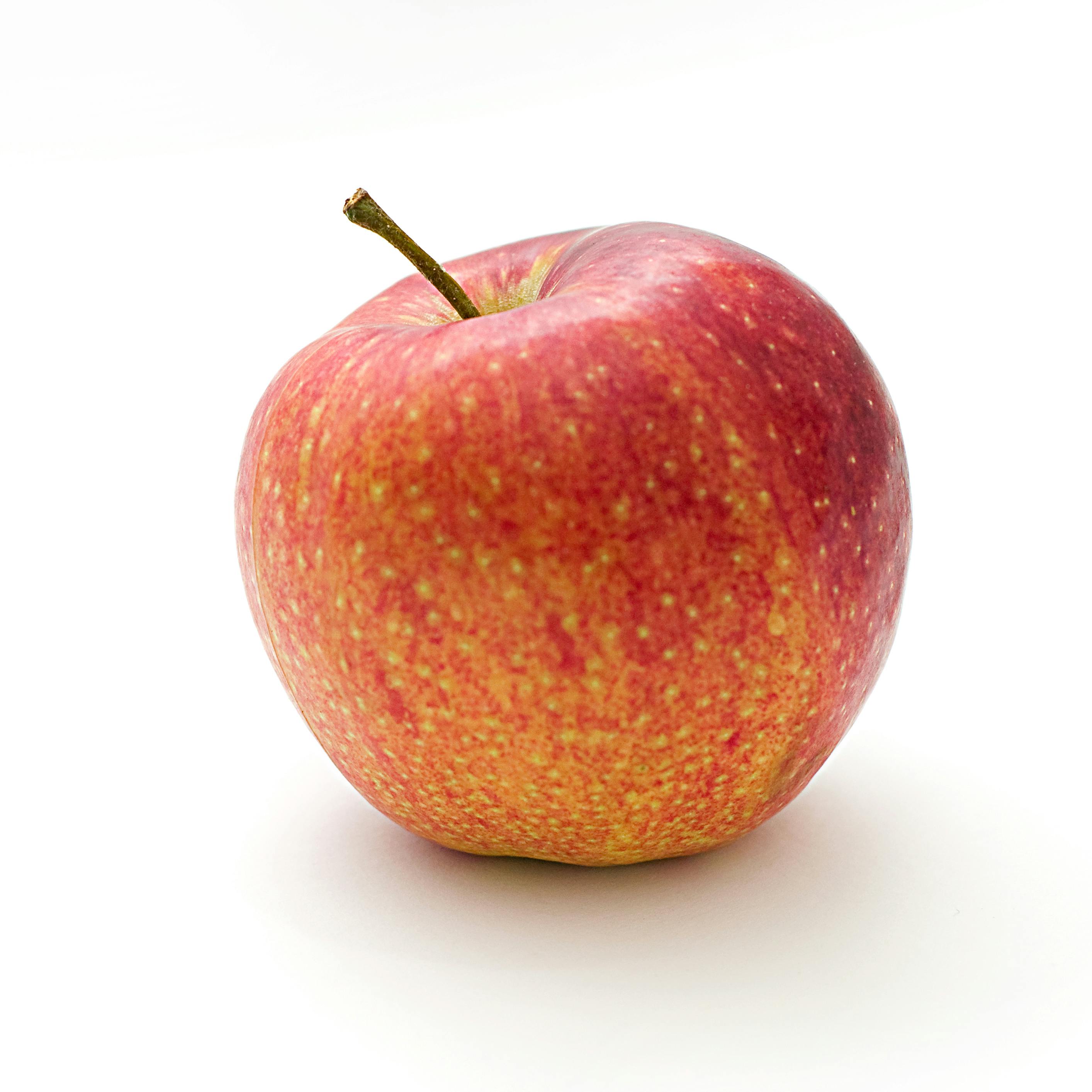
You do not need to peel the apple for an adult, healthy dog. The skin is where the nutrients live. In fact, peeling it removes most of the fiber and Vitamin A.
However, there are 2 Exceptions:
1. Pesticides and Wax
Grocery store apples are often coated in food-grade wax to make them shiny and keep them fresh. They are also part of the “Dirty Dozen” (fruits with high pesticide residue).
Solution:
– Wash Thoroughly: Rinse with warm water and scrub with a veggie brush or a vinegar soak.
– Buy Organic: If possible, organic apples have fewer chemicals.
– Peel: If you can’t wash them well, peeling is safer to avoid chemical ingestion.
2. Sensitive Stomachs
The fiber in the skin is tough. If you have a puppy, a senior dog with missing teeth, or a dog with a very sensitive stomach (prone to gas), the skin might be hard to digest. It could cause a little gas or vomiting. For these dogs, peeled slices are safer.
Green vs. Red: Does the Type Matter?
Does it matter if you feed a Granny Smith or a Fuji apple?
- Red Apples (Fuji, Gala, Honeycrisp): These are sweeter and contain more natural sugar (fructose). Most dogs prefer these.
- Green Apples (Granny Smith): These are tart and acidic. While safe, the high acid content can cause a tummy ache or acid reflux in some dogs. Limit green apples to smaller quantities.
Safe Serving Suggestions (Recipes)
Bored of just handing over a slice? Here are 3 vet-approved ways to make apples exciting.
1. Frozen Apple Cubes (Summer Treat)
Cut the apple (skin on) into small cubes. Place them on a baking sheet and freeze them. On a hot summer day, these make fantastic, hydrating, crunchy treats that help cool your dog down.
2. The “Apple Pie” Kong
1. Dice an apple into small pieces.
2. Mix with a spoonful of plain, unsweetened Greek Yogurt or Xylitol-free Peanut Butter.
3. Stuff the mixture inside a Kong toy.
4. Freeze for 2 hours.
This creates a long-lasting enrichment activity that keeps them busy.
3. Apple & Oat Topper
Grate a fresh apple over their boring dry kibble. The moisture and sweetness will encourage picky eaters to finish their dinner. You can also mix in a sprinkle of cooked oatmeal for extra fiber.
Frequently Asked Questions (FAQ)
Q: Can dogs eat applesauce?
A: Only if it is unsweetened and plain. Most commercial applesauce jars contain added sugar, high-fructose corn syrup, or preservatives that are bad for dogs. Check the label carefully. Making your own by boiling and mashing apples is the safest bet.
Q: My dog ate a rotten apple off the ground. Is he okay?
A: Be careful. Rotting (fermenting) apples contain ethanol (alcohol). If a small dog eats enough rotten apples, they can actually get alcohol poisoning. Watch for signs of wobbliness, vomiting, or lethargy.
Q: Can diabetic dogs eat apples?
A: Apples contain natural sugar (fructose). While healthier than candy, they still spike blood sugar. If your dog has diabetes, consult your vet. They may allow a very small slice, but generally, green vegetables like cucumbers or green beans are a better treat for diabetic dogs.
Q: Can puppies eat apples?
A: Yes, puppies can eat apples. It is great for teething! Just cut them into very small pieces to prevent choking, and perhaps peel them for the first few times to make digestion easier on their baby tummies.
Final Thoughts
So, can dogs eat apple skin? The answer is a resounding Yes! It is a healthy, crunchy, vitamin-packed snack that most dogs adore.
The danger lies entirely in the seeds (cyanide) and the core (choking). As long as you treat the apple like you would for a human toddler—washed, cored, and sliced—it is one of the safest human foods you can share.
Next time you hear that crunch, feel free to toss a slice to your good boy. He’s earned it!
Want to know about other fruits in your fruit bowl? Check out our guide on Bananas and other pantry staples in our comprehensive Dog Nutrition & Diet section.