Can Cats Eat Scrambled Eggs? The Ultimate Safety and Nutrition Guide

Can Cats Eat Scrambled Eggs? The Ultimate Safety and Nutrition Guide

Every cat owner knows the feeling of being watched. You’re in the kitchen, the pan is sizzling, and the aroma of breakfast is filling the air. Before you even have the chance to flip your spatula, a pair of focused, unblinking eyes is tracking your every move from the floor. When it comes to scrambled eggs, the attraction is often instantaneous for felines. But as a responsible pet parent, you have to pause and ask: Can Cats Eat Scrambled Eggs? The direct answer is yes, cats can eat scrambled eggs. In fact, eggs are one of the most complete protein sources available in nature, packed with the exact amino acids your cat needs to thrive.

However, moving from a simple “yes” to a safe feeding practice requires a bit more nuance. While the protein in an egg is a biological goldmine for an obligate carnivore, the way we humans prepare our food can turn a healthy snack into a digestive nightmare. From the hidden dangers of garlic powder to the high fat content of butter, there are several “human” ingredients that must stay far away from your cat’s bowl. In this deep-dive guide, we will explore the science behind why eggs are beneficial, how to cook them properly for your cat, and the subtle red flags that mean you should stop feeding them immediately.

The Biological Match: Why Eggs Benefit Felines

Cats are obligate carnivores, a term that essentially means they must eat meat to survive. Their bodies aren’t built to process heavy carbohydrates or plant-based proteins effectively. This is why eggs are such a spectacular supplement. An egg isn’t just “food”; it’s a bundle of life-sustaining nutrients designed to support the development of a chick, meaning it contains almost everything a living being needs to grow.

When your cat consumes an egg, they are getting a massive dose of high-quality protein. But protein is only half the story. Eggs are rich in taurine, an amino acid that cats cannot produce on their own in sufficient quantities. Taurine is non-negotiable for heart health and vision. While most commercial diets are fortified with it, a natural boost from a cooked egg is always welcomed by the feline body. For more expert advice on maintaining your pet’s health, you can visit our comprehensive pet care guide.

Beyond the basics, eggs offer a cocktail of essential vitamins. Vitamin A supports the health of the skin and the luxury of the coat. Vitamin B12 is the engine behind a healthy immune system and nervous system function. When you see your cat’s fur looking dull or “dusty,” it’s often a sign of a nutritional gap that Vitamin A and healthy fats can help bridge.
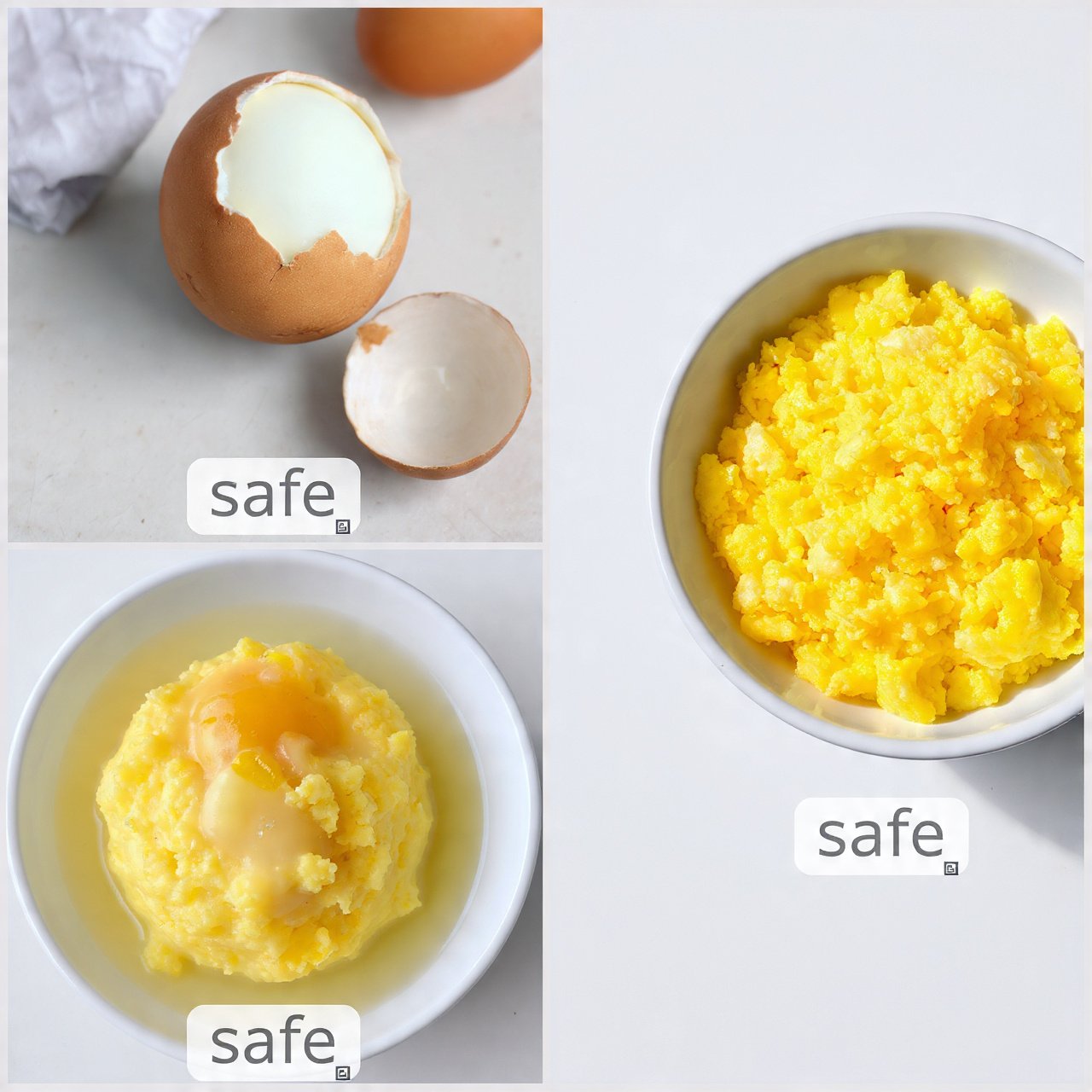
Scrambled eggs in a bowl
Fresh, plain scrambled eggs served in a clean white bowl, highlighting the simplicity required for pet safety.

The Bioavailability of Egg Protein for Cats

In the world of nutrition, not all proteins are created equal. We measure the quality of a protein by its “bioavailability,” which is essentially a fancy way of saying how much of the protein the body can actually use versus how much is wasted. On a scale of 0 to 100, eggs sit at the very top. For a cat, this means their digestive system has to do very little work to turn that egg into muscle-repairing fuel.

Have you ever wondered why your cat seems so energetic after a high-protein snack? It’s because their metabolic pathways are primed for animal-sourced amino acids. Unlike grains or legumes, which can leave a cat feeling sluggish or bloated, eggs provide “clean” energy. I’ve noticed in my years working with pet owners that adding a bit of egg to a cat’s routine can sometimes spark a renewed interest in play, especially in middle-aged cats who might be starting to slow down.

However, don’t let this high quality fool you into thinking eggs can be the only thing they eat. Cats still need specific minerals and fatty acids found in organ meats and bones that eggs alone cannot provide. To stay updated on the latest feline nutrition news, be sure to follow our Facebook community where we share daily tips.
The Proper Way to Prepare Scrambled Eggs for Your Cat

The biggest hurdle in feeding scrambled eggs to cats is the human definition of “delicious.” For us, a good scramble involves salt, pepper, maybe some heavy cream, and a generous amount of butter or oil to prevent sticking. If you serve that to your cat, you are inviting a weekend of vomiting or diarrhea.

To prepare eggs safely, you must strip away every single human luxury. Start with a high-quality, fresh egg. Whisk it in a bowl until the white and yolk are fully blended. Instead of reaching for the butter, use a non-stick pan or a ceramic pan that requires no grease. If you absolutely must use something to prevent sticking, a single drop of water or a tiny amount of coconut oil is acceptable.

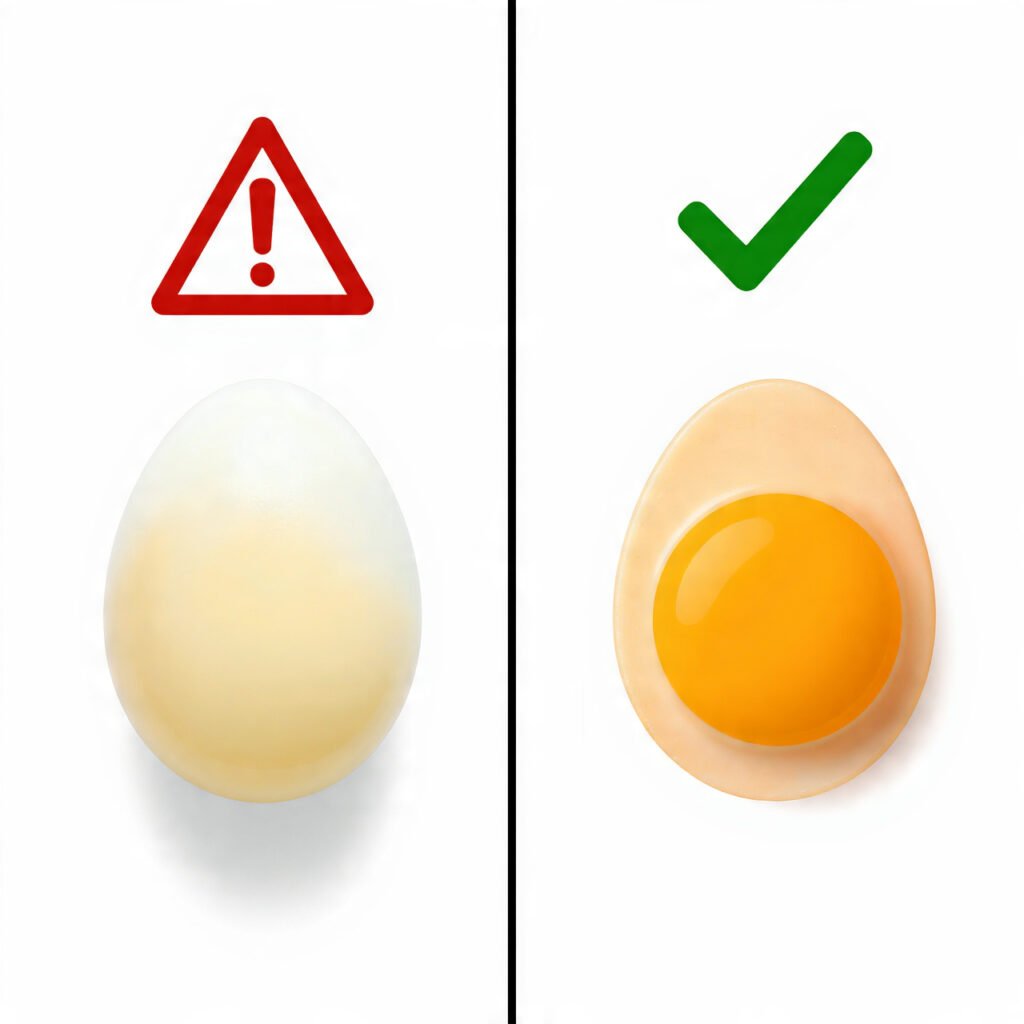
Cook the eggs until they are “hard scrambled.” While we might enjoy a soft, runny French-style omelet, cats need their eggs fully cooked to ensure any potential bacteria are destroyed. Once the eggs are firm, remove them from the heat and let them cool until they reach room temperature. A cat’s mouth is incredibly sensitive to heat; what feels “warm” to you can cause painful burns to their tongue. For more tips on safe food prep, check our cat health tips.
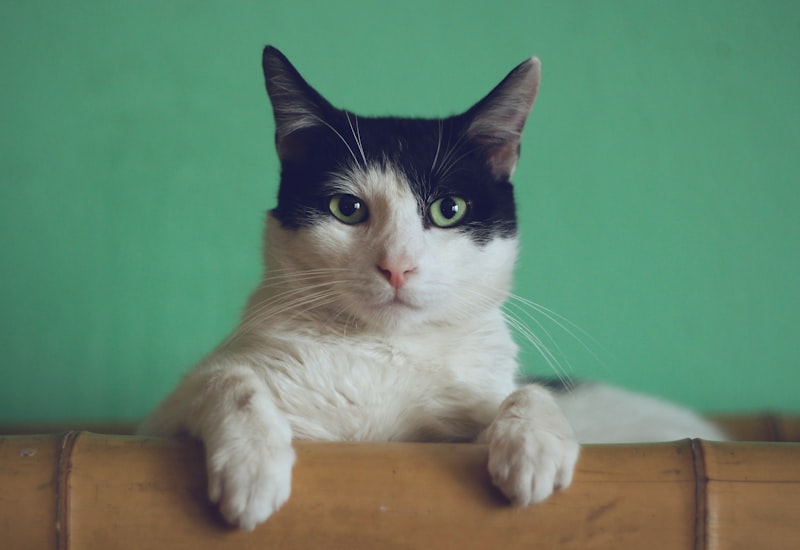
Cat watching food
A curious cat sitting patiently in a kitchen, demonstrating the natural interest felines have in human meal preparation.

Toxic Toppings: What Must Never Enter the Pan

It is impossible to overstate the danger of common kitchen seasonings. Many owners think, “Oh, just a tiny bit of onion powder won’t hurt,” but the feline body reacts very differently to these compounds than ours does.

  • Onions and Garlic: These are the most dangerous. They contain thiosulphates, which cause the red blood cells in cats to burst. This is a life-threatening condition called hemolytic anemia.
  • Salt: Cats have a very delicate sodium balance. Excessive salt can lead to salt poisoning, causing tremors, seizures, and extreme thirst.
  • Milk and Cream: Most adult cats are actually lactose intolerant. Adding milk to your eggs will likely result in a very messy litter box later that day.
  • Black Pepper: While not strictly “toxic,” pepper is a severe irritant to the lining of the stomach and can cause a cat to cough or gag.

If you are cooking for yourself and the cat at the same time, I always recommend cooking the cat’s portion in a separate, clean pan first. This prevents any cross-contamination. You can see more safety warnings on our pet safety page.

Egg Whites vs. Egg Yolks: Understanding the Balance

When you crack an egg, you’re looking at two very different nutritional profiles. The egg white is almost entirely protein and water. It is low in calories and has zero fat. This makes it an ideal treat for cats that need to watch their waistline.

The yolk, on the other hand, is where the fat and most of the vitamins live. It contains the essential fatty acids that make a cat’s coat shine like polished silk. However, the yolk is also very calorie-dense. If your cat is already struggling with obesity, you might want to lean more toward the whites.

Generally, scrambling the whole egg is the best way to provide a balanced treat. You get the lean protein and the nutrient-rich fats in a balanced ratio. If you want to see videos of how different breeds react to these treats, join us on Facebook.

Portion Control: How Much Egg Is Too Much?

One of the hardest things for a pet owner to do is look at those begging eyes and say “no.” But when it comes to eggs, portion control is vital. A single large egg contains about 75 calories. To an 8-pound cat who only needs 200 calories a day, one egg is nearly half of their daily food intake!

The rule of thumb for treats is that they should never exceed 10% of a cat’s daily caloric intake. For the average cat, one tablespoon of scrambled egg is a perfect serving size. This should be a special treat, perhaps once or twice a week, not a daily meal replacement. Always prioritize their balanced feline diet over supplemental snacks.
The Science of Satiety: Eggs for Weight Management

Can eggs actually help a cat lose weight? In some cases, yes. Because eggs are so high in protein and healthy fats, they make the cat feel full for longer compared to high-carbohydrate dry kibble. If you have a cat that is constantly “begging” an hour after their meal, a tiny bit of scrambled egg white can act as a healthy filler.

The Science of Satiety: Eggs for Weight Management

Can eggs actually help a cat lose weight? In some cases, yes. Because eggs are so high in protein and healthy fats, they make the cat feel full for longer compared to high-carbohydrate dry kibble. From what many owners notice, it’s not just about the protein—cats seem to genuinely love the soft texture of scrambled eggs, and it often keeps them from being quite so demanding during our own breakfast time. If you have a cat that is constantly “begging” an hour after their meal, a tiny bit of scrambled egg white can act as a healthy filler.

Identifying Egg Allergies and Intolerances

While eggs are generally safe, egg allergies do exist. Food allergies in cats often manifest as skin issues rather than just stomach upset. If your cat is allergic to eggs, you might see constant scratching around the head and neck or chronic ear inflammation. If you notice these symptoms, stop feeding eggs and consider a hypoallergenic diet.

The Danger of Raw Eggs: Bacteria and Biotin Deficiency

Cooking eggs is non-negotiable for two primary reasons. First, raw eggs can carry Salmonella and E. coli. Second, raw egg whites contain avidin, a protein that prevents the body from absorbing Biotin (Vitamin B7). Biotin is crucial for healthy skin and cell growth. Cooking the egg solves both problems instantly.

Fresh eggs in a basket
A basket of fresh farm eggs, representing the raw ingredients that must be cooked before serving to pets.

Eggs Across Life Stages: Kittens to Seniors

Kittens: Young cats are in a state of constant growth. A small amount of egg is a great protein boost, but ensure they are on a balanced kitten food first.

Seniors: Many older cats develop kidney disease. High-protein and high-phosphorus foods like egg yolks can be hard on failing kidneys. Always check with your vet before feeding eggs to a senior cat with health issues.

Common Preparation Mistakes to Avoid

One common mistake is feeding the eggshells. While they contain calcium, they are sharp and can cause internal damage unless ground into a microscopic powder. Also, avoid using non-stick sprays like “Pam,” as they contain additives not meant for cats. Finally, never let cooked eggs sit out; if they aren’t eaten in 20 minutes, toss them. For more on behavior, visit our behavior guide.

Frequently Asked Questions

Can cats eat hard-boiled eggs?

Yes! Hard-boiled eggs are one of the safest ways to feed eggs because they are cooked without any oil or butter. Just mash them into small pieces.

Is the egg yolk safe for cats with pancreatitis?

No. Cats with pancreatitis need a very low-fat diet. The yolk is high in fat and could trigger a painful flare-up.

How often can I give my cat eggs?

Once or twice a week is perfect. It keeps the treat special and ensures you aren’t unbalancing their primary nutrition.
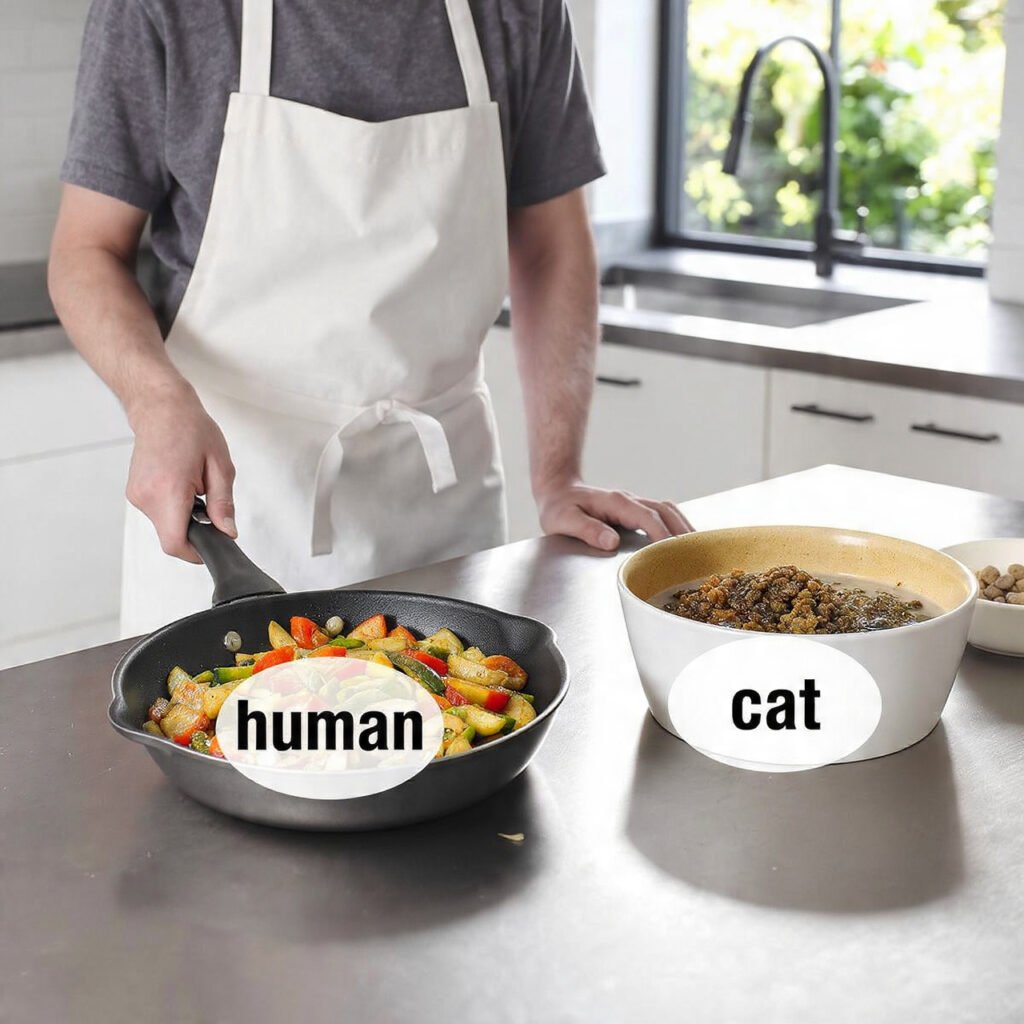
Can cats eat scrambled eggs
Consulting a professional ensures your cat’s specific health needs are met through their diet.

Building a Better Diet for Your Companion

Sharing a small piece of your morning with your cat is a wonderful bonding experience. By following the rules of plain preparation and strict portion control, you turn a simple breakfast item into a powerful nutritional tool. Stay observant, keep things simple, and always prioritize long-term health. For more in-depth articles, keep exploring petscatsdogs.com and join our Facebook community.


First Night With New Puppy? A Survival Guide to Stop the Crying

First Night With New Puppy? A Survival Guide to Stop the Crying

You have dreamed of this day for months. You picked out the perfect collar, bought the cutest bowls, and watched endless videos of puppies playing. Finally, the day arrived. You brought your bundle of fur home, and the afternoon was filled with cuddles, wet kisses, and adorable photos.

But now, the sun has gone down. The lights are out. And the screaming has started.

It’s not a cute little whimper; it’s a piercing, heartbreaking shriek that sounds like your puppy is being tortured. You are exhausted, frustrated, and maybe even feeling a little bit of “Puppy Blues” regret. You are asking yourself: What have I done? Will I ever sleep again?

If this sounds like your current situation, take a deep breath. You are not alone.

The first night with new puppy chaos is a rite of passage for every dog owner. I have been there, and I promise you, you will survive.

In this comprehensive survival guide, we will explain exactly why your puppy is freaking out, set up a fool-proof bedtime schedule, and answer the ultimate question: Should I let them cry it out?

The Quick Answer: Emergency Checklist

If it is 2:00 AM and you are reading this with one eye open while your puppy howls, here is what you need to do immediately:

🌙 The Sleep Survival List:

  1. Move the Crate: Bring the crate into your bedroom, right next to your bed. They need to hear you breathing.

  2. The “Heartbeat” Hack: If you don’t have a heartbeat toy, wrap a ticking clock in a towel or use a white noise machine.

  3. Potty Check: Take them out for a boring potty break (on a leash, no talking).

  4. Scent Comfort: Put the t-shirt you wore today inside their crate. Your scent signifies safety.

  5. Don’t Get Angry: They are terrified, not naughty. Keep your energy calm.


Understanding the Panic: Why Are They Crying?

To fix the problem, you have to understand the psychology behind the first night with new puppy anxiety.

Until today, your puppy has likely never been alone. Not for a single second. They have spent 24 hours a day sleeping in a warm “puppy pile” with their mother and siblings. They had constant warmth, a heartbeat to listen to, and the safety of numbers.

Today, their entire world changed. They were taken from their family, put in a car, and brought to a strange house with strange smells. And now, you are putting them in a cage (crate) and walking away into the dark.

From their perspective, this is terrifying.
In the wild, a puppy left alone is a dead puppy. Their instinct tells them to cry as loud as possible so the pack can find them. They aren’t trying to annoy you; they are crying out for survival.

Knowing this helps you shift from frustration (“Be quiet!”) to empathy (“I’m here, you’re safe”).


The Setup: Creating a “Zen Den” for Sleep

Success starts before bedtime. If you toss a puppy into a crate in the laundry room and turn off the lights, you are setting yourself up for failure.

1. Location is Everything

For the first night with new puppy (and the first few weeks), the crate should be in your bedroom.
Ideally, place it on a chair or nightstand right next to your head level.

  • Why? You can stick your fingers through the grate to comfort them.

  • Why? You can hear when they actually need to pee vs. when they are just complaining.

2. The “Snuggle Puppy” (A Must-Have)

If you haven’t bought a “Smart Pet Love Snuggle Puppy,” order one now. It is a stuffed toy with a plastic heart inside that beats physically. It mimics the feeling of sleeping with littermates. For many new owners, this is the difference between 2 hours of sleep and 6 hours of sleep.

3. Make the Crate Cozy (But Not Too Big)

The crate should be just big enough for them to stand up and turn around. If it’s too big, they will pee in one corner and sleep in the other.
Line it with:

  • A soft vet-fleece or blanket.

  • An item of your clothing (worn, unwashed) so they are enveloped in your scent.

4. Cover the Crate

Dogs are den animals. Covering the crate with a light sheet (leaving the front open for airflow) makes it feel like a safe, dark cave and blocks visual distractions.


The Perfect Bedtime Schedule

First night with new puppy

Puppies thrive on routine. You can’t just decide it’s bedtime at random. You need a “wind-down” protocol. Here is the ideal timeline for your first night with new puppy:

🕗 3 Hours Before Bed:

  • Food Cut-off: Pick up the food bowl. This gives their digestive system time to empty before sleep. (Keep water available until 1 hour before bed).

🕘 1 Hour Before Bed:

  • Tire Them Out: This is crucial. A tired puppy sleeps. Engage in gentle play or a short training session. Do not get them hyperactive, but use their brain.

  • Water Cut-off: Remove the water bowl to prevent full bladders at 3 AM.

🕙 Bedtime:

  • The Final Potty: Take them outside. Wait until they go. Praise calmly (don’t get them excited).

  • Into the Crate: Lure them in with a treat. Do not shove them in.

  • Lights Out: Turn off the room lights immediately.


The “Cry It Out” Debate: What Should You Do?

This is the most controversial part of puppy raising. You put them in, you lie down, and the whining begins. It escalates to barking, then screaming.

Should you let them cry it out?

The Old School Advice: “Ignore them completely.”

The Modern Vet Advice: “It depends.”

If you ignore a puppy who is in a state of blind panic, you can create negative associations with the crate and cause separation anxiety. However, if you let them out every time they squeak, you teach them that Crying = Freedom.

The Balanced Approach:

  1. The 15-Minute Rule: If they have gone potty and are safe, let them settle. Most puppies will protest for 10-15 minutes and then fall asleep.

  2. Soothing, Not Releasing: If they are screaming, drop your hand down to the crate. Speak softly: “Shhh, I’m here.” Put your fingers through the bars. Do not open the door.

  3. The “Potty” Cry: If they wake up after sleeping for 2-3 hours and cry, they likely need to pee. Puppies have tiny bladders.

How to Handle the 3 AM Potty Break

First night with new puppy

When the first night with new puppy includes a middle-of-the-night wakeup call (and it will), you must be boring.

  1. Take them out of the crate without speaking.

  2. Carry them outside (don’t let them walk/play).

  3. Put them on the grass. Say “Go Potty.”

  4. Once they finish, pick them up immediately.

  5. Put them back in the crate.

  6. No treats. No playing. No cuddling. You want them to learn that night is for sleeping and peeing only.


What If They Won’t Stop Crying?

If your puppy has been crying for over 30 minutes despite your presence, or if they are digging frantically at the bars, they might be truly distressed.

Troubleshooting Tips:

  • Check the Temperature: Is the crate too hot or too cold? (Puppies can’t regulate body heat well).

  • White Noise: Turn on a fan or a white noise app on your phone. The silence of a house can be deafening to a puppy used to a noisy litter.

  • Classical Music: Studies show that slow-tempo classical music or reggae calms dogs.

  • Tire Them More: Tomorrow, increase the mental stimulation before bed. A puppy with leftover energy will not sleep.


Frequently Asked Questions (FAQ)

Q: Should I let the puppy sleep in my bed on the first night?
A: It is tempting, but no. If you start this habit, it is very hard to break. Plus, a tiny puppy can fall off the bed or you might roll over on them. It also leads to potty accidents in your bed sheets. Stick to the crate.

Q: How long can a puppy hold their bladder at night?
A: The general rule is age in months + 1. So, a 2-month-old puppy can hold it for about 3 hours. You will need to get up once or twice during the first night with new puppy.

Q: When will they sleep through the night?
A: Most puppies start sleeping for 6-7 hour stretches around 16 weeks (4 months) old. Hang in there; this phase is temporary!

Q: Can I use a playpen instead of a crate?
A: You can, but a crate is better for potty training. A playpen is large enough for them to pee in one corner and sleep in another. A crate encourages them to hold it because dogs don’t like to soil their sleeping area.


Final Thoughts: It Gets Better

If you are reading this with dark circles under your eyes, feeling like you made a mistake: You didn’t.

The first night with new puppy is the hardest night of all. It is the peak of their confusion and your exhaustion. By night three, it will be better. By week two, you will have a routine. And in a few months, you will have a loyal best friend sleeping soundly at your feet.

Stay consistent, stay calm, and keep the coffee machine ready for the morning. You’ve got this!

For more tips on raising a well-behaved dog, check out our [Puppy Training] section to start off on the right paw.

Why Is My Dog Shaking? (7 Surprising Reasons & Solutions)

Why Is My Dog Shaking? (7 Surprising Reasons & Solutions)

It starts with a subtle vibration. You put your hand on your dog’s back and feel a tremor. Then, you look closer and see them shivering as if they are standing in a blizzard, even though your living room is warm.

Suddenly, panic sets in. You ask yourself: Is he cold? Is he scared? Or is this a medical emergency?

Seeing your usually strong and happy dog trembling like a leaf is terrifying for any pet owner. The helplessness of not knowing what is wrong is the worst feeling in the world.

If you are frantically searching for “Why is my dog shaking?”, take a deep breath. You are in the right place. While shivering can be a sign of something serious like poisoning, it is often a natural reaction to excitement, cold, or anxiety.

In this comprehensive guide, we will decode your dog’s body language. We will explore the 7 most common reasons behind this behavior, how to distinguish between “fear” and “pain,” and exactly when you need to rush to the vet.

The Quick Answer: Why Is He Trembling?

Before we dive deep, here is a checklist. The most common answers to “Why is my dog shaking?” are:

  1. Temperature: They are simply cold (Hypothermia).

  2. Emotion: Extreme fear (thunder, vet visits) or extreme excitement.

  3. Pain: Dogs shake to mask pain (arthritis, stomach ache).

  4. Old Age: Muscular weakness in hind legs.

  5. Toxins: Eating chocolate, xylitol, or grapes (Emergency!).

  6. Nausea: Feeling sick often causes shivering.

  7. GTS: Generalized Tremor Syndrome (common in small white dogs).


1. It’s Just Too Cold (Hypothermia)

Let’s start with the obvious. Just like humans shiver to generate body heat, dogs do the same. Even though they have fur coats, many breeds (especially short-haired ones like Chihuahuas, Greyhounds, and Pitbulls) have zero tolerance for cold.

How to tell:

  • Is it winter? Is the AC on full blast?

  • Is your dog curling up into a tight ball?

  • Are their ears cold to the touch?

The Fix:
If you suspect the answer to “Why is my dog shaking?” is the temperature, simply cover them with a blanket or put on a doggy sweater. If the shaking stops within 15 minutes, you have your answer.

2. Fear and Anxiety (The Psychological Shakes)

Why is my dog shaking

Dogs are incredibly emotional creatures. Shaking is a classic symptom of an adrenaline rush caused by fear. This is common during thunderstorms, fireworks, or trips to the vet.

Look for other “Stress Signals”:

  • Panting heavily.

  • Tucking the tail between the legs.

  • Flattening ears against the head.

  • Hiding under furniture.

If your dog is shaking uncontrollably during a storm, they aren’t cold; they are terrified. Comforting them calmly (without over-coddling) is key.

3. They Are In Pain (The Hidden Cause)

This is the reason that breaks most owners’ hearts. Dogs are masters at hiding pain (an evolutionary instinct to not look weak). When they can no longer hide it, they shake.

Why is my dog shaking from pain?
It could be anything from a toothache and ear infection to arthritis or a sudden back injury (IVDD).

The “Silent” Symptoms of Pain:

  • Reluctance to jump on the couch or climb stairs.

  • Walking with a hunched back.

  • Lip licking or drooling.

  • Aggression when touched in a specific spot.

If the shaking came on suddenly and they yelp when you touch them, go to the vet immediately.

4. Poisoning and Toxins (Medical Emergency)

This is the scariest scenario. Several common household items are highly toxic to dogs and attack their nervous system, causing tremors or seizures.

Common Toxins:

  • Xylitol: Found in sugar-free gum and peanut butter.

  • Chocolate: Especially dark chocolate.

  • Grapes/Raisins: Can cause kidney failure.

  • Human Meds: Dropped pills like Ibuprofen.

Warning Signs:
If the answer to “Why is my dog shaking?” involves vomiting, diarrhea, drooling, or disorientation, assume they ate something poisonous. Do not wait. Drive to the emergency vet.
(You can check the full list of toxins on the ASPCA Animal Poison Control website – Link opens in new tab).

5. Old Age (Senior Tremors)

Why is my dog shaking

As dogs enter their golden years, you might notice their hind legs shaking when they stand up. This is usually not a seizure; it is muscle weakness or osteoarthritis.

While it looks concerning, many senior dogs live happily with mild tremors. However, it is a sign that they need pain management or joint supplements to help with stability.

6. Excitement (The Happy Shakes)

Yes, happiness can cause shaking too! Have you ever come home from work, and your dog wiggles so hard their whole body vibrates?

High arousal—whether positive (you are home!) or anticipating (a ball throw)—releases a flood of energy. Once they calm down, the shaking stops. This is harmless and adorable.

7. Generalized Tremor Syndrome (GTS)

Also known as “Little White Shaker Syndrome,” this condition affects small breeds like Malteses and Westies. It causes full-body tremors that are not related to cold or fear. It is treatable with medication (corticosteroids) prescribed by a vet.


Action Plan: What To Do Right Now?

If you are looking at your dog right now and wondering “Why is my dog shaking?”, follow this step-by-step triage:

Step 1: Check the Environment
Is it cold? Is there a loud noise (thunder/construction)? If yes, warm them up or move to a quiet room.

Step 2: Check for Toxins
Look around the floor. Is the trash overturned? Is a pill bottle missing? If yes, go to the vet.

Step 3: The “Treat Test”
Offer their favorite treat.

  • If they eat it happily: It might be mild stress or cold.

  • If they refuse it: This is a red flag for pain or nausea. Dogs rarely refuse treats unless they feel terrible.

Step 4: Palpation
Gently run your hands over their body. Do they flinch, yelp, or tense up at a specific spot? This indicates an injury.


Frequently Asked Questions (FAQ)

Q: Can a dog shake from an upset stomach?
Yes. Nausea is a very common cause of shaking. If your dog is drooling, smacking their lips, or has vomited, they are likely shaking because they feel sick.

Q: Should I hold my dog if he is shaking?
If the shaking is due to fear or cold, yes, holding them provides warmth and comfort. However, if they are shaking from pain, holding them might hurt. Approach gently and see how they react.

Q: When should I worry about dog shivering?
Worry if the shaking is accompanied by: lethargy, vomiting, diarrhea, limping, or if it lasts more than an hour after warming them up.

Final Thoughts

So, the next time you find yourself asking, “Why is my dog shaking?”, remember that context is everything. Look at the whole picture. Are they cold? Scared? Or acting sick?

Trust your gut instinct. You know your dog better than anyone. If the behavior feels “off” or wrong, never hesitate to call your vet. It is always better to be safe than sorry.

For more advice on keeping your pup healthy and safe, be sure to browse our comprehensive [Dog Health and Care] section.

Is It Normal for a Cat to Drool When Purring? Expert Guide to “Happy Drool”

Is It Normal for a Cat to Drool When Purring

If you have ever been sitting on the couch with your cat curled up in your lap, listening to that rhythmic, soothing purr, only to feel a warm, wet spot seeping through your jeans, you aren’t alone. It is a common experience that leaves many owners a bit baffled. Is your cat leaking? Is there something wrong with their mouth? Most of the time, the answer is actually quite sweet. Drooling while purring is often a sign of extreme contentment and relaxation. When a cat is truly “in the zone,” their facial muscles relax so deeply that the saliva simply slips out. It is the feline equivalent of us mouth-breathing during a very deep, satisfying nap.

However, as someone who has worked with thousands of cats, I know that “normal” can sometimes cross the line into “concerning.” While happy drooling is usually harmless, there are specific instances where it might point to dental issues or other health problems. In this guide, we will dive deep into why this happens, how to tell the difference between joy and discomfort, and what you should do to keep your cat’s mouth healthy. We want to make sure those cuddles stay cozy and worry-free.

Close up of a happy cat purring

Table of Contents

The Science of the “Happy Drool”

To understand why a cat drools when they are happy, we have to look at their nervous system. Cats have a highly developed sensory map. When they are petted, their parasympathetic nervous system—the part responsible for “rest and digest”—kicks into high gear. This system controls involuntary functions, including the production of saliva. When a cat is purring intensely, they are often in a state of near-euphoria. Their muscles, including those in the jaw and the muscles that keep the mouth tightly shut, lose their tension.

Have you ever noticed how some people drool on their pillows when they are in a deep sleep? It is very similar. The cat isn’t consciously deciding to salivate; it is a physiological byproduct of being incredibly relaxed. The brain is sending signals of safety and pleasure, which can sometimes “short-circuit” the swallowing reflex. Instead of swallowing the saliva as they usually do, it just pools and eventually spills over.

I have seen this most often in cats that have a very strong bond with their owners. It is almost a compliment! It means they feel so safe in your presence that they have let down all their guards. They aren’t worried about predators or territory; they are just enjoying the moment. But does every cat do this? Not at all. It seems to be a quirk of individual personality and biology.

Cat kneading a blanket while purring

The Connection to Kittenhood and Kneading

Many experts believe that drooling while purring is a “hangover” behavior from kittenhood. When kittens nurse, they purr and “knead” (or make biscuits) against their mother to stimulate milk flow. This action is closely associated with the expectation of food and the comfort of mom. The scent of milk and the warmth of the mother cat trigger the salivary glands in preparation for eating.

As adult cats, many of them continue to knead blankets or your lap when they are happy. This behavior, known as “neoteny,” is the retention of juvenile traits into adulthood. If your cat is purring, kneading, and drooling all at once, they are essentially transported back to that state of ultimate kitten security. They aren’t just relaxing; they are reliving the most comforted moments of their early lives.

From what many owners notice, this behavior is most common in cats that were perhaps weaned a bit early, though that isn’t always the case. Some cats are just naturally more “infantile” in their affection styles. It is quite a beautiful thing to witness, even if it does mean you need to change your shirt afterward.

So how do you know if your cat is truly communicating bliss? Look at the eyes. If the eyes are half-closed or “slow-blinking” while the drool is flowing, you can be almost certain it is a happy response. It is the physical manifestation of a “zen” state of mind.

How to Tell if Your Cat’s Drooling is Normal

The key to identifying a problem is consistency. If your cat has been a “happy drooler” since they were a kitten, then it is simply part of who they are. You likely know exactly which chin rub or ear scratch will trigger the waterworks. In these cases, there is usually nothing to worry about. The drool should be clear, watery, and odorless.

However, if your cat has never drooled a day in their life and suddenly starts dripping saliva while purring, that is a red flag. Sudden changes in behavior are almost always a reason to investigate further. A sudden onset of drooling could mean that the purring itself isn’t a sign of happiness, but rather a sign of self-soothing due to pain. Did you know cats also purr when they are injured or stressed to calm themselves down?

Think of it as a baseline. Every cat has a baseline of “normal.” If the drooling happens only during affection and stops the moment the cat gets up and walks away, you are likely in the clear. If the drooling continues while they are resting or if they seem to have trouble eating, it is time to look deeper into comprehensive cat health guide resources or call your vet.

Owner checking a cat's mouth

When Drooling Means a Trip to the Vet

While we love the idea of “happy drool,” we cannot ignore the medical side of things. Excessive salivation, known medically as ptyalism, can be caused by various issues. If you notice any of the following accompanying the drool, it isn’t just a happy accident:

  • Bad breath: A healthy cat’s breath shouldn’t smell like a rose garden, but it shouldn’t be foul or “rotten” either.
  • Discolored saliva: If the drool is tinged with blood or looks thick and yellow/green, there is an infection or injury present.
  • Changes in appetite: If your cat is drooling but refusing their favorite wet food, they likely have oral pain.
  • Pawing at the mouth: This is a clear sign of physical discomfort.
  • Lethargy: If the drooling is paired with a lack of energy, it could be a systemic issue.

I always suggest that owners do a “mini-check” at home if they are concerned. You don’t need to be a doctor to notice red gums or a broken tooth. However, be careful! A cat in pain might bite, even if they are usually the sweetest creature on earth. If you want more community advice on how to handle these situations, feel free to visit our community of cat lovers on Facebook.

Dental Health and Oral Discomfort

Dental disease is the number one medical cause of drooling in cats. Issues like gingivitis, stomatitis, or resorptive lesions (where the body starts breaking down the tooth) are incredibly painful. When a cat has a sore in their mouth, they produce more saliva to lubricate the area and wash away bacteria. When they purr, the vibration might actually irritate the sore spot, causing even more drool to fall out.

I’ve seen many owners surprised to find that their cat had a significant dental issue because the cat was still purring. Remember, cats are stoic. They will often hide their pain until it is unbearable. Regular dental cleanings are not just about “pearly whites”; they are about preventing chronic pain that can lead to behaviors like excessive drooling.

The Role of Stress, Nausea, and Toxins

Is it possible for a cat to drool because they are nervous? Absolutely. While purring is usually a sign of joy, “stress purring” is a real phenomenon. If a cat is nauseous—perhaps from a hairball or something more serious—they will often salivate excessively. If they are purring to try and settle their stomach, it can look like happy drooling, but the cat’s body language will be different. A nauseous cat often hunches their shoulders and looks tense, rather than “melting” into your lap.

More urgently, drooling can be a sign of toxin ingestion. Many common household plants (like lilies) or chemicals (like certain cleaners) can cause immediate salivation. If the drooling is sudden and profuse, check your surroundings for anything the cat might have chewed on. This is a medical emergency and requires immediate attention.

Cat looking at a house plant

Practical Advice for Living with a “Leaky” Cat

If you have determined that your cat is just a happy drooler, congratulations! You have a very affectionate companion. But that doesn’t mean you want to be covered in cat spit every evening. Here are some practical ways to manage the “leakage” without discouraging the affection.

  1. The “Drool Towel”: Keep a small, soft hand towel near your favorite sitting spot. When the cat jumps up and starts the purr-and-drool routine, simply place the towel between your clothes and the cat. It saves your laundry and keeps the cat comfortable.
  2. Regular Chin Wipes: If the saliva dries on the cat’s chin, it can eventually cause “feline acne” or skin irritation. Gently wipe their chin with a damp, warm cloth after a heavy grooming or cuddling session.
  3. Monitor Mouth Health: Since you are already in “drool territory,” use that time to gently lift their lip (if they allow it) to check for redness. It’s the easiest way to catch dental problems early.
  4. Scent-Free Environment: Sometimes, certain strong perfumes or lotions on your skin can trigger a cat to salivate more as they try to “taste” the air. Try using unscented products if you notice the drooling increases with specific smells.

From my experience, trying to “stop” a cat from drooling when they are happy is a losing battle. It’s an involuntary physical response. Instead of seeing it as a mess, try to view it as a badge of honor. It means you are doing a great job as a pet parent.

Is It Normal for a Cat to Drool When Purring (FAQ)

Why does my cat only drool when I pet a specific spot?

Cats have “sweet spots”—often at the base of the tail, under the chin, or behind the ears. These areas have a high concentration of nerve endings. Stimulating them can trigger an intense parasympathetic response, leading to immediate relaxation and drooling.

Can certain breeds drool more than others?

While there isn’t a specific “drooling breed” like there is with dogs (think Bloodhounds), some cats with flatter faces (brachycephalic), like Persians or Exotic Shorthairs, may drool more noticeably because their mouth structure makes it harder to keep saliva contained.

Is “happy drool” smelly?

Generally, no. Clear, healthy saliva shouldn’t have a strong odor. If the drool smells like garbage or strong ammonia, it’s a sign of a health problem like kidney issues or severe dental decay.

Should I be worried if my cat drools while sleeping?

If it only happens during very deep sleep and the cat is otherwise healthy, it’s usually just deep relaxation. However, if they are drooling while awake and inactive, that warrants a check-up.

My cat purrs and drools but then bites me. Why?

This is often “overstimulation.” The cat is so relaxed and “revved up” by the petting that they suddenly hit a limit. The drooling shows they were happy, but the bite shows they need a break. It’s a fine line!

Does age affect drooling?

Senior cats may drool more often. This can be due to a natural weakening of the jaw muscles, but in older cats, it is much more likely to be related to dental disease or kidney issues. Always be more vigilant with your senior feline friends.

Summary of Joyful Felines

At the end of the day, a cat drooling when purring is one of those quirks that makes pet ownership so unique. It is a messy, slightly gross, but ultimately heartwarming sign of love. We spend so much time worrying if our pets are happy, and a little bit of drool is a very clear “yes.” By staying observant and knowing your cat’s baseline, you can enjoy those wet, purring cuddles knowing that your friend is in a state of pure bliss.

Keep an eye on their dental health, make sure their breath stays fresh, and always have a towel handy. If you ever feel unsure, lean on the community and expert resources available to you. Understanding these small behaviors is what turns a good pet owner into a great one. So the next time you feel that little drop of moisture on your hand, just smile—you’ve officially reached “Favorite Human” status.


SEO Excerpt:
Is your cat drooling when purring? Learn why “happy drooling” happens, how to spot dental issues, and when you should call the vet in this expert-led guide.


Help! My Dog Ate Chocolate: 5 Emergency Steps & Toxicity Timeline

Help! My Dog Ate Chocolate: 5 Emergency Steps & Toxicity Timeline

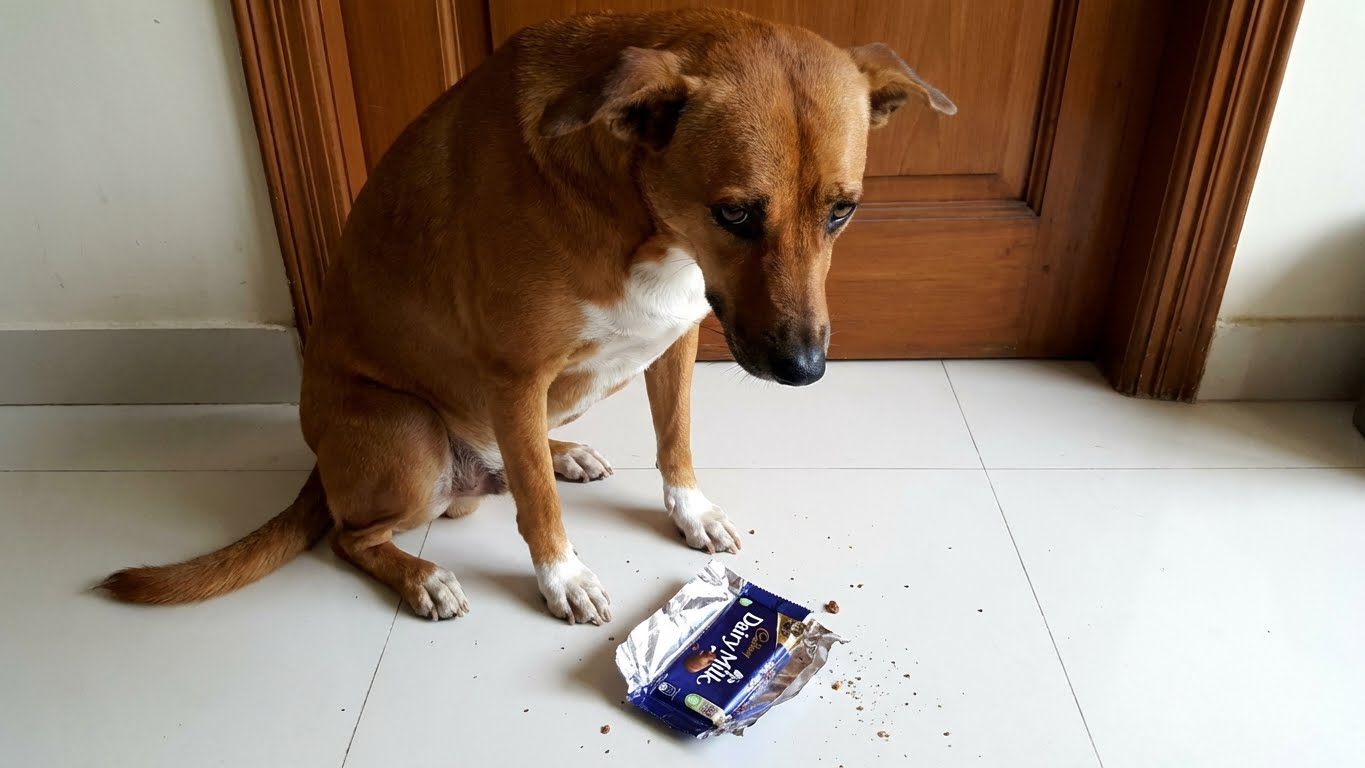
Help! My Dog Ate Chocolate It is the moment every dog owner dreads.

I walked into the kitchen after a long day at the clinic, expecting to be greeted by a wagging tail. Instead, I was greeted by the rustling sound of a wrapper and a guilty look. On the floor lay the shredded remains of a dark chocolate bar I had been saving for myself. My Golden Retriever, Bailey, sat there licking his lips, looking remarkably proud of his “hunt.”

My heart sank. Even as a veterinarian, that initial wave of panic hit me hard. How much did he eat? What kind was it? How long ago did this happen?

If you are reading this right now, your heart is probably racing just like mine was. You are likely staring at an empty candy wrapper and a very satisfied-looking pup, wondering if you need to rush to the emergency room.

Take a deep breath. You are in the right place.

While chocolate toxicity is serious, it is also treatable if caught early. In this comprehensive guide, we will move past the panic. I will walk you through exactly why dog ate chocolate scenarios happen, how to calculate the danger level, the symptom timeline you need to watch for, and the immediate steps you must take to keep your best friend safe.

The Quick Answer: What Should I Do Right Now?

If you just caught your dog in the act, do not wait for symptoms to appear. Time is of the essence.

🚨 Emergency Action Plan:

  1. Stop them: Remove any remaining chocolate from their reach immediately.

  2. Identify: Find the wrapper. Check the type (Dark, Milk, White) and the weight (how many grams/ounces?).

  3. Calculate: A 50lb dog eating one milk chocolate bar is usually fine. A 10lb dog eating dark chocolate is in critical danger.

  4. Call the Vet: If you suspect they ate a toxic amount, call your vet or the ASPCA Poison Control Center (888-426-4435) immediately.

  5. Do NOT induce vomiting unless a professional tells you to. Some dogs can aspirate vomit into their lungs.


The Science: Why Is Chocolate Toxic to Dogs?

To understand the urgency when a dog ate chocolate, we need to look at the chemistry. We humans love chocolate because it gives us a little boost of energy and happiness. That boost comes from a compound called Theobromine (and to a lesser extent, Caffeine).

Human bodies process theobromine quickly and easily. Dogs, however, do not.

When a dog ingests chocolate, the theobromine stays in their system for a very long time (up to 72 hours). It acts as a powerful stimulant, affecting their:

  • Central Nervous System (causing tremors and seizures).

  • Cardiovascular System (causing racing heart rates and arrhythmias).

  • Kidneys (causing excessive urination).

It’s Not Just About the Sugar

Many owners think the sugar is the problem. While sugar isn’t good for them, the real killer is the theobromine. This is why the type of chocolate matters more than the amount.


The Danger Scale: Not All Chocolate is Created Equal

Dog ate chocolate wrapper.

This is the most critical section of this guide. If you are panicking because your dog ate chocolate, you need to know what kind. The darker and more bitter the chocolate, the more dangerous it is.

1. White Chocolate (Low Risk)

  • Theobromine Content: Negligible.

  • The Verdict: If your dog ate white chocolate, they are unlikely to suffer from chocolate poisoning. However, the high fat and sugar content can still cause Pancreatitis (severe inflammation of the pancreas) or an upset stomach. Expect vomiting and diarrhea, but likely no seizures.

2. Milk Chocolate (Moderate Risk)

  • Theobromine Content: ~44-58 mg per ounce.

  • The Verdict: Dangerous for small dogs or in large quantities. A Great Dane eating one M&M is fine. A Chihuahua eating a whole Hershey’s bar is an emergency.

3. Dark / Semi-Sweet Chocolate (High Risk) ⚠️

  • Theobromine Content: ~150 mg per ounce.

  • The Verdict: This is serious. Even small amounts can cause toxicity in medium-sized dogs. If your dog ate chocolate labeled “Dark” or “50% Cocoa,” call the vet immediately.

4. Baking Chocolate / Cocoa Powder (Critical Emergency) ☠️

  • Theobromine Content: ~400 mg per ounce.

  • The Verdict: This is highly concentrated. A very small amount (just a few spoonfuls of cocoa powder) can be lethal to a dog. This is a “drive to the vet now” situation.


The Symptom Timeline: What to Watch For

If you didn’t catch your dog in the act, or if you are “waiting and seeing” (which I generally advise against for dark chocolate), you need to know the timeline. Symptoms don’t appear instantly; they progress as the toxin absorbs.

Stage 1: The First 0–2 Hours (Early Signs)

As the chocolate hits the stomach, the body tries to reject it.

  • Vomiting: Often smells like chocolate.

  • Diarrhea: May be loose or uncontrollable.

  • Hyperactivity: Your dog might seem “caffeinated.” Pacing, panting, and unable to settle.

  • Excessive Thirst: Drinking water bowl after water bowl.

Stage 2: 2–4 Hours (Cardiac Issues)

As the theobromine enters the bloodstream, it hits the heart.

  • Racing Heart Rate: You might feel their heart pounding through their chest.

  • Restlessness: Why is my dog ate chocolate symptom list including pacing? Because their heart feels like it’s exploding.

  • Muscle Tremors: Shaking or shivering (not from cold).

Stage 3: 12–24 Hours (Severe Toxicity)

If left untreated, the toxins attack the nervous system and kidneys.

  • Seizures: Full body convulsions.

  • Collapse: Inability to stand.

  • Coma: In severe cases, this can lead to heart failure.

Note: The half-life of theobromine is long. Symptoms can last for days, and the toxin can be re-absorbed from the bladder, which is why frequent potty breaks are essential.


5 Emergency Steps to Take Immediately

Dog ate chocolate wrapper

You’ve confirmed it: your dog ate chocolate, and it was a dangerous amount. Here is your step-by-step action plan.

Step 1: Secure the Dog and the Evidence

Remove the remaining chocolate immediately. Dogs will often keep eating even if they are already feeling sick. Put the rest in a high cupboard or a locked trash can.
Do not throw away the wrapper. You will need it to tell the vet the exact cocoa percentage.

Step 2: Perform the “Math”

Estimate how much they ate.

  • Did they eat the whole bar or just half?

  • Was it a 100g bar or a “Fun Size”?
    Be honest. It is better to overestimate than underestimate.

Step 3: Call the Professionals

Do not rely on Facebook groups for this. Call your veterinarian or an emergency animal hospital.
You can also use the ASPCA Poison Control Center. They charge a fee, but their toxicologists can tell you exactly if the dose was lethal based on your dog’s weight.

Step 4: Induce Vomiting (ONLY if Instructed)

Warning: Never do this without vet approval.
If the ingestion happened within the last hour, your vet might tell you to induce vomiting using 3% Hydrogen Peroxide.

  • The Dose: Usually 1 teaspoon per 5-10 lbs of body weight.

  • The Method: Squirt it into the back of their mouth with a syringe or turkey baster.

  • The Risk: If your dog is already lethargic or having tremors, inducing vomiting can cause them to inhale the vomit, leading to aspiration pneumonia. Never force a seizing dog to vomit.

Step 5: Head to the Vet

If the dose is high, home remedies aren’t enough. Your dog needs IV fluids and Activated Charcoal.


What Happens at the Vet? (Don’t Be Scared)

Many owners hesitate to go to the vet because they are afraid of the cost or the procedure. Let me demystify it for you so you know what to expect.

When you arrive with a dog ate chocolate case:

  1. Decontamination: If they haven’t vomited yet, the vet will give them an injection (like Apomorphine) which works instantly and is safer than hydrogen peroxide.

  2. Activated Charcoal: This is a black liquid that acts like a magnet. It binds to the toxins in the stomach and intestines, preventing them from entering the bloodstream. Your dog will drink this (or be fed via a tube).

  3. IV Fluids: This is crucial. Fluids flush the kidneys and help push the toxins out of the body faster through urine.

  4. Heart Monitoring: An ECG might be hooked up to watch for irregular heartbeats.

Most dogs who receive treatment within 2-4 hours make a full recovery and are back to their happy selves within a day.


Hidden Sources of Chocolate: It’s Not Just Candy Bars

We often think of candy bars, but chocolate lurks in places you might not expect. As a vet, I have seen toxicity cases from:

  • Protein Bars & Shakes: Often contain high amounts of cocoa powder.

  • Cocoa Mulch: Some gardening mulch is made from cocoa bean shells. It smells delicious to dogs but is incredibly toxic.

  • Baked Goods: Brownies and chocolate cake are double trouble (chocolate + high fat).

  • Espresso Beans: Chocolate-covered coffee beans are a “double whammy” of caffeine and theobromine.


Prevention: How to “Chocolate-Proof” Your Home

We can’t watch our dogs 24/7. Bailey ate my chocolate because I left it on the counter for just a minute. To prevent a future dog ate chocolate scare:

  1. The “Counter Surfing” Rule: Never leave food on low counters or coffee tables. Dogs are opportunists.

  2. Secure the Trash: Use a trash can with a locking lid or keep it in a cupboard.

  3. Teach “Leave It”: This is the most valuable command a dog can learn. It can literally save their life if they drop something toxic on the floor.
    (Check out our guide on [Puppy Training and Obedience] to master this command).

  4. Educate Guests: During holidays like Easter or Halloween, remind guests not to leave candy bags on the floor or sofas.


Frequently Asked Questions (FAQ)

Q: My dog ate one M&M. Will he die?
No. One M&M contains a tiny amount of chocolate. Unless your dog weighs 1 pound, they will be fine. Monitor for an upset stomach, but panic is unnecessary.

Q: Can I give my dog milk to help flush out the poison?
No. Milk does not neutralize chocolate. In fact, dairy can cause more diarrhea and vomiting, making dehydration worse. Stick to water.

Q: How long does it take for chocolate to leave a dog’s system?
Theobromine has a long half-life. It can take up to 72 hours (3 days) to completely leave their body. This is why symptoms can linger or reappear if the dog re-absorbs toxins from their bladder.

Q: Why can humans eat chocolate but dogs can’t?
It comes down to liver enzymes. Humans have enzymes that break down theobromine very fast. Dogs lack these specific enzymes, so the toxin builds up to dangerous levels instead of being digested.

Q: My dog ate chocolate yesterday and seems fine. Am I in the clear?
Not necessarily. While the acute danger phase (heart attack) might have passed, kidney damage can be silent. It is always worth a vet checkup for blood work just to be safe.


Final Thoughts: Don’t Beat Yourself Up

If you are reading this while sitting in the waiting room of an emergency vet, please stop blaming yourself.
Accidents happen. Dogs are fast, clever, and driven by their noses. I am a vet, and it happened to me with Bailey.

The important thing is that you are taking action. By understanding the risks when a dog ate chocolate and acting quickly, you are giving your pet the best chance of survival.

Most dogs bounce back quickly with the right care. So, take a deep breath, trust your vet, and maybe switch to vanilla cake for a while!

For more urgent safety tips, bookmark our [Safety Center] category to keep your furry family safe from household hazards.


Can Cats Eat Bananas? Vet-Approved Safety Guide & Risks

Can Cats Eat Bananas? Vet-Approved Safety Guide & Risks

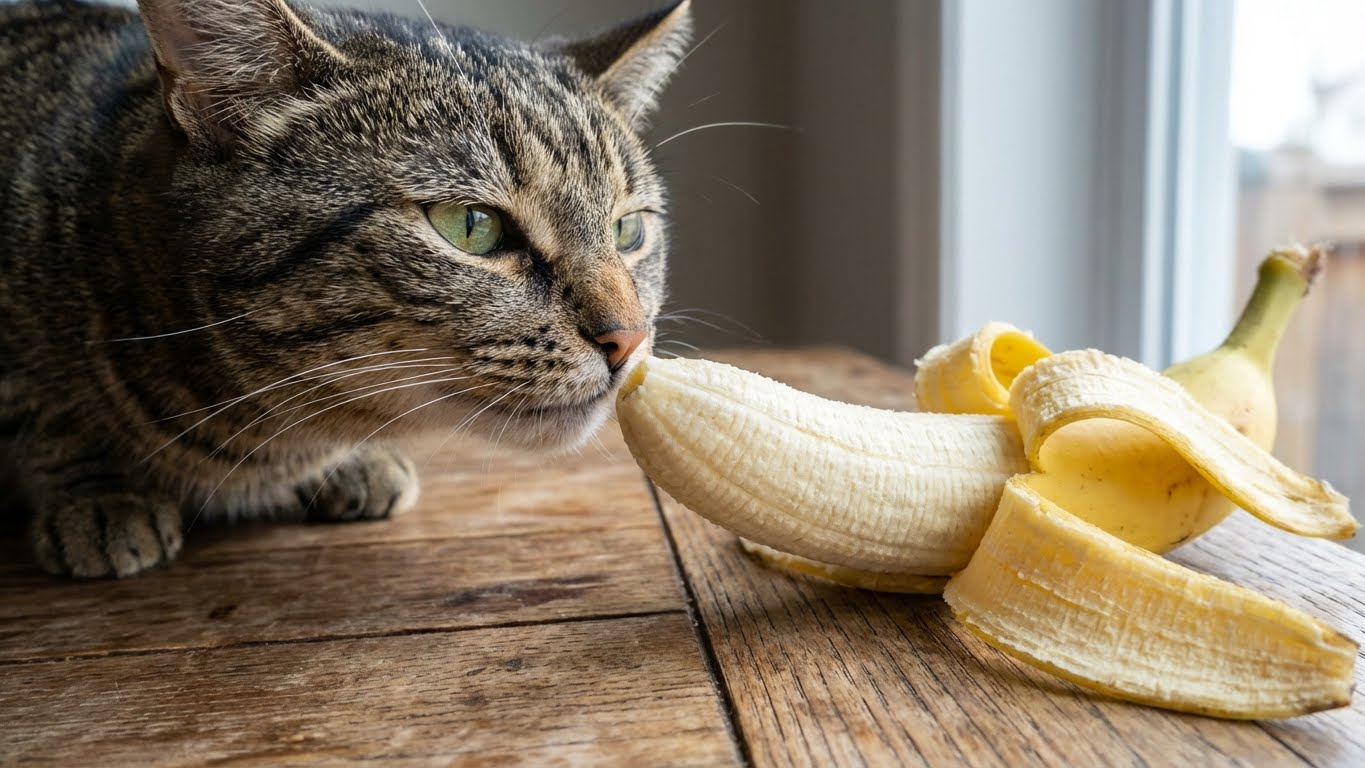
Many owners search online: can cats eat bananas safely?It was a Tuesday morning, and I was in my kitchen making my usual post-workout smoothie. As I peeled a ripe banana, I felt a familiar weight brush against my leg. I looked down to see Oliver, my tabby cat, staring up at me with wide, pleading eyes. He let out a soft meow, stretched his paws up my leg, and sniffed the air intensely.

I laughed and thought, “Really? You want this?”

We are used to dogs begging for every scrap of food that drops on the floor, but cats are usually more discerning. They are the connoisseurs of the pet world, turning their noses up at expensive paté if the texture isn’t quite right. So, why on earth was my obligate carnivore interested in a piece of tropical fruit?

As a veterinarian and a pet owner, I get asked this question constantly. You slice up a banana for your cereal, and your kitty acts like you’re holding a piece of prime salmon. It makes you wonder: Can cats eat bananas? Is it safe? Or is this another one of those hidden household toxins we need to worry about?

If you have ever caught your cat licking a banana peel or begging for a bite, don’t panic. In this comprehensive guide, we are going to peel back the layers (pun intended) of feline nutrition. We will look at the safety, the surprising science of why they want it, and the risks you need to watch out for.

The Quick Answer: Can Cats Eat Bananas?

If you are standing in your kitchen right now holding a slice of banana and wondering if you can give in to those begging eyes, here is the short answer.

🍌 Vet’s Verdict:
Yes, cats can eat bananas. They are non-toxic and generally safe in very small quantities.

However: Just because they can eat them doesn’t mean they should. Bananas offer almost no nutritional benefit to a cat and are high in sugar. Think of them as “cat junk food”—safe for a rare taste, but bad for a regular diet.

  • Toxic? No.

  • Healthy? No.

  • Safe Serving: A slice no bigger than your thumbnail.


The Science: Cats vs. The Fruit Bowl

Can cats eat bananas

To understand why bananas are tricky, we have to talk about biology. I always remind my clients that cats are not small dogs. Their bodies function completely differently.

Cats are obligate carnivores. This is a fancy scientific way of saying that their digestive systems are biologically engineered to process meat, meat, and more meat. In the wild, a cat’s diet consists of high protein, moderate fat, and very low carbohydrates (usually only found in the stomach contents of their prey).

The “Sweet” Truth About Cats

Here is a fascinating fact that usually surprises my clients: Cats cannot taste sweetness.

Due to a genetic mutation in their taste receptors, felines lack the ability to perceive sugary flavors. So, when your cat begs for a banana, they aren’t craving the sugary taste. They are likely interested in:

  1. The Texture: The mushy consistency might be interesting to them.

  2. The Fat: If the banana is very ripe, it releases certain chemical compounds that might mimic fatty smells.

  3. Curiosity: They simply want to know what you are eating.

Because they can’t process sugar efficiently, feeding them high-carb fruits like bananas is biologically unnecessary. Their pancreas just isn’t designed to handle a sugar rush the way a human (or even a dog) can.


Nutritional Breakdown: The Good, The Bad, and The Sugary

When considering can cats eat bananas, we must look at the sugar content. Let’s look at the humble banana through the eyes of a nutritionist. We know bananas are a “superfood” for humans, packed with potassium and fiber. But do those benefits translate to our feline friends?

1. Potassium

  • For Humans: Essential for heart health and muscle function.

  • For Cats: While cats need potassium, they get more than enough of it from a balanced meat-based diet. The potassium in a banana is overkill and not a valid reason to supplement their diet.

2. Fiber

  • For Humans: Keeps us regular.

  • For Cats: A little fiber is good, but too much fiber from fruit can cause the opposite effect: diarrhea. A cat’s digestive tract is short and fast; overloading it with plant fiber often leads to a messy litter box.

3. Carbohydrates & Sugar (The Problem)

  • For Humans: Energy!

  • For Cats: Fat storage.
    Since cats don’t use carbs for energy efficiently, any excess sugar from fruit is quickly converted into fat. This brings us to the biggest risk of feeding bananas…


The Major Risks: Why You Should Be Careful

Can cats eat bananas

While I stated earlier that bananas are non-toxic, that doesn’t mean they are risk-free. As a vet, I see several issues arise when owners try to turn their cats into vegetarians or fruit-lovers.

1. Obesity and Diabetes

This is the number one health crisis facing domestic cats today. A medium banana contains about 14 grams of sugar. To a human, that’s nothing. To a 10-pound cat, that is a calorie bomb.

Regularly feeding sugary treats like bananas can lead to rapid weight gain. Even worse, it strains the pancreas, increasing the risk of Feline Diabetes. If you have an indoor cat who isn’t very active, high-sugar fruits should be kept off the menu.

2. Digestive Upset

I once treated a Siamese cat who had vomited three times in an hour. The panicked owner thought he had swallowed a toy. It turned out, he had eaten half a banana that was left on the counter.

Because cats lack the enzymes to break down plant matter efficiently, eating a large amount of banana can cause:

  • Vomiting.

  • Diarrhea.

  • Abdominal pain and gas.

3. The Choking Hazard (The Peel)

Can cats eat banana peels? Absolutely not.
Banana peels are not toxic, but they are incredibly fibrous, tough, and impossible for a cat to digest.

  • Choking: A piece of peel can easily get lodged in a cat’s small windpipe.

  • Blockage: If swallowed, the peel can cause an intestinal blockage, which is a life-threatening emergency requiring surgery.

  • Pesticides: Peels are often coated in sprays and pesticides that can be toxic.

4. Allergic Reactions

While rare, cats can be allergic to bananas. If you are trying this for the first time, you need to watch for signs of anaphylaxis (swelling, hives, difficulty breathing), though this is very uncommon compared to protein allergies.


How to Safely Serve Bananas (If You Must)

So, can cats eat bananas without getting sick? Usually yes, but watch for vomiting.Okay, so you’ve read the warnings, but your cat is still pawing at your leg, and you want to give them a tiny taste. How do you do it safely?

Follow these “Safe Snacking Rules”:

1. The Thumbnail Rule

The portion size should never be larger than your thumbnail. We are talking about 1-2 thin slices, maximum.

2. Fresh is Best

Only offer fresh, raw banana.

  • No Banana Chips: These are often fried in oil and coated in extra sugar or preservatives.

  • No Banana Bread: This is dangerous. Banana bread often contains nuts (walnuts), excessive sugar, and sometimes raisins or chocolate, both of which are highly toxic to cats.

3. Mash It Up

To prevent choking, especially with kittens or senior cats who might have dental issues, mash the small piece of banana with a fork before offering it.

4. Frozen Summer Treat

On a hot day, you can freeze a tiny slice of banana. The cold texture can be fun for them to lick and gnaw on, and it slows down their eating speed.


Better Alternatives: What Should You Give Instead?

If you are looking to bond with your cat through treats (and who isn’t?), there are much better options than fruit. We want to give them something that aligns with their biology.

I recommend checking out our guide on [Best Cat Treats for Training] for a full list, but here are some quick swaps:

  • Freeze-Dried Meat: Chicken, liver, or salmon. These are 100% protein and exactly what your cat craves.

  • Commercial Cat Grass: If your cat loves plant matter, grow some wheatgrass. It is safe, satisfies their grazing instinct, and helps with digestion.

  • Cooked Egg: A small piece of scrambled egg (no salt or butter) is a nutritional powerhouse for cats.

  • Blueberries: If you must give fruit, blueberries are lower in sugar and high in antioxidants.

Pro Tip: Always introduce new treats slowly. Even healthy treats can cause an upset stomach if introduced too quickly.


Kittens and Seniors: Special Considerations

Can Kittens Eat Bananas?

I advise against it. Kittens have very sensitive digestive systems that are still developing. They need a strict balance of nutrients for growth (calcium, taurine, protein). Filling their tiny stomachs with “empty calories” like bananas can actually cause nutritional deficiencies because they might be too full to eat their actual food. Plus, the risk of diarrhea is much higher in kittens, which can lead to dangerous dehydration.

Can Senior Cats Eat Bananas?

Proceed with caution. Senior cats are prone to kidney disease and diabetes.

  • Kidney Disease: While potassium is usually cleared by the kidneys, if your cat has advanced kidney disease, you should consult your vet before adding any potassium-rich foods to their diet.

  • Diabetes: If your senior cat is diabetic, bananas are strictly forbidden due to the sugar spike.

For more on caring for aging felines, please visit our [Senior Cat Health] section.


When to See a Vet 🚑

Most of the time, if a cat eats a piece of banana, nothing bad will happen. However, accidents happen.

Call your vet immediately if:

  1. They ate the peel: As mentioned, this is a blockage risk.

  2. Vomiting persists: If your cat vomits once, keep an eye on them. If they vomit multiple times or cannot keep water down, this is an emergency.

  3. Signs of allergic reaction: Swelling of the face, lips, or tongue, or difficulty breathing immediately after eating.

  4. Lethargy: If your cat seems unusually tired, hides, or refuses to eat their regular dinner after eating human food.


Frequently Asked Questions (FAQ)

Q: Can cats eat banana bread?
A: No. Banana bread is dangerous. It contains high amounts of added sugar, fats, and often toxic ingredients like chocolate chips, xylitol (sugar substitute), or raisins.

Q: My cat licked a banana peel, will he be okay?
A: A lick is fine. The danger with the peel is ingestion (swallowing it) or pesticides. If they just licked it, simply wipe their mouth and ensure they didn’t bite off a chunk.

Q: Why does my cat go crazy for bananas?
A: It is likely the texture or the smell of the ethylene gas released by ripening fruit. Some cats are simply “neophilic,” meaning they love trying new and strange textures.

Q: Are any fruits toxic to cats?
A: Yes! Never feed your cat Grapes, Raisins, or Cherries. Grapes and raisins can cause sudden kidney failure in cats. Citrus fruits (lemons, oranges) can also cause severe stomach upset.

Q: Can cats eat plantains?
A: Plantains are in the same family but are starchier and must be cooked. While not toxic, they are even harder for a cat to digest than sweet bananas. Avoid them.


Final Thoughts

So, finally: can cats eat bananas? Yes, but moderation is key.

While sharing a tiny slice of your morning fruit with your feline friend isn’t going to hurt them, it certainly isn’t helping them either. As loving pet owners, our goal is to provide fuel that helps our pets thrive, not just survive.

If you want to spoil your cat, skip the fruit bowl and reach for a high-protein meat treat or a good chin scratch instead. Your obligate carnivore will thank you for it!

Want to learn more about what is safe for your pantry? Check out our [Cat Nutrition & Diet] category for more expert guides on human foods safe for cats.

Why Your Dog Follows You Into the Bathroom? (5 Reasons & How to Stop It)

Why Your Dog Follows You Into the Bathroom? (5 Reasons & How to Stop It)

It is a common scenario: you stand up, walk down the hall, and your dog follows you into the bathroom. Why do they refuse to give you privacy?

You are sitting on the couch, enjoying a quiet moment, when nature calls. You stand up, walk down the hall, and step into the bathroom. You turn around to close the door, but you can’t. Why? Because there is a wet nose wedged in the crack, or perhaps a furry body has already squeezed past your legs and is sitting expectantly on the bathmat.

If you manage to close the door in time, the protest begins. The whining, the scratching, the paws sliding under the door gap, or the heavy sigh of a dog collapsing against the wood, waiting for your return.

Let’s be honest: I haven’t used the bathroom alone in ten years. And if you are reading this, chances are, neither have you.

As a pet care expert, this is one of the most common “complaints” (usually said with a smile) I hear from clients. We love our dogs, but everybody needs a little privacy, right?

But have you ever stopped to wonder why they do it? Is it separation anxiety? Is it protection? Or are they just weird?

In this comprehensive guide, we are going to dive deep into the canine brain. We will explore the evolutionary, psychological, and behavioral reasons behind the “Velcro Dog” phenomenon. We will also discuss when this behavior crosses the line from “cute” to “concerning,” and how to gently reclaim your bathroom privacy.

The Quick Answer: Why Do They Do It?

If you are looking for the short answer to “follows you into the bathroom?”, it usually comes down to their instinct as pack animals.

🐶 Quick Summary:
Your dog follows you because:

  1. Pack Instinct: In the wild, animals are vulnerable when doing their business. Your dog is “watching your back.”

  2. Affection: They release oxytocin (the love hormone) when they are near you.

  3. Curiosity (FOMO): The bathroom is a mysterious room with interesting smells and sounds.

  4. Habit: You have likely reinforced the behavior by petting or talking to them in there.

  5. Anxiety: They panic when barriers (doors) separate you from them.


The Science of the “Velcro Dog”: 5 Detailed Reasons

To understand your dog, you have to stop thinking like a human and start thinking like a wolf (or at least, a distant cousin of one). Here is the deep dive into the 5 reasons why your dog refuses to leave your side.

1. The “Pack Protection” Instinct (Vulnerability)

Dog follows you into the bathroom

This is the most fascinating evolutionary reason. In the wild, when an animal stops to defecate or urinate, they are in a compromised position. They cannot run or fight easily. It is a moment of extreme vulnerability.

Wolves and wild dogs handle this by looking out for one another. If one member of the pack stops, the others stand guard.

When your dog follows you into the bathroom and sits facing the door (away from you), they are not being rude; they are acting as your personal bodyguard. They are essentially saying:
“You go ahead, human. I’ll make sure no predators attack us while you’re busy.”

(Read more about pack behavior on the AKC website).

This is a huge sign of trust and loyalty. They view you as a member of their pack who is worth protecting.

2. Curiosity and FOMO (Fear Of Missing Out)

Dogs are naturally inquisitive creatures. Their world is defined by smells, sounds, and activities.
Think about the bathroom from your dog’s perspective:

  • You go in there often.

  • You close the door (which makes it “exclusive”).

  • There are strange noises (toilets flushing, showers running, water splashing).

  • There are interesting smells (soaps, towels, and… biological scents).

If your dog is the type who has to investigate every grocery bag you bring home, they likely follow you to the bathroom simply because they have FOMO (Fear Of Missing Out). They want to know what the “pack leader” is doing in that mysterious tiled room.

3. The “Captive Audience” Theory (Reinforcement)

Be honest with yourself: What do you do when your dog follows you into the bathroom?
Do you look at them? Do you say, “What are you doing here, silly?” Do you reach out and scratch them behind the ears while you are sitting there?

If you answered yes, you have trained your dog to follow you.

Dogs are opportunists. They know that when you are sitting on the toilet, you are a “captive audience.” You aren’t cooking, you aren’t typing on your laptop, and you aren’t rushing around. You are sitting still, and your hands are free. To a dog, this is prime petting time!

They have learned a simple equation: Bathroom = Undivided Attention.

4. Separation Anxiety (The Dark Side of Velcro)

While the first three reasons are harmless, this one requires attention. For some dogs, the bathroom door represents a terrifying barrier.

If your dog doesn’t just follow you, but panics when you close the door, this is a sign of Separation Anxiety.
Symptoms of Bathroom Anxiety:

  • Scratching frantically at the door.

  • Whining, barking, or howling the moment the lock clicks.

  • Pacing back and forth outside the door.

  • Accidents (peeing) outside the door.

This isn’t about curiosity; it’s about distress. They cannot handle being separated from you, even for two minutes.
(If you suspect this, check out our detailed guide on [Dog Behavior Problems and Anxiety] for help).

5. Imprinting (Puppy Behavior)

If you have had your dog since they were a puppy, this behavior might be a remnant of “imprinting.” Puppies instinctively follow their mothers (and later, their humans) everywhere to stay safe and learn social cues.

If you never taught your puppy the “Stay” command or never established boundaries when they were young, the habit simply carried over into adulthood. To them, walking with you is just the natural state of being.


Is It a Breed Thing? (Who Does It Most?)

While any dog can be a “Velcro dog,” certain breeds are genetically predisposed to be clingier than others. These “Working” and “Herding” breeds were designed to work closely with humans, so distance feels unnatural to them.

Top “Bathroom Buddy” Breeds:

  1. Velcro Vizslas: Literally nicknamed “Velcro dogs” because they must touch you at all times.

  2. German Shepherds: High protective instinct makes them want to guard you constantly.

  3. Golden Retrievers & Labradors: Their high social drive means they just want to be part of the party.

  4. Border Collies: Herding dogs who want to keep the “flock” (you) in sight.

  5. Dobermans: Often called “seal skin” dogs because they stick to you like a second skin.

On the flip side, independent breeds like Shiba InusChow Chows, or Greyhounds might be more likely to leave you alone—or just check on you once and then go back to sleep.


Should You Let Them In? (The Pros and Cons)

Is it actually bad to let your dog watch you pee? Scientifically and behaviorally, no, it is not harmful. It really comes down to your personal preference and hygiene boundaries.

The Pros:

  • Bonding: It reinforces the bond between you.

  • Safety Check: You know exactly where your dog is (and that they aren’t chewing your shoes in the other room).

  • Calmness: For anxious dogs, being near you keeps them calm.

The Cons:

  • Hygiene: Bathrooms have germs. If your dog licks the toilet bowl or rolls on the bathmat, that’s gross.

  • Lack of Boundaries: If a dog demands entry, it can lead to pushy behavior in other areas of life.

  • Trip Hazard: Small dogs weaving through your legs in a small room can cause falls.


How to Reclaim Your Privacy (Training Guide)

Dog follows you into the bathroom

If you love your dog but miss the days of reading a magazine in peace, you can train them to respect the bathroom boundary. It takes patience, but it is possible.

Here is your “Operation Privacy” plan:

Step 1: The “Stay” Command

This is the most effective tool.

  1. Walk towards the bathroom.

  2. Before you enter, turn to your dog and give the “Sit” and “Stay” command right outside the threshold.

  3. Enter the bathroom but leave the door open.

  4. If they wait, toss a high-value treat to them (outside the door).

  5. Reinforce: “Good Stay!”

Step 2: Desensitizing the Door

If the closed door triggers them, you need to break that association.

  1. Throughout the day (not just when you need to go), walk to the bathroom.

  2. Go inside, close the door for 1 second, then open it immediately.

  3. Toss a treat.

  4. Gradually increase the time: 5 seconds, 10 seconds, 30 seconds.

  5. They will learn that the door always opens again, and waiting yields a reward.

Step 3: Create a “Distraction Station”

If your dog follows you out of boredom, give them something better to do.

  • Keep a jar of treats or a puzzle toy near the bathroom.

  • When you go in, give them a Kong filled with peanut butter or a lick mat outside the door.

  • This changes the association from “I’m being left alone” to “Yay, I get a snack!”

Step 4: The Baby Gate Solution

If training is going slowly, use a baby gate. Install it in the doorway.

  • This allows the dog to see and smell you (reducing anxiety).

  • But it keeps them physically out of your space.


When to See a Vet: Sudden Clinginess ⚠️

While following you is usually a quirk, a sudden change in behavior is a red flag.
If your independent dog suddenly becomes a Velcro dog who won’t leave your side, it could indicate a medical issue.

Watch for these signs:

  • Illness: Dogs often cling to their owners when they feel nauseous, dizzy, or in pain.

  • Vision Loss: As dogs age, they lose their sight. They may follow you closely because they are using you as a guide to navigate the house.

  • Cognitive Dysfunction (Dementia): In senior dogs, getting “lost” or feeling confused can make them clingy. If your senior dog follows you into the bathroom and then stares at the wall or seems stuck, consult your vet.

Pro Tip: If you notice sudden behavioral changes, check our [Senior Dog Health] category for more symptoms to watch for.


Frequently Asked Questions (FAQ)

Q: Does my dog think he is the alpha if he follows me?
A: No. The “Alpha theory” has been largely debunked by modern science. Your dog isn’t trying to dominate you by watching you pee; they are seeking connection, safety, or treats. It is an affiliative behavior, not a dominant one.

Q: Why does my dog look away when I’m on the toilet?
A: This is polite dog language! In the dog world, staring directly at someone can be seen as a threat or a challenge. By sitting with you but looking away (or leaning against you), they are showing you respect and granting you privacy while still guarding you.

Q: Do cats do this too?
A: Yes! But usually for different reasons. Cats are notoriously curious and hate closed doors because it cuts off their territory. They also love the cool tiles or playing with the toilet paper. (See our article on [Cat Behavior & Psychology] for more on this).

Q: My dog licks my legs when I’m on the toilet. Why?
A: This is usually a sign of affection (grooming behavior) or simply because they like the taste of the salt on your skin (sweat). While weird to us, it’s a compliment from them!


Final Thoughts

So, the next time you look down and see a pair of puppy eyes staring up at you in the bathroom, don’t be annoyed. Take it as a compliment.

In a world that is big and sometimes scary, your dog has decided that you are their safety, their pack, and their favorite person. They are willing to sit on a cold bathmat just to be near you.

And honestly? That kind of loyalty is worth sacrificing a little bit of privacy for.

If you found this guide helpful, you might also want to read our tips on [How to Stop Puppy Separation Anxiety] to ensure your dog’s attachment remains healthy and happy.

Why Does My Cat Sleep on My Chest? (9 Surprising Reasons & Meanings)

Why Does My Cat Sleep on My Chest? (9 Surprising Reasons & Meanings)

It is a familiar scenario for many cat owners: You are lying in bed, ready to drift off to sleep, or perhaps you are relaxing on the couch after a long day. Suddenly, you feel a gentle (or sometimes heavy) weight settle right on top of you. Your feline friend has decided that your chest is the absolute best place in the world to nap.

While it can be comforting to hear their rhythmic purring and feel their warmth, you might find yourself wondering: Why here? Of all the comfortable spots in the house—the expensive cat bed, the sunny windowsill, or even the foot of the bed—why does my cat sleep on my chest?

Is it a sign of affection? Is it a dominance display? Or are they just using you as a human heating pad?

As experts in Cat Behavior & Psychology, we are here to decode this adorable (and sometimes suffocating) behavior. In this comprehensive guide, we will explore the deep psychological and physiological reasons behind this habit, what it says about your bond, and when you might need to reclaim your personal space.

The Quick Answer: Why Do They Do It?

Many owners ask: why does my cat sleep on my chest instead of its bed? Here is the simple reason.

If you are looking for a quick explanation, here is the summary. When you ask, “Why does my cat sleep on my chest?“, the answer is usually a combination of:

  1. Security: You are their “safe place” and protector.

  2. Bonding: It is the ultimate sign of trust and love (“Pillowing”).

  3. Warmth: Your chest radiates heat, and cats love high temperatures.

  4. Heartbeat: The sound of your heart is soothing and reminds them of their mother.


The Psychology: Why Does My Cat Sleep on My Chest? (9 Reasons)


To truly understand our feline friends, we have to look at the world through their eyes. Here are the 9 detailed reasons why your cat insists on sleeping on top of you.

1. The Ultimate Sign of Trust (The “Pillowing” Effect)

In the wild, a sleeping animal is a vulnerable animal. Cats are both predators and prey, meaning they are constantly on high alert. When a cat closes its eyes to sleep deeply, they are putting themselves at risk.

By choosing to sleep on your chest, your cat is saying, “I trust you completely.” They know you are not a threat, and more importantly, they believe you will protect them if a threat appears. In animal behavior psychology, this is often referred to as “pillowing,” a communal sleeping habit used to strengthen social bonds.

2. Seeking Warmth (The Thermoregulation Factor)

Cat seeking warmth

This is the most practical reason. A cat’s normal body temperature is between 101°F and 102.5°F (38°C – 39°C), which is higher than ours. Because of this, they have a harder time maintaining body heat when they are inactive.

Your chest and torso are the warmest parts of your body. When you ask, “Why does my cat sleep on my chest?“, the answer might be as simple as: you are a giant, living radiator. They are instinctively seeking the warmest spot to conserve their own energy while they sleep.

3. The Soothing Sound of Your Heartbeat

Have you ever wondered why kittens sleep in a pile with their mother? It’s not just for warmth; it’s for the rhythmic sound of her heartbeat and breathing. This sound signifies safety and comfort.

Even adult cats retain some “kitten-like” behaviors towards their owners. Lying on your chest places their ears directly over your heart. The steady rhythm of your heartbeat and the rise and fall of your chest as you breathe can act as a natural lullaby, reducing their anxiety and helping them sleep deeper.

4. You Are Their Territory (Scent Marking)

Another answer to ‘why does my cat sleep on my chest‘ is territorial instinct.

Cats are territorial creatures who communicate heavily through scent. They have scent glands all over their bodies, including their paws, cheeks, and tails.

By sleeping on you, they are effectively “claiming” you. They are mixing their scent with yours, creating a “group scent” that signals to any other animals (or humans) that you belong to them. It is a possessive, yet affectionate, display of ownership.

5. High Ground Advantage

In the wild, high ground offers a strategic advantage. It allows a cat to survey their surroundings and spot potential predators or prey.

While your bed isn’t a jungle, your chest is often the highest point of the bed when you are lying down. By perching on top of you, your cat gets a better vantage point of the room (even if their eyes are closed, they feel safer being elevated).

6. Anxiety and Stress Relief

Does your cat tend to sleep on you more when you have been away at work all day? Or maybe when there are loud noises outside, like thunder?

Cats can suffer from separation anxiety. When you return, they may cling to you to reassure themselves that you are really there. The physical contact releases oxytocin (the love hormone) in both the cat and the human, significantly lowering stress levels.

7. Your Chest is the Most Stable Spot

Compared to your legs or arms, which might twitch or move during the night, your torso is a relatively stable platform. Cats are light sleepers and dislike being disturbed. Your chest provides a broad, flat, and steady surface that allows them to relax fully without the fear of being kicked off.

8. The “Over-Protective” Cat

Sometimes, the role is reversed. It’s not that they need protection; they think you do. In a multi-cat household, or if there is a new baby or pet, your cat might sleep on your chest to “guard” you. It is a way of blocking access to you from other members of the household.

9. They Just Missed You

Cats are often labeled as aloof, but this is a myth. They are social animals who form deep bonds with their humans. If you have been gone all day, sleeping on your chest is the most direct way to maximize intimacy. It puts their face close to yours, allowing for nuzzling and head-butting, which reinforces your relationship.


Is It Okay to Let My Cat Sleep on My Chest?

Once you understand why does my cat sleep on my chest, you can decide if it fits your sleep schedule.

Now that you know the answer to “Why does my cat sleep on my chest?“, the next question is: Should I let them?

Generally, yes! It is a healthy bonding behavior. However, there are pros and cons to consider.

The Benefits (Pros)

  • Stress Reduction: The sound of a cat purring (between 20-140 Hz) has been scientifically proven to lower human blood pressure and reduce stress.

  • Warmth: On a cold night, having a furry heater is delightful.

  • Bonding: It strengthens the relationship between you and your pet.

The Drawbacks (Cons)

  • Sleep Disruption: Cats are crepuscular (active at dawn and dusk). Your cat might wake you up at 4 AM by grooming your face or kneading your chest.

  • Allergies: If you have mild allergies, having dander and fur right under your nose all night can worsen respiratory issues.

  • Hygiene: Cats walk in litter boxes. Having those paws on your chest or near your face might not be ideal for everyone.


How to Gently Stop This Behavior: (If You Need To)

If your cat is too heavy (like a 20lb Maine Coon) or if you are losing sleep, you might want to reclaim your space. But how do you do it without hurting their feelings?

1. Don’t Push Them Off Aggressively
Cats are sensitive to rejection. If you shove them away, they may become confused or anxious. Instead, gently pick them up and place them to the side.

2. The “Up-Sell” Technique
Make the spot next to you more appealing than your chest. Place a heated cat bed or a soft fleece blanket right beside your pillow.
(Check out our guide on the Best Heated Cat Beds for top recommendations).

3. Positive Reinforcement
When your cat chooses to sleep next to you instead of on you, reward them with a treat or gentle petting. They will learn that “beside” equals “reward.”

4. Establish a Night Routine
Engage in interactive play for 15 minutes before bed to tire them out, then feed them a small meal. A tired, full cat is more likely to sleep deeply in their own bed rather than seeking attention on your chest.


Frequently Asked Questions (FAQ)

Q: Why does my cat stare at me while sleeping on my chest?
This can be unnerving, but it is a sign of affection. They are memorizing your features and checking to see if you are awake to give them attention. It is essentially a “look of love.”

Q: Why does my cat knead (make biscuits) on my chest?
Kneading is a behavior from kittenhood used to stimulate milk flow from their mother. When they do it to you, it means they are extremely happy, comfortable, and view you as a mother figure.

Q: Why does my cat only sleep on my chest and not my partner’s?
Cats often choose a “favorite person.” This decision is based on who feeds them, who plays with them, or simply whose energy is calmer. If they choose you, take it as a compliment!

Q: Is it dangerous for a cat to sleep on a baby’s chest?
Yes. Never let a cat sleep on an infant or small baby. Cats can accidentally cover the baby’s mouth or nose, posing a suffocation risk. Always keep cats out of the nursery while the baby is sleeping.

Understanding why does my cat sleep on my chest can help you bond better with your pet.

Final Thoughts

So, the next time you wake up with fur in your nose and a heavy weight on your ribs, remember the answer to “Why does my cat sleep on my chest?

It is not just because you are warm. It is because in that moment, you are their world, their protector, and their family. While it might be slightly uncomfortable, it is one of the purest compliments a cat can give.

If you enjoyed this deep dive into feline psychology, be sure to explore more articles in our [Cat Behavior & Psychology] section to truly understand what your kitty is thinking.

Why Is My Old Dog Panting at Night? (The Complete Guide)

Why Is My Old Dog Panting at Night? (The Complete Guide)

It’s 3:00 AM. The rest of the world is asleep, but your house is awake. You hear the familiar, rhythmic click-click-click of nails on the floorboards. Then comes the sound of heavy, rapid breathing. Your senior dog is pacing, panting, and seemingly unable to find a comfortable spot to rest.

As a devoted dog owner, this is heartbreaking and exhausting to watch. You find yourself wondering: Is he in pain? Is he scared? Is he trying to tell me something is wrong?

If you notice your old dog panting and pacing at night, it is rarely “just bad behavior” or stubbornness. While panting is a normal mechanism for dogs to cool down after exercise, nighttime restlessness in senior dogs is often a specific, urgent cry for help.

In this comprehensive guide, we will dive deep into the 7 medical and behavioral reasons behind this distressing behavior. We will also provide you with actionable, vet-approved steps to help your furry friend (and you) finally get a good night’s sleep.

The Quick Answer: Why Is This Happening?

Before we explore the details, here is a summary. Old dog panting at night is usually caused by one (or a combination) of these factors:

  • Canine Cognitive Dysfunction (CCD): Often called “doggy dementia,” causing confusion that worsens at night.

  • Chronic Pain: Arthritis or joint inflammation that flares up when the body is still.

  • Sensory Decline: Loss of hearing or vision causing anxiety in the dark.

  • Medical Conditions: Cushing’s disease, heart disease, or respiratory issues.

  • Anxiety: Separation anxiety or noise phobias that develop with age.


1. Canine Cognitive Dysfunction (CCD): The “Sundowner Syndrome”

Old dog panting

Just like humans can suffer from Alzheimer’s disease, dogs can suffer from a condition known as Canine Cognitive Dysfunction (CCD). Studies show that a large percentage of dogs over the age of 11 experience some form of cognitive decline.

One of the classic signs of CCD is a disruption in the sleep-wake cycle. This is often referred to as “Sundowning.”

What Does CCD Look Like?

If your old dog panting behavior is caused by CCD, you might notice other symptoms during the day or night:

  • Disorientation: Getting “stuck” in corners or behind furniture.

  • Staring: Staring blankly at walls or into space.

  • Sleep Reversal: Sleeping soundly all day but waking up anxious and active at night.

  • Pacing: Walking in repetitive circles or wandering aimlessly from room to room.

Dogs with CCD often wake up in the dark and forget where they are or where you are. This confusion leads to panic, which manifests as heavy panting and pacing.

2. Arthritis and Joint Pain: The Silent Sleep Killer

Imagine trying to sleep on a thin, lumpy mattress while suffering from a bad back. That is exactly what your senior dog feels if they have osteoarthritis.

During the day, movement helps keep their joints lubricated. However, at night, when they lie still for long periods, their joints can stiffen and become achy. The temperature often drops at night as well, which can aggravate joint pain.

Signs Pain is The Cause

If you observe your old dog panting, getting up, circling, lying down, and getting up again within minutes, they are desperately trying to find a comfortable position but can’t. The panting is a physiological response to pain.
(You can read more about recognizing pain signs on the AKC Website – Link opens in new tab).

3. Cushing’s Disease and Metabolic Issues

Cushing’s disease (Hyperadrenocorticism) is prevalent in older dogs. It occurs when the adrenal glands overproduce cortisol, the body’s stress hormone.

Why Does it Cause Panting?

Cortisol puts the body in a constant state of “fight or flight,” leading to:

  • Excessive Panting: Even when the room is cool and the dog hasn’t exercised.

  • Increased Thirst: Drinking water constantly, especially at night.

  • Frequent Urination: Needing to go out multiple times a night.

  • Pot-bellied appearance: Muscle weakness in the abdomen.

If your dog is emptying the water bowl and panting heavily while resting, a vet visit for blood work is essential.

4. Anxiety, Noise Phobia, and Sensory Loss

As dogs enter their golden years, their senses begin to fade. Vision becomes blurry (due to nuclear sclerosis or cataracts), and hearing becomes dull.

This sensory decline can make the world a scary, unpredictable place.

  • Fear of the Dark: Shadows look different, and your dog may feel vulnerable without their full vision.

  • Noise Phobia: Older dogs often develop new fears of sounds like wind, thunder, or even the hum of a refrigerator.

Your old dog panting might be a sign of a panic attack. They pace because they are looking for you—their safe person—for reassurance.


5 Natural Ways to Help Your Senior Dog Sleep

Now that we understand the “Why,” let’s look at the “How.” Here are non-medical, home remedies you can try tonight to soothe your pet.

1. Upgrade Their Bed (Crucial Step)

If your dog is sleeping on a standard fiber-filled bed or the floor, you need to upgrade immediately. Look for a high-quality Orthopedic Memory Foam Bed.
Unlike regular beds, memory foam conforms to the dog’s body, supporting the spine and hips and eliminating pressure points. This alone can solve old dog panting caused by arthritis.

2. The “Last Call” Routine

Older dogs have weaker bladders. Establish a strict routine:

  • Take them out for a bathroom break right before you sleep.

  • Limit water intake 1-2 hours before bed (unless they have kidney issues or Cushing’s—ask your vet first).

3. Light and Sound Therapy

  • Nightlights: Place small nightlights near their bed and water bowl. Navigating in total darkness can be terrifying for a dog with poor vision.

  • White Noise: A fan or a white noise machine can help drown out scary night sounds that might trigger anxiety.

4. Calming Supplements and Scents

  • Pheromones: Products like ADAPTIL diffusers release calming pheromones that mimic a mother dog, helping to soothe anxiety.

  • Natural Chews: Calming treats containing Chamomile, Valerian Root, or Hemp Oil can help relax a nervous dog before bed.

5. Mental Stimulation

A tired dog is a sleepy dog. However, senior dogs can’t run marathons. Instead, use mental stimulation. Give them a “lick mat” or a puzzle toy in the evening. This mental work tires the brain and releases endorphins, promoting better sleep.


When to See a Vet: Diagnosis and Medication

If home remedies don’t stop the old dog panting and pacing, it is time for medical intervention. Do not let your dog suffer in silence.

When you go to the vet, they may suggest:

  1. Blood Work: To check for kidney function, liver enzymes, and Cushing’s disease.

  2. Pain Management: Prescription NSAIDs (like Carprofen or Galliprant) or Gabapentin can be life-changing for arthritic dogs.

  3. CCD Medication: Drugs like Selegiline (Anipryl) can help improve cognitive function in dogs with dementia.

  4. Anti-Anxiety Meds: In severe cases, medications to help them sleep through the night.


Frequently Asked Questions (FAQ)

Q: Should I ignore my dog if he paces at night?
No, never ignore it. Pacing and old dog panting are signs of distress, not bad behavior. Ignoring them increases their anxiety. Check if they need to go potty, offer a sip of water, or gently guide them back to their bed with a soothing voice.

Q: Can I give my dog Benadryl for pacing?
Benadryl (Diphenhydramine) is sometimes used as a mild sedative, but it is not effective for pain or severe anxiety. In some dogs, it can even cause the opposite effect (hyperactivity). Always consult your vet for the correct dosage before giving human medication.

Q: Why is my dog panting but his nose is dry?
A dry nose doesn’t always mean a fever, but heavy panting combined with a dry nose could indicate dehydration or fever. Check their gums; if they are pale, sticky, or blue, it is an emergency.

Final Thoughts

Watching your dog grow old is a privilege, but it comes with emotional challenges. Seeing your old dog panting at night can be stressful and interrupt your sleep, but remember: they are not doing it to annoy you. They are confused or in pain.

With the right orthopedic bed, a visit to the vet for pain management, and a lot of patience, you can help your best friend enjoy their golden years in comfort.

For more tips on keeping your aging pet healthy, don’t forget to check our full [Dog Health and Care] section.