Can Dogs Eat Broccoli Stems? Raw vs. Cooked Safety

Can dogs eat broccoli stems

We have all been there. It is dinner prep time. You are standing at the cutting board, chopping up a head of fresh broccoli for a stir-fry or a healthy side dish. You cut off the fluffy green florets, and you are left with the thick, pale, woody stalks.

You turn toward the trash can to throw them away, but you are intercepted. Your dog is standing there, tail wagging rhythmically, eyes locked on that broccoli stem like it is a giant, green, crunchy bone.

You hesitate. It is a vegetable, so it must be safe, right? But it is also hard as a rock. Will they choke on it? Will it cause a stomach ache? Is it toxic?

You search: “Can dogs eat broccoli stems?”

As a canine nutritionist, I love vegetables for dogs. They add bulk, hydration, and vitamins without packing on the pounds. But broccoli is a tricky one. It belongs to the Brassica family (like cauliflower and cabbage), which means while it is incredibly healthy, it comes with some… smelly side effects and specific mechanical risks.

In this massive, vet-approved guide, we will answer the question once and for all. We will look at the choking risks of the stalk, the difference between raw and cooked digestion, why peeling the skin is crucial, and why feeding too much can turn your living room into a “gas chamber.”

🥦 The Quick Verdict: Stems vs. Florets

Yes, dogs can eat broccoli stems, but preparation is vital.

  • Nutritional Value: Excellent source of Fiber, Vitamin K, and Vitamin C.
  • The Danger: The stalks are a major Choking Hazard if swallowed whole.
  • The Side Effect: High amounts cause severe gas (flatulence).
  • The Golden Rule: Peel the tough skin and cut into coin-sized pieces.

The Health Benefits: Why Broccoli Rocks

Broccoli is a superfood for humans, and many of those benefits transfer directly to our canine companions. When you ask “can dogs eat broccoli stems,” you are asking about a low-calorie treat that packs a serious nutritional punch.

1. Fiber for Gut Health

The stems are packed with insoluble fiber. This helps keep your dog’s digestion regular. If you have a dog that is always hungry (like a Labrador or Beagle) but needs to lose weight, adding steamed broccoli stems to their bowl can help them feel “full” and satisfied without adding fattening calories.

2. Vitamin K (Bone Density)

Broccoli is rich in Vitamin K, which is known for improving bone density and, more importantly, helping blood clot properly. It is a great boost for active, growing dogs or seniors with fragile bones.

3. Cleaner Teeth (Nature’s Floss)

If served raw (and safely sized), the fibrous texture of the stem acts like a gentle abrasive. As your dog gnaws on the tough fiber, it can help mechanically scrub away surface plaque on their back molars. Think of it as a natural, edible dental chew.
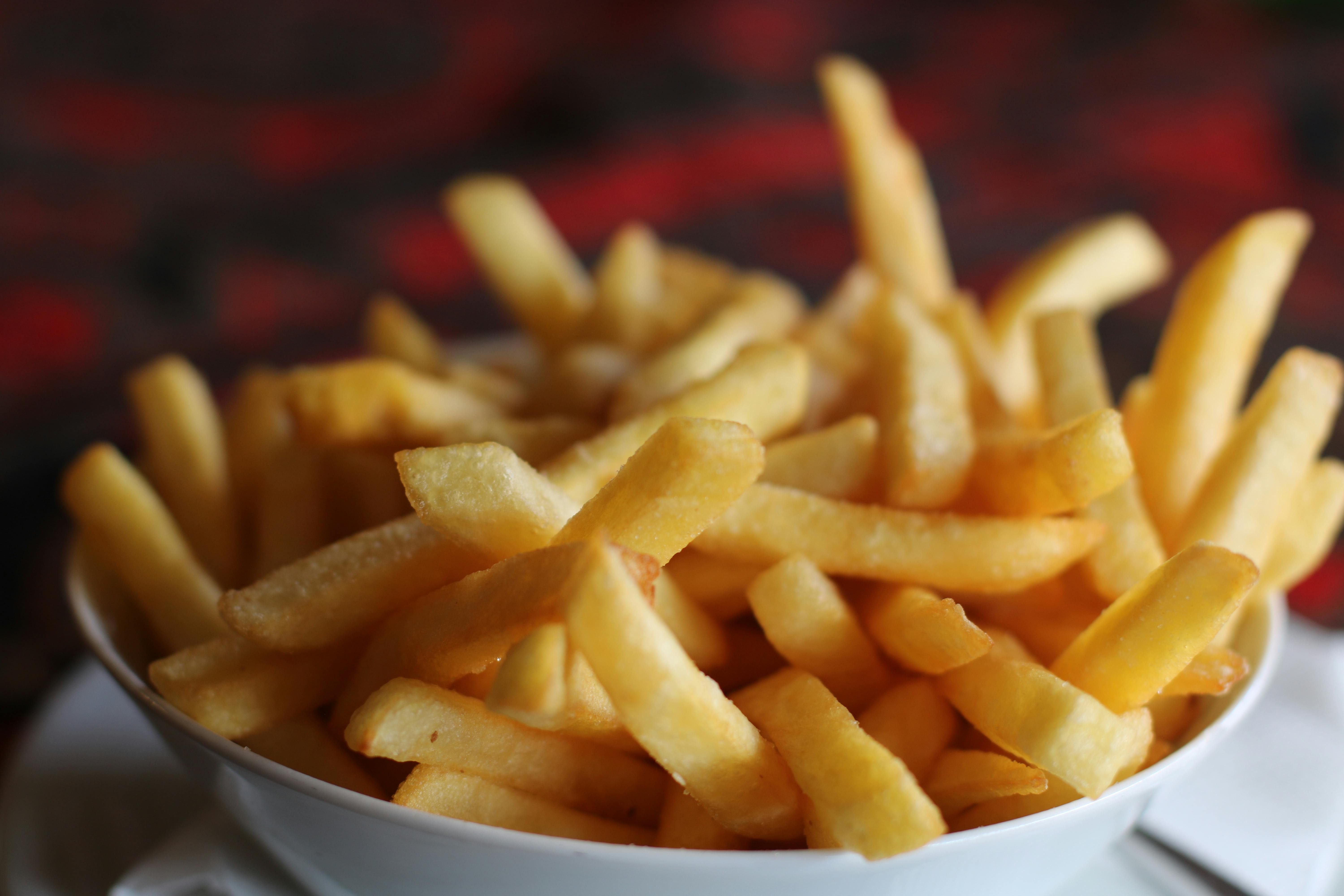
Fresh broccoli stems ready for dog food prep


The Major Risks: What You Need to Know

Before you hand over that stalk, you need to know the risks. Broccoli is not risk-free, and size matters.

1. The Choking Hazard (The “Gulpers”)

This is the biggest danger with stems. Broccoli stalks are very dense and hard. If you have a dog that “inhales” food without chewing (you know who they are), a large chunk of broccoli stem can get lodged in their esophagus.

The Fix: Never give a whole stalk to a dog. Slice it into thin rounds (like coins) or small cubes. If you have a small dog, steam it until it is soft to prevent blockage.

2. Gastric Irritation (Isothiocyanates)

Here is the science part. Broccoli florets (the top green part) contain a compound called Isothiocyanates. While this compound fights cancer in small doses, in large doses, it is a severe gastric irritant for dogs.

If a dog eats too much broccoli (more than 10% of their daily diet), this compound can cause nausea, vomiting, and severe diarrhea.

The Good News: The stems actually contain LESS of this compound than the florets! So, structurally, the stems are safer for the stomach than the tops, provided they are chewed well.

3. The Gas Factor (Flatulence)

Let’s be real. Broccoli causes gas. It contains complex sugars (Raffinose) that dogs cannot fully break down in the stomach. These sugars travel to the large intestine, where bacteria ferment them.

The result? Gas.

If you feed your dog a lot of broccoli stems, be prepared to clear the room later. The gas can be potent. If your dog already has a sensitive stomach, skip the broccoli and choose green beans instead.


Raw vs. Cooked: The Great Debate

When asking “can dogs eat broccoli stems,” the preparation method changes the safety profile entirely.

Raw Broccoli Stems

Pros: Preserves all the vitamins (heat destroys some Vitamin C). Great crunch factor for teeth.

Cons: Very hard to digest. Tough to chew. Higher risk of intestinal blockage if swallowed in chunks.

Verdict: Only for large dogs with strong teeth, and ONLY if cut into very small pieces.

Cooked (Steamed) Broccoli Stems

Pros: Softens the fiber, making it easy to digest. Removes the choking risk almost entirely. Breaks down some of the gas-causing sugars.

Cons: Loses a tiny bit of vitamin content (but still healthy).

Verdict: The BEST and SAFEST way to serve it. Steam it for 5-7 minutes until you can pierce it with a fork. Do not use butter, salt, oil, or garlic.


How to Prepare Broccoli Stems for Dogs (Step-by-Step)

Don’t just throw the woody end on the floor. Treat it like a meal ingredient to ensure safety.

Step 1: The Wash

Rinse the stems thoroughly. Broccoli heads can trap dirt and pesticides.

Step 2: The Peel (Crucial Step)

Have you ever noticed that the outside of a broccoli stem is stringy and tough? That outer layer is very hard for dogs to digest.

Tip: Use a vegetable peeler to shave off the tough green skin. Underneath, you will find the “Broccoli Marrow”—a lighter, crisper, and sweeter part of the stem. This is the gold!

Step 3: The Cut

Slice the peeled stem into coin-sized rounds. If you have a tiny dog, chop those rounds into quarters.

Step 4: The Cook (Optional)

Steam or boil plain water. No salt. Let them cool completely before serving.
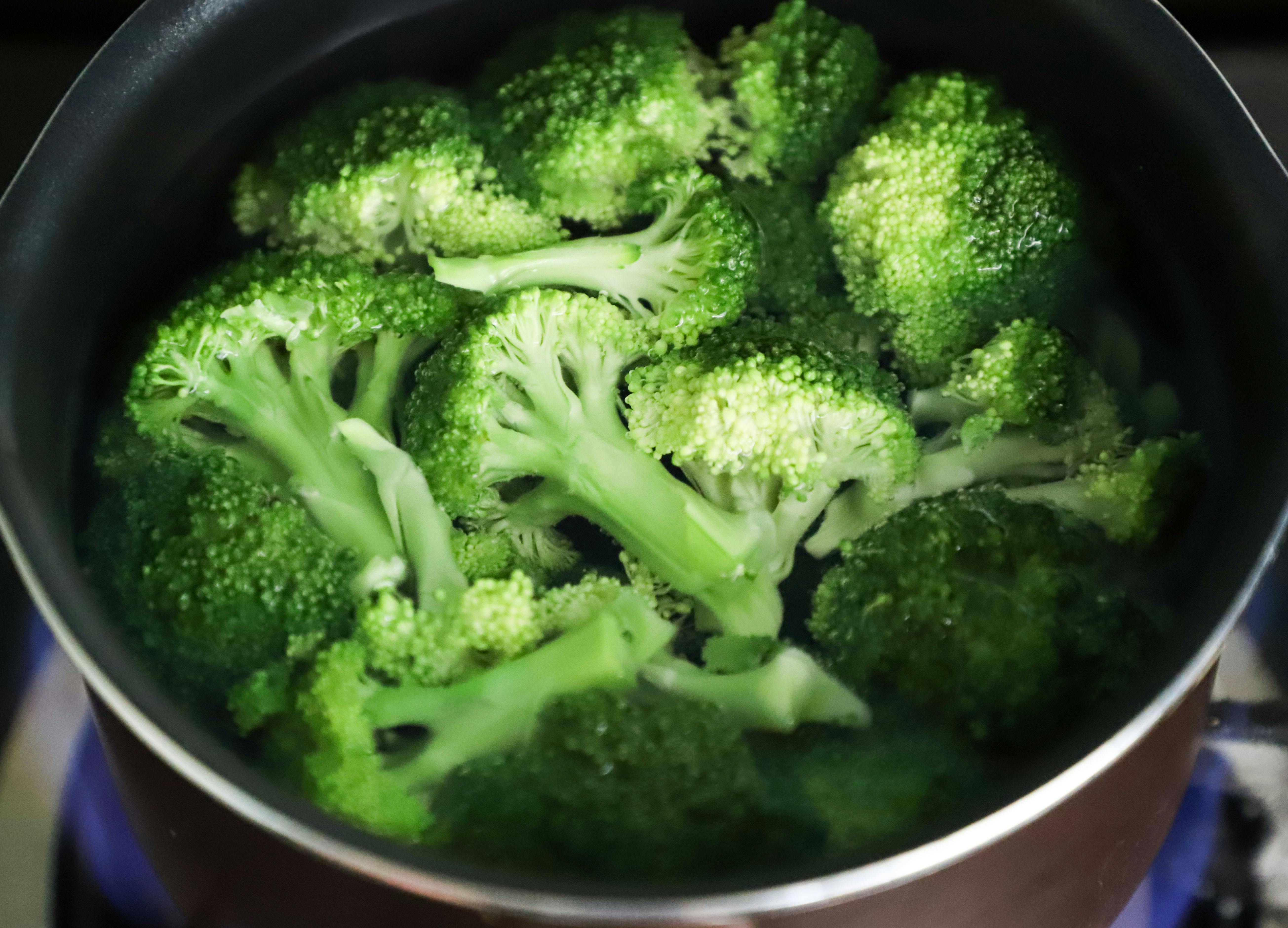
Dog waiting for healthy vegetable treat


Frequently Asked Questions (FAQ)

Q: Can dogs eat cauliflower stems too?
A: Yes! Cauliflower is basically broccoli’s pale cousin. The same rules apply: it causes gas, so feed in moderation, and cooking it is preferred to prevent choking.

Q: My dog ate a huge piece of raw stem. What do I do?
A: Don’t panic immediately. If they swallowed it and aren’t choking (coughing/wheezing), it will likely digest slowly. Watch them for signs of obstruction over the next 24 hours: vomiting, trying to poop but can’t, or a painful belly. If you see these signs, go to the vet.

Q: Can I give my dog broccoli with cheese sauce?
A: No. While humans love broccoli and cheddar, cheese sauce is high in fat, salt, and lactose. It can cause Pancreatitis or diarrhea. Keep the veggies plain.

Q: Is broccoli safe for puppies?
A: In tiny amounts, yes. But puppy digestive systems are very sensitive. The high fiber might cause diarrhea, which is dangerous for a puppy (dehydration risk). Stick to easier treats like carrots or sweet potatoes for babies until they are older.

Q: Can dogs eat frozen broccoli?
A: Yes! Frozen broccoli florets or stems are great. They are usually pre-blanched (cooked slightly), so they are safe. You can give them frozen as a crunchy summer treat, or thaw them out.

Final Thoughts

So, can dogs eat broccoli stems? Yes, they are a fantastic, eco-friendly way to reduce food waste and give your dog a vitamin boost.

The secret is in the prep. Peel the tough skin, chop them small, and preferably steam them. Your dog will love the crunch, and you’ll love knowing you’re adding healthy fiber to their diet without spending a fortune on fancy treats.

Just remember: Moderation. A few pieces are a treat. A whole bowl is a recipe for a very smelly evening.

Looking for more veggie ideas? Check out our article on Apple Skins and other safe snacks in the comprehensive Nutrition section.

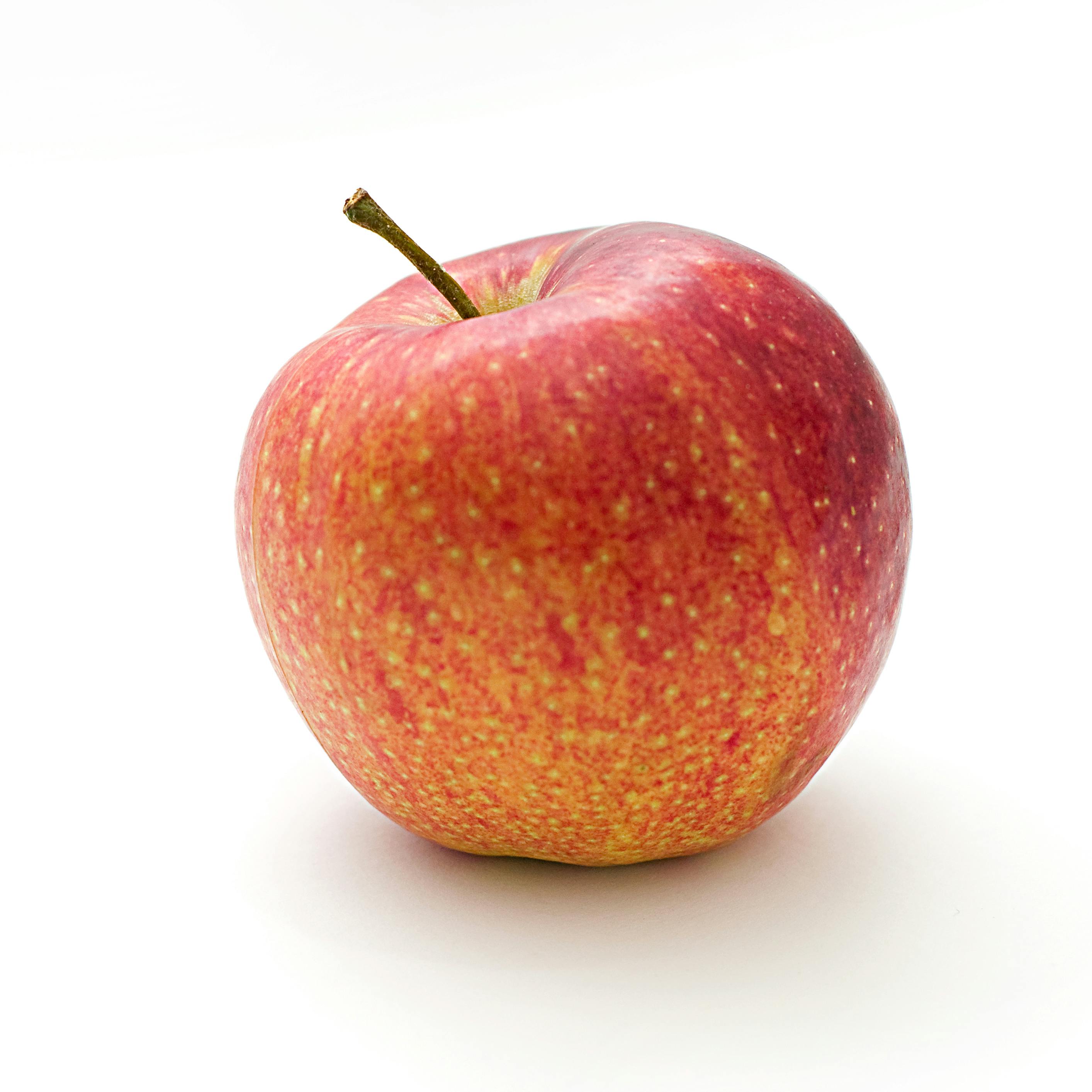
Can Dogs Eat Apple Skin and Seeds? Cyanide Risks Explained

Can Dogs Eat Apple Skin and Seeds? Cyanide Risks Explained

It is a crisp autumn afternoon. You are standing at the kitchen counter, knife in hand, slicing into a bright red, juicy apple. The sound of the crunch echoes through the room. Almost instantly, you hear the familiar click-clack of claws on the floor tiles.

You look down. Your dog is sitting there, tail sweeping the floor, eyes wide and pleading. They watch the apple slice move from the cutting board to your mouth with laser focus. A long ribbon of apple peel falls onto the floor, and your dog lunges for it.

But you freeze. You hesitate. A sudden wave of worry washes over you.

You remember reading somewhere that fruit seeds are poisonous. You wonder about the wax on the skin. Is the peel too tough for them to digest? Will it cause a blockage? Is this healthy treat actually a hidden danger?

If you have ever found yourself frantically Googling “Can dogs eat apple skin?” while wrestling a piece of fruit out of your dog’s mouth, you are not alone. As a canine nutrition specialist, this is one of the top questions I receive. We want to share healthy, human foods with our pets, but the line between “safe” and “toxic” can be blurry.

The good news is that apples are generally one of the safest, healthiest treats you can find. The bad news? There are parts of the apple that are toxic, and preparation matters.

In this massive, definitive guide, we are going to dissect the apple—literally. We will explore the nutritional science of Pectin and Vitamin A, debunk the myths about Cyanide in seeds (and calculate exactly how many seeds are dangerous), and provide you with vet-approved recipes to turn this humble fruit into a super-treat.

🍎 The Quick Verdict: Safe or Toxic?

If you are in a rush, here is the cheat sheet. Can dogs eat apple skin? YES.

  • Apple Flesh:SAFE. Excellent source of vitamins and hydration.
  • Apple Skin:SAFE. Packed with fiber (Pectin) and antioxidants. Wash it first!
  • Apple Seeds:TOXIC. Contain Amygdalin (Cyanide). Dangerous in large amounts.
  • Apple Core: ⚠️ RISKY. A major choking hazard and intestinal blockage risk.

The Nutritional Powerhouse: Why Share Apples?

Before we talk about the dangers, let’s look at why apples are often called “Nature’s Toothbrush” for dogs. Unlike processed dog treats which are often full of fillers, glycerin, and artificial preservatives, an apple is 100% natural.

1. Dietary Fiber (Pectin)

Apple skin is loaded with Pectin, a type of soluble fiber. Fiber is the unsung hero of canine health.

  • For Diarrhea: Pectin absorbs water in the gut, which can help firm up loose stools.
  • For Constipation: It adds bulk to the waste, helping things move along.
  • Gut Health: Pectin acts as a prebiotic, feeding the “good bacteria” in your dog’s microbiome.

2. Vitamin A (The Immune Booster)

While dogs naturally produce some vitamins, they benefit greatly from dietary sources. Vitamin A is crucial for:

  • Vision: Keeping their eyesight sharp, especially in senior dogs.
  • Skin & Coat: Promoting shiny fur and reducing flaky skin.
  • Immune System: Helping their body fight off minor infections.

Most of the Vitamin A in an apple is concentrated in the skin. Peeling it throws away the best part!

3. Vitamin C (The Antioxidant)

Stress, exercise, and aging cause “oxidative stress” in dogs. Vitamin C fights this. It helps reduce inflammation in joints (great for arthritic dogs) and keeps their cognitive function sharp.

4. Low Calorie, Low Fat

Obesity is an epidemic in pets. A medium apple has about 90 calories, but a few slices have less than 10. Compared to a strip of bacon or a piece of cheese, apple slices provide a satisfying “crunch” and sweetness without the fat that triggers Pancreatitis.

Dog looking at fresh red apples


The Danger Zone: The Truth About Apple Seeds (Cyanide)

This is the part that terrifies owners. You have heard the rumor: Apple seeds contain Cyanide.

Is it true? Yes.

The Science of Amygdalin

Apple seeds contain a compound called Amygdalin. On its own, the seed is harmless if swallowed whole. However, if a dog (or human) chews the seed and crushes the hard outer shell, enzymes in the stomach react with the Amygdalin and release Hydrogen Cyanide into the bloodstream.

Do I Need to Panic if My Dog Ate One Seed?

Probably not. Toxicology is all about the dose.

A medium-sized dog (like a Labrador) would need to crunch and ingest a huge amount of seeds—likely the seeds from 10 to 20 apples all at once—to suffer fatal poisoning. The body can detoxify small amounts of cyanide naturally.

However, risks are higher for:

  • Small Dogs: A Chihuahua or Yorkie has a much lower tolerance.
  • Accumulation: Feeding seeds daily over time puts stress on the liver.

The Rule: Always core the apple. Never throw the whole apple to your dog to play with. It isn’t worth the risk.

Symptoms of Cyanide Poisoning

If your dog raided an apple orchard and ate rotting apples with seeds, watch for:

  • Brick-Red Gums: The gums turn a bright, unnatural red (unlike the pale gums of shock).
  • Dilated Pupils: Eyes look black and wide.
  • Panting: Trying to get oxygen.
  • Tremors or Collapse.

(If you see these signs, drive to the Emergency Vet immediately).


The Risk of the Core: Choking and Blockages

Even if you removed every single seed, the core itself is dangerous.

Can dogs eat apple cores? No.

The core is firm, tough, and circular. It is the perfect size to get lodged in a dog’s throat (choking) or, worse, get stuck in their small intestine (bowel obstruction).

I have seen dogs require $3,000 surgery to remove an apple core that acted like a cork in their intestines. It simply isn’t worth the risk. Cut around the core and throw it in the compost.


Apple Skin: To Peel or Not to Peel?

So, back to the original question: Can dogs eat apple skin?

You do not need to peel the apple for an adult, healthy dog. The skin is where the nutrients live. In fact, peeling it removes most of the fiber and Vitamin A.

However, there are 2 Exceptions:

1. Pesticides and Wax

Grocery store apples are often coated in food-grade wax to make them shiny and keep them fresh. They are also part of the “Dirty Dozen” (fruits with high pesticide residue).

Solution:

Wash Thoroughly: Rinse with warm water and scrub with a veggie brush or a vinegar soak.

Buy Organic: If possible, organic apples have fewer chemicals.

Peel: If you can’t wash them well, peeling is safer to avoid chemical ingestion.

2. Sensitive Stomachs

The fiber in the skin is tough. If you have a puppy, a senior dog with missing teeth, or a dog with a very sensitive stomach (prone to gas), the skin might be hard to digest. It could cause a little gas or vomiting. For these dogs, peeled slices are safer.


Green vs. Red: Does the Type Matter?

Does it matter if you feed a Granny Smith or a Fuji apple?

  • Red Apples (Fuji, Gala, Honeycrisp): These are sweeter and contain more natural sugar (fructose). Most dogs prefer these.
  • Green Apples (Granny Smith): These are tart and acidic. While safe, the high acid content can cause a tummy ache or acid reflux in some dogs. Limit green apples to smaller quantities.

Safe Serving Suggestions (Recipes)

Bored of just handing over a slice? Here are 3 vet-approved ways to make apples exciting.

1. Frozen Apple Cubes (Summer Treat)

Cut the apple (skin on) into small cubes. Place them on a baking sheet and freeze them. On a hot summer day, these make fantastic, hydrating, crunchy treats that help cool your dog down.

2. The “Apple Pie” Kong

1. Dice an apple into small pieces.

2. Mix with a spoonful of plain, unsweetened Greek Yogurt or Xylitol-free Peanut Butter.

3. Stuff the mixture inside a Kong toy.

4. Freeze for 2 hours.

This creates a long-lasting enrichment activity that keeps them busy.

3. Apple & Oat Topper

Grate a fresh apple over their boring dry kibble. The moisture and sweetness will encourage picky eaters to finish their dinner. You can also mix in a sprinkle of cooked oatmeal for extra fiber.


Frequently Asked Questions (FAQ)

Q: Can dogs eat applesauce?
A: Only if it is unsweetened and plain. Most commercial applesauce jars contain added sugar, high-fructose corn syrup, or preservatives that are bad for dogs. Check the label carefully. Making your own by boiling and mashing apples is the safest bet.

Q: My dog ate a rotten apple off the ground. Is he okay?
A: Be careful. Rotting (fermenting) apples contain ethanol (alcohol). If a small dog eats enough rotten apples, they can actually get alcohol poisoning. Watch for signs of wobbliness, vomiting, or lethargy.

Q: Can diabetic dogs eat apples?
A: Apples contain natural sugar (fructose). While healthier than candy, they still spike blood sugar. If your dog has diabetes, consult your vet. They may allow a very small slice, but generally, green vegetables like cucumbers or green beans are a better treat for diabetic dogs.

Q: Can puppies eat apples?
A: Yes, puppies can eat apples. It is great for teething! Just cut them into very small pieces to prevent choking, and perhaps peel them for the first few times to make digestion easier on their baby tummies.

Final Thoughts

So, can dogs eat apple skin? The answer is a resounding Yes! It is a healthy, crunchy, vitamin-packed snack that most dogs adore.

The danger lies entirely in the seeds (cyanide) and the core (choking). As long as you treat the apple like you would for a human toddler—washed, cored, and sliced—it is one of the safest human foods you can share.

Next time you hear that crunch, feel free to toss a slice to your good boy. He’s earned it!

Want to know about other fruits in your fruit bowl? Check out our guide on Bananas and other pantry staples in our comprehensive Dog Nutrition & Diet section.

Can Dogs Eat Canned Tuna? Mercury Risks & Water vs. Oil

Can Dogs Eat Canned Tuna

It’s lunchtime. You reach into the pantry and grab a small tin can. The sound of the can opener piercing the metal is barely audible, yet somehow, your dog hears it from three rooms away. They come sprinting into the kitchen, skidding on the tiles, looking up at you with pure desperation.

The smell of tuna fills the air. It’s fish, so it must be healthy, right? Dogs love meat, and tuna is meat. In fact, many high-end dog foods list “Fish” as a primary ingredient.

But then you pause. You remember hearing something about mercury poisoning. You wonder about the salt content in the can. You ask yourself: Can dogs eat canned tuna?

As a pet nutritionist, I treat tuna as a “double-edged sword.” It is an incredible source of lean protein and Omega-3 fatty acids, but it carries risks that other fish (like salmon, sardines, or whitefish) do not. Feeding your dog the wrong kind of canned tuna—or feeding it too often—can lead to serious health issues ranging from Pancreatitis to heavy metal toxicity.

In this deep-dive guide, we will open the lid on the tuna debate. We will explain the critical difference between “Chunk Light” and “Albacore,” why oil-packed tuna is a recipe for disaster, and how to safely share this pantry staple with your pup.

🐟 The Golden Rules: Water vs. Oil

If you are standing in the kitchen right now, look at the label. Can dogs eat canned tuna? Yes, BUT only specific kinds.

  • ✅ Tuna in Water: SAFE (in moderation). This is the only type you should feed.
  • ❌ Tuna in Oil: DANGEROUS. High fat content causes Pancreatitis and upset stomach.
  • ❌ Tuna with Spices: TOXIC. Garlic, Onion, or “Lemon Pepper” flavors are toxic to dogs.
  • ⚠️ Frequency: Once a week max (due to Mercury risks).

The Benefits: Why Tuna is a Super Snack

When asking “can dogs eat canned tuna,” we first look at the nutritional profile. Despite the risks, it is undeniably nutrient-dense and can be a lifesaver for picky eaters.

1. Lean Protein Powerhouse

Tuna is almost pure protein with very little fat (if packed in water). This makes it an excellent treat for overweight dogs who need to feel full without the calories of a fatty biscuit. It supports muscle growth and repair without expanding their waistline.

2. Omega-3 Fatty Acids

Fish oils are famous for a reason. They contain EPA and DHA, essential fatty acids that support:

  • Coat Health: Making fur shiny, soft, and reducing shedding.
  • Joint Health: Reducing inflammation in arthritic or senior dogs.
  • Brain Function: Essential for cognitive health in puppies and aging dogs.

3. Vitamins and Minerals

Tuna is rich in Selenium (an antioxidant), Magnesium, and Potassium, as well as Vitamins B3, B6, and B12, which boost energy metabolism. If your dog seems lethargic, a B12 boost can help.

Can of tuna fish healthy for dogs


The Big Risk: Mercury Poisoning

This is the main reason why tuna cannot be a daily meal for dogs. Unlike salmon or sardines, tuna carries a heavy metal risk.

The Bioaccumulation Problem:

Tuna are large, long-living predatory fish. They eat smaller fish, absorbing the mercury from them. Over time, this heavy metal accumulates in their tissues. Since dogs are much smaller than humans, their tolerance for mercury is much lower.

Symptoms of Mercury Poisoning in Dogs

If a dog eats tuna daily for months, mercury builds up in their system, leading to:

  • Loss of coordination (wobbliness or dizziness).
  • Blindness or vision changes.
  • Kidney damage (increased thirst/urination).
  • Tremors, anxiety, and hair loss.

Albacore vs. Skipjack (The Buyer’s Guide)

Not all tuna is equal. The species matters.

1. Albacore (White Tuna): These are larger fish. They contain almost 3 times more mercury than smaller tuna. Limit this strictly or avoid it for dogs.

2. Skipjack (Chunk Light): These are smaller fish with shorter lifespans. They contain significantly lower mercury levels. This is the safer choice for pets.

Verdict: Always buy “Chunk Light” tuna for your dog to minimize risk.


The Oil Trap: Why “Packed in Oil” is Bad

You might think, “Oil is good for their coat, right? My vet told me to give fish oil.”
Wrong.

The oil in canned tuna is usually soybean oil, vegetable oil, or sunflower oil. These are:

  1. High in Omega-6: Too much Omega-6 promotes inflammation (the opposite of Omega-3).
  2. Calorie Dense: A can in oil has double the calories of a can in water.
  3. Greasy: A sudden influx of this grease can trigger Pancreatitis.

What is Pancreatitis?

It is a painful, life-threatening inflammation where the pancreas starts digesting itself. Symptoms include severe vomiting, a hunched back (pain), and refusal to eat.

Rule: Always verify the label says “Packed in Water.”


The Salt Warning (Sodium Poisoning)

Canned food is notorious for sodium. It acts as a preservative. A single can of tuna might contain 300mg+ of salt.

Salt Toxicity (Hypernatremia) happens if a dog eats massive amounts of salt without access to water. It causes brain swelling and seizures. Even in smaller amounts, excess salt creates intense thirst and puts stress on the kidneys and heart.

The Solution:

Even if you buy tuna in water, drain the water thoroughly and put the fish in a colander (strainer). Rinse it under the tap for 30 seconds. This washes away a significant amount of the excess sodium.


How to Serve Tuna Safely (Step-by-Step)

If you want to boost your dog’s bowl without the risk, follow this safety recipe:

  1. Buy: “Chunk Light Tuna in Water” (Look for “No Salt Added” labels if available).
  2. Drain: Remove all the liquid from the can.
  3. Rinse: Give it a quick rinse under cold tap water to remove salt.
  4. Serve: Mix 1 tablespoon into their kibble as a “topper.” Do not give the whole can at once.

Pro Tip for Sick Dogs:

Because tuna has such a strong, pungent aroma, it is a fantastic appetite stimulant. If your dog is sick, recovering from surgery, or refusing to eat their bland diet, mixing a tiny bit of tuna juice (water) into their food can trick them into eating.

Dog eating healthy food from a bowl


Frequently Asked Questions (FAQ)

Q: Can dogs eat Tuna Salad with mayo?
A: NO. Tuna salad often contains mayonnaise (high fat), onions, and garlic powder. Onions and garlic are toxic to dogs; they damage red blood cells causing anemia. Never share your sandwich filling.

Q: Can dogs eat raw tuna (Sushi)?
A: It is risky. Raw fish contains an enzyme called Thiaminase which breaks down Vitamin B1 (Thiamine). Over time, this causes vitamin deficiency. Raw fish also carries parasites like flukes or roundworms. Cooked or canned is much safer.

Q: Can dogs eat salmon instead?
A: Yes! Canned salmon (in water, bones removed) is actually better than tuna. It has lower mercury levels and higher Omega-3s. It is the gold standard for fish treats.

Q: My dog ate a whole can of tuna in oil by accident. What do I do?
A: Don’t panic. One can won’t cause mercury poisoning. The risk is the oil. Watch for vomiting or diarrhea (upset stomach) for the next 24 hours. Feed a bland diet (rice and chicken) for the next meal to help settle the stomach. If they vomit repeatedly, call the vet.

Final Thoughts

So, can dogs eat canned tuna? Yes, as a special, occasional treat. Think of it like a “Friday Night Takeout” for your dog, not a daily vitamin.

It is nutritious, delicious, and convenient. Just remember the golden rules: Stick to “Chunk Light,” choose “Water Packed,” rinse off the salt, and keep portions small. Your dog will thank you for the tasty topper, and you can rest easy knowing you avoided the risks.

Looking for more safe human foods to share? Check out our guide on Shrimp Safety and other pantry staples in our comprehensive Dog Nutrition section.

Can Dogs Eat Pork Bones? Why Ribs Are Dangerous (Vet Alert)

Can Dogs Eat Pork Bones?

It is BBQ season. The grill is fired up, the smell of smoky meat fills the backyard, and you have just finished a rack of delicious, tender pork ribs. The meat is gone, and a pile of bones sits on your plate.

Your dog is sitting next to you, mesmerized. They nudge your hand. They give you the “puppy eyes.” In cartoons, dogs always chew on bones. It seems like their natural purpose in life. You might think, “It’s just a bone, dogs in the wild eat bones, what’s the harm?”

You reach out to give them a leftover rib bone. STOP! Put it down.

If you are grabbing your phone to search “Can dogs eat pork rib bones?”, the answer is a hard, life-saving NO. While big beef marrow bones can sometimes be safe recreational chews, pork bones are a completely different story.

As a veterinary professional, I have seen more emergency surgeries caused by pork bones than almost any other table scrap. They are brittle, they splinter into microscopic needles, and they are enticingly delicious, which makes dogs swallow them whole without thinking.

In this urgent safety guide, we will explain why pork bones are uniquely dangerous compared to other bones, what “Splintering” actually looks like inside the stomach, the risk of parasites in raw pork, and the exact triage steps to take if your dog managed to steal one off the table.

☠️ The Safety Alert: Why Pork Bones are Banned

Can dogs eat pork bones? Absolutely NOT.

Whether cooked, raw, smoked, or boiled, pork bones are highly unsafe because:

  • Splintering: They break into razor-sharp shards, not clean chunks.
  • Choking Hazard: Rib bones are the perfect size to lodge in the throat.
  • Trichinosis (Raw): Raw pork carries specific parasites that beef does not.
  • Pancreatitis: The high fat content on leftover bones can trigger inflammation.

The Physics of a Pork Bone Injury

You might be wondering, “My dog chews sticks, why not this?” The answer lies in the density of the bone.

Pork bones (especially ribs and chop bones) are significantly less dense than cow (beef) bones. When a dog bites down with their powerful jaw—which can exert hundreds of pounds of pressure per square inch—the pork bone doesn’t just crack; it shatters.

The “Shrapnel” Effect

Imagine chewing on a piece of glass. That is effectively what a splintered pork bone acts like inside your dog’s digestive tract.

Dog looking at dangerous pork bones on table

When swallowed, these sharp shards can cause three types of damage:

  1. Mouth Injuries: The shards can slice the gums, tongue, or get wedged across the roof of the mouth (a bone cross), causing panic and pain.
  2. Esophageal Laceration: As the bone travels down, sharp edges can cut the esophagus. This is incredibly painful and difficult to heal.
  3. Gastrointestinal Perforation: This is the killer. If a sharp bone pokes a hole in the stomach or intestine, gut bacteria leak into the sterile abdomen. This causes Septic Peritonitis, a rapidly fatal infection that requires emergency surgery and has a long recovery time.

Cooked vs. Raw: Is Either Safe?

When asking “can dogs eat pork bones,” people often try to find a loophole. Is raw safer? Is boiled safer?

Cooked Bones (The Danger Zone)

NEVER give a cooked bone. Cooking dries out the collagen structure inside the bone. Collagen is what makes bones slightly flexible. Without it, the bone becomes like dry pottery. A cooked pork rib will snap into sharp needles instantly upon contact with teeth.

Raw Pork Bones (Still Risky)

Proponents of raw feeding (BARF diet) might say raw bones are soft. While raw bones are less likely to splinter than cooked ones, raw PORK specifically carries a biological risk: Trichinella spiralis.

This parasite causes Trichinosis, a muscle infection. While rare in commercial pork, the risk exists. Furthermore, even raw pork ribs are small enough to be a choking hazard for large dogs who might try to swallow them whole in excitement (“Gulpers”).


My Dog Ate a Pork Bone: What Do I Do? (Emergency Protocol)

Accidents happen. You turned your back, and the bone is gone. You are panicking. Follow this triage plan immediately.

1. Do Not Induce Vomiting ❌

This is the most important rule. Unlike chocolate or poison, you do not want to bring a bone back up.
Why? Because the sharp edges can slice the esophagus on the way back up, causing more damage than staying down. Plus, a rib bone can get stuck in the throat, blocking the airway.

2. The “Bread Cushion” Method

If the bone was swallowed recently (within 1 hour), your goal is to cushion it.

Feed your dog:

  • Several slices of soft white bread.
  • Balls of sticky white rice.
  • Mashed potatoes.

The idea is that the soft, bulky food will wrap around the sharp bone shards in the stomach, forming a protective “cocoon” that helps it pass through the intestines safely.

3. Monitor for 48-72 Hours

You are now on “Poop Patrol.” Watch your dog like a hawk. You want to see the bone fragments pass in the stool.

🚨 Go to the ER Vet immediately if you see:

  • Vomiting: Especially if it contains blood or looks like coffee grounds.
  • Bloody Stool: Bright red blood or black, tarry stool (Melena).
  • Lethargy: Refusing to play or eat.
  • “Prayer Position”: Stretching front legs out while keeping the butt in the air. This is a classic sign of severe abdominal pain.

Vet checking dog stomach for blockage


The Hidden Risk: Pancreatitis

Even if the bone passes safely, you aren’t out of the woods. Pork bones (especially ribs) are usually covered in fat, BBQ sauce, and spices.

A sudden intake of fat can trigger Pancreatitis within 24 to 48 hours. This is an inflammation of the pancreas that causes severe vomiting and dehydration.

Warning Signs: If your dog vomits multiple times a day after eating the bone, it might not be a blockage; it might be their pancreas.


Safe Alternatives: What To Chew Instead

Your dog needs to chew. It releases endorphins, cleans their teeth, and calms their anxiety. Instead of dangerous pork bones, try these safe, vet-approved alternatives:

1. Raw Beef Marrow Bones (Recreational)

Large, dense beef femur bones (soup bones) are generally safe for gnawing. They are too hard to break, so the dog just scrapes the meat off.

Note: Take it away once the meat is gone so they don’t break a tooth.

2. Rubber Kong Toys

Stuff a classic Kong toy with peanut butter or yogurt and freeze it. It provides the same 30-minute distraction as a bone but is indestructible and safe.

3. Bully Sticks

These are made from dried beef muscle (pizzle). They are fully digestible. If your dog swallows a chunk, their stomach acid will break it down easily. They are the safest “edible” chew.

4. Dental Chews (VOHC Accepted)

Look for the “Veterinary Oral Health Council” seal on dental treats. These are proven to reduce plaque without breaking teeth.


Frequently Asked Questions (FAQ)

Q: Can dogs eat pork chop bones?
A: No. Chop bones are even sharper than rib bones when they break. They usually have a jagged point that acts like a needle.

Q: My dog chewed the bone but didn’t swallow it. Is he okay?
A: Check his mouth. Pork bone splinters can get stuck between teeth or wedged across the roof of the mouth. If he is pawing at his mouth or drooling, he might have a splinter stuck in his gums.

Q: Can dogs eat ham bones?
A: No. Ham bones are not only brittle pork bones, but they are also cured with massive amounts of salt. This can lead to salt toxicity (dehydration and brain swelling) in addition to the splinter risk.

Q: Why do pet stores sell “Smoked Pork Bones” if they are bad?
A: Good question. Many vets argue they shouldn’t. While smoking toughens the bone slightly, they can still splinter. Just because it is sold in a store doesn’t mean it is 100% safe. Supervise closely if you choose to use them, but beef is always safer.

Final Thoughts

So, can dogs eat pork bones? No. The risk simply isn’t worth the reward.

It takes just one bad splinter to turn a tasty treat into a tragedy. Keep the ribs for yourself, throw the bones in a secure, dog-proof trash can, and give your dog a safe chew toy or a Bully Stick instead. They will be just as happy with the treat, and you will sleep better knowing their stomach is safe.

For more warnings on household dangers, verify your pantry with our Toxic Foods List in the Safety Center.

Can Dogs Eat Cottage Cheese for Diarrhea? Safety & Dosage Guide

Can Dogs Eat Cottage Cheese for Diarrhea? Safety & Dosage Guide

It starts with a rumble in the tummy. Then, the urgent scratching at the door. Before you know it, you are dealing with the dreaded “doggy disaster”—diarrhea.

There is nothing more stressful (and messy) for a pet owner than a dog with an upset stomach. You want to help them feel better, but you know their regular kibble might just make things worse.

You open the fridge, looking for something bland and soothing. You spot a tub of white, lumpy cheese. You recall hearing that dairy is bad for dogs, but you also remember your grandmother feeding cheese to her sick pup.

You pause and ask: Can dogs eat cottage cheese? specifically, is it good for diarrhea?

As a canine nutrition specialist, I often recommend a “Bland Diet” for recovering dogs. While boiled chicken and rice are the gold standard, cottage cheese is the unsung hero of the recovery menu—if you choose the right kind.

In this comprehensive guide, we will explore the science behind this dairy product. We will discuss why it helps (protein + probiotics), why it might hurt (lactose intolerance), and the exact spoonful dosage to settle your dog’s stomach without causing a relapse.

🧀 The Quick Verdict: Good or Bad?

Yes, dogs can eat cottage cheese. It is generally safe and beneficial for mild stomach upsets.

  • The Good: High protein, low fat (if you buy the right one), and easy to digest.
  • The Catch: It contains lactose. If your dog is lactose intolerant, it will make diarrhea worse.
  • The Rule: Stick to Low-Fat or Fat-Free varieties. Never feed full-fat to a sick dog.

Why Cottage Cheese is a “Superfood” for Sick Dogs

When asking “can dogs eat cottage cheese,” we are usually looking for a protein source that is gentle on the gut. Here is why vets often prefer it over regular cheese or even meat in some cases.

1. High Digestibility

Unlike a tough piece of steak or high-fiber vegetables, cottage cheese is soft and breaks down easily in the stomach. When the digestive system is inflamed (Gastritis or Colitis), it needs food that requires very little “work” to digest. The curds provide essential energy without taxing the gut.

2. A Bland Protein Source

During diarrhea, a dog loses nutrients rapidly. They need protein to repair tissue and keep their immune system strong. Cottage cheese is packed with Casein protein, which is slow-digesting and provides a steady stream of amino acids.

3. Calcium and Phosphorus

Just like for humans, it is a bone-building powerhouse. While a sick dog doesn’t strictly need extra calcium for a 2-day illness, it is a healthy bonus for pregnant mothers or growing puppies.

4. Probiotics (The Gut Healers)

Some (but not all) cottage cheese brands contain live active cultures. These are good bacteria that help restore the microbiome balance in your dog’s intestine. Diarrhea often flushes out good bacteria; fermented dairy can help put them back.

Dog resting and recovering from stomach upset


The Risk Factor: The Lactose Paradox

Here is the confusing part. We are told “Dairy is bad for dogs,” yet we are also told “Cottage cheese is good for diarrhea.” How can both be true?

It comes down to Fermentation.

The Science:

Fresh milk is high in lactose (milk sugar). Many adult dogs lack the enzyme (lactase) to break this sugar down. This leads to gas and diarrhea.

However, when milk is turned into cottage cheese, the fermentation process removes or breaks down a significant amount of that lactose. Therefore, cottage cheese is lower in lactose than whole milk.

The Test:

Most dogs handle it fine. But some are hyper-sensitive. If you have never fed dairy to your dog before, do not use a diarrhea episode as your first experiment! Try a teaspoon when they are healthy first.


Fat Content: The Danger of Pancreatitis

This is the most critical warning in this guide.

Can dogs eat cottage cheese that is “Creamy” or “4% Milkfat”?

NO.

When a dog has an upset stomach, fat is the enemy. Fat is hard to digest and stimulates the pancreas. Feeding high-fat foods to a sick dog can trigger Pancreatitis—a life-threatening inflammation.

Always Buy:

  • Fat-Free (0%)
  • Low-Fat (1% or 2%)

Never Buy:

  • Regular / Full Fat (4%+)
  • “Large Curd” styles (often creamier/fattier)
  • Varieties with added pineapple or fruit (Sugar risk).

Dosage Guide: How Much to Feed?

You bought the Low-Fat tub. Now, how much do you give? Overdoing it creates the “Too Much of a Good Thing” effect.

Use the “10% Rule.” Treats and toppers should never exceed 10% of their daily calories. However, for a therapeutic bland diet, we use a specific ratio.

The “Bland Diet” Recipe

If replacing a meal to treat diarrhea, mix cottage cheese with a bland carbohydrate.

  • The Ratio: 2 parts Starch (White Rice or Boiled Potato) to 1 part Protein (Cottage Cheese).
  • Small Dog (10-20 lbs): 1 tablespoon of cheese + 2 tablespoons of rice.
  • Medium Dog (30-50 lbs): 1/4 cup of cheese + 1/2 cup of rice.
  • Large Dog (60+ lbs): 1/2 cup of cheese + 1 cup of rice.

Feed this small meal 3-4 times a day instead of one big meal. Small, frequent meals are easier on a sick stomach.

Healthy fresh food bowl for dog


Cottage Cheese vs. Yogurt: Which is Better?

This is a common debate. Both are fermented dairy. Which wins?

  • Yogurt (Greek, Plain): Better for Probiotics. Yogurt usually has more live cultures than cottage cheese.
  • Cottage Cheese: Better for Protein and Taste. It is less sour/tangy than yogurt, so picky dogs are more likely to eat it. It also “sticks” to rice better.

Verdict: Use Cottage Cheese for sticking to a bland diet (calories/protein). Use Yogurt if you specifically want to boost gut bacteria.


Frequently Asked Questions (FAQ)

Q: Can puppies eat cottage cheese?
A: Yes, in very small amounts. Puppies have sensitive tummies. The calcium is good for them, but too much calcium can actually cause skeletal issues in large-breed puppies. Stick to a teaspoon as a treat.

Q: Can diabetic dogs eat cottage cheese?
A: Yes, it is an excellent choice! It is high protein and low carb (unlike rice). It won’t spike blood sugar levels like biscuits would. Just ensure it is plain with no added sugars.

Q: My dog vomited after eating it. What now?
A: Stop feeding immediately. Vomiting indicates either a severe lactose intolerance or that the stomach is too irritated to handle food at all. Switch to a 12-hour fast with only water, then try plain rice without the cheese.

Q: Can I mix it with pumpkin?
A: Yes! This is a “Power Combo” for diarrhea. Plain canned pumpkin (fiber) firms up the stool, while cottage cheese provides the protein. It is a fantastic recovery meal.

Final Thoughts

So, can dogs eat cottage cheese? Absolutely. It is a fridge staple that doubles as a first-aid kit item for tummy troubles.

When served correctly (Low-Fat, Plain, Moderated), it acts as a soothing, nutritious bridge to get your dog back to full health. Just remember to check the label for sodium and fat content, and always start with a small spoonful to test their tolerance.

For more safe human food guides and recovery tips, explore our Dog Nutrition section.

Can Dogs Eat Pistachios? The Hidden Risk of Mold & Shells

Can dogs eat pistachios

You are sitting on the couch watching a movie, a bowl of roasted pistachios on your lap. The rhythmic sound of cracking shells fills the room. Your dog is sitting right next to you, staring intensely at the green nuts, catching every shell fragment that falls to the floor.

They nudge your hand. They whine. They want a taste of that salty, crunchy snack.

You hesitate. You know peanuts are generally okay (in peanut butter form), but what about tree nuts? Are they toxic? Will the shell hurt their stomach?

You grab your phone and search: Can dogs eat pistachios?

As a canine nutritionist, I advise extreme caution with nuts. While pistachios are a healthy, antioxidant-rich snack for humans, they are a “nutritional minefield” for dogs. They aren’t explicitly toxic in the way Macadamia nuts are (which cause temporary paralysis), but they carry a unique set of risks ranging from deadly mold to acute pancreatic inflammation.

In this massive safety guide, we will crack open the truth. We will explore the “Fat Trap,” the danger of Aflatoxins (a science term every owner should know), and exactly what to do if your dog raided the pistachio bowl while you weren’t looking.

🥜 The Quick Verdict: Pass or Fail?

Can dogs eat pistachios? Technically Yes, but mostly NO.

They are not poisonous, but the risks outweigh the benefits.

  • The Shells: Major choking and blockage hazard.
  • The Fat: Extremely high fat content causes Pancreatitis.
  • The Mold: Risk of Aflatoxin poisoning (liver failure).
  • The Sodium: Salted nuts cause dehydration.

Recommendation: Do not feed them intentionally. If they eat one dropped nut (without the shell), they will likely be fine.

The Nutritional Problem: Too Much of a Good Thing

When asking “can dogs eat pistachios,” we have to look at the macronutrients. Humans eat nuts for healthy fats. Dogs handle fat very differently.

1. The Fat Bomb (Pancreatitis Risk)

Pistachios are roughly 45% fat. To a human, that’s energy. To a dog, especially a small one like a Schnauzer or Yorkie, that is a digestive grenade.

When a dog eats a high-fat meal (like a handful of nuts), their pancreas goes into overdrive releasing enzymes to break it down. Sometimes, these enzymes activate too early and start digesting the pancreas itself. This is called Pancreatitis.

Symptoms of Pancreatitis:

– Severe vomiting (repeatedly).

– Hunched back (abdominal pain).

– Lethargy and fever.

(This condition requires hospitalization and IV fluids. It is painful and expensive to treat).

2. Phosphorus Levels

Pistachios are high in phosphorus. While essential in small amounts, high phosphorus levels can contribute to the formation of Bladder Stones in susceptible breeds. If your dog has a history of urinary issues, all nuts should be off the menu.

Dog looking curiously at food snacks


The Hidden Killer: Aflatoxin Poisoning

This is the scientific reason most vets say “No” to pistachios. It’s not the nut itself; it’s what grows on it.

What is Aspergillus?

Pistachios (along with corn and peanuts) are prone to a mold called Aspergillus flavus. This mold produces a toxin called Aflatoxin.

While agricultural standards try to keep this low for humans, dogs are incredibly sensitive to it. Even trace amounts that wouldn’t hurt you can damage a dog’s liver.

Signs of Pistachio Poisoning (Aflatoxicosis):

  • Loss of appetite.
  • Jaundice (yellowish eyes or gums).
  • Vomiting and orange-colored urine.
  • Liver failure.

This is rare in commercial human-grade nuts, but if the nuts are old, stale, or unshelled, the risk increases significantly.


The Mechanical Danger: Pistachio Shells

If your dog ate a pistachio, they probably didn’t peel it first. They ate the whole thing, shell and all.

Can dogs eat pistachio shells? NO.

The shells are made of hard, woody cellulose. They are indigestible.

1. Choking: The shape of a pistachio shell is perfect for getting stuck in the trachea (windpipe).

2. Intestinal Blockage: Unlike a small seed that might pass, pistachio shells have sharp edges. They can scrape the intestinal lining or clump together to form a blockage. A pile of shells in the intestine acts like a dam, stopping food from moving.

Symptoms of Blockage:

– Vomiting food or water immediately after eating.

– Straining to poop but nothing comes out.

– Painful, hard belly.


Salt and Seasoning: The Additives

Nobody eats plain, raw pistachios. We eat them roasted and salted, or flavored with chili and lime.

Sodium Ion Poisoning

A dog’s tolerance for salt is much lower than ours. A handful of salted pistachios contains enough sodium to cause extreme thirst and dehydration in a medium dog.

In severe cases (like eating a whole bag), it leads to Sodium Ion Poisoning, which causes brain swelling, seizures, and high fever.

Toxic Spices

If the nuts are flavored with Garlic or Onion powder, they are strictly toxic. These ingredients damage red blood cells and cause Anemia.

Pile of pistachios with shells dangerous for dogs


My Dog Ate a Pistachio: What Do I Do?

Okay, the accident happened. Your dog ate a pistachio that dropped on the rug. Do you need to rush to the ER?

Scenario A: They ate 1 or 2 shelled nuts (No shell)

Status: Likely Fine.

Action: Monitor them. They might have a little gas or loose stool tomorrow due to the fat, but they shouldn’t suffer serious poisoning. Ensure they drink plenty of water to flush out the salt.

Scenario B: They ate a handful (with shells)

Status: Caution / Red Flag.

Action: Call your vet. The shells are the worry here. Your vet might suggest feeding them a bulky meal (like bread or rice) to cushion the shells as they pass, OR they might want to induce vomiting if it just happened. Do not induce vomiting yourself with shells involved unless instructed, as they can scratch the throat coming up.

Scenario C: They ate a whole bag

Status: Emergency.

Action: Go to the Vet. The combination of massive fat (Pancreatitis risk) and massive salt (Seizure risk) requires medical intervention (IV fluids and monitoring).


Safe Alternatives: What To Give Instead?

If your dog loves the “Crunch” of a nut, there are safer options.

  • Peanuts (Unsalted, Shell-free): Safe in moderation. (Avoid “Honey Roasted”).
  • Cashews (Roasted, Unsalted): Safe in tiny amounts.
  • Carrot Sticks: The ultimate crunchy, low-calorie treat.
  • Air-Popped Popcorn: Plain, no butter, no salt. Great crunch, low fat.

Strictly Avoid:

Macadamia Nuts: Highly toxic. Causes paralysis.

Walnuts (Black): Prone to mold toxins.

Pecans: Contains Juglone toxin.


Frequently Asked Questions (FAQ)

Q: Can dogs eat pistachio ice cream?
A: No. Ice cream is high in sugar and lactose (most dogs are lactose intolerant). Plus, pistachio ice cream often uses artificial sweeteners (Xylitol risk) or almond flavoring. It’s a recipe for diarrhea.

Q: Why does my dog love pistachios if they are bad?
A: Dogs love fat and salt. Pistachios are fatty and salty. To a dog’s primitive brain, high-calorie food is a prize. They don’t have the instinct to know it causes Pancreatitis. It is your job to be the parent.

Q: Do I need to brush their teeth after eating a nut?
A: It’s a good idea. Nut particles can get stuck between teeth and cause gum irritation or breath smell. A quick brush or a dental chew can help dislodge debris.

Q: My dog is throwing up yellow foam after eating nuts. Why?
A: This is bile. It indicates an empty stomach or gastric irritation. The fat in the nuts likely irritated the stomach lining. Feed a bland diet (chicken and rice) for 24 hours.

Final Thoughts

So, can dogs eat pistachios? While one dropped nut isn’t a death sentence, they are certainly not a “good” treat.

The triple threat of Pancreatitis (Fat), Obstruction (Shells), and Toxins (Mold) makes them too risky for a responsible owner to share. Save the pistachios for your movie night, and toss your dog a carrot stick or a piece of plain cooked chicken instead.

Worried about other toxic foods in your pantry? Check our full Toxic Foods List to keep your kitchen safe.

The “Pet Love” Scam: 10 Brutal Truths Why Your Dog and Cat Are Just Manipulating Your Brain

The “Pet Love” Scam: 10 Brutal Truths Why Your Dog and Cat Are Just Manipulating Your Brain

We spend billions on them every year. We call them our “babies” and “soulmates.” We let them sleep in our beds and even buy them organic meals while we eat instant noodles. But what if I told you that the “love” you feel from your pet is the greatest biological scam in history?

As a behaviorist who has worked with thousands of animals, I’m tired of the sugar-coated fairy tales. Science is finally uncovering the dark, chilling reality behind those wagging tails and soft purrs. Your pet isn’t your “best friend”—they are a highly evolved opportunist designed to exploit your emotions for survival. Prepare to be offended, because the truth is rarely cute.

Shocking dog expression

1. The “Stockholm Syndrome” of Man’s Best Friend

You think your dog is loyal? Think again. Evolutionary biology suggests that dogs are essentially “professional beggars” who have mastered the art of submissiveness to ensure a steady food supply. They don’t love *you*; they love the fact that you are a walking vending machine.

In the wild, wolves cooperate for the pack’s survival. In your living room, your dog has traded that dignity for a life of easy meals. If you’ve ever had to settle a dog’s upset stomach after they scavenged through your trash, you weren’t “parenting”—you were being exploited by a scavenger who knows exactly how to make you feel needed.

2. Toxoplasmosis: Is a Brain Parasite Forcing You to Love Your Cat?

This is the “dark secret” of the cat world. Cats carry Toxoplasma gondii, a parasite that literally rewires the brains of mammals to make them lose their fear of predators. In humans, it has been linked to personality changes and an unnatural obsession with felines.

“You don’t love your cat because they are ‘soulful’; you love them because a parasite might be controlling your neural pathways to ensure the cat’s survival.”

Could your intense affection for your cat be a form of biological mind control? Check out the terrifying debate on our Facebook page to see if you have the symptoms!

Predatory cat eye close up

Can Dogs Eat Watermelon Rind? Digestion Risks & Safety Guide

Can Dogs Eat Watermelon Rind? Digestion Risks & Safety Guide

It is a hot, sticky summer afternoon. You are sitting in the backyard, trying to cool off with a slice of cold, juicy watermelon. Your dog is panting at your feet, watching the red juice drip down your chin, looking at you with pure longing.

You finish the red part, and you are left with the hard, green and white curved rind. You think about tossing it to your dog as a chew toy. It’s tough, crunchy, and smells like fruit. It seems perfect, right?

You pause. You know the fruit is safe, but is the skin? Can dogs eat watermelon rind?

As a canine nutritionist, I love watermelon for dogs. It is one of the best hydrating treats nature provides. However, the watermelon rind is a completely different story. It is the “Jekyll and Hyde” of fruits: the inside is a superfood, but the outside is a potential medical emergency waiting to happen.

In this refreshing yet cautionary guide, we will slice through the confusion. We will explain why a dog’s stomach can’t handle the rind, the difference between the white part and the green skin, and how to turn the red flesh into the ultimate “Pupsicle” for hot days.

🍉 The Quick Verdict: Flesh vs. Rind

Can dogs eat watermelon rind? NO.

Here is the safety breakdown:

  • The Red Flesh:EXCELLENT. Hydrating, low calorie, full of vitamins.
  • The Seeds (Black):AVOID. Intestinal blockage risk for small dogs.
  • The Rind (Green/White):DANGEROUS. Indigestible, choking hazard, and blockage risk.

The Anatomy of a Stomach Ache: Why Rinds Are Bad

When asking “can dogs eat watermelon rind,” we have to look at texture and density.

The rind is tough. It is designed by nature to protect the fruit from dropping on the ground or being eaten by bugs. It is made of dense, fibrous cellulose.

1. Indigestible Fiber

Unlike cows, dogs do not have the digestive enzymes or the stomach design to break down tough plant cellulose.

If your dog eats a chunk of watermelon rind, it doesn’t dissolve in the stomach acid like a piece of meat or bread would. It stays solid. It passes into the intestines largely intact.

The Result: Severe gastrointestinal upset. Expect vomiting, diarrhea, and painful gas as the body struggles to move this “rock” through the system.

2. The Blockage Risk (Obstruction)

This is the scary part. Because the rind doesn’t break down, a large piece can get stuck.

If a small dog (like a Pug or Frenchie) swallows a curved piece of rind, it can lodge in the narrow part of the small intestine. This creates a Gastrointestinal Obstruction.

Symptoms of Blockage:

– Vomiting continuously (liquid or food).

– Straining to poop.

– Lethargy and refusal to eat.

(A blockage requires emergency surgery to remove the object).

3. The Choking Hazard

The rind is hard and slippery. If your dog gets excited and tries to swallow it whole without chewing (which many Labs do), it can get lodged in the esophagus or trachea, cutting off their air.

Dog wanting a bite of watermelon slice


The Green Skin: Pesticides and Wax

Even if your dog had a stomach of steel, the outer green skin carries invisible dangers.

Conventionally grown watermelons are often sprayed with pesticides and herbicides to keep bugs away in the field. After harvest, they are often coated in a food-grade wax to make them shiny and preserve freshness during shipping.

While these are deemed “safe” for humans (because we don’t eat the skin), feeding the skin directly to a 10-pound dog exposes them to a concentrated dose of chemicals that their liver has to filter out.


What About the White Part?

Between the sweet red flesh and the hard green skin lies a layer of firm, white rind.

Can dogs eat the white part of watermelon rind?

Technically, it is softer than the green skin, but it is still very tough. It has very little flavor and almost no nutritional value compared to the red flesh. While a small bite of the white part probably won’t hurt a large dog, it is still a risk for digestive upset. It simply isn’t worth feeding.


My Dog Ate Watermelon Rind: What Do I Do?

You turned your back at the picnic, and the rind is gone. Don’t panic yet. Follow this protocol.

Scenario A: They chewed it up

If you heard crunching and know they broke it into small pieces, they will likely be fine.

Action: Monitor their poop. They might have loose stool tomorrow. Ensure they drink water.

Scenario B: They swallowed a huge chunk

This is riskier.

Action: Watch for vomiting. If they vomit up the rind, great! If they try to vomit but can’t, or if they seem hunched in pain, go to the vet. Do not induce vomiting yourself unless instructed, as the hard rind can scratch the throat coming back up.


The Good News: Watermelon Flesh is Amazing!

Now that we’ve scared you away from the rind, let’s talk about the red part. Watermelon flesh is one of the best summer treats for dogs.

1. Hydration Hero

Watermelon is 92% water. On a hot day, it counts as “eating your water.” It helps prevent heatstroke and keeps kidneys flushed.

2. Lycopene and Vitamins

It is loaded with Vitamin A, B6, and C. The red color comes from Lycopene, a powerful antioxidant that supports eye health and fights free radicals.

3. Low Sugar (Surprisingly)

Despite tasting sweet, watermelon is relatively low in sugar compared to bananas or apples because it is mostly water. It is a safe treat for overweight dogs in moderation.

Healthy watermelon flesh cubes for dogs


Safe Serving Suggestions (Summer Recipes)

Want to be the coolest owner at the dog park? Try these rind-free recipes.

1. Watermelon Pupsicles

1. Blend seedless watermelon chunks into a liquid (puree).

2. Pour into silicone ice cube trays or bone-shaped molds.

3. Freeze.

4. Serve on a hot patio. It keeps them busy and cool!

2. The “Mocktail” Bowl

Floating watermelon cubes in your dog’s water bowl encourages them to drink more water while bobbing for treats.

3. Frozen “Fries”

Cut the red flesh into the shape of French fries. Freeze them on a tray. The frozen texture is soothing for teething puppies.


Frequently Asked Questions (FAQ)

Q: Can dogs eat the black seeds?
A: Avoid them. While not toxic like apple seeds (no cyanide), a pile of black seeds can cause an intestinal blockage in small dogs. Buy seedless watermelon or pick them out.

Q: Can dogs eat pickled watermelon rind?
A: NO. Pickles are soaked in vinegar, salt, and spices. The high sodium content is dangerous, and spices like garlic or onion are toxic. Never feed pickled foods.

Q: Is yellow watermelon safe?
A: Yes! Yellow watermelon is just a different variety. It is safe (flesh only) and has the same hydration benefits.

Q: My dog has diarrhea after eating the fruit. Why?
A: Too much of a good thing. The high water and fiber content can act as a natural laxative if they eat too much. Limit treats to a few cubes.

Final Thoughts

So, can dogs eat watermelon rind? No. It belongs in the compost bin, not the food bowl.

The risk of choking and blockage simply isn’t worth it for a tasteless piece of skin. However, the red flesh inside is a fantastic, hydrating superfood. So go ahead and share your summer snack—just be sure to cut off the green crust first.

For more summer safety tips, check out our guide on Dog Nutrition to keep your pup cool and healthy.

Can Dogs Eat Popcorn? Butter Risks & Microwave Dangers

Can Dogs Eat Popcorn

The lights are dimmed. The movie is queued up on the TV. You are settled under a blanket with a giant, steaming bowl of buttery popcorn. It is the perfect Friday night.

But you are not alone. There is a wet nose nudging your elbow. You look down to see your dog staring at the popcorn bowl with an intensity usually reserved for squirrels. Every time you toss a kernel into your mouth, their eyes track it. Every time you drop a piece, they scramble to find it.

It seems like such a harmless, light snack. It’s essentially just corn and air, right? But then you look at your greasy fingers covered in butter and salt, and you hesitate.

You ask yourself: Can dogs eat popcorn?

As a canine nutrition specialist, the answer I give is: “It depends on how you cooked it.”

Popcorn itself is not toxic. In fact, it is a whole grain. However, the “delivery system”—the butter, the salt, the caramel, and even the bag it came in—can turn this healthy grain into a digestive nightmare for your dog.

In this blockbuster guide, we will break down the do’s and don’ts of sharing your movie snack. We will explore the hidden chemical dangers in microwave bags, why “Old Maids” (unpopped kernels) break teeth, and how to make a dog-safe version so they don’t feel left out of family movie night.

🍿 The Quick Verdict: Plain vs. Loaded

Can dogs eat popcorn? Yes, BUT…

  • ✅ Air-Popped (Plain): SAFE. Low calorie, decent fiber.
  • ❌ Buttered/Salted: BAD. Causes thirst, dehydration, and pancreatitis.
  • ❌ Kettle Corn (Sweet): BAD. Sugar causes obesity; artificial sweeteners can be deadly.
  • ❌ Unpopped Kernels: DANGEROUS. Choking hazard and tooth fracture risk.

The Good News: Nutritional Benefits of Plain Popcorn

Let’s start with the positives. If you strip away all the toppings, popcorn is just puffed corn. When asking “can dogs eat popcorn,” we are looking at the grain itself.

1. Minerals and Vitamins

Corn contains small amounts of minerals like Magnesium, Manganese, and Zinc. It also has trace amounts of B vitamins. While it isn’t a “superfood” like blueberries or kale, it isn’t “empty” either.

2. Dietary Fiber

Popcorn is high in fiber. Fiber helps keep a dog’s digestive tract moving. For a dog that is always hungry, the volume of popcorn can help them feel full without adding a ton of fat.

3. Low Calorie (If Plain)

Plain, air-popped corn has about 30 calories per cup. This makes it a great training treat for dogs who need to watch their weight, provided you don’t overdo it.

Dog wanting popcorn snack


The Toppings: Why Movie Theater Popcorn is Dangerous

Here is the problem: Nobody eats plain popcorn. We smother it in delicious things. These toppings are what send dogs to the vet.

1. Butter and Oil (Pancreatitis)

Movie theater popcorn is soaked in artificial butter flavor and oil. Even microwave popcorn is loaded with saturated fats.

A sudden intake of high fat can trigger Pancreatitis in dogs. This is an agonising inflammation of the pancreas.

Symptoms: Vomiting, diarrhea, hunched back, and lethargy. It often requires hospitalization.

2. Salt (Sodium Ion Poisoning)

One bag of popcorn can contain over 600mg of sodium. A small dog (like a Shih Tzu) can suffer from salt toxicity from just a fraction of that.

Excessive salt causes:

– Extreme thirst and urination.

– Vomiting and diarrhea.

– Tremors, seizures, and brain swelling (in severe cases).

3. Sweeteners (Xylitol Alert)

If you are eating “Low Calorie” or “Skinny” kettle corn, check the label. Does it use Xylitol (Birch Sugar) to make it sweet?

Xylitol is lethal to dogs. Even a few pieces of Xylitol-sweetened popcorn can cause a rapid drop in blood sugar (hypoglycemia) and liver failure within 30 minutes. NEVER share sweet popcorn unless you are 100% sure it contains real sugar (which is bad for obesity, but not toxic).


The Mechanical Risks: Kernels and Husks

It’s not just the chemistry; it’s the physics.

The “Old Maid” (Unpopped Kernel)

At the bottom of every bowl lies the unpopped kernels.

The Risk: These are hard as rocks. If a dog bites down on one, it can easily fracture a tooth (slab fracture). This exposes the nerve and requires expensive dental surgery.

They are also a major choking hazard. They are the perfect size to get stuck in the airway of a small dog.

The Husks (Getting Stuck)

You know that feeling when a piece of popcorn hull gets stuck between your teeth or in your gum? It hurts!

Dogs can’t floss. A hull stuck in their gum can cause irritation, inflammation, and even a gum abscess if left for days. If you feed popcorn, check their teeth afterward.


The Hidden Chemical Danger: Microwave Bags

This is a lesser-known fact. The lining of microwave popcorn bags is often coated with chemicals called PFAS (Per- and Polyfluoroalkyl Substances) to prevent the oil from soaking through the paper.

These chemicals have been linked to health issues in humans and animals. While eating one piece won’t hurt, letting your dog lick the inside of the empty greasy bag (which they love to do) exposes them to these chemicals directly. Always throw the bag away immediately.

Can Dogs Eat Popcorn


How to Make “Doggy Popcorn” (Safe Recipe)

If you want to share the experience, make a separate batch for them.

1. The Air Popper Method

This is the gold standard. Use an electric hot air popper. It uses zero oil. The result is pure, fluffy, safe corn.

2. The Stove Top Method

Use a pot with a lid. Use a tiny amount of dog-safe oil (like Coconut Oil) instead of butter. Keep the heat medium-high and shake the pot constantly.

3. Dog-Safe Toppings

Plain popcorn is boring? Spice it up with safe flavors:

Nutritional Yeast: Adds a cheesy flavor and B vitamins.

Turmeric: Anti-inflammatory (just a sprinkle).

Cinnamon: Safe in small amounts (no sugar).

Grated Parmesan: A tiny dusting is usually okay (low lactose).


Frequently Asked Questions (FAQ)

Q: Can dogs eat white cheddar popcorn (Smartfood)?
A: No. While delicious, that white dust is processed cheese powder, salt, buttermilk, and often garlic/onion powder. It is too salty and rich for dogs. It causes diarrhea.

Q: Can dogs eat caramel corn?
A: No. Caramel is pure sugar and butter. It sticks to their teeth (promoting decay) and the massive sugar spike is bad for their system. Plus, the hard caramel coating can be sharp.

Q: Can puppies eat popcorn?
A: It is risky. Puppies have very narrow throats. Popcorn is a choking hazard. It is better to stick to soft treats or puppy kibble until they are older and bigger.

Q: My dog ate a whole bag of microwave popcorn. Help!
A: Watch for two things:

1. Bloat/Discomfort: The gas from the popcorn and the salt can cause bloating. Make sure they have water.

2. Vomiting/Diarrhea: The butter will likely cause a mess tomorrow.

If they seem lethargic, or their stomach is hard and distended, go to the vet immediately.

Final Thoughts

So, can dogs eat popcorn? Yes, if you are a “Popcorn Purist.”

Plain, air-popped, fully popped corn is a crunchy, safe treat. But the moment you add the things that make it taste good to humans—butter, salt, caramel—it becomes a health hazard for dogs.

Next movie night, toss them a few plain pieces from the top of the bowl before you add the butter. They get the crunch, you get the flavor, and everyone stays happy (and out of the vet clinic).

For more advice on human snacks, verify your pantry with our comprehensive Dog Nutrition guides.

Can Dogs Eat Raw Potatoes? Solanine Toxicity & Green Skin Dangers

can dogs eat raw potatoes

You are peeling potatoes for Sunday dinner. The skins are piling up on the counter, and a few round, raw chunks roll off the cutting board and hit the floor.

Your dog, who has been hovering like a vacuum cleaner, snaps them up before you can say “Leave it!” You hear the loud crunch, crunch, crunch of them chewing the hard, starchy vegetable.

It’s just a potato, right? It’s a staple food. Humans eat them every day. But then a memory triggers in the back of your mind about “Nightshades” and toxins. You start to worry.

You ask yourself: Can dogs eat raw potatoes?

As a veterinary nutrition expert, I need you to take this seriously. While a cooked potato is a harmless fluffy treat, a raw potato is a completely different chemical entity. It belongs to the Nightshade family of plants (Solanaceae), which means in its raw state, it defends itself with a toxic compound that can attack your dog’s nervous system.

In this comprehensive toxicology guide, we will dig deep into the science of Solanine. We will explain why green skin is especially dangerous, the difference between white potatoes and sweet potatoes, and what to do if your dog just swallowed a whole raw spud.

🥔 The Quick Verdict: Raw vs. Cooked

Can dogs eat raw potatoes? NO.

  • ❌ Raw Potatoes: TOXIC. Contain Solanine (neurotoxin). Hard to digest.
  • ❌ Green Potatoes: DANGEROUS. Highest concentration of toxins.
  • ✅ Cooked Potatoes: SAFE. Baking or boiling destroys most of the toxin.
  • ✅ Sweet Potatoes: SAFE. Actually a different plant family!

The Hidden Danger: Understanding Solanine

To understand why the answer to “can dogs eat raw potatoes” is a hard “No,” we have to look at chemistry.

Potatoes produce a glycoalkaloid poison called Solanine. This is the plant’s natural pesticide. It produces it to stop bugs and animals from eating it while it grows.

Where is it found?

Solanine is found in the entire potato plant, but it is most concentrated in:

1. The Green Skin (sunburned spots).

2. The “Eyes” or sprouts.

3. The raw white flesh (in lower amounts).

What Does Solanine Do to Dogs?

Solanine inhibits a chemical in the body called cholinesterase. Without getting too bogged down in neurology, this means it messes with the transmission of nerve signals.

In mild cases, it irritates the gut. In severe cases (eating a lot of green skins), it causes neurological shutdown.

Symptoms of Potato Poisoning

If your dog ate a bag of raw potatoes or potato skins from the trash, watch for:

  • Gastrointestinal: Severe vomiting, diarrhea, drooling.
  • Neurological: Confusion, weakness, tremors, or seizures.
  • Cardiac: Slow heart rate or difficulty breathing.

(If you see these signs, call the Pet Poison Helpline immediately).


The Green Potato Warning

Have you ever seen a potato that looks green under the skin? This happens when the potato is exposed to sunlight. The green color is chlorophyll (harmless), but it indicates that the potato has been “woken up” and is actively producing high levels of Solanine.

Never, ever let a dog eat a green potato, raw OR cooked. Even cooking doesn’t fully remove the toxin from green parts. Throw them away.

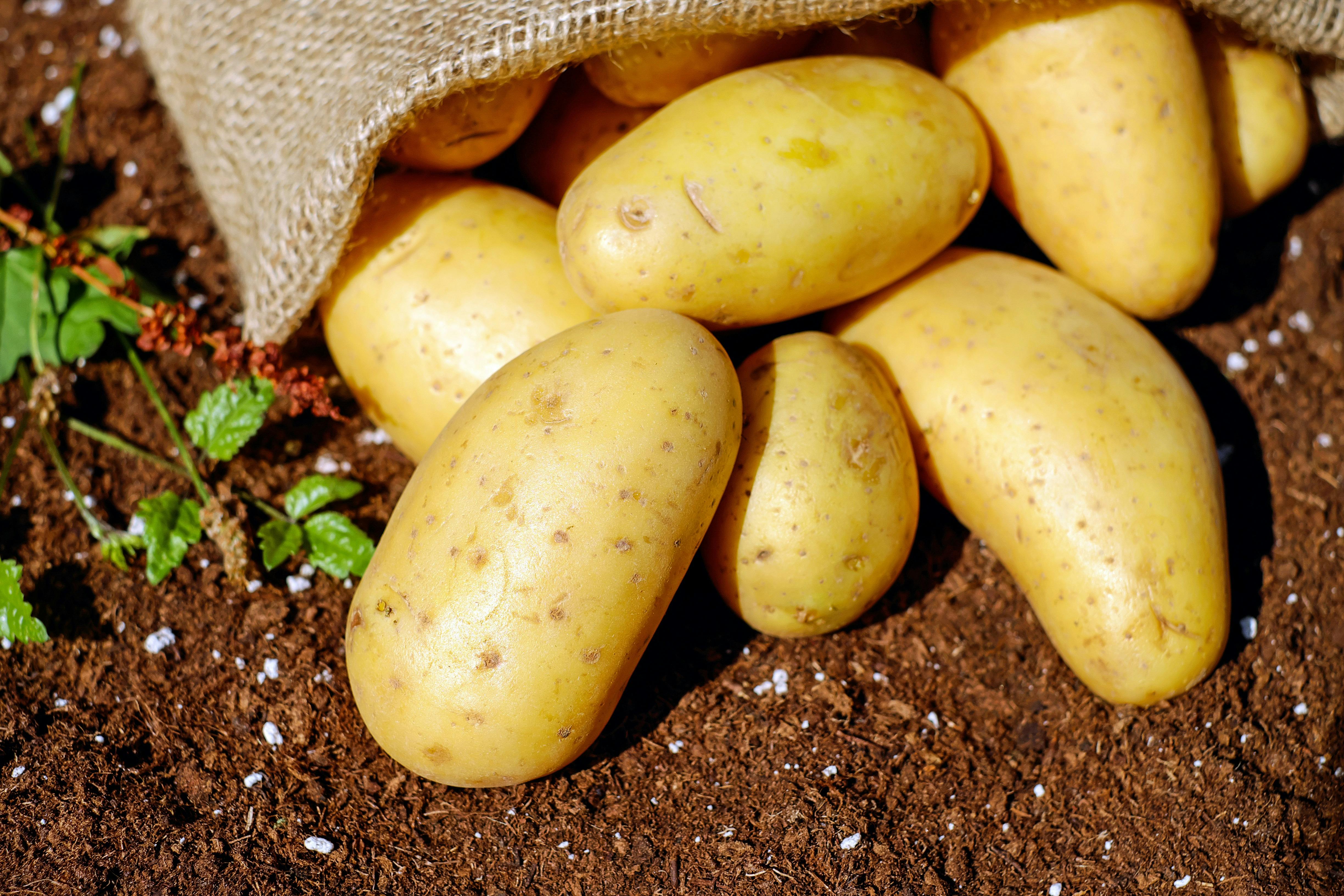
Raw potatoes with skins are dangerous for dogs


Cooked Potatoes: The Transformation

So, if raw is bad, why is “Potato” listed as an ingredient in dog food?

Heat changes everything.

When you bake, boil, or steam a white potato, two things happen:

  1. Solanine Reduction: The heat breaks down a significant amount of the solanine (especially if peeled).
  2. Starch Gelatinization: Raw potato starch is almost impossible for a dog to digest. It passes through unchanged or causes massive gas. Cooking breaks the starch down into digestible energy.

How to Serve Safely:

Peel it: Remove the skin where toxins concentrate.

Cook it plain: Boil or bake.

Mash it: Mash it up without butter, milk, or salt.


Sweet Potatoes vs. White Potatoes

This is a common point of confusion.

“Can dogs eat raw sweet potatoes?”

Technically, sweet potatoes are NOT nightshades. They are in the Morning Glory family. They do not contain Solanine. Therefore, a raw sweet potato is not “toxic” in the chemical sense.

HOWEVER, raw sweet potatoes are incredibly hard and fibrous. Eating one can cause:

– Choking.

– Intestinal Blockage.

– Severe stomach ache.

Verdict: Always cook sweet potatoes too, but they are generally the healthier, vitamin-packed choice for dogs compared to white potatoes.


The French Fry Factor

We can’t talk about potatoes without talking about their most popular form: The Fry.

Can dogs eat French Fries?

Technically, yes, they are cooked. The solanine is gone. But they are replaced by new dangers:

  1. Fat: Deep frying soaks the potato in oil. This causes Pancreatitis.
  2. Salt: Fries are loaded with sodium.
  3. Ketchup: Often contains onion powder or high fructose corn syrup.

One fry won’t kill your dog, but sharing your McDonald’s meal is a bad habit that leads to obesity and health issues.

Dog eating french fries unhealthy habit


My Dog Ate a Raw Potato: The Action Plan

Accidents happen. You dropped it, they ate it. What now?

Scenario A: One small slice of white potato

Status: Likely Fine.

Action: Monitor. They might vomit or have loose stool because of the indigestible starch, but solanine poisoning is unlikely from one slice.

Scenario B: A whole raw potato

Status: Caution.

Action: The risk here is blockage (did they swallow it whole?) and toxicity. Call your vet. They might ask you to induce vomiting if it was recent to get the toxin out.

Scenario C: Potato Skins / Green Potatoes

Status: Warning.

Action: This is where the toxin lives. Watch closely for neurological signs (stumbling, dilated pupils). If you see any odd behavior, go to the ER.


Frequently Asked Questions (FAQ)

Q: Can dogs eat potato chips?
A: No. They aren’t toxic, but they are junk food. High salt, processed oil, and onion/garlic powder flavorings make them unsafe. One chip is fine; a bag is dangerous.

Q: Can dogs eat mashed potatoes?
A: Only if you make them separately. The mashed potatoes on your dinner table usually contain milk, butter, salt, and garlic. These ingredients cause diarrhea. Plain mashed potato is safe.

Q: Are purple or red potatoes safe?
A: They follow the same rules as white potatoes (Russets/Yukon Gold). They are Nightshades. They must be cooked and peeled to be safe.

Q: Is potato starch in dog food bad?
A: No. Potato starch in kibble is highly processed and cooked. It is a safe carbohydrate source used in many “Grain-Free” diets.

Final Thoughts

So, can dogs eat raw potatoes? No. It is a risk you do not need to take.

While the humble potato is a versatile and delicious food for humans, in its raw state, it is a defensive plant protecting itself with toxins. If you want to share a spud with your bud, bake it, boil it, or mash it—and leave the butter in the fridge.

For more advice on safe veggies, check out our guide on Broccoli Safety in our extensive Nutrition library.