Can Dogs Eat Pickles? Why Sodium & Garlic Make Them Risky

Can Dogs Eat Pickles

You are enjoying a juicy cheeseburger on a Saturday afternoon. You take a bite, and a slippery slice of dill pickle falls out of the bun and lands on the floor.

Before you can even blink, your dog has snatched it up. Gulp. Gone.

You probably don’t panic immediately. After all, isn’t a pickle just a cucumber? And aren’t cucumbers healthy vegetables? It seems harmless enough.

But then you start thinking about the salt. You remember the strong smell of garlic in the jar. You wonder if vinegar is safe for a dog’s stomach.

You grab your phone and search: Can dogs eat pickles?

As a veterinary nutritionist, I classify pickles as a “Deceptive Food.” While the core ingredient (cucumber) is safe, the process it undergoes changes its chemical makeup entirely. A pickle is no longer a vegetable; it is a sodium sponge often soaked in ingredients that are toxic to dogs.

In this comprehensive safety guide, we will look at the science of pickling. We will explain why “Sodium Ion Poisoning” is a real threat, the hidden danger of garlic spices, and why you should stick to the raw crunch of a fresh cucumber instead.

🥒 The Quick Verdict: Cucumber vs. Pickle

Can dogs eat pickles? NO.

Here is the critical distinction:

  • ✅ Raw Cucumber: SAFE. Hydrating, low calorie, crunchy.
  • ❌ Pickles (Dill/Kosher): DANGEROUS. Extremely high sodium.
  • ❌ Bread & Butter (Sweet): DANGEROUS. High sugar + High sodium.
  • ❌ Spicy Pickles: TOXIC. Often contain garlic, onion, and chili.

The Sodium Problem: Why Salt Kills

When asking “can dogs eat pickles,” the biggest factor is salt. Pickling is literally the process of preserving food in brine (salt water).

A single medium-sized pickle can contain over 800mg of sodium. To put that in perspective, a medium-sized dog (30 lbs) only needs about 100mg of sodium for their entire day.

Sodium Ion Poisoning (Hypernatremia)

If a dog eats a large amount of pickles (or drinks the juice), the salt levels in their blood spike rapidly. This draws water out of their cells, including brain cells.

Symptoms of Salt Toxicity:

  • Extreme Thirst: Drinking the water bowl dry instantly.
  • Vomiting and Diarrhea: The body trying to purge the salt.
  • Tremors and Seizures: Due to brain swelling.
  • High Fever.

While one slice won’t cause death, it puts immense strain on the kidneys, especially in senior dogs with heart issues.


The Hidden Toxin: Garlic and Onions

Look at the ingredient label on your jar of Kosher Dill Pickles. You will almost certainly see: “Dehydrated Garlic,” “Onion Flakes,” or “Natural Spices.”

This is the deal-breaker.

Garlic and Onions are toxic to dogs. They belong to the Allium family. They contain compounds called disulfides and thiosulphates.

What do they do?

These toxins cause “Oxidative Damage” to your dog’s red blood cells. Essentially, they cause the red blood cells to burst. This leads to a condition called Hemolytic Anemia.

Symptoms (often delayed by days):

– Pale gums.

– Weakness/Lethargy.

– Rapid breathing.

– Red or dark urine.

Because the spices float in the brine, the pickle absorbs them completely. You cannot just “wash off” the garlic.

Jar of pickles with garlic and spices dangerous for dogs


Vinegar and Digestion

The third component of a pickle is Vinegar (Acetic Acid).

Is vinegar toxic to dogs? No.

However, it is very harsh on a canine stomach. Dogs have a different stomach pH than humans. A sudden influx of acidic vinegar usually leads to immediate gastrointestinal upset (vomiting and diarrhea) even if the salt doesn’t get them.

For dogs with sensitive stomachs or a history of acid reflux, a pickle is a guaranteed ticket to a sick day.


My Dog Ate a Pickle: Triage Plan

Okay, the burger slipped, and the pickle is gone. Do you need to rush to the ER?

Scenario A: One small slice (from a burger)

Status: Likely Fine.

Action: Don’t panic. The amount of garlic/onion in one slice is negligible. The salt might make them thirsty. Fill their water bowl and monitor for vomiting. They will likely be okay.

Scenario B: A whole whole pickle

Status: Watch Closely.

Action: If it was a garlic pickle, call your vet. If it was just a plain dill pickle, expect diarrhea. Ensure they drink plenty of water to help the kidneys flush the salt.

Scenario C: The Whole Jar (or drank the juice)

Status: EMERGENCY.

Action: This is a salt toxicity crisis. Drive to the Vet. They need IV fluids to slowly lower their sodium levels and prevent brain damage.


The Safe Alternative: Fresh Cucumbers

If your dog loves the crunch, why not give them the healthy version?

Cucumbers are fantastic treats.

  • Low Calorie: Great for weight loss.
  • High Water: Hydrating.
  • Crunchy: Satisfying to chew.

How to Serve:

– Wash the cucumber.

– Peel it (optional, but skin can be bitter).

– Slice into rounds.

– Offer as a training treat. Your dog will love it just as much as the pickle, without the kidney stress!

Fresh cucumber slices are safe for dogs


Frequently Asked Questions (FAQ)

Q: Can dogs eat sweet pickles (Bread and Butter)?
A: No. In addition to the salt and spices, these are loaded with sugar (or high fructose corn syrup). Sugar causes obesity and dental decay. Sometimes they use artificial sweeteners (Xylitol) which is deadly.

Q: Can dogs have pickle juice?
A: Absolutely NOT. Pickle juice is basically concentrated liquid salt and vinegar. Drinking it can cause rapid salt toxicity and severe dehydration. Never pour it on their food.

Q: Can dogs eat pickled beets or eggs?
A: No. The rule applies to anything pickled. The brine (salt/vinegar/spices) is the problem, not just the cucumber. Pickled beets are high in sodium, and pickled eggs are a sulfur-smelling gas disaster waiting to happen.

Q: My dog loves the crunch. What else can I give?
A: Try Broccoli Stems (peeled), Carrot sticks, or Green Beans (frozen). All provide that satisfying “snap” without the sodium.

Final Thoughts

So, can dogs eat pickles? The answer is a firm No. While they aren’t instantly fatal like chocolate, they are a nutritional disaster that risks your dog’s long-term kidney health.

The combination of massive sodium, potential garlic toxicity, and unnecessary sugar makes them one of the worst vegetables you can share. Keep the pickles in the jar, and toss your dog a fresh slice of cucumber instead.

For more food safety warnings, check out our guide on Dangerous Foods in the Nutrition section.

Can Dogs Eat Shrimp? Safety Guide on Shells, Tails & Raw Risks

Can Dogs Eat Shrimp

You are in the kitchen, preparing a delicious seafood dinner. The smell of boiling shrimp fills the air. Suddenly, you feel a wet nose pressing against your leg. You look down to see your dog giving you “The Look”—those wide, pleading eyes that seem to say, “I see you have tiny lobsters. I, too, enjoy tiny lobsters.”

It is tempting to toss them a piece. After all, shrimp is healthy for humans, right? It’s low fat, high protein, and delicious.

But then you pause. You wonder about the cholesterol. You worry about the shell. You panic about potential allergies. You frantically pull out your phone and search: Can dogs eat shrimp?

As a canine nutrition expert, I am here to tell you that you were right to pause. While shrimp is not toxic like chocolate or grapes, it is not as simple as just tossing a prawn into their bowl. There are rules. There are dangers (specifically the shells and tails). And there are medical conditions that make shrimp a terrible idea for certain breeds.

In this massive, vet-approved guide, we are going to dissect the shrimp—literally and nutritionally. We will cover everything from cholesterol myths to the dangers of “Cocktail Sauce,” and exactly how to prepare seafood safely for your furry friend.

🦐 The Quick Verdict: Can Dogs Eat Shrimp?

Yes, but strictly in moderation and fully cooked.

Here are the Golden Rules:

  • Cooked Only: Never raw (bacteria risk).
  • Peeled Only: Shells, tails, and legs must be removed (choking hazard).
  • Plain Only: No garlic, butter, Cajun spices, or salt.
  • Portion Control: One or two shrimp is a treat; a bowlful is a stomach ache.

The Nutritional Deep Dive: Is Shrimp Actually Good for Dogs?

Before we talk about the risks, let’s look at the benefits. Why would you want to feed your dog shrimp in the first place? When we ask “can dogs eat shrimp,” we are usually asking if it has nutritional value.

The answer is yes. Shrimp is a nutritional powerhouse packed into a tiny package.

1. High Protein, Low Calorie

Shrimp is almost pure protein. For dogs who need to lose weight but still want tasty treats, shrimp is an excellent alternative to fatty biscuits. A single medium shrimp has about 7 calories but is packed with muscle-building amino acids.

2. Vitamin B12 (Energy Booster)

Shrimp is loaded with Vitamin B12. This is essential for a dog’s metabolic health. It helps with energy production and keeps their gastrointestinal tract functioning smoothly. If your dog seems lethargic, B12-rich foods can help.

3. Phosphorus (Strong Bones)

Phosphorus works hand-in-hand with calcium to keep your dog’s bones healthy and strong. It is vital for puppies and active dogs.

4. Antioxidants (Astaxanthin)

Have you ever wondered why shrimp turn pink when cooked? It’s because of an antioxidant called Astaxanthin. This powerful compound helps fight inflammation in the body and can be beneficial for brain health and joint pain in older dogs.


The Dangers: Shells, Tails, and Raw Risks

Now, let’s get to the scary part. If shrimp is so healthy, why do vets hesitate to recommend it? The danger lies in the *parts* of the shrimp and *how* it is served.

Danger #1: The Shells and Tails (Choking Hazard)

Can dogs eat shrimp tails?
NO. Absolutely not.

Shrimp shells and tails are made of Chitin. This is a hard, plastic-like material that a dog’s stomach acid cannot break down efficiently.

If your dog swallows a shrimp whole with the shell:

  • Choking: The sharp tail can get stuck in the esophagus.
  • Perforation: The jagged edges can scratch or cut the lining of the stomach.
  • Impaction: In small dogs (like Yorkies or Chihuahuas), a pile of undigested shells can cause an intestinal blockage, which requires emergency surgery to fix.

Always, always peel the shrimp completely.

Danger #2: Raw Shrimp (Bacteria City)

Sushi is great for humans; it is risky for dogs. Raw shellfish often carries dangerous bacteria and parasites, including:

  • Salmonella
  • Listeria
  • Vibrio (a nasty bacteria found in warm sea water)

These can cause severe food poisoning in dogs (and you, if the dog licks your face afterward). Always boil or steam the shrimp until it is pink and opaque.

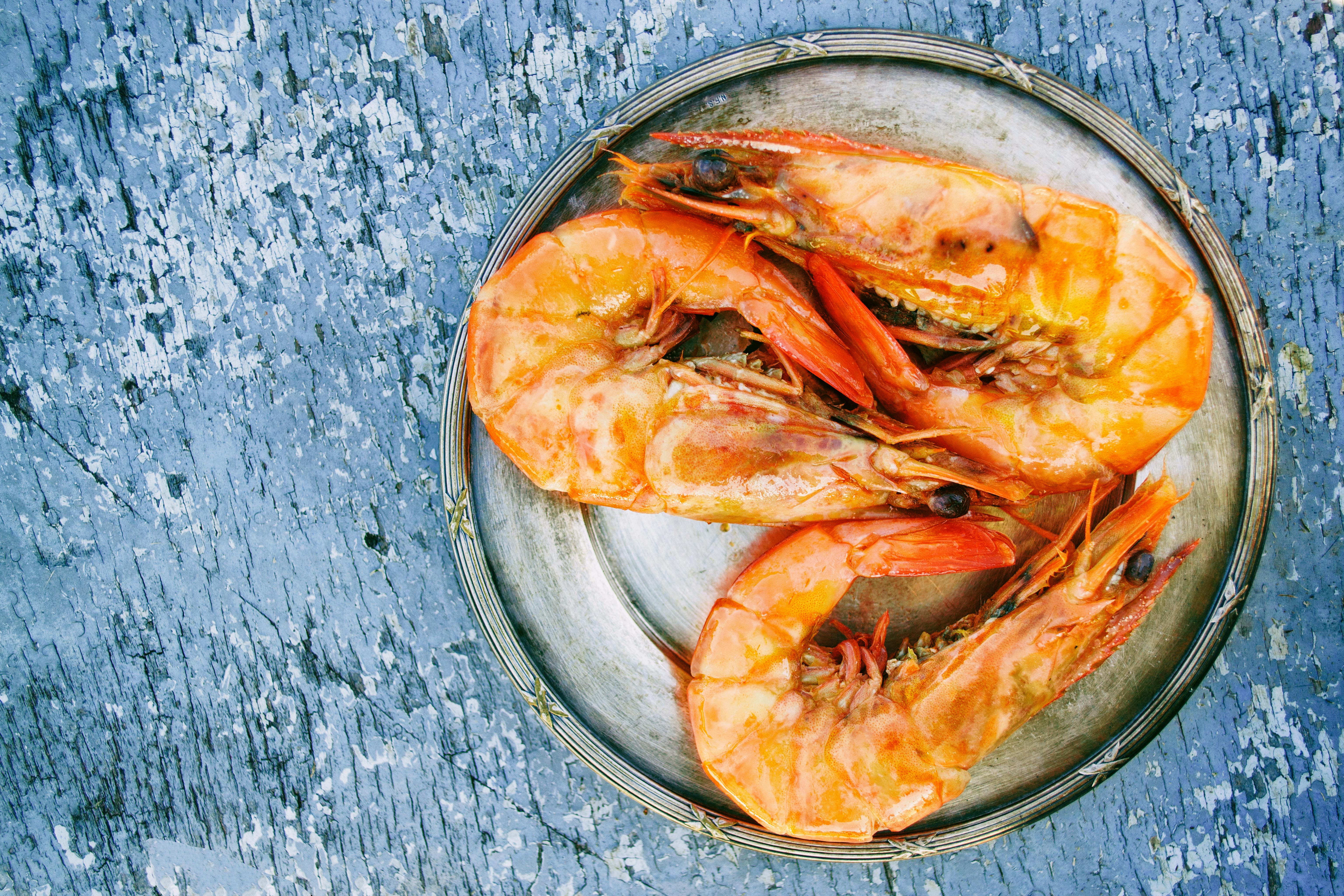
Cooked shrimp ready to be peeled for dogs


The Cholesterol Myth: Is Shrimp Bad for a Dog’s Heart?

One of the most common questions I get when people ask “can dogs eat shrimp” is about cholesterol. We know shrimp is high in cholesterol, and doctors tell humans to watch their intake.

Good news: Dogs are not humans.

Dogs do not suffer from “clogged arteries” or atherosclerosis the way people do. Their bodies handle fat and cholesterol very differently. Unless your dog has a specific metabolic disorder (like Hyperlipidemia) or Thyroid issues, the cholesterol in a few shrimp will not hurt them or cause a heart attack.

However, the FAT content in preparation is a different story.

The “Fried Shrimp” Trap (Pancreatitis)

While the shrimp itself is fine, Fried Shrimp, Breaded Shrimp, or Shrimp Scampi are dangerous.

The batter, the butter, and the oil are extremely high in fat. A sudden intake of high-fat food can trigger Pancreatitis in dogs. This is a painful, life-threatening inflammation of the pancreas.

(Learn more about Pancreatitis symptoms on the AKC website).


Can Dogs Be Allergic to Shrimp?

Yes. Just like humans can have shellfish allergies, dogs can too. It is one of the more common food allergens.

If you are feeding your dog shrimp for the first time, treat it like a science experiment. Give them one small piece and wait 20 minutes.

Watch for these signs of Anaphylaxis:

  • Swelling of the face or lips.
  • Hives or itchy skin.
  • Vomiting immediately after eating.
  • Difficulty breathing (wheezing).

If you see any of these, drive to the vet immediately.


How to Serve Shrimp Safely (Recipes)

So, you have bought fresh shrimp and you want to share. Here is the Chef’s Guide for Dogs.

Step 1: Buy Fresh

Avoid “pre-cooked” shrimp rings from the supermarket if possible, as they are often treated with preservatives or high-sodium brine. Buy raw, frozen, or fresh wild-caught shrimp.

Step 2: Clean Thoroughly

Remove the shell, the tail, and the legs.

Pro Tip: Devein it. While the black vein (the digestive tract) isn’t toxic, it contains grit and waste. It’s nicer to remove it.

Step 3: The Cooking Method

  • Boiling: Drop in plain water for 2-3 minutes.
  • Steaming: Best for preserving nutrients.
  • Baking: On a plain sheet, no oil.

FORBIDDEN: Do not use butter, garlic powder, onion powder, or Cajun seasoning. Garlic and onion are toxic to dogs (causing anemia).

Step 4: The Cut

For a German Shepherd, a whole shrimp is fine. For a Pug, cut it into 3-4 small pieces to prevent choking.

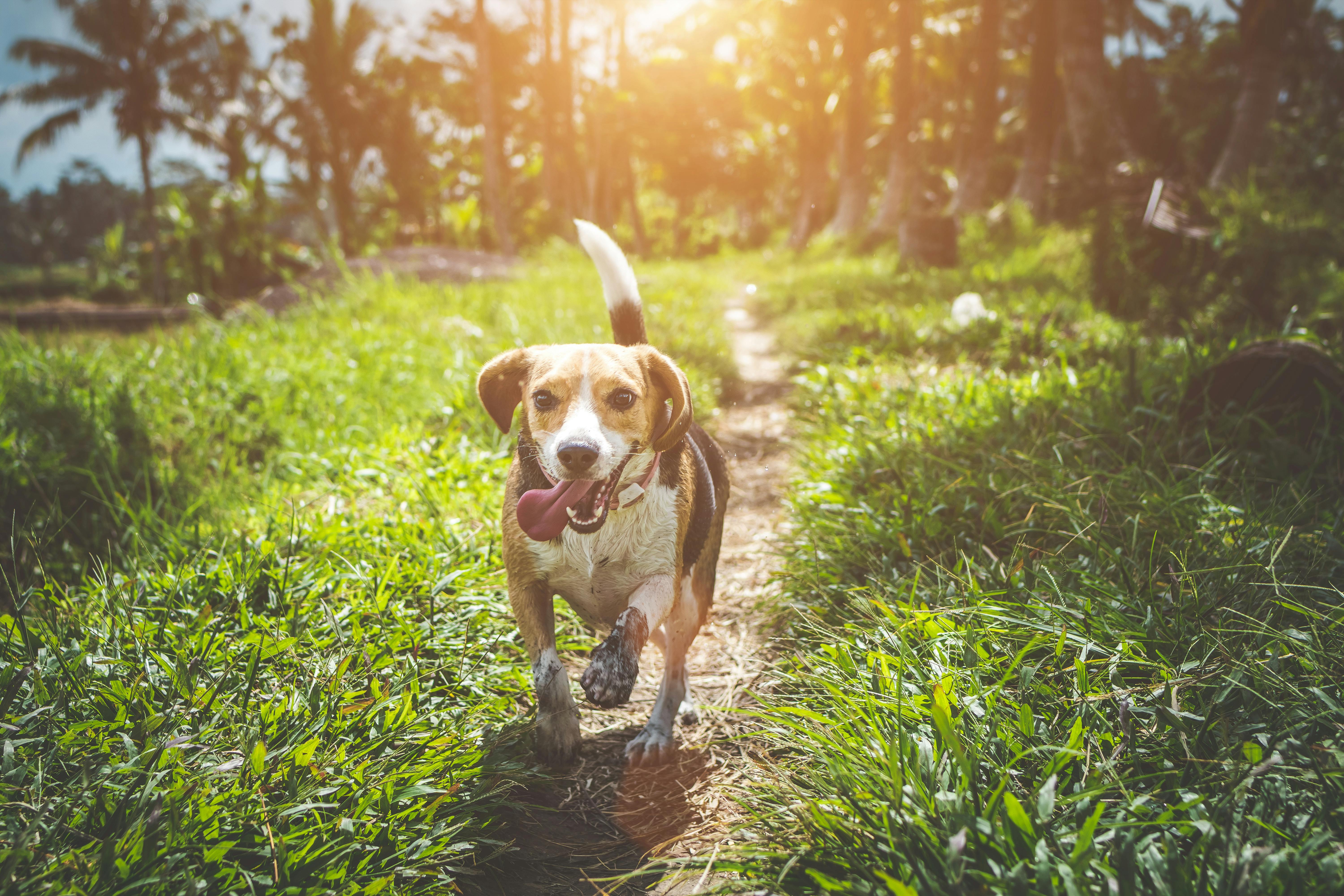
Dog looking at healthy food preparation


Frequently Asked Questions (FAQ)

Q: Can dogs eat shrimp cocktail?
A: They can eat the shrimp if it’s plain, but NEVER give them the sauce. Cocktail sauce is made with horseradish, ketchup (sugar), and often lemon juice. It is too spicy and acidic for a dog’s stomach and will cause vomiting.

Q: My dog ate a shrimp tail by accident. What do I do?
A: Don’t panic. One tail will likely pass through a medium-sized dog without issue. Watch for signs of blockage (vomiting, straining to poop, loss of appetite) for the next 24-48 hours. If you have a tiny dog (under 10 lbs), call your vet to be safe.

Q: Can dogs eat lobster or crab?
A: Similar rules apply. The meat is safe (in moderation), but the shells are incredibly hard and sharp. Also, crab meat is very high in sodium, so shrimp is generally a better choice.

Q: Can dogs eat freeze-dried shrimp?
A: Yes! Freeze-dried shrimp treats found in pet stores are excellent. They are usually raw but processed to remove bacteria, or cooked then dried. They make great high-value training treats.

Final Thoughts

So, can dogs eat shrimp? The answer is a resounding “Yes,” provided you are willing to do the prep work.

Shrimp can be a fantastic, occasional treat that adds variety and nutrients to your dog’s diet. It is perfect for training or as a special topper on their boring kibble. Just remember: peel it, cook it, and keep it plain. Your dog doesn’t need the garlic butter to enjoy the taste of the ocean!

Looking for more safe human foods? Check out our Dog Nutrition & Diet section for more vet-approved guides.

Why Is Your Cat Sleeping in Litter Box ? 7 Emergency Reasons

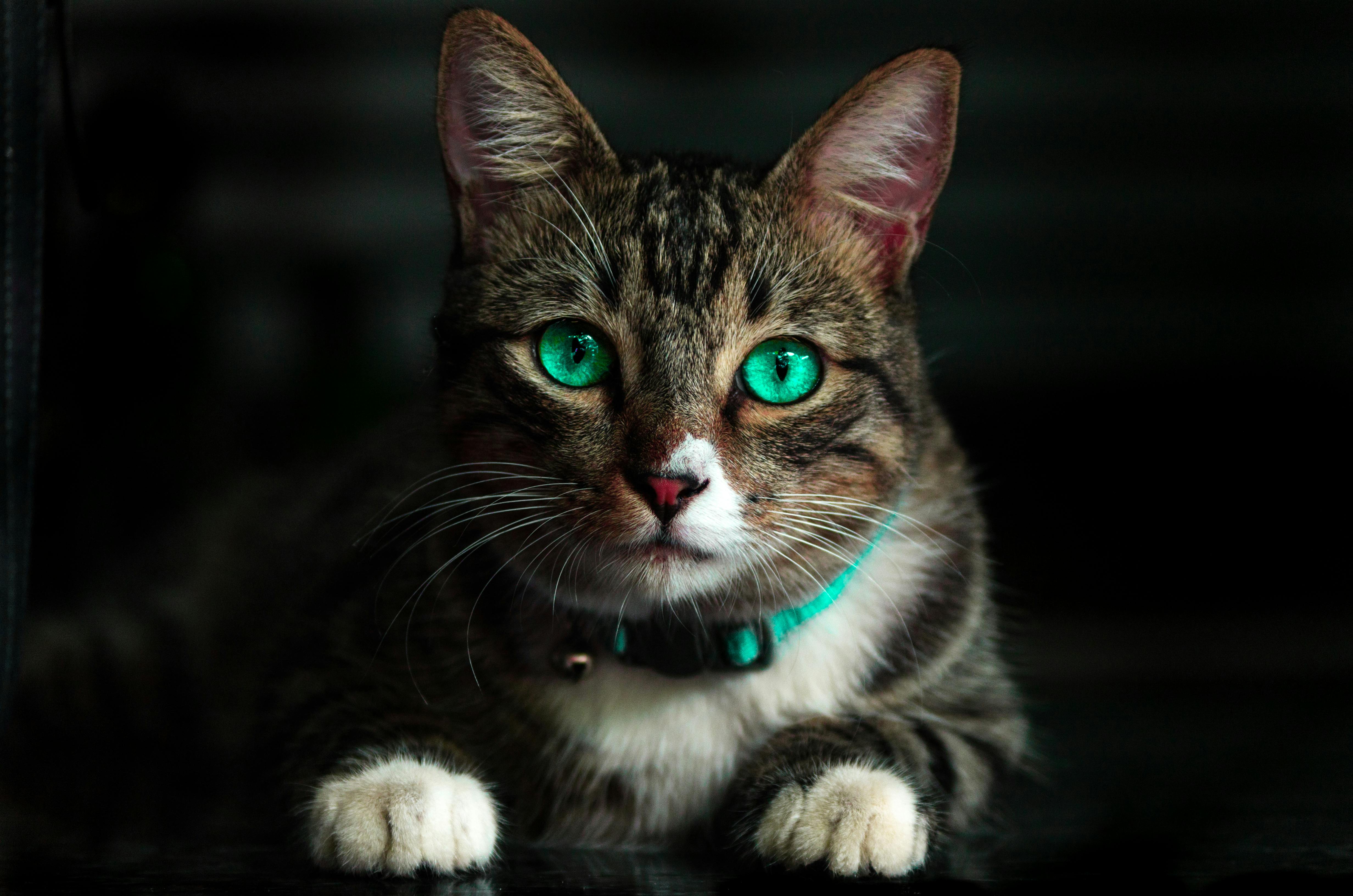
Cat sleeping in litter box

You walk into the room, expecting to find your cat curled up on the sunny windowsill or lounging on the expensive bed you bought them. Instead, you find them somewhere shocking.

They are curled up in a tight ball, fast asleep, inside their dirty litter box.

Your first reaction is probably disgust (“That’s gross!”). Your second reaction is likely confusion. Cats are famously clean creatures. They spend up to 50% of their waking hours grooming themselves. Why on earth would a fastidious animal choose to sleep in their own toilet?

As a pet care expert, I have to be honest with you: This is a massive red flag.

Unlike dogs, who might just be weird, a cat sleeping in litter box granules is almost never doing it for fun. It is a distress signal. It means they are either terrified and hiding, or they are very, very sick.

In this urgent guide, we will decode this behavior. We will differentiate between “behavioral hiding” and “medical emergencies,” explain why the litter box feels like a safe haven to them, and tell you exactly when you need to grab the carrier and run to the vet.

🚨 The Quick Answer: Medical vs. Behavioral

If you catch your cat sleeping in litter box, here is the cheat sheet:

  • Medical Causes (Most Likely): Urinary Tract Infection (UTI), Bladder Crystals/Stones, Kidney Disease, or Arthritis. They stay there because they feel the constant urge to pee.
  • Behavioral Causes: Extreme fear, new pets in the house, bullying from other cats, or cognitive dysfunction (dementia) in seniors.
  • Immediate Action: Check if they are straining to pee. If they are straining and nothing comes out, this is a life-threatening blockage. Go to the ER vet immediately.

1. Urinary Tract Issues (FLUTD): The #1 Suspect

When a client calls me saying, “My cat is sleeping in the litter pan,” my mind immediately goes to the urinary tract. Feline Lower Urinary Tract Disease (FLUTD) is incredibly common and painful.

Why Stay in the Box?

Imagine having a severe bladder infection. You feel the constant, burning urge to urinate. You feel like you need to go right now, every second of the day.

For a cat with a UTI, crystals, or cystitis, leaving the litter box feels risky. They worry they won’t make it back in time. So, they simply stay there. Finding your cat sleeping in litter box is often their way of managing that constant urgency.

Watch for these symptoms:

  • Licking the genitals excessively.
  • Blood in the urine.
  • Crying or howling while in the box.
  • Urinating very small amounts (drops).

(Read more about FLUTD symptoms on the Cornell Vet website).

2. Urethral Blockage (The Silent Killer)

This is the nightmare scenario, especially for male cats. Sometimes crystals or mucous plugs can completely block the urethra (the tube urine comes out of).

If your cat is blocked, their bladder fills up like a balloon that can’t empty. It is agonizingly painful and can cause kidney failure and death within 24-48 hours.

A blocked cat will often lay in the litter box because they are exhausted from straining. If your male cat sleeping in litter box looks lethargic and hasn’t produced a clump of urine in 12 hours, treat it as a medical emergency.

💡 Real-Life Case Study: The “Cone of Shame” Effect

Sometimes, a cat’s decision to sleep in the litter box is a combination of medical trauma and sensory overload. We recently encountered a heartbreaking story from a pet owner whose cat had survived a major 8-week medical ordeal.

After the bandages finally came off, it turned out the cat had contracted ringworm from unsterilized clippers at the vet. The poor kitty was covered in itchy, red spots and was forced to wear a plastic cone (the “Cone of Shame”) for protection.

The result? The cat spent the entire week sleeping in her litter box. Why? Because the combination of the itchy skin infection and the disorienting cone made her feel incredibly vulnerable. The litter box was the only place that smelled 100% like her territory—it became her “panic room.”

Once the owner removed the cone and treated the ringworm with sulfur baths, the cat immediately returned to her normal sleeping spots. This proves that psychological comfort is often the driving force behind this behavior.

3. Kidney Disease and Diabetes

In older cats, finding a cat sleeping in litter box can be a sign of chronic illness like Kidney Failure or Diabetes.

These diseases cause increased thirst and increased urination. A cat with undiagnosed diabetes might feel so weak and dehydrated that they simply collapse in the nearest soft-ish spot, which happens to be the litter. They are often too tired to climb out.

Sick cat sleeping in litter box due to illness

4. Extreme Fear and Stress (The Bunker Mentality)

If you have ruled out medical issues with a vet, the next answer to “why is my cat sleeping in litter box?” is psychological. The litter box is a “scent soak.” It smells heavily of them (and only them).

Why is it a Safe Space?

To a scared cat, the litter box is like a bunker. It usually has high sides (cover), it’s in a quiet corner, and it smells familiar. If a cat feels threatened—perhaps by a new dog, a loud construction crew, or a bully cat—they will retreat to the place that smells most like their territory.

Common Triggers:

  • New Home: Did you just move?
  • New Pet: Is a new kitten attacking them?
  • Guests: Are there strangers in the house?

If this is the cause, your cat is telling you: “I don’t feel safe anywhere else.”

5. Arthritis and Mobility Issues

For our senior citizens (cats over 12 years old), climbing in and out of a high-sided box is a workout. If they have severe arthritis in their hips or spine, the effort of getting into the box might be so great that they decide to just stay there for a while to rest before climbing out again.

Eventually, “resting” turns into “sleeping.” If your senior cat sleeping in litter box struggles to jump on the sofa or walk up stairs, mobility is likely the issue.

6. Pregnancy (Nesting Instinct)

If you have an unspayed female cat, she might be looking for a nest. As labor approaches, a queen looks for a private, semi-enclosed space to give birth.

While the litter box isn’t ideal sanitary-wise, to her, it fits the criteria: it’s hers, it’s quiet, and it has “diggable” material. If she is heavily pregnant, remove her gently and provide a clean box with towels immediately.

7. Cognitive Dysfunction (Dementia)

Just like dogs and humans, old cats get dementia. It is called Feline Cognitive Dysfunction (FCD).

A senile cat gets confused. They might forget where their bed is. They might forget what the litter box is for. They might wander into the box, forget why they went there, and just decide to take a nap. If your old cat is also howling at night or staring at walls, this is a strong possibility.

Senior cat confused and sleeping in litter box

Action Plan: What To Do Now?

You found your cat in the box. Here is your step-by-step triage plan.

Step 1: The Health Check

Gently lift them out. Check their rear end. Is it wet with urine? Is there poop stuck to their fur? A healthy cat would never allow this. If they are dirty, they are sick.

Step 2: Monitor the Potty

Clean the box completely. Then watch. Does your cat go back in and strain? Do they produce urine?

Pro Tip: If you have a male cat who strains but produces nothing, go to the vet now.

Step 3: Vet Visit

Even if they seem fine, a cat sleeping in litter box warrants a urinalysis and blood work. Cats hide pain until they can’t anymore. This behavior is them saying “I can’t anymore.”

Step 4: Modify the Environment (If Behavioral)

If the vet says they are healthy, look at their stress levels.

  • Add Vertical Space: Cat trees give them a high “safe spot” so they don’t have to hide in the box.
  • Feliway Diffusers: Pheromones can help calm a stressed cat.
  • Low-Entry Boxes: For arthritic cats, get a tray with low sides or a puppy pad holder.

Frequently Asked Questions (FAQ)

Q: Should I wash my cat if they slept in the litter box?
A: Yes, but be gentle. Litter is full of bacteria. Use a warm washcloth or pet-safe wipes to clean their fur, especially paws and tail. Do not dunk a stressed cat in a bath unless necessary.

Q: My kitten sleeps in the litter box. Is that normal?
A: With kittens, it’s slightly less alarming. They sometimes just play and fall asleep where they drop. They are also still learning “bathroom rules.” However, if they look lethargic, get them checked. Usually, they grow out of it.

Q: Can I move the cat to their bed?
A: Yes, gently move them. If they immediately run back to the box, they are scared or in pain. If they stay in the bed, maybe they were just confused.

Final Thoughts

Seeing your beloved cat sleeping in litter box is distressing. It goes against every instinct they have. Whether it is a cry for help due to a painful bladder or a desperate need for a safe hiding spot, your job is to be their detective.

Don’t scold them. Don’t just pull them out and hope it stops. Schedule that vet appointment. It is the only way to ensure your feline friend gets back to sleeping where they belong: on your pillow (or your chest!).

Worried about other strange habits? Check out our Cat Behavior & Psychology section to decode your kitty’s mind.

Why Does My Dog Sleep on My Head? 9 Psychological Reasons & Fixes

Why does my dog sleep on my head

You know the routine. You fluff your pillows, pull up the duvet, and settle in for a good night’s sleep. Your dog jumps up on the bed (if they are allowed) and does their little circle-dance to find a spot.

You expect them to curl up at the foot of the bed, or maybe snuggle against your back. But no. They keep climbing. They walk right up your spine, step on your shoulder, and plop themselves down directly on your pillow, wrapping their body around the crown of your head like a fuzzy, snoring hat.

You wake up with fur in your mouth, a paw in your ear, and a stiff neck. Yet, despite the discomfort, you can’t help but wonder: Why here? Of all the acres of space on a King-sized bed, why does my dog sleep on my head?

Is it a dominance thing? Are they trying to suffocate you with love? Or are they just cold?

As a canine behaviorist, I have analyzed thousands of sleeping positions. The “Head Sleeper” is a special category. It is a behavior deeply rooted in wolf ancestry, puppy psychology, and sensory bonding. While it might be annoying (and slightly unhygienic), it is actually one of the highest compliments a dog can give.

In this massive, definitive guide, we are going to explore the 9 psychological and physiological reasons behind this quirk. We will debunk the “Alpha Dog” myth, discuss the hygiene risks you might not have thought of (yes, we need to talk about ticks), and provide a gentle training plan to reclaim your pillow without breaking their heart.

🐶 The Quick Answer: Why the Head?

If you are reading this with a dog currently sitting on your face, here is the summary:

  • Safety: You are the safest thing in the room. They want to touch you to know you are there.
  • Scent: Your scalp and hair have the highest concentration of sebaceous glands. You smell most like “you” at the top of your head.
  • Warmth: Heat rises. The top of the bed (and your head) is the warmest spot.
  • Puppy Habit: They are mimicking the “puppy pile” from when they were born.

The Evolutionary Science: From Wolf Dens to Your Pillow

To understand why does my dog sleep on my head, we have to look back 15,000 years. Before dogs were sleeping on memory foam mattresses, their ancestors (wolves) slept in dens.

The “Puppy Pile” Phenomenon

When puppies are born, they are blind, deaf, and unable to regulate their own body heat. Survival depends on heat sharing. They instinctively crawl on top of their mother and pile on top of their littermates. The safest, warmest spot is often right near the mother’s head or neck, where her breath creates a warm pocket of air.

For many adult dogs, especially those who were taken from their mothers early or are naturally anxious, this instinct never goes away. When they sleep on your head, they are recreating that feeling of safety and warmth. They are treating you as the “Mother Dog.”

Protective Positioning

In a wild pack, members sleep facing outward to watch for threats. By positioning themselves at the top of the bed (the highest ground), your dog might feel they have the best vantage point to watch the door while also protecting your most vulnerable area (your head).


9 Detailed Reasons Why Your Dog Is a “Head Sleeper”

Let’s break down the psychology. It isn’t just one reason; it is usually a cocktail of affection, anxiety, and comfort seeking.

1. Scent Marking and The Sebaceous Glands

Dogs navigate the world through their noses. To a dog, you smell amazing. But you don’t smell the same everywhere.

Your scalp contains a high concentration of sebaceous glands (oil glands). Your hair traps your natural scent, your shampoo, and your pheromones more than your legs or feet do.

When you ask, “why does my dog sleep on my head?“, the answer is often chemical. They want to be immersed in your scent. It releases oxytocin (the bonding hormone) in their brain, making them feel calm and secure.

2. Heat Seeking (Thermoregulation)

It’s simple physics: Heat rises. If you sleep under a duvet, your body heat is trapped, but a lot of it escapes through the top of the duvet—right around your shoulders and head.

Furthermore, your head itself radiates heat. For a small dog (like a Chihuahua or Terrier) or a dog with a thin coat (like a Greyhound), your head is essentially a heated rock. They aren’t trying to annoy you; they are just freezing.

3. Bonding and “Thigmotaxis”

There is a fancy scientific word for the desire to touch: Thigmotaxis. Many animals, including humans and dogs, find comfort in physical contact.

Some dogs are “contact sleepers.” They cannot sleep soundly unless they are touching a pack member. Your head offers a curved, stable surface that allows them to press their body against yours. If they sleep at your feet, you might kick them. Your head moves less, providing a stable anchor.

4. Separation Anxiety (The Velcro Dog)

Does your dog follow you into the bathroom? (Read our guide on that here). Do they whine when you leave?

Dogs with separation anxiety need to be as close to you as physically possible. Sleeping on your head is the ultimate closeness. It reassures them that you haven’t left. If you get up, they will know instantly. It is a control mechanism to ensure they aren’t abandoned during the night.

5. The Dominance Myth (Debunked)

Let’s clear this up right now. Your dog is NOT trying to dominate you.

For years, old-school trainers claimed that a dog sleeping physically higher than you (on your pillow) was trying to assert status as the “Alpha.” Modern veterinary science has debunked this. Dogs do not plot to overthrow the government of your house while you sleep. They are seeking comfort, not power.

6. The Texture of the Pillow

Maybe it’s not you. Maybe it’s your Egyptian Cotton pillowcases. Dogs love soft things. Your pillow is likely the softest, fluffiest thing on the bed. If you have a silk pillowcase or a plush one, your dog might just have expensive taste in bedding.

7. Boredom and Attention

What happens when you wake up and find them there? You probably scratch their ears, talk to them, or laugh. Bingo!

Dogs are masters of operant conditioning. If sleeping on your head results in morning cuddles, they will do it every single night. They have trained you to start the day with affection.

8. Breed Predisposition

Small dogs are notorious head sleepers. Since they are small, they risk getting crushed if they sleep by your torso or legs. The area above your shoulders is a “No Crush Zone.”

Common Head Sleepers: Yorkies, Dachshunds, Shih Tzus, and Pugs.

9. They Are guarding YOU

Some protective breeds feel a duty to guard you. By sleeping at your head, they are facing the entrance of the room (usually). They are placing themselves between the “outside world” and your most vital organ. It is a sweet, protective gesture.

Small dog sleeping comfortably on owners pillow


The Risks: Should You Allow It?

So, we know the answer to “**why does my dog sleep on my head**,” but is it a good idea? While cute, there are real downsides.

1. Hygiene and Zoonotic Diseases

I hate to be the bearer of bad news, but dogs are not sterile. When your dog sleeps on your pillow, their anus is inches from your nose and mouth.

  • Parasites: Roundworm eggs and Giardia cysts can be transferred from fecal residue on fur to your pillowcase.
  • External Parasites: Fleas and Ticks. If a tick crawls off your dog, your ear or scalp is the first place it will attach.
  • Bacteria: Dogs step in dirt (and worse) outside. Do you want those paws on your face?

2. Sleep Disruption

Studies show that people who sleep with pets suffer from more “micro-awakenings.” Even if you don’t fully wake up, a dog snoring in your ear or twitching on your head disrupts your REM cycle, leaving you tired the next day.

3. Allergies and Asthma

If you have even mild allergies, having dander and pollen (trapped in their fur) pressed directly against your nose for 8 hours is a recipe for sinus infections and congestion.


Training Guide: How to Reclaim Your Pillow

If you want to stop this habit, you need to do it gently. Kicking them off the bed will only confuse them and damage your bond.

Step 1: The “Up-Sell” (Better Alternative)

You need to offer a spot that is better than your head.

Buy a high-quality, heated dog bed or a fluffy “donut” bed. Place it on the bed next to you (if you allow them on the bed) or on a chair right beside your head.

Tip: Put a worn t-shirt in their new bed so it smells like you.

Step 2: The “Target” Command

Teach them to go to their spot.

  1. Toss a treat onto their designated pillow/spot.
  2. Say “Go to Bed.”
  3. When they lay down, praise lavishly.
  4. Repeat 50 times a night before lights out.

Step 3: Blocking Access

Arrange your pillows so there is no room. Prop yourself up or use extra pillows to create a barricade around your head for a few nights. If they try to climb up, gently guide them back to their spot without speaking (boring energy).

Step 4: Persistence

The first few nights, they will try again. Consistently move them. Do not give in at 4 AM, or you teach them that persistence pays off.

Dog sleeping in its own bed happily


When Is It a Medical Issue?

Occasionally, a sudden change in sleeping position indicates a health problem.

  • Vision/Hearing Loss: Senior dogs might start sleeping on your head because they feel disoriented in the dark and need physical contact to know where you are.
  • Cognitive Dysfunction: If your old dog suddenly changes habits, paces at night, and climbs on you, it could be “Sundowning.” (Check our article on Senior Dog Health).
  • Cold Intolerance: Hypothyroidism can make dogs feel perpetually cold, driving them to seek your body heat aggressively.

Frequently Asked Questions (FAQ)

Q: My big dog (Great Dane/Lab) tries to sleep on my head. Is this dangerous?
A: Yes, it can be. A large dog can accidentally suffocate a sleeper or cause neck injuries. For large breeds, this behavior must be redirected immediately for your safety.

Q: Does my dog love me less if they sleep at my feet?
A: Not at all! Feet sleepers are often just heat-sensitive (they get too hot near your head) or they are “guarding” the bottom of the bed. They still love you; they just value their personal space (and yours).

Q: Can I catch pink eye from my dog sleeping on my pillow?
A: It is rare but possible. If your dog has an eye infection or steps on your pillow with dirty paws, bacteria can transfer to your eyes. Wash your pillowcases weekly!

Q: Why does my dog wrap around my head like a scarf?
A: This is the ultimate “nesting” behavior. By wrapping around you, they are protecting their vital organs (belly) while soaking up your warmth. It feels very safe for them.

Final Thoughts

So, **why does my dog sleep on my head**? Because they love you, they trust you, and you are the warmest thing in the room. It is a quirky, slightly annoying, but ultimately heartwarming gesture of attachment.

Whether you choose to accept your role as a human pillow or gently train them to sleep elsewhere is up to you. Just remember: in their eyes, there is no better place in the world than right next to you.

Curious about other weird things your dog does? Explore our Dog Behavior section for more insights into the canine mind.

Dog Stomach Gurgling and Won’t Eat? 7 Causes & Remedies

Dog stomach gurgling and won't eat

It’s usually quiet in your house, but suddenly, you hear a sound. It sounds like water rushing through a pipe, or a squeaky door, or distant thunder. You look around, confused, until you realize the sound is coming from your dog.

You bend down to listen, and it’s undeniable: Your dog’s stomach is making incredibly loud, churning, squelching noises.

You offer them their favorite breakfast, expecting them to rush to the bowl. Instead, they turn their head away, lick their lips, and look miserable.

This combination—dog stomach gurgling and won’t eat—is one of the most common reasons owners panic. The medical term for these noises is Borborygmi (bor-bor-ig-my). It occurs when gas moves through the intestines.

While a noisy tummy can be as simple as “I’m hungry” or “I ate something weird,” when it is accompanied by a refusal to eat (Anorexia), it signals pain or nausea. It could be gas, but it could also be a life-threatening blockage or Pancreatitis.

In this comprehensive troubleshooting guide, we will listen closely to what your dog’s belly is trying to tell you. We will help you distinguish between a simple upset stomach and a medical emergency, and give you safe home remedies to soothe the gurgle.

🚨 The Emergency Checklist: Do Not Wait

Before you try home remedies, rule out the killers. If your **dog stomach gurgling and won’t eat** AND has any of these signs, go to the Emergency Vet immediately:

  • Bloated Belly: Does their stomach look distended or hard like a drum? (Risk of GDV/Bloat).
  • Retching: Trying to vomit but nothing coming out.
  • Prayer Position: Front legs down, butt up in the air (Sign of severe abdominal pain).
  • Collapsing or Pale Gums.

1. The “Empty Tank” Syndrome (Bilious Vomiting)

Believe it or not, the most common reason for loud gurgling is simply an empty stomach.

When a dog’s stomach stays empty for too long (like overnight), acid and bile build up. This acid irritates the stomach lining, causing nausea and loud churning noises. It becomes a vicious cycle: They feel sick because they are empty, but they won’t eat because they feel sick.

Symptoms:

– Loud noises early in the morning.

– Vomiting yellow foam (bile).

– Usually acts normal otherwise.

The Fix: Break the nausea cycle. Offer a tiny amount of bland food (like a meatball of plain boiled chicken) by hand. Once the food hits the stomach, the acid settles, and they will likely eat the rest of their meal.

2. Dietary Indiscretion (The “Garbage Gut”)

Dogs are scavengers. If your **dog stomach gurgling and won’t eat**, ask yourself: What did they eat yesterday?

Did they get into the trash? Eat a spicy table scrap? Find a dead bird in the yard?

When a dog eats something their body can’t process, the intestines go into overdrive trying to push it out. The gurgling is the sound of hyper-motility (fast movement). They won’t eat because they instinctively know their system needs a break.

3. Gas and Aerophagia

Some dogs, especially flat-faced breeds (Bulldogs, Pugs) or fast eaters, swallow a lot of air when they pant or eat. This condition is called Aerophagia.

The air gets trapped in the intestines, moving around like bubbles in a water cooler. It is loud and uncomfortable. They might refuse food because they feel “full” of air.


4. The Danger Zone: Pancreatitis

This is a serious one. Pancreatitis is the inflammation of the pancreas, usually triggered by a high-fat meal (like stealing bacon grease or eating a ham bone).

Why the noise?

The pancreas releases enzymes that start digesting the organ itself. This causes intense inflammation and fluid buildup in the abdomen, leading to squelching noises and severe pain.

Key Signs:

– Refusing food absolutely.

– Vomiting repeatedly.

– Hunched back.

– Pain when you touch the belly.

(Pancreatitis requires vet treatment with IV fluids and pain meds. Read more on the AKC Pancreatitis Guide).

5. Intestinal Blockage (Foreign Body)

If your dog is a chewer (likes socks, toys, rocks), loud gurgling can be the sound of the intestines fighting against a blockage.

The gut tries to push the object through with powerful contractions (loud gurgles), but it can’t.

The Red Flag: If they drink water and vomit it back up immediately, assume it is a blockage. This is a surgical emergency.

Dog stomach gurgling and won't eat


Home Remedies: How to Soothe the Gurgle

If your dog is alert, wagging their tail, and has no emergency symptoms, you can try to settle their stomach at home.

1. The “Wait and See” Fast

Sometimes, the gut just needs a reset. Take away food for 12 hours (keep water available). This stops the workload on the stomach. After 12 hours, introduce a bland diet.

2. The Bland Diet (Chicken and Rice)

Do not give them kibble. It is hard to digest. Instead, make:

Boiled Chicken Breast: (No skin, no bones, no salt).

White Rice: (Boiled until mushy).

Mix a 50/50 ratio. Offer a small spoonful. If they keep it down, give a little more an hour later.

3. Bone Broth

If your **dog stomach gurgling and won’t eat** solids, try liquids. Bone broth (unsalted, onion-free) is packed with nutrients and is very soothing for the gut lining. It keeps them hydrated and might stimulate their appetite.

4. Tummy Massage

If your dog enjoys it, a gentle belly rub can help move trapped gas bubbles along. Rub in slow, clockwise circles. If they pull away or growl, stop—this means it hurts.


When To Rush to the Vet?

How long can you wait? A healthy adult dog can go 24 hours without eating without issues. However, you should call the vet if:

  • The gurgling/anorexia lasts more than 24 hours.
  • They are also refusing water (dehydration happens fast).
  • They are vomiting or have bloody diarrhea.
  • They are a puppy or a senior (they have no reserves).
  • They seem lethargic or depressed.

Frequently Asked Questions (FAQ)

Q: Can I give my dog Pepto-Bismol?
A: Maybe, but call your vet first. Pepto contains salicylates (aspirin-like compounds) which can cause stomach bleeding in some dogs. It is toxic to cats. Never guess the dose.

Q: Why is my dog eating grass?
A: Dogs often eat grass to induce vomiting or add fiber to move a blockage. If they are frantically eating grass and gurgling, let them do it, but watch what comes up.

Q: Is stomach gurgling painful for dogs?
A: The noise itself isn’t painful, but the cause (gas cramping) is. Think about how you feel when your stomach rumbles loudly—it’s usually uncomfortable.

Q: Should I force-feed my dog?
A: No. If a dog refuses food, there is a reason. Forcing food down a nauseous dog can cause food aversion or aspiration. Offer high-value treats (like cheese or chicken) to tempt them, but don’t force it.

Final Thoughts

Hearing your **dog stomach gurgling and won’t eat** can be stressful. The house is quiet, and that churning sound seems incredibly loud.

Most of the time, it is just a case of “doggy indigestion” or an empty tummy that needs a small snack to settle. However, trust your instincts. You know your dog. If they look sad, uncomfortable, or “off,” get them checked out. It is always better to treat a simple tummy ache than to ignore a serious blockage.

For more life-saving health tips, bookmark our Pet Safety Center.

How to Get Gum Out of Dog Hair: 5 Pain-Free Home Hacks (No Scissors!)

How to Get Gum Out of Dog Hair: 5 Pain-Free Home Hacks (No Scissors!)

It happens in the blink of an eye. You are on a walk, your dog sniffs a bush, and suddenly they come back with a bright pink, sticky blob mashed into their ear fur or stuck to their paw.

Or maybe your toddler dropped a piece of bubblegum, and your Golden Retriever decided to roll on it before eating it.

You try to pull it off, but it just stretches. It creates a sticky web, tangling more and more hair into the mess. Your dog starts to panic because you are pulling their skin. You start to panic because it looks impossible to remove.

Your first instinct is probably to grab the kitchen scissors and chop it out. Stop! Put the scissors down.

Trying to cut gum out of a moving dog’s fur—especially close to the skin or on the ear leather—is a recipe for disaster. One sudden jerk and you could cause a serious injury.

If you are searching “how to get gum out of dog hair”, you need a safe, pain-free solution. As a grooming expert, I have dealt with every sticky situation imaginable (from sap to slime to gum). The good news? You likely have everything you need to fix this in your kitchen pantry right now.

In this ultimate D.I.Y. guide, we will explore the chemistry of dissolving gum, the dangers of toxic xylitol, and 5 foolproof methods to slide that sticky mess right off the hair shaft without shedding a single tear.

⚠️ Vital Safety Warning: Check the Label!

Before you start cleaning, check the gum wrapper if possible. Does it say “Sugar-Free” or contain Xylitol?

Xylitol is deadlier than chocolate. Even a tiny amount absorbed through the skin or ingested (if your dog licks the gum) can cause rapid insulin release, hypoglycemia, and liver failure.

Rule #1: Do not let your dog eat the gum while you are cleaning it. Use an Elizabethan Collar (Cone) if necessary.

The Science: Why Water Doesn’t Work

You might have tried washing it with water and shampoo. You probably noticed it made things worse. Why?

Chewing gum is made of a hydrophobic (water-hating) rubber base. It repels water but binds aggressively to dry surfaces like hair proteins. Because it repels water, no amount of scrubbing with soap will dissolve the bond.

To successfully **get gum out of dog hair**, we need to fight chemistry with chemistry. We need something Hydrophobic (like oil) to break down the gum, or something Cold to change its physical state from sticky to solid.


Method 1: The Peanut Butter Hack (The Tasty Solution)

This is the gold standard. The natural oils in peanut butter break down the gum base, and the thick consistency makes it easy to work with.

What You Need:

– Creamy Peanut Butter (MUST be Xylitol-free!).

– A toothbrush or comb.

– Paper towels.

Step-by-Step:

  1. Isolate the Clump: Separate the gum-covered fur from the clean fur. You can use a hair clip to hold the clean hair back.
  2. Apply Generously: Coat the gum blob completely in peanut butter. Massage it in with your fingers. The gum should be slippery.
  3. Wait: Let it sit for 2-3 minutes. The oil needs time to degrade the rubber.
  4. Slide it Out: Gently pull the gum towards the end of the hair strands. It should start to slide and crumble. Use the toothbrush to comb it out.
  5. Wash Up: Your dog is now a sticky, peanut-buttery mess. Wash the area with dog shampoo.

Owner grooming dog and cleaning fur


Method 2: The Oil Soak (Olive, Vegetable, or Coconut)

If you don’t have peanut butter (or you are worried about Xylitol), any cooking oil works just as well. This is arguably the slipperiest method to **get gum out of dog hair**.

Best for: Gum stuck close to the skin or on sensitive ears.

Step-by-Step:

  1. Saturate: Pour olive oil or coconut oil directly onto the gum.
  2. Massage: Work the oil deep into the knot. You want to lubricate the hair shafts so the gum loses its grip.
  3. The Comb Out: Use a wide-toothed comb first, then a fine-toothed flea comb. Start at the bottom of the knot and tease the gum out gently.
  4. Wipe: Use a dry paper towel to wipe away the oily gum debris.

Pro Tip: Do this in the bathtub or outside. Oil drips, and you don’t want it on your carpet!


Method 3: The Ice Cube Freeze (For Surface Gum)

If the gum is sitting on top of a long-haired dog’s coat and hasn’t been mashed in yet, freezing it is cleaner than using oil.

Step-by-Step:

  1. Prepare: Put 2-3 ice cubes in a Ziploc bag (to keep the dog dry).
  2. Freeze: Hold the ice bag directly against the gum on both sides (sandwich the gum). Hold it there for 5-10 minutes. Distract your dog with treats.
  3. Crack: Once the gum is frozen hard, it becomes brittle. You can often shatter it or crumble it into pieces with your fingers.
  4. Pick: Pick the frozen crumbs out of the fur. Work fast before it melts and gets sticky again!

Method 4: The Mayo Mask

Mayonnaise is essentially oil and egg yolks—a fat bomb. It works similarly to peanut butter but with a higher fat content.

Why use Mayo? It holds its shape better than liquid oil, so it doesn’t drip as much.

Apply a dollop of mayo to the gum, let it sit for 5 minutes, and wipe away. The vinegar in the mayo also helps break down the bond slightly. Plus, it makes their coat shiny (once you wash the smell out)!


Method 5: The “Safe” Cut (Last Resort)

If the gum is mashed right down to the skin, or if your dog is aggressive and won’t let you pull at their fur, cutting might be the only option. But you must do it safely.

NEVER point scissors toward the dog’s skin. Dogs twitch.

The Comb Barrier Technique

  1. Slide a Comb In: Slide a metal comb between the dog’s skin and the gum wad.
  2. The Shield: The comb acts as a shield. Even if the dog jumps, the scissors will hit the metal comb, not the skin.
  3. Cut: Use blunt-nosed scissors (safety scissors) to cut the hair above the comb (on the gum side).
  4. Style: It will look ugly for a few weeks, but hair grows back. Skin takes longer to heal!

Groomer using scissors safely on dog fur


What NOT to Use (Toxic Dangers)

In your panic to **get gum out of dog hair**, avoid these common household items. They are dangerous for pets.

  • WD-40 or Mechanics Grease: While they remove gum, they are toxic if licked and irritate the skin.
  • Acetone / Nail Polish Remover: The fumes are harmful, and it burns sensitive dog skin.
  • Alcohol: Can cause rapid cooling/chills and stinging on any micro-abrasions.
  • Essential Oils (Tea Tree, Peppermint): Many are toxic to dogs and cats. Stick to kitchen oils.

Frequently Asked Questions (FAQ)

Q: My dog ate the gum while I was cleaning it. What now?
A: Find the wrapper immediately. If it contained Xylitol (Birch Sugar), go to the emergency vet instantly. If it was sugary gum (Hubba Bubba, etc.), one piece is likely fine, but monitor for vomiting or blockage. A large wad of gum can block a small intestine.

Q: Does this work for gum stuck in paw pads?
A: Yes! Paw pads are tough. Use the Olive Oil method. Massage it into the pad and between the toes. Be sure to wash it off thoroughly so they don’t slip on the floor.

Q: What if the gum is in their whiskers?
A: Whiskers are sensitive sensory organs, but they are just hair. It is not painful to cut a whisker (unlike plucking it). If gum is stuck, it’s less traumatic to just snip the whisker tip than to pull on it.

Q: Can I use butter?
A: Yes, real butter works. However, it requires washing with warm water and soap afterward because animal fat goes rancid and smells bad if left in the fur.

Final Thoughts

Seeing your dog covered in pink goo is stressful, but it is one of the easiest grooming disasters to fix at home. You do not need to rush to the professional groomer or the vet (unless they ate the Xylitol).

The secret is patience and lubrication. Whether you choose the peanut butter route or the olive oil massage, remember to go slow, keep your dog calm with treats, and wash the area thoroughly afterward.

Now that you know how to **get gum out of dog hair**, you can be the hero of the dog park the next time this sticky situation strikes!

For more DIY grooming hacks and coat care tips, browse our Dog Grooming section.

Can Cats Have Whipped Cream? The Truth About Lactose & Sugar

Can Cats Have Whipped Cream? The Truth About Lactose & Sugar

You are sitting in the drive-thru line at Starbucks, excitedly waiting for your morning coffee. Next to you, your dog is vibrating with anticipation because they know what is coming: the famous “Puppuccino”—a small cup filled with glorious, fluffy whipped cream.

But then you look at the carrier in the back seat. Your cat is watching with intense curiosity. Or maybe you are at home, topping off a slice of pumpkin pie, and your feline friend jumps onto the table, whiskers twitching, trying to stick their face into the can nozzle.

It makes you pause. We know dogs love it, but can cats have whipped cream?

We grew up watching cartoons where cats are constantly lapping up saucers of milk and cream. It seems like the most natural thing in the world. But as we learn more about feline biology, we are realizing that those cartoons lied to us.

As a feline nutrition specialist, I am here to separate the cute myths from the messy biological reality. While the image of a cat with a milk mustache is adorable, the aftermath in the litter box often isn’t.

In this massive, detailed guide, we are going to dive deep into the chemistry of dairy, the “Lactose Trap,” the hidden dangers of sugar and vanilla, and answer definitively whether you should share your dessert with your obligate carnivore.

🥛 The Quick Verdict: Is It Safe?

Technically Yes, but practically No.

Whipped cream is not poisonous to cats. If they lick a drop off your finger, they will not die. However, it is fundamentally bad for them for three reasons:

  1. Lactose Intolerance: Most adult cats cannot digest dairy.
  2. Sugar Overload: Cats can’t taste sweet, but their bodies suffer from the calories.
  3. Chemical Additives: Canned whip contains propellants and artificial flavors.

Recommendation: Avoid it. The risk of diarrhea outweighs the momentary joy.

The “Tom and Jerry” Myth: Why Do Cats Want Cream?

Before we discuss can cats have whipped cream, we need to address why they want it. If it’s bad for them, why do they beg for it?

1. Fat Craving (Not Sugar)

Here is a scientific fact that blows most owners’ minds: Cats physically cannot taste sugar. They lack the genetic receptor for “sweetness.”

When your cat wants your ice cream or whipped cream, they aren’t craving the sugar. They are smelling the FAT. Dairy fat is incredibly rich and appealing to a carnivore. In the wild, fat means energy. They are drawn to the creamy texture and the lipid content, completely unaware of the sugary bomb hiding inside.

2. The Texture

Whipped cream has a unique, airy texture (aerated fat) that is fun to eat. It feels different on their tongue compared to wet food or water, stimulating their curiosity.


The Science of Digestion: The Lactose Problem

This is the most critical part of the guide. To understand the answer to “can cats have whipped cream,” you have to understand enzymes.

Kittens vs. Adults

When a kitten is born, their body produces an enzyme called Lactase. This enzyme acts like a pair of scissors, cutting lactose (milk sugar) molecules in half so they can be digested.

However, as soon as a kitten is weaned off their mother’s milk (around 8 weeks old), their body thinks: “Okay, no more milk needed.” It drastically reduces or completely stops producing lactase.

What Happens Inside the Stomach?

If you give whipped cream to an adult cat with no lactase enzyme:

  1. The cream goes into the stomach.
  2. The lactose sugar passes through undigested because there are no “scissors” to cut it.
  3. It reaches the large intestine intact.
  4. Bacteria in the colon attack the sugar, causing fermentation.
  5. The Result: Excessive gas, bloating, painful cramps, and explosive diarrhea.

So, while the question is “can cats have whipped cream,” the real question is “do you want to clean liquid poop out of a Persian cat’s fur?”

Cat looking at milk or cream wanting a taste


The Ingredients Breakdown: What is in the Can?

Let’s look at the label of a standard can of Reddi-wip or Cool Whip. It’s not just “milk.”

1. Sugar and Corn Syrup

A serving of whipped cream is loaded with sugar.

The Risk: Cats are obligate carnivores. Their pancreas is designed to handle protein, not high-glycemic carbs. Frequent sugar spikes can lead to Feline Diabetes and rapid obesity. A fat cat is not a cute cat; it’s a cat at risk of joint pain and heart disease.

2. Vanilla Extract (Alcohol Risk?)

Real vanilla extract is made with alcohol. While the amount in whipped cream is tiny, alcohol is toxic to cats. Artificial vanilla flavoring often contains chemicals like propylene glycol, which in large doses causes blood issues in cats.

3. Nitrous Oxide (The Gas)

Canned whipped cream uses Nitrous Oxide (laughing gas) as a propellant to make it fluffy.

The Risk: While the gas dissipates quickly, inhaling it directly from the nozzle can be harmful to a small animal’s lungs. Never let your cat lick the nozzle while you spray!

4. Carrageenan and Stabilizers

To keep the foam stiff, manufacturers add thickeners like Carrageenan.

The Risk: Carrageenan has been linked to inflammation in the digestive tract of pets. Some high-end cat foods have even removed it for this reason.


Are There Any Safe Alternatives?

If you really want to give your cat a special “Starbucks-style” treat without the diarrhea, there are options!

1. “Cat Milk” (Lactose-Free)

You can buy bottles of “Cat Milk” (like Whiskas Catmilk) at the pet store. This is real milk that has been treated with the lactase enzyme to remove the lactose. It’s safe, creamy, and they love it.

2. Goat’s Milk

Fermented raw goat’s milk (found in pet store freezers) is fantastic. It has less lactose than cow’s milk and is packed with probiotics that actually help digestion.

3. Plain Yogurt (Greek)

A tiny dab of plain, unsweetened Greek yogurt is safer than cream. The fermentation process eats up most of the lactose, making it easier to digest.

4. Coconut Whipped Cream? (Vegan)

Can cats have whipped cream made from coconut?

Caution: Coconut is not toxic, but it is extremely high in saturated fat. It can cause Pancreatitis if given in large amounts. It is safer than dairy for the stomach, but dangerous for the waistline.

Cat eating healthy treats instead of cream


When To See A Vet?

So, your cat jumped on the counter and licked the bowl clean while you weren’t looking. Do you need to rush to the ER?

Probably not. Whipped cream is not chocolate. It is an irritant, not a poison.

Monitor for the next 12-24 hours:

  • Vomiting: One vomit is okay (the stomach rejecting the dairy). Multiple vomits need a vet.
  • Diarrhea: This is expected. Ensure they have access to plenty of water so they don’t get dehydrated.
  • Lethargy: If they seem sad, hide, or refuse regular food, they might have a serious stomach ache.

However, if your cat is Diabetic or has IBD (Inflammatory Bowel Disease), even a small amount can trigger a crisis. Call your vet for advice in these cases.


Frequently Asked Questions (FAQ)

Q: Can cats have Puppuccinos from Starbucks?
A: A “Puppuccino” is literally just a cup of whipped cream. While Starbucks will give you one if you ask, I do not recommend it for cats. It is too much volume. If you must, let them have one lick and throw the rest away.

Q: Is sugar-free whipped cream better?
A: NO! IT IS WORSE! Sugar-free products often use Xylitol (Birch sugar). While Xylitol is deadly to dogs, its effect on cats is less clear but potentially dangerous. Never risk artificial sweeteners with pets.

Q: Why does my cat not get sick when he drinks milk?
A: Every cat is different. Just like some humans can tolerate cheese but not milk, some cats retain a small amount of lactase enzyme. They are the lucky ones. But “tolerating” it doesn’t mean it’s “healthy.” It’s still empty calories.

Q: Can kittens have whipped cream?
A: Kittens still have the lactase enzyme, so they can digest the milk part. However, their tiny bodies cannot handle the massive sugar rush. It can cause chaotic energy spikes followed by a crash, and disrupt their appetite for the protein they need to grow.

Final Thoughts

So, can cats have whipped cream? The answer is a soft “Yes,” but the advice is a hard “No.”

While it is tempting to share your treats with your furry best friend, whipped cream offers them nothing but a stomach ache and empty calories. The momentary pleasure of licking the spoon isn’t worth the hours of cramping that follow.

If you want to spoil your cat, stick to meat-based treats or lactose-free cat milk. They will enjoy it just as much, and your litter box will thank you.

For more advice on human foods safe for your kitty, check out our comprehensive Cat Nutrition & Diet section.

What is the Black Stuff in Cat Ears? 5 Causes & Cleaning Guide

Black stuff in cat ears

You are cuddling with your feline friend, scratching them behind the ears—their favorite spot. They lean into your hand, purring loudly. But as you glance down at their folded ear flap, you notice something disturbing.

It’s not clean and pink like it usually is. Instead, the inside of the ear canal looks dirty. There is a dark, crumbly, brownish-black discharge that looks suspiciously like used coffee grounds or potting soil.

Your first instinct might be to panic. Is it dried blood? Is it dirt? Do they have a brain infection?

Finding mysterious black stuff in cat ears is one of the most common reasons pet owners rush to the vet. As a cat care specialist, I inspect dozens of feline ears every week, and I can tell you: while it looks incredibly gross, it is rarely life-threatening.

However, it is a sign that something is wrong. A healthy cat ear should be clean, pink, and odorless. That black gunk is a symptom, not a disease in itself. It could be microscopic parasites having a party in your cat’s ear canal, a fungal yeast infection, or simply a buildup of wax.

In this massive, definitive guide, we are going to explore every single possibility. We will put on our detective hats (and grab a flashlight) to determine if that black stuff in cat ears is mites, wax, or something else. I will also teach you, step-by-step, how to clean your cat’s ears safely at home without getting scratched to shreds.

🔍 The Quick Diagnosis: What Does It Look Like?

Before we dive into the science, look closely at the discharge (don’t touch it yet!). The appearance gives us clues:

  • Looks like dry Coffee Grounds? This is the classic sign of Ear Mites.
  • Looks like sticky Tar or Shoe Polish? This is likely a Yeast Infection or excessive wax.
  • Yellow/Green Pus? This indicates a serious Bacterial Infection.
  • Dried Red/Black Crust? Could be dried blood from scratching (Self-trauma).

The Anatomy of a Cat’s Ear: Why Does Debris Build Up?

To understand why your cat has black stuff in cat ears, you first need to understand the unique (and frustrating) shape of their ear canal.

Unlike humans, who have a relatively straight, horizontal ear canal, cats have an “L-shaped” ear canal. It goes vertically down the side of the head and then takes a sharp 90-degree turn horizontally toward the eardrum.

Why does this matter?

Because this “L” shape is a trap. It traps warmth, moisture, and debris deep inside the head where air cannot circulate well. This dark, warm, humid environment is the absolute perfect breeding ground for:

  • Bacteria: Which love warmth.
  • Yeast: Which love moisture.
  • Mites: Which love the protection.

Because of this shape, whatever goes into a cat’s ear (dirt, water, bugs) has a very hard time coming back out on its own. This leads to the buildup of that notorious black discharge.


Cause #1: Ear Mites (Otodectes cynotis) – The “Coffee Grounds”

This is the most famous cause of black stuff in cat ears, especially in kittens, outdoor cats, or cats adopted from shelters.

What are they?

Ear mites are microscopic, crab-like parasites. They are barely visible to the naked eye (they look like tiny moving white specks). They live inside the ear canal and feed on your cat’s ear wax and skin oils.

Why is the discharge black?

The “black stuff” you see isn’t the mites themselves. It is actually a mixture of:

1. Dried blood (from the mites biting the skin).

2. Ear wax.

3. Mite poop (waste).

Combined, this creates a dry, crumbly debris that looks exactly like coffee grounds.

Symptoms of Mites:

  • Intense Itching: Your cat will scratch their ears violently using their back foot.
  • Head Shaking: Like they are trying to shake water out of their ears.
  • Flattened Ears: Holding their ears down due to discomfort.
  • Scabs: You might find scratches and scabs around the base of the ear from their own claws.

Is it Contagious?

YES. Highly. If you have other cats or dogs, they likely have them too. You must treat all pets in the house simultaneously.

Cat scratching ear due to black stuff in cat ears and mites


Cause #2: Yeast Infections (Malassezia) – The “Sticky Tar”

If the black stuff in cat ears looks less like dry soil and more like sticky, smelly shoe polish or tar, you are likely dealing with a Yeast Infection.

What causes it?

Small amounts of yeast naturally live on your cat’s skin. However, if the ear becomes too moist (after a bath) or if the cat has allergies (food or environmental), the yeast population explodes. This overgrowth causes inflammation and discharge.

The “Sniff” Test

Yeast has a very distinct smell. If you lean in close to your cat’s ear, does it smell like:

– Moldy bread?

– Cheesy popcorn?

– Musty old socks?

If yes, it is almost certainly a fungal yeast infection.


Cause #3: Excessive Ear Wax (Cerumen)

Believe it or not, some cats just have dirty ears naturally. Just like some humans produce more earwax than others, some cats are “waxy.”

Certain breeds, specifically Sphynx cats and Rex breeds, are prone to producing copious amounts of dark, oily wax because they lack the hair that normally helps filter dust and wick oils away.

Normal vs. Abnormal Wax

  • Normal: Pale yellow or light brown, minimal amount.
  • Abnormal: Dark brown or black, large clumps, foul odor.

If your cat has black stuff in cat ears but acts completely normal (no scratching, no shaking, no smell), it might just be oxidized wax and dirt. A simple cleaning routine is all that is needed.


Cause #4: Bacterial Infections (Otitis Externa)

This is the most painful condition on the list. Bacterial infections often happen after a mite infestation or yeast issue has been left untreated. The skin breaks, and bacteria invade the wound.

While bacterial discharge is often yellow or green (pus), it can mix with blood and wax to appear black or dark brown.

Warning Signs of Infection:

  • Heat: The ear feels hot to the touch.
  • Swelling: The ear canal looks swollen shut.
  • Pain: The cat screams or hisses when you try to touch the ear.
  • Tilt: Walking with the head tilted to one side (this indicates the infection has moved to the middle ear/vestibular system).

ALERT: If you see a head tilt, this is a medical emergency. The infection is attacking their balance center.


How to Clean Your Cat’s Ears (Step-by-Step Guide)

If you have ruled out a serious infection and determined that the black stuff in cat ears is just mild debris or mites, you can help clean them at home. But be warned: Cats hate this.

You need patience, the right tools, and ideally, a partner to help hold the “burrito.”

What You Need:

  1. Ear Cleaner Solution: A vet-approved feline ear cleaner (look for ingredients like Salicylic Acid or Aloe). DO NOT use Water, Hydrogen Peroxide, or Vinegar. These irritate the skin and leave moisture behind, making yeast worse.
  2. Cotton Balls or Rounds: Soft makeup remover pads work best.
  3. A Towel: To wrap the cat.
  4. Treats: High-value treats like Churu or tuna.

The “Taco Method” Steps:

Step 1: Restrain Safely

Wrap your cat in the towel like a burrito (The “Purrito”), leaving only the head exposed. This prevents them from scratching you. Place them on a table or your lap.

Step 2: Apply the Solution

Hold the ear flap (pinna) straight up. Squeeze a generous amount of the cleaner directly into the ear canal. Do not be shy; you need to fill the canal to flush out the debris.

Step 3: The Massage (Crucial)

Your cat will want to shake their head. Don’t let them yet!

Keep holding the ear flap up and massage the base of the ear (below the opening) for 20-30 seconds. You should hear a squishing sound. This massage breaks up the black gunk deep inside.

Step 4: The Shake

Now, let go. Stand back! Your cat will violently shake their head. This is good—centrifugal force will fling the loosened black stuff in cat ears out of the canal and onto the outer flap.

Step 5: Wipe it Out

Take your cotton ball and gently wipe the visible parts of the ear. You will see the black gunk come off on the cotton.

WARNING: Never, ever stick the cotton ball deep into the hole. Just wipe what you can see.

Cleaning black stuff in cat ears safely

🚫 The Golden Rule: NO Q-TIPS!

I cannot stress this enough. Never use a Q-Tip (cotton swab) inside the ear canal.

Why?

1. You will push the wax/mites deeper, compacting them against the eardrum.

2. If the cat jerks their head (and they will), you can rupture their eardrum, causing permanent deafness.


When to See a Vet: Home Remedies Aren’t Enough

While cleaning helps, it rarely cures the underlying issue. Cleaning removes the debris, but not the source (the mites or bacteria).

You must see a vet if:

  • The black stuff comes back: If you clean it and it returns in 24 hours.
  • Pain: Your cat cries during cleaning.
  • Blood: You see fresh blood on the cotton ball.
  • Balance Issues: Head tilting or stumbling.

Treatments Your Vet Will Prescribe:

  • For Mites: A simple spot-on treatment (like Revolution or Bravecto) placed on the back of the neck kills mites instantly. It is much easier than ear drops!
  • For Infection: Antibiotic or antifungal drops usually used for 7-10 days.
  • For Polyps: If a tumor is blocking the ear, surgery might be needed.

(For more on vet treatments, check out the AVMA guidelines on pet care).


Frequently Asked Questions (FAQ)

Q: Can I use olive oil or coconut oil for ear mites?

A: No. While oil can technically suffocate some mites, it takes weeks, is incredibly messy, and rarely kills all the eggs. It can also turn rancid in the ear, feeding yeast infections. Modern vet medicine cures mites in one dose. Don’t struggle with messy oils.

Q: Why does only one ear have black stuff?

A: It is possible to have a unilateral (one-sided) infection. This is often caused by a foreign object (like a grass seed) stuck in that specific ear, or a tumor blocking that canal. Mites usually affect both ears, but not always.

Q: Can humans catch ear mites from cats?

A: Very rarely. Ear mites prefer animal hosts. However, if your cat sleeps in your bed, the mites can crawl on your skin and cause temporary itching, but they won’t live in your human ears.

Q: How often should I clean my cat’s ears?

A: For a healthy cat? Never. Healthy ears self-clean. Over-cleaning can cause irritation. Only clean them if you see debris or if your vet instructs you to.

Final Thoughts

Discovering black stuff in cat ears is unpleasant, but it is a solvable problem. It is your cat’s way of asking for help with an itch they just can’t scratch.

Don’t let them suffer in silence. A simple cleaning might provide relief, but a proper diagnosis is the key to stopping the itch for good. Grab your flashlight, take a look, and get that appointment booked. Your cat’s ears (and their sanity) will thank you.

For more grooming tips and tricks, visit our extensive Cat Grooming & Care section.

My Cat Ate a Hair Tie: Will She Poop It Out? (The Ultimate Survival Guide)

cat ate a hair tie

It starts with a disappearance. You bought a pack of 50 hair ties last month. Today, you can’t find a single one. You check the bathroom counter, the nightstand, and under the sofa cushions. Nothing.

Then, you hear a strange sound coming from the living room. It’s a snap, followed by a gulping noise. You run in just in time to see the tail end of your favorite black elastic band disappearing into your cat’s mouth. You rush forward, trying to gently pry their jaws open, but it’s too late. The gulp is finished. The hair tie is gone.

Your heart drops into your stomach. You freeze. A million questions race through your mind: Will it get stuck? Will it tangle her insides? Do I need to make her vomit? Is this going to cost $5,000 in surgery?

If you are frantically searching “My cat ate a hair tie” at 2:00 AM, take a deep breath. You are not alone. This is, without a doubt, one of the most common emergencies veterinarians see in feline practice. Cats are inexplicably drawn to these stretchy, bouncy, stringy objects.

As a pet care specialist, I have guided hundreds of owners through this exact scenario. Sometimes, it ends with a simple (albeit gross) litter box discovery. Other times, it requires medical intervention.

In this massive, definitive guide, we are going to leave no stone unturned. We will explore the anatomy of a “linear foreign body,” the exact timeline of digestion, how to effectively monitor your cat’s stool, and the critical warning signs that mean you need to rush to the ER immediately.

🧶 The 30-Second Verdict: Will It Pass?

Maybe. But you must be vigilant.

Unlike a smooth marble or a button, a hair tie is dangerous because it is elastic and string-like.

  • Scenario A (The Good News): If it stays bundled in a ball, it *might* pass through the intestines and come out in the poop within 24-48 hours.
  • Scenario B (The Danger): If it unravles or gets hooked on the tongue or stomach exit, it can cause the intestines to “bunch up” like an accordion (Plication). This is fatal without surgery.
  • Immediate Action: Check their mouth. If you see the loop under the tongue, DO NOT PULL IT. Pulling can slice the esophagus. Go to the vet.

The Anatomy of Danger: Why Hair Ties Are Different

To understand the risk when a cat ate a hair tie, you need to understand a bit of veterinary biology. Not all foreign objects are created equal.

If a dog eats a rock, the danger is a simple blockage. The rock gets stuck, nothing moves past it. Simple(ish).

A hair tie, however, falls into a scary category called a Linear Foreign Body.

The “Accordion Effect” (Plication)

Imagine your sweatpants have a drawstring. If you hold one end of the string tight and push the fabric, the fabric bunches up, right?

This is exactly what happens inside a cat. If one end of the hair tie gets snagged (usually at the base of the tongue or the pylorus—the exit of the stomach), the rest of the hair tie trails down into the intestines.

As the intestines try to push the object through (peristalsis), they end up climbing up the hair tie. The intestines bunch up, fold over, and pleat.

Why is this catastrophic?

Because when the intestines bunch up tightly against a thin, taut string (the hair tie), the string acts like a saw. It can saw right through the intestinal wall, causing perforations. This leads to leakage of intestinal contents into the abdomen (Peritonitis), which is rapidly fatal.

This is why we take it so seriously when a cat ate a hair tie. It’s not just a blockage; it’s a potential saw.


The Timeline: How Long Until It Comes Out?

Okay, you understand the risk. Now you want to know how long you have to wait in agony before you know if you are safe.

A cat’s digestive tract is relatively fast.

0 to 2 Hours: The Stomach Phase

Right now, the hair tie is sitting in the stomach. This is the “Golden Window.” If you get to the vet now, they might be able to induce vomiting (more on that later) or retrieve it with an endoscope before it enters the danger zone (the intestines).

2 to 10 Hours: The Small Intestine

The stomach empties its contents into the small intestine. This is the longest and narrowest part of the journey. This is where blockages or plication usually happen. If the hair tie is going to get stuck, it will likely happen here.

10 to 24 Hours: The Large Intestine

If the hair tie makes it this far, celebrate! The large intestine (colon) is much wider. Blockages here are rare. The body is now prepping to expel the object.

24 to 48 Hours: The “Poop” Window

Most foreign objects that are going to pass will appear in the litter box within 24 to 48 hours.

The Rule of Thumb: If 48 hours have passed and you haven’t seen the hair tie, AND your cat is acting normal, it is possible it’s still in the stomach (some objects float around there for weeks) or you missed it. If they are acting sick, it is definitely stuck.


Symptoms of a Blockage: Red Flags vs. Yellow Flags

You’ve decided to take the “Wait and See” approach. You need to watch your cat like a hawk. What exactly are you looking for?

🚨 RED FLAGS (Go to ER Now)

If you see ANY of these signs after your cat ate a hair tie, do not wait for the morning. Go to the emergency vet.

  1. Projectile Vomiting: Not just a little hairball. I mean repetitive, forceful vomiting. Especially if they vomit liquid or food immediately after eating.
  2. Vomiting Fecal Material: If the vomit smells like poop, it means the blockage is low down and things are backing up. This is critical.
  3. Lethargy/Hiding: If your usually active cat is curled up in a closet, refusing to look at you, or sleeping in the litter box (as we discussed in our Health Section), they are in pain.
  4. Painful Abdomen: If you touch their belly and they growl, hiss, or tense up.
  5. Straining to Poop: Going to the box, pushing, and nothing coming out.

⚠️ YELLOW FLAGS (Monitor Closely)

  • Loss of Appetite: They sniff food but walk away.
  • Lip Licking: A sign of nausea.
  • Reduced Poop: Smaller than normal clumps.

Worried owner checking cat who ate a hair tie


The “Wait and See” Protocol: How to Check the Poop

If your cat is acting 100% normal—eating, playing, purring—you can monitor them at home. But this requires some dedication. You are going to become a “Poop Detective.”

The Dissection Method

You cannot just glance at the litter box. Hair ties can be coated in fecal matter and litter, making them look just like… well, poop.

  1. Get Tools: Buy a box of disposable gloves and some wooden popsicle sticks (or plastic forks).
  2. Collect: Every time your cat uses the box, scoop the deposit immediately.
  3. Dissect: Put the poop on a paper plate or paper towel. Use the sticks to break it apart completely. You are looking for the elastic band.
  4. Verify: If you find it, wash it off (gross, I know) to confirm it is the whole hair tie and not just a piece.

Should I Feed Them Something Special?

Some vets recommend feeding a high-fiber meal to help “cushion” the object and push it through.
Tip: You can add a teaspoon of plain canned pumpkin (not pie filling) to their wet food. This adds bulk to the stool and can help speed up transit time safely.

WARNING: Do NOT give laxatives or mineral oil. This can cause diarrhea, dehydration, and aspiration pneumonia if forced down.


Medical Interventions: What Can the Vet Do?

Let’s say it’s been 3 hours and you are worried, or your cat started vomiting. What happens when you walk into the clinic?

1. Inducing Vomiting (The Controversy)

With dogs, if they eat something bad, we almost always make them vomit. With cats, it is much harder.

  • The Risk: Common emetics (vomit-inducing drugs) like Hydrogen Peroxide often cause severe gastritis and bleeding ulcers in cats. NEVER give peroxide to a cat at home.
  • The Vet Drug: Vets use a drug called Xylazine or Dexmedetomidine. It works about 60% of the time.
  • The Danger: If the hair tie is already halfway into the intestine, trying to vomit it up can pull the intestine tight (remember the drawstring analogy), causing immediate damage. Most vets will NOT induce vomiting if it has been more than 2-3 hours.

2. Diagnostics (X-Rays and Ultrasound)

Here is the tricky part: Hair ties do not show up on X-rays. Unlike metal or bone, rubber is “radiolucent” (invisible to radiation).

So why do vets take X-rays? They look for “gas patterns.” If the intestines look like a string of pearls (gas bubbles trapped in bunched-up loops), that indicates a linear foreign body. Ultrasound is even better at seeing the bunched-up intestine.

3. Endoscopy

If the hair tie is still in the stomach, a specialist can put a long camera down the throat and grab the hair tie with a tiny claw. This is non-surgical and recovery is instant. However, it is expensive and requires anesthesia.

4. Surgery (Exploratory Laparotomy)

If the blockage is confirmed, surgery is the only option. The vet will open the abdomen, locate the blockage, cut open the intestine (enterotomy), remove the hair tie, and stitch it back up. If the tissue is dead (necrosis), they may have to remove a section of the intestine (resection and anastomosis).

The Cost of Surgery 💸

I want to be realistic with you. Foreign body surgery is major abdominal surgery. Depending on where you live and if it is an emergency clinic or a regular vet:

  • Regular Vet: $1,500 – $3,000
  • Emergency Specialist: $3,000 – $6,000+

This is why pet insurance is a lifesaver for cat owners. (For more on safety costs, see our Safety Center).


The Psychology: Why Do Cats Eat Hair Ties?

Why do they do this? Are they hungry? Stupid? No. It’s usually biological or psychological.

1. Prey Drive Stimulation

A hair tie moves unpredictably. When you flick it, it flies across the room like a bug. When it lands, it looks like a small worm or snake. Your cat’s hunting instinct kicks in. They catch it, bite it to “kill” it, and the texture feels satisfying.

2. Pica (The Urge to Eat Non-Foods)

Pica is a condition where cats crave non-food items. This can be caused by:

  • Dietary Deficiencies: Lack of fiber or fat.
  • Anemia: Low iron.
  • Boredom: Indoor cats with nothing to do need oral stimulation.
  • Early Weaning: Cats taken from their mothers too young often suckle on wool or fabric (wool sucking), which transitions to chewing elastic.

3. Scent

Hair ties smell like you. They are covered in your hair products, sweat, and pheromones. To a cat, eating something that smells like their favorite person is a weird form of bonding.
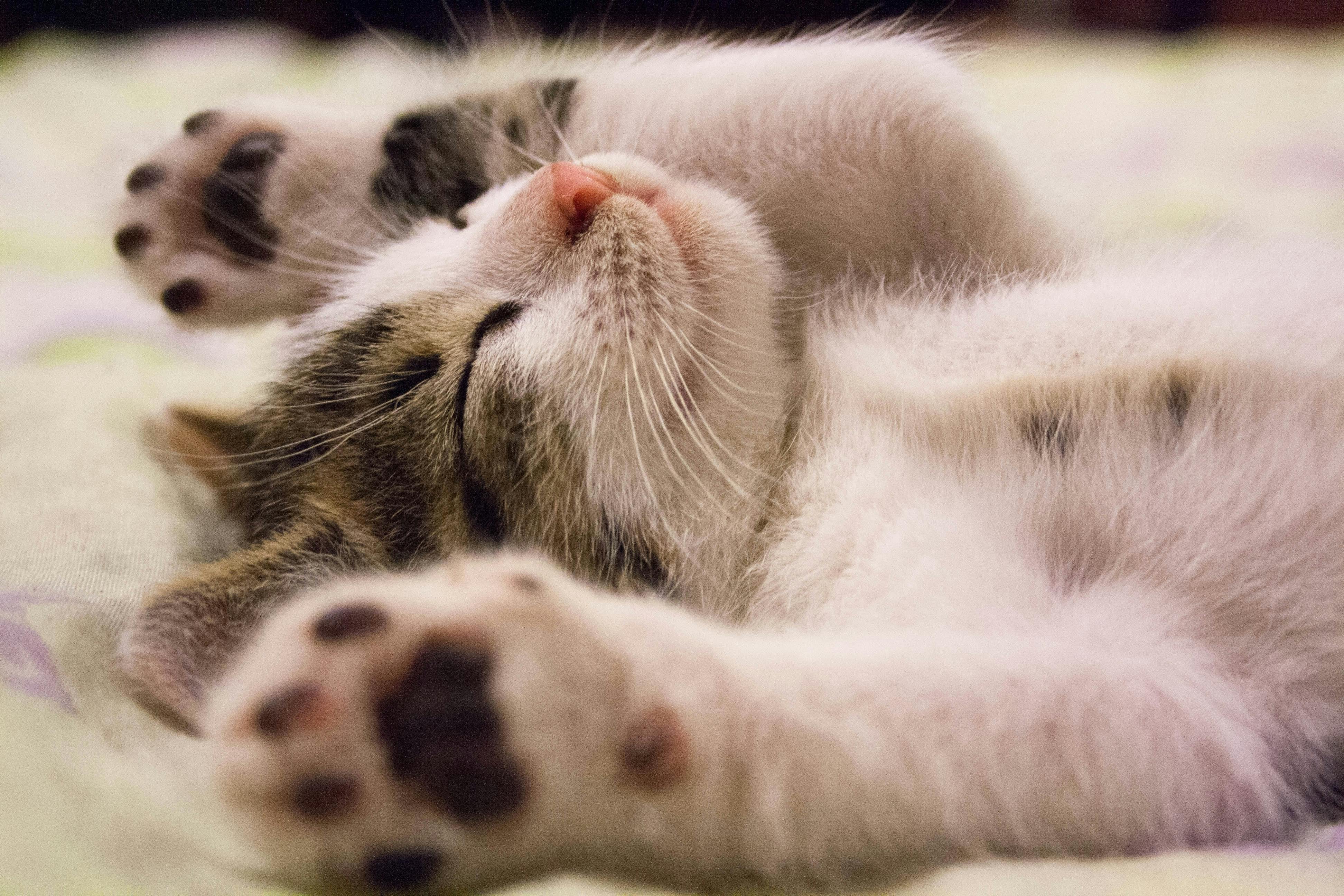
Cat playing with hair tie showing prey drive


Prevention: How to Cat-Proof Your Life

Once a cat develops a taste for hair ties, they will never stop. You cannot “train” this out of them. You must manage the environment.

1. The “Drawer Rule”

Hair ties simply cannot exist on surfaces. They must live in a closed drawer or a jar with a screw-top lid. If you take one out of your hair, it goes immediately into the jar or the trash. Never on the nightstand.

2. Switch Your Elastics

Consider using scrunchies. They are large, fabric-covered, and much harder to swallow. Most cats will bat a scrunchie around but won’t try to eat it because it’s too big to gulp.

3. Enrichment

If your cat is bored, give them safe alternatives. Food puzzles, lick mats, and cat grass can satisfy the urge to chew and hunt without the $5,000 surgery risk.


Frequently Asked Questions (FAQ)

Q: My cat ate half a hair tie. Is that better?
A: Slightly, yes. A smaller piece is less likely to cause the “accordion” plication effect because it isn’t long enough to anchor in the stomach and reach the intestine at the same time. However, it can still cause a simple blockage. Monitor closely.

Q: I see the hair tie sticking out of my cat’s butt. Should I pull it?
A: NO! NEVER! I cannot scream this loud enough. If you see a string hanging from the anus, do not pull it. If the other end is tangled deep inside the intestine, pulling it acts like a cheese wire and can slice through the intestine, causing fatal sepsis. Trim the excess with scissors and let them pass the rest naturally, or go to the vet.

Q: Can I give Vaseline to help it pass?
A: No. Vaseline (petroleum jelly) is not digestible, but in large amounts, it interferes with nutrient absorption and can cause vomiting. Stick to plain pumpkin or vet-prescribed laxatives (like Laxatone) if instructed.

Q: Are rubber bands worse than fabric hair ties?
A: They are equally dangerous, but rubber bands are “grippier.” They create more friction against the intestinal wall, making them harder to pass. Fabric hair ties are slightly smoother but pose the same linear body risk.

Final Thoughts

Realizing your cat ate a hair tie is a sickening feeling. I have seen many owners beat themselves up over it. “I left it on the counter for one second!”

Please, be kind to yourself. Cats are fast, stealthy, and incredibly persistent. The important thing is what you do now.

If it just happened, call your vet. If it’s been a day, start your poop patrol. And going forward, treat hair ties like hazardous waste. Lock them up, switch to scrunchies, and give your little hunter safer toys to destroy.

For more detailed guides on household toxins and dangers, verify your home safety with our Toxic Foods & Items list.

Help! My Dog Ate a Bee : Signs of Sting & What to Do Fast

dog ate a bee

We have all seen the photos on social media. A dog with a comically swollen snout, looking like a cartoon character, with a caption like “He ate a spicy sky raisin.”

While these photos might get a chuckle, when it happens to your dog, it is terrifying. You are in the garden, you see them snap at something buzzing in the air, and suddenly there is yelping, whining, and frantic pawing at the mouth.

The realization hits you: My dog ate a bee.

Panic sets in. Will his throat close up? Is he allergic? What if he swallowed the stinger?

As a pet safety expert, I want you to take a deep breath. While bee stings can be serious, the vast majority of dogs recover with just a little swelling and some extra cuddles. However, because the sting is inside the mouth or throat, you need to act faster than if they had just stepped on one.

In this emergency guide, we will walk through the immediate triage steps. We will learn how to spot the signs of a life-threatening allergic reaction, how to safely remove a stinger from a squirming dog’s tongue, and when you can handle it at home versus when to rush to the ER.

🐝 Emergency Action Plan: 5-Minute Checklist

If you just saw your dog ate a bee, do this now:

  1. Check the Airway: Open their mouth. Is the tongue or throat swelling rapidly? If they are wheezing, go to the vet NOW.
  2. Find the Stinger: If you see a black barb, scrape it out with a credit card. DO NOT pinch it with tweezers (this squeezes more venom in).
  3. Ice It: Offer ice water or hold an ice pack to the snout to reduce swelling.
  4. Call the Vet: Ask about giving Benadryl (Diphenhydramine). Do not guess the dose.
  5. Monitor: Watch them like a hawk for the next 30 minutes for allergic reactions.

1. The “Spicy Sky Raisin”: What Actually Happens?

Dogs explore the world with their mouths. A buzzing bee looks like a fun, interactive toy. When your dog ate a bee (or a wasp), the insect usually stings them in one of three places: the lips, the tongue, or the back of the throat.

The Venom: Bee venom causes localized pain and an immediate histamine reaction. This means fluids rush to the area, causing that classic “puffy face” look.

Bee vs. Wasp:

  • Bees: Leave their stinger behind (it keeps pumping venom). They die after stinging.
  • Wasps/Hornets: Do not leave a stinger. They can sting multiple times.

2. Signs Your Dog Was Stung (If You Didn’t See It)

Sometimes you don’t see the event, you just see the aftermath. How do you know if your **dog ate a bee** or if they just hurt a tooth?

Look for these classic symptoms:

  • Sudden Yelping: Running around the garden crying for “no reason.”
  • Frenzied Pawing: Trying to scratch their mouth or tongue.
  • Excessive Drooling: More than normal slobber.
  • Swelling: The muzzle, lips, or eyelids might puff up within minutes.
  • Hives: Bumps appearing on the body (look at the belly where fur is thin).

dog ate a bee

3. The Danger Zone: Anaphylactic Shock

This is the scary part. Just like humans, some dogs are highly allergic to bee stings. If your dog goes into anaphylactic shock, their airway can close, or their blood pressure can drop dangerously low.

If you see ANY of these signs, drive to the Vet immediately:

  • Pale Gums: Lift the lip. If gums are white or blue (instead of pink), they lack oxygen.
  • Collapse: Sudden weakness or fainting.
  • Vomiting/Diarrhea: Severe vomiting within 5-10 minutes of the sting.
  • Respiratory Distress: Loud, raspy breathing or gasping for air.

4. Home Treatment: How to Help Them Heal

If your dog is breathing fine but just looks swollen and miserable because your **dog ate a bee**, you can treat them at home.

Step 1: Remove the Stinger (The Credit Card Trick)

If the sting is on the lip or visible on the tongue, look for a tiny black dot.

Technique: Take a credit card or a stiff piece of cardboard and scrape it across the skin to pop the stinger out.

Warning: Never use tweezers or your fingers to pinch it. The venom sack is usually still attached. Pinching it injects the remaining venom into your dog.

Step 2: The Power of Ice

Swelling is the enemy.

  • External: Wrap an ice pack in a towel and hold it to their swollen muzzle for 10 minutes.
  • Internal: If the sting is inside the mouth, give them ice cubes to crunch on or ice water to drink. The cold helps numb the tongue and reduce throat swelling.

Step 3: Baking Soda Paste

If the sting is on the outside (lip or nose), mix baking soda with a little water to make a thick paste. Apply it to the sting site. It helps neutralize the acidic venom and reduces pain.

5. Can I Give My Dog Benadryl?

Yes, Diphenhydramine (Benadryl) is commonly used by vets for bee stings. It is an antihistamine that reduces swelling and itching.

However, you must be careful:

  1. Check Ingredients: Only use plain Diphenhydramine. NEVER use “Cold & Sinus” versions or liquid Benadryl containing Xylitol (which is toxic).
  2. The Dosage: The standard rule of thumb is 1 mg per pound of body weight. (Example: A 25lb dog gets one 25mg tablet).

(Please verify the correct dosage for your pet’s size on the AKC Benadryl Dosage Chart before administering).

Dog stomach gurgling and won't eat

When is “Eating a Bee” Fatal?

I don’t want to scare you, but you need to know the risks. A **dog ate a bee** situation becomes fatal if:

  1. Multiple Stings: They disturbed a nest and swallowed 5 or 6 bees. The toxin load is too high for their kidneys.
  2. Throat Swelling: The sting was deep in the throat, causing swelling that blocks the windpipe (asphyxiation).
  3. Delayed Reaction: Sometimes the crash happens 20 minutes later. Keep watching them.

Frequently Asked Questions (FAQ)

Q: Will my dog learn a lesson?
A: Sadly, probably not. Many dogs find “sky raisins” (bees) and “spicy flies” (wasps) fascinating. The prey drive often overrides the memory of the pain. You will need to supervise them.

Q: Can I use an EpiPen on my dog?
A: NO. Human EpiPens deliver a dose designed for a 150lb human. This could cause a heart attack in a dog. Only a vet can administer epinephrine safely.

Q: What if the swelling doesn’t go down?
A: Benadryl usually works within 30-60 minutes. If the face is still getting bigger after an hour, or if the swelling lasts more than 24 hours, go to the vet. They may need a steroid shot.

Final Thoughts

Finding out your dog ate a bee is a stressful rite of passage. The swelling looks dramatic, and the whining breaks your heart. But remember: dogs are resilient.

Most of the time, with a little ice, a little antihistamine, and a lot of sympathy, they will be back to chasing squirrels (and hopefully avoiding bees) by tomorrow. Keep your first aid kit ready, stay calm, and you will get through this.

For more life-saving advice, make sure to bookmark our Emergency First Aid section.