

One of the most frequent complaints I hear from frustrated cat owners is that their pet attacked them “out of nowhere.” To a human, a sudden bite or scratch can feel like a random, unprovoked act of betrayal. However, after years of working with thousands of felines in various settings, I can tell you with absolute certainty that there is almost no such thing as an attack that happens without notice. Cats are incredibly expressive creatures; they just happen to use a language that we, as humans, often fail to translate. They rely on a high-speed, highly complex vocabulary of ear tilts, pupil dilations, tail vibrations, and muzzle tension. Learning to read **cat aggression warning signs** is the most critical skill any pet parent can possess. It is the fundamental key to preventing injuries and, more importantly, to building a relationship based on mutual respect and safety.
A cat rarely wants to engage in a physical fight. In the wild, fighting is a last resort because even the winner can walk away with an infection or injury that could be fatal. Because of this, cats have evolved a series of “yellow lights”—clear, distinct warnings designed to tell the “intruder” to back off before things turn physical. When we miss these subtle cues, the cat feels unheard and forced to move to the “red light” of a strike. If you have been looking for ways on how to calm an aggressive cat naturally, the very first step is learning how to stop pushing their buttons by recognizing when they are saying “no.” In this guide, we are going to break down the silent vocabulary of an angry cat so you never have to be surprised by a bite again. Let’s explore the nuances of the feline warning system in depth.
Detailed Guide Navigation:
- 1. The Biological Instinct: Why Cats Warn Before They Strike
- 2. The Eyes: Dilation, Constriction, and the “Death Stare”
- 3. The Ears: Understanding the “Airplane” Wing Effect
- 4. The Tail: A Barometer of Rising Irritation
- 5. Vocalizations: Beyond the Hiss to the Guttural Growl
- 6. Facial Tension: Whiskers and Muzzle Cues
- 7. Body Posture: The “Halloween Cat” vs. The Predatory Crouch
- 8. The “Freeze”: The Most Dangerous Warning You are Missing
- 9. Skin Rippling: The Sign of Sensory Overload
- 10. Common Mistakes Owners Make When Reading Signs
- 11. Frequently Asked Questions (FAQ)
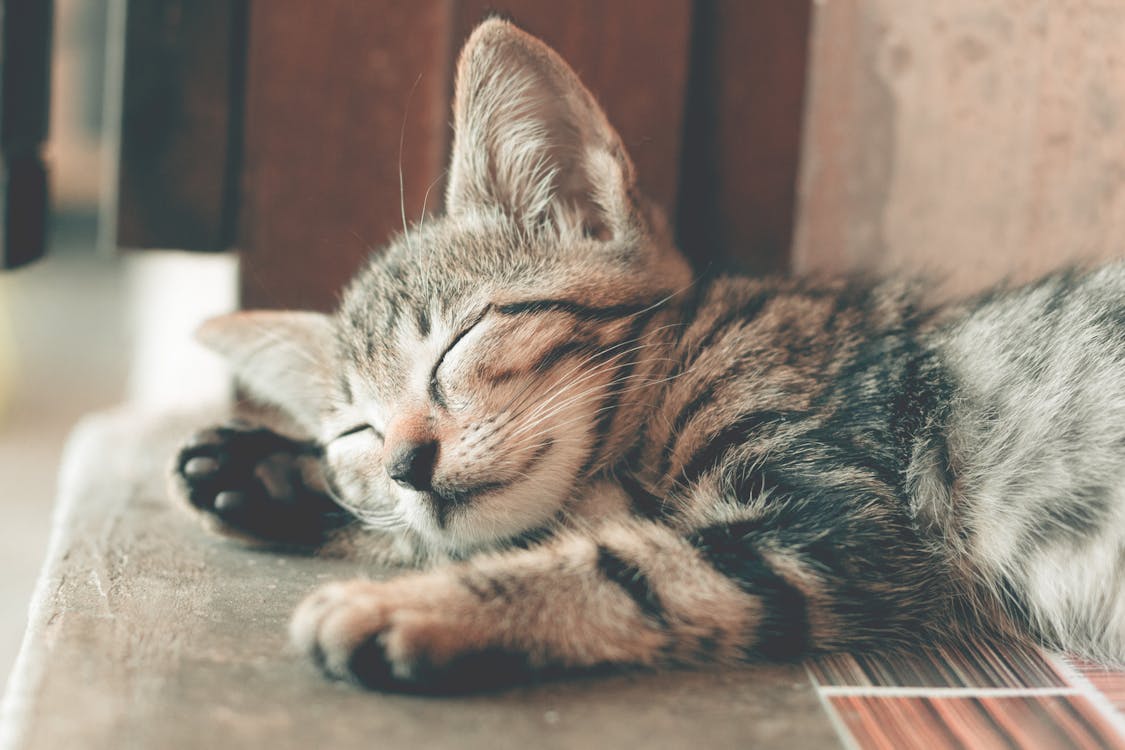 Mastering cat aggression warning signs is essential for every cat parent’s safety.
1. The Biological Instinct: Why Cats Warn Before They Strike
To understand **cat aggression warning signs**, we must first understand the feline mind. Cats are unique in the animal kingdom because they are both solitary hunters and potential prey for larger animals. This dual role makes them hyper-vigilant and extremely cautious about physical conflict. A cat that gets injured in a fight cannot hunt, and a cat that cannot hunt will starve. Therefore, the vast majority of feline communication is designed to *avoid* a fight.
When your cat gives you a warning, they aren’t being “mean” or “spiteful.” They are setting a boundary. Think of it like a human saying, “I’m having a really difficult day, please give me some space.” If someone ignores that verbal warning and tries to force a hug anyway, that human might snap. Cats are exactly the same. They rely on their owners to be literate in their body language so they don’t have to resort to their claws to be heard. If a cat feels their warnings are consistently ignored, they may eventually stop giving them, leading to a cat that truly does bite “without warning.” We must respect the whisper so we don’t have to deal with the shout.
2. The Eyes: Dilation, Constriction, and the “Death Stare”
The eyes are the quickest and most reliable indicators of a cat’s emotional state. One of the most immediate **cat aggression warning signs** is found in the movement of the pupils. When a cat is afraid or feeling defensive, their pupils will often dilate into large, black circles. This is a physiological response that allows them to take in as much visual information as possible about a potential threat. If you are petting your cat and their eyes suddenly go black, their nervous system is shifting into high arousal.
Conversely, when a cat is feeling offensive or ready to attack a “prey” (which might be your hand), their pupils may contract into tiny, sharp slits. This allows them to focus with laser precision on their target. Furthermore, we must talk about the “Fixed Stare.” In the cat world, a direct, unblinking stare is an act of aggression—it is a challenge. If your cat is staring at you without blinking, they are “locking on” to their target. If this behavior is coupled with medical causes of cat aggression, such as high blood pressure or vision loss, the cat may feel even more threatened by your presence.
3. The Ears: Understanding the “Airplane” Wing Effect
A cat’s ears are controlled by over 30 muscles, allowing them to pivot and rotate like radar dishes. They are often the very first thing to move when a cat’s mood shifts. Neutral, happy ears face forward and are slightly relaxed. However, when a cat becomes irritated, their ears will rotate outward, pointing to the sides. We call this “airplane ears.” It is a clear, “yellow light” sign that the cat’s patience is wearing thin.
If the ears flatten completely against the head, the cat is in a state of high alarm and defensive aggression. They are protecting their ears from a potential fight. When the ears go flat, the cat is 90% of the way to a strike. This is a “red light” sign that you must respect immediately. In my years of training, I’ve noticed that people often try to pet the head when the ears are back—this is the most dangerous time to reach for a cat. If you see the ears move, move your hand away.
4. The Tail: A Barometer of Rising Irritation
Unlike dogs, a wagging tail in a cat is *not* a sign of joy. This is perhaps the most common mistake new pet parents make. A cat’s tail is an emotional barometer that tells you exactly how much pressure is building up in their system.
- **The Tip Twitch:** A tiny, rapid twitch at the very end of the tail means the cat is curious but starting to get annoyed.
- **The Full Thump:** If the entire tail is thumping or lashing against the floor, the cat is “loaded” with frustration. This is one of the primary **cat aggression warning signs** seen during petting sessions.
- **The Tucked Tail:** A tail tucked tightly between the legs or wrapped around the body indicates intense fear. A fearful cat is a dangerous cat because they feel they have no choice but to fight.
5. Vocalizations: Beyond the Hiss to the Guttural Growl
Most people wait until the cat hisses to stop what they are doing. While hissing is a great warning, it’s actually a defensive sound. The cat is saying, “I am terrified, I don’t want to fight, but I will if you keep coming.” However, a **growl** or a “yowl” is much more serious. A guttural growl is an offensive sound. When a cat starts growling, they have shifted from “fear” to “intent to attack.” If you hear a low, moaning yowl, do not approach. Any further movement toward them will be seen as an invitation to battle.

6. Facial Tension: Whiskers and Muzzle Cues
A cat’s face becomes very rigid when they are aggressive. Look at the muzzle; it may look “puffed up” or tense. The whiskers also provide a major clue. In a relaxed state, whiskers are out to the side. As a cat becomes aggressive, the whiskers may pull back tight against the cheeks to protect them from a fight. If you see the face go rigid and the whiskers disappear against the face, the cat is ready for a confrontation. This is a subtle but vital part of the **cat aggression warning signs** vocabulary.
7. Body Posture: The “Halloween Cat” vs. The Predatory Crouch
A cat’s posture tells you whether they are planning a defensive retreat or an offensive strike. A cat that arches its back and stands sideways (piloerection) is trying to look as large and intimidating as possible. They are “bluffing” to try and make you leave. On the other hand, a cat hunkered down with their weight shifted onto their back legs—the “crouch”—is ready to spring. This is a coiled kinetic spring, and it is a very dangerous posture for an owner to ignore.
8. The “Freeze”: The Most Dangerous Warning You are Missing
This is the sign that most owners miss, leading to the “out of nowhere” bite. You are petting your cat, they are purring, and then suddenly… they go completely still. The purring stops. Their body feels like a statue under your hand. The **”Freeze”** is a major warning. It means the cat’s brain has reached its limit and is now “evaluating” the threat. They are deciding whether to bite. If your cat suddenly goes stiff, **stop moving immediately.** Let your hand sit there for a second, then slowly retreat. If you continue to pet a “frozen” cat, they will strike.
9. Skin Rippling: The Sign of Sensory Overload
Have you ever seen the skin on your cat’s back “twitch” or “ripple” during petting? This is often a sign of sensory overload or feline hyperesthesia. Their nervous system is physically telling you that the stimulation has become too much to handle. If the skin is rippling, the cat is on the verge of a “snap” reaction. This is a common precursor to why is my calm cat suddenly aggressive during quiet moments. Respect the skin ripple and stop the interaction.
Frequently Asked Questions
Why does my cat bite me while I am sleeping?
This is usually either play-aggression (hunting moving toes) or redirected aggression from hearing something outside. They are in a state of high arousal and you are the closest target.
Should I hiss back at my cat?
No. Hissing is a challenge and a sign of enmity. It will only escalate the fear and the fight. Use silence and distance instead.
Can a new smell cause aggression?
Yes. If you smell like a strange cat or dog, your cat may not recognize you and react as if an intruder has entered their territory.
How long does it take for a cat to calm down after a warning?
Adrenaline can take up to 24 hours to leave a cat’s system. Give them at least 2-4 hours of total silence before interacting again.
Conclusion
Reading **cat aggression warning signs** is an act of empathy and respect. By learning the subtle language of the eyes, ears, and tail, you are telling your cat that they are safe and that their boundaries matter. Don’t wait for the bite to happen; listen to the “whispers” of their body language. For more tips on mastering the complex bond between humans and felines, join our community on our Facebook page. Let’s turn those hisses back into purrs.