
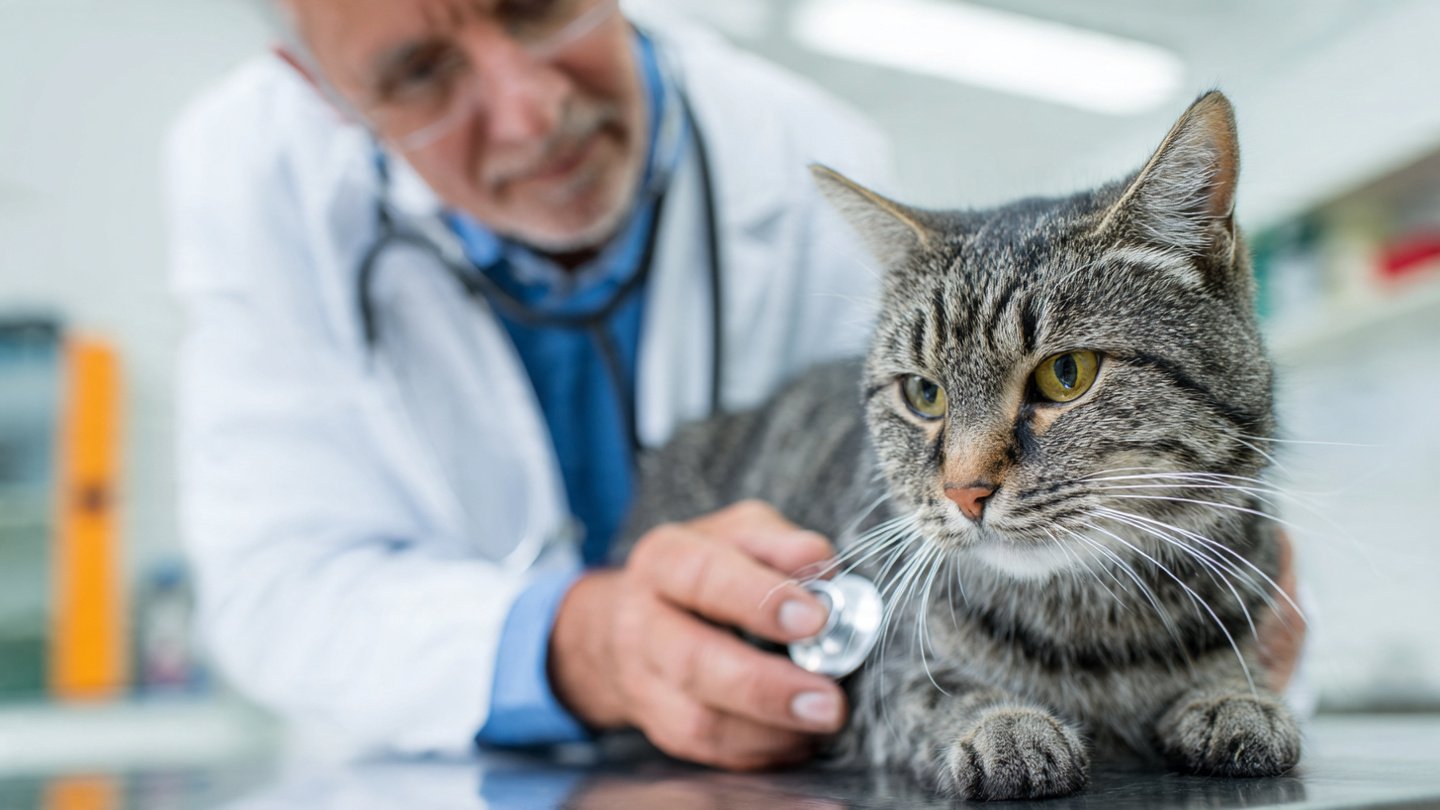
When a normally affectionate cat suddenly starts hissing, swatting, or biting, the emotional toll on the owner is immense. We tend to view our pets through a human lens, wondering if they are “mad” at us or if they have suddenly developed a “mean” personality. However, as someone who has spent years observing feline behavior in both clinical and home settings, I can tell you that cats are rarely malicious. Instead, they are masters of concealment. In the wild, showing pain is a death sentence; it signals vulnerability to predators and competitors. In your living room, this evolutionary trait means your cat will hide a pulsing toothache or the grinding pain of arthritis until they simply cannot take it anymore. At that point, aggression becomes their only defensive tool. Understanding the **medical causes of cat aggression** is not just about fixing a behavior—it’s about relieving suffering.
If you’ve been asking yourself why is my calm cat suddenly aggressive, you must pause before reaching for a training manual or a spray bottle. Aggression that appears “out of nowhere” is almost always a physiological cry for help. A cat that lashes out when touched is often trying to protect a hurting part of their body from further discomfort. In this comprehensive guide, we are going to explore the various medical triggers that turn sweet cats sour, from silent joint decay to complex hormonal imbalances. By the end of this article, you will know exactly what physical signs to look for and why your vet’s diagnostic plan is the most important step in restoring your cat’s gentle nature.
Article Guide:
- 1. Dental Disease: The Silent Agony of the Mouth
- 2. Arthritis and Joint Pain: Why Movement Hurts
- 3. Hyperthyroidism: Understanding “Thyroid Rage”
- 4. Urinary and Renal Distress: Bladder Pain and Toxins
- 5. Feline Hyperesthesia Syndrome: The Rolling Skin Disease
- 6. Neurological Glitches: Brain Tumors and Seizures
- 7. Sensory Loss: The Aggression of the Startled Cat
- 8. Gastrointestinal Issues: The Gut-Brain Connection
- 9. Diagnostic Checklist: Preparing for the Vet
- 10. Frequently Asked Questions (FAQ)
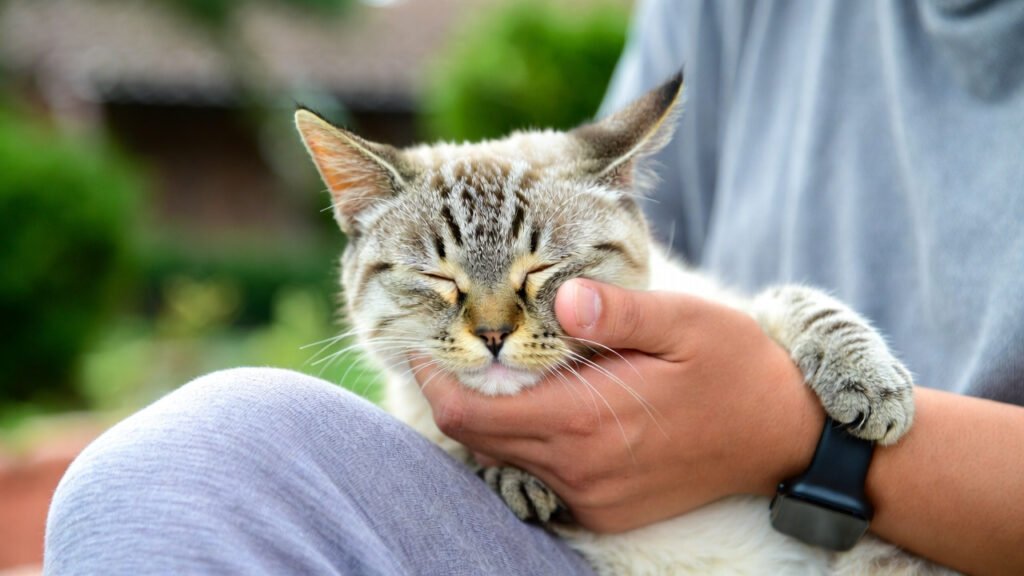
Recognizing the medical causes of cat aggression can save your pet from prolonged suffering.
1. Dental Disease: The Silent Agony of the Mouth
In my experience, dental pain is the single most overlooked **medical cause of cat aggression**. Cats suffer from a unique and agonizing condition called Feline Oral Resorptive Lesions (FORL), where the body literally begins to dissolve the tooth from the inside out, exposing the highly sensitive nerve endings. Imagine having an open nerve in your tooth and then having someone playfully scruff your head or try to pet your cheek. The pain is electric, sharp, and terrifying for a cat.
This pain often leads to what we call “head shyness.” The cat will flinch when you reach for them, or they may hiss at their food bowl because they associate eating with agony. If you notice your cat dropping food, drooling excessively, or pawing at their mouth, the aggression is a secondary symptom of a major dental crisis. A simple cleaning or an extraction can often take a cat from “aggressive” to “cuddly” in just a few days of recovery. Have you noticed your cat only biting when you pet near their jaw? That is a huge red flag for oral pain.
2. Arthritis and Joint Pain: Why Movement Hurts
We often think of arthritis as a “dog problem,” but recent studies suggest that up to 90% of cats over the age of 12 have some form of degenerative joint disease. Because cats are so light and agile, they hide their limp much better than dogs do. Instead of limping, they simply stop moving as much. They stop jumping onto the high counter, they stop grooming their back, and they become aggressive when picked up.
Arthritis makes a cat feel vulnerable. If they know their hips hurt, and they see a child or another pet approaching them quickly, they will preemptively hiss or swat to keep the “threat” away. They are creating a buffer zone of safety. If you’ve been monitoring cat aggression warning signs, look for a “hunched” posture or a tail that thumps whenever the cat has to change positions. Providing orthopedic beds and joint supplements can help, but ruling out chronic pain is essential for their mood stabilization.
3. Hyperthyroidism: Understanding “Thyroid Rage”
When an older cat suddenly develops a “manic” energy—pacing at night, eating everything in sight, and attacking for no reason—we immediately look at the thyroid gland. Hyperthyroidism is a common **medical cause of cat aggression** where an overactive thyroid floods the body with hormones. This speeds up the heart rate, raises blood pressure, and puts the cat’s nervous system into a state of permanent “fight or flight.”
In the veterinary community, we sometimes call this “thyroid rage.” The cat isn’t choosing to be angry; their body is literally vibrating with excess energy and irritation. Everything feels louder, brighter, and more annoying to them. If your senior cat is losing weight despite a massive appetite and has become aggressive, a simple blood test can confirm this condition. Once the hormone levels are managed via medication or radioactive iodine therapy, the “rage” usually vanishes.
4. Urinary and Renal Distress: Bladder Pain and Toxins
Urinary issues are physically excruciating for felines. Whether it’s a bacterial infection (UTI) or sterile cystitis caused by stress, the bladder wall becomes inflamed and raw. Every movement can cause a sharp, stinging pain in the lower abdomen. If you pet a cat near their tail or flanks while they have a bladder issue, they may turn and bite with shocking speed.
Furthermore, as kidney function declines in older cats, metabolic toxins can build up in the bloodstream (uremia). These toxins can cause nausea, headaches, and a general feeling of malaise. A cat that feels constantly nauseated is not going to have much patience for petting or play. This is also why you might find your cat sleeping in the litter box; they are seeking comfort in a familiar place while their body feels like it’s failing them.
5. Feline Hyperesthesia Syndrome: The Rolling Skin Disease
If you have ever seen your cat’s skin “ripple” or “roll” along their back, followed by a sudden burst of frantic grooming or a seemingly unprovoked attack on their own tail, you may be seeing Feline Hyperesthesia Syndrome (FHS). This is a complex neurological and dermatological condition where the cat’s skin becomes hypersensitive to the point of pain.
For a cat with FHS, a gentle stroke along the spine can feel like an electric shock. They may suddenly hiss and bite at the air or your hand because their nervous system is misfiring. This is one of the most frustrating **medical causes of cat aggression** for owners because it looks so bizarre. Managing FHS often involves a combination of environmental enrichment, stress reduction, and sometimes anti-seizure or anti-anxiety medications to calm the overactive nerves.

6. Neurological Glitches: Brain Tumors and Seizures
Sometimes the “aggression” isn’t a reaction to external stimuli, but a direct result of changes in the brain’s physical structure. Brain tumors, inflammatory diseases like FIP (Feline Infectious Peritonitis), or even lead poisoning can affect the part of the brain that governs impulse control and mood.
Neurological aggression often feels “different” to an owner. The cat may have a glazed look in their eyes, or they may attack a wall before turning on you. Some cats suffer from “partial seizures” where they remain conscious but lose control over their emotional responses for a few minutes. If the aggression is accompanied by circling, head pressing, or vision changes, it is a medical emergency that requires immediate veterinary imaging.
7. Sensory Loss: The Aggression of the Startled Cat
As cats age, they often lose their hearing and vision, much like humans do. A cat that can no longer hear you approaching or see your hand coming toward them is a cat that is constantly being “snuck up on.” If you startle a sleeping cat who is deaf and blind, their instinctual “startle reflex” is to use their claws.
This isn’t intentional aggression; it is a defensive reaction to being shocked. Owners of senior cats should learn to stomp their feet on the floor when entering a room so the cat can feel the vibrations, or use scent markers to help the cat navigate. If you find your senior friend becoming “grumpy,” consider that they might simply be living in a world of silence and shadows.
8. Gastrointestinal Issues: The Gut-Brain Connection
We are learning more every day about the connection between the gut and the brain. Chronic inflammation in the intestines (IBD) or food sensitivities can cause constant, low-level abdominal pain and nausea. Have you ever been “hangry” or had a stomach bug that made you want to be left alone? Cats experience this too. If their gut is constantly inflamed, they will be less tolerant of handling and more prone to irritability. Managing their diet is often the first step in calming their temperament.
Frequently Asked Questions
Can a cat become aggressive from a simple flea bite?
Yes. For cats with Flea Allergy Dermatitis, the itch is so intense it causes a state of high stress and “petting-induced” aggression as the skin is already raw and sensitive.
What is the most common medical cause of aggression in kittens?
Usually, it is related to parasites or teething pain, though play-aggression is more common at that age. However, ear mites can cause significant pain and irritability in kittens.
Will my cat’s personality return to normal after treatment?
In the vast majority of cases, yes. Once the underlying pain or hormonal imbalance is resolved, the behavioral aggression typically fades away within a few weeks.
Should I try behavioral training while my cat is ill?
No. Training an animal that is in physical pain is ineffective and can actually damage your bond. Focus on medical recovery first.
Final Thoughts
If your cat is lashing out, please don’t take it personally. They aren’t trying to hurt you; they are trying to survive a body that feels like it’s under attack from the inside. Ruling out the **medical causes of cat aggression** is the most loving, responsible thing you can do as a pet parent. By working closely with your vet and paying attention to subtle changes in their grooming, eating, and movement, you can give your cat the relief they deserve. For more advice on navigating the complexities of feline health, join our community on our Facebook page. We are here to help you and your kitty find the peace you both deserve.
Read also :Why Is My Calm Cat Suddenly Aggressive
2 thoughts on “Medical Causes of Cat Aggression: A Deep Dive into Pain and Illness in Felines”
Comments are closed.