
You are enjoying a juicy cheeseburger on a Saturday afternoon. You take a bite, and a slippery slice of dill pickle falls out of the bun and lands on the floor.
Before you can even blink, your dog has snatched it up. Gulp. Gone.
You probably don’t panic immediately. After all, isn’t a pickle just a cucumber? And aren’t cucumbers healthy vegetables? It seems harmless enough.
But then you start thinking about the salt. You remember the strong smell of garlic in the jar. You wonder if vinegar is safe for a dog’s stomach.
You grab your phone and search: Can dogs eat pickles?
As a veterinary nutritionist, I classify pickles as a “Deceptive Food.” While the core ingredient (cucumber) is safe, the process it undergoes changes its chemical makeup entirely. A pickle is no longer a vegetable; it is a sodium sponge often soaked in ingredients that are toxic to dogs.
In this comprehensive safety guide, we will look at the science of pickling. We will explain why “Sodium Ion Poisoning” is a real threat, the hidden danger of garlic spices, and why you should stick to the raw crunch of a fresh cucumber instead.
🥒 The Quick Verdict: Cucumber vs. Pickle
Can dogs eat pickles? NO.
Here is the critical distinction:
- ✅ Raw Cucumber: SAFE. Hydrating, low calorie, crunchy.
- ❌ Pickles (Dill/Kosher): DANGEROUS. Extremely high sodium.
- ❌ Bread & Butter (Sweet): DANGEROUS. High sugar + High sodium.
- ❌ Spicy Pickles: TOXIC. Often contain garlic, onion, and chili.
The Sodium Problem: Why Salt Kills
When asking “can dogs eat pickles,” the biggest factor is salt. Pickling is literally the process of preserving food in brine (salt water).
A single medium-sized pickle can contain over 800mg of sodium. To put that in perspective, a medium-sized dog (30 lbs) only needs about 100mg of sodium for their entire day.
Sodium Ion Poisoning (Hypernatremia)
If a dog eats a large amount of pickles (or drinks the juice), the salt levels in their blood spike rapidly. This draws water out of their cells, including brain cells.
Symptoms of Salt Toxicity:
- Extreme Thirst: Drinking the water bowl dry instantly.
- Vomiting and Diarrhea: The body trying to purge the salt.
- Tremors and Seizures: Due to brain swelling.
- High Fever.
While one slice won’t cause death, it puts immense strain on the kidneys, especially in senior dogs with heart issues.
The Hidden Toxin: Garlic and Onions
Look at the ingredient label on your jar of Kosher Dill Pickles. You will almost certainly see: “Dehydrated Garlic,” “Onion Flakes,” or “Natural Spices.”
This is the deal-breaker.
Garlic and Onions are toxic to dogs. They belong to the Allium family. They contain compounds called disulfides and thiosulphates.
What do they do?
These toxins cause “Oxidative Damage” to your dog’s red blood cells. Essentially, they cause the red blood cells to burst. This leads to a condition called Hemolytic Anemia.
Symptoms (often delayed by days):
– Pale gums.
– Weakness/Lethargy.
– Rapid breathing.
– Red or dark urine.
Because the spices float in the brine, the pickle absorbs them completely. You cannot just “wash off” the garlic.

Vinegar and Digestion
The third component of a pickle is Vinegar (Acetic Acid).
Is vinegar toxic to dogs? No.
However, it is very harsh on a canine stomach. Dogs have a different stomach pH than humans. A sudden influx of acidic vinegar usually leads to immediate gastrointestinal upset (vomiting and diarrhea) even if the salt doesn’t get them.
For dogs with sensitive stomachs or a history of acid reflux, a pickle is a guaranteed ticket to a sick day.
My Dog Ate a Pickle: Triage Plan
Okay, the burger slipped, and the pickle is gone. Do you need to rush to the ER?
Scenario A: One small slice (from a burger)
Status: Likely Fine.
Action: Don’t panic. The amount of garlic/onion in one slice is negligible. The salt might make them thirsty. Fill their water bowl and monitor for vomiting. They will likely be okay.
Scenario B: A whole whole pickle
Status: Watch Closely.
Action: If it was a garlic pickle, call your vet. If it was just a plain dill pickle, expect diarrhea. Ensure they drink plenty of water to help the kidneys flush the salt.
Scenario C: The Whole Jar (or drank the juice)
Status: EMERGENCY.
Action: This is a salt toxicity crisis. Drive to the Vet. They need IV fluids to slowly lower their sodium levels and prevent brain damage.
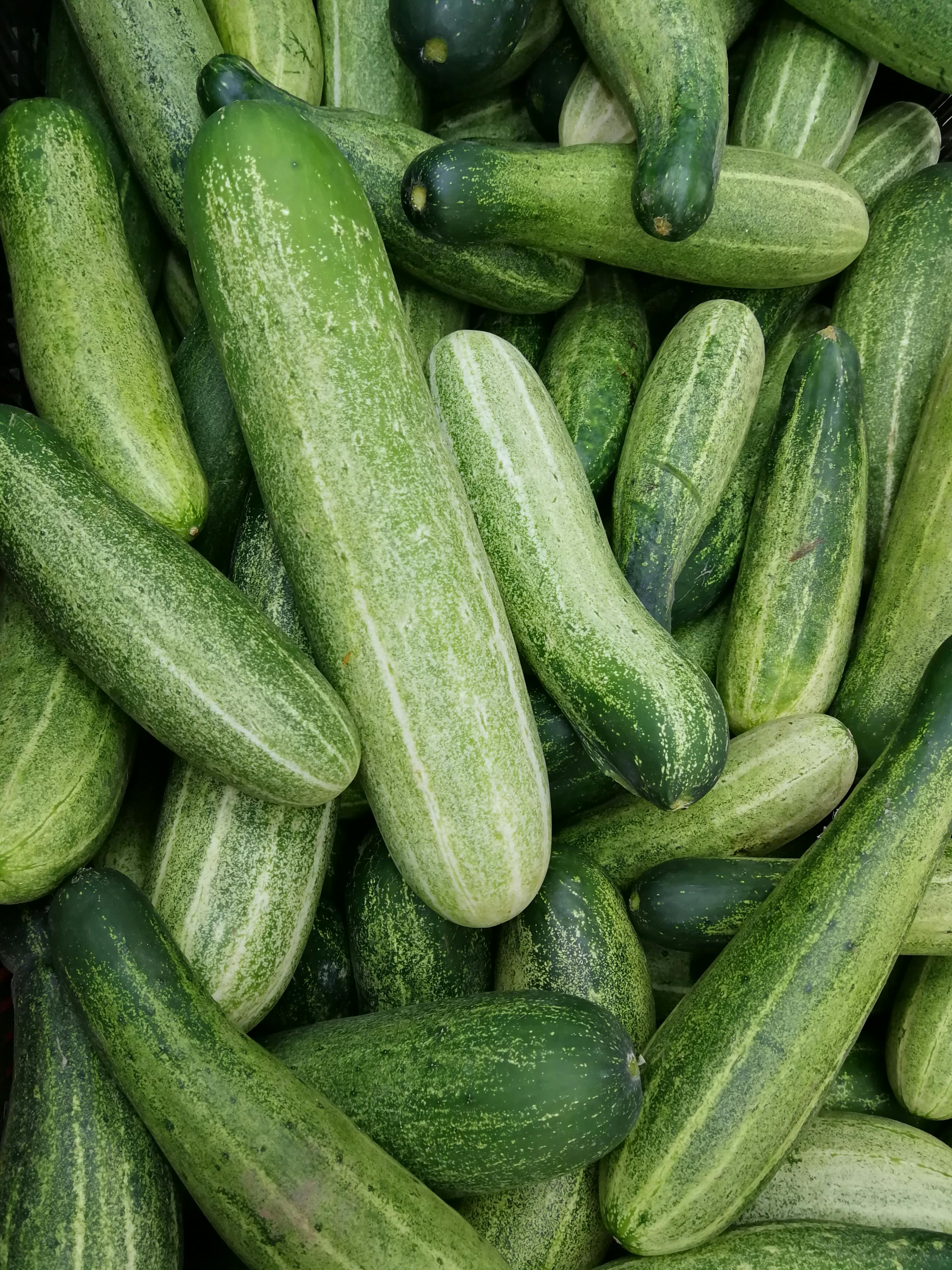
The Safe Alternative: Fresh Cucumbers
If your dog loves the crunch, why not give them the healthy version?
Cucumbers are fantastic treats.
- Low Calorie: Great for weight loss.
- High Water: Hydrating.
- Crunchy: Satisfying to chew.
How to Serve:
– Wash the cucumber.
– Peel it (optional, but skin can be bitter).
– Slice into rounds.
– Offer as a training treat. Your dog will love it just as much as the pickle, without the kidney stress!
Frequently Asked Questions (FAQ)
Q: Can dogs eat sweet pickles (Bread and Butter)?
A: No. In addition to the salt and spices, these are loaded with sugar (or high fructose corn syrup). Sugar causes obesity and dental decay. Sometimes they use artificial sweeteners (Xylitol) which is deadly.
Q: Can dogs have pickle juice?
A: Absolutely NOT. Pickle juice is basically concentrated liquid salt and vinegar. Drinking it can cause rapid salt toxicity and severe dehydration. Never pour it on their food.
Q: Can dogs eat pickled beets or eggs?
A: No. The rule applies to anything pickled. The brine (salt/vinegar/spices) is the problem, not just the cucumber. Pickled beets are high in sodium, and pickled eggs are a sulfur-smelling gas disaster waiting to happen.
Q: My dog loves the crunch. What else can I give?
A: Try Broccoli Stems (peeled), Carrot sticks, or Green Beans (frozen). All provide that satisfying “snap” without the sodium.
Final Thoughts
So, can dogs eat pickles? The answer is a firm No. While they aren’t instantly fatal like chocolate, they are a nutritional disaster that risks your dog’s long-term kidney health.
The combination of massive sodium, potential garlic toxicity, and unnecessary sugar makes them one of the worst vegetables you can share. Keep the pickles in the jar, and toss your dog a fresh slice of cucumber instead.
For more food safety warnings, check out our guide on Dangerous Foods in the Nutrition section.