
If you are a cat owner, you already know that your feline friend is a professional sleeper. Cats are built for short bursts of intense energy followed by long periods of rest. In fact, an average healthy adult cat can spend anywhere from 12 to 16 hours a day in dreamland. But what happens when that routine shifts? If you’ve noticed your cat is sleeping more than usual—perhaps barely moving from their favorite sunspot or skipping their usual “zoomies” session—it is natural to feel a bit concerned. Is it just the rainy weather, or is there something more serious brewing under that soft fur?
The truth is that while increased sleep can simply be a result of aging or a change in the household environment, it can also be a subtle sign of underlying health issues. Cats are masters at hiding discomfort, so a change in their sleeping pattern is often one of the few clues they give us that something is off. In this guide, we’re going to look at the difference between a lazy afternoon and genuine lethargy, helping you understand when to let them sleep and when to call the veterinarian.
Table of Contents
- Understanding the “Normal” Cat Nap
- The Age Factor: Kittens vs. Seniors
- Environmental Triggers and Boredom
- Weather and Seasonal Shifts
- Medical Causes of Feline Lethargy
- Sleep vs. Lethargy: Knowing the Difference
- Behavioral Monitoring: What Else Is Changing?
- Common Mistakes Cat Owners Make
- When to See a Veterinarian
- Frequently Asked Questions
- Practical Summary for Cat Parents
Understanding the “Normal” Cat Nap
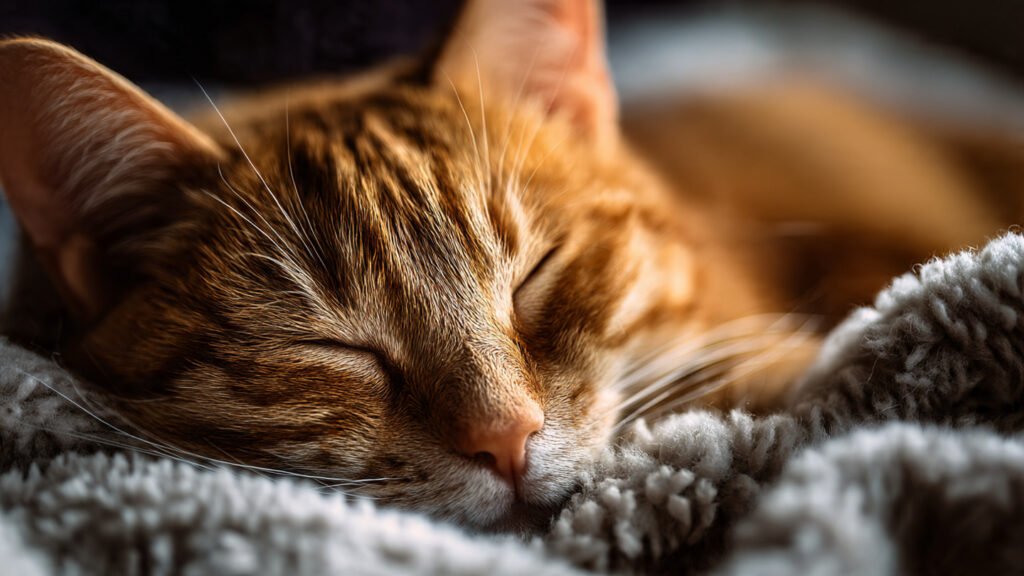
Before we panic, let’s talk about how cats actually sleep. They aren’t like us; they don’t do eight hours of solid rest and then sixteen hours of activity. Cats are crepuscular, meaning they are most active during the twilight hours of dawn and dusk. This is an evolutionary holdover from their wild ancestors who hunted when their prey was most active but the light was low enough to provide cover.
When you see your cat sleeping in the middle of the afternoon, they aren’t necessarily in a deep “human-style” sleep. About three-quarters of that time is spent in a light “cat nap.” During this state, their ears might twitch, and they can spring into action in a heartbeat if they hear the can opener. Only about 25% of their sleep time is spent in a very deep REM cycle. If they are increasing their deep sleep or seem harder to wake up, that is when the question of “why is my cat sleeping more than usual” becomes much more relevant.
Have you ever watched your cat’s ears while they sleep? Even when they look dead to the world, those little satellite dishes are often scanning the room. This “half-on, half-off” state is what makes them such efficient predators. It allows them to recharge their batteries without ever being fully vulnerable to potential threats.
[Image suggestion: A close-up of a cat’s face while sleeping, showing twitching whiskers or ears.]
The Age Factor: Kittens vs. Seniors
Age is perhaps the most significant variable in sleep duration. If you have a brand-new kitten, you might be shocked to see them play like a whirlwind for ten minutes and then collapse into a deep sleep for three hours. This is perfectly normal. Kittens need immense amounts of sleep because their bodies are producing growth hormones at a rapid rate. They are literally growing while they snooze.
On the other end of the spectrum, we have our senior feline friends. Much like humans, as cats get older, their energy levels naturally dip. A cat over the age of 10 or 12 might move a bit slower and value their rest more than a rambunctious two-year-old. You might find them choosing the warmest spot in the house and staying there for the better part of the day. If the transition into more sleep is very gradual—happening over months or years—it is usually just a part of the natural aging process.
However, if your senior cat suddenly goes from active to sedentary over the course of a week, that isn’t just “old age.” Sudden shifts in behavior are the red flags we need to pay attention to. For more on managing the golden years, check out our guide on senior pet health care.
Environmental Triggers and Boredom
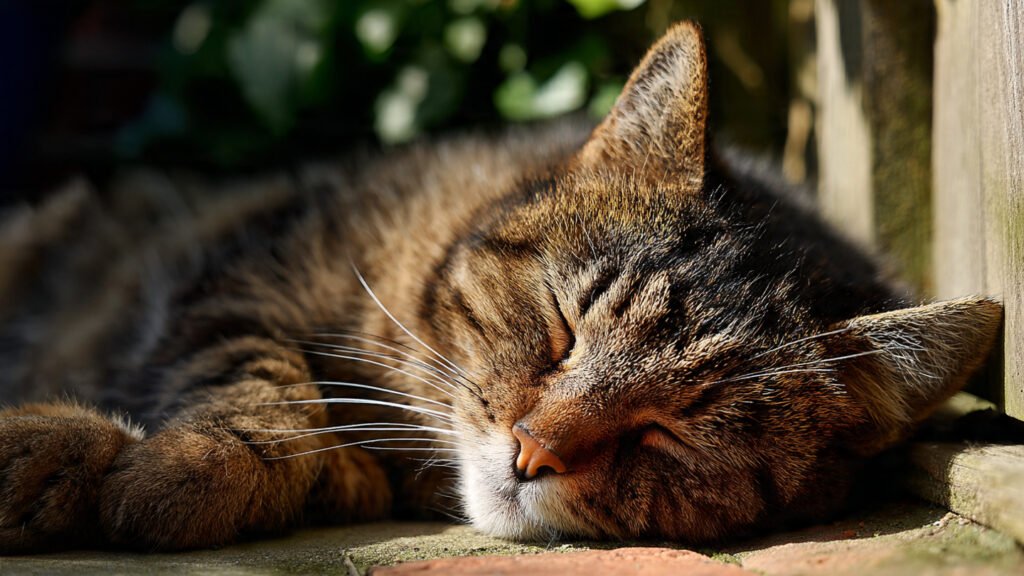
Sometimes, cats sleep more because there is simply nothing better to do. If a cat’s environment is stagnant—no new toys, no window views, and no interactive play—they may just opt for a nap to pass the time. Indoor cats are especially prone to “boredom napping.” If the house is quiet and everyone is at work, the cat learns that sleep is the default state of the afternoon.
Think about your cat’s daily routine. Do they have vertical space to climb? Do they have “cat TV” (a window with a bird feeder outside)? If not, they might be sleeping out of a lack of stimulation. From what many owners notice, adding a simple cardboard box or a new scratching post can sometimes “cure” excessive sleeping in a bored cat. It isn’t that they were sick; they were just uninspired.
So how do you know if your dog is learning correctly? Wait, I know we are talking about cats, but let’s use a quick analogy. In dog training, we look for engagement and bright eyes as signs of mental growth. With cats, it’s the same. If your cat perks up when you offer a toy, their “excessive sleep” is probably just boredom. If they ignore the toy and go back to sleep, it might be something else.
[Image suggestion: A cat looking out a window at birds, showing an active environment.]
Weather and Seasonal Shifts
Believe it or not, cats are affected by the weather just like we are. Have you ever noticed that on a dark, rainy day, you feel like staying in bed with a book? Your cat feels the same way. The drop in barometric pressure and the lack of bright sunlight can trigger longer sleeping periods. During the winter months, cats often sleep more to conserve body heat and energy, even if they live in a climate-controlled house.
This is usually nothing to worry about. If the sun comes out and your cat is back to their usual self, you can chalk it up to a “weather mood.” It’s also common for cats to seek out heat sources during these times—the top of the refrigerator, a sunny windowsill, or even your lap. They are effectively “charging” their internal batteries using external heat.
![A cat curled in a tight ball on a rainy day near a window.]](http://petscatsdogs.com/wp-content/uploads/2026/01/a_cat_curled_in_a_tight_ball-1024x576.jpeg)
Medical Causes of Feline Lethargy
This is the section where we need to be practical and honest. If a cat is sleeping more than usual and it isn’t age, weather, or boredom, we have to consider health. Lethargy is a clinical term for a cat that isn’t just sleeping, but lacks the energy to be awake. Several medical conditions can cause a cat to withdraw into constant sleep.
- Anemia: A lack of red blood cells means less oxygen is moving through the body. This makes even simple movements exhausting.
- Infections: Whether it’s a viral respiratory infection or a localized abscess from a cat fight, fighting an infection requires a lot of metabolic energy. Fever will almost always make a cat sleep more.
- Arthritis and Chronic Pain: If moving hurts, the cat will choose to stay still. Many owners mistake arthritis for “just slowing down with age.”
- Kidney or Liver Issues: When the body cannot filter toxins properly, the cat feels generally unwell and nauseous, leading to a desire to hide and sleep.
- Depression or Anxiety: Yes, cats can suffer from mental health shifts. A new pet, a move, or the loss of a companion can cause a cat to “shut down” and sleep to avoid stress.
If you suspect any of these, it is vital to look for concurrent symptoms. Is their appetite normal? Are they using the litter box correctly? For a deeper dive into these signs, check out our cat health symptoms checker.
Sleep vs. Lethargy: Knowing the Difference
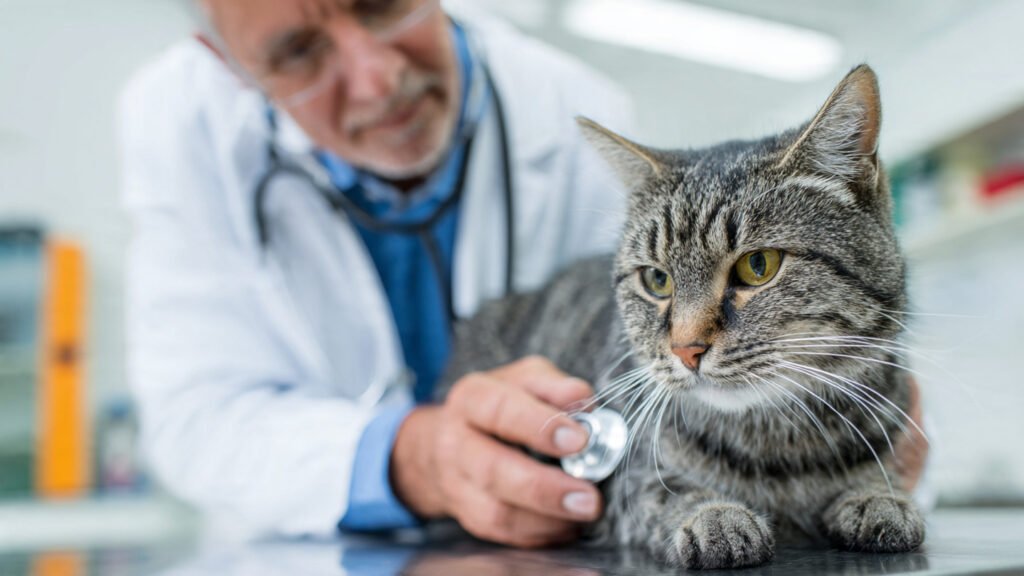
As an expert who has worked with thousands of pet owners, I always ask: “Can you wake them up?” A sleeping cat can be roused by the sound of a treat bag or their favorite squeaky toy. A lethargic cat might open their eyes, look at you, and then immediately drift back off, seemingly unable to muster the interest to stay awake. This is a critical distinction.
Lethargy often comes with a “heavy” feeling. The cat might feel limp when you pick them up, or they might not even bother to groom themselves. If your cat’s fur is looking greasy or unkempt and they are sleeping constantly, they aren’t just napping—they are sick. Grooming takes energy, and it’s often the first thing a sick cat stops doing.
Behavioral Monitoring: What Else Is Changing?
When you ask yourself “why is my cat sleeping more than usual,” you shouldn’t look at the sleep in a vacuum. You need to be a detective. I recommend keeping a small journal for 48 hours. Note down when they eat, how much they drink, and any vocalizations. Sometimes a cat that is sleeping more is also drinking more water—this could point toward diabetes or kidney disease.
Another thing to watch for is hiding. There is a big difference between a cat sleeping on the middle of the bed and a cat sleeping under the bed or in the back of a dark closet. Cats naturally seek out secluded spots when they feel vulnerable or in pain. If your cat has suddenly changed their sleeping *location* along with the duration, it is a significant behavioral shift.
You can share your observations and get more community advice on our Facebook community page, where we discuss feline behaviors daily. It is often helpful to hear from other owners who have gone through similar situations.
Common Mistakes Cat Owners Make
One of the biggest mistakes I see is owners assuming that a sleeping cat is a happy cat. While a peaceful cat is great, a cat that sleeps because it hurts to walk is a tragedy. We often normalize “slowing down” far too early in a cat’s life. Another mistake is changing their diet suddenly without realizing it might be affecting their energy levels.
Some owners also try to “force” their cat to be active by waking them up constantly. If your cat is actually sick, this just adds stress to an already burdened system. It is much better to observe quietly and gather data for your vet rather than annoying the cat into a state of agitation. Remember, respect their space while you monitor their health.
![A cat being gently petted while resting, showing a caring owner.]](http://petscatsdogs.com/wp-content/uploads/2026/01/a_cat_being_gently_petted_while_resting-1024x576.jpeg)
When to See a Veterinarian
So, when is it time to pull the trigger and make that appointment? I generally suggest the “Rule of Three.” If your cat has been sleeping excessively for more than three days, and you’ve ruled out major weather or household changes, it’s time for a check-up. However, you should go immediately if you see any of the following “red zone” symptoms:
- Refusal to eat: If they skip more than two meals, it is an emergency.
- Difficulty breathing: Even while sleeping, their breathing should be smooth, not labored or open-mouthed.
- Changes in litter box habits: Straining or sudden accidents outside the box.
- Vomiting or Diarrhea: Especially if paired with the extra sleep.
- Pale Gums: Press on their gums; they should turn pink again quickly. If they stay white or pale, go to the vet now.
A simple blood panel can tell a vet a lot about what is going on inside. It can rule out infections, check organ function, and see if there is any hidden inflammation. It is always better to be safe and have a healthy cat than to wait and have a crisis. You can find more information on preparing for a vet visit on our site.
Frequently Asked Questions
Is it normal for a cat to sleep 20 hours a day?
For a senior cat or a growing kitten, it can be on the high end of normal. However, for a young or middle-aged adult cat, 20 hours is quite a bit. If they are truly asleep for that long and not just resting, a vet visit is recommended to rule out metabolic issues.
Can a change in cat food make my cat sleep more?
Yes. If the new food is lower in high-quality animal protein or has more fillers, your cat might not be getting the energy they need. Conversely, if the food is causing mild digestive upset, they may sleep more because they feel slightly nauseous.
Do cats sleep more when they are depressed?
Absolutely. Cats are very sensitive to their environments. The loss of a owner, a move, or even a change in your work schedule can cause a cat to feel depressed. Sleeping is a common “withdrawal” tactic for stressed felines.
Could my cat just be lazy?
While some cats have lower “drive” than others, “laziness” is often a label we put on cats that are actually bored or in slight pain. Most healthy cats have at least one or two periods of active play or exploration during the day.
Why is my cat sleeping more but also eating more?
This can be a sign of a metabolic disorder like hyperthyroidism (though this usually causes *less* sleep) or potentially parasites. When the body isn’t absorbing nutrients properly, the cat feels tired but hungry.
Practical Summary for Cat Parents
At the end of the day, you know your cat better than anyone else. If your gut is telling you that their increased sleep isn’t just a “lazy phase,” listen to that instinct. Start by enriching their environment—buy a new wand toy, put a bird feeder outside the window, and spend ten minutes a day in active play. If they perk up and stay active, they were likely just bored.
If the extra sleep persists, keep an eye on the “big three”: appetite, thirst, and litter box habits. Any change in these areas paired with extra sleep is a sign that a professional needs to take a look. Cats are resilient, but they rely on us to notice the subtle shifts in their behavior. Stay observant, keep them engaged, and cherish those cozy naps—just make sure they are healthy ones!
For more tips on feline health and behavior, don’t forget to follow our updates and join the conversation on our Facebook page. We are here to help you and your pet live your best lives together.