
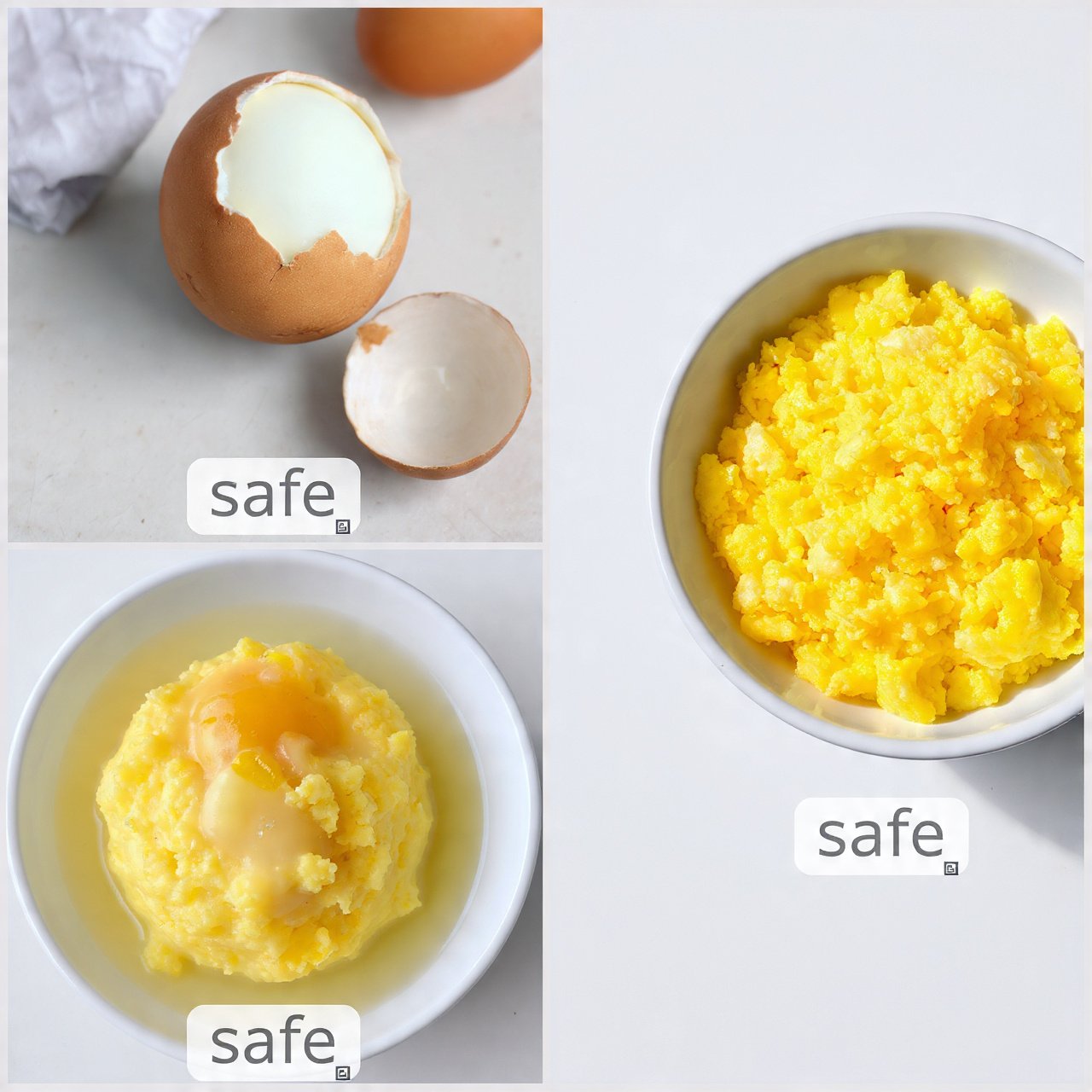
Every cat owner knows the feeling of being watched. You’re in the kitchen, the pan is sizzling, and the aroma of breakfast is filling the air. Before you even have the chance to flip your spatula, a pair of focused, unblinking eyes is tracking your every move from the floor. When it comes to scrambled eggs, the attraction is often instantaneous for felines. But as a responsible pet parent, you have to pause and ask: Can Cats Eat Scrambled Eggs? The direct answer is yes, cats can eat scrambled eggs. In fact, eggs are one of the most complete protein sources available in nature, packed with the exact amino acids your cat needs to thrive.
However, moving from a simple “yes” to a safe feeding practice requires a bit more nuance. While the protein in an egg is a biological goldmine for an obligate carnivore, the way we humans prepare our food can turn a healthy snack into a digestive nightmare. From the hidden dangers of garlic powder to the high fat content of butter, there are several “human” ingredients that must stay far away from your cat’s bowl. In this deep-dive guide, we will explore the science behind why eggs are beneficial, how to cook them properly for your cat, and the subtle red flags that mean you should stop feeding them immediately.
Table of Contents
- The Biological Match: Why Eggs Benefit Felines
- The Bioavailability of Egg Protein for Cats
- The Proper Way to Prepare Scrambled Eggs for Your Cat
- Toxic Toppings: What Must Never Enter the Pan
- Egg Whites vs. Egg Yolks: Understanding the Balance
- Portion Control: How Much Egg Is Too Much?
- The Science of Satiety: Eggs for Weight Management
- Identifying Egg Allergies and Intolerances
- The Danger of Raw Eggs: Bacteria and Biotin Deficiency
- Eggs Across Life Stages: Kittens to Seniors
- Common Preparation Mistakes to Avoid
- Frequently Asked Questions
- Building a Better Diet for Your Companion
The Biological Match: Why Eggs Benefit Felines
Cats are obligate carnivores, a term that essentially means they must eat meat to survive. Their bodies aren’t built to process heavy carbohydrates or plant-based proteins effectively. This is why eggs are such a spectacular supplement. An egg isn’t just “food”; it’s a bundle of life-sustaining nutrients designed to support the development of a chick, meaning it contains almost everything a living being needs to grow.
When your cat consumes an egg, they are getting a massive dose of high-quality protein. But protein is only half the story. Eggs are rich in taurine, an amino acid that cats cannot produce on their own in sufficient quantities. Taurine is non-negotiable for heart health and vision. While most commercial diets are fortified with it, a natural boost from a cooked egg is always welcomed by the feline body. For more expert advice on maintaining your pet’s health, you can visit our comprehensive pet care guide.
Beyond the basics, eggs offer a cocktail of essential vitamins. Vitamin A supports the health of the skin and the luxury of the coat. Vitamin B12 is the engine behind a healthy immune system and nervous system function. When you see your cat’s fur looking dull or “dusty,” it’s often a sign of a nutritional gap that Vitamin A and healthy fats can help bridge.
The Bioavailability of Egg Protein for Cats
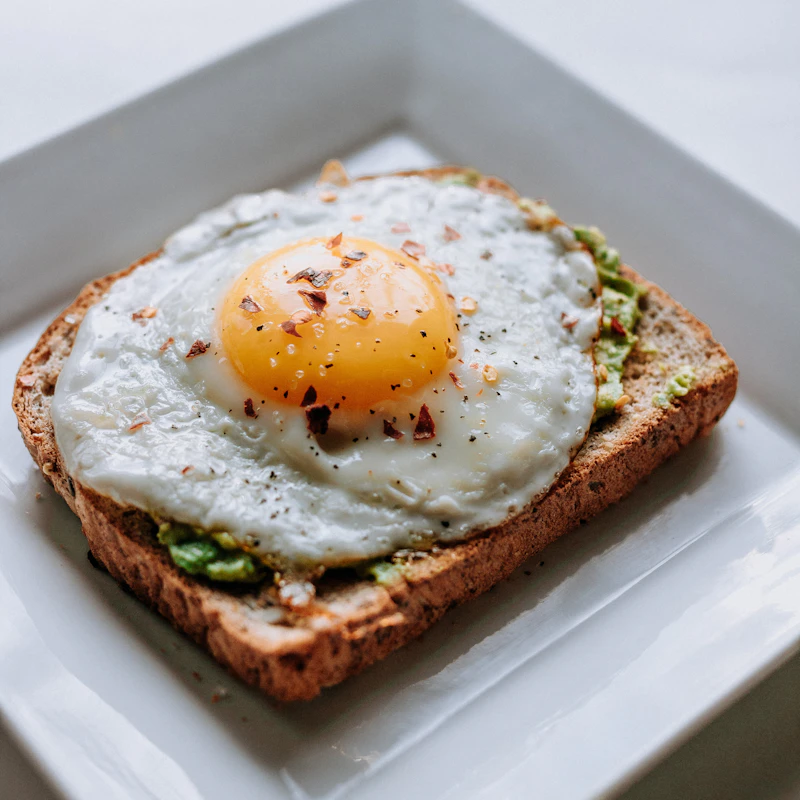
In the world of nutrition, not all proteins are created equal. We measure the quality of a protein by its “bioavailability,” which is essentially a fancy way of saying how much of the protein the body can actually use versus how much is wasted. On a scale of 0 to 100, eggs sit at the very top. For a cat, this means their digestive system has to do very little work to turn that egg into muscle-repairing fuel.
Have you ever wondered why your cat seems so energetic after a high-protein snack? It’s because their metabolic pathways are primed for animal-sourced amino acids. Unlike grains or legumes, which can leave a cat feeling sluggish or bloated, eggs provide “clean” energy. I’ve noticed in my years working with pet owners that adding a bit of egg to a cat’s routine can sometimes spark a renewed interest in play, especially in middle-aged cats who might be starting to slow down.
However, don’t let this high quality fool you into thinking eggs can be the only thing they eat. Cats still need specific minerals and fatty acids found in organ meats and bones that eggs alone cannot provide. To stay updated on the latest feline nutrition news, be sure to follow our Facebook community where we share daily tips.
The Proper Way to Prepare Scrambled Eggs for Your Cat
The biggest hurdle in feeding scrambled eggs to cats is the human definition of “delicious.” For us, a good scramble involves salt, pepper, maybe some heavy cream, and a generous amount of butter or oil to prevent sticking. If you serve that to your cat, you are inviting a weekend of vomiting or diarrhea.
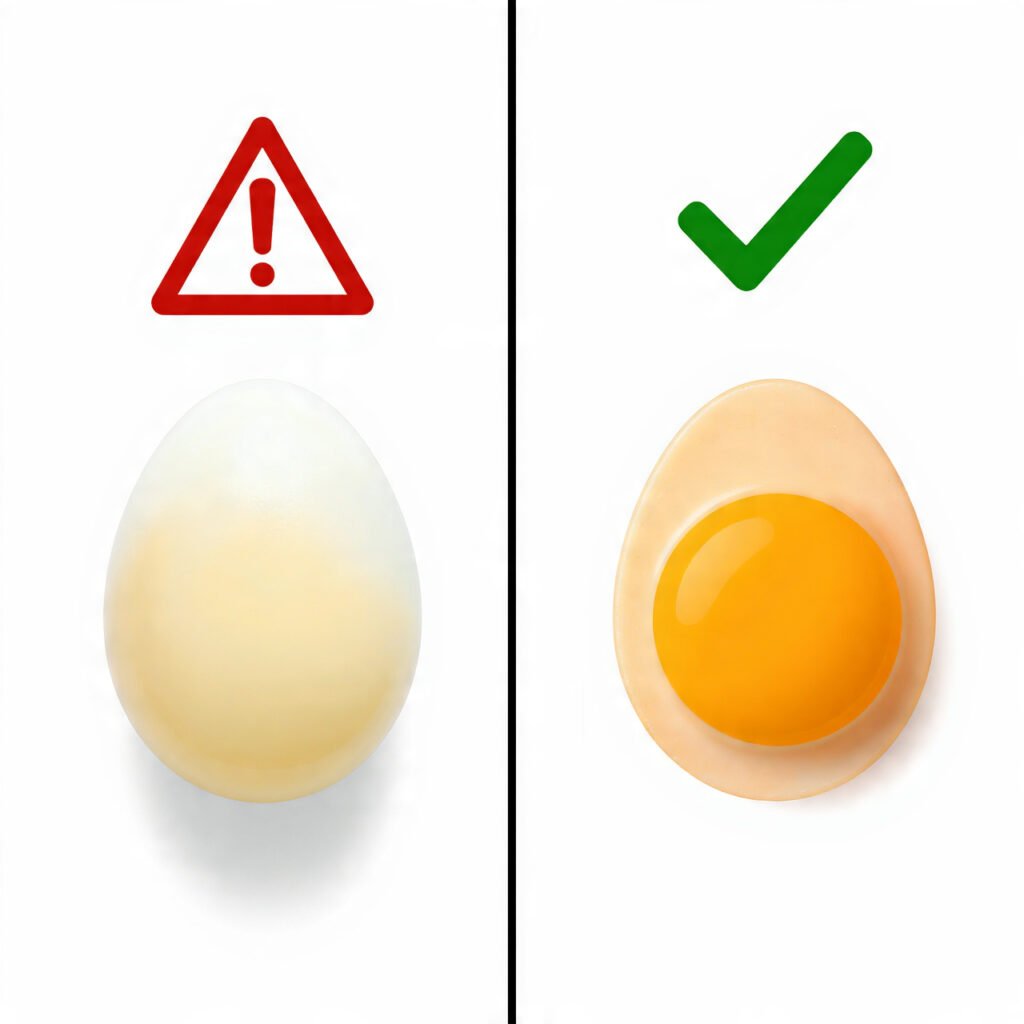
To prepare eggs safely, you must strip away every single human luxury. Start with a high-quality, fresh egg. Whisk it in a bowl until the white and yolk are fully blended. Instead of reaching for the butter, use a non-stick pan or a ceramic pan that requires no grease. If you absolutely must use something to prevent sticking, a single drop of water or a tiny amount of coconut oil is acceptable.
Cook the eggs until they are “hard scrambled.” While we might enjoy a soft, runny French-style omelet, cats need their eggs fully cooked to ensure any potential bacteria are destroyed. Once the eggs are firm, remove them from the heat and let them cool until they reach room temperature. A cat’s mouth is incredibly sensitive to heat; what feels “warm” to you can cause painful burns to their tongue. For more tips on safe food prep, check our cat health tips.
Toxic Toppings: What Must Never Enter the Pan
It is impossible to overstate the danger of common kitchen seasonings. Many owners think, “Oh, just a tiny bit of onion powder won’t hurt,” but the feline body reacts very differently to these compounds than ours does.
- Onions and Garlic: These are the most dangerous. They contain thiosulphates, which cause the red blood cells in cats to burst. This is a life-threatening condition called hemolytic anemia.
- Salt: Cats have a very delicate sodium balance. Excessive salt can lead to salt poisoning, causing tremors, seizures, and extreme thirst.
- Milk and Cream: Most adult cats are actually lactose intolerant. Adding milk to your eggs will likely result in a very messy litter box later that day.
- Black Pepper: While not strictly “toxic,” pepper is a severe irritant to the lining of the stomach and can cause a cat to cough or gag.
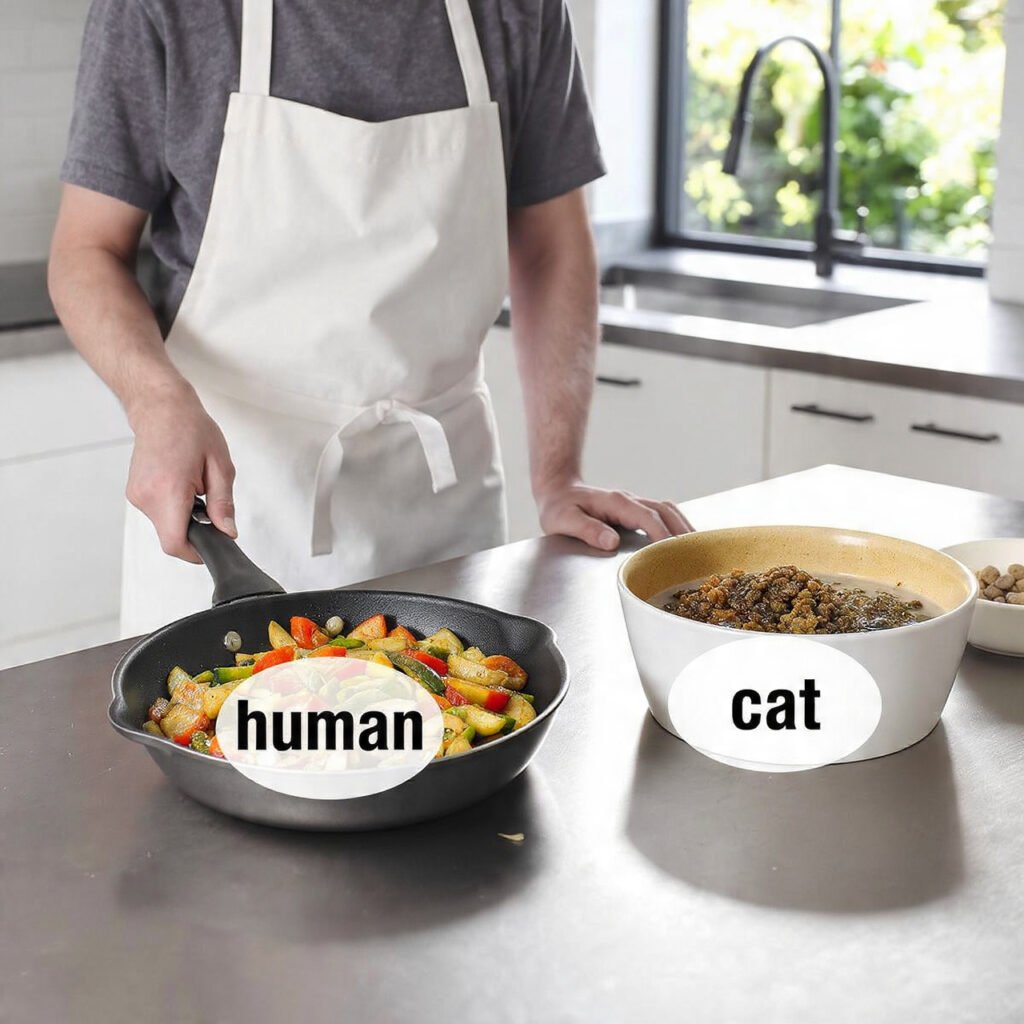
If you are cooking for yourself and the cat at the same time, I always recommend cooking the cat’s portion in a separate, clean pan first. This prevents any cross-contamination. You can see more safety warnings on our pet safety page.
Egg Whites vs. Egg Yolks: Understanding the Balance
When you crack an egg, you’re looking at two very different nutritional profiles. The egg white is almost entirely protein and water. It is low in calories and has zero fat. This makes it an ideal treat for cats that need to watch their waistline.
The yolk, on the other hand, is where the fat and most of the vitamins live. It contains the essential fatty acids that make a cat’s coat shine like polished silk. However, the yolk is also very calorie-dense. If your cat is already struggling with obesity, you might want to lean more toward the whites.
Generally, scrambling the whole egg is the best way to provide a balanced treat. You get the lean protein and the nutrient-rich fats in a balanced ratio. If you want to see videos of how different breeds react to these treats, join us on Facebook.
Portion Control: How Much Egg Is Too Much?
One of the hardest things for a pet owner to do is look at those begging eyes and say “no.” But when it comes to eggs, portion control is vital. A single large egg contains about 75 calories. To an 8-pound cat who only needs 200 calories a day, one egg is nearly half of their daily food intake!
The rule of thumb for treats is that they should never exceed 10% of a cat’s daily caloric intake. For the average cat, one tablespoon of scrambled egg is a perfect serving size. This should be a special treat, perhaps once or twice a week, not a daily meal replacement. Always prioritize their balanced feline diet over supplemental snacks.
The Science of Satiety: Eggs for Weight Management
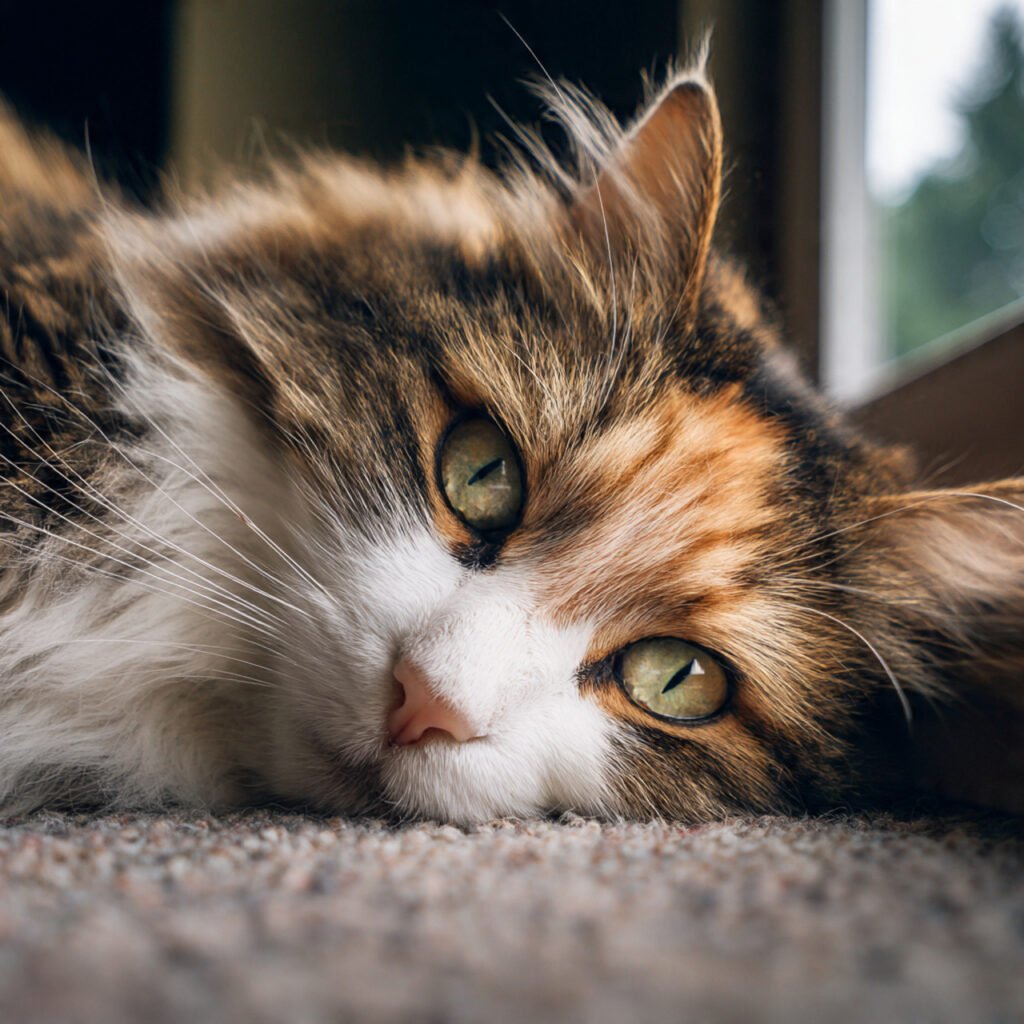
Can eggs actually help a cat lose weight? In some cases, yes. Because eggs are so high in protein and healthy fats, they make the cat feel full for longer compared to high-carbohydrate dry kibble. If you have a cat that is constantly “begging” an hour after their meal, a tiny bit of scrambled egg white can act as a healthy filler.
The Science of Satiety: Eggs for Weight Management
Can eggs actually help a cat lose weight? In some cases, yes. Because eggs are so high in protein and healthy fats, they make the cat feel full for longer compared to high-carbohydrate dry kibble. From what many owners notice, it’s not just about the protein—cats seem to genuinely love the soft texture of scrambled eggs, and it often keeps them from being quite so demanding during our own breakfast time. If you have a cat that is constantly “begging” an hour after their meal, a tiny bit of scrambled egg white can act as a healthy filler.
Identifying Egg Allergies and Intolerances
While eggs are generally safe, egg allergies do exist. Food allergies in cats often manifest as skin issues rather than just stomach upset. If your cat is allergic to eggs, you might see constant scratching around the head and neck or chronic ear inflammation. If you notice these symptoms, stop feeding eggs and consider a hypoallergenic diet.
The Danger of Raw Eggs: Bacteria and Biotin Deficiency
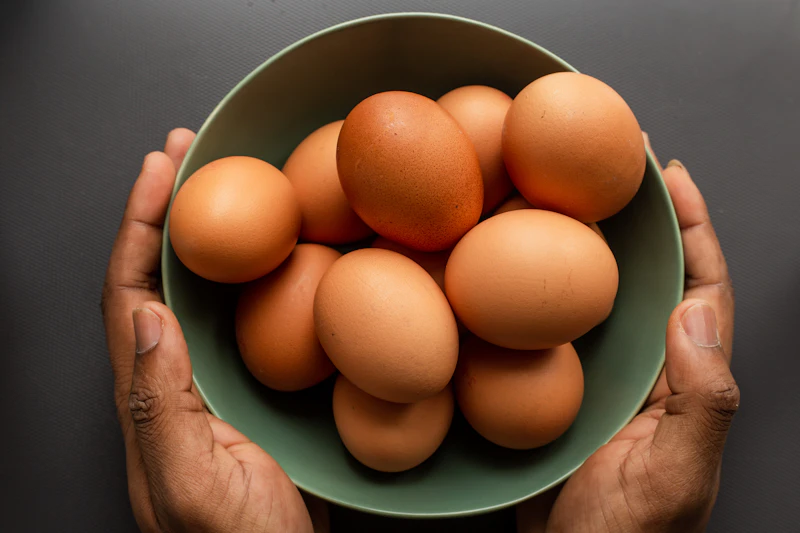
Cooking eggs is non-negotiable for two primary reasons. First, raw eggs can carry Salmonella and E. coli. Second, raw egg whites contain avidin, a protein that prevents the body from absorbing Biotin (Vitamin B7). Biotin is crucial for healthy skin and cell growth. Cooking the egg solves both problems instantly.
Eggs Across Life Stages: Kittens to Seniors
Kittens: Young cats are in a state of constant growth. A small amount of egg is a great protein boost, but ensure they are on a balanced kitten food first.
Seniors: Many older cats develop kidney disease. High-protein and high-phosphorus foods like egg yolks can be hard on failing kidneys. Always check with your vet before feeding eggs to a senior cat with health issues.
Common Preparation Mistakes to Avoid
One common mistake is feeding the eggshells. While they contain calcium, they are sharp and can cause internal damage unless ground into a microscopic powder. Also, avoid using non-stick sprays like “Pam,” as they contain additives not meant for cats. Finally, never let cooked eggs sit out; if they aren’t eaten in 20 minutes, toss them. For more on behavior, visit our behavior guide.
Frequently Asked Questions
Can cats eat hard-boiled eggs?
Yes! Hard-boiled eggs are one of the safest ways to feed eggs because they are cooked without any oil or butter. Just mash them into small pieces.
Is the egg yolk safe for cats with pancreatitis?
No. Cats with pancreatitis need a very low-fat diet. The yolk is high in fat and could trigger a painful flare-up.
How often can I give my cat eggs?
Once or twice a week is perfect. It keeps the treat special and ensures you aren’t unbalancing their primary nutrition.
Building a Better Diet for Your Companion
Sharing a small piece of your morning with your cat is a wonderful bonding experience. By following the rules of plain preparation and strict portion control, you turn a simple breakfast item into a powerful nutritional tool. Stay observant, keep things simple, and always prioritize long-term health. For more in-depth articles, keep exploring petscatsdogs.com and join our Facebook community.