
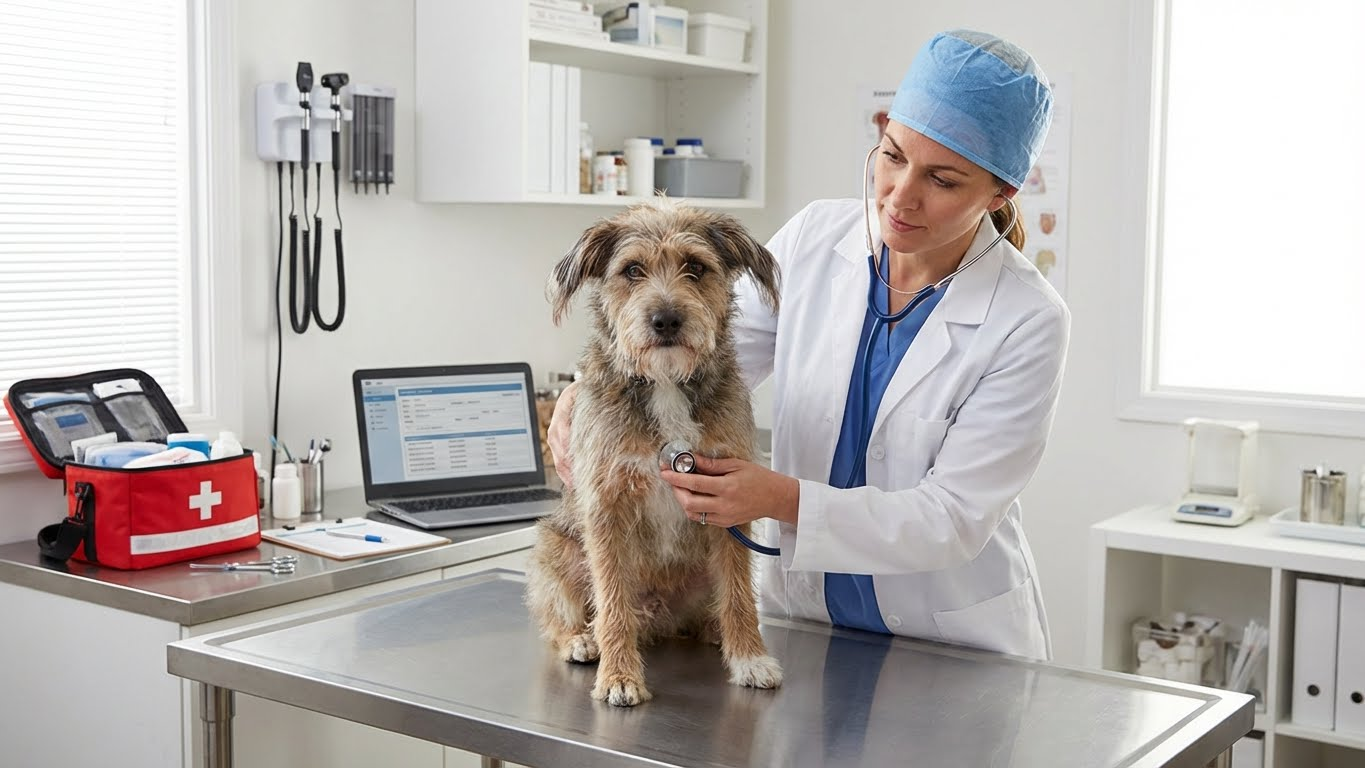
Dog Throwing Up Yellow Foam It is a sound every dog owner knows all too well. That rhythmic, heavy heaving in the middle of the night or early morning that sends you sprinting out of bed to keep the carpet clean. When you finally reach your dog, you find a small puddle of frothy, bright yellow liquid. It isn’t food, and it isn’t just water—it is bile. Seeing your dog throw up yellow foam can be alarming, especially if they seem perfectly fine both before and after the event. In most cases, this yellow foam is a sign that your dog’s stomach is empty and irritated by digestive fluids. However, while “hunger pukes” are common, this symptom can also point toward more serious underlying issues like pancreatitis, allergies, or even a physical blockage. Understanding the difference between a simple upset stomach and a medical emergency is the first step in helping your companion feel better. Let’s break down exactly why this happens and what you can do about it.
Table of Contents
- What Exactly Is the Yellow Foam My Dog Is Throwing Up?
- Bilious Vomiting Syndrome: The Most Common Culprit
- Dietary Indiscretion and Scavenging
- Food Allergies and Chronic Stomach Irritation
- The Danger of Pancreatitis in Dogs
- Gastrointestinal Blockages and Obstructions
- When Yellow Foam Indicates Other Health Issues
- At-Home Care and Managing an Upset Stomach
- When to See a Veterinarian Immediately
- Frequently Asked Questions
- Final Thoughts on Digestive Health
What Exactly Is the Yellow Foam My Dog Is Throwing Up?
The yellow substance you are seeing is bile. Bile is a digestive fluid produced by the liver and stored in the gallbladder. Its primary job is to break down fats and aid in the absorption of nutrients once food leaves the stomach and enters the small intestine. Under normal circumstances, bile stays in the small intestine where it belongs. It is highly alkaline and quite harsh, designed to neutralize stomach acid as it breaks down nutrients.
However, when a dog’s stomach is empty for an extended period, or if there is a backup in the digestive tract, bile can flow backward through the pyloric valve and into the stomach. This is known as duodenogastric reflux. Once that harsh, acidic bile sits in an empty stomach, it causes significant irritation to the stomach lining. The result? Your dog vomits to get rid of the irritant. For more on canine health, you can visit our dog care guides section.
The “foam” part of the equation happens because the liquid mixes with air and saliva during the gagging and vomiting process. It can range in color from a pale, watery yellow to a bright, neon-colored liquid. While it looks scary, the color itself just confirms that there is no food present and that the source of the fluid is the upper digestive tract.

Bilious Vomiting Syndrome: The Most Common Culprit
If your dog tends to throw up yellow foam specifically in the early morning hours or late at night right before dinner, they likely have Bilious Vomiting Syndrome (BVS). This is a very common condition in dogs who have a long gap between their meals. Have you noticed that your dog seems completely fine, has plenty of energy, and eats their next meal with enthusiasm despite the morning vomit? That is a classic sign of BVS.
When the stomach stays empty for 12 hours or more, the accumulation of bile becomes too much for the stomach lining to handle. The stomach basically throws a “tantrum” because it has nothing to digest. From what many owners notice, it isn’t just about the vomiting itself—dogs often seem to display a specific kind of ‘morning sluggishness’ that disappears the moment they get a small biscuit or piece of toast. This simple fix is often overlooked by owners who fear the worst.
Dietary Indiscretion and Scavenging
Dogs are natural scavengers. Whether it is a bit of “street pizza” found on a walk, a dead bird in the backyard, or the remains of a greasy taco wrapper from the trash, dogs often eat things they shouldn’t. This is what veterinarians call “dietary indiscretion.” When a dog consumes something toxic, rancid, or simply too rich for their system, the stomach works overtime to purge the intruder.
If they have already vomited their actual food, they may continue to retch, eventually producing only yellow bile. Sometimes, dogs will eat large amounts of grass when their stomach feels slightly off. While grass itself isn’t necessarily harmful in small amounts, it acts as an irritant. If the dog hasn’t eaten recently, the combination of grass and bile creates a bright green or yellow foamy mess on your floor. You can see more safety tips on our Facebook page.
Food Allergies and Chronic Stomach Irritation
Not every reaction to food is immediate or dramatic. Sometimes, a dog develops a sensitivity or a full-blown allergy to a specific protein or filler in their kibble. This creates a state of chronic inflammation in the gut. When the stomach lining is perpetually inflamed, it becomes much more sensitive to the presence of bile. Common allergens include chicken, beef, dairy, and wheat. If you suspect a food sensitivity, it may be worth discussing a limited ingredient diet with your vet. For a deeper look at diets, visit petscatsdogs.com.
The Danger of Pancreatitis in Dogs
Pancreatitis is a much more serious reason for a dog to throw up yellow foam. The pancreas is responsible for producing enzymes that digest food. Pancreatitis occurs when the pancreas becomes inflamed, often after the dog eats a very fatty meal. Think of those “table scraps” like bacon grease, steak fat, or butter. Unlike BVS, a dog with pancreatitis will look and act very sick, often refusing to move or eat at all.
Gastrointestinal Blockages and Obstructions
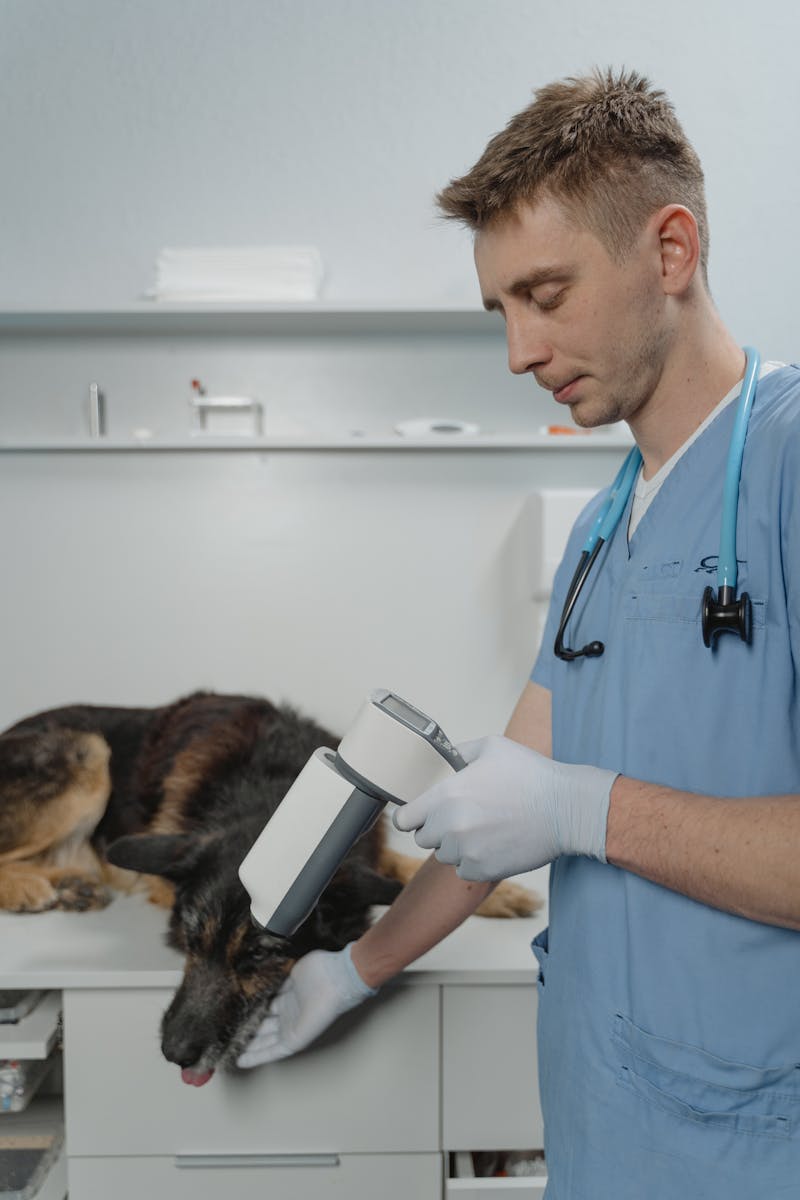
We all know dogs love to chew. Sometimes, that chewing leads to swallowing—socks, rocks, squeakers from toys, or corn cobs. When an object gets stuck in the stomach or the small intestine, it creates a literal “dam.” Food and liquids cannot pass through, but the body keeps producing bile. Because nothing can go down, everything must come up. A dog with an obstruction will often vomit yellow foam because bile is the only thing their body can still produce and move.
When Yellow Foam Indicates Other Health Issues
While the gut is usually the first place we look, other organs can cause digestive upset when they aren’t functioning correctly. Liver disease can lead to an accumulation of waste products in the blood, causing nausea. Kidney failure can lead to “uremic gastritis.” Even heatstroke in the summer months may cause a dog to vomit yellow foam as their internal organs begin to struggle. It is easy to focus only on the stomach, but the body is an interconnected system. Explore more on general pet health.
At-Home Care and Managing an Upset Stomach
If your dog has thrown up yellow foam once but is still acting like their happy, bouncy self, you can usually manage the situation at home. The “Late Night Snack” trick is the best remedy: try giving your dog a small, high-fiber biscuit or a small portion of their dinner right before you go to bed. This prevents bile from accumulating overnight. Additionally, the bland diet of boiled white rice and chicken can work wonders for a minor “garbage gut” incident.

When to See a Veterinarian Immediately
As much as we want to handle things at home, there are times when professional help is the only safe option. Seek emergency care if the vomiting is frequent, if there is blood in the vomit, or if the dog’s abdomen feels hard and painful. A dog that is shivering, hiding, and refusing treats while vomiting yellow foam is a dog in crisis. When in doubt, join our conversations on Facebook to ask the community for advice, but always call your vet first.
Frequently Asked Questions
Why is my dog’s vomit yellow foam?
The yellow color comes from bile. The foam is created when liquid mixes with air and saliva. It usually indicates an empty stomach.
Can I give my dog antacids for yellow vomit?
Never give human medications without a specific dosage from your vet. Some contain ingredients that are toxic to dogs.
Does yellow foam mean my dog has parvo?
Parvo usually includes severe bloody diarrhea and extreme lethargy. Yellow foam alone is more likely an empty stomach issue.
Should I withhold food after they vomit?
If they seem fine, a small snack may help. If they seem nauseous, resting the stomach for 6-12 hours is standard practice.
Why does my dog eat grass and vomit foam?
Dogs eat grass to induce vomiting when they feel nauseous. On an empty stomach, they will produce yellow bile.
Final Thoughts on Digestive Health
Caring for a dog’s digestive system is a game of observation. While that morning puddle of yellow foam is a nuisance to clean up, it is usually a clear communication that it’s time for a snack or a schedule change. Consistency is the secret to a happy dog gut. Remember that while we provide general guidance, nothing replaces the diagnostic tools of a veterinarian. Stay calm, watch their behavior, and soon your furry friend will be back to their happy self. For more resources, visit petscatsdogs.com.